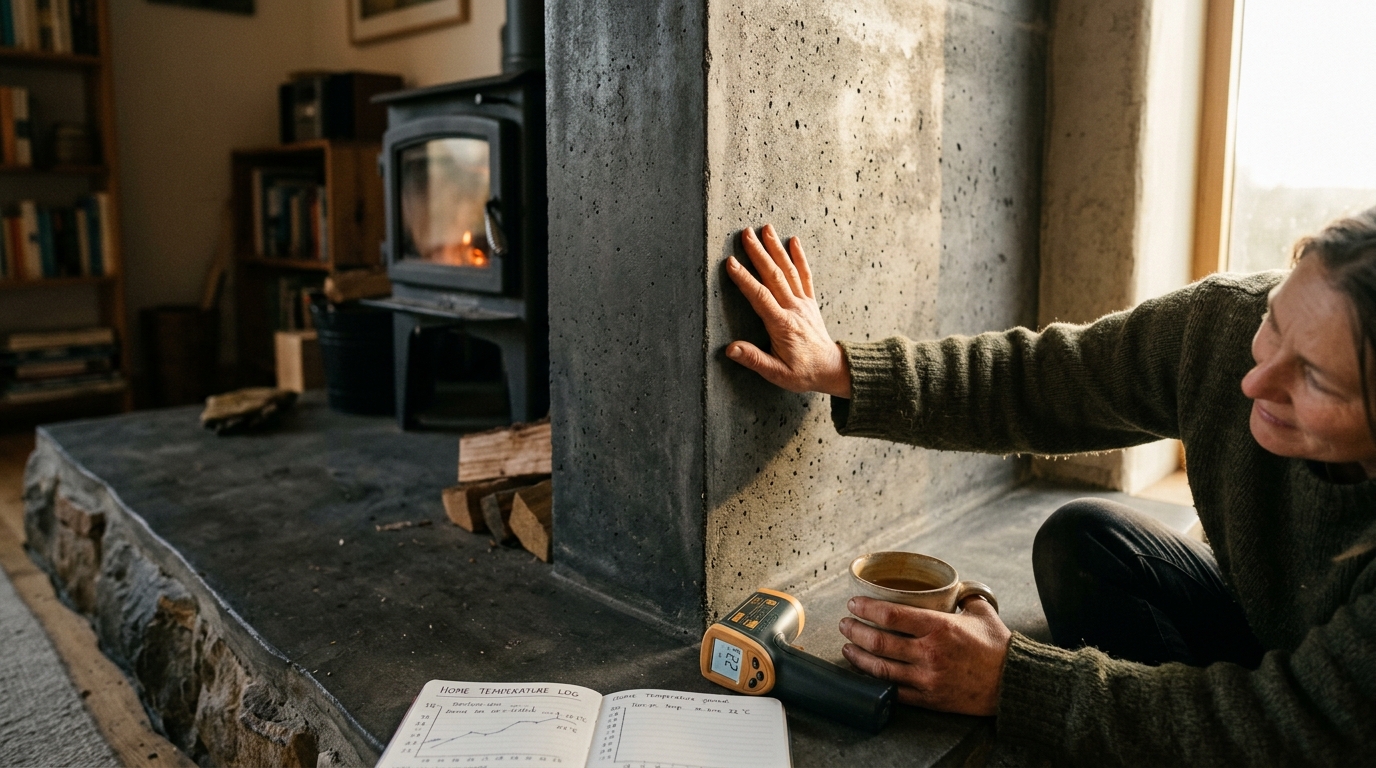
Most homeowners chase comfort by adjusting the thermostat, never realizing their walls, floors, and countertops are silently storing and releasing heat all day. Understanding thermal mass lets you work with your home’s natural physics to stay comfortable longer while running your heating and cooling system less.
Older homes are full of charm but often plagued by drafts, hot and cold spots, and energy bills that make new-build owners look smug. With targeted air sealing, insulation upgrades, and a few smart system tweaks, you can close the comfort gap without a full renovation.
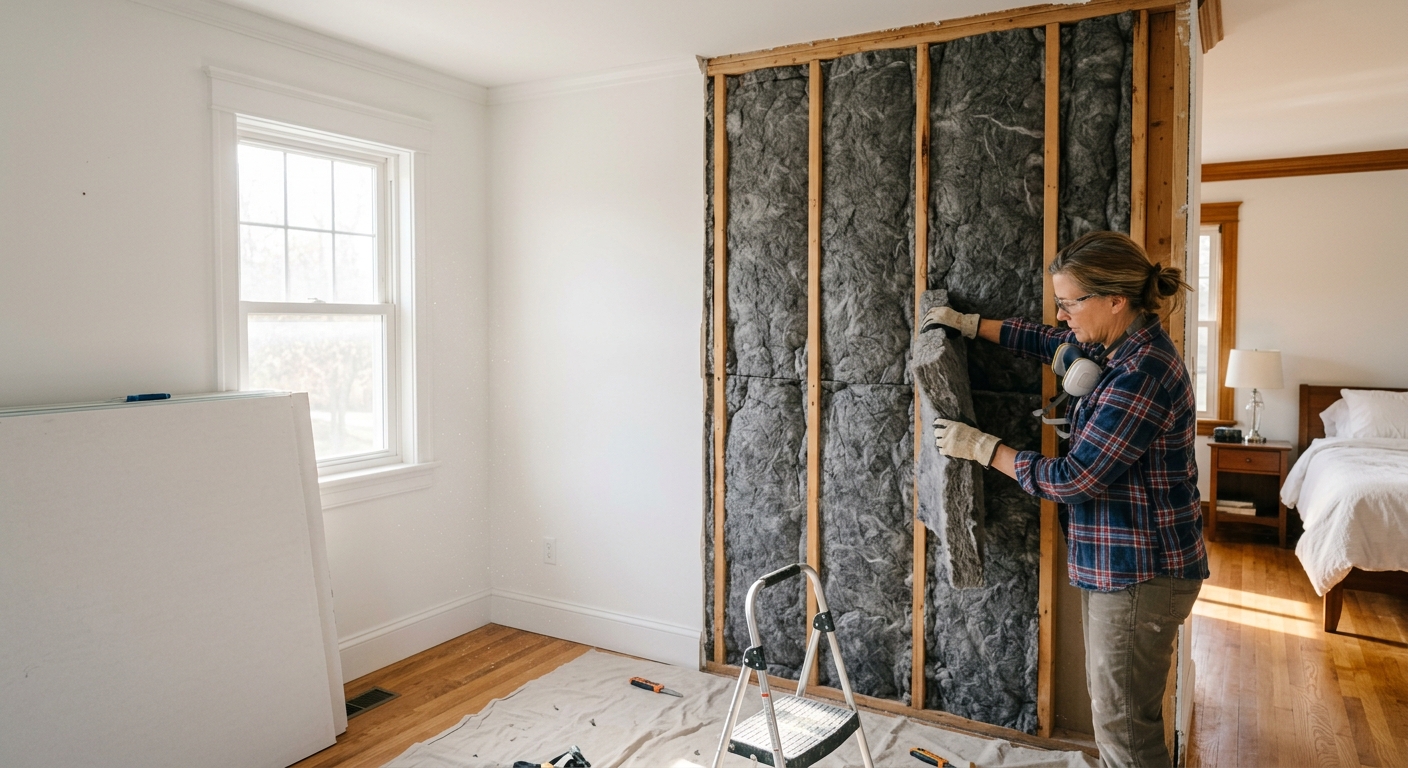
Thin, uninsulated interior walls let sound travel freely between rooms and allow temperature imbalances to persist throughout your home. Adding insulation to interior walls reduces noise transfer by up to 50%, evens out room temperatures, and can trim your overall heating and cooling costs by 5 to 15%.
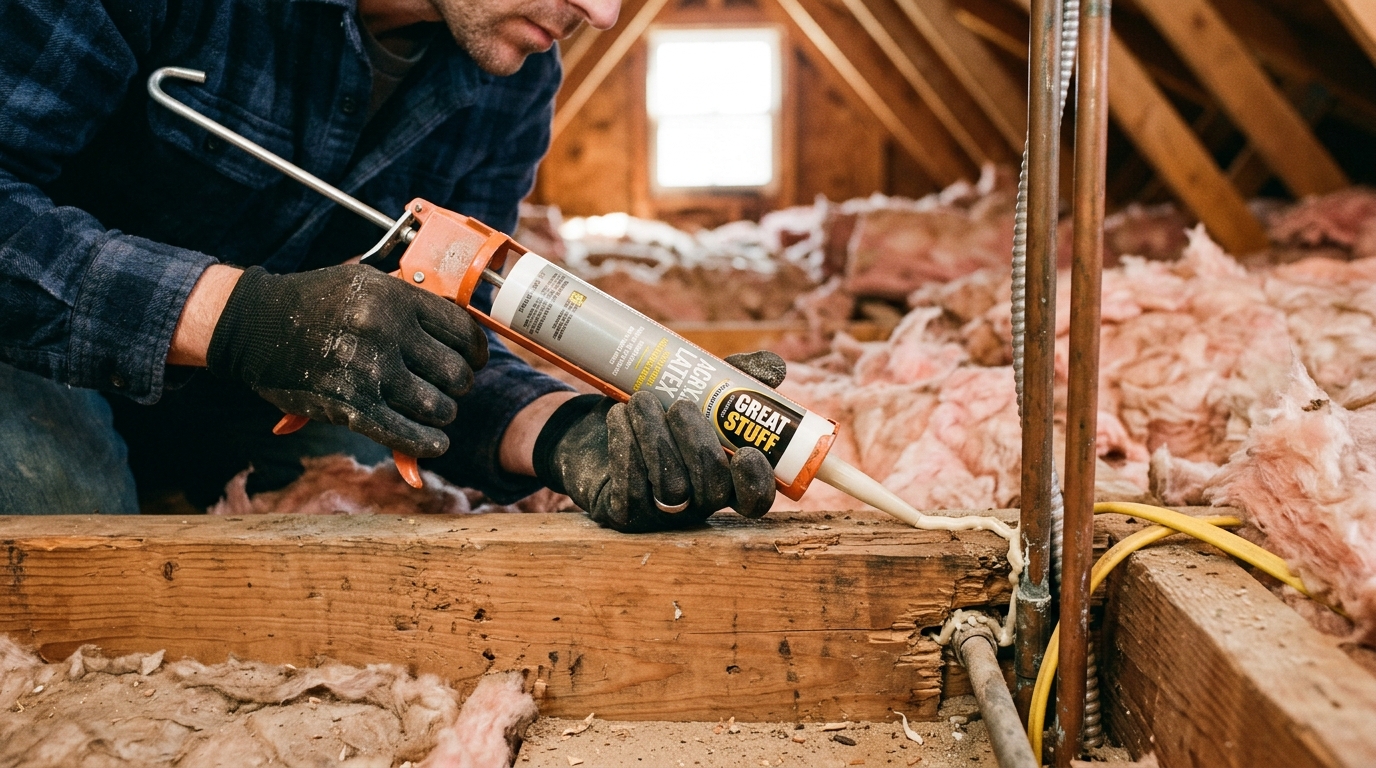
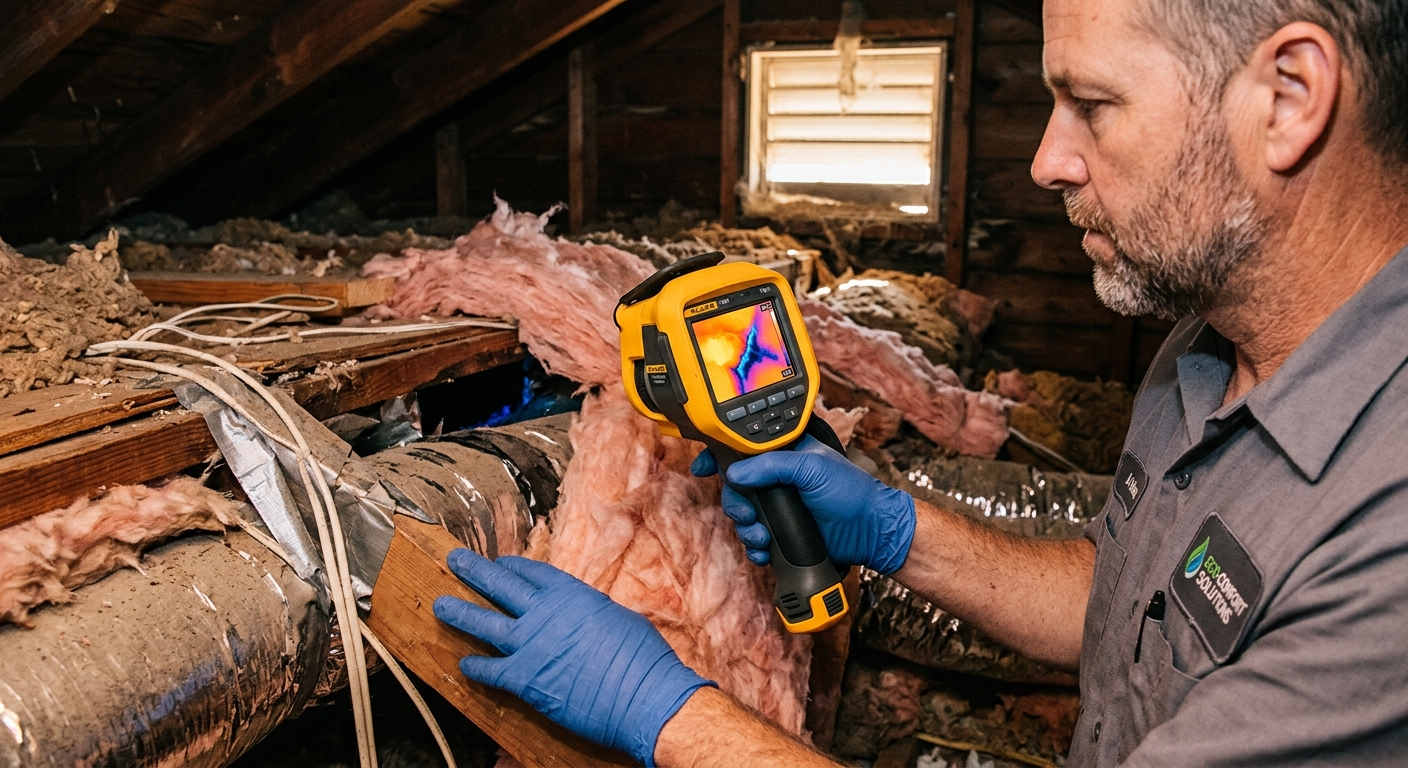
Most homeowners throw money at insulation while ignoring the real culprit behind drafts, high bills, and uneven temperatures. Air sealing your home’s hidden gaps and cracks can cut heating and cooling costs by up to 20% and dramatically improve comfort, often for less than $50.
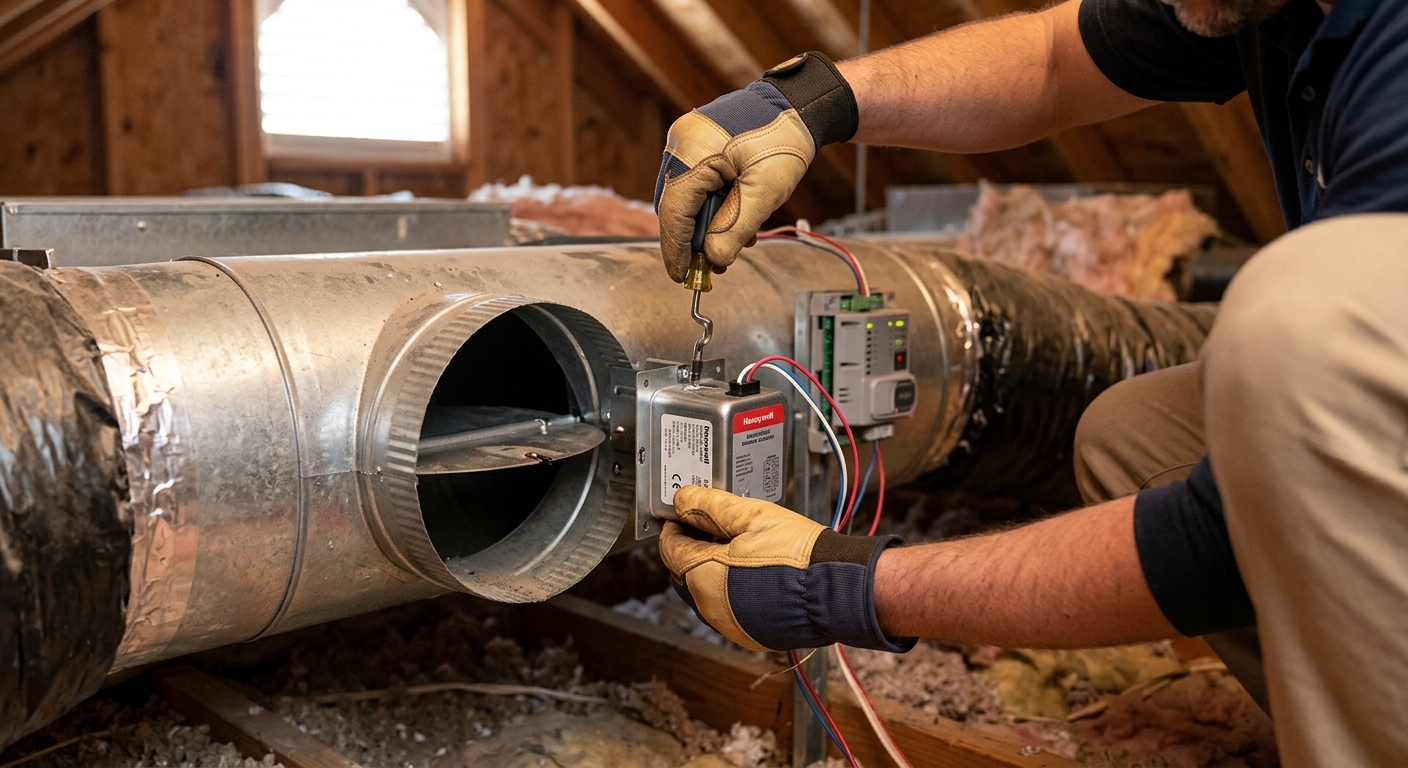
A zoned HVAC system promises personalized comfort and lower energy bills, but most homeowners never get the full benefit because of a handful of common, fixable problems. From miscalibrated thermostats to leaky bypass dampers, this guide walks you through exactly what goes wrong and how to get your system working the way it was designed to.
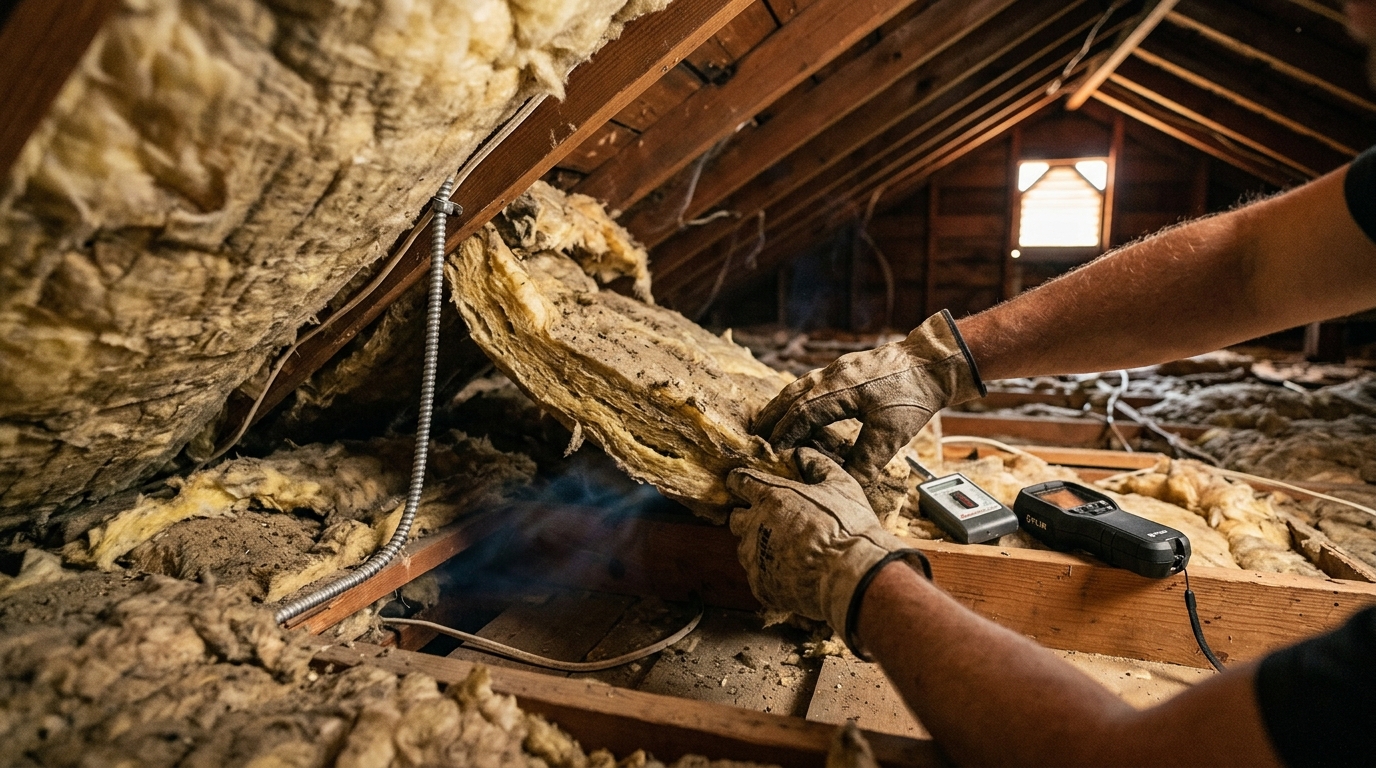
Failing insulation is one of the most expensive and least visible problems in a home, silently inflating energy bills month after month. Learn the seven warning signs and what you can do to stop the drain on your wallet.
Many homeowners add attic insulation expecting dramatic improvements, only to find their rooms are still drafty, hot, or uneven in temperature. The real culprit is almost always air leakage, and without sealing it first, even R-60 insulation will underperform.
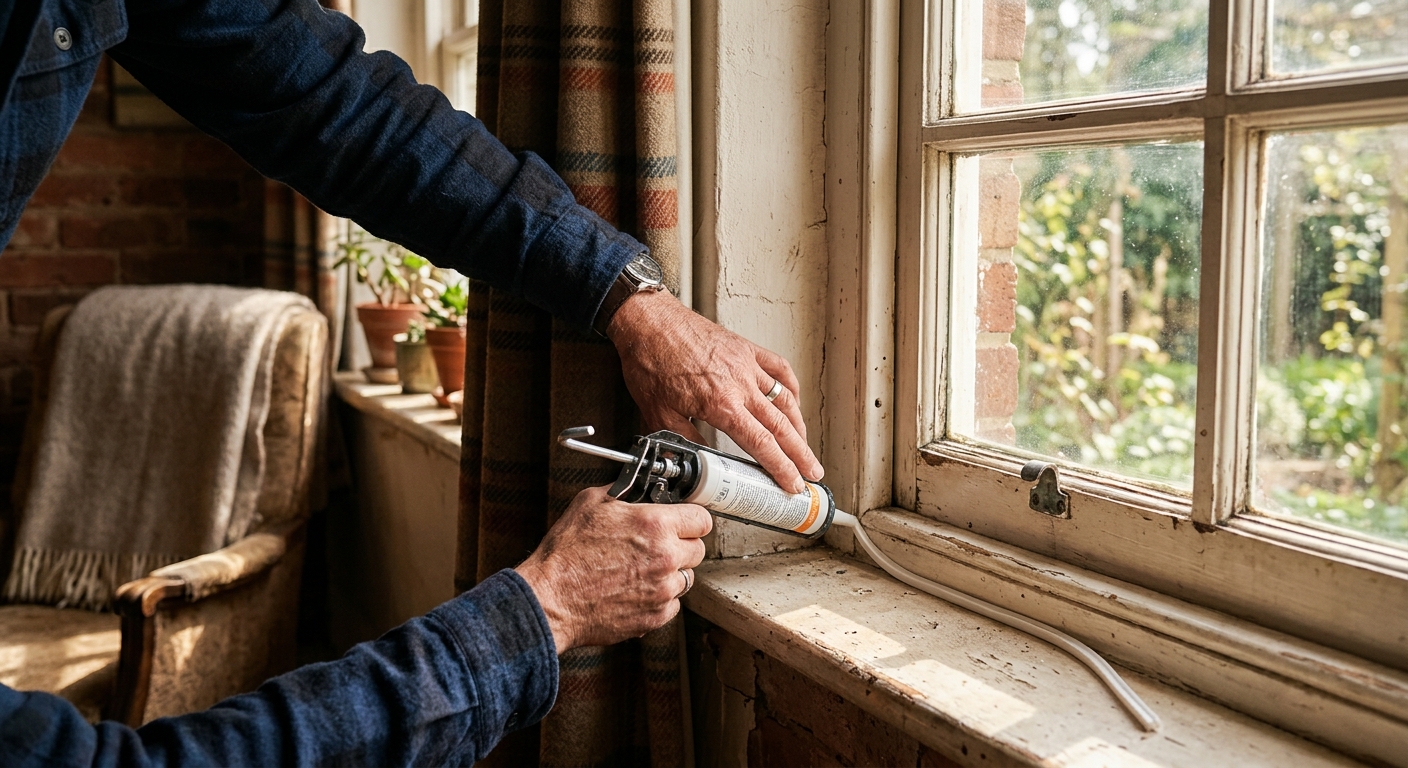
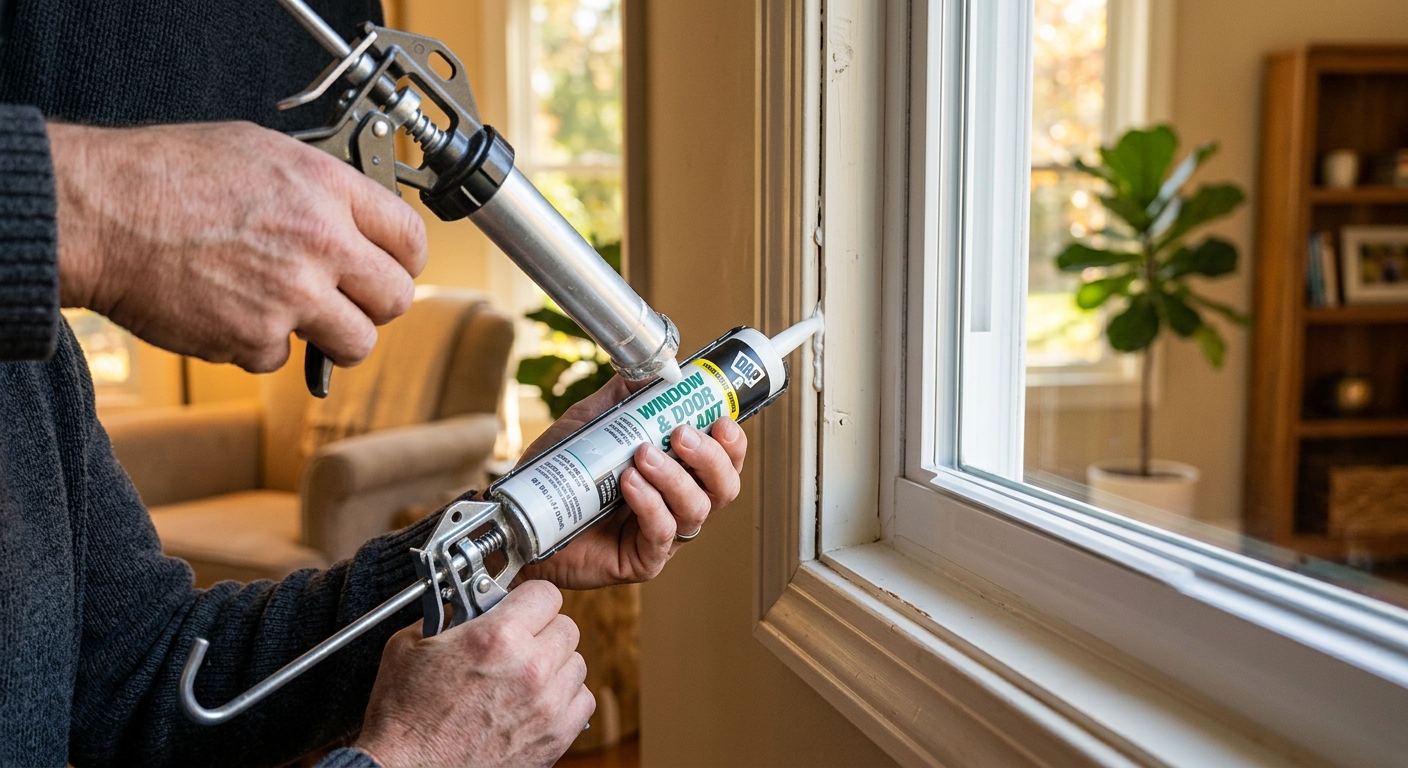
Replacing your windows is a major investment, but new glass alone does not stop drafts if the surrounding installation has gaps, failed caulk, or missing foam. This guide explains the real causes of post-replacement drafts and shows you exactly how to seal them for good.
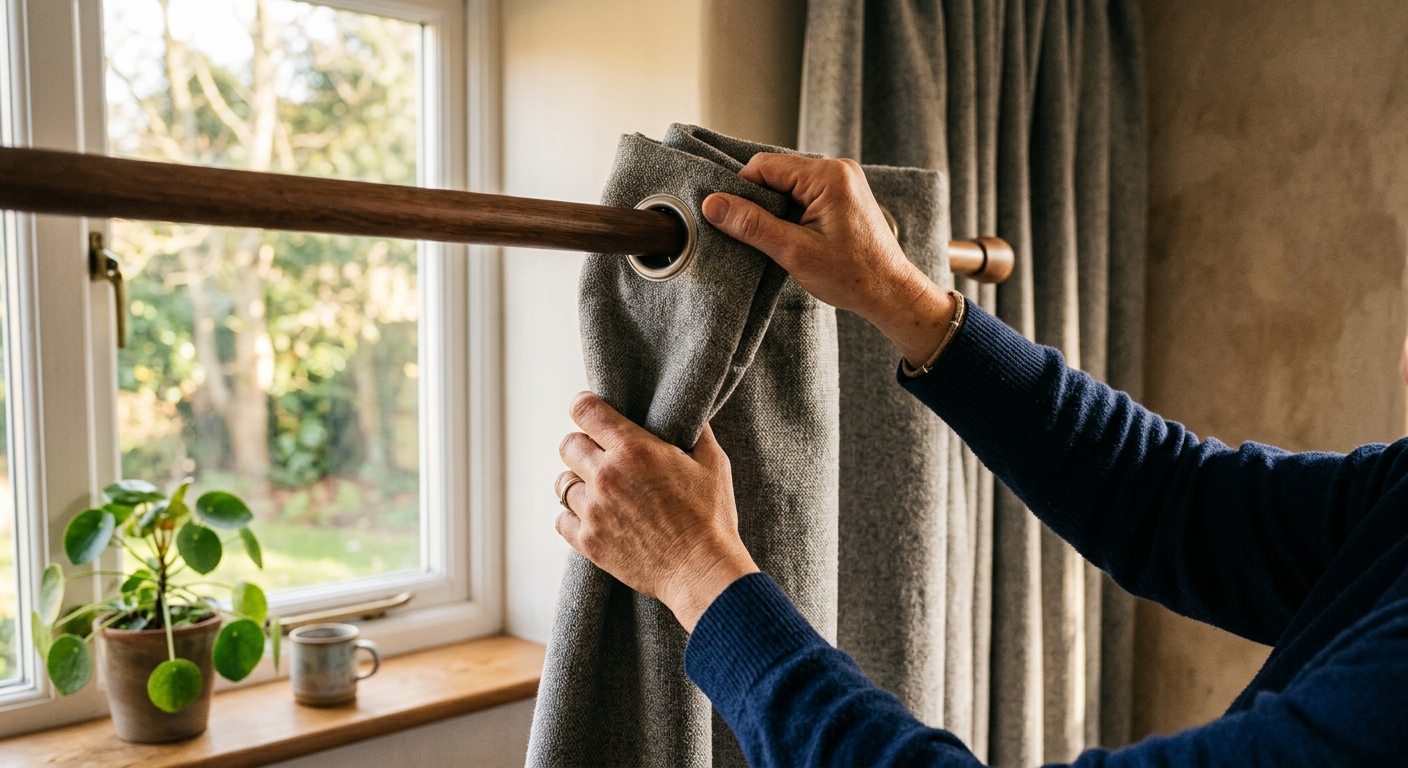
Windows are responsible for up to 30% of your home’s heating and cooling loss, making them one of the biggest comfort and energy drains in any season. Thermal curtains are a low-cost, renter-friendly fix that can slash that loss significantly and pay for themselves within months.
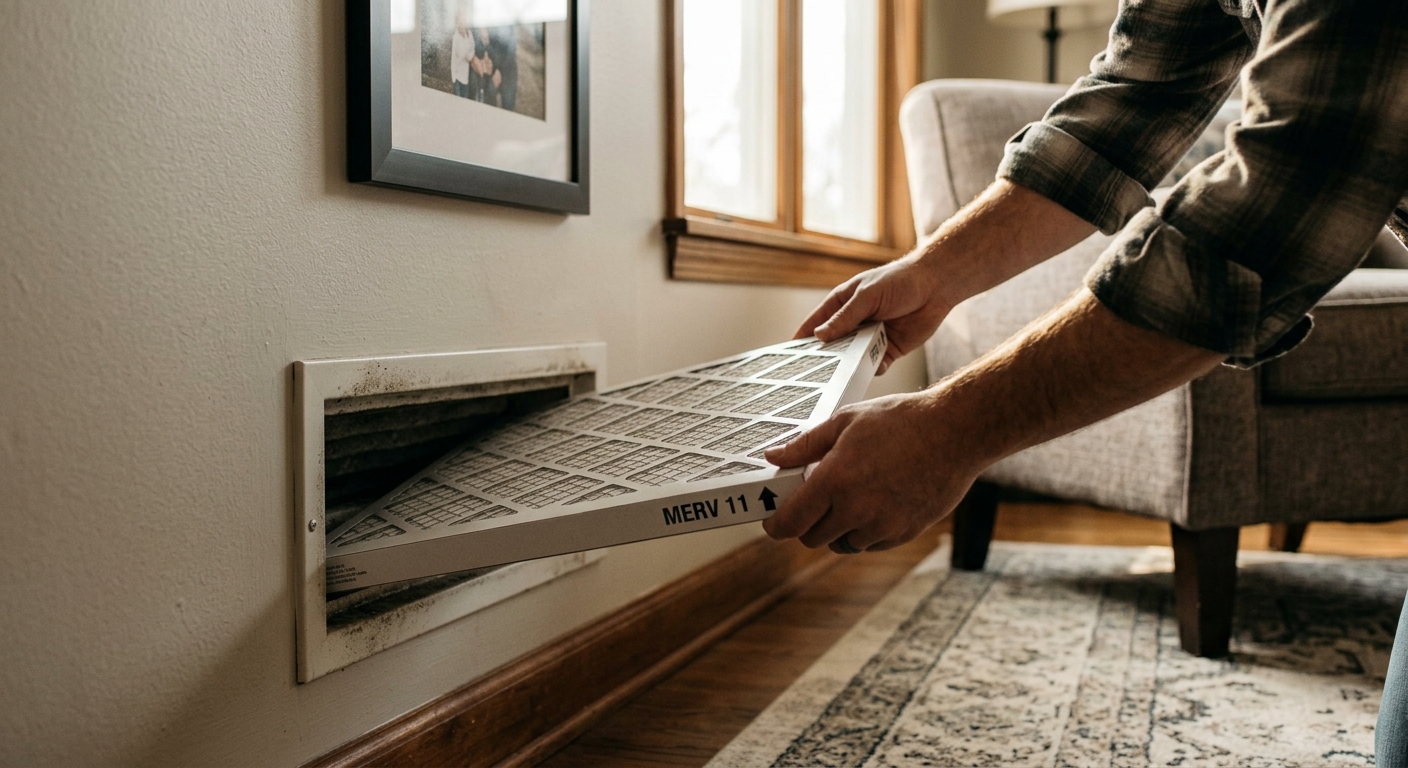
Stagnant air forces your HVAC system to work harder, drives up energy bills, and leaves some rooms stuffy while others stay empty. Fixing circulation problems with a few targeted upgrades can cut monthly cooling and heating costs by 15 to 25% while making every room in your home genuinely comfortable.