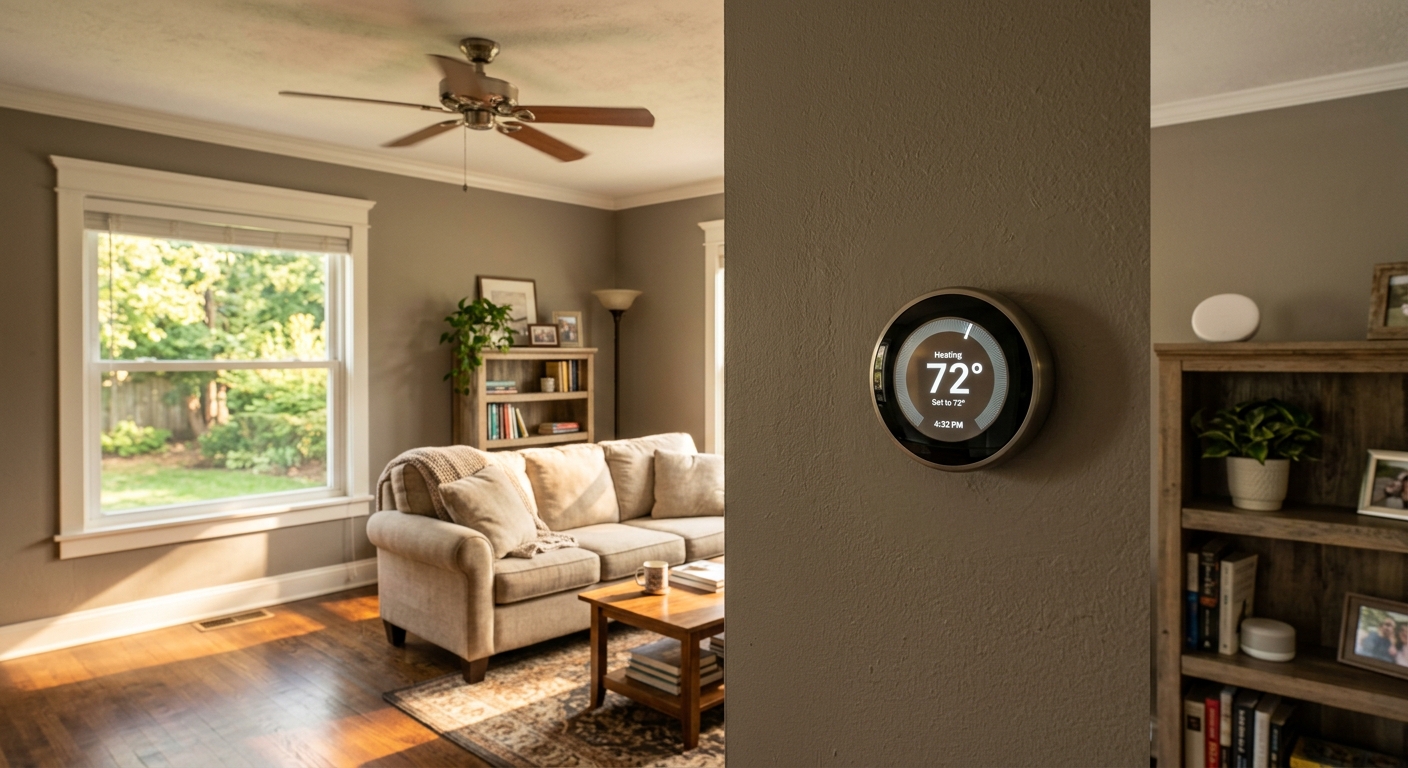
Your thermostat says 72°F but one room feels like a sauna and another like a freezer – and that single number is why. Understanding the gap between your thermostat’s reading and your home’s actual comfort zones can cut energy bills by 15 to 25% and eliminate hot and cold spots for good.
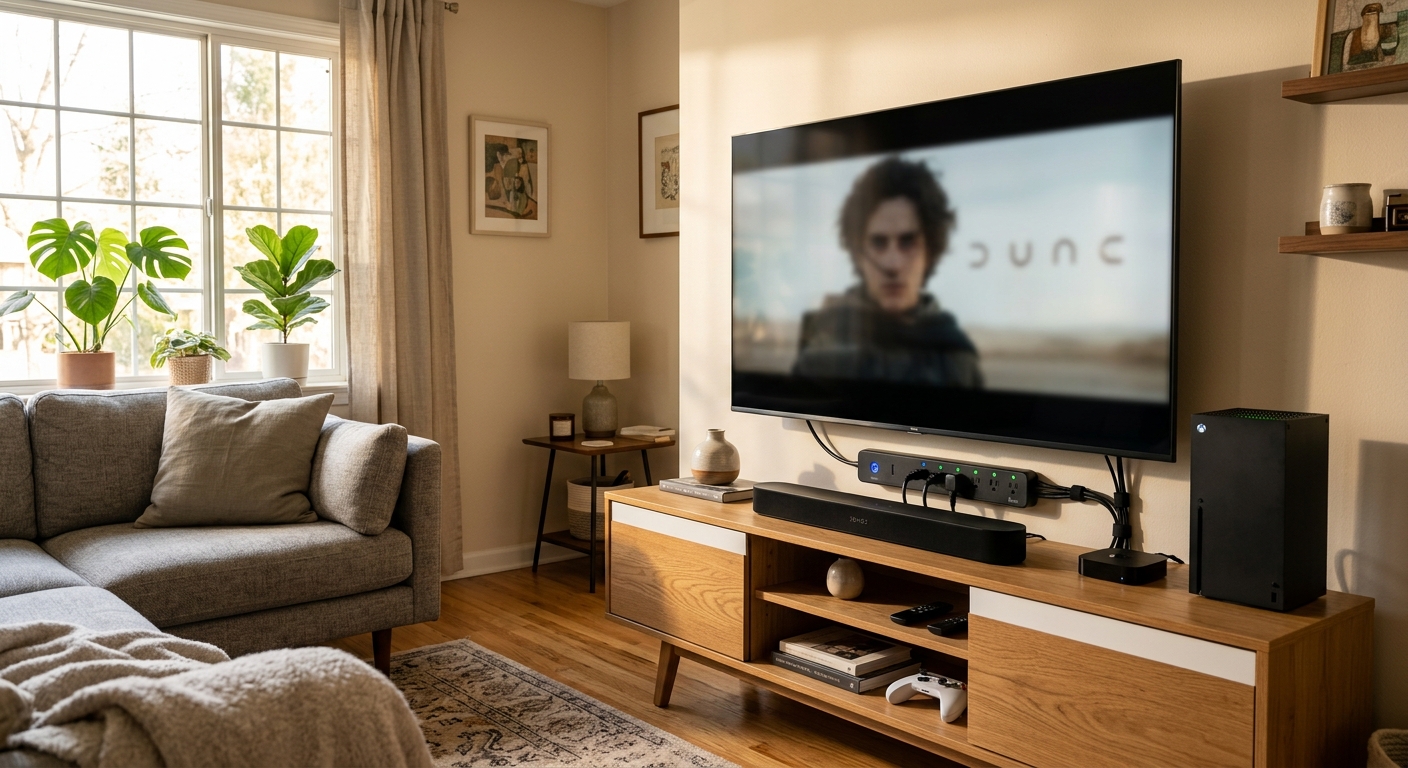
Standby power quietly drains 5 to 10% of your home’s electricity budget every single month, even when devices appear to be off. Smart power strips can eliminate most of that waste automatically, but only if you pick the right type and set them up correctly.
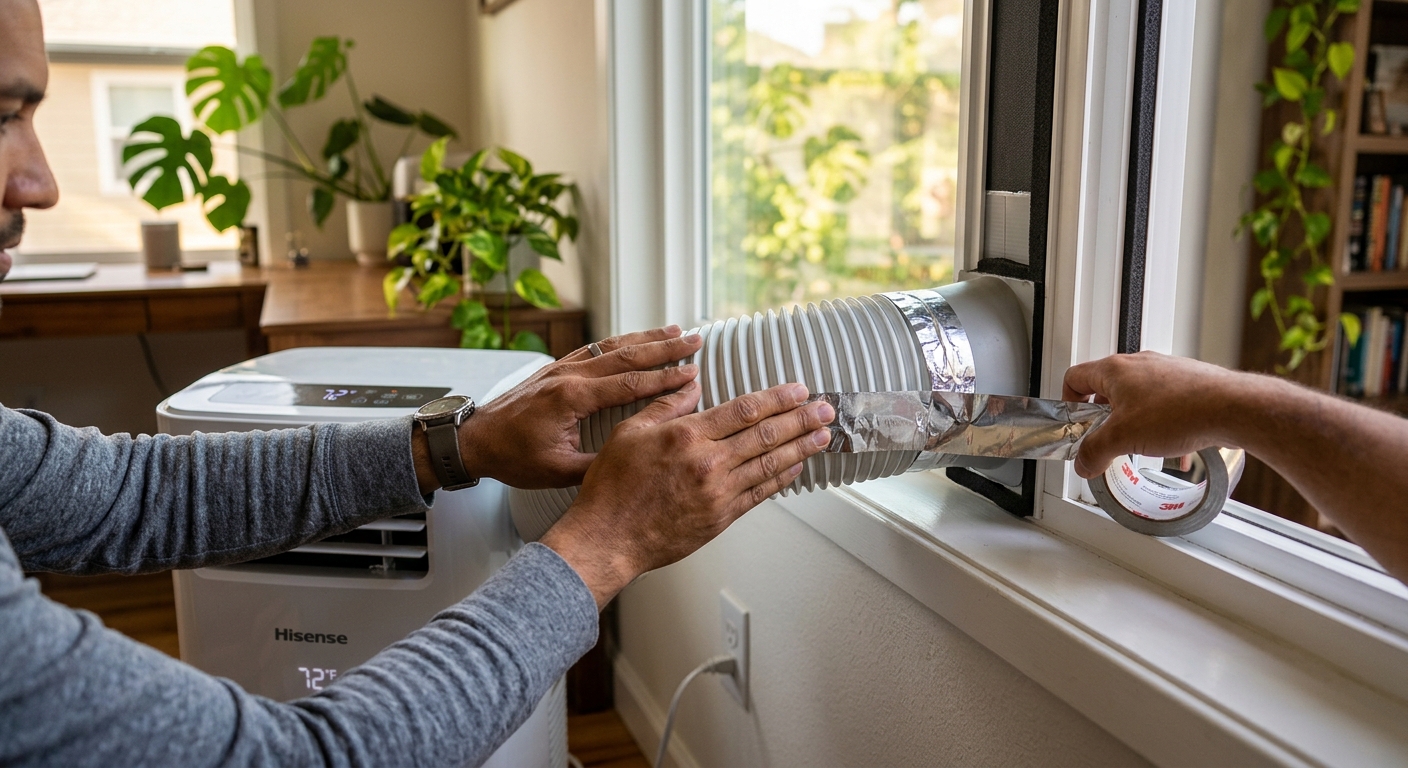
Most portable air conditioners are set up incorrectly, and a single venting mistake can cut their cooling output nearly in half. Fix the exhaust hose setup and seal the window kit properly, and you can recover most of that lost efficiency without spending a dime.
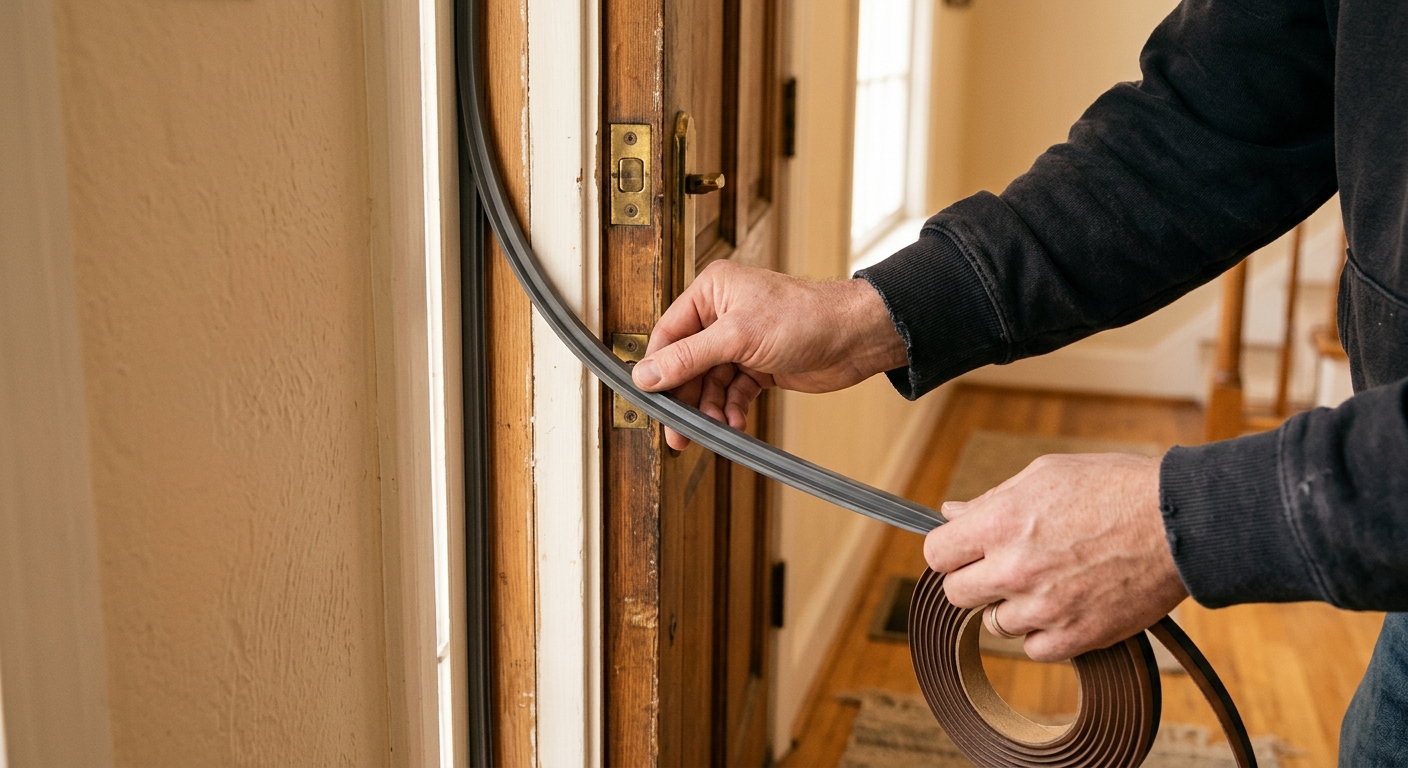
A drafty front door can account for up to 11% of your home’s total air leakage, quietly inflating your heating and cooling bills year-round. Replacing worn weatherstripping takes less than an hour, costs under $30, and delivers immediate, measurable comfort improvements.
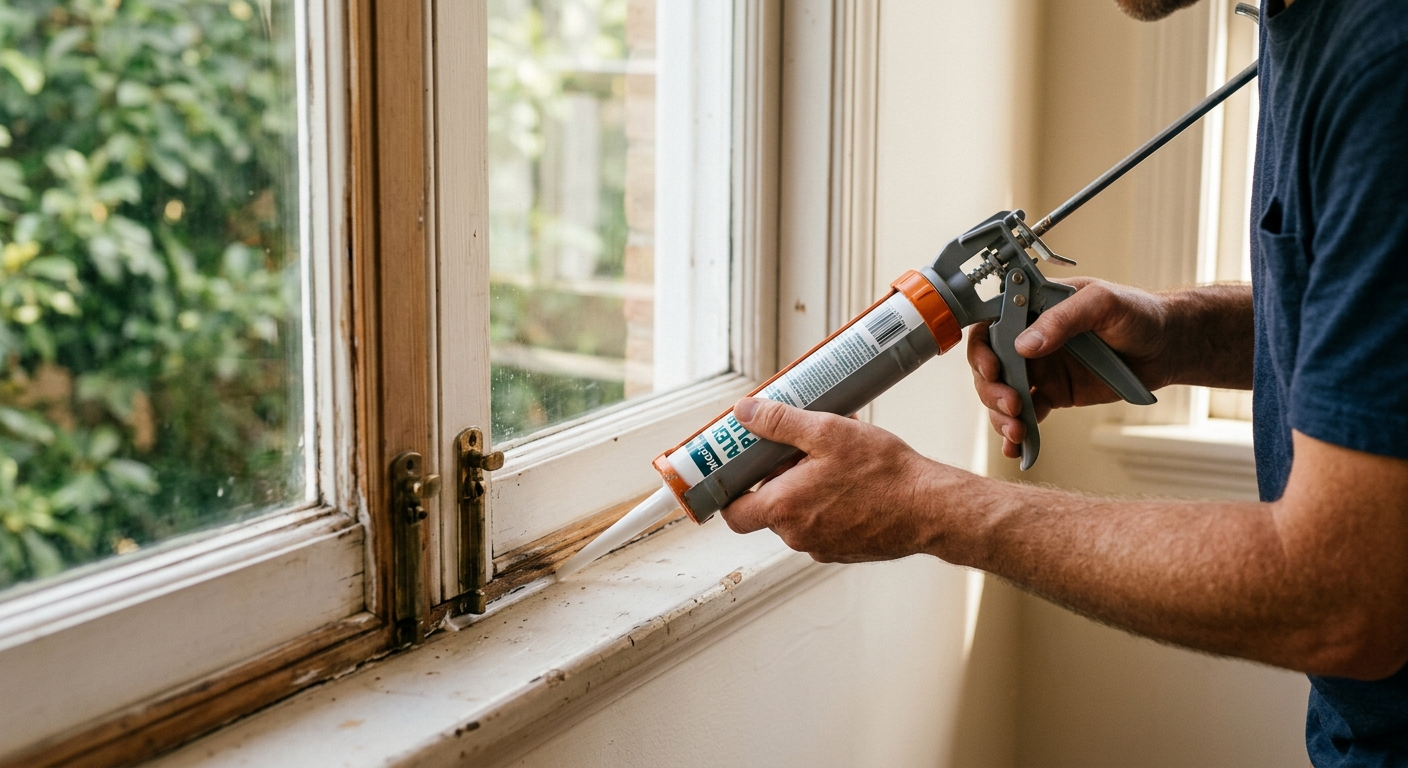
Hidden air leaks can account for 25 to 40% of your heating and cooling costs, yet most homeowners have no idea where they are. In a single afternoon, you can track down the worst offenders and seal them for dramatic, lasting savings.
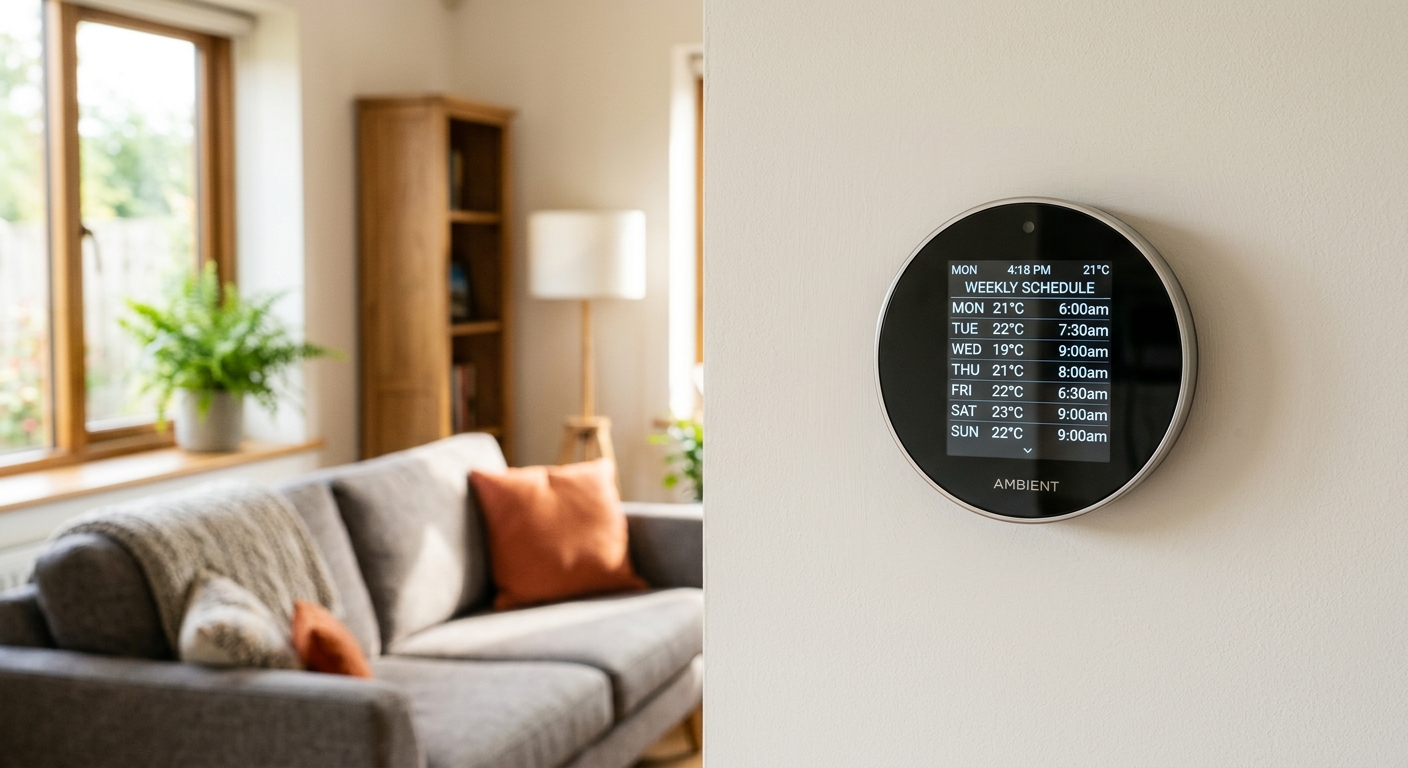
Millions of homeowners have programmable thermostats but still overpay for heating and cooling because the schedules are wrong, the setbacks are too small, or the equipment is fighting against the settings. Getting your thermostat programmed correctly can cut 10 to 15 percent off your annual HVAC bill with zero additional hardware.
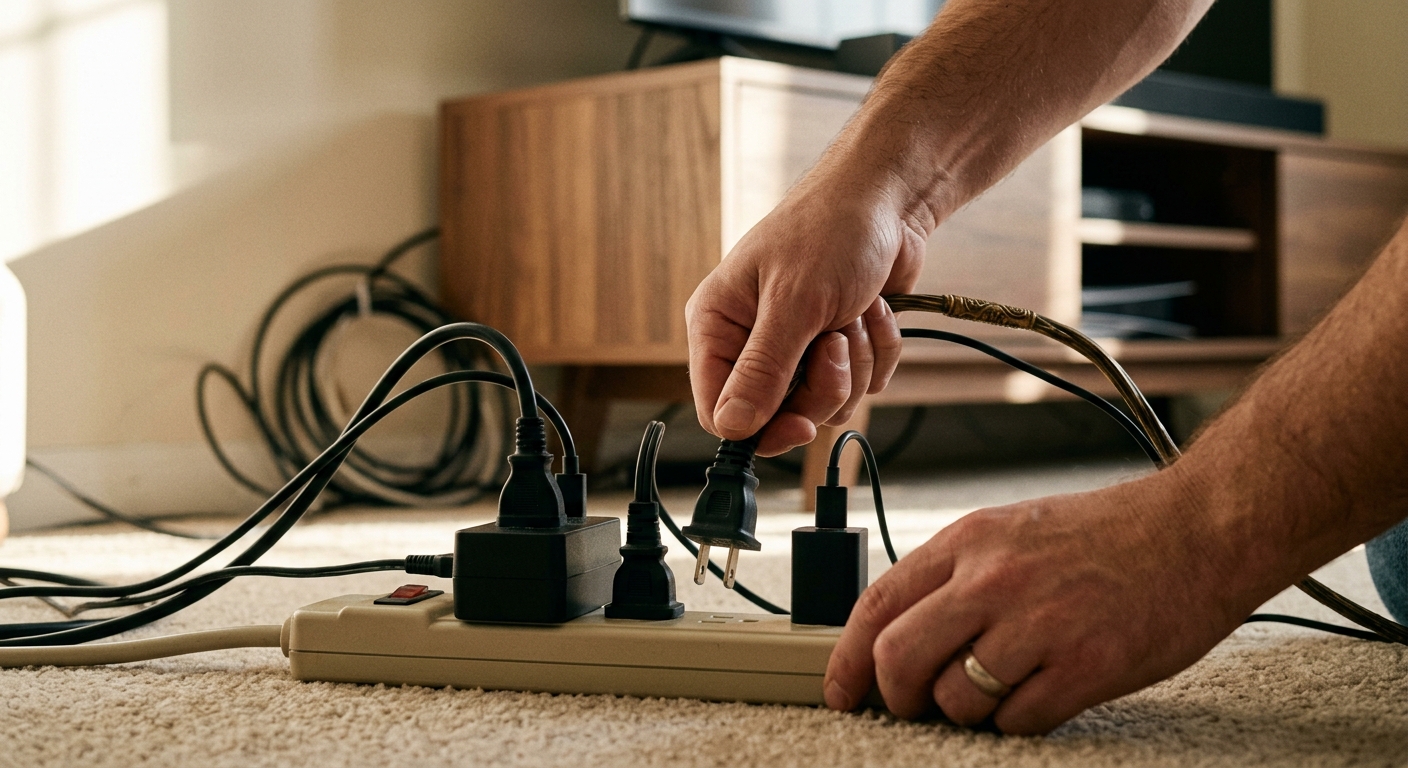
Most homeowners have no idea their plugged-in devices are silently burning electricity 24 hours a day, even when turned off. Phantom loads, also called standby power, cost the average U.S. household between $100 and $200 per year, and eliminating them requires nothing more than a power strip and a few minutes of your time.
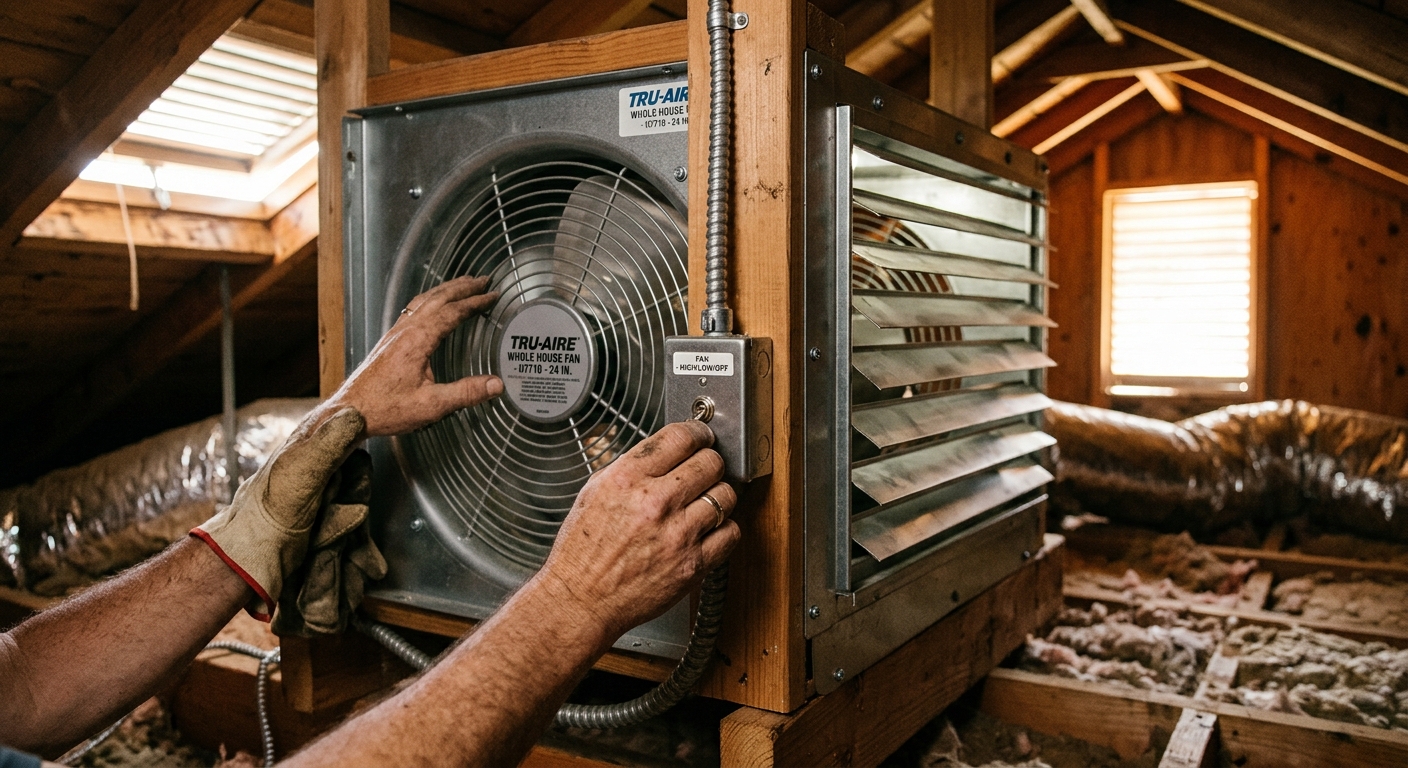
Running central air conditioning around the clock is one of the biggest drains on a home energy budget, but in many climates it is simply unnecessary for a large portion of the year. A properly sized whole-house fan can flush hot air out of your home in minutes and keep you comfortable on mild evenings without ever touching the thermostat.
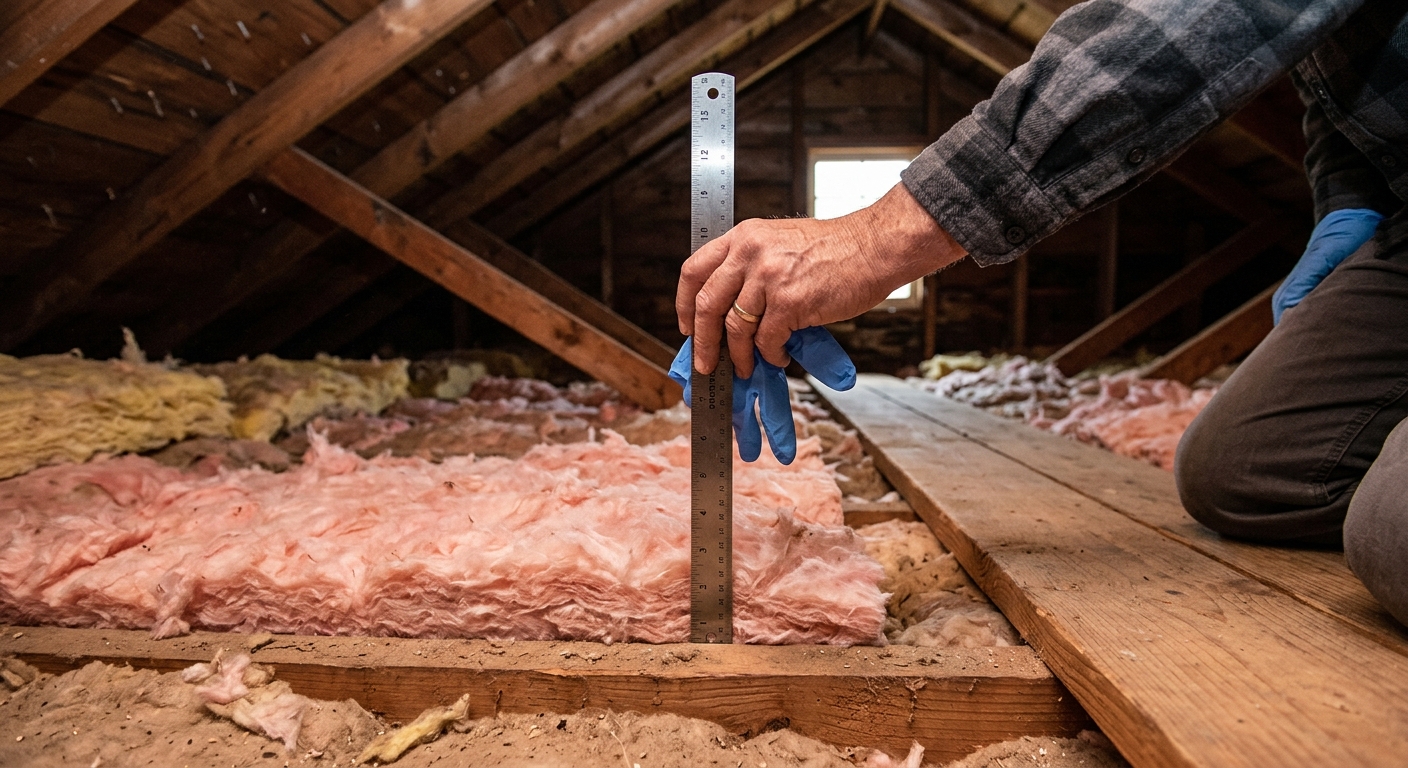
Most homeowners have no idea if their attic insulation is doing its job, and an under-insulated attic can add hundreds of dollars a year to heating and cooling bills. This guide shows you exactly how to measure your insulation depth yourself in under 30 minutes, what the numbers mean, and what to do next.
Most homeowners only think about energy efficiency when their bill spikes, which is already too late to prevent the damage. A simple 10-minute monthly walkthrough catches small problems before they compound into expensive ones, keeping your bills steady and predictable year-round.