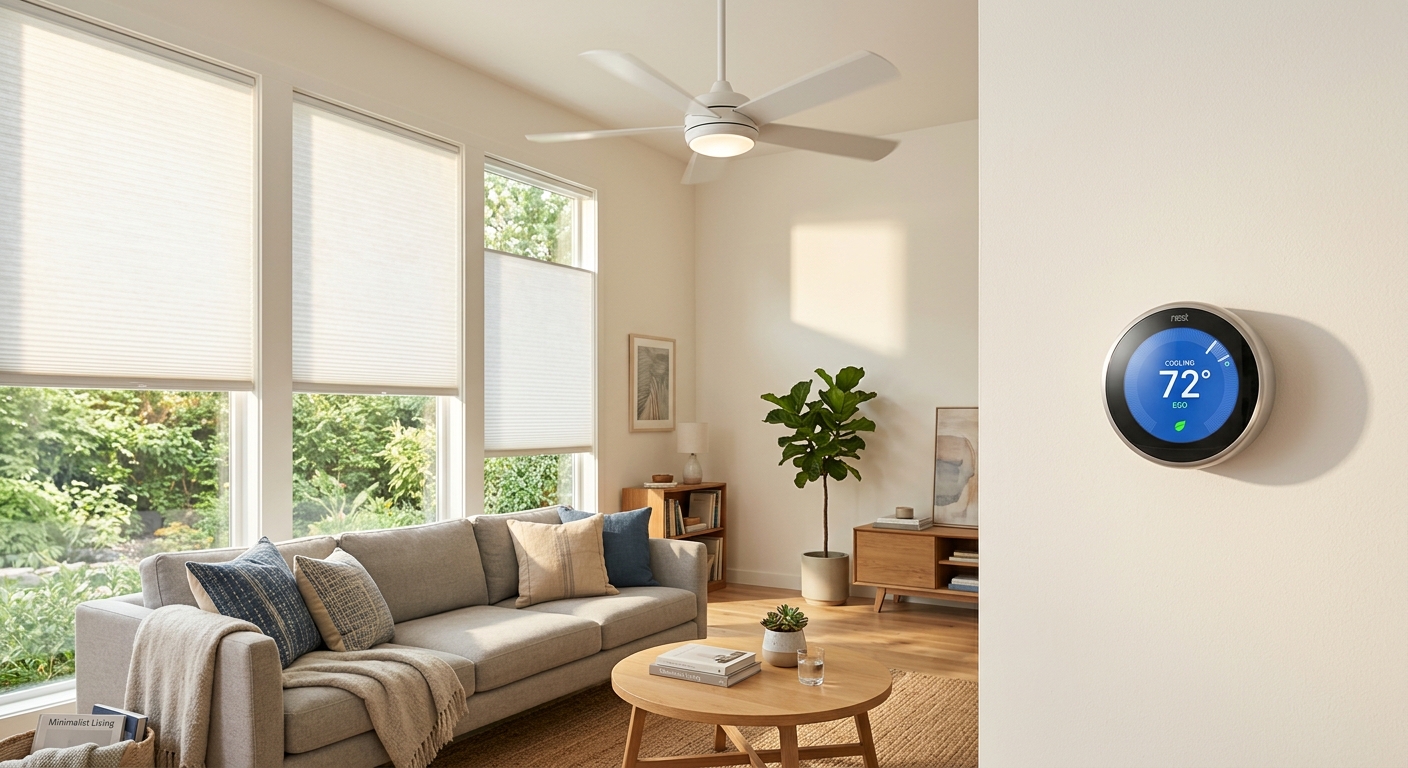
Running your AC at the wrong times of day can silently double your cooling costs without you ever noticing. Strategic scheduling, pre-cooling, and thermostat setbacks can realistically cut your cooling bill by 20 to 40% with zero equipment upgrades.
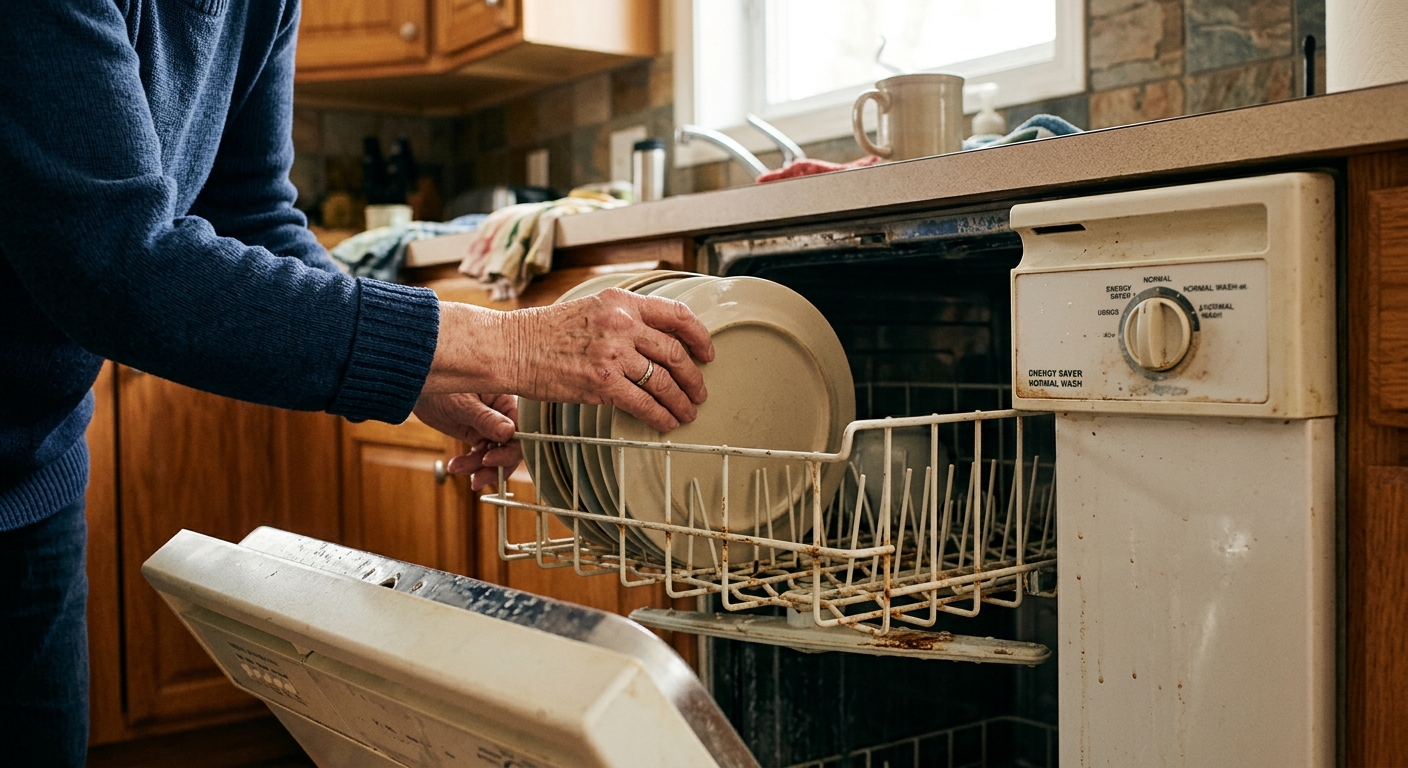
Dishwashers more than 10 years old can use 3 to 4 times more water and energy per cycle than modern ENERGY STAR models. If you’re running yours daily, the math might surprise you: a new dishwasher could pay for itself in utility savings within 3 to 5 years.
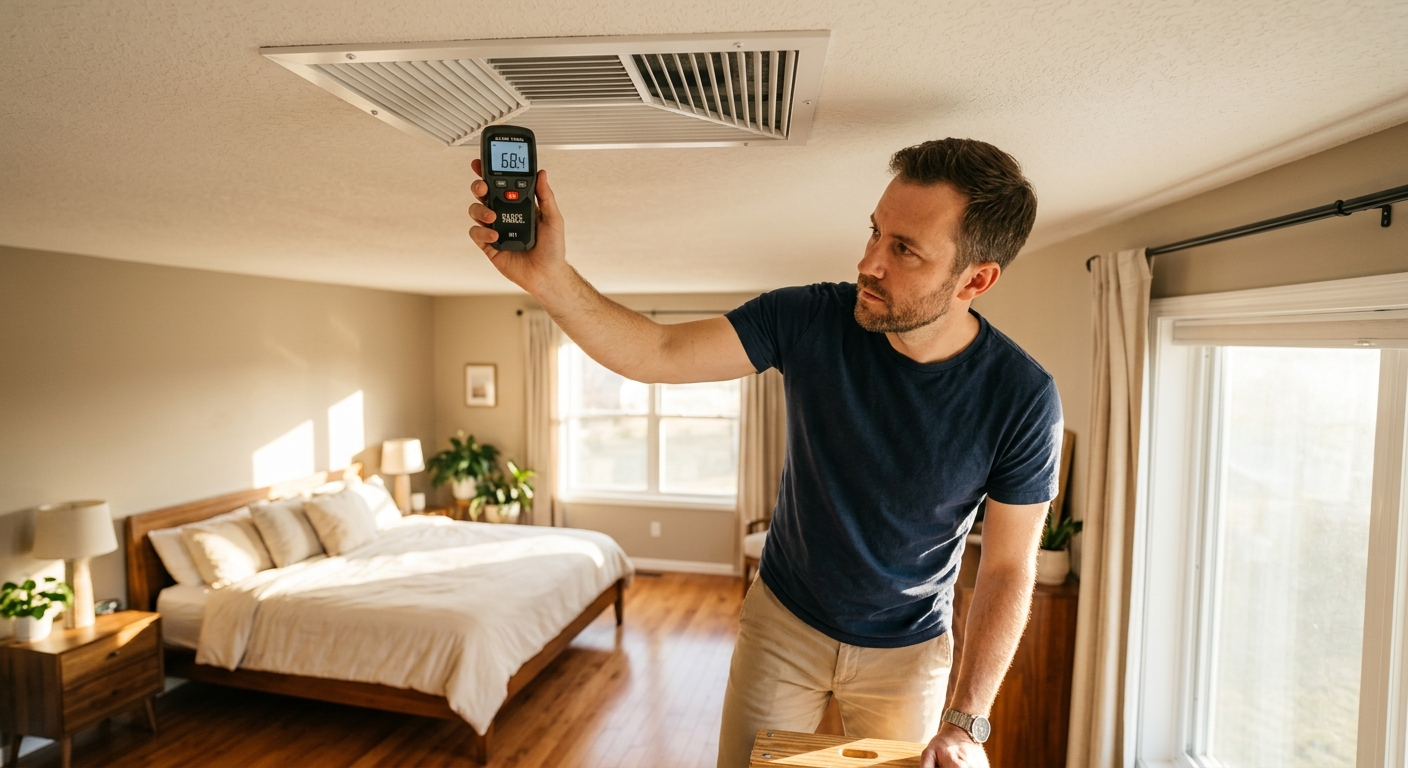
A room that stays 5 to 10 degrees warmer than the rest of the house is one of the most frustrating comfort problems homeowners face. Before spending $100 or more on a service call, you can diagnose the cause yourself in under an hour using tools you likely already own.
A slow or blocked kitchen sink is frustrating, but the real problem is when it clogs again just days after you clear it. This guide shows you how to fully clear the blockage and fix the root cause so it stays clear for months.
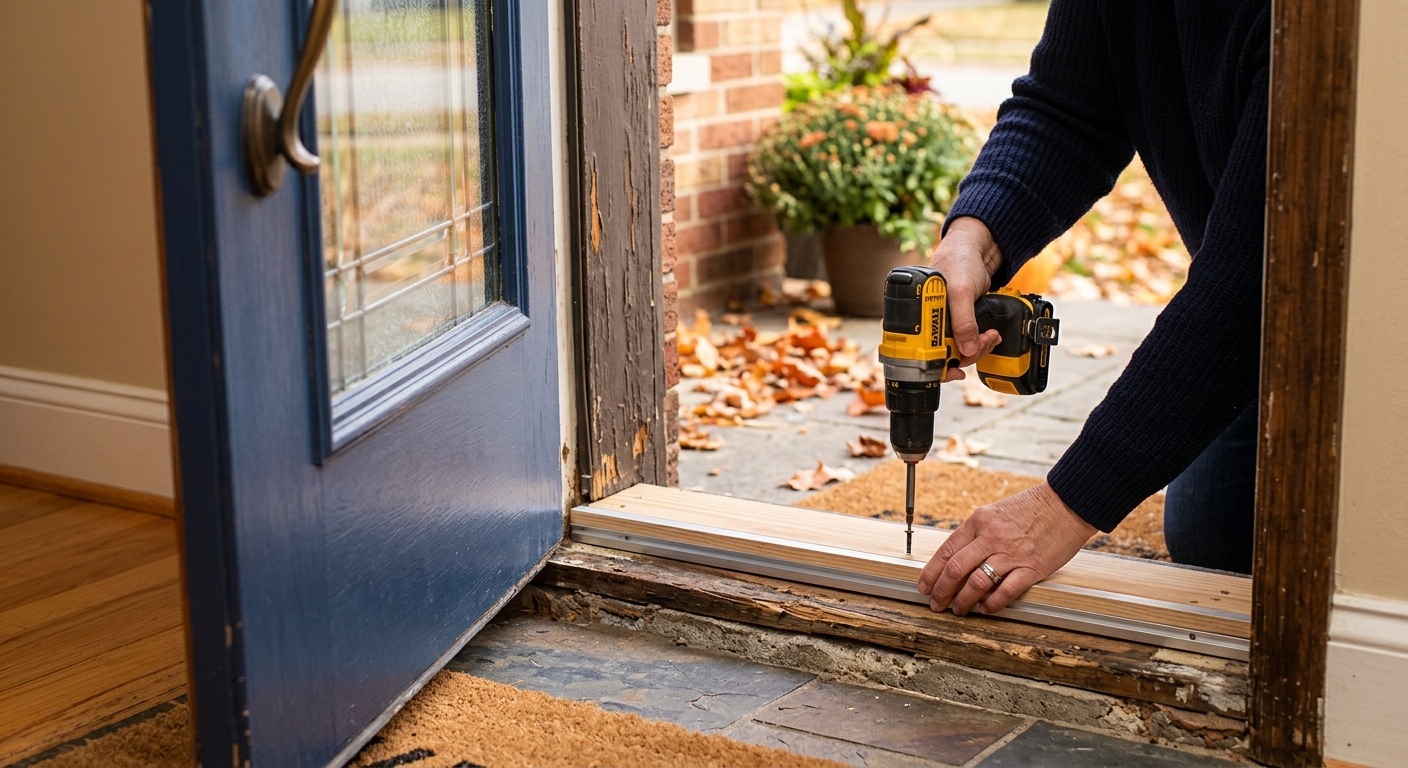
A damaged or worn door threshold can let in cold drafts, moisture, and pests while silently inflating your heating bill by hundreds of dollars each winter. Replacing it takes under two hours and typically pays for itself within the first heating season.
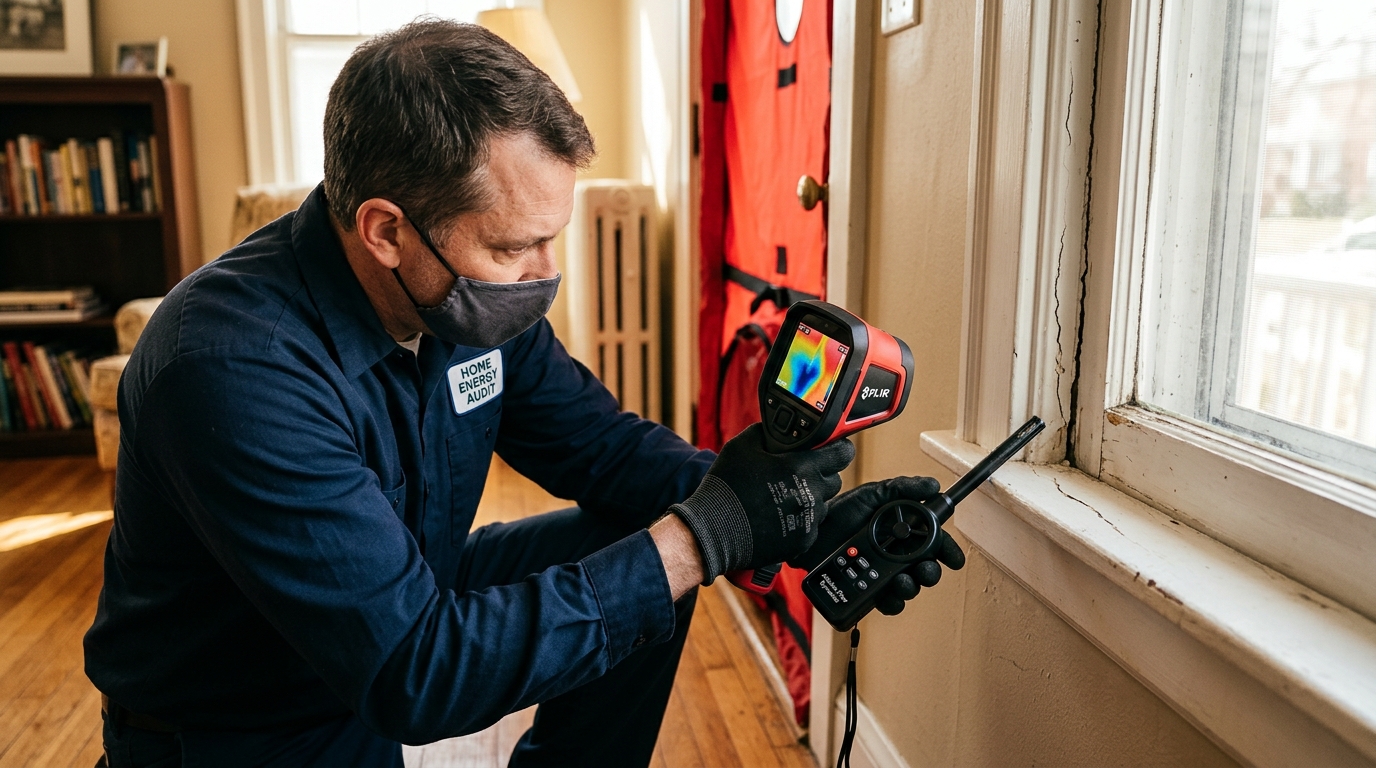
Most homeowners have no idea where their energy dollars are actually escaping, because the biggest culprits are invisible without the right tools. A professional home energy audit uses blower door tests, infrared cameras, and combustion analysis to uncover hidden leaks, insulation gaps, and equipment failures that can cut your bills by 20 to 30% once fixed.
Most homeowners have no idea their insulation is underperforming until they see a sky-high energy bill. These simple self-inspection techniques can reveal the truth in under an hour, no professional required.
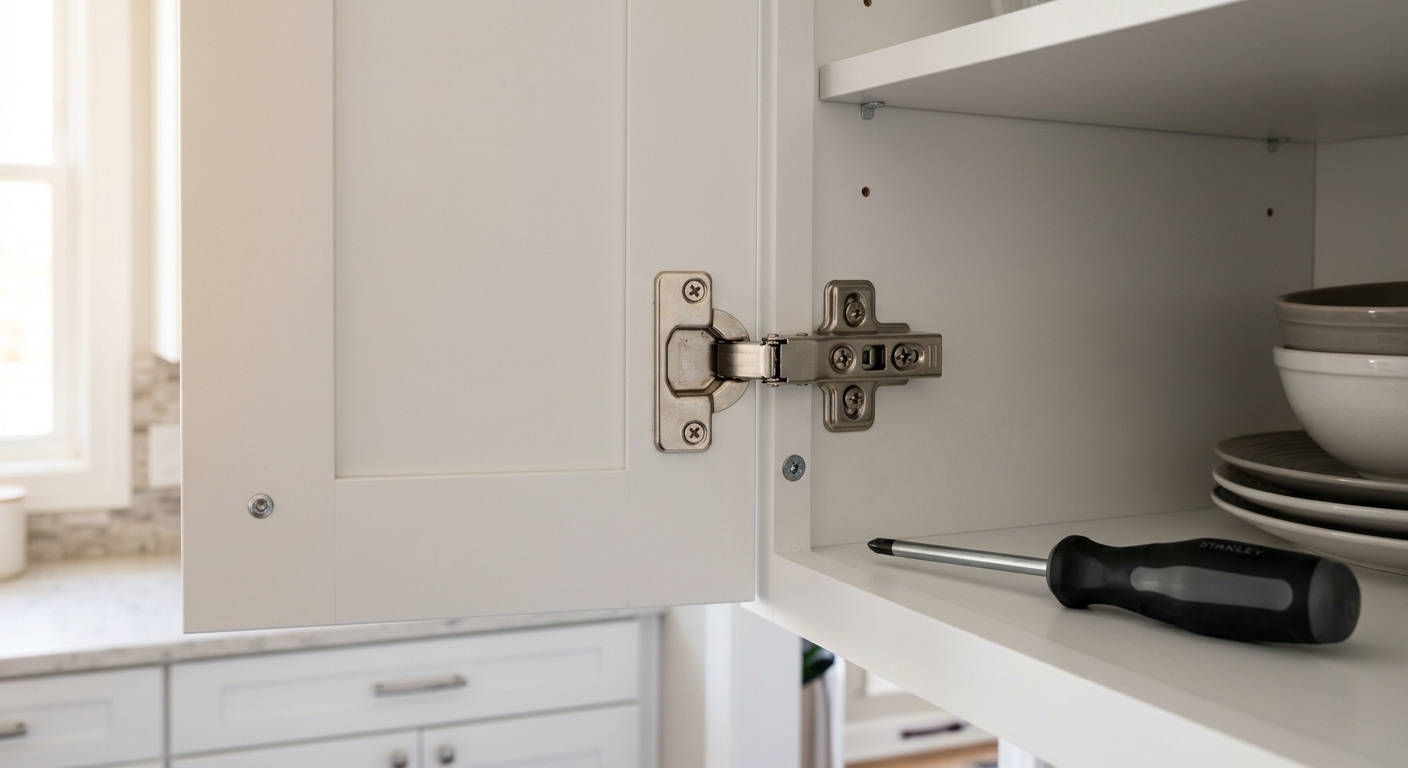
Misaligned cabinet doors are one of the most common and frustrating kitchen annoyances, but most homeowners never realize they can fix them in minutes with just a screwdriver. Modern European-style hinges have three adjustment screws that let you move a door up, down, left, right, and in or out without removing anything.
Living in a drafty, poorly insulated rental means paying more for heating and cooling while staying less comfortable than you should be. The good news is that renters have more non-invasive options than they realize, and many cost under $50 with immediate results.
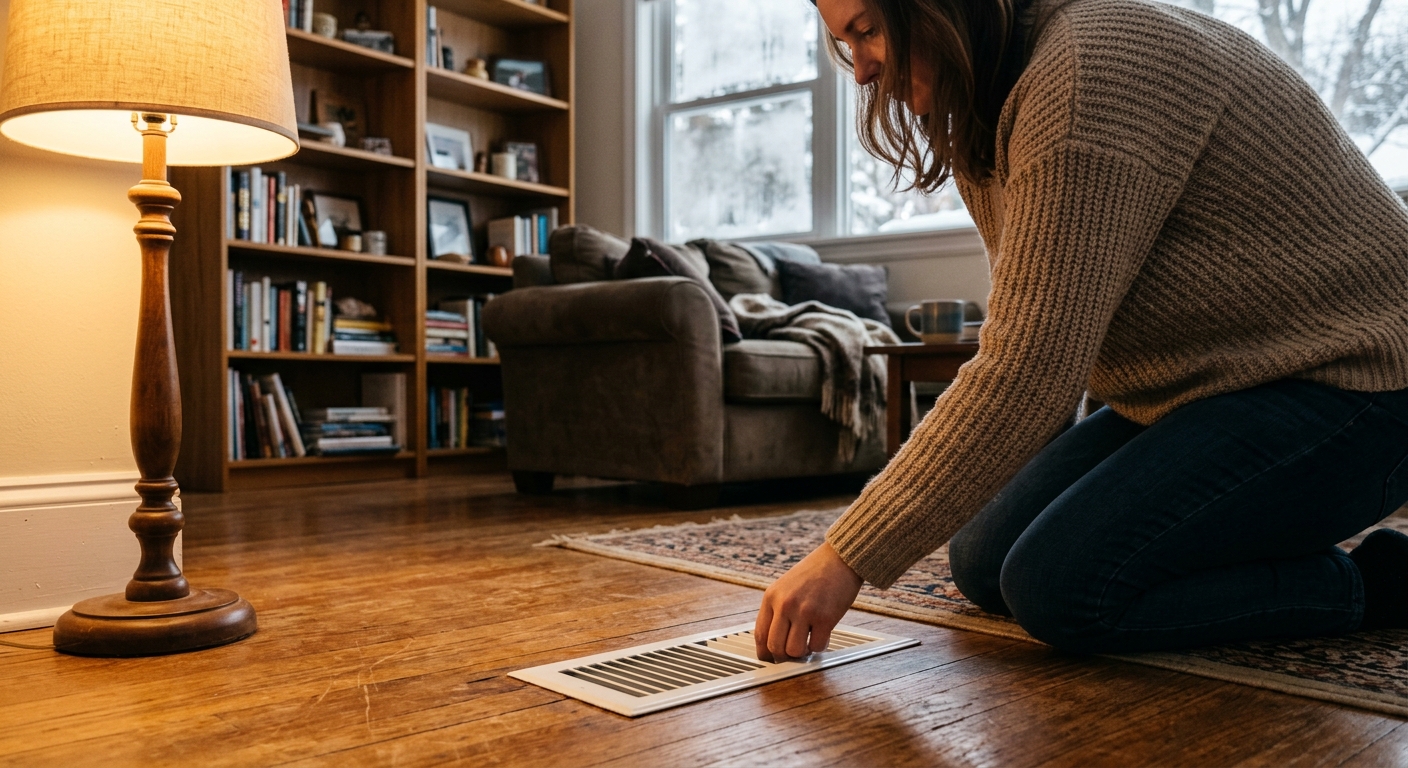
Uneven heating leaves some rooms freezing while others overheat, and most homeowners assume the only fix is an expensive new HVAC system. In reality, a combination of targeted air sealing, duct balancing, and smart thermostat strategies can eliminate cold spots and cut heating bills by 15 to 30% without replacing a single major component.