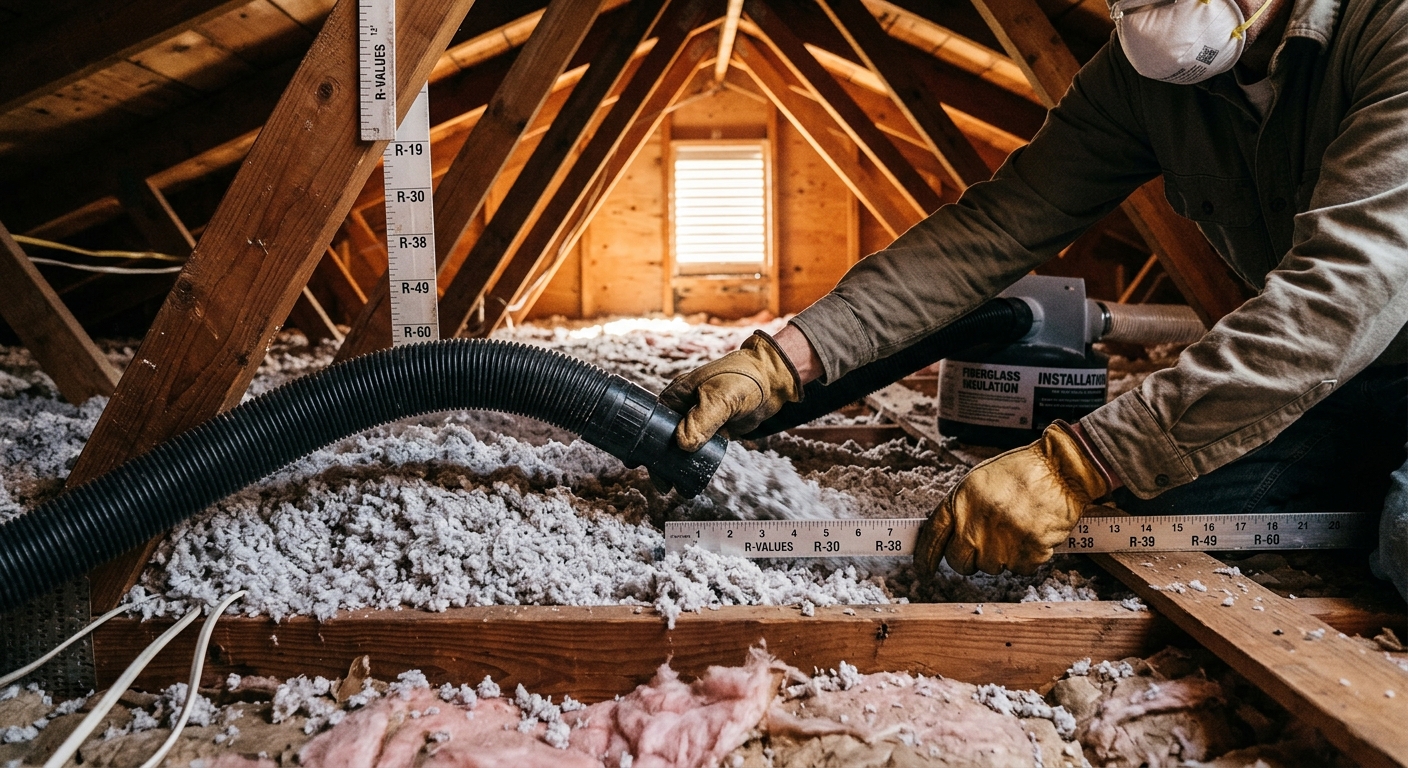
Most homes are under-insulated by 30 to 50%, and homeowners often have no idea what R-value they actually need for their climate. This guide breaks down DOE-recommended R-values by zone and shows you exactly how to close the gap, whether you rent, own, or are working with a tight budget.
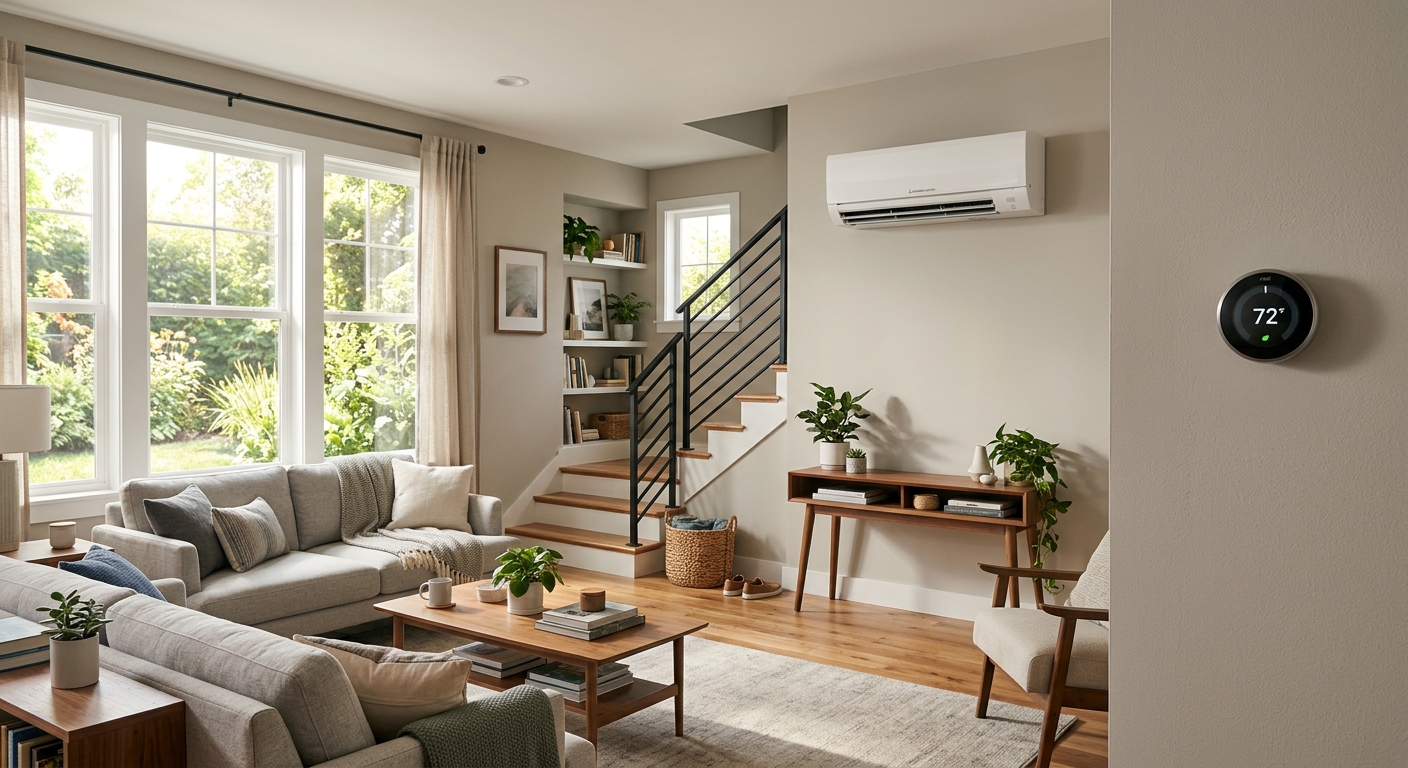
Uneven temperatures and wasted energy from heating or cooling empty rooms drain comfort and money from millions of homeowners. An HVAC zoning system can solve both problems, but the cost and payback period vary widely depending on your home and approach.
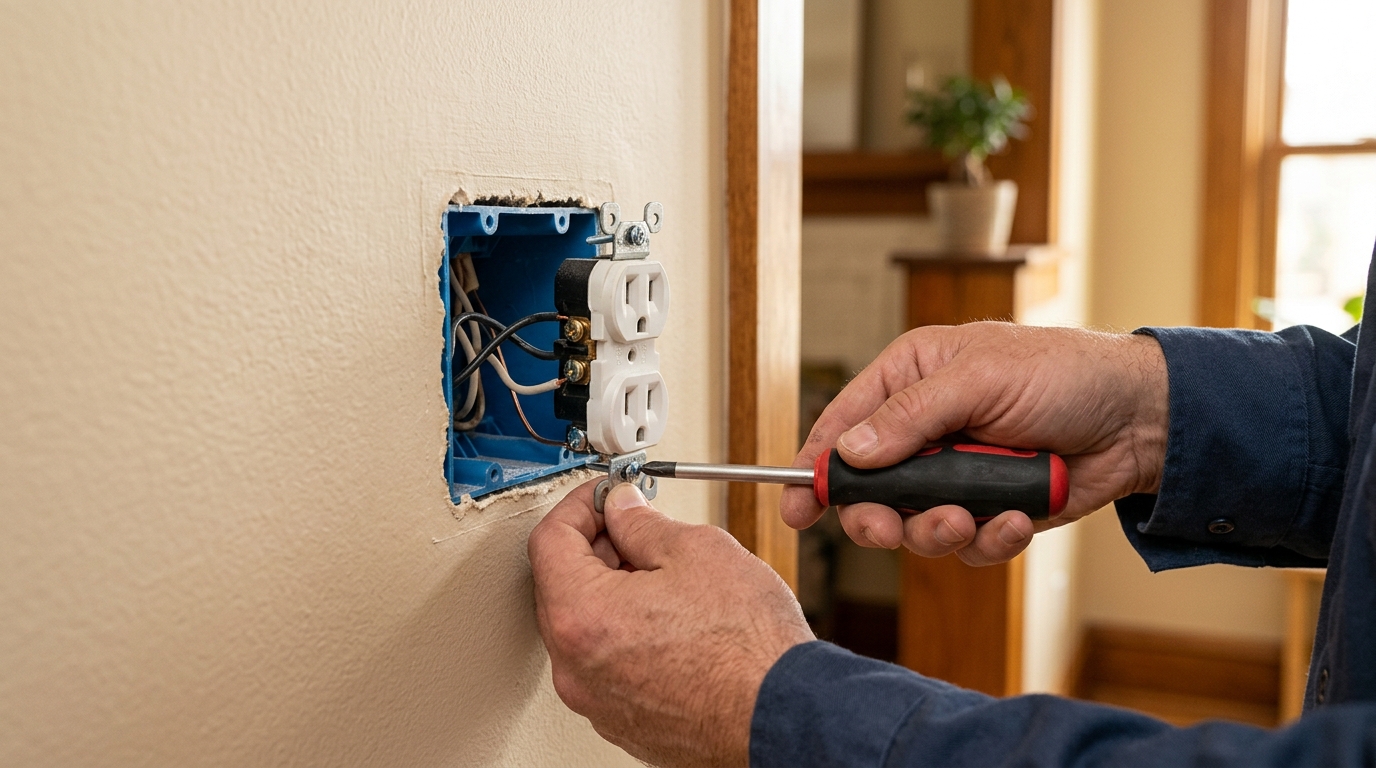
A wobbly outlet is more than an annoyance – loose connections inside the box can arc, overheat, and ignite a fire over time. Here is how to diagnose, tighten, and properly fix a loose outlet yourself, and when to call an electrician.
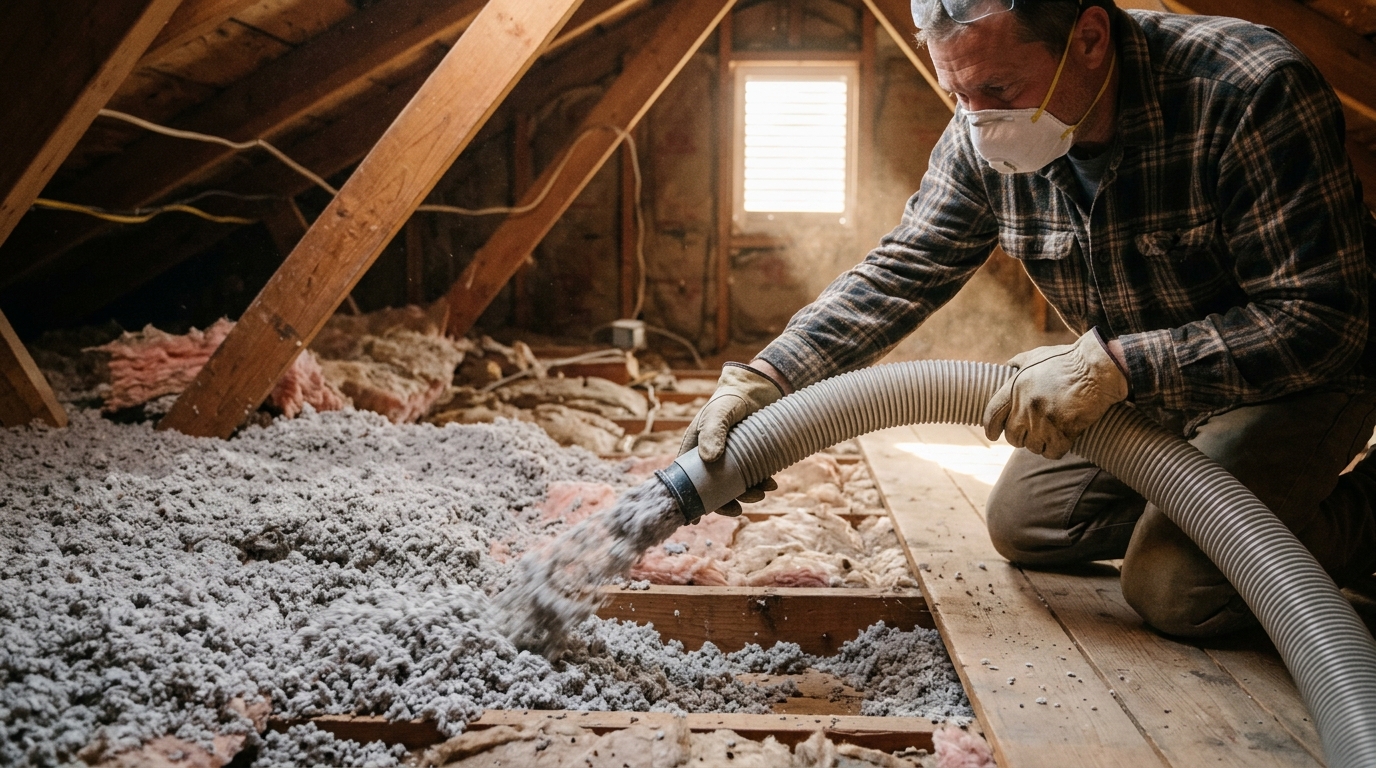
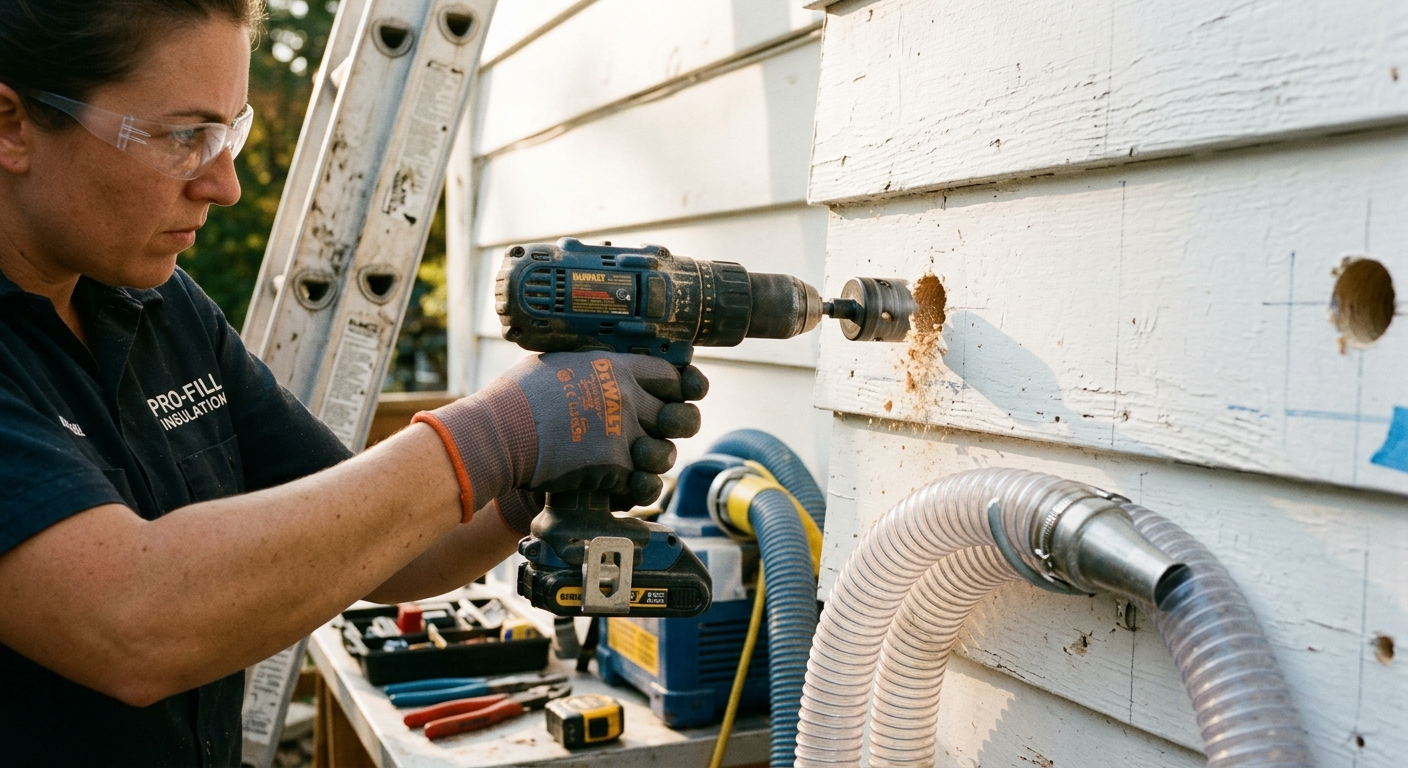
A poorly insulated attic is one of the biggest sources of energy loss in most homes, responsible for up to 25% of total heating and cooling waste. This step-by-step guide walks you through adding blown-in insulation yourself, with real cost numbers, payback timelines, and professional tips to get it right the first time.
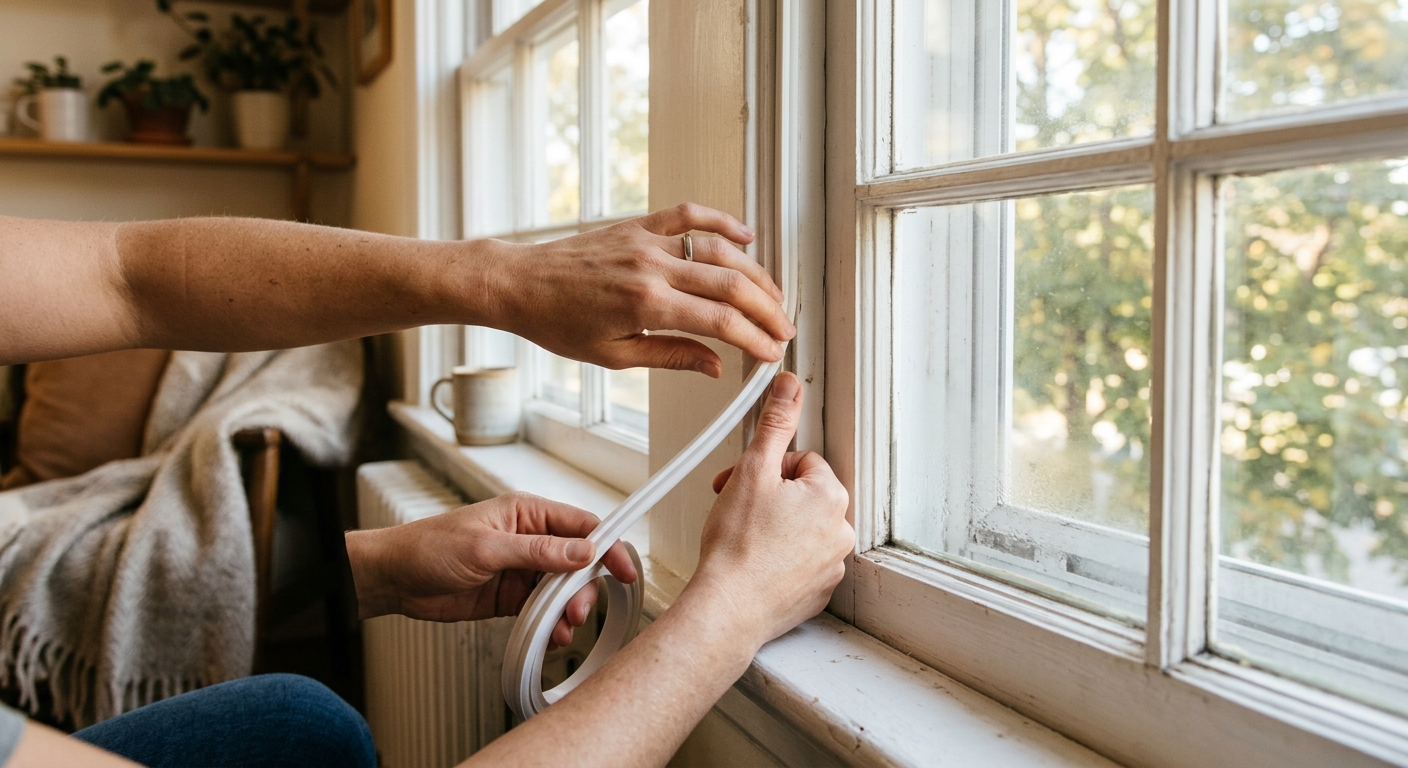
Drafty windows can account for 25 to 30% of a home’s heating and cooling loss, quietly inflating your energy bills every month. With about $30 in materials and a free weekend afternoon, you can seal most window drafts yourself and start seeing savings on your next bill.
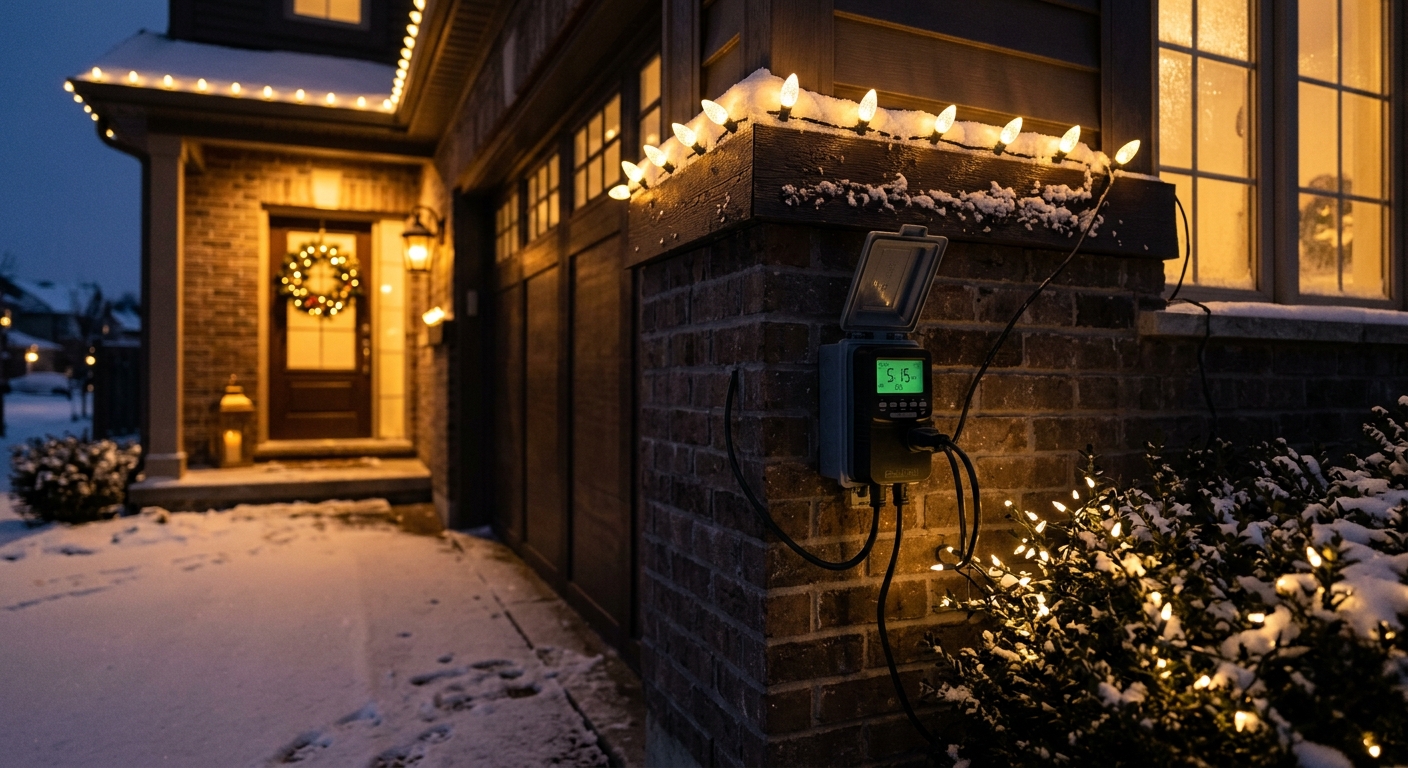
Traditional incandescent holiday lights can quietly inflate your December electric bill by $50 to $100 or more, depending on how many strands you run and for how many hours. Switching to LED lights and adding a simple timer strategy can slash that added cost by 75 to 90% without dimming any of the festive cheer.
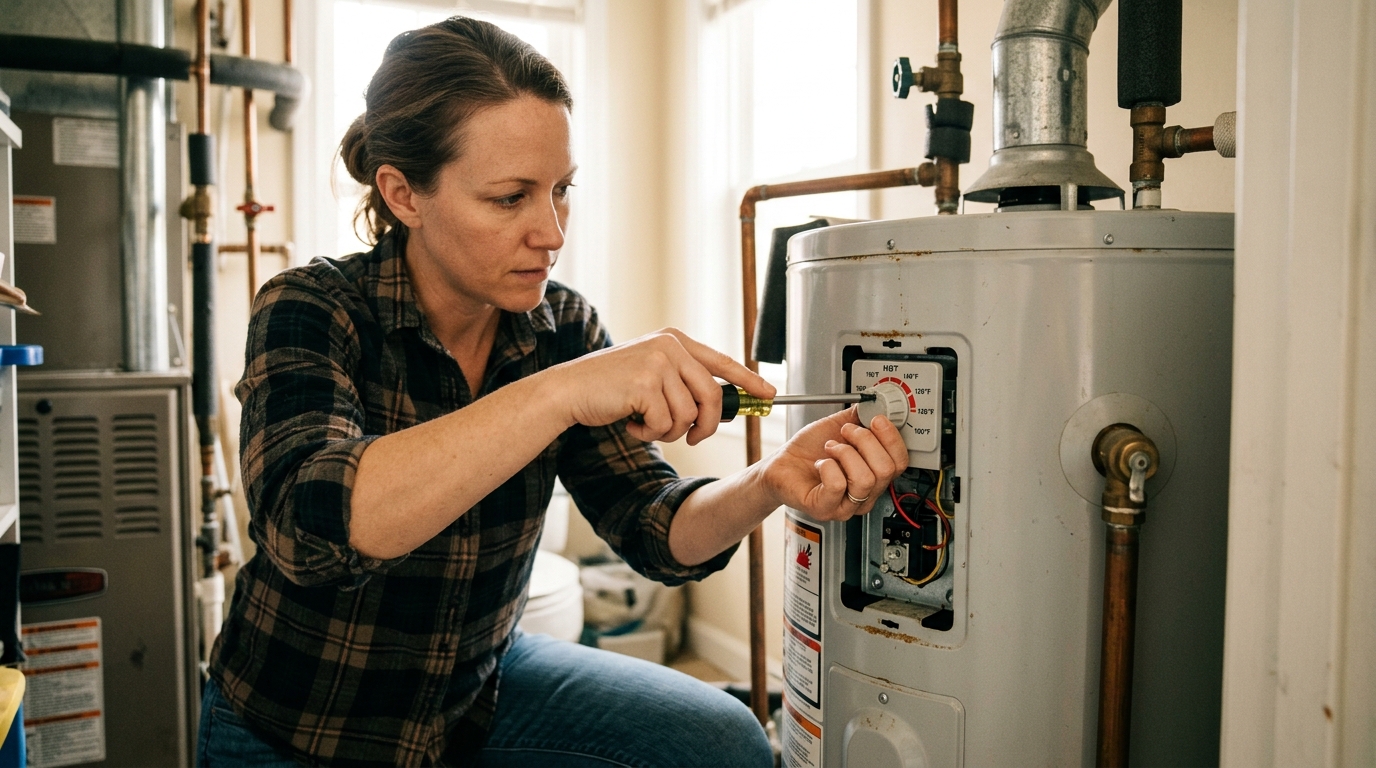
Your water heater likely shipped from the factory set to waste money, and most homeowners never open the access panel to change it. Adjusting five key settings can cut water heating costs by 15 to 35% with nothing more than a screwdriver and 30 minutes.
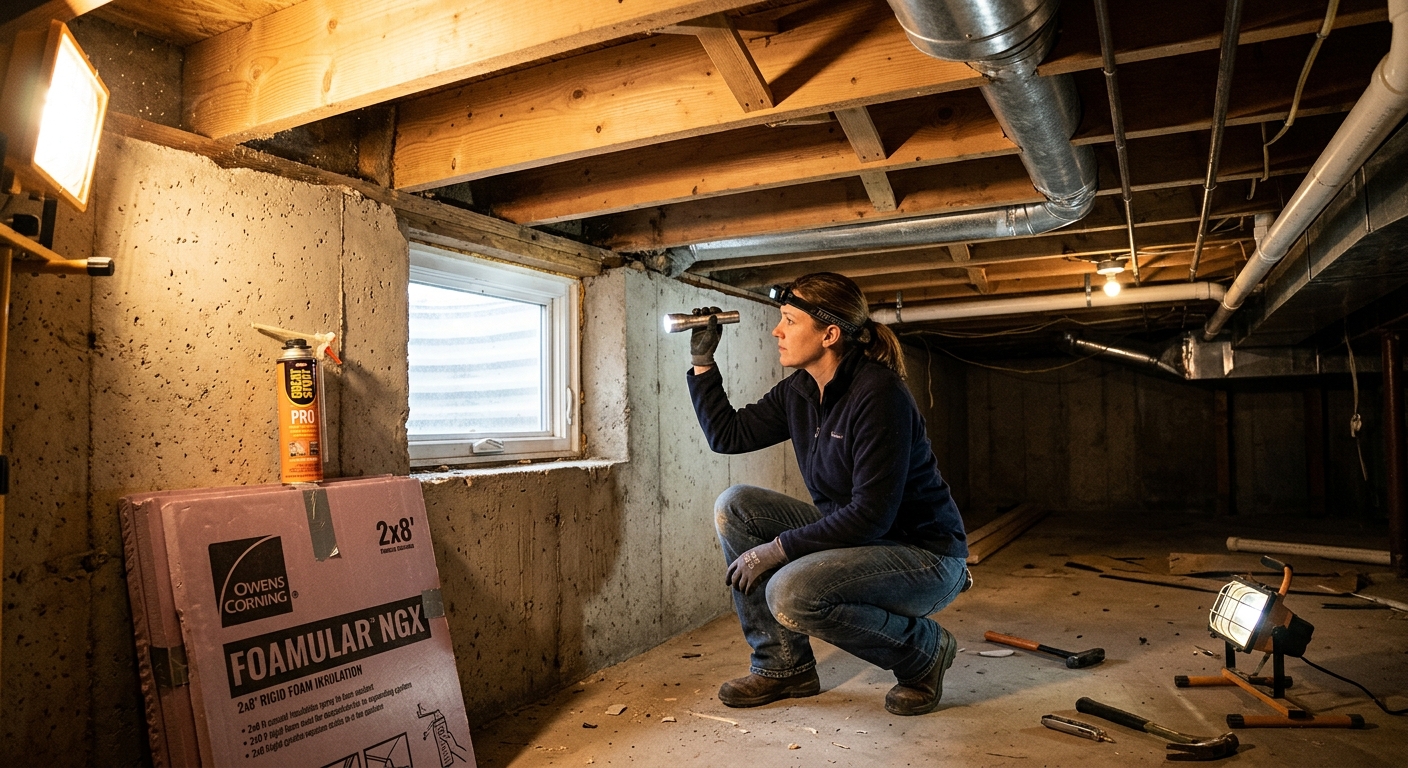
Your basement is one of the most energy-wasteful spaces in your home, yet most homeowners never think to look there first. From uninsulated rim joists to leaky ducts and bare pipes, a simple basement walkthrough can uncover hundreds of dollars in annual savings.
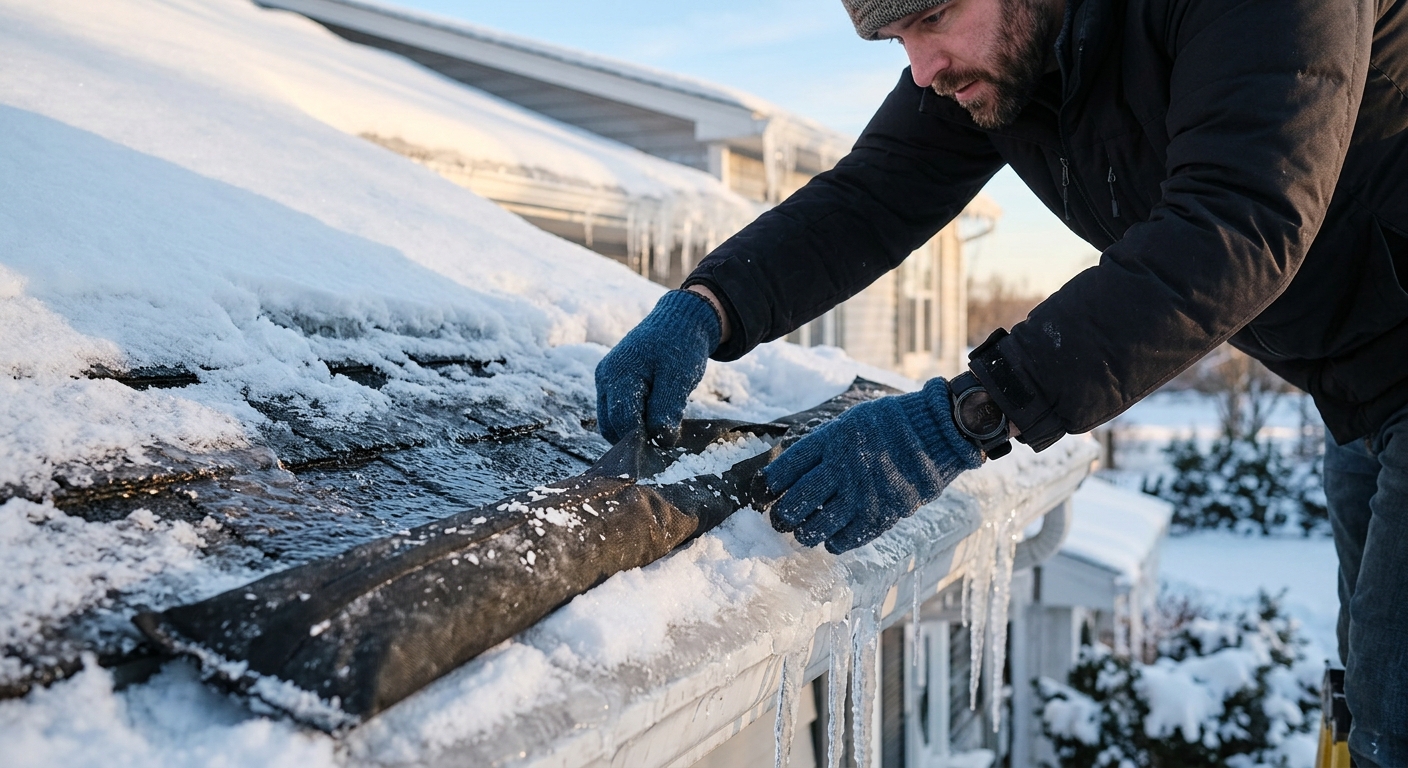
Ice dams cause billions in home damage every year, but most of them are preventable with the right insulation and ventilation strategy. This guide walks you through exactly what causes ice dams and how to stop them before they destroy your roof, gutters, and ceilings.
Older homes with plaster walls are notoriously drafty and energy-hungry, but tearing out walls to add insulation is expensive and destructive. There are proven methods to dramatically improve your home’s thermal performance without touching a single inch of original plaster.