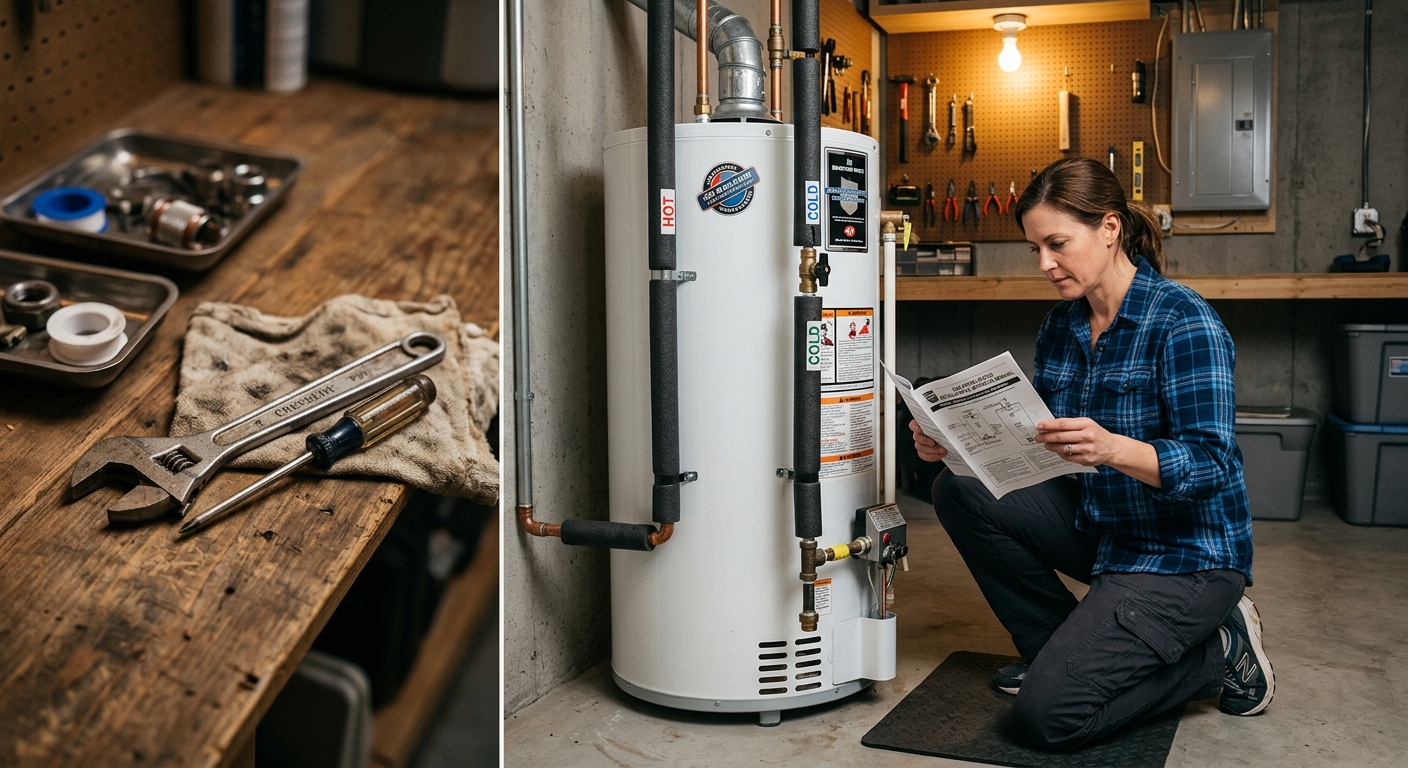
Running out of hot water mid-shower is frustrating, but a new water heater is rarely the first answer. With a few targeted adjustments and low-cost upgrades, most homeowners can dramatically increase their usable hot water supply without spending thousands.
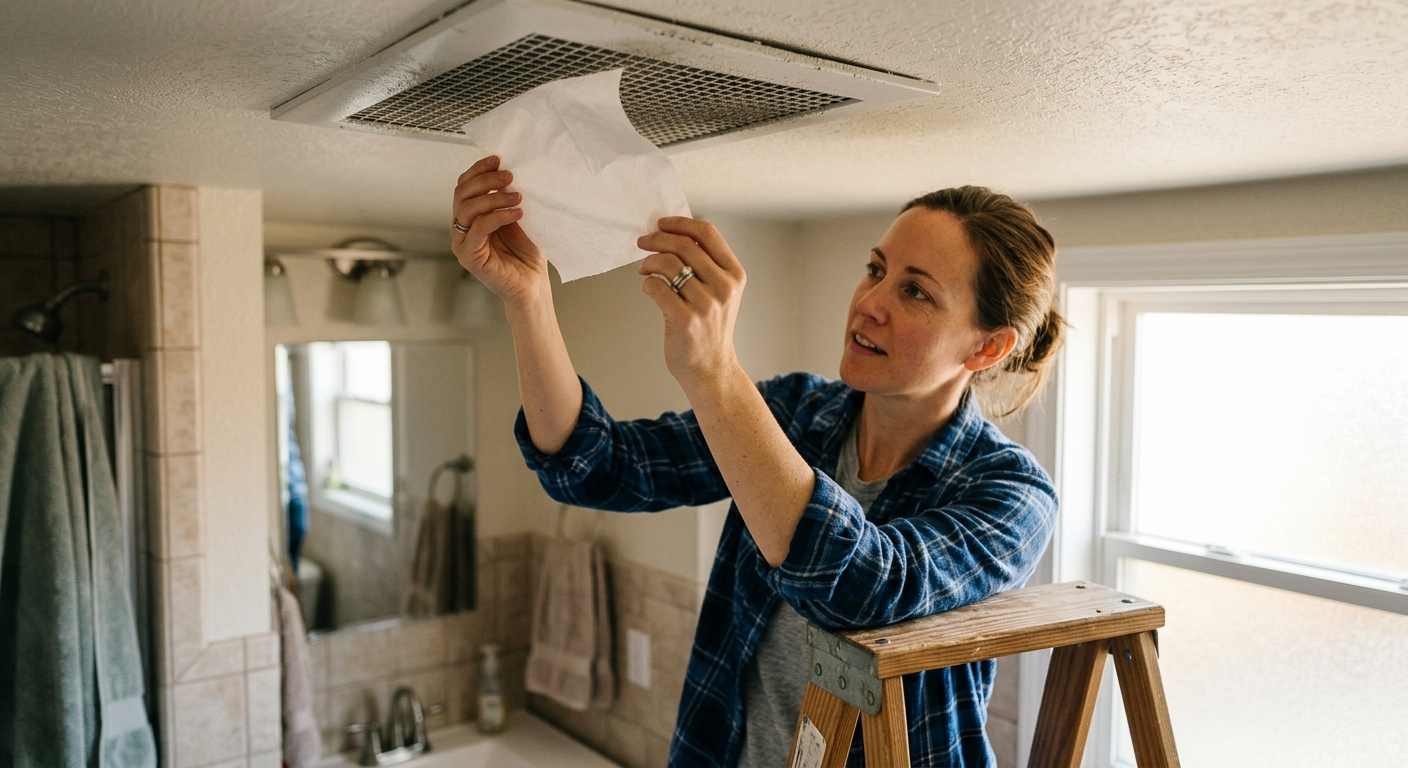
Poor ventilation is one of the most overlooked causes of high energy bills, health problems, and moisture damage in homes. This guide shows you how to diagnose your home’s ventilation in under an hour and fix the most common problems yourself.
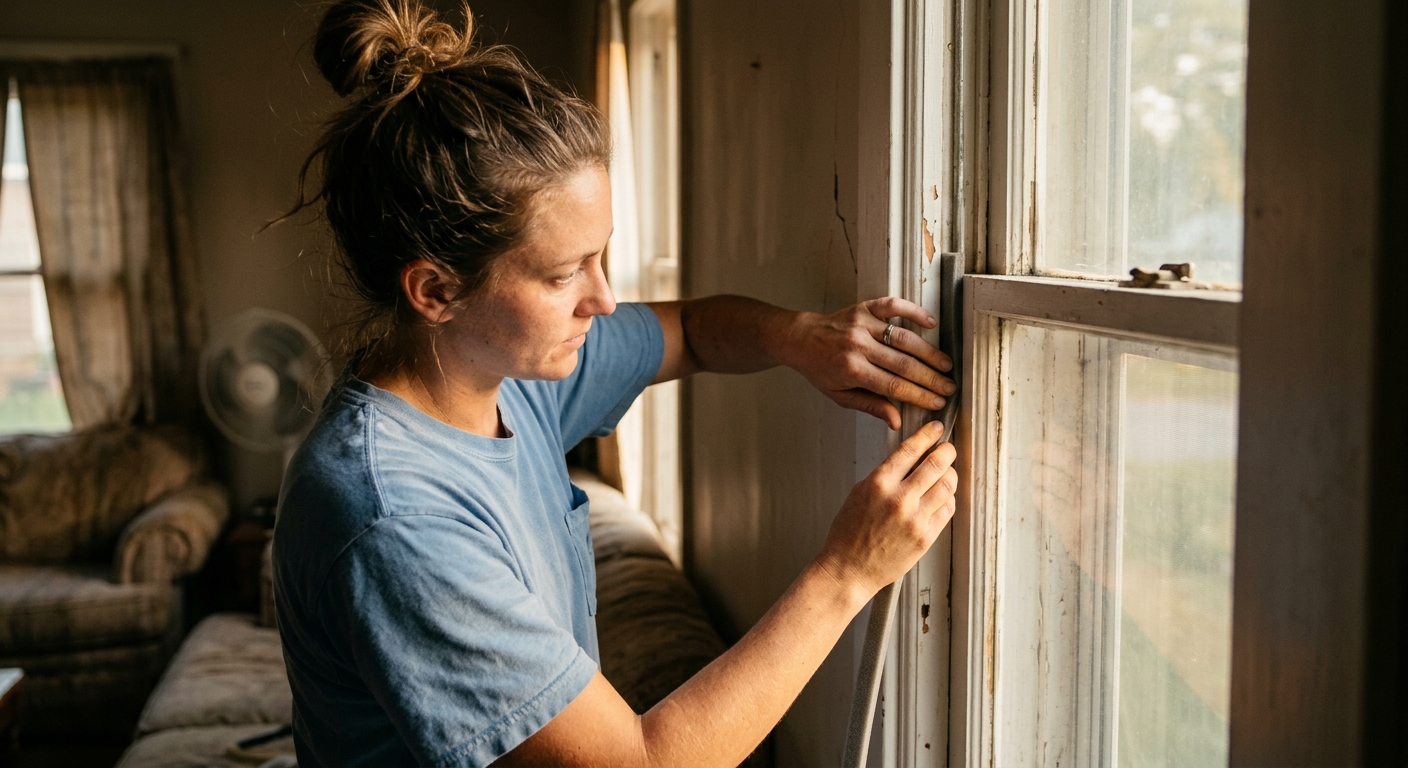
Living in a poorly insulated home turns summer into a constant battle against heat and high electric bills. These practical, low-cost strategies let you stay comfortable now while you build toward the permanent fix.
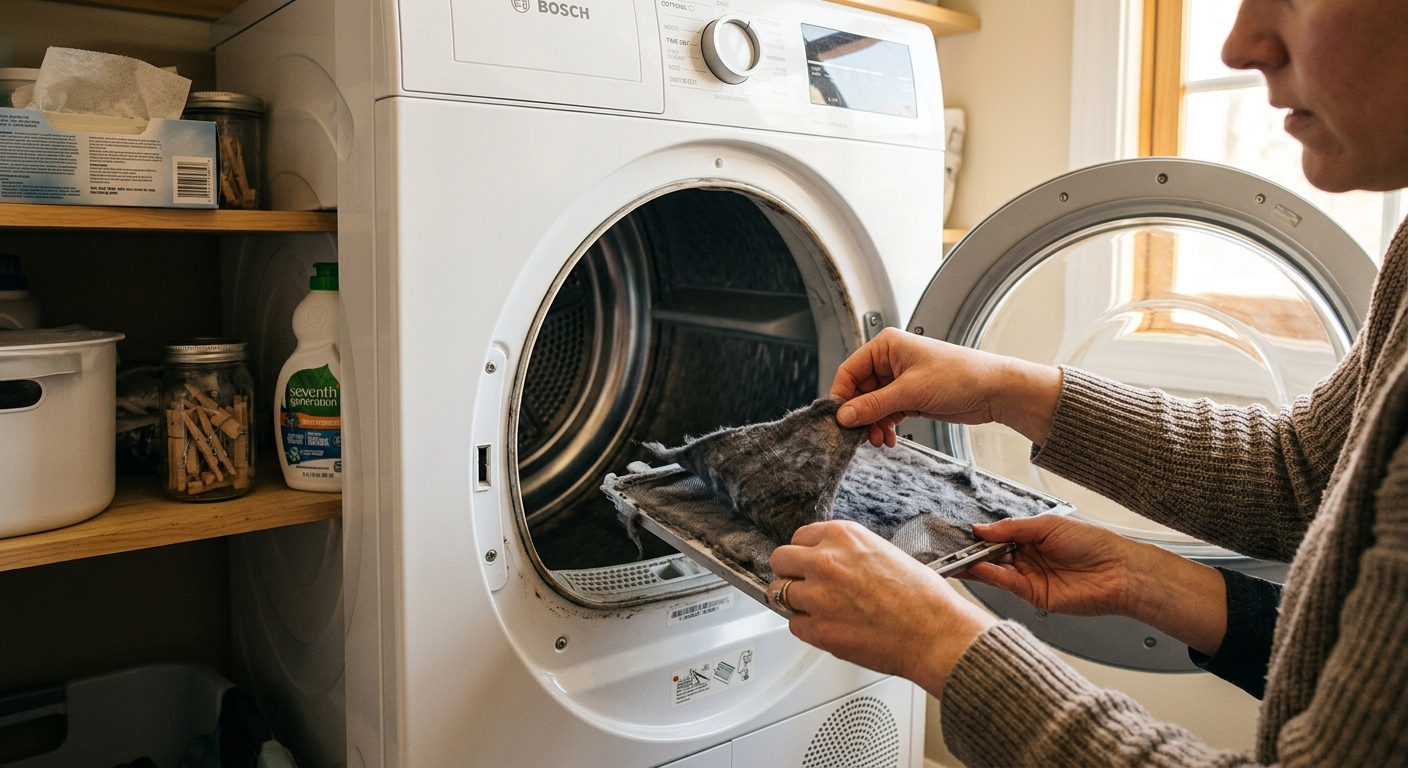
Most homeowners focus on their HVAC or water heater when looking to cut energy bills, but the clothes dryer quietly ranks among the top three most energy-hungry appliances in the home. A few targeted changes to how you use and maintain your dryer can slash operating costs by 25 to 50% without buying anything new.
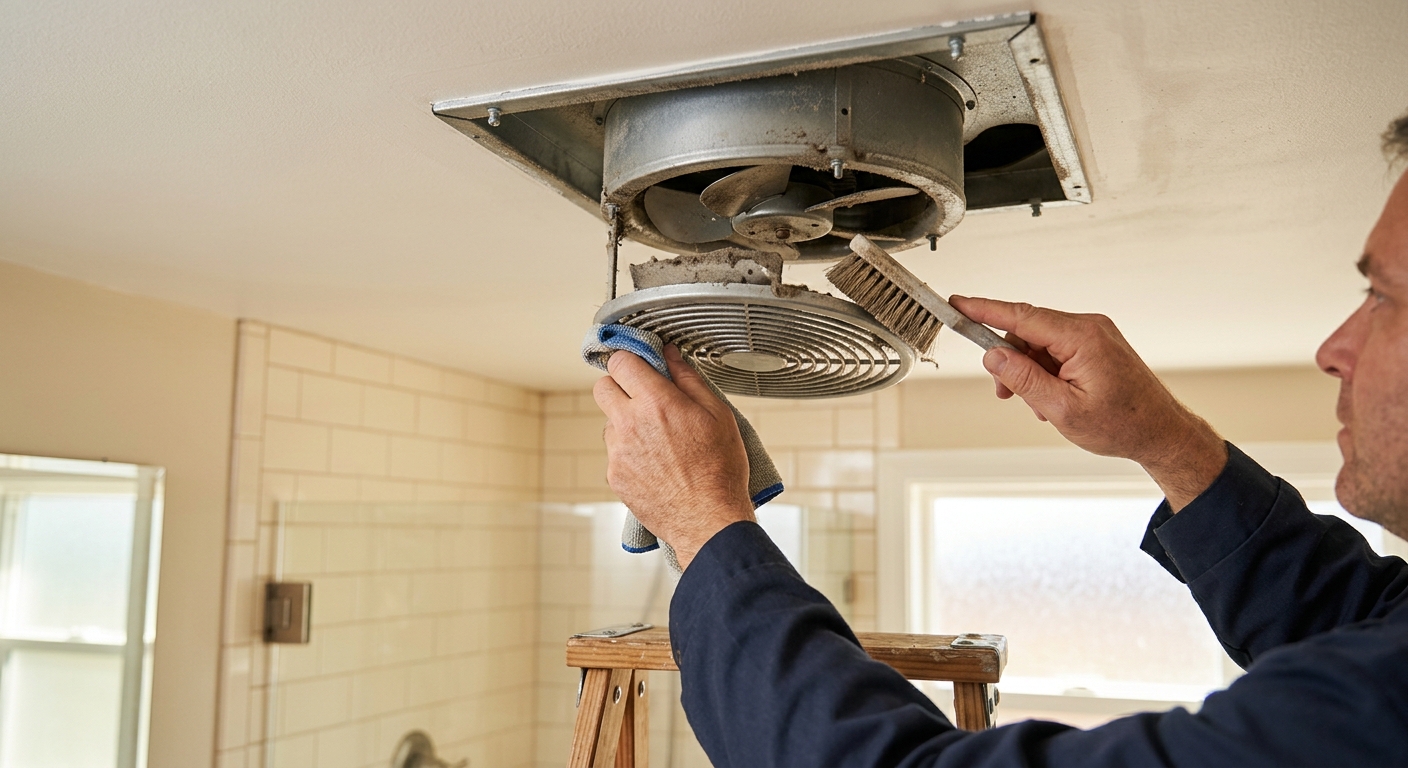
Most homeowners blame their HVAC system when certain rooms feel stuffy, drafty, or hard to heat and cool. The real culprit is often the bathroom exhaust fan creating pressure imbalances that ripple through the entire house.
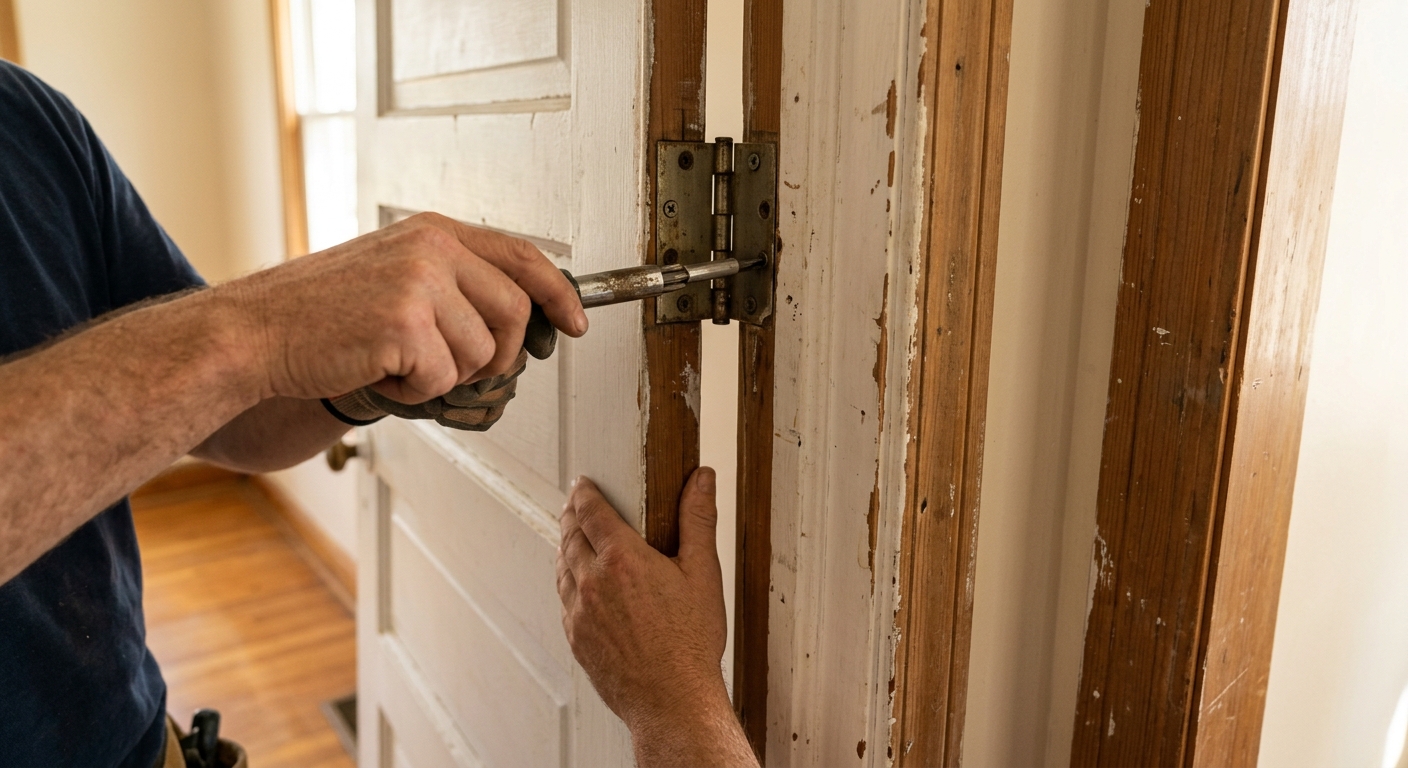
A door that sticks in summer is not just annoying – it is a sign your home is losing conditioned air and compromising security. Learn how to diagnose and fix the root cause before the heat sets in, using simple tools most homeowners already own.
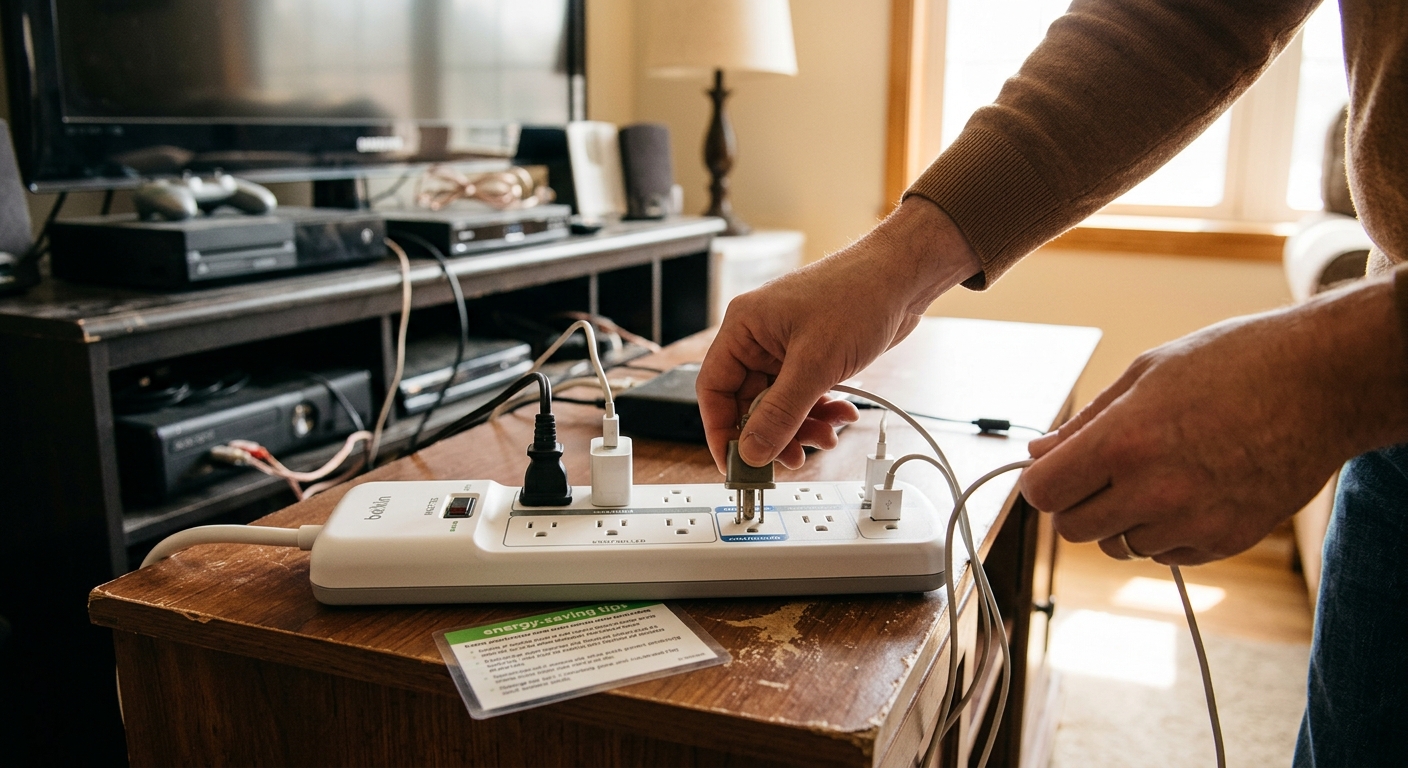
The average home wastes 5 to 10% of its electricity bill on devices that are technically ‘off’ but still drawing power. By systematically eliminating standby load room by room, most homeowners can reclaim $100 to $200 per year with minimal upfront cost.
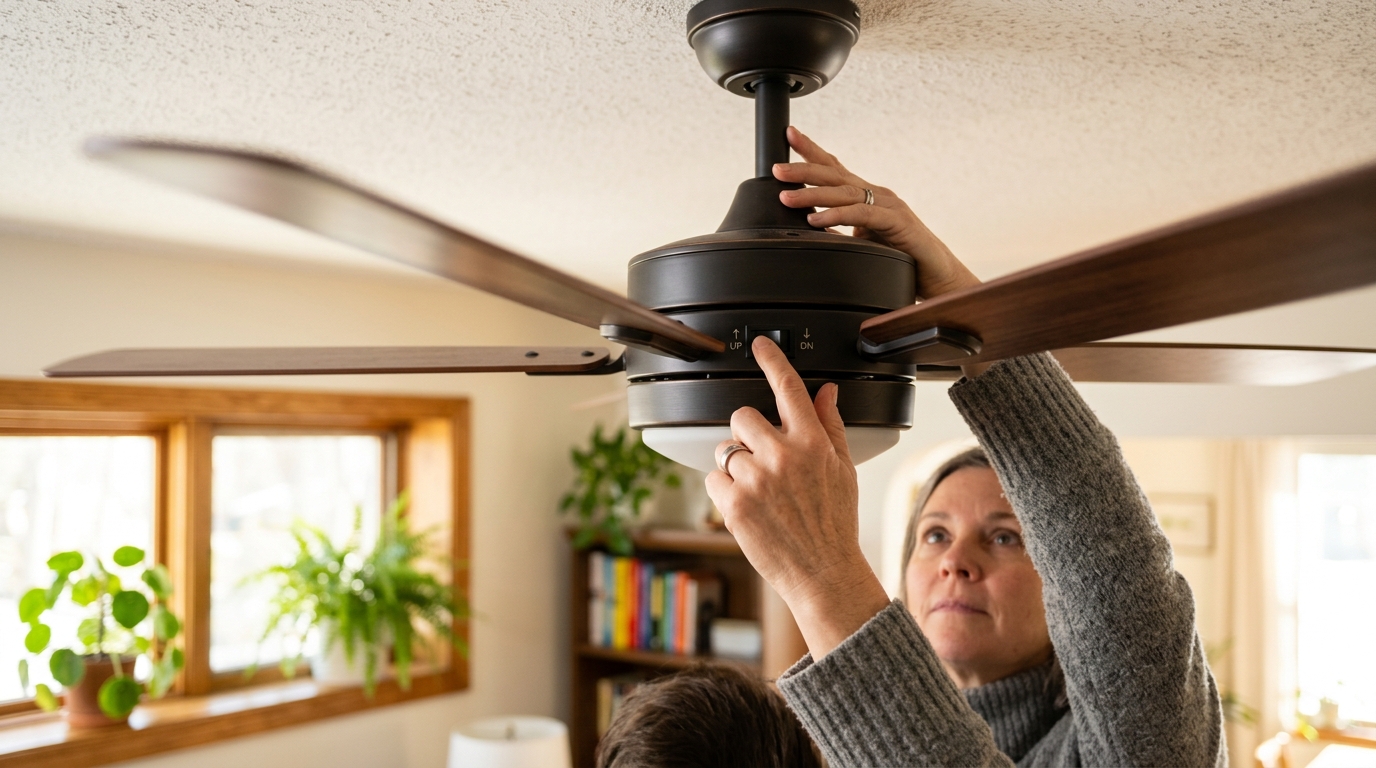
Most homeowners run their ceiling fans year-round without ever checking the blade direction, unknowingly fighting against comfort and wasting electricity. Switching your fan to the correct seasonal direction takes under a minute and can cut cooling costs by up to 8% in summer and heating costs by up to 15% in winter.
Your thermostat says 70°F but your living room still feels cold and drafty. The fix isn’t cranking up the heat – it’s understanding why the room loses warmth and addressing the real causes.
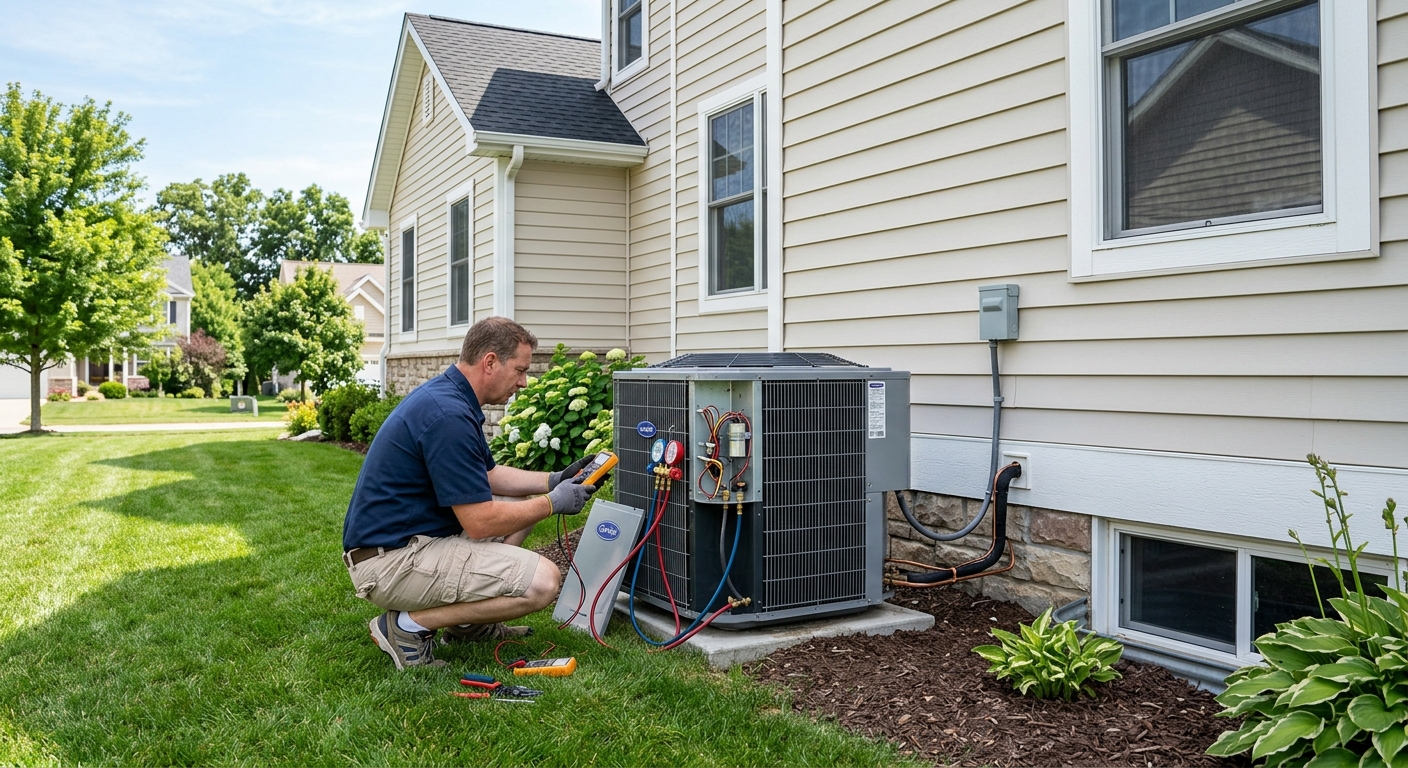
A compressor that never shuts off is a sign your system is working harder than it should, costing you money every hour it runs. Learn the real reasons this happens and three practical fixes ranked by cost and effort.