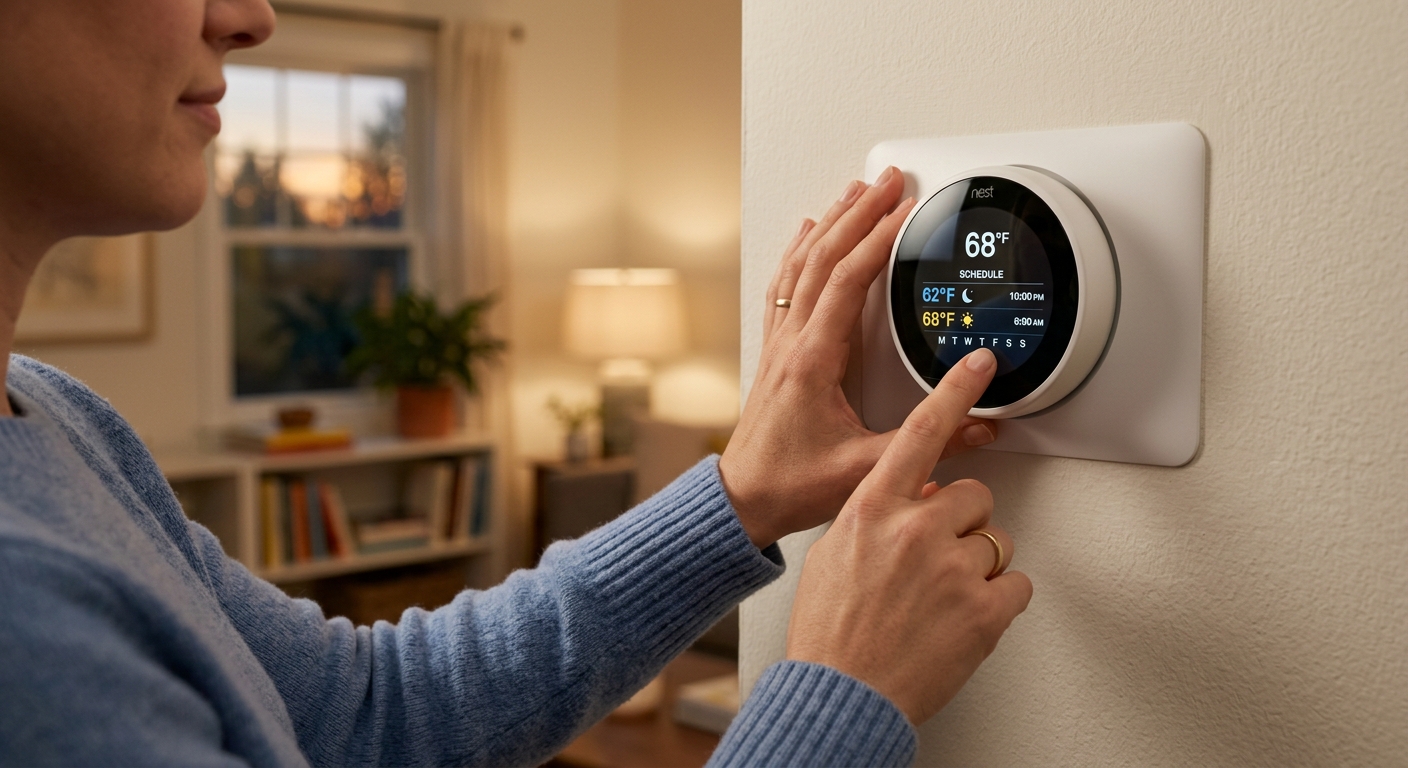
Most homeowners leave their thermostat at the same temperature all day, quietly wasting hundreds of dollars a year. A properly programmed thermostat schedule can cut heating and cooling bills by 10 to 15% with zero ongoing effort.
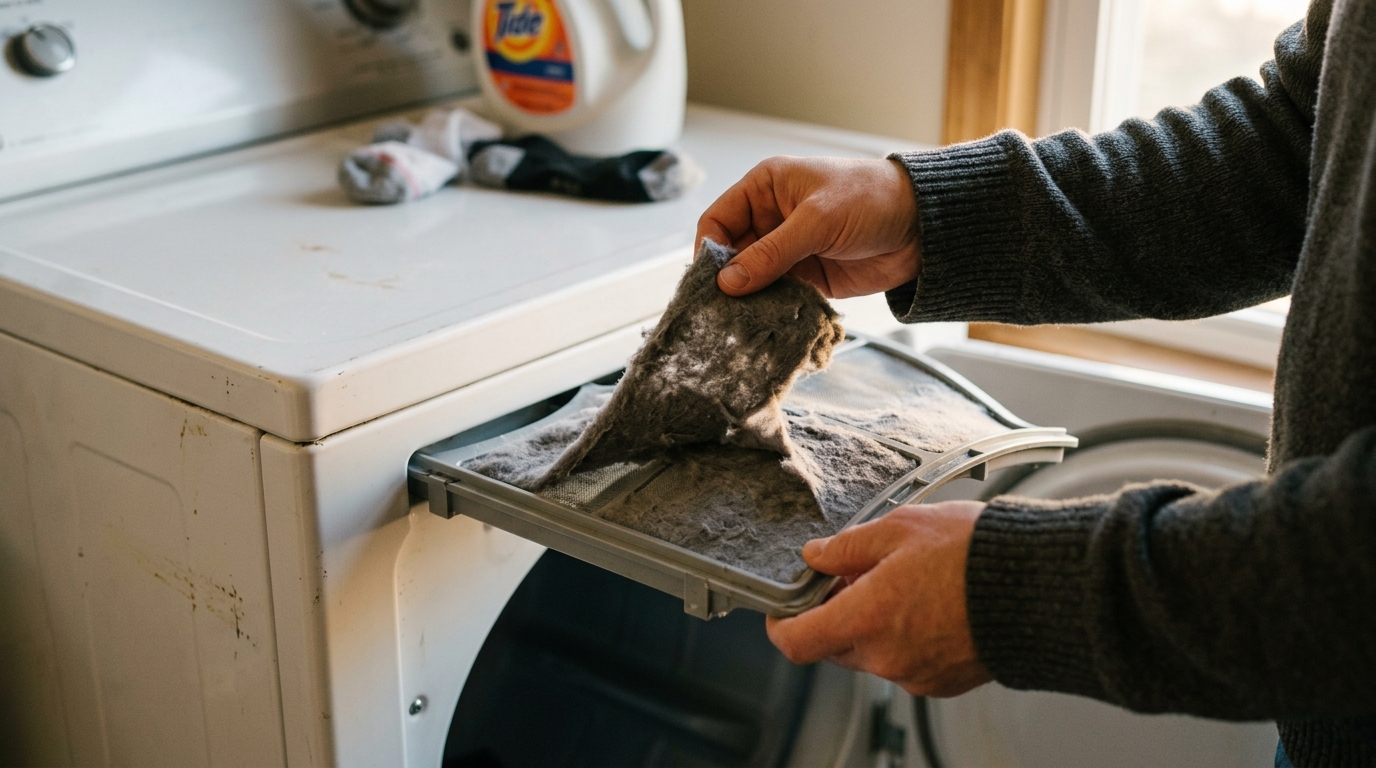
Most homeowners clean the lint screen after every load, but that single habit misses the deeper buildup that quietly drains energy and shortens your dryer’s life. Cleaning the full exhaust system, not just the trap, can cut drying time by 25% and save over $150 a year on utility bills.
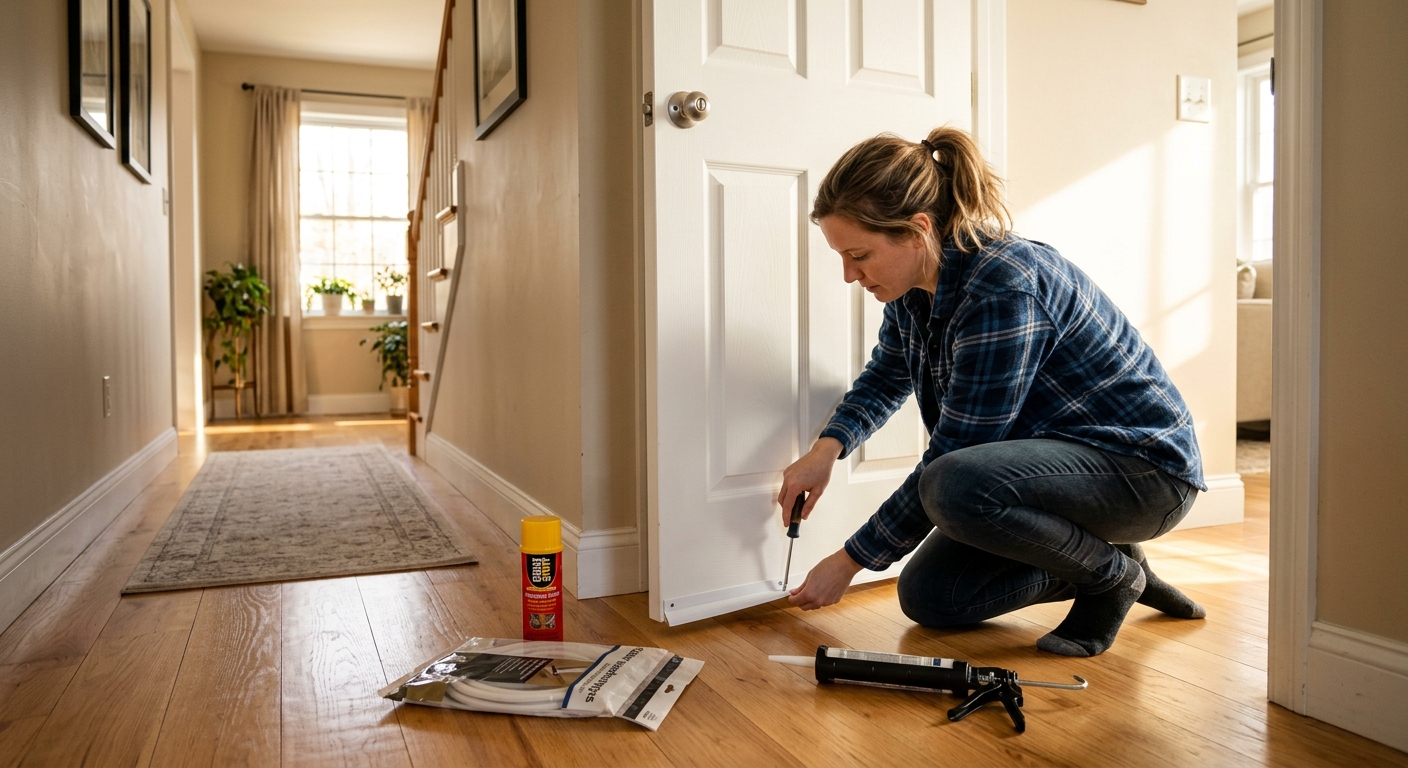
Drafts aren’t just annoying – they’re quietly draining 20 to 30% of your heating and cooling budget through gaps you can’t always see. A single weekend of air sealing with basic materials can eliminate most of them and pay back the investment in as little as 60 days.
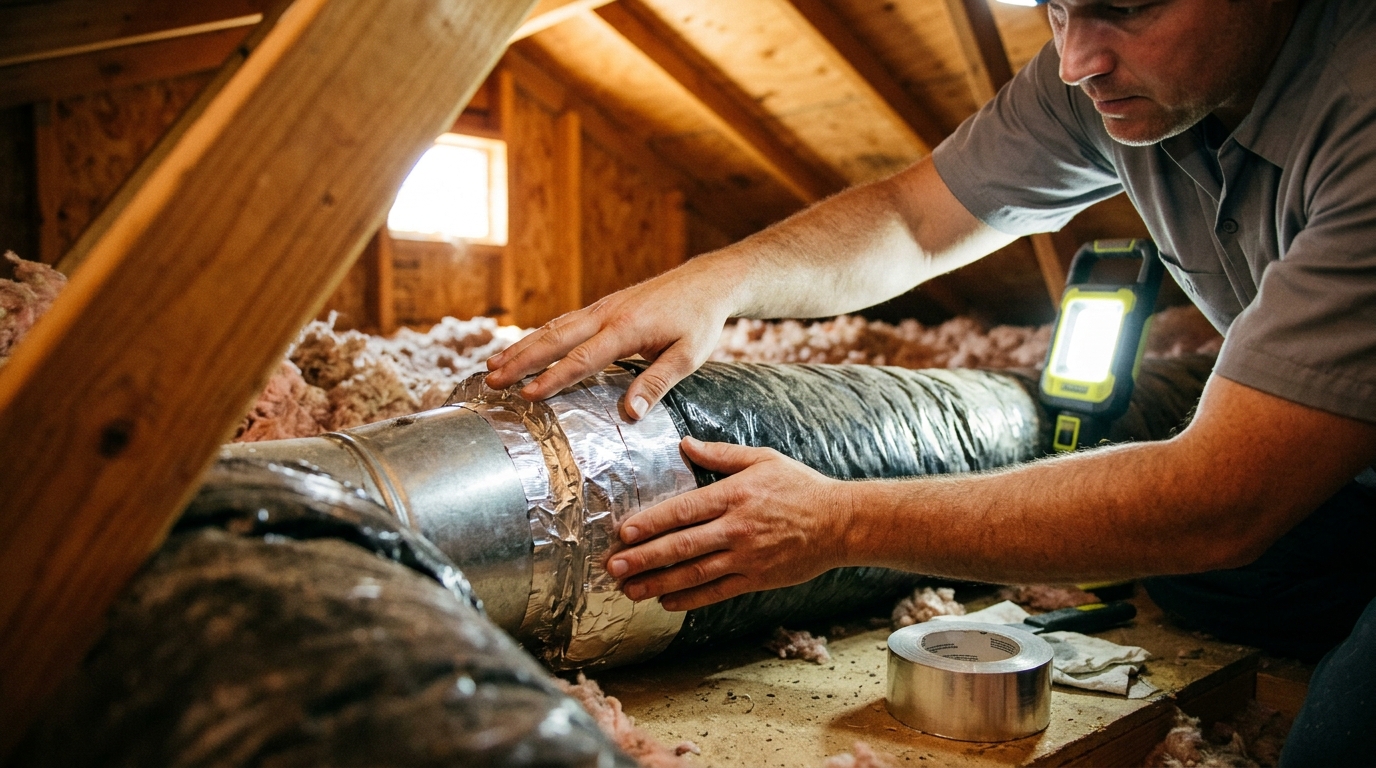
Most homeowners blame their HVAC system when the upstairs stays stuffy and hot, but the real culprit is usually a combination of attic heat, poor airflow, and duct problems. Fix the right things in the right order and you can close that temperature gap by 3 to 5 degrees without replacing your AC.
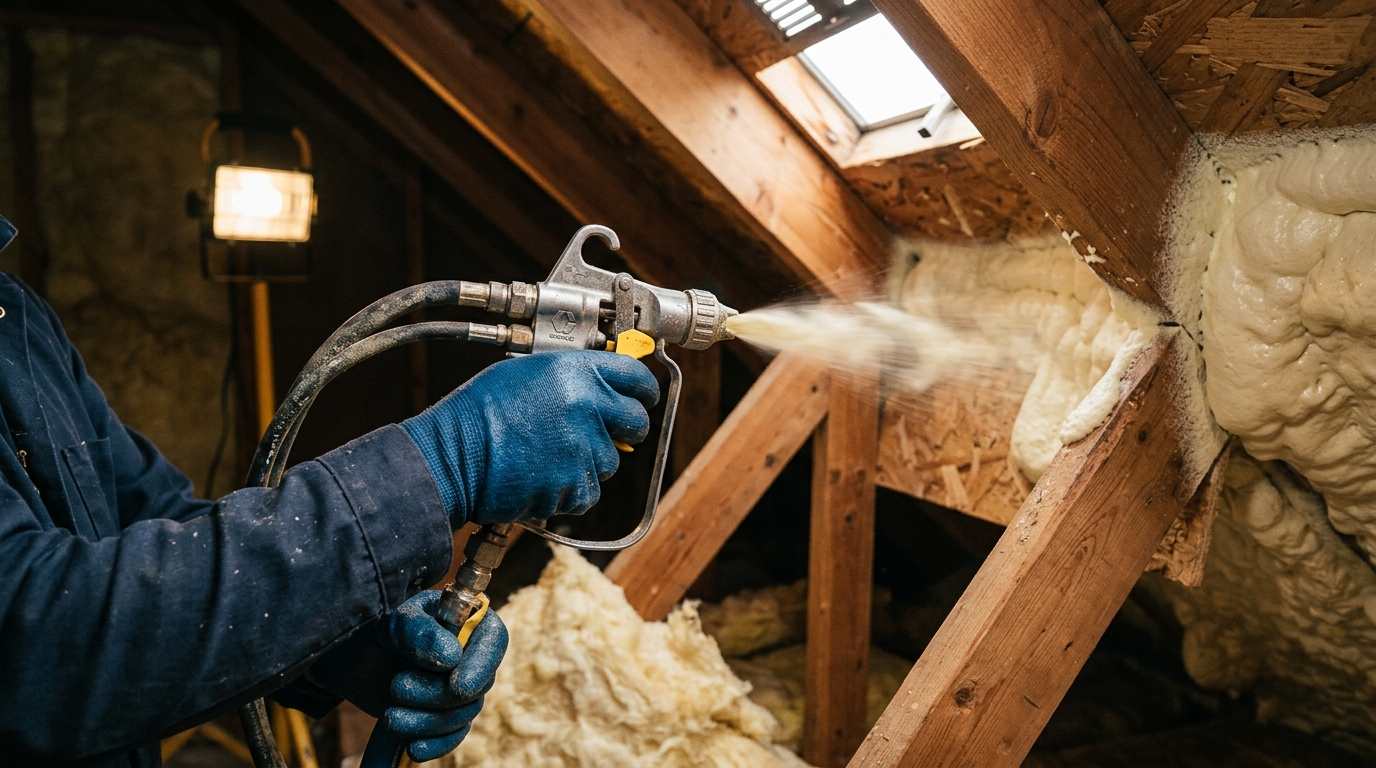
Spray foam insulation comes in two very different formulas, and choosing the wrong one can cost you thousands in wasted material or missed savings. This guide breaks down exactly when to use each type, what real-world savings look like, and how to make the smartest call for your home.
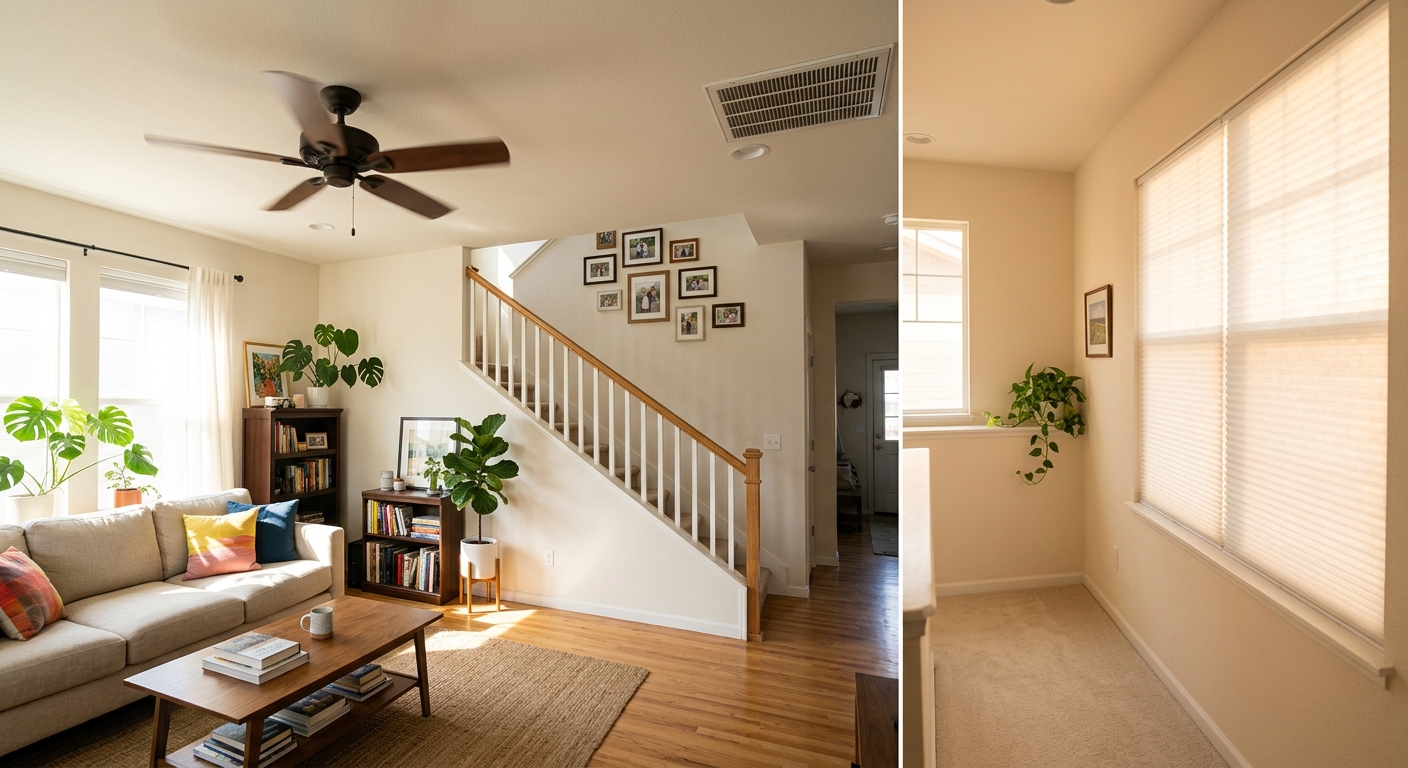
Two-story homes are notorious for wild temperature swings between floors, leaving the upstairs sweltering while the first floor turns into a freezer. With the right combination of airflow adjustments, thermostat strategy, and targeted upgrades, you can balance temperatures within 2 to 4 degrees across both floors without cranking up the AC.
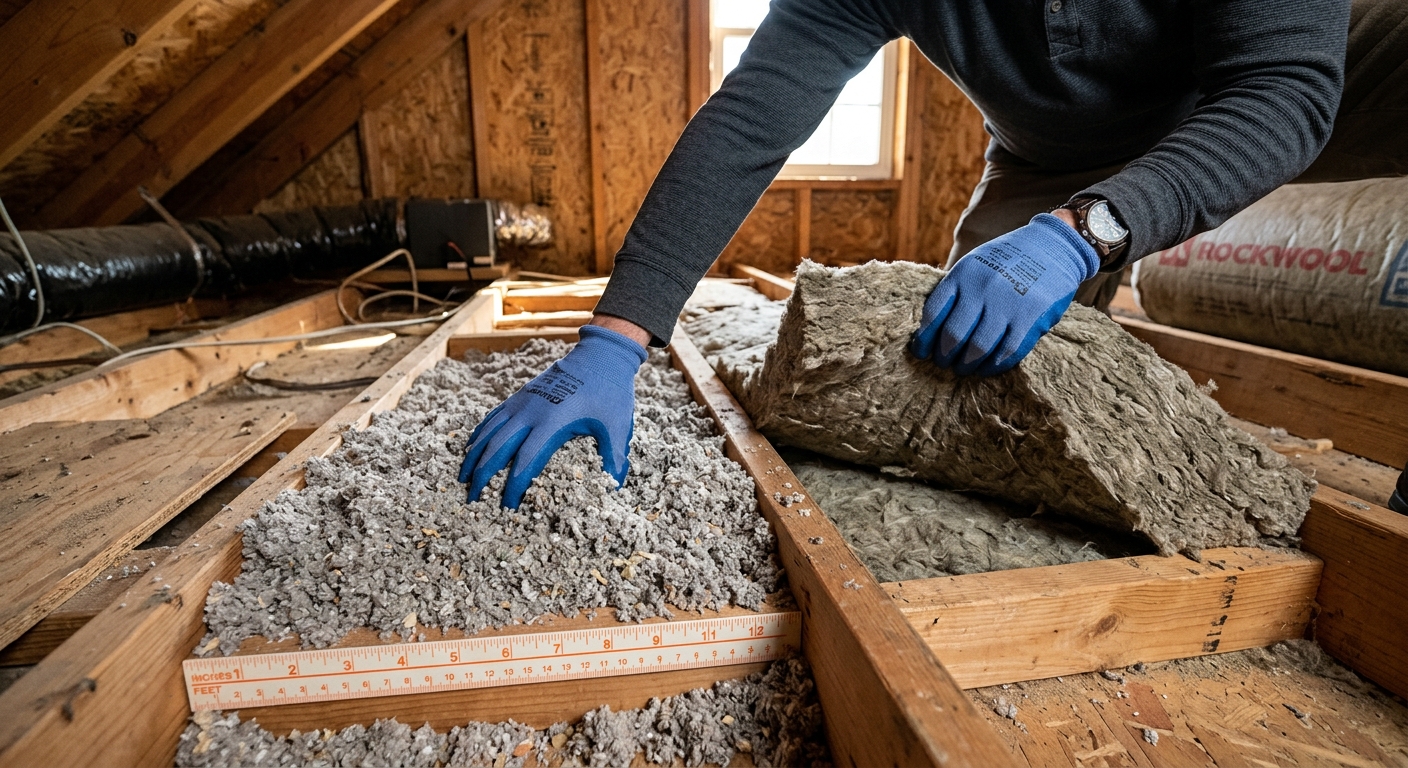
Most homeowners have no idea what type of insulation is in their walls or attic, and that gap in knowledge can lead to costly mistakes when upgrading or air sealing. Learn how to identify cellulose, fiberglass, and mineral wool insulation by sight, touch, and simple tests, so you can make smarter decisions about your home’s thermal envelope.
Most homeowners ignore their deck until a board snaps or a railing wobbles – by then, a $50 fix has become a $2,000 repair. A simple 30-minute inspection each year catches the warning signs early and keeps your deck safe and structurally sound for a fraction of the cost.
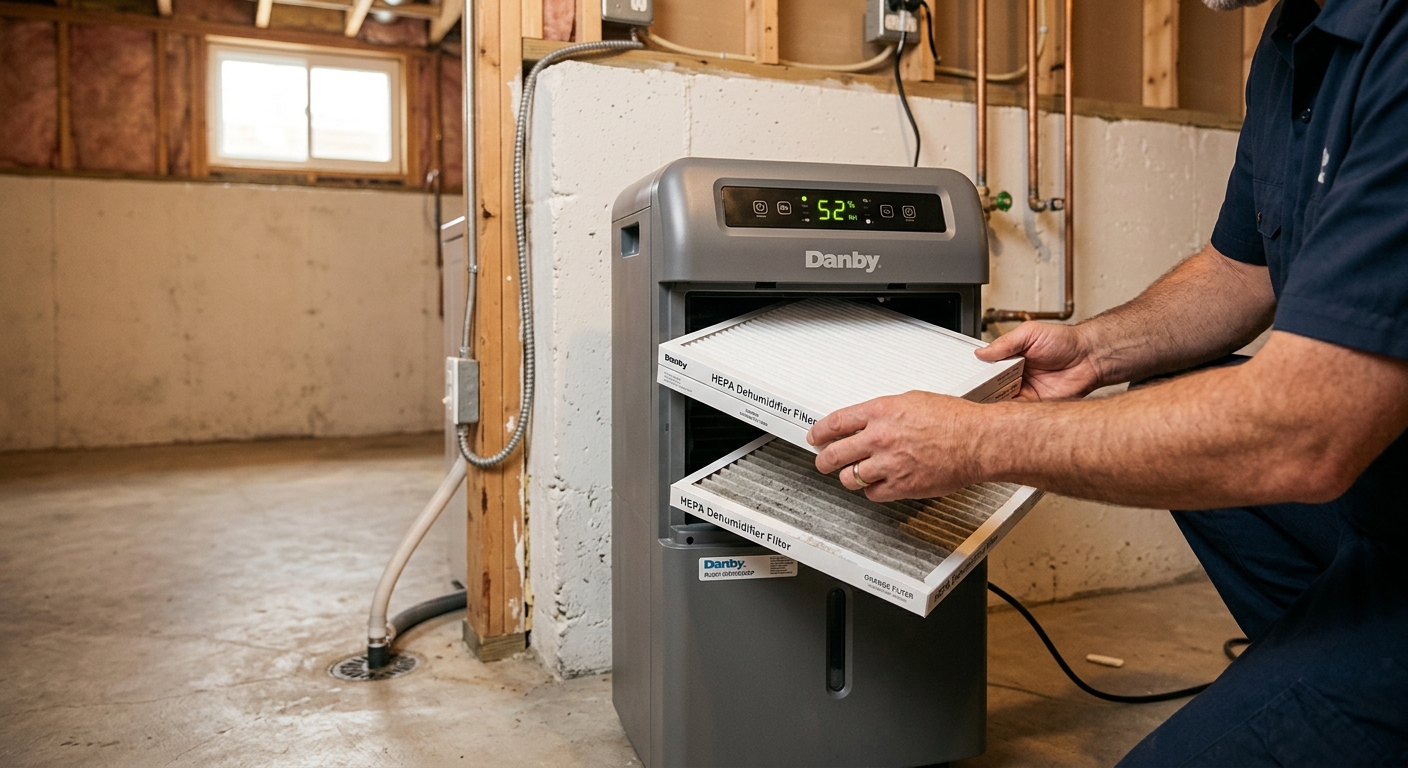
Summer humidity turns basements into clammy, musty spaces that can damage belongings and grow mold within 48 hours. Understanding why moisture enters and which fixes actually work can save you hundreds in repairs and slash cooling costs by up to 15%.
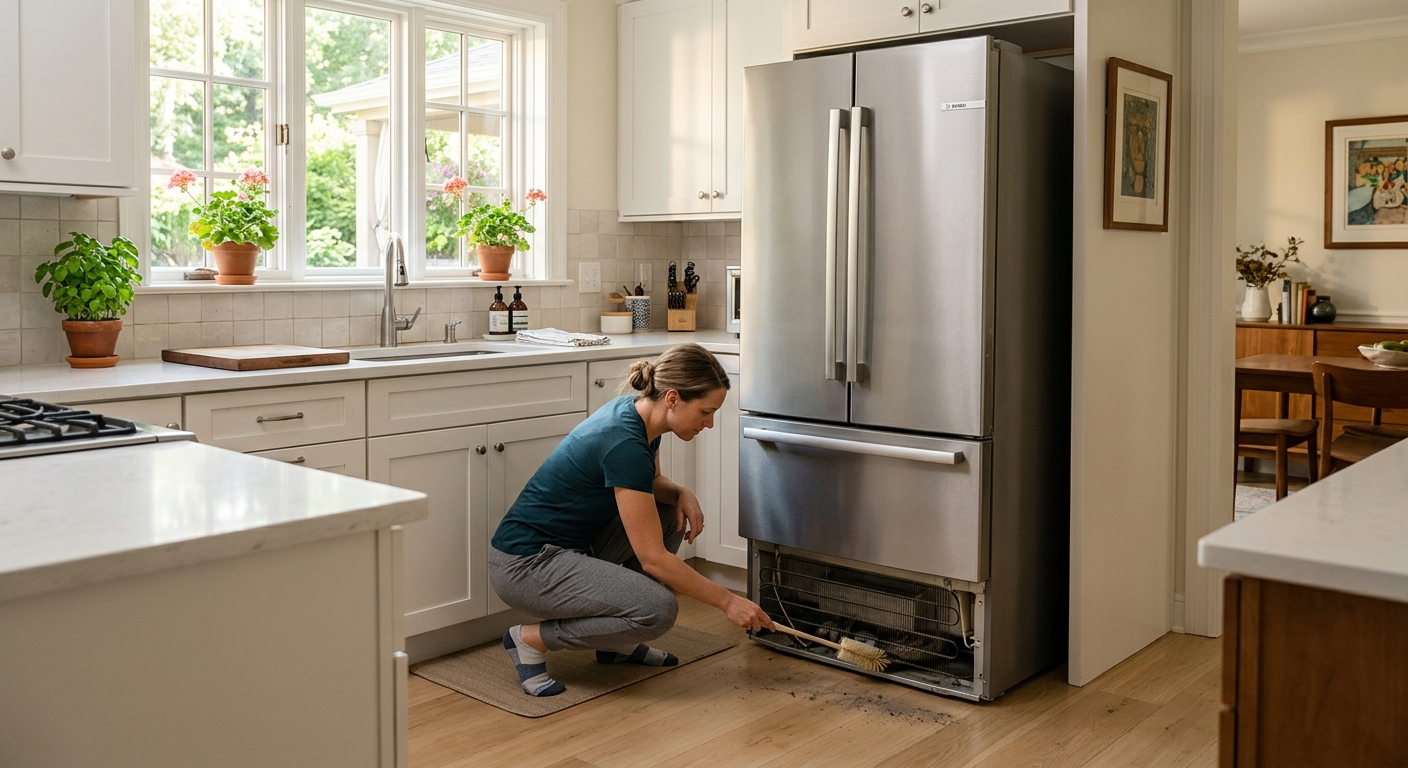
Your refrigerator runs 24 hours a day, 365 days a year, making it one of the top three energy consumers in most homes. A few simple fixes can cut its energy use by 20 to 30% without buying a new appliance.