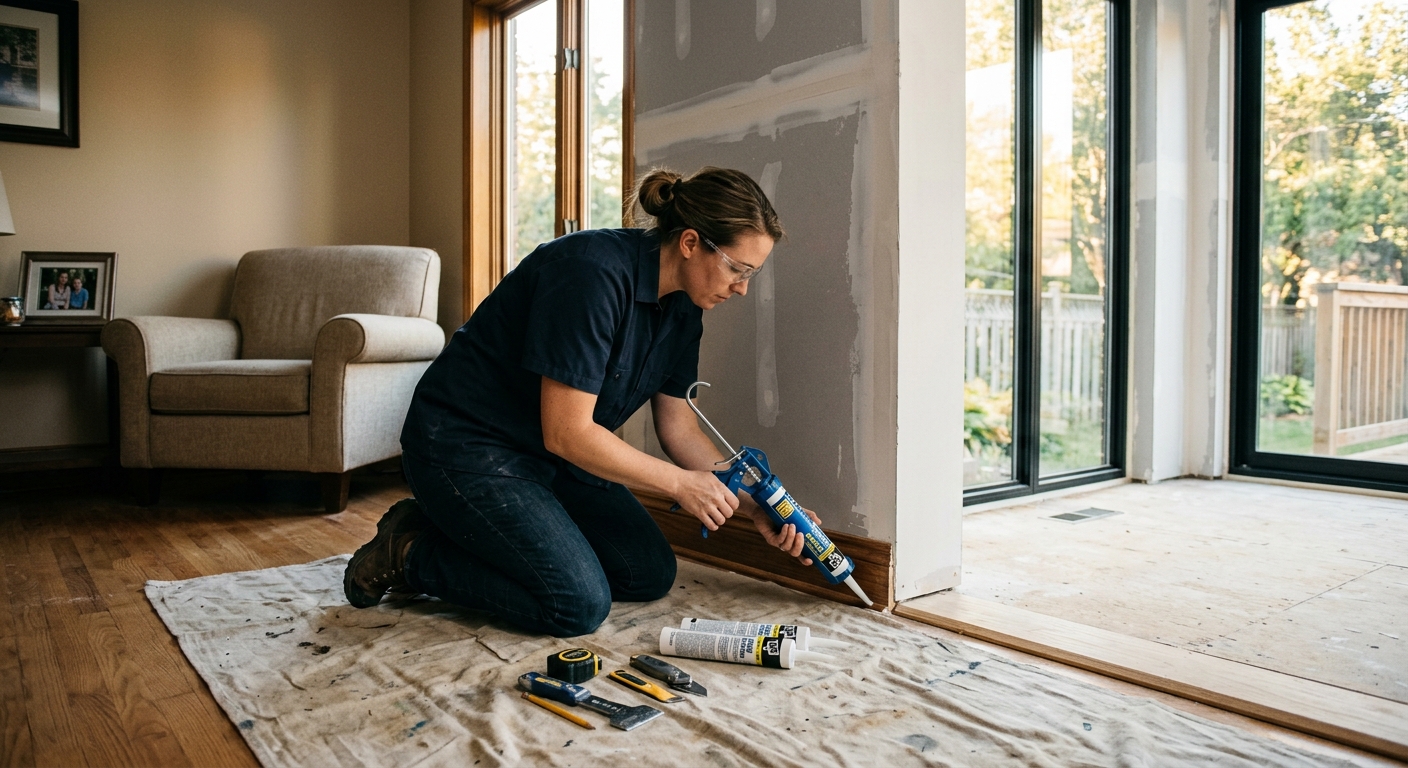
Gaps and cracks around windows, doors, and utility penetrations silently drain your heating and cooling budget while letting insects and moisture sneak inside. A single weekend with a caulk gun can seal most of these leaks and cut your energy bills by 10 to 20 percent.
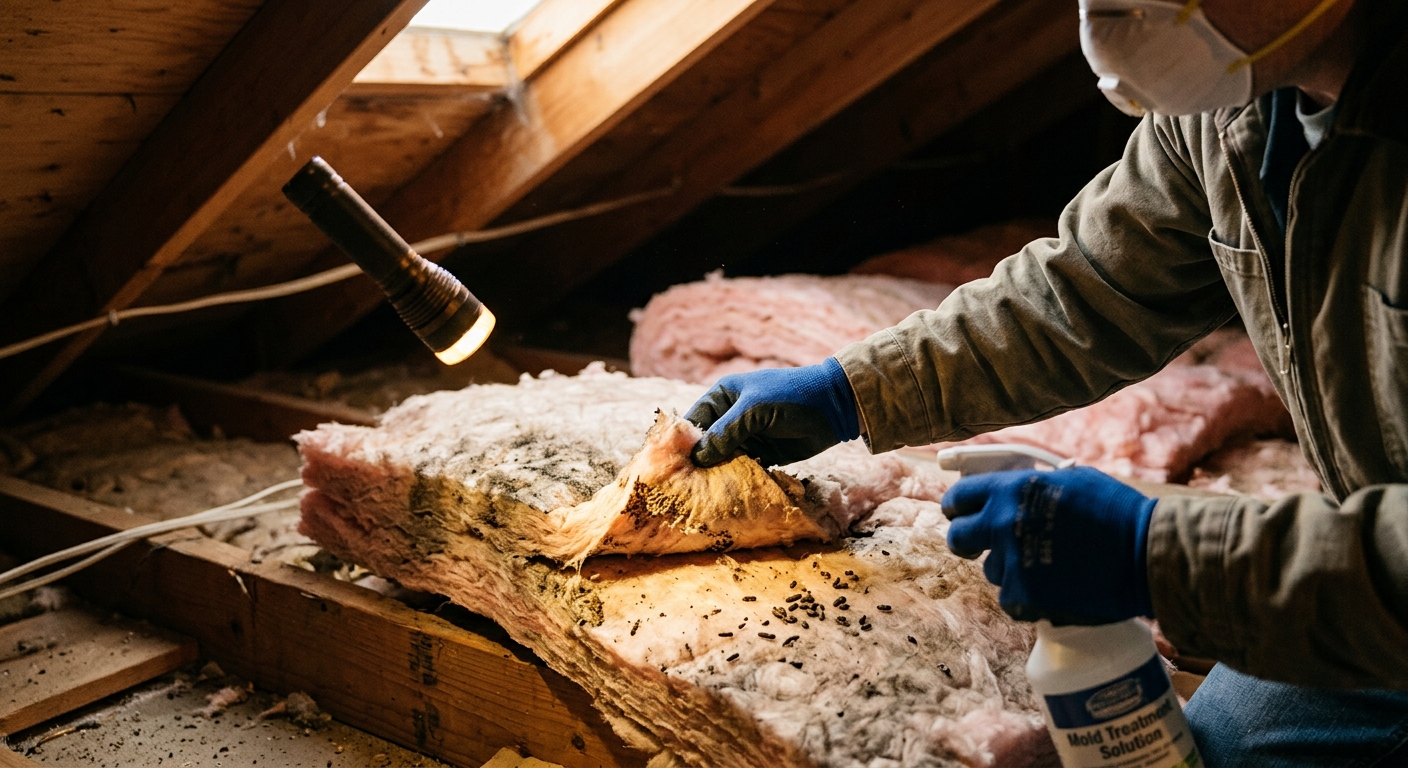
Damaged insulation does not just waste energy, it can harbor mold spores, rodent waste, and structural rot that threaten your family’s health. This guide walks you through how to identify the damage, safely remove it, and replace it so your home is both efficient and safe.
Home renovations promise better living spaces, but they often introduce surprising comfort problems like uneven temperatures, drafts, and skyrocketing energy bills. Understanding why these issues appear and how to prevent them can save you thousands in follow-up repairs and monthly utility costs.
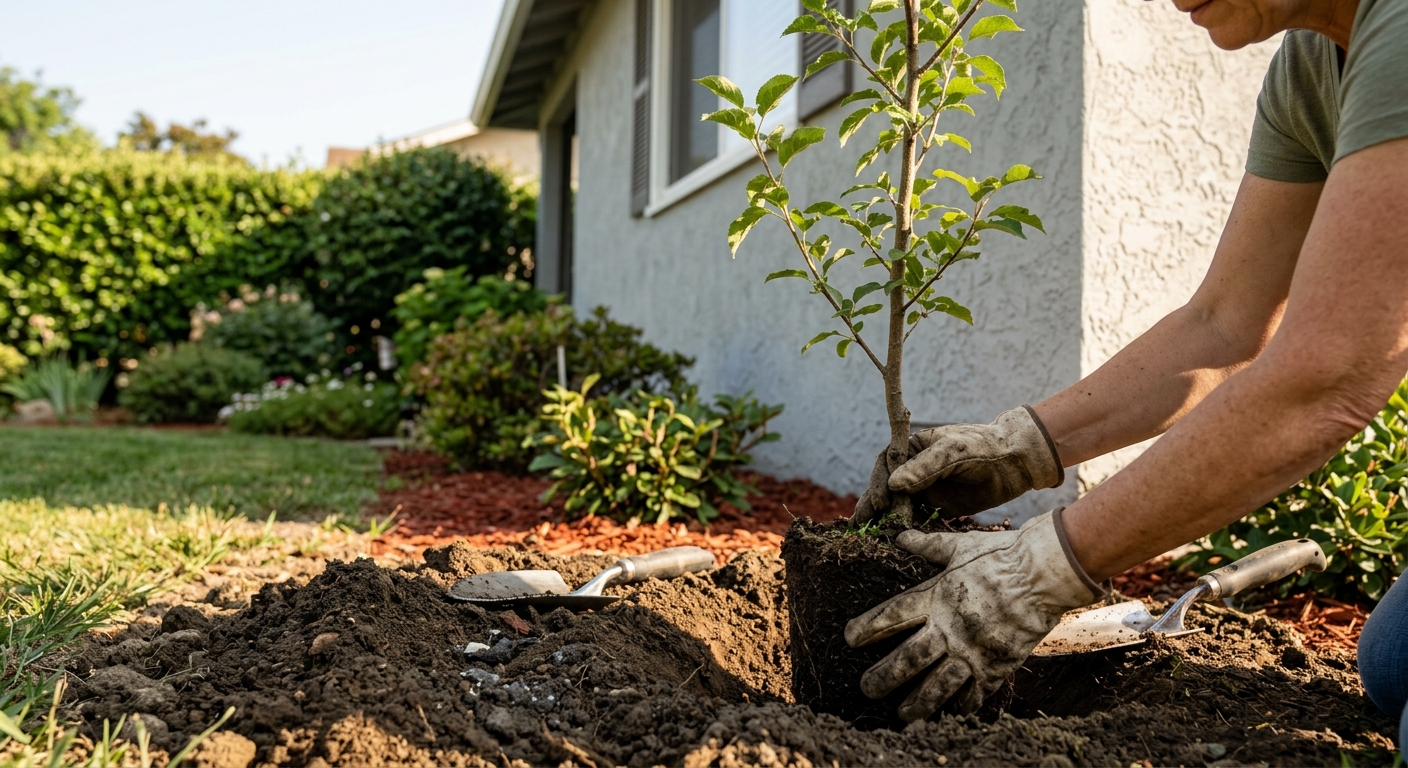
Unshaded walls and windows can make your AC work twice as hard during summer, driving up energy bills significantly. Strategic tree and shrub placement can cut cooling costs by up to 25%, with many plantings paying for themselves in under 10 years.
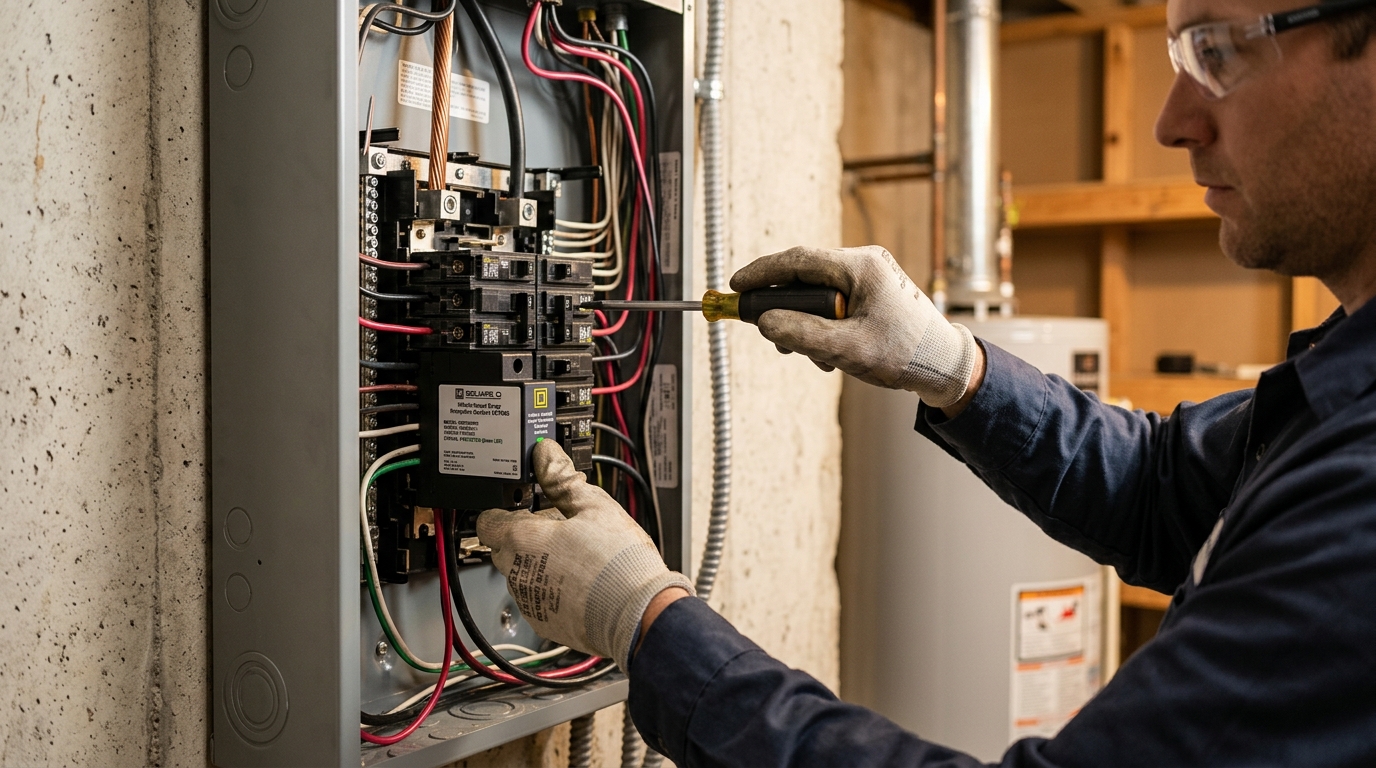
Power surges destroy appliances and electronics silently, often without a visible lightning strike. A whole-house surge protector costs $150 to $400 installed and can protect $10,000 to $50,000 worth of home equipment from a single event.
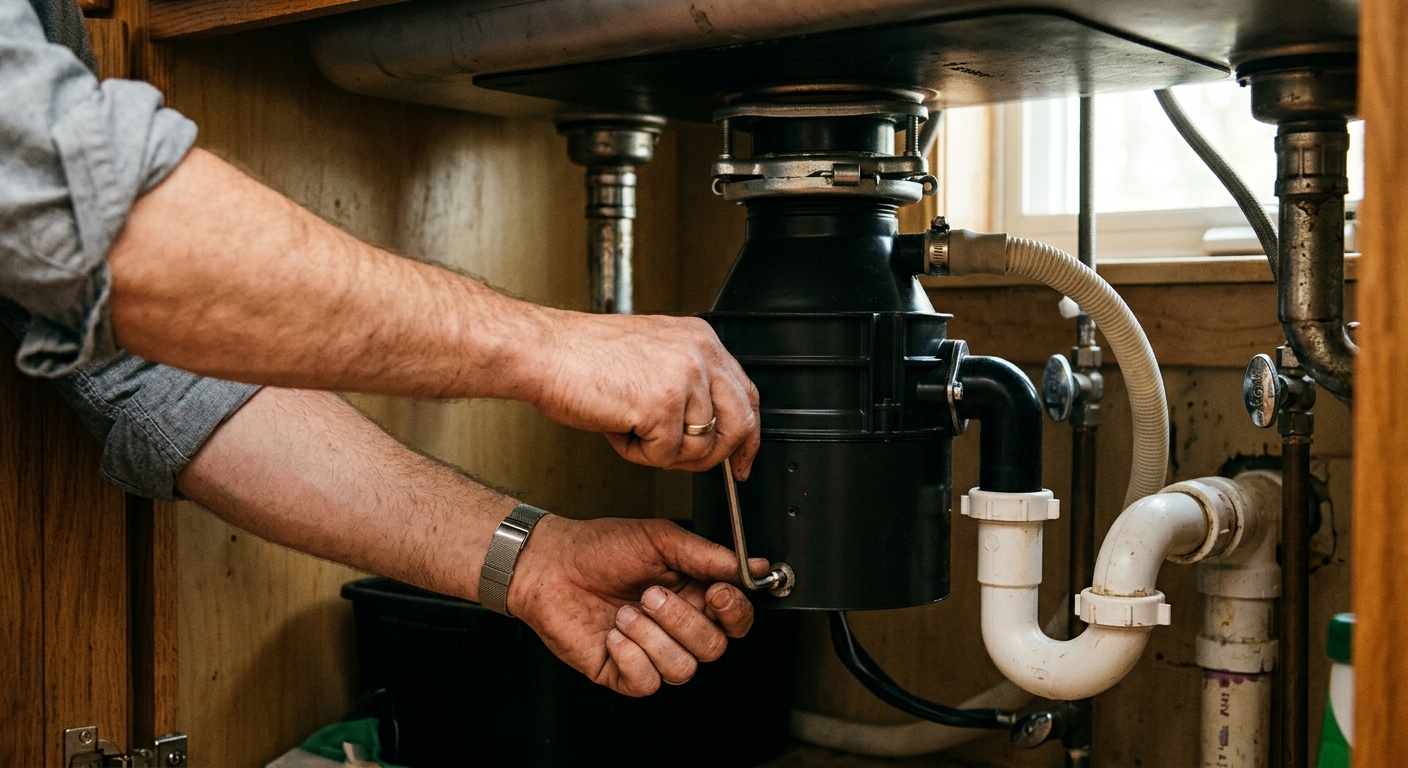
A humming or completely dead garbage disposal is one of the most common kitchen headaches, and most homeowners assume it means an expensive service call. In reality, 90% of stuck disposals can be fixed in under 10 minutes with a single tool you likely already own.
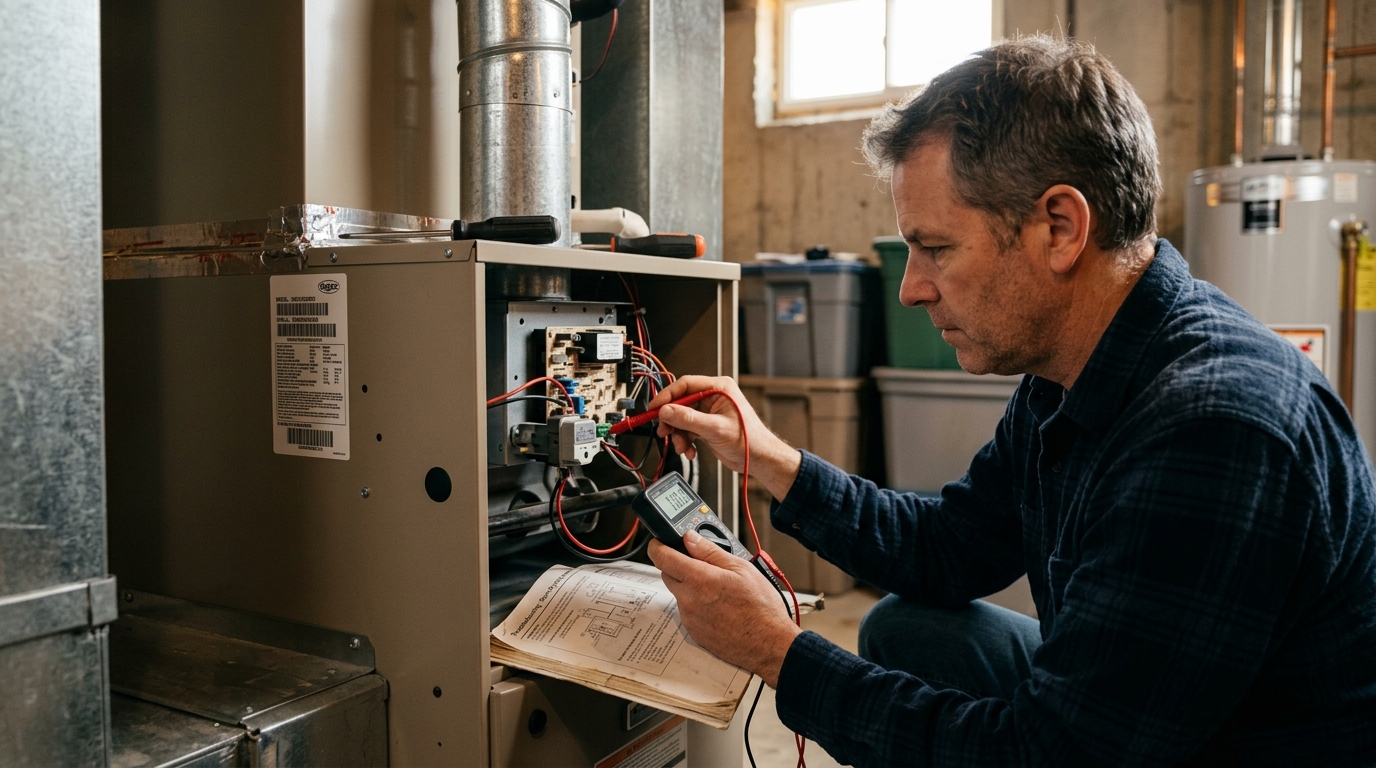
A furnace that turns on and off every few minutes wastes energy, strains components, and signals an underlying problem that will only get worse. Most short cycling causes are diagnosable by a homeowner in under an hour, potentially saving you a $100 to $200 diagnostic fee.
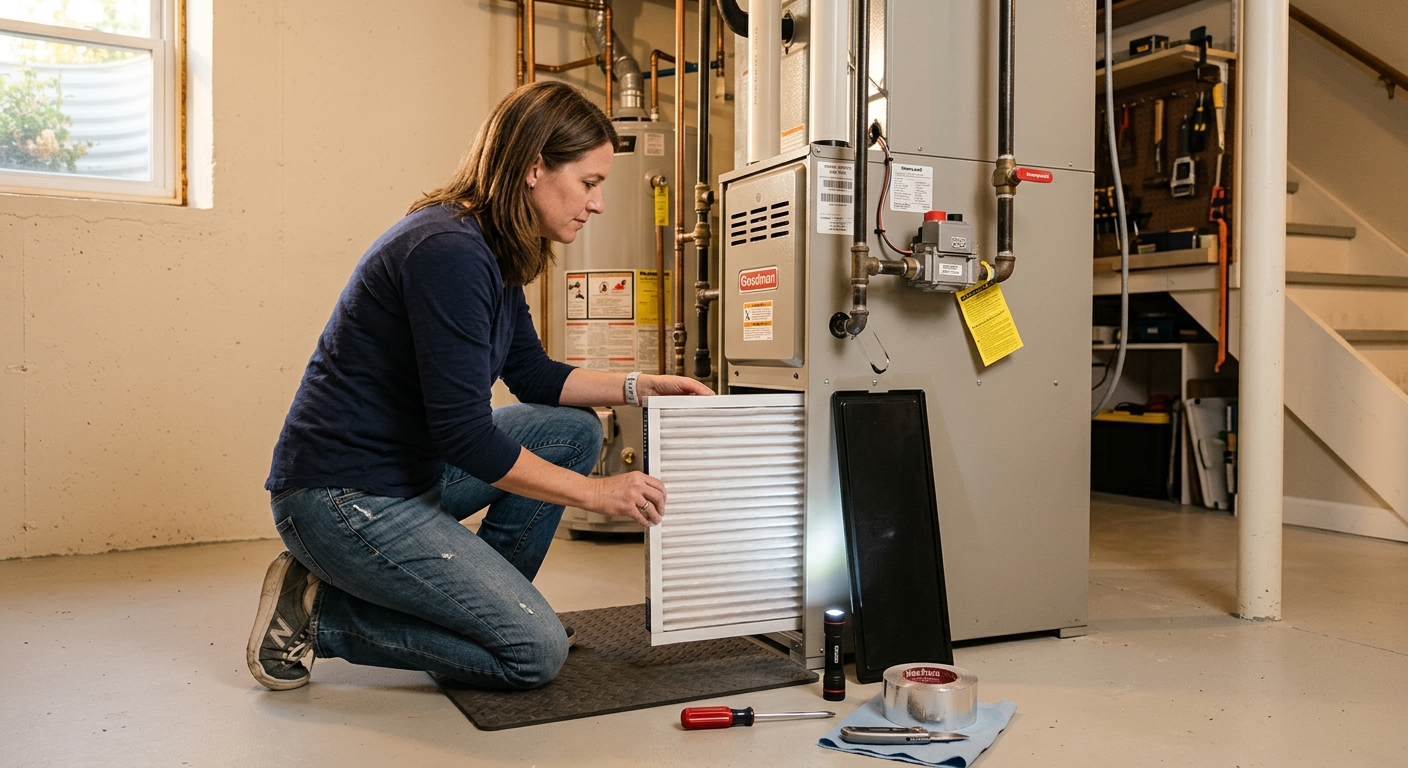
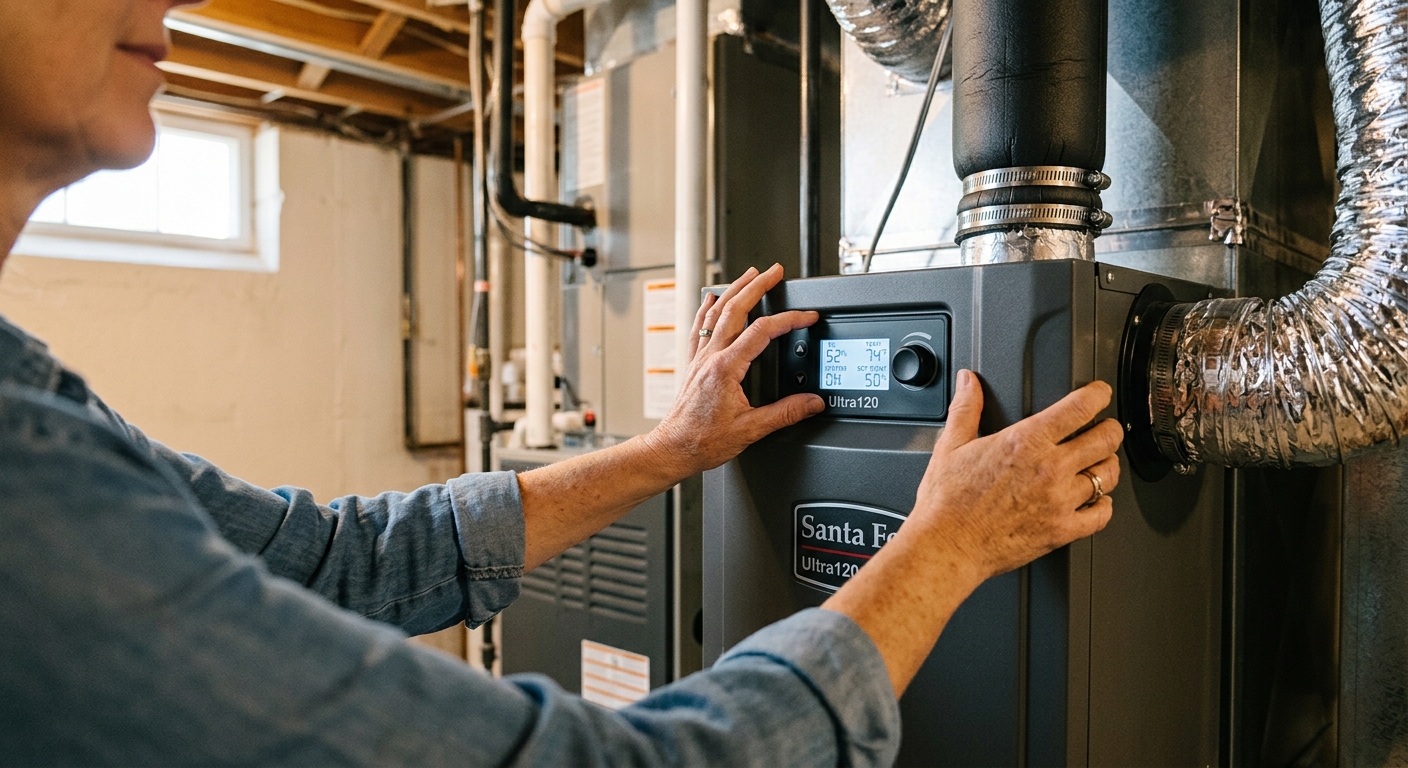
Most homeowners flip on the furnace the first cold morning without a second thought, then wonder why their heating bills spike. Tackling four simple checks before that first ignition can cut your heating costs by 20 to 35% and prevent breakdowns on the coldest nights of the year.
Moving into a new home often brings unexpected comfort problems like hot and cold spots, stuffy air, and inconsistent temperatures that your previous home never had. The good news is that most of these issues trace back to a handful of fixable root causes you can diagnose and address in a single weekend.
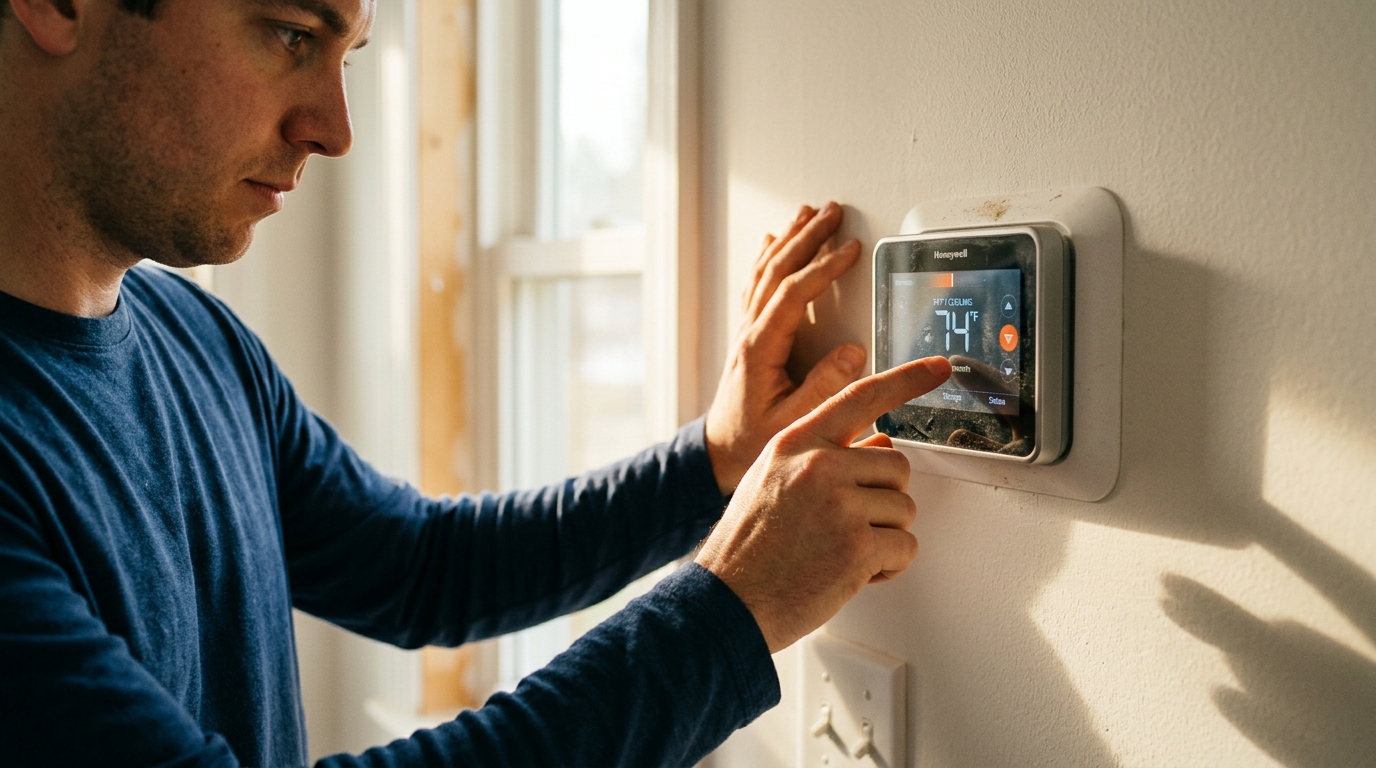
High indoor humidity makes 78°F feel like 85°F, forcing your AC to work harder and leaving your home feeling clammy no matter how low you set the thermostat. A whole-home or portable dehumidifier can cut perceived temperature by 4 to 6 degrees and trim cooling bills by 10 to 15%.