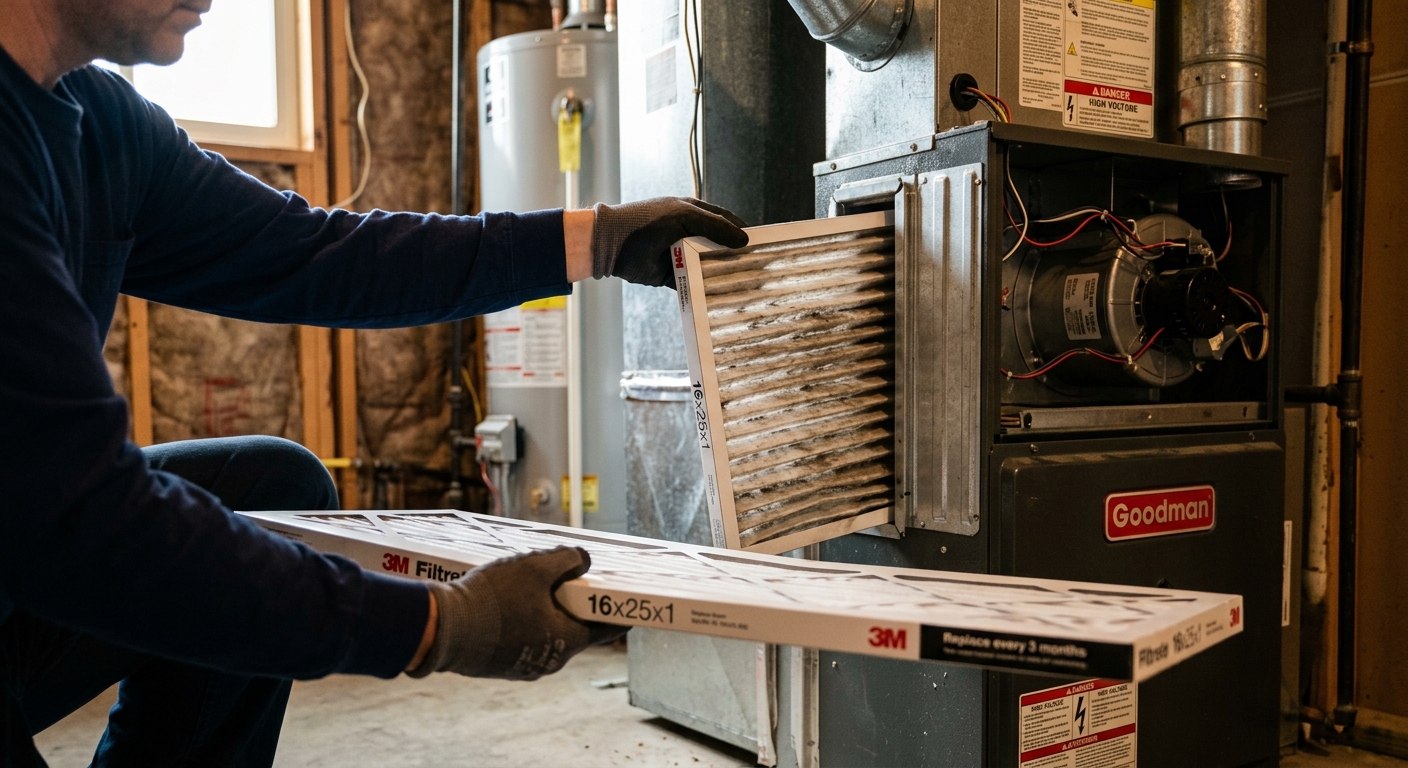
Most homeowners skip routine maintenance until something breaks, turning a $20 fix into a $2,000 emergency. A well-structured home maintenance calendar prevents costly failures, extends equipment life, and keeps your energy bills predictable year-round.
Drafty, single-pane, or poorly sealed windows can quietly add 10 to 25% to your monthly energy bill without you ever noticing. This post breaks down exactly what old windows cost you, how to measure the damage, and what you can do about it today.
Some rooms stay stubbornly cold no matter how high you crank the thermostat, costing you money while leaving you uncomfortable. The fix is rarely a bigger furnace – it’s almost always a combination of air sealing, airflow correction, and targeted heat delivery that solves it for good.
Most homeowners overpay on energy bills because they have no idea where the waste is actually happening. A single weekend walkthrough of your home, using mostly free tools, can reveal fixes that pay back hundreds of dollars every year.
Home offices are quietly becoming one of the biggest energy drains in the modern house, with computers, monitors, and poor climate control adding $40 to $70 per month to typical electric bills. A few targeted changes to equipment settings, power management, and zone cooling can cut that number in half within 30 days.
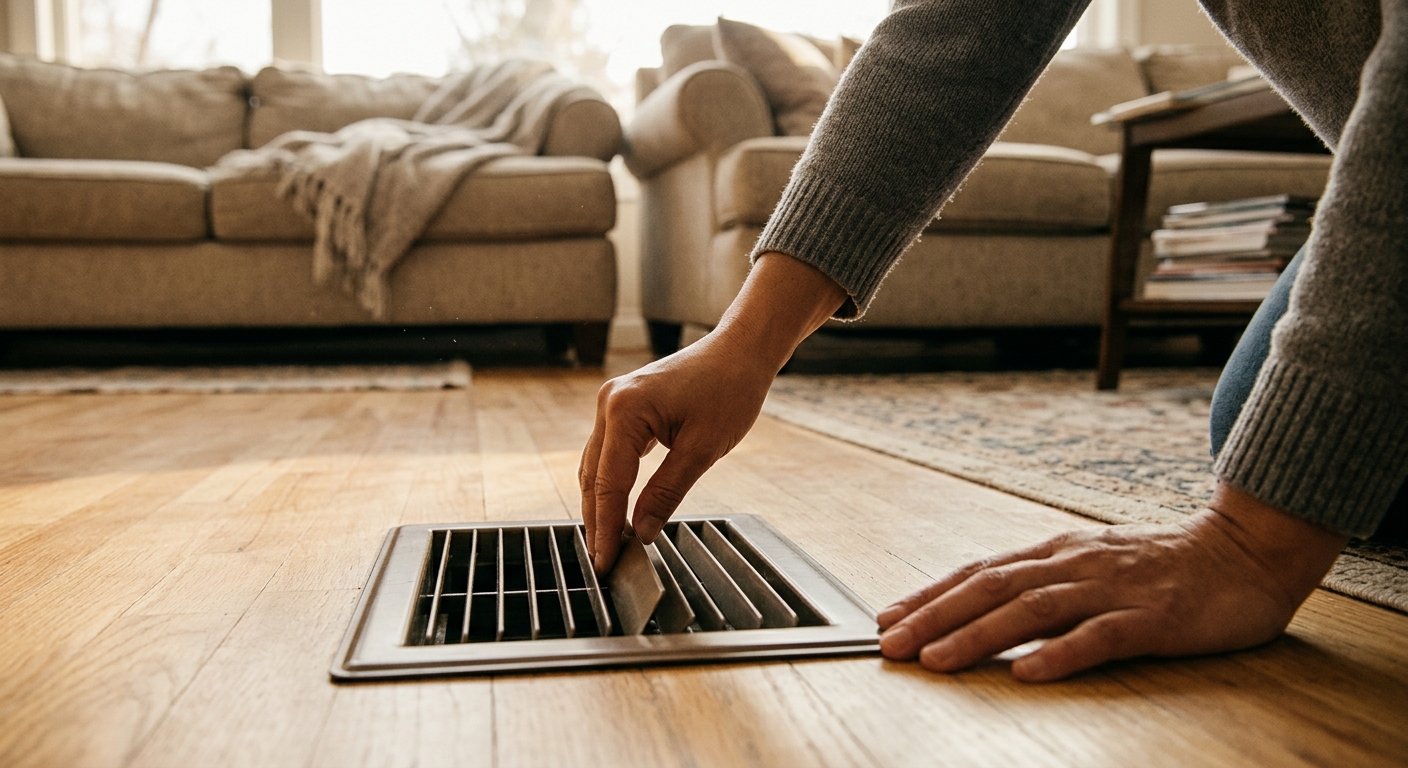
Closing vents in unused rooms seems like a smart way to save energy, but it actually increases pressure in your duct system and forces your HVAC to work harder. Here is what building science says actually works, and the simple fixes that deliver real comfort and savings.
Cathedral ceilings look stunning but are notorious energy drains, losing heat in winter and gaining it in summer far faster than standard flat ceilings. This guide walks you through practical insulation upgrades, from low-cost air sealing fixes to a targeted DIY rigid foam approach, all without a full gut renovation.
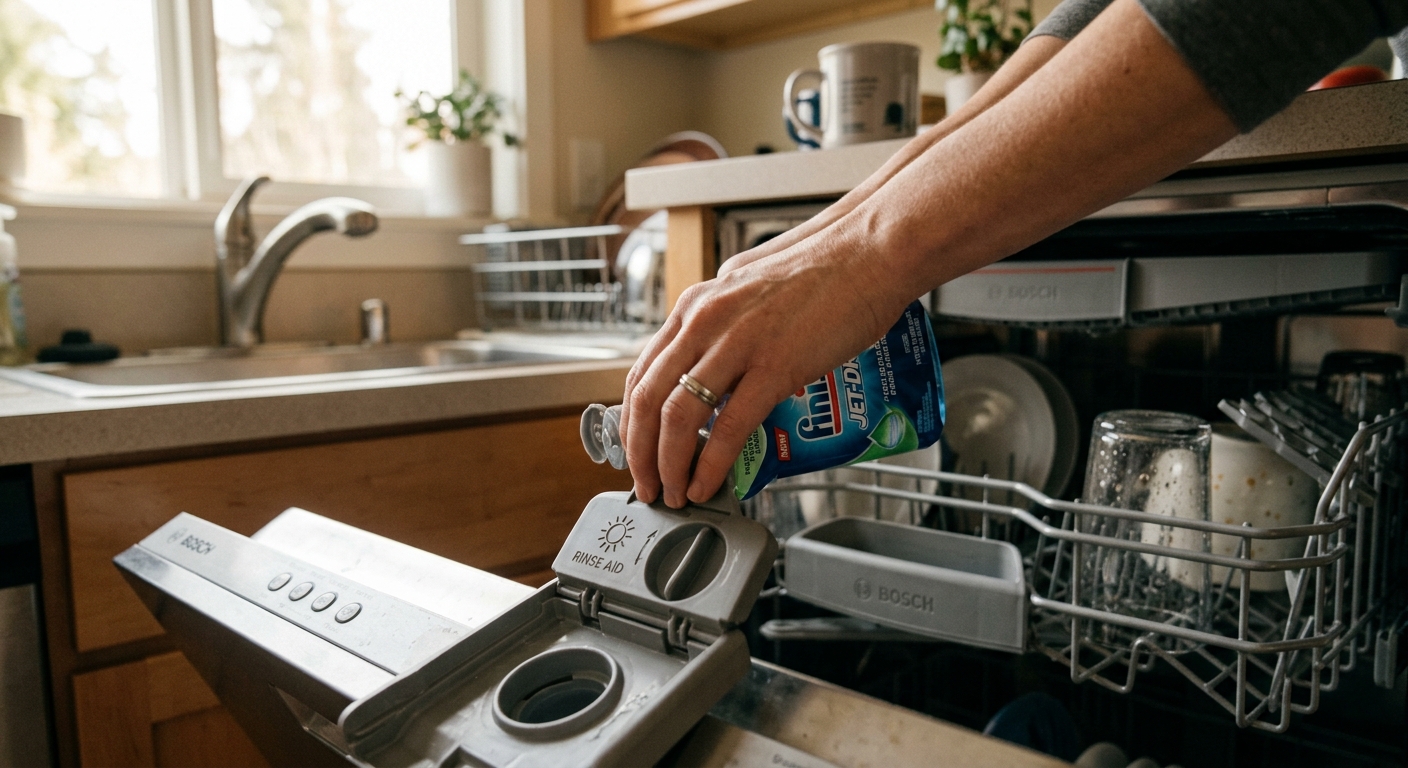
Cloudy glasses and white-streaked dishes are frustrating, but the cause is almost always hard water mineral deposits, not a broken dishwasher. A simple rinse aid adjustment and one overlooked setting can eliminate spots in a single wash cycle.
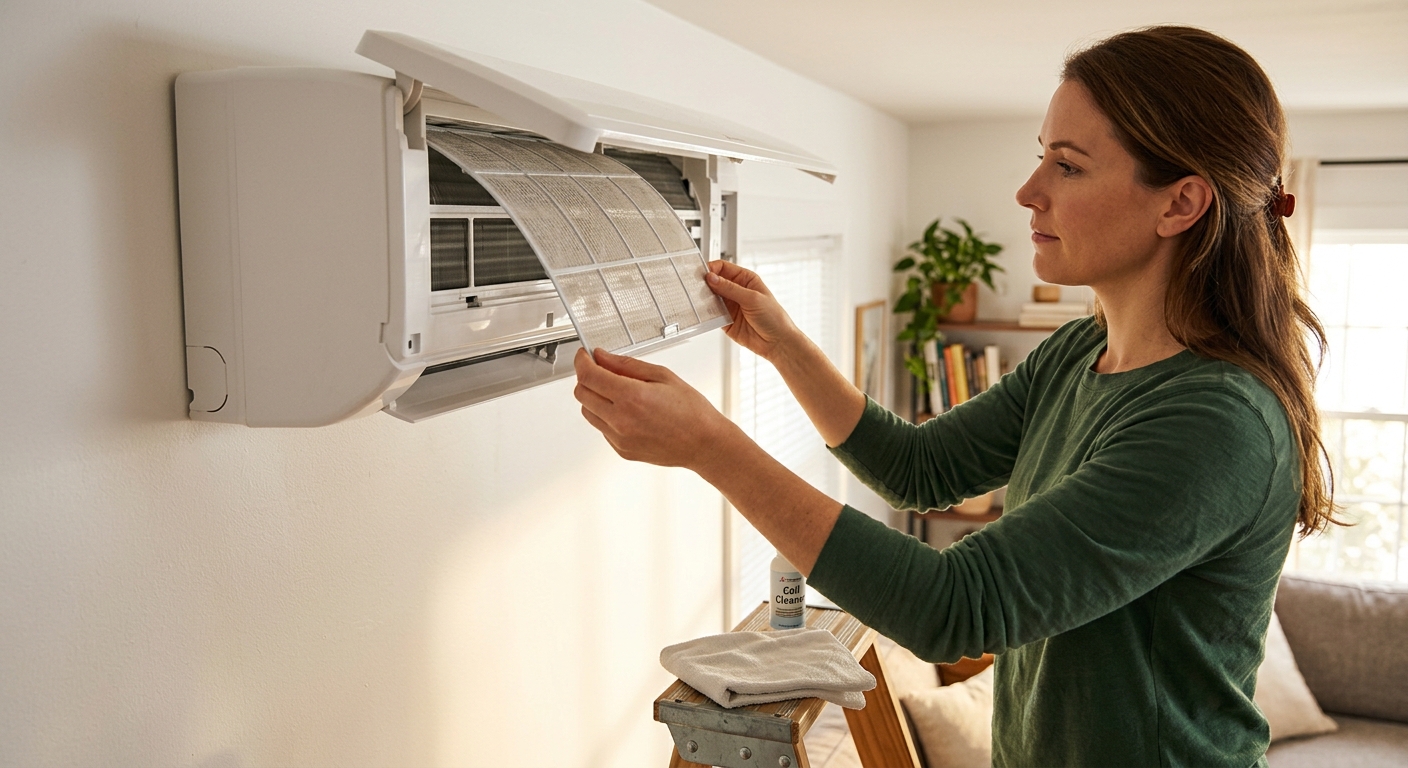
Mini-splits are among the most efficient cooling systems available, but most homeowners never optimize them past the default settings. With a few targeted adjustments and simple maintenance habits, you can squeeze significantly more comfort and savings from the same system.
A kitchen exhaust fan that runs but fails to clear smoke, grease, or odors is one of the most overlooked sources of indoor air quality problems and wasted energy. The fix is often a clogged filter or blocked duct, and most homeowners can solve it in under an hour without any special tools.