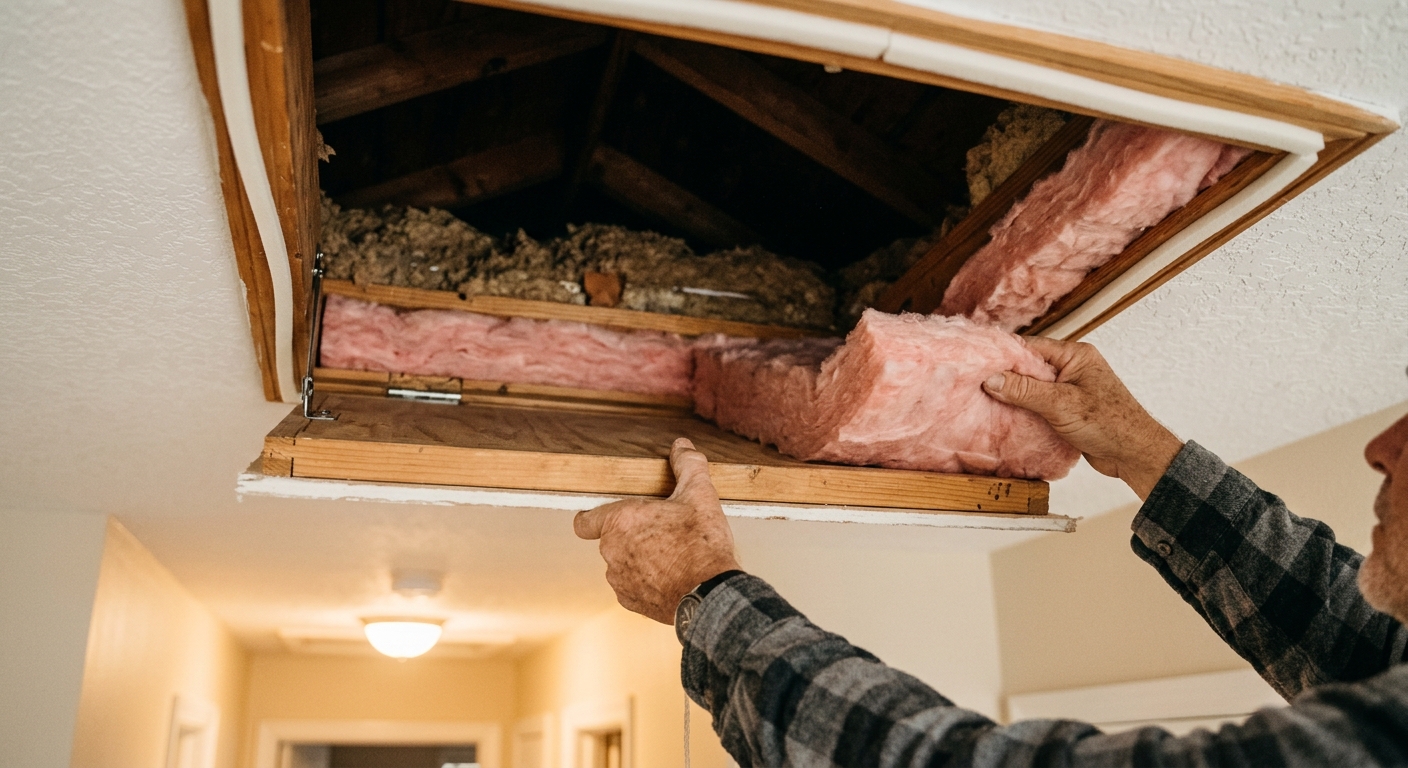
Your attic hatch is likely one of the most under-insulated spots in your entire home, leaking conditioned air 24 hours a day. Adding a simple insulated cover can cut attic-related heat loss by up to 30% and pay for itself in a single heating season.
Aging appliances quietly drain hundreds of dollars from your energy budget each year, and most homeowners never connect the dots to their home warranty coverage. Knowing how to document energy waste, time your claims strategically, and negotiate replacements can turn your warranty into a powerful efficiency tool.
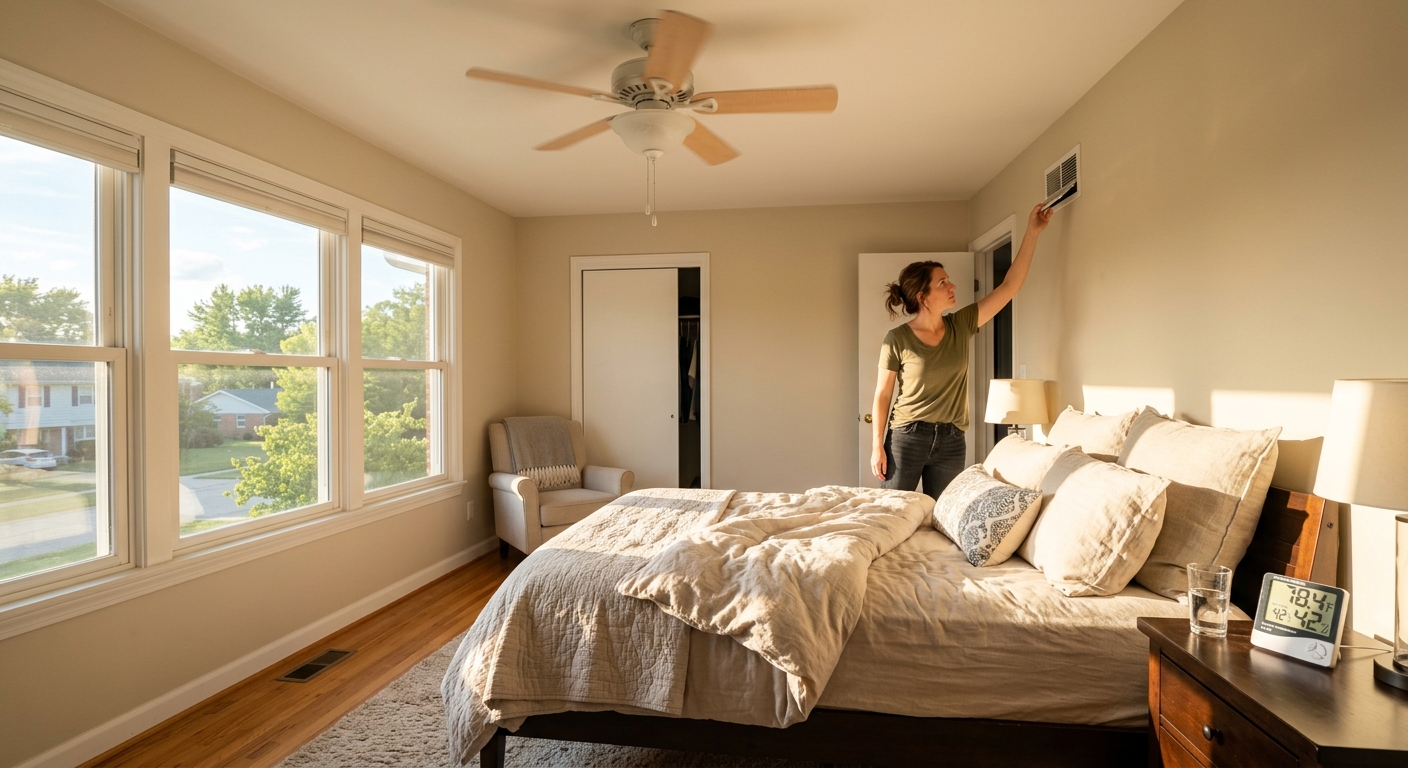
A single sweltering room can make your whole home feel uncomfortable and drive up energy bills as your AC works overtime. The good news is that most hot room problems trace back to a handful of fixable causes, many of which cost little or nothing to address.
Most homeowners either under-insulate and pay for it every month, or over-spend on insulation that delivers diminishing returns. Knowing the right R-value target for your specific climate zone is the single most reliable way to maximize your insulation investment.
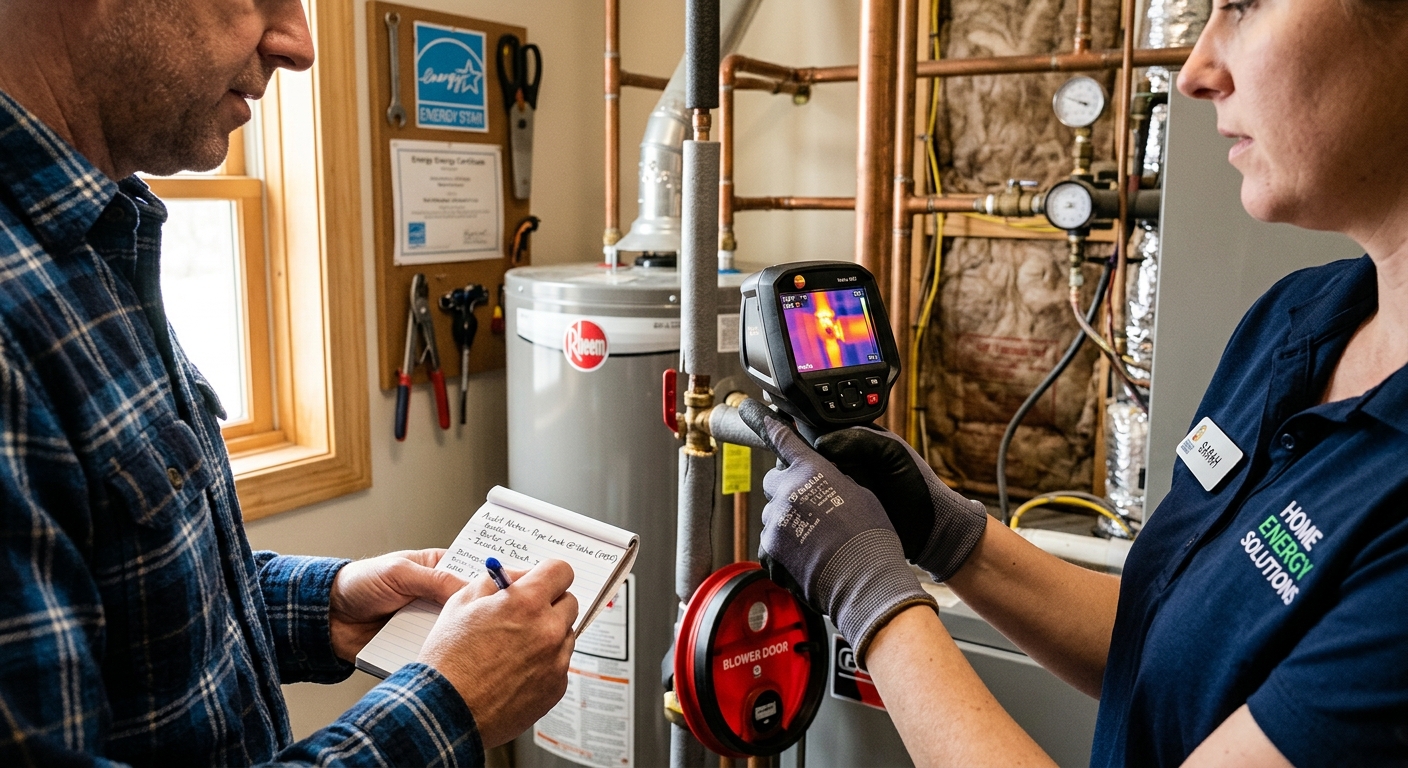
Most utility companies offer free or heavily subsidized home energy audits, but fewer than 5% of eligible homeowners ever claim them. This guide walks you through exactly how to find, request, and maximize a professional energy audit so you can turn the results into real savings.
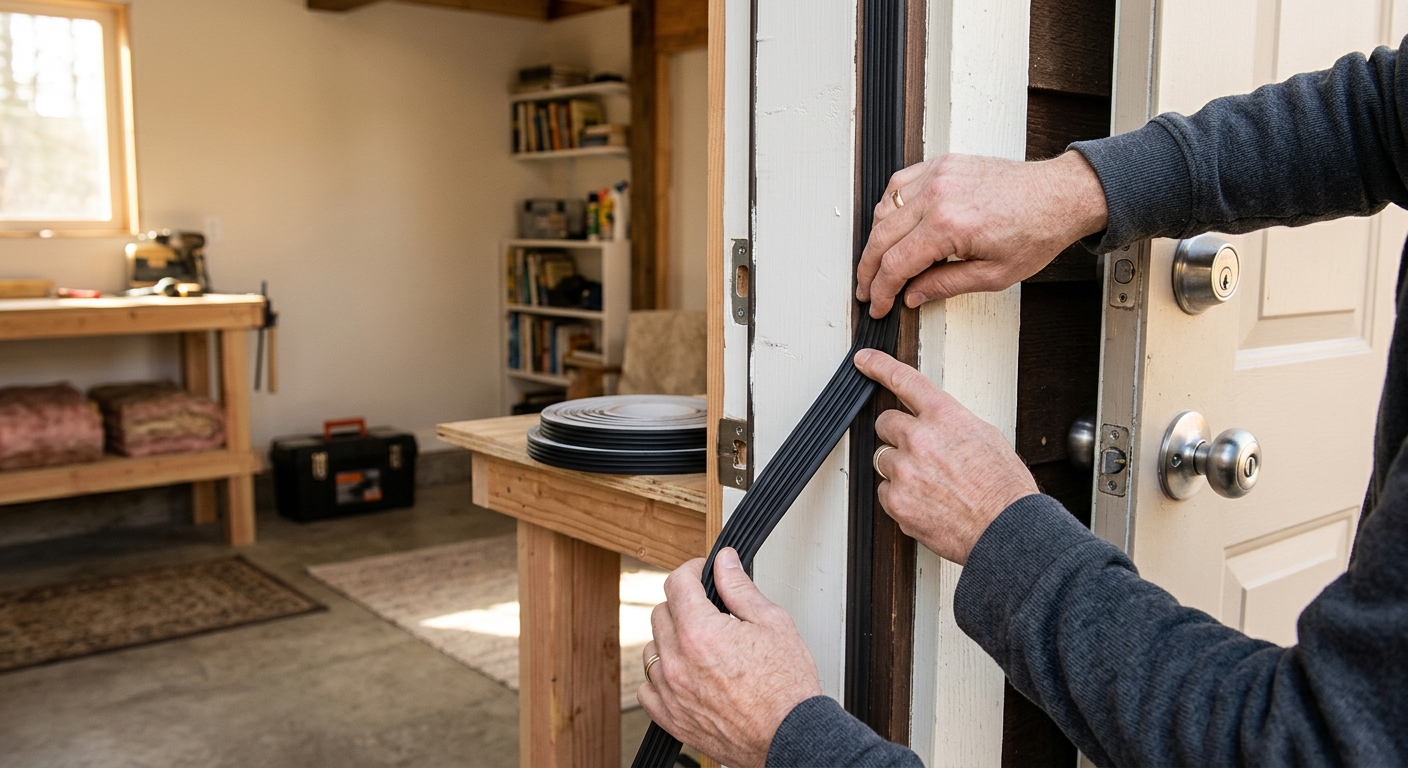
Converted garages are notorious for being freezing in winter and sweltering in summer because they were never designed to be living space. The right combination of air sealing, insulation, and a dedicated heating and cooling source transforms them into genuinely comfortable rooms without breaking the bank.
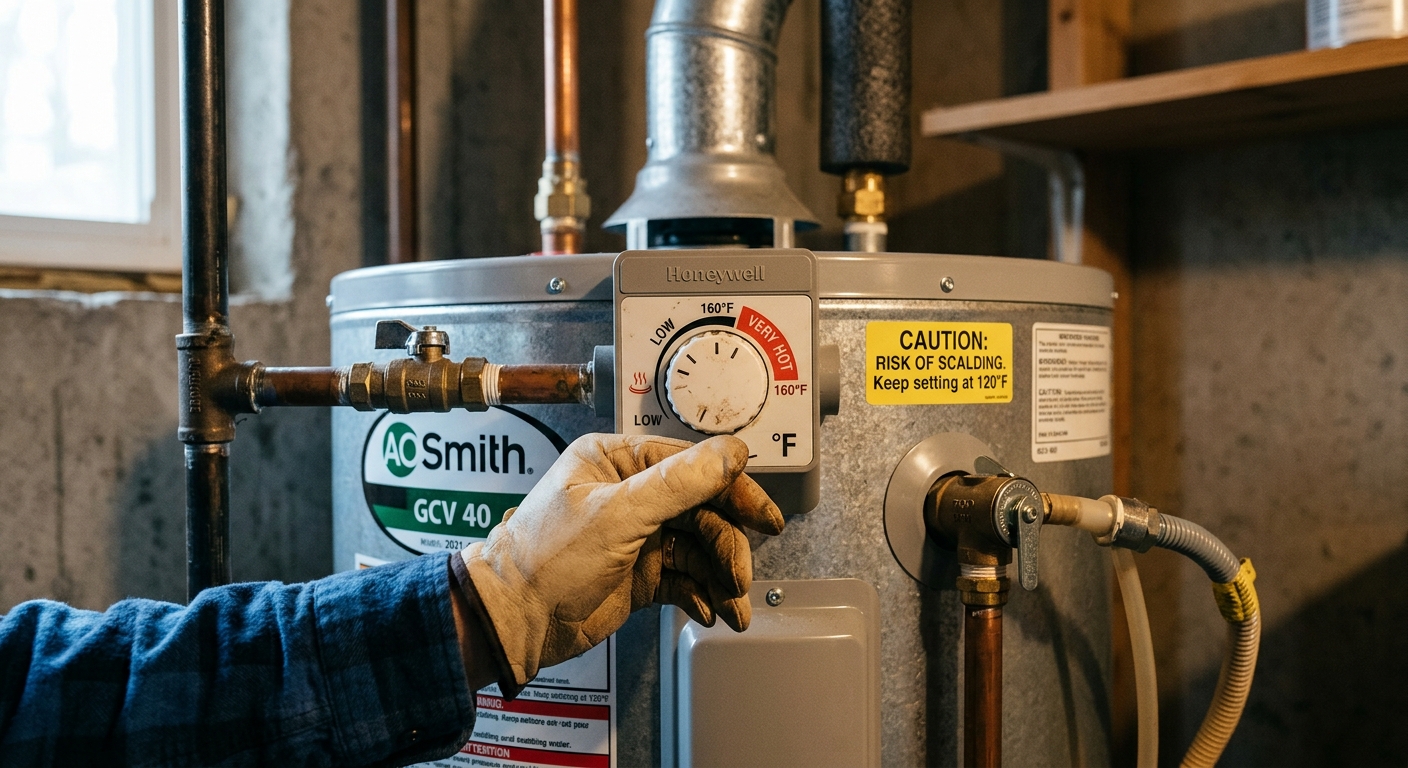
Most water heaters ship from the factory set too hot, wasting energy and creating a burn hazard in your home. Dropping your water heater to 120°F takes under 10 minutes and can save $30 to $60 per year with zero upfront cost.
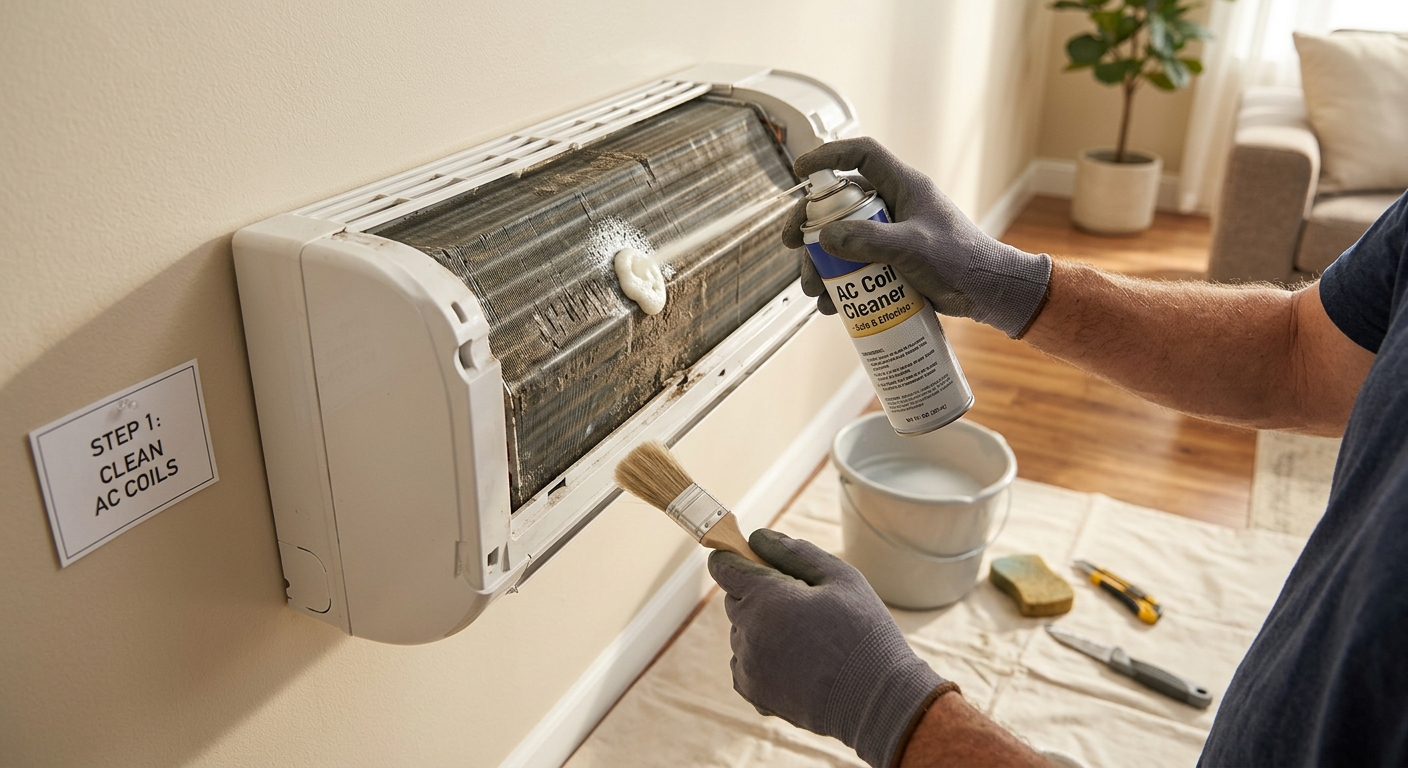
A musty smell from your AC vents is almost always a sign of mold or mildew growing inside your system, which tanks indoor air quality and makes your unit work harder. The good news is that most causes can be diagnosed and fixed in a single weekend without calling a pro.
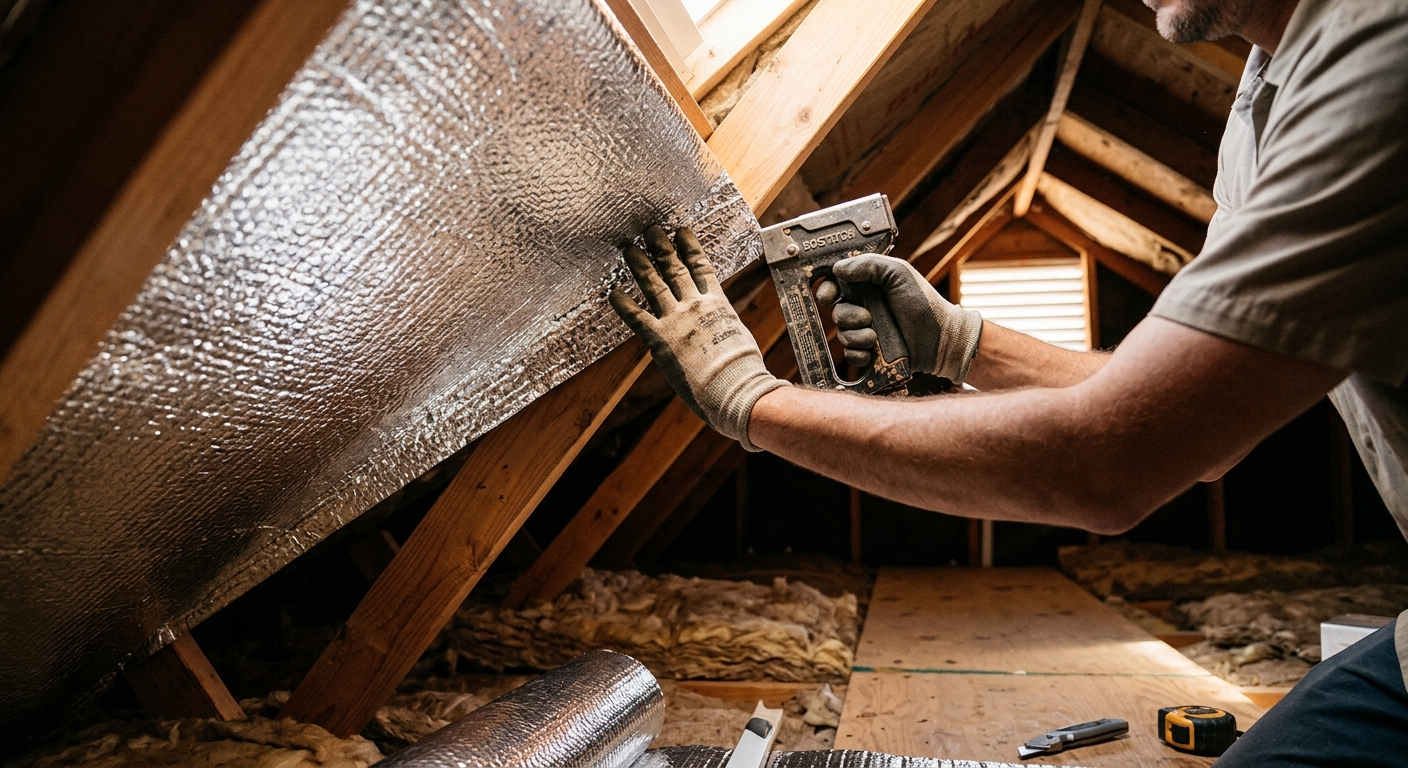
In hot climates, attic temperatures can soar past 150°F, turning your ceiling into a radiant heater that forces your AC to work overtime. A properly installed radiant barrier can cut attic heat gain by up to 97% and reduce cooling costs by 5 to 17%, with payback periods as short as 2 to 3 years.
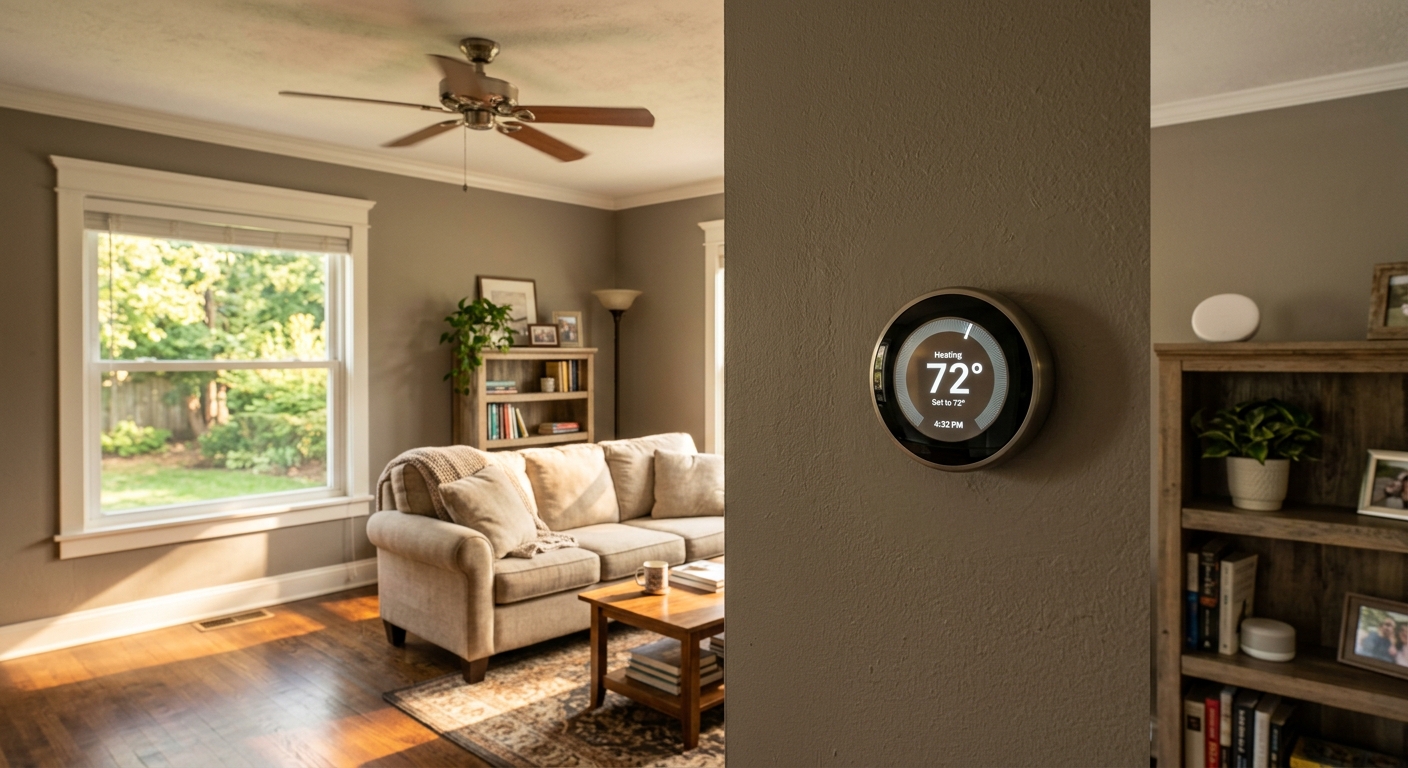
Your thermostat says 72°F but one room feels like a sauna and another like a freezer – and that single number is why. Understanding the gap between your thermostat’s reading and your home’s actual comfort zones can cut energy bills by 15 to 25% and eliminate hot and cold spots for good.