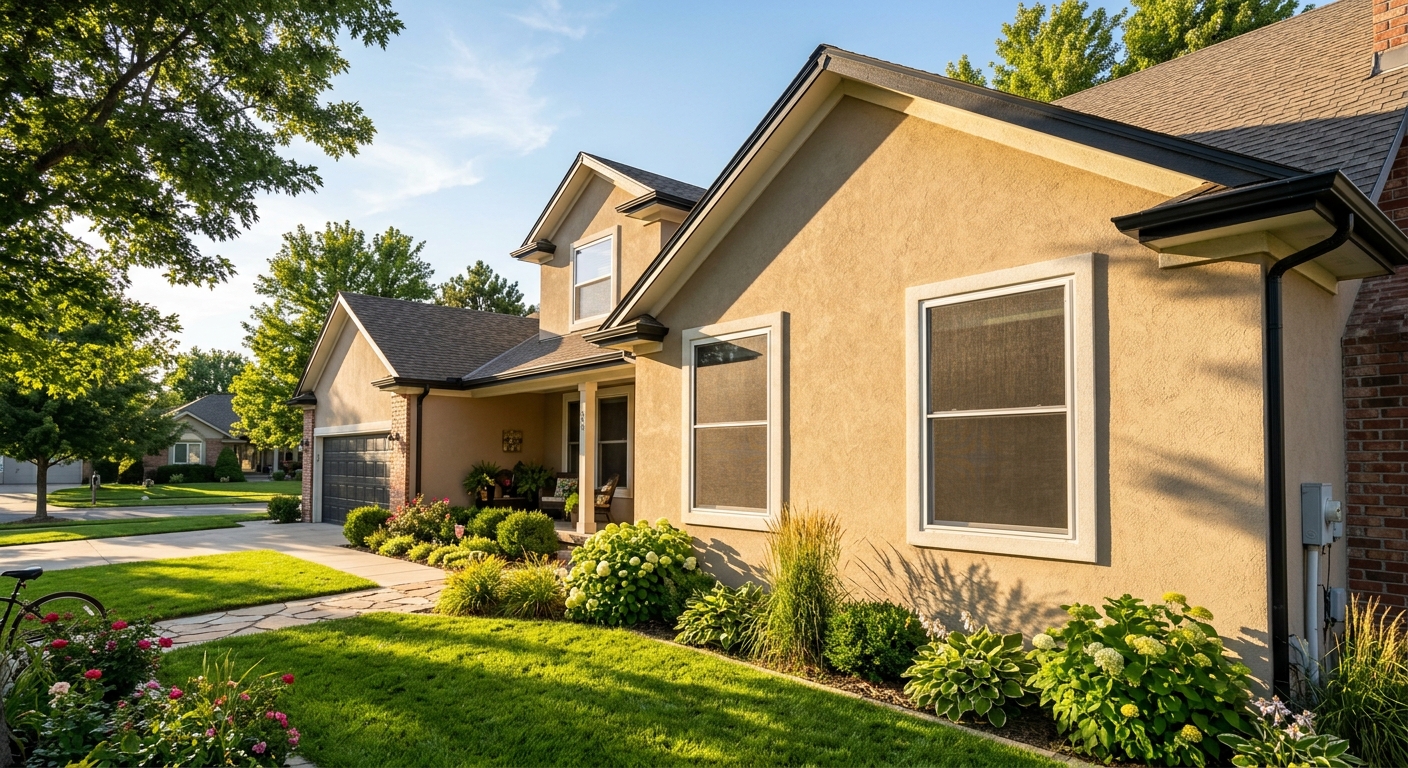
If your air conditioner seems to work hardest in the late afternoon, your west-facing windows are almost certainly the culprit. The low angle of the afternoon sun means it drives directly through west-side glass, delivering concentrated solar energy straight into your living spaces. Unlike high summer sun that a roof overhang can block, this low western sun bypasses most architectural shading entirely. The result is a heat load your AC struggles to keep up with, and a spike in your electricity bill every summer month.
Exterior shade screens are one of the most cost-effective solar control products available to homeowners. Unlike interior blinds or curtains that trap heat between the window and the shade, exterior screens intercept solar radiation before it hits the glass, reducing heat gain by 65 to 90% depending on screen density. That means your windows stay cooler, your AC runs less, and your home stays comfortable through the hottest part of the day.
In this post, you will learn exactly how shade screens work, how much they cost, how to install them yourself or hire a pro, and what kind of savings you can realistically expect. Whether you own a single-story ranch or a two-story colonial, this is one upgrade that pays for itself faster than almost any other cooling improvement.
What You’ll Need
Click on an item below to shop for the recommended items for this recipe on Amazon.
As an Amazon Associate, we earn from qualifying purchases.
How to Do It
- Measure each west-facing window opening accurately, noting width and height to the nearest quarter inch.
- Purchase a pre-cut exterior solar shade panel sized to your window, or order a custom panel in 80 to 90% density shade fabric from a hardware or online retailer.
- Attach tension mount clips or adhesive-backed hook anchors to the window frame or surrounding trim, following the manufacturer’s spacing instructions (typically every 12 to 18 inches).
- Hang the shade panel on the clips so it sits flush against or just proud of the window glass, covering the full opening with at least 2 inches of overlap on each side.
- Verify the panel is taut and not billowing. In windy climates, add a bottom anchor or weight bar to prevent flapping that reduces effectiveness.
- Remove and store panels in late October or November when cooling season ends to extend product life.
- Measure the window opening carefully, recording width and height at three points each to account for any out-of-square frames. Use the smallest measurement for frame sizing.
- Purchase aluminum screen frame kit components (available at home improvement stores) cut to your measurements, or have them pre-cut at the store. Select 80 to 90% density solar screen fabric rated for exterior use.
- Assemble the aluminum frame by pressing corner connectors into the channel ends and squaring the frame on a flat surface before the corners fully seat.
- Stretch the solar screen fabric over the frame, use a spline roller to press the rubber spline firmly into the channel groove all the way around, pulling fabric taut as you go to avoid sags.
- Trim excess fabric flush with the frame using a utility knife, then attach standard screen spring tabs or tension clips to the interior side of the frame so it can be mounted in the window opening.
- Install the finished screen into each west-facing window opening. Check that the screen sits flush and stable. For windows without an existing screen track, add exterior mounting clips or small L-brackets at the corners.
- Step back from inside and confirm outward visibility is acceptable. At 80% density you should still see clearly outside while the exterior surface blocks direct sun.
- Contact two or three local window treatment or solar screen specialists and request quotes. Ask specifically for exterior-mounted solar screens, not interior roller shades.
- Confirm the contractor uses screens rated at 80 to 90% solar rejection with a low Solar Heat Gain Coefficient, and ask to see product spec sheets before committing.
- Schedule a measurement appointment. Professionals will account for frame conditions, mounting hardware compatibility, and local wind load requirements.
- On installation day, a crew typically completes four to six windows in two to three hours. Inspect each screen before they leave for proper fit, smooth fabric tension, and secure mounting hardware.
- Ask the installer about screen removal and storage service in the fall if offered. Many companies provide seasonal maintenance packages that extend screen life to 10 to 15 years.
- File product warranty paperwork and keep a record of the screen density rating and manufacturer for future replacement reference.
Why It Works: The Benefits
Blocking 65 to 90% of west-side solar heat gain can reduce whole-home cooling energy use by 10 to 25% in summer months, translating to $50 to $200 in savings per cooling season depending on home size, climate, and local electricity rates.
Eliminating the afternoon solar spike on west windows means your thermostat reads closer to actual room temperature, and you avoid that 5 to 10 degree Fahrenheit hot-spot effect that makes west-facing rooms feel unbearable even when the AC is running.
Fewer cooling cycles during peak afternoon hours mean less mechanical wear on your compressor and air handler, potentially extending equipment life and reducing the chance of a breakdown during the hottest days of the year.
Quality shade screens block 65 to 95% of ultraviolet radiation, significantly slowing the fading of hardwood floors, upholstery, and artwork that sit near west-facing windows. This can protect thousands of dollars in furnishings over the life of the screens.
Unlike reflective window film or heavy curtains, a quality 80 to 90% density shade screen still allows a clear outward view from inside the home while blocking the majority of incoming solar energy, so you do not have to sacrifice natural light or views to get the cooling benefit.
💰 Savings Impact by Action
An 80 to 90% density exterior shade screen blocks 65 to 90% of incoming solar radiation before it contacts the glass, with 85% being a typical real-world average for charcoal-colored 80% fabric.
Homes with significant west-facing glazing typically see a 10 to 25% reduction in summer cooling energy use after installing exterior shade screens on all west windows, averaging around 18% in DOE-referenced studies.
Quality solar screen fabric blocks up to 90% of ultraviolet radiation, dramatically slowing UV-related fading of interior furnishings, flooring, and artwork near treated windows.
Exterior shade screens reduce west-facing window glass surface temperatures by 20 to 30 degrees Fahrenheit on sunny afternoons, directly lowering the radiant heat load felt by occupants near those windows.
🏠 Key Concepts Explained
The Science Behind It
Solar radiation travels to your home in three forms: visible light, infrared radiation (heat), and ultraviolet light. Standard window glass blocks very little of the infrared and UV components, which means the glass surface absorbs and re-radiates that energy directly into your living space. An exterior shade screen works by intercepting the majority of this radiation at the screen fabric itself, before it ever contacts the glass. The screen fabric absorbs solar energy and dissipates it to the outdoor air through convection, where it belongs.
The effectiveness of a shade screen is measured by its openness factor, the percentage of the fabric that is open space versus solid material. An 80% density screen has a 20% openness factor. This small remaining opening still allows diffuse daylight to enter and preserves outward visibility, but blocks the majority of direct beam solar radiation that carries the most heat energy. At 90% density, heat rejection improves further but outward visibility dims noticeably. Most homeowners find 80 to 85% to be the sweet spot for balancing heat rejection and comfort.
The reason exterior placement matters so much comes down to where the heat is intercepted on the thermal boundary. Once solar radiation passes through glass and converts to heat inside the room, that energy must be removed by your air conditioning system. Energy that is blocked at the exterior screen surface, on the other hand, simply never enters the conditioned envelope. Studies from the Florida Solar Energy Center found that properly installed exterior shade screens reduce solar heat gain through windows by 65 to 90%, compared to just 20 to 45% for the best interior blinds or drapes. That difference directly translates to reduced cooling load and lower electricity bills.
Frequently Asked Questions
▼ My house still feels hot in the afternoon even after installing shade screens. What am I missing?
Check whether all west-facing windows are covered, including smaller windows in bedrooms or bathrooms that are easy to overlook. Also inspect whether your screens are pulling away from the frame at the edges, creating gaps where direct sun sneaks through. If screens are properly installed and rooms still overheat, the issue may be inadequate attic insulation allowing radiant heat to pour through the ceiling, which is a separate problem from window gain.
▼ Will shade screens make my house too dark inside?
An 80% density charcoal screen reduces visible light transmission by roughly 50 to 60%, so rooms will be noticeably dimmer than with bare glass in bright direct sun. However, most homeowners find the tradeoff acceptable because west windows during peak afternoon hours produce harsh, glare-heavy light rather than pleasant daylight. In overcast conditions or during morning hours, the screens have minimal effect on perceived brightness.
▼ How long do exterior shade screens last before they need to be replaced?
Quality fiberglass or vinyl-coated polyester solar screen fabric typically lasts 10 to 15 years when properly installed and stored during winter months. Budget-grade fabric or screens left exposed year-round in harsh climates may need replacement in 5 to 7 years. Watch for fraying along the spline channel, fading that reduces density, or sagging fabric as signs that replacement is due.
▼ Can I install shade screens on double-pane or low-E windows, or will they cause heat buildup that cracks the glass?
This is a real concern. Exterior shade screens trap heat at the screen surface, which can increase the temperature of the glass behind them, particularly with dark-tinted or low-E coated double-pane units. Contact your window manufacturer before installing screens and ask specifically about thermal stress risk. Most modern low-E double-pane windows are tested for this, but some manufacturers void warranties if exterior shading products are installed without written approval.
▼ What is the difference between shade screens and solar window film, and which saves more?
Exterior shade screens generally outperform window film for heat rejection because they intercept radiation before it contacts the glass, while film applies to the glass surface itself and must conduct heat away rather than blocking it at distance. High-quality exterior screens at 80 to 90% density reject more solar energy than most window films, and they are easier to remove or replace. Window film is a better option for renters or situations where exterior modifications are not permitted.
Quick Tips
- Focus first on windows that receive direct afternoon sun from roughly 1 PM to sunset. Use a free sun path app on your phone to confirm which windows qualify before purchasing materials.
- If budget is limited, prioritize the largest west-facing windows first. A single large picture window or sliding glass door can contribute more heat gain than three smaller windows combined.
- Remove shade screens in late fall and store them flat or rolled loosely in a dry location. This extends fabric life significantly and prevents unnecessary wind stress during winter storms.
- Combine shade screens with a programmable or smart thermostat setback during peak afternoon hours (2 PM to 6 PM) for compounding savings. The screens reduce the load while the thermostat manages runtime intelligently.
Variations for Your Situation
- Apartment/Rental: Renters cannot install framed screens or drill into window frames, but removable exterior shade panels using tension clips or suction-cup anchors are a workable alternative for ground-level windows. For upper floors, interior solar shades in a tightly fitting cellular or roller design are the next best option. Look for products with a reflective backing and a Solar Heat Gain Coefficient below 0.25. Cost runs $40 to $120 per window and savings are lower than exterior screens but still meaningful at 15 to 30% reduction in window heat gain.
- Tight Budget (under $50): Start with the largest single west-facing window and purchase a pre-cut solar shade panel in 80% density fabric. DIY framing materials for one standard window run $25 to $45 at most hardware stores. Prioritize the room where you spend the most time in the afternoon, such as the living room or home office, and add additional windows in future seasons as budget allows. Even one large window screened can reduce afternoon cooling demand noticeably.
- Older Home (pre-1980): Older homes often have single-pane windows with aluminum frames that conduct heat aggressively. Shade screens provide an even larger proportional benefit on these windows because the baseline heat gain is so high. However, measure carefully because older window frames are frequently out of square, and standard frame kit components may need custom cutting. Consider having a professional measure and fabricate screens to ensure proper fit, since gaps around an ill-fitting screen on a single-pane window undermine much of the benefit.