Running the AC all night is one of the biggest drivers of summer energy bills, but most homeowners don’t realize how much of that cooling is simply lost to poor nighttime habits and easy-to-fix heat sources. With a few targeted changes, you can sleep comfortably at 75 to 78°F instead of blasting your system to 68°F, cutting overnight cooling costs by 20 to 40%.
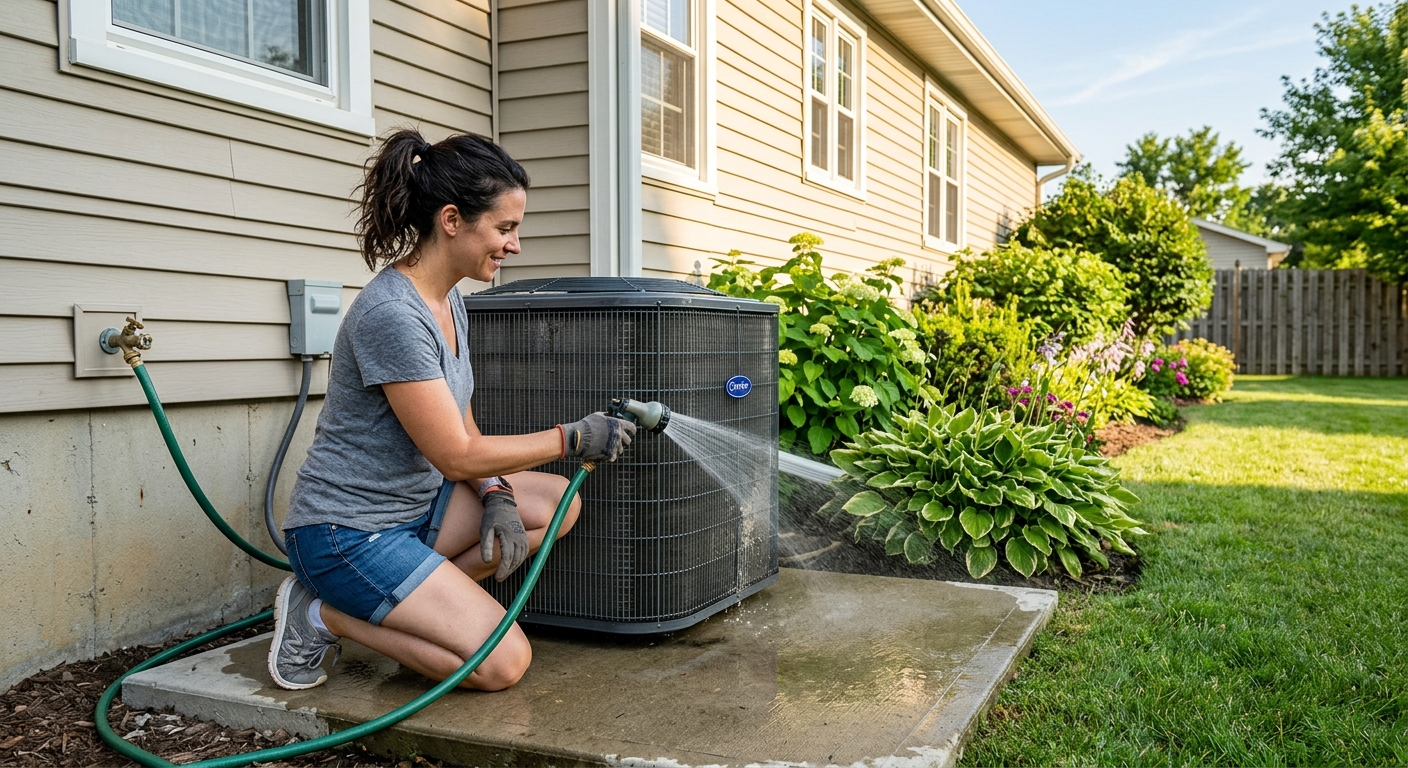
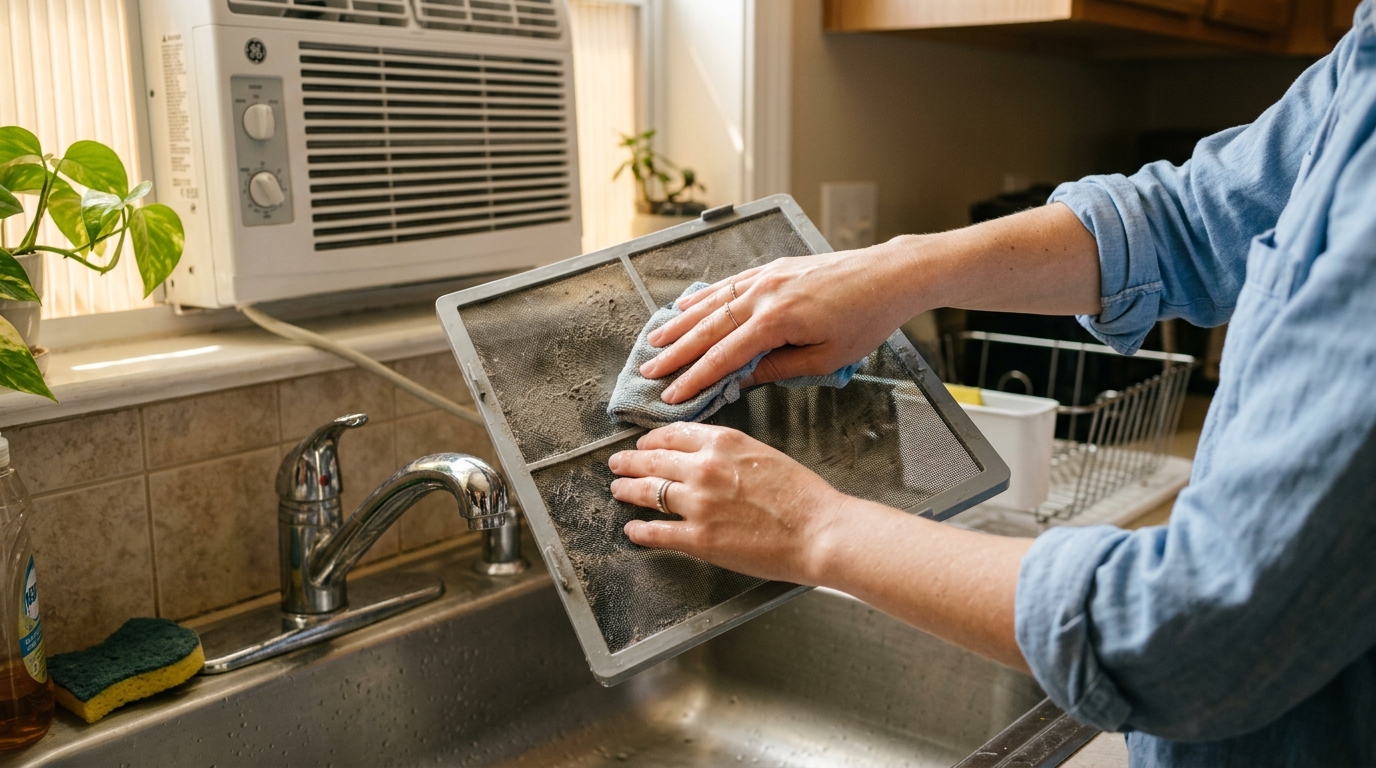
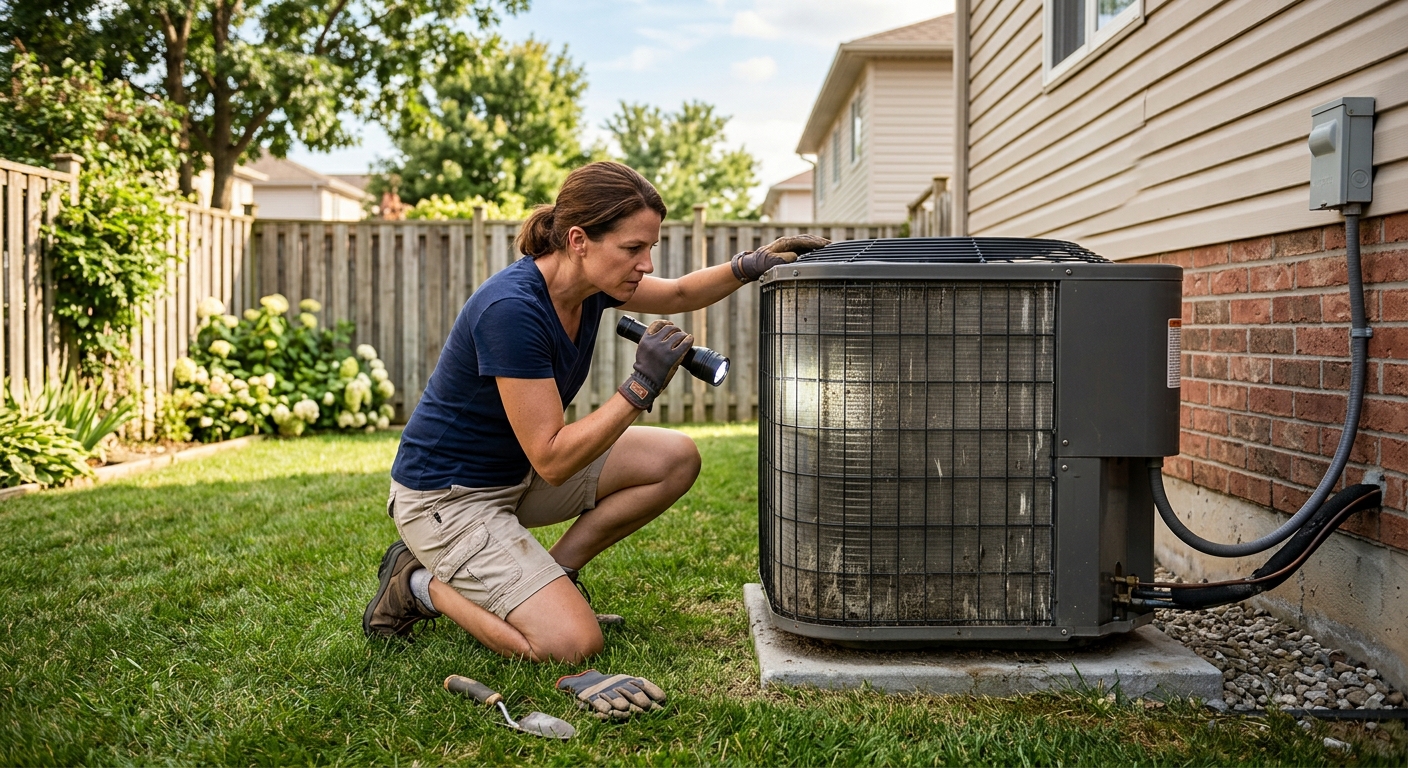
August is peak demand season for air conditioners, and it’s also when most systems fail. A few simple maintenance tasks done in late spring or early summer can keep your AC running reliably all season and save you hundreds in emergency repair bills.
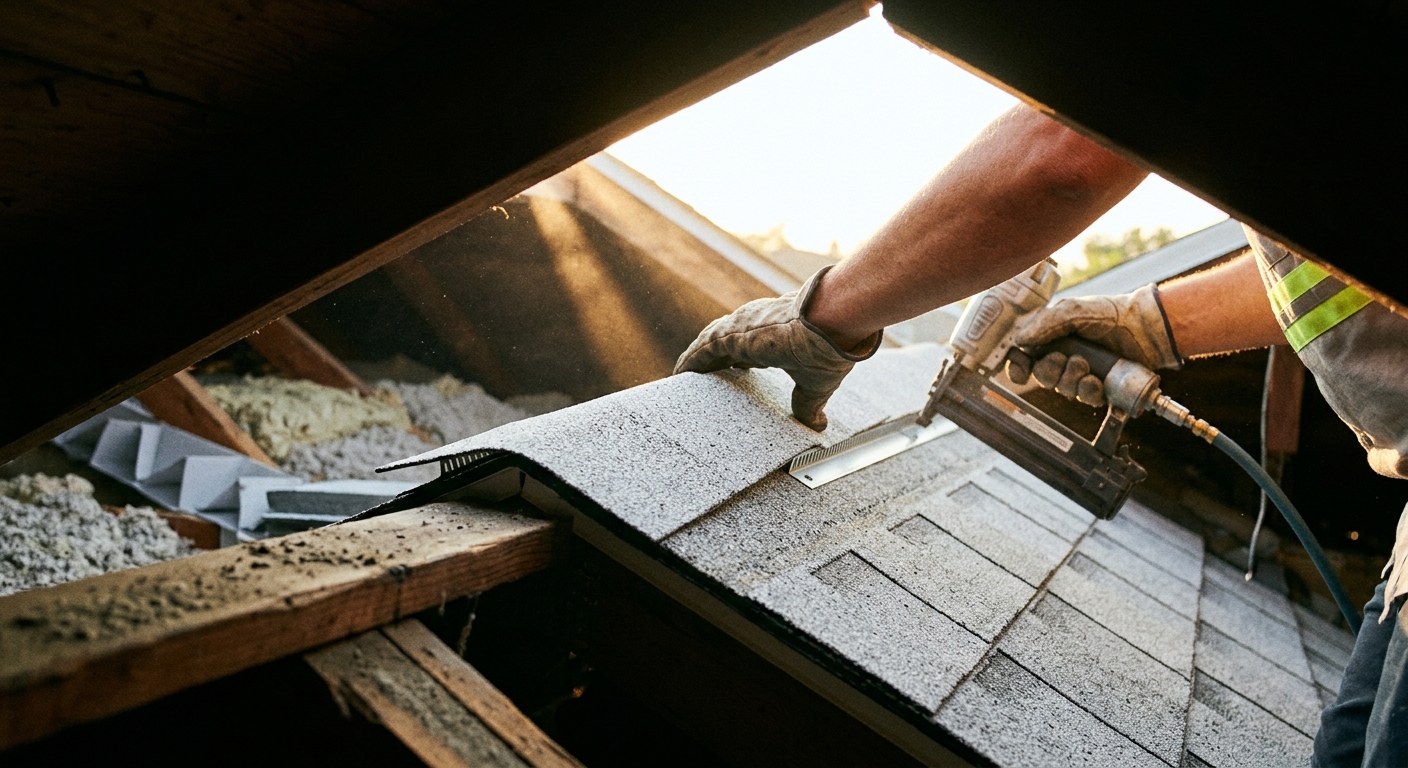
Your roof absorbs sunlight all day and dumps that heat straight into your attic, forcing your AC to work overtime. Choosing the right roof color, coating, or material can cut attic temperatures by 20 to 40 degrees Fahrenheit and trim cooling bills by 10 to 25%.
The first heat wave of the year catches most homes unprepared, and your AC works overtime just to keep up. With a few targeted fixes before temperatures spike, you can stay comfortable and avoid the surge in energy bills that hits most households in June.
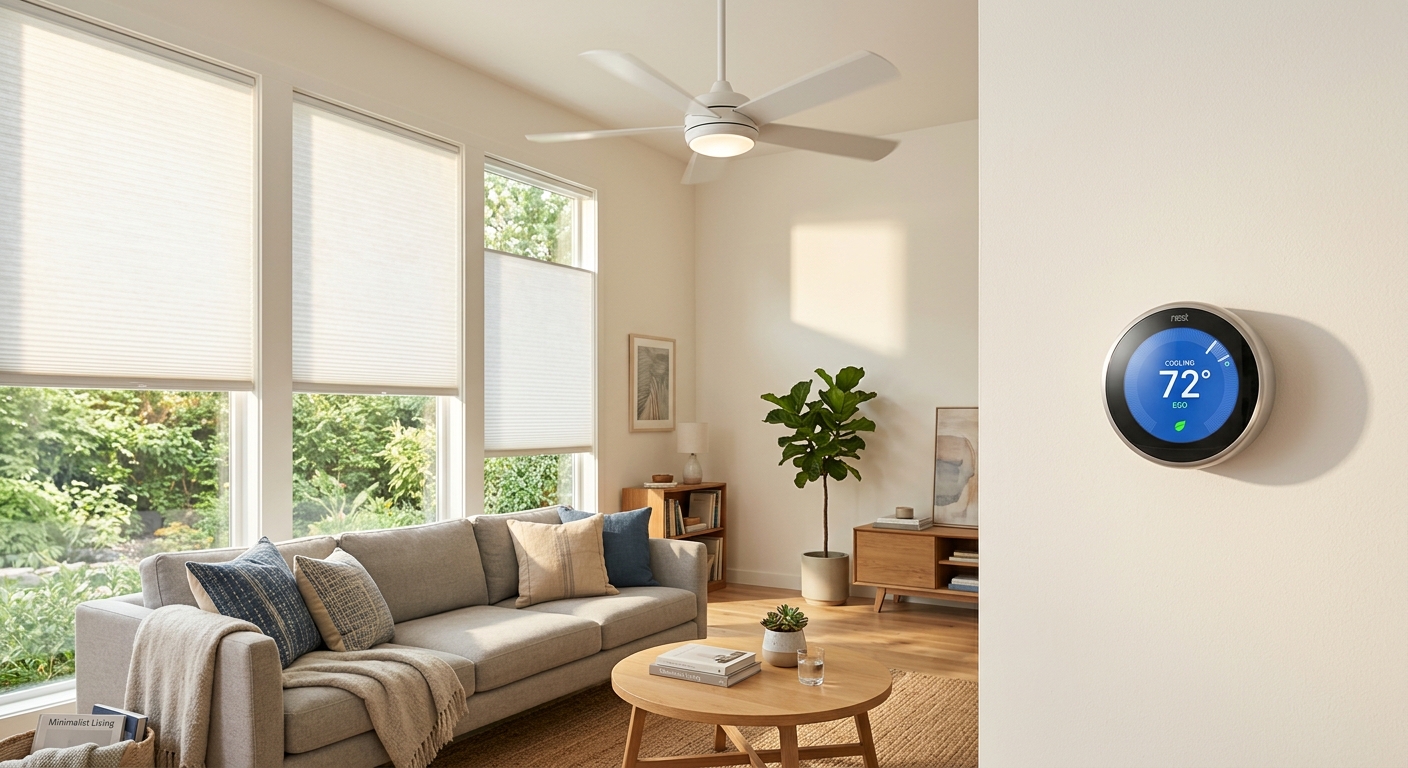
Running your AC at the wrong times of day can silently double your cooling costs without you ever noticing. Strategic scheduling, pre-cooling, and thermostat setbacks can realistically cut your cooling bill by 20 to 40% with zero equipment upgrades.
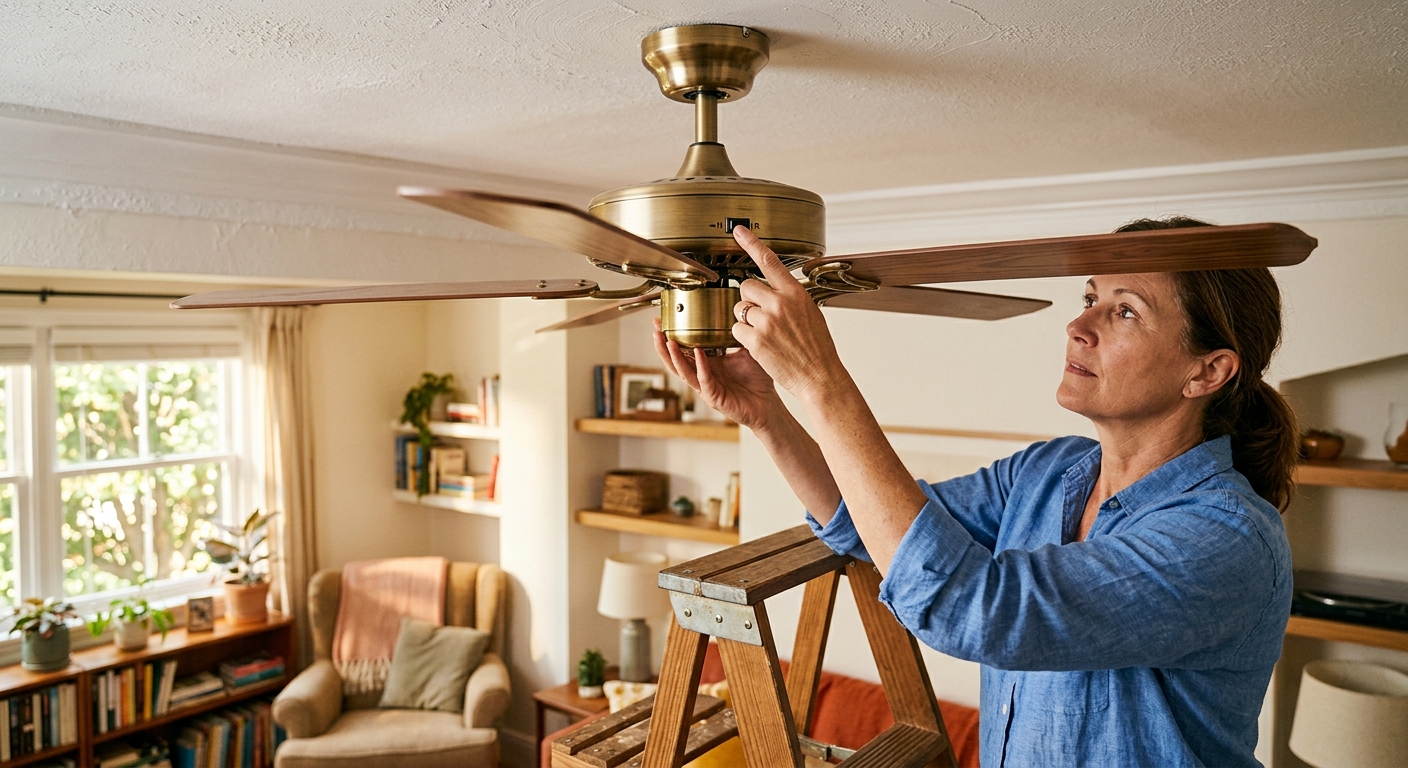
Most homeowners run their ceiling fan year-round without realizing the direction setting can either cool them down or accidentally heat the room. A simple blade direction check takes 30 seconds and could save you 15% or more on seasonal energy bills.
Most AC failures don’t happen without warning, but the warning signs are easy to miss until it’s too late. Knowing what to look and listen for can save you from a $3,000 emergency replacement and a miserable week waiting for a technician.
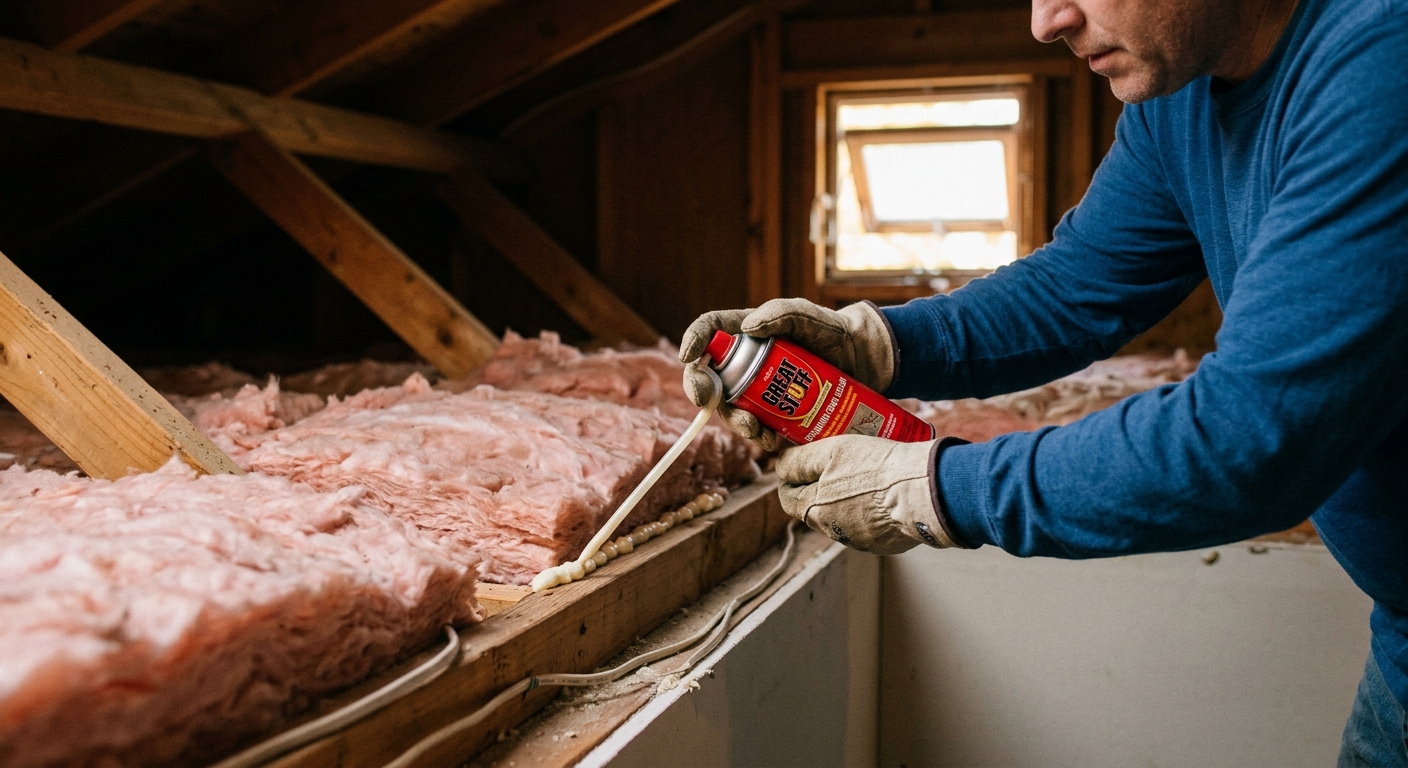
Poor or missing insulation is one of the top reasons your AC runs constantly and your energy bills spike every summer. Identifying and fixing the right insulation weak spots can cut cooling costs by 15 to 30% and make your home noticeably more comfortable.
Poor insulation is one of the most common reasons homes become unbearably hot in summer and cooling bills skyrocket. This guide walks you through practical tests and fixes any homeowner can do before temperatures peak.
When a heat wave hits, your AC struggles to keep up and your electricity bill spikes. Pre-cooling your home strategically before peak heat arrives lets you bank cold air, reduce peak demand, and cut cooling costs by 15 to 30%.