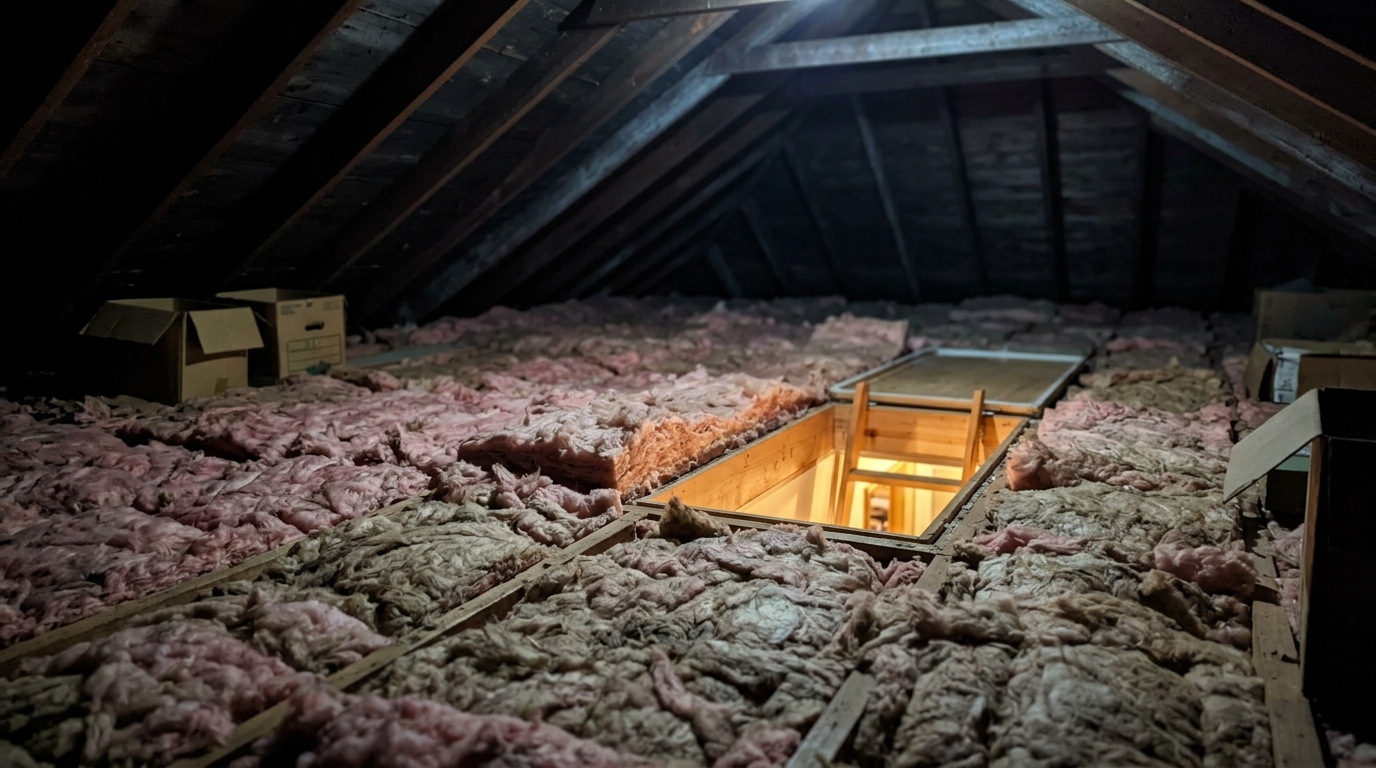
Heat rises from your living space at night and escapes straight through an under-insulated attic floor, which is often the biggest single leak in the whole house. Bringing that floor up to R-49 to R-60 can cut heating and cooling bills by 10 to 20% and typically pays for itself in 2 to 5 years.
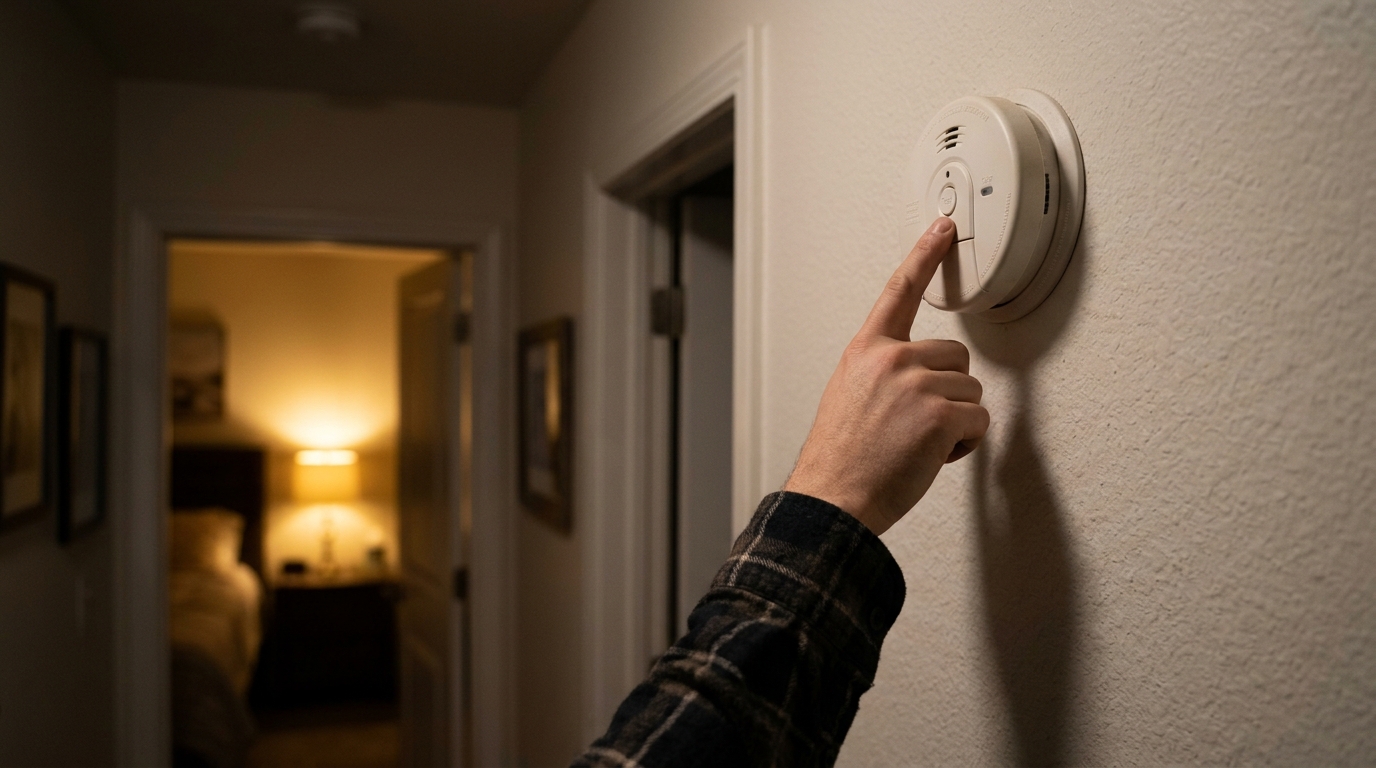
Carbon monoxide is odorless, invisible, and most dangerous while you sleep, which is exactly when a dead detector battery leaves your family unprotected. A five-minute check twice a year and a $20 to $60 replacement plan can protect your household and the home you have invested in.
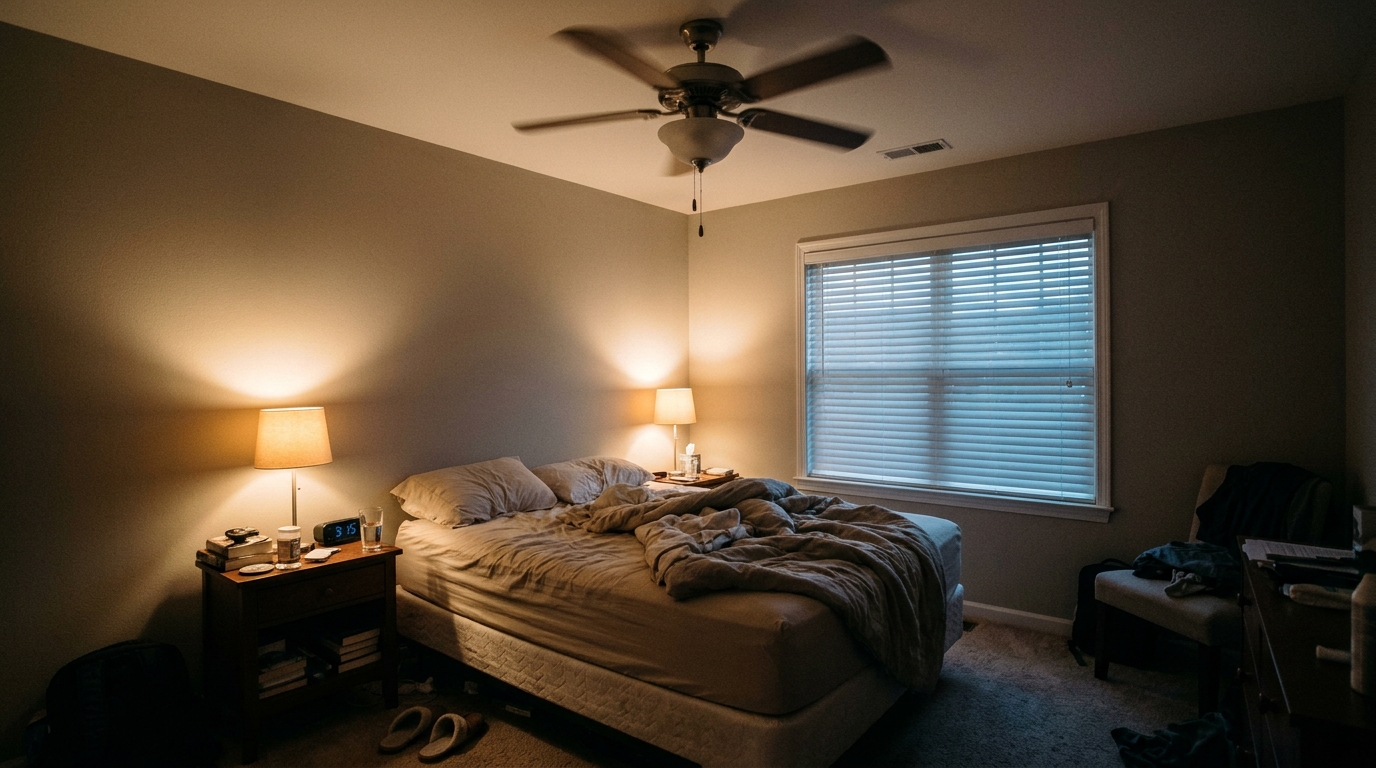
Many homeowners leave ceiling fans running in empty rooms overnight, hoping to cool the space, but fans only cool the skin of people in the airflow. The real savings come from using fans to raise your AC setpoint while you sleep, and turning them off in rooms nobody occupies.
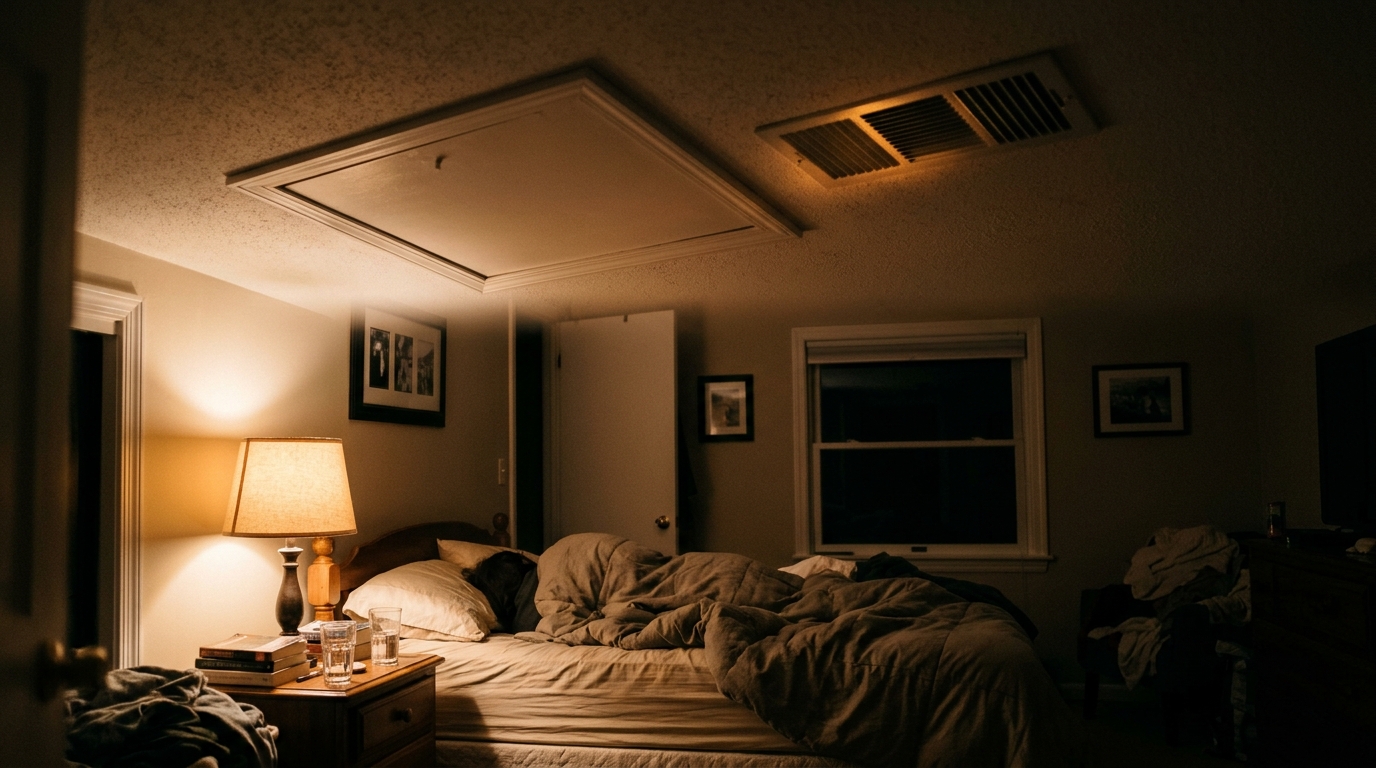
Uninsulated or poorly insulated ductwork in an unconditioned attic can lose 20 to 30% of the air your system pushes through it, and the losses stay stubbornly high after sundown when attic heat lingers. Sealing and insulating those ducts is one of the highest-return home efficiency upgrades, with payback often in 1 to 3 years.
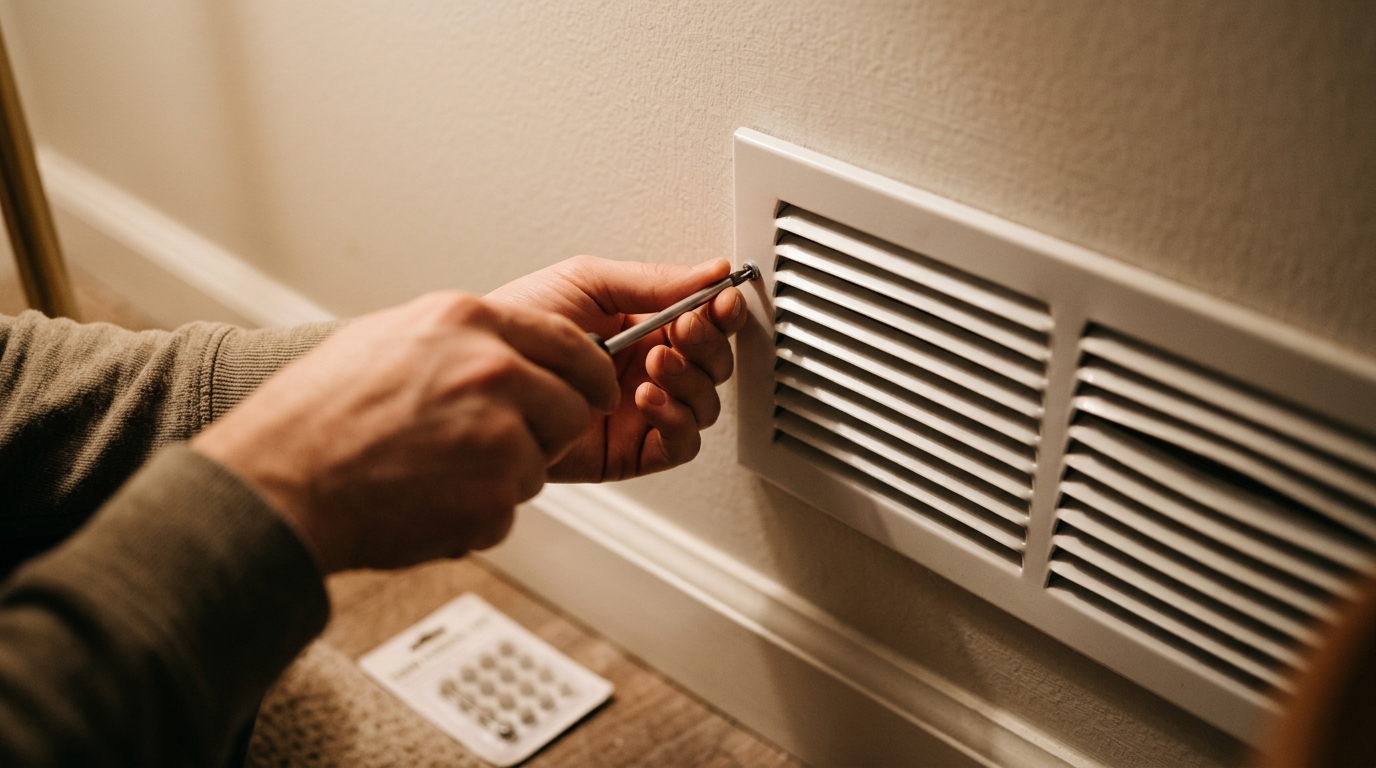
A buzzing or rattling vent cover is more than an annoyance, because it often signals loose fittings that leak conditioned air and waste energy. A few minutes with a screwdriver and some inexpensive materials can quiet the noise and tighten up the connection at the same time.
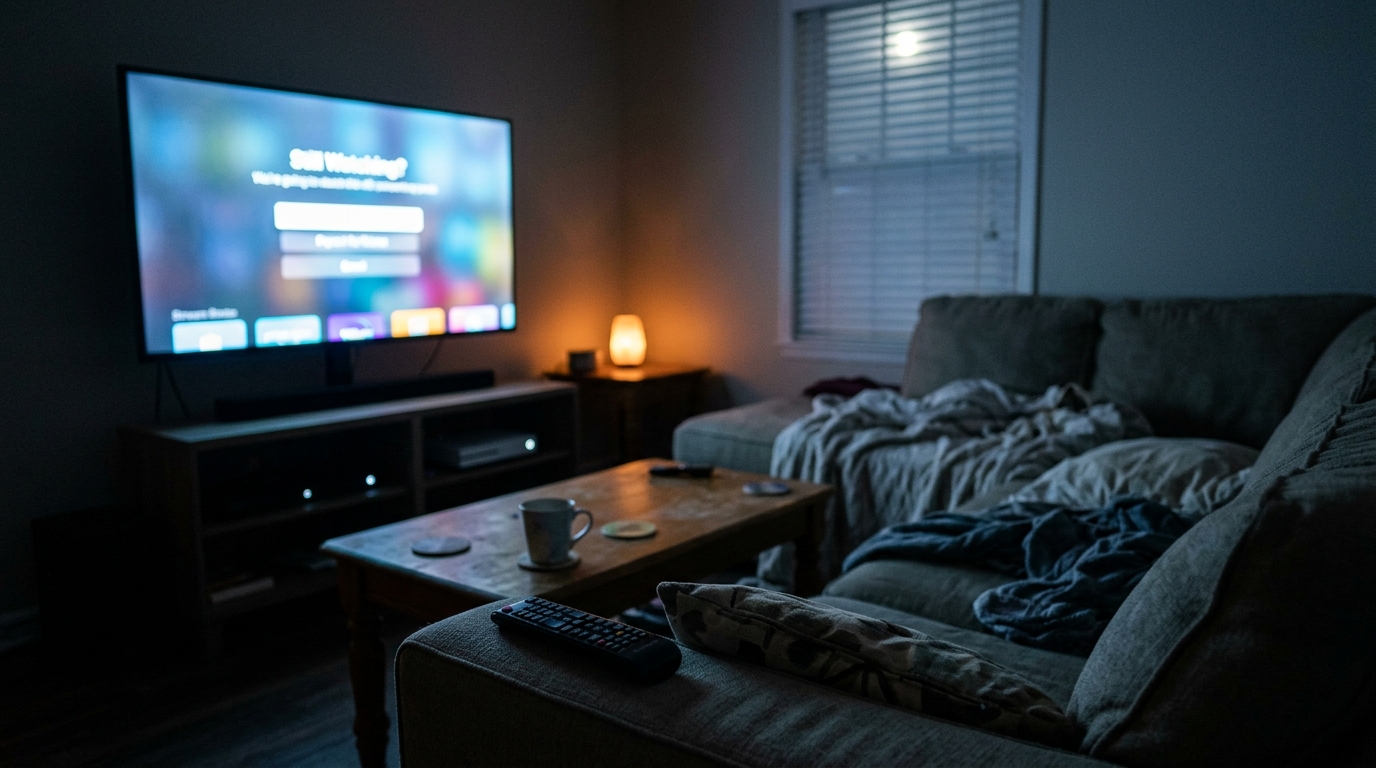
Streaming boxes, smart TVs, and game consoles quietly draw power all night while no one is watching, adding $20 to $60 a year per household for devices that are doing nothing useful. A few settings changes and one smart power strip can cut that waste by 50 to 90 percent in under an hour.
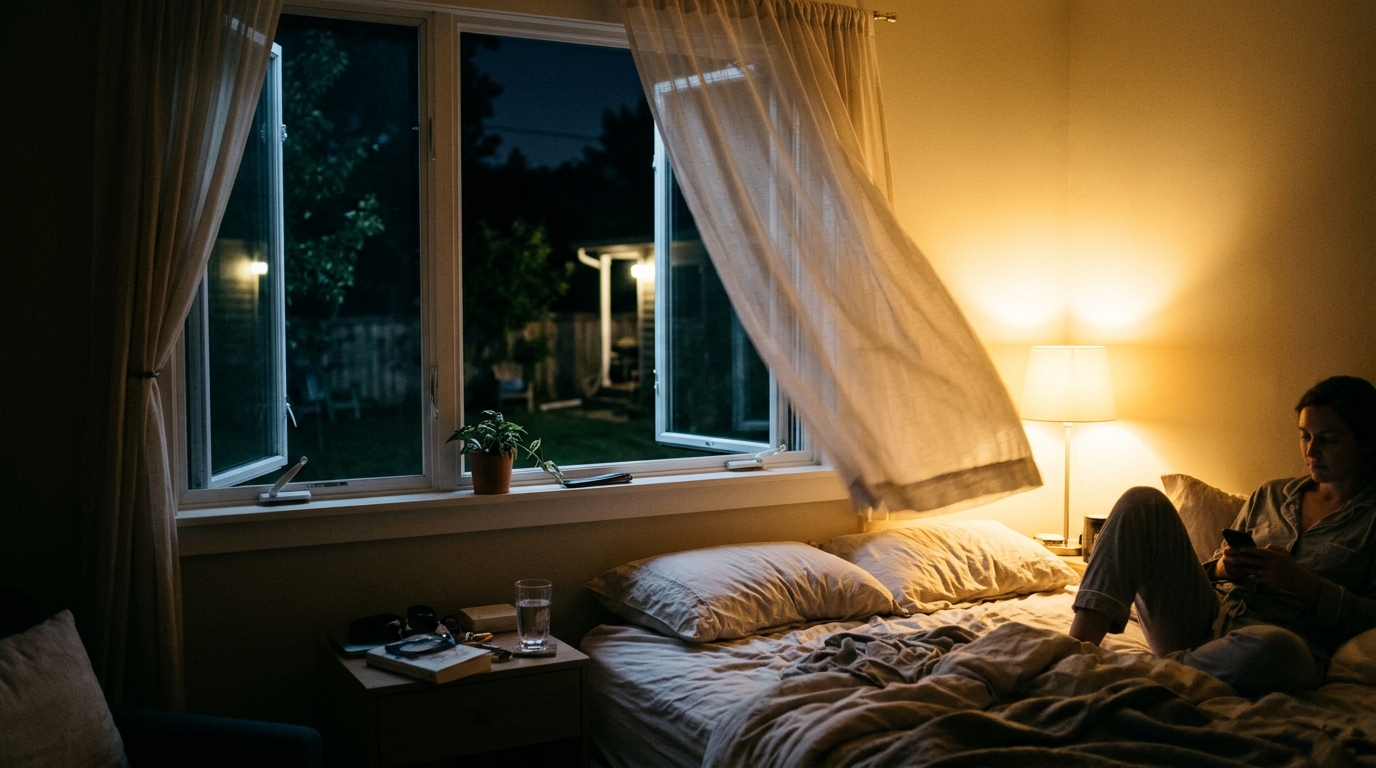
Your home soaks up heat all day and holds it long into the evening, but on many summer nights the outdoor air is cooler than the air inside. By purging that stored heat with free night air and sealing the house up by morning, you can cut cooling costs by 10 to 30% in the right climate.
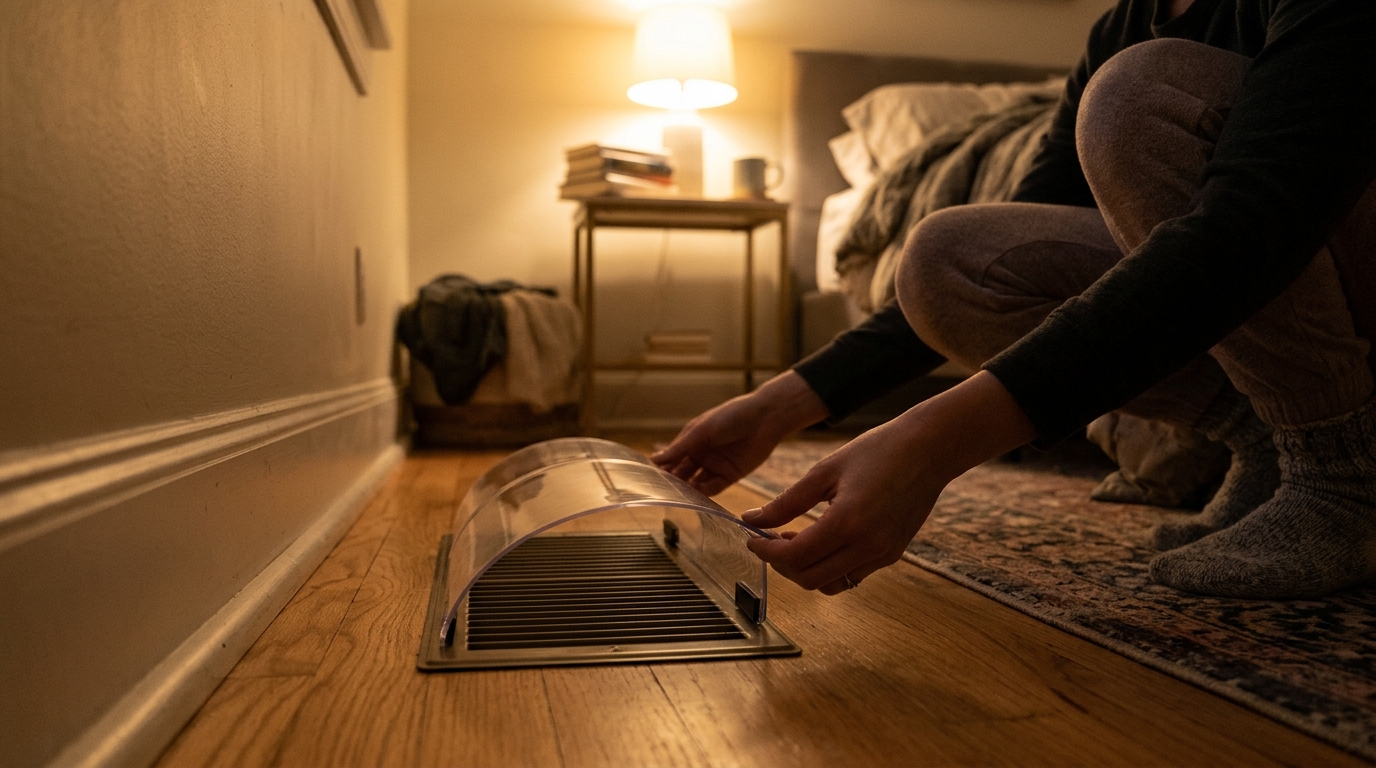
A bedroom that stays 5 to 8 degrees colder than the rest of the house is usually an airflow problem, not a heating problem. A few small vent adjustments, most of which cost nothing, can shift warm air where you need it before bedtime.
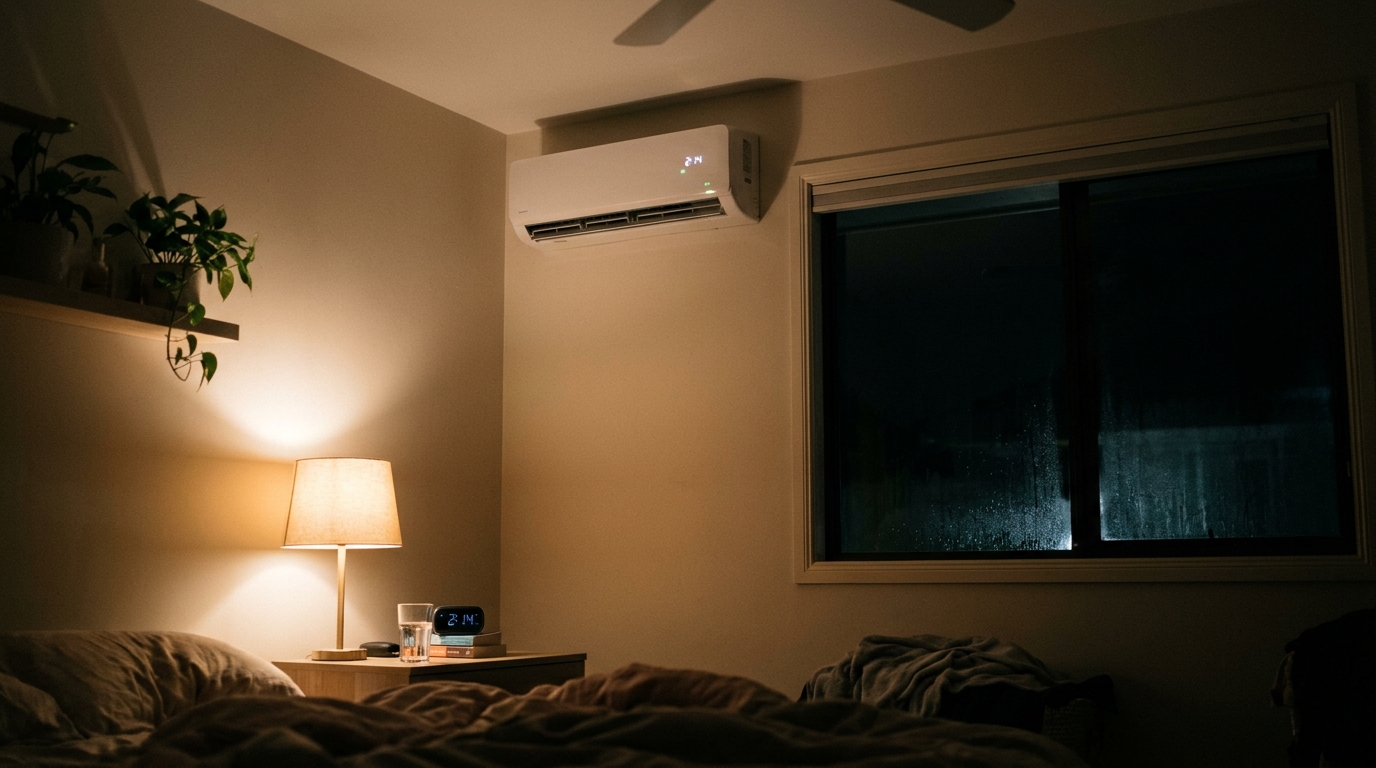
Even when the air outside cools off after sunset, rising relative humidity can force your AC to run longer to keep you comfortable while you sleep. A few simple adjustments to your thermostat, fan settings, and moisture sources can trim overnight cooling costs by 10 to 20% without sacrificing comfort.
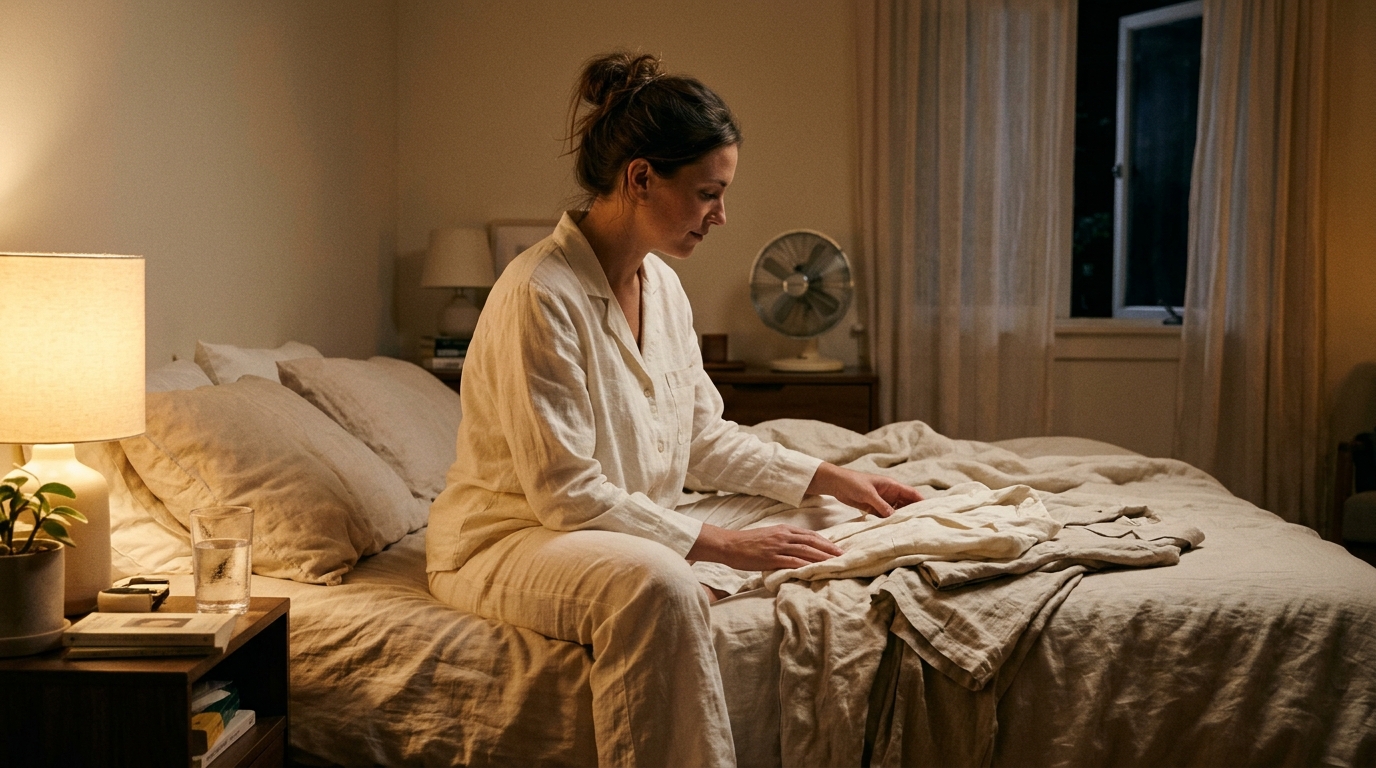
If you wake up sweaty at 2 a.m. and crank the thermostat down to compensate, your pajamas may be costing you money. Switching to the right breathable fabrics can let you raise your nighttime thermostat setting by 2 to 4 degrees while still sleeping comfortably.