If you have ever woken up at 3 a.m. sweating on top of the covers in July, or shivering under three blankets in January, your mattress may be part of the problem. Your body loses heat to the surface beneath it, and the materials in your mattress determine how fast that heat escapes or builds up. A mattress that sleeps hot in summer can feel like a pleasant cocoon in winter, and the reverse is also true.
Here is the important caveat up front: not every mattress can be flipped. Most modern pillow-top, memory foam, and hybrid mattresses are one-sided and should only be rotated head to foot. But two-sided innerspring, some latex, and some wool or cotton-layered mattresses are built to be used on both sides, and a few designs include a deliberate summer side and winter side. Knowing which type you own is the first step.
Why does this matter for your energy bill? Sleep comfort is one of the main reasons people keep their thermostat lower in summer and higher in winter than they need to. If your bed regulates temperature better, you can set the thermostat back more aggressively overnight. This post covers what seasonal flipping or rotating does, how to test whether your mattress supports it, and how to pair it with other low-cost fixes for real savings.
What You’ll Need
Click on an item below to shop for the recommended items for this recipe on Amazon.
As an Amazon Associate, we earn from qualifying purchases.
How to Do It
- Check the tag, manufacturer website, or manual to find out whether your mattress is two-sided or one-sided. Look for labels like ‘flippable,’ ‘two-sided,’ or ‘rotate only.’
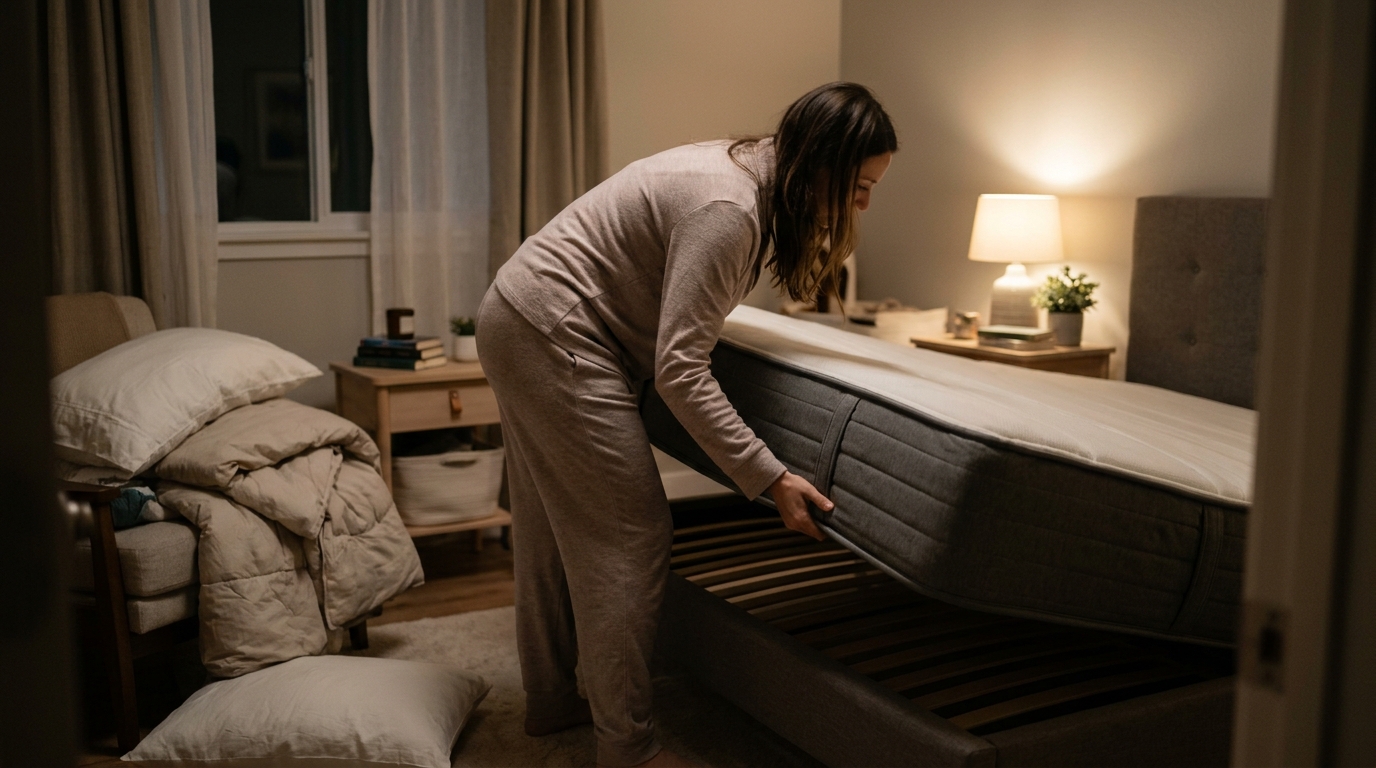
- Strip the bed and enlist a second person. Most queen mattresses weigh 70 to 120 pounds, and lifting alone risks a back injury.
- If two-sided, flip it so the firmer or more breathable side faces up for summer and the plusher, more insulating side faces up for winter. If you cannot tell, test both sides for a few nights.
- If one-sided, rotate it head to foot (180 degrees) instead. Do this every 3 to 6 months to even out wear.
- Let the mattress air out uncovered for 30 to 60 minutes with a window open or a fan running, which releases trapped moisture.
- Set a calendar reminder for the equinoxes (March and September) so the swap happens twice a year.
- In summer, add a breathable mattress pad made of cotton, Tencel, or bamboo-blend fabric. These wick moisture and release heat more readily than polyester.
- In winter, swap to a wool or flannel mattress pad, or add a fleece topper. Wool insulates well and also regulates moisture, so you do not overheat.
- Switch your sheets with the season. Percale cotton sleeps cooler in summer; flannel or jersey knit holds warmth in winter. Quality sets run $40 to $100.
- Rotate the mattress head to foot every season, even if you cannot flip it, to prevent permanent body impressions.
- Pair the change with a thermostat adjustment. Once the bed is doing more of the work, try lowering the winter overnight setpoint by 2 degrees at a time, or raising the summer setpoint by 2 degrees, until you find the limit of comfort.
- Wash pads and toppers seasonally before storing them in a breathable bag to keep them fresh for next year.
- Replace a heat-trapping topper with a latex or open-cell gel-foam topper, which release heat faster than dense traditional memory foam. Expect to pay $100 to $300.
- Consider a cooling mattress pad that circulates air or water. Costs run from about $200 to $600 and these draw roughly 30 to 100 watts, far less than cooling a whole house a few degrees.
- Add a bedside fan or ceiling fan on low. A ceiling fan lets you raise the AC setpoint about 4 degrees with no loss of comfort.
- Evaluate your mattress age. If it is over 8 to 10 years old and sagging, a replacement with a breathable construction may deliver the biggest comfort gain.
- Track your overnight thermostat settings for two weeks before and after the change to quantify your savings.
Why It Works: The Benefits
If your bed stays warmer, you can drop the overnight thermostat 4 to 8 degrees. The DOE estimates that setting back 7 to 10 degrees for 8 hours a day saves up to 10% a year on heating.
Sleeping on a more breathable surface can let you raise the overnight AC setpoint by 2 to 4 degrees. Each degree of cooling setback saves about 3 to 5% on cooling energy.
Rotating or flipping twice a year distributes wear and can extend the useful life of an innerspring mattress by a few years, delaying a $800 to $2,000 replacement.
Fewer temperature-driven wake-ups mean better sleep quality, and you are less likely to fiddle with the thermostat at night, which prevents HVAC cycling waste.
If your mattress is already two-sided, the seasonal swap costs nothing but about 15 minutes twice a year.
💰 Savings Impact by Action
Setting the thermostat back 7 to 10 degrees overnight can save up to 10% annually on heating, which a warmer bed makes more comfortable.
Raising the AC setpoint 2 to 4 degrees at night can trim cooling use by roughly 6 to 10% when your bedding handles heat better.
Seasonal sheets and pads let you tolerate a 1 to 2 degree wider setpoint range, worth about 3 to 6% on HVAC energy.
A bedside or ceiling fan lets you feel about 4 degrees cooler, supporting a higher AC setpoint at a cost of just a few cents per night.
🏠 Key Concepts Explained
The Science Behind It
Your body is a roughly 100-watt heat source at rest, and sleeping is largely a negotiation over where that heat goes. Heat leaves your body through conduction (contact with the mattress), convection (air moving past your skin), radiation, and evaporation. The mattress controls the conduction pathway: dense, thermally conductive materials draw heat away, while low-density foams, wool, and fiber batting trap air and slow the transfer. This is the same principle behind home insulation, where trapped air pockets resist heat flow.
Closed-cell memory foam is a good illustration. Its structure limits airflow, so heat and moisture build up beneath the sleeper, which many people experience as sleeping hot. Open-cell foams, natural latex, cotton, and coil layers allow air to move, carrying heat and humidity away. Wool adds another benefit: it can absorb a significant share of its weight in moisture vapor without feeling damp, which buffers temperature swings. When a two-sided mattress pairs a breathable side with an insulating side, flipping it effectively swaps your bed’s insulation value with the seasons.
The energy link comes from thermostat setback. The Department of Energy notes that the larger the difference between indoor and outdoor temperature, the faster heat flows through your home’s envelope. By lowering the heating setpoint overnight in winter, or raising the cooling setpoint in summer, you narrow the gap and reduce energy use. A bed that manages your personal microclimate lets you make a bigger setback without losing sleep quality, and that is where the savings come from.
Frequently Asked Questions
▼ How do I know if my mattress is meant to be flipped?
Check the care tag or manufacturer website for the words ‘two-sided’ or ‘flippable.’ If you cannot find it, press down on both sides: a two-sided mattress feels similar and has finished fabric and quilting on both faces. If one side has a plain base fabric or foam slab, it is one-sided and should only be rotated.
▼ I flipped my mattress and now I sleep hotter, not cooler. What gives?
The side you flipped to may be the plush, insulating layer rather than the breathable one. Flip it back and try a cotton or Tencel mattress pad, which adds airflow regardless of mattress design. Also check that the room temperature is in the 60 to 67 degree F range.
▼ Can renters do this without landlord permission?
Yes. Mattress rotation, bedding swaps, and fans are all within your own belongings, so no permission is needed. This is one of the most renter-friendly ways to improve nighttime comfort and trim energy use.
▼ How long before I notice savings on my bill?
The bed change itself is free, but savings appear only if you also adjust your thermostat overnight. Expect to see a 3 to 8% difference on heating or cooling in the first full billing cycle after you set back 4 to 7 degrees consistently.
▼ What if my mattress is more than 10 years old?
Mattresses past 8 to 10 years often have sagging and compressed layers that no flipping can fix. Check for visible body impressions deeper than about 1.5 inches, and if you wake up with aches, consider a replacement with a breathable construction. Until then, a quality topper is a cheaper stopgap.
Quick Tips
- Flip or rotate on the same weekends you change your smoke detector batteries or HVAC filter so the habit sticks.
- Keep bedroom doors open during the day and the mattress uncovered for 30 minutes after changing it to release moisture.
- Use a mattress protector that is breathable and not plastic-backed in summer, since vinyl barriers trap heat.
- Test comfort changes one at a time, such as bedding first and thermostat second, so you know which change is working.
Variations for Your Situation
- Apartment/Rental: Since you cannot change the HVAC, lean on bedding. A cotton mattress pad ($30 to $60) in summer and a wool or flannel set ($60 to $120) in winter, plus a small oscillating fan ($25 to $40), gives you most of the benefit and travels with you when you move.
- Tight Budget (under $50): Rotate or flip the mattress if it allows, air it out for an hour, and swap your existing bedding by season. Use blankets you already own in layers so you can peel them off, and drop your overnight thermostat 2 degrees. Total cost: $0 to $30.
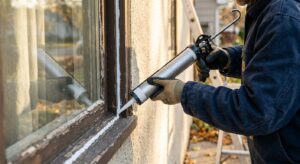
- Older Home (pre-1980): Bedrooms in older homes often have drafty windows and uneven heat, so a mattress change alone may not be enough. Seal window gaps with removable rope caulk ($5 to $10), use a thick wool blanket in winter, and move the bed away from exterior walls where cold radiates inward.