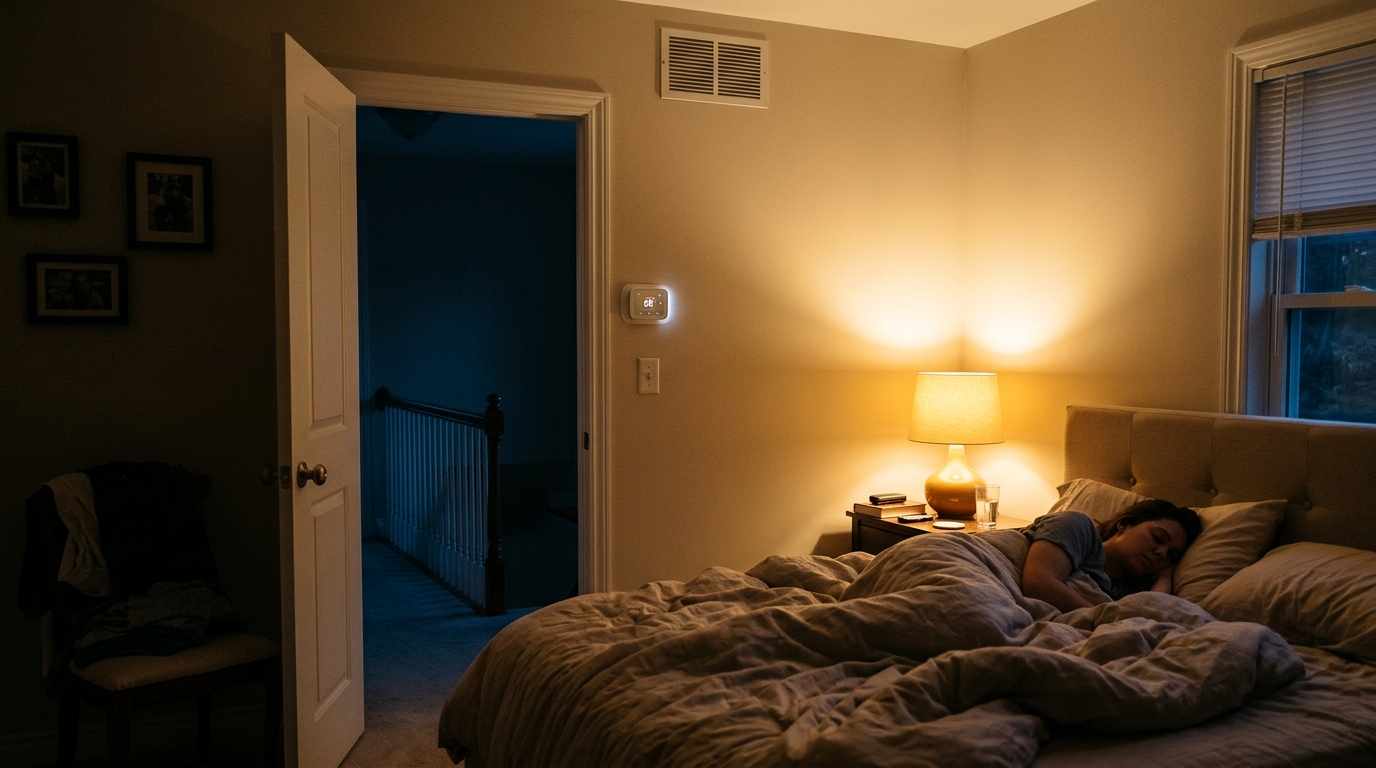
Most homes heat every room all night, even though you only sleep in one or two of them. A zoned HVAC system lets you send warmth only where you need it, trimming winter heating bills by 20 to 30% without making anyone colder.
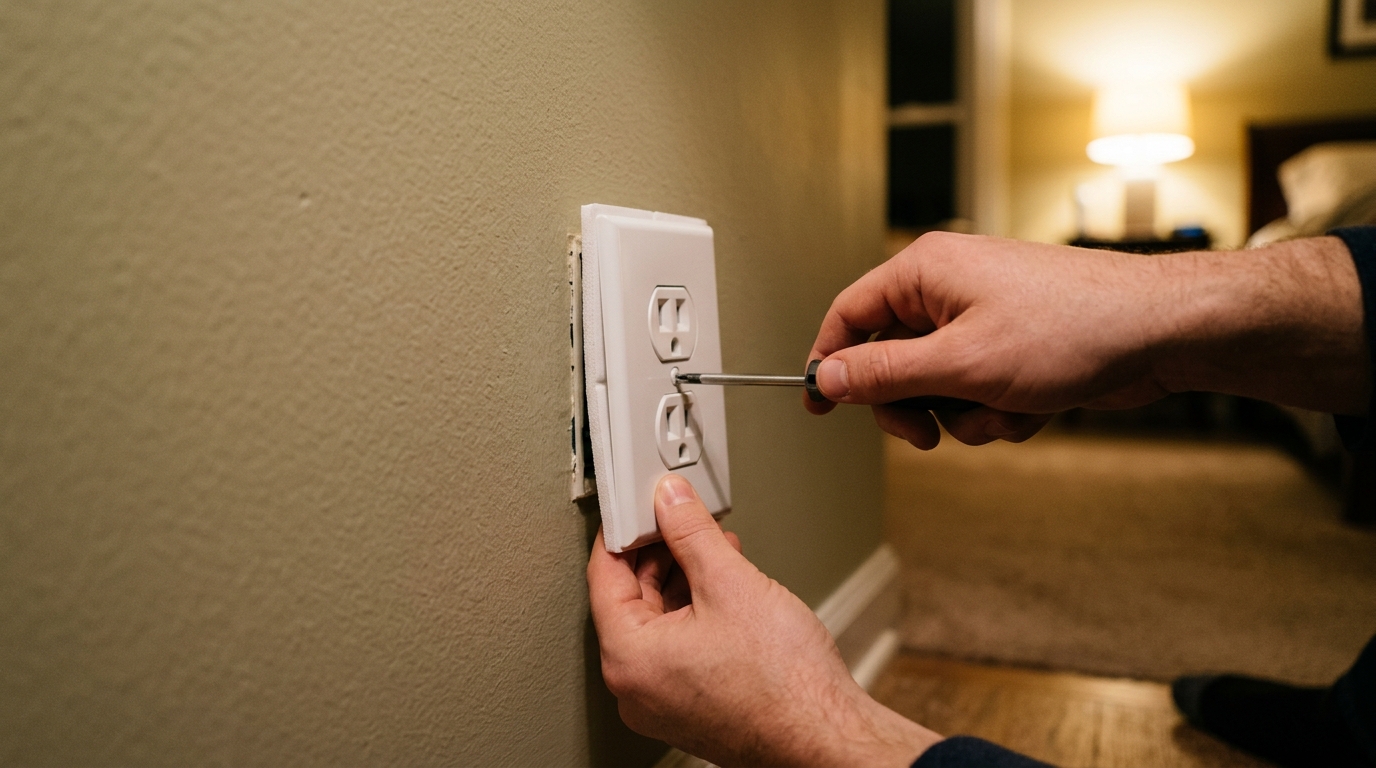
That cold breeze leaking through your wall outlets is costing you comfort and money, and most homeowners never realize how easy it is to stop. A $3 foam gasket and a few minutes with a screwdriver can seal the leak for good.
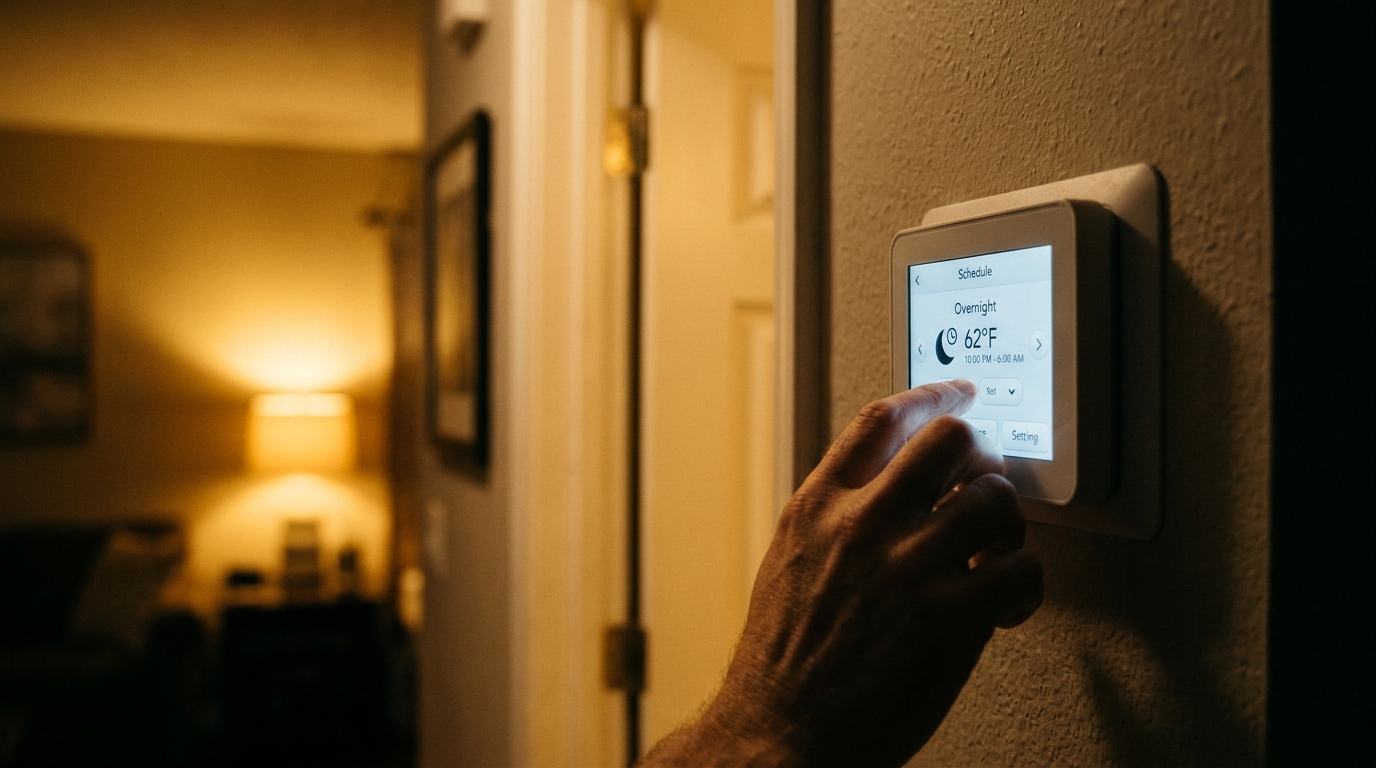
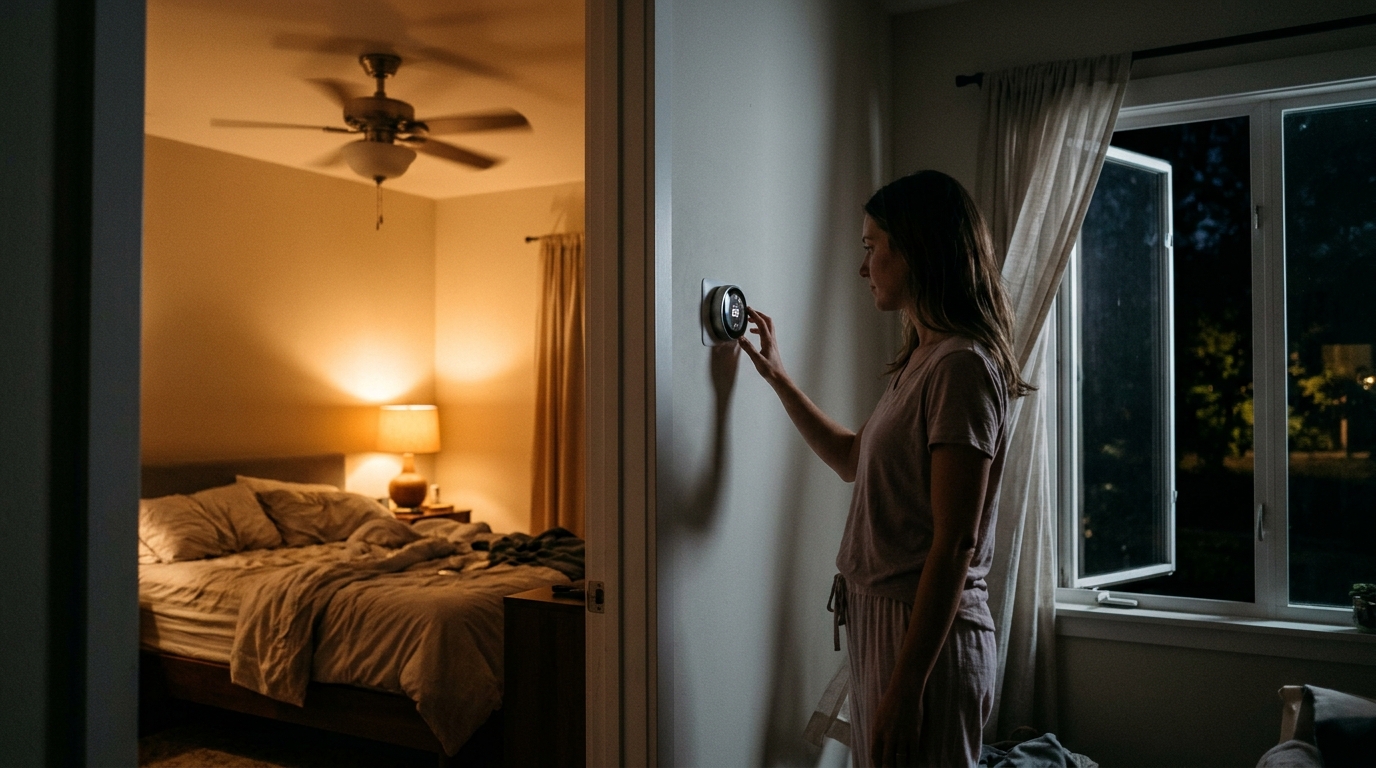
When your thermostat quietly abandons its overnight setback, you pay to heat or cool an empty, sleeping house for 8 hours straight. Most schedule failures come from a handful of simple causes, like dead batteries, a stray hold setting, or a clock stuck in the wrong time, and you can usually fix them in about 15 minutes.
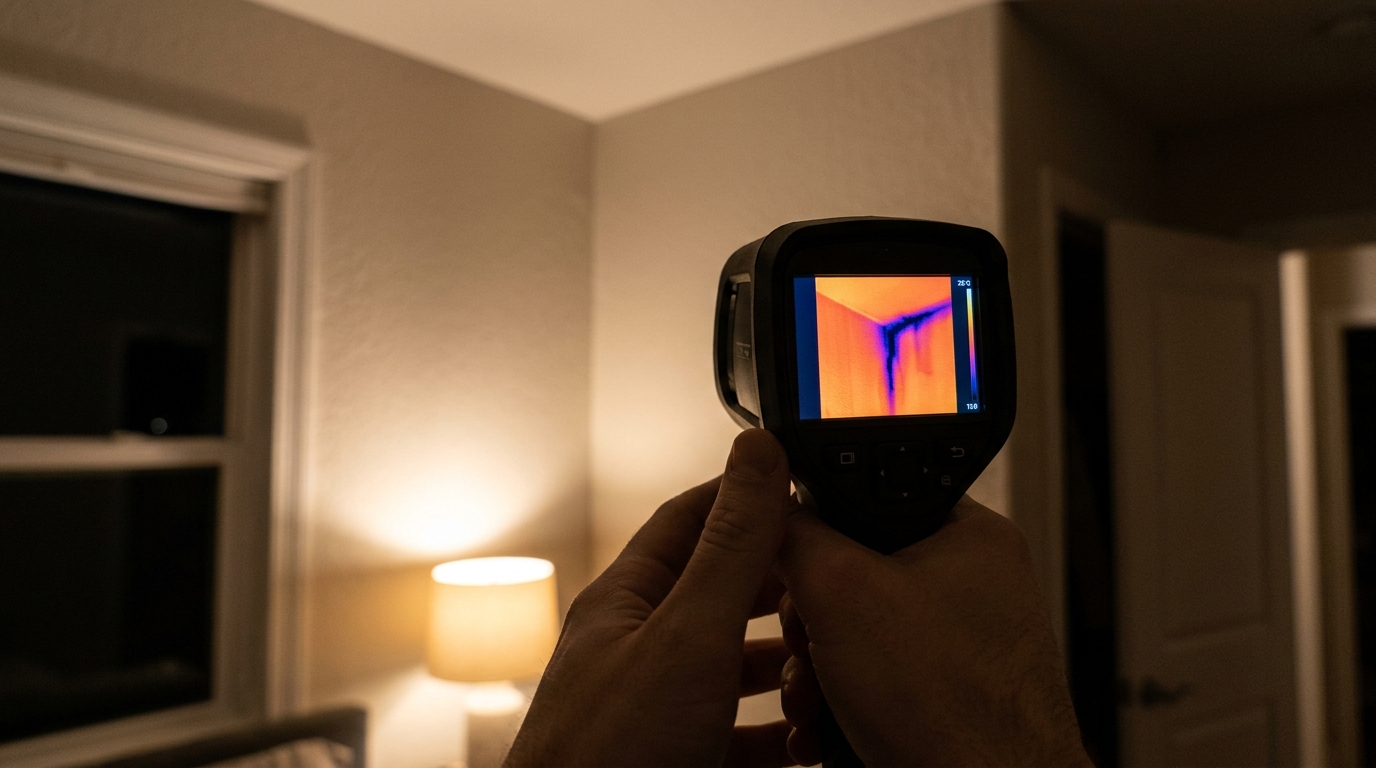
Insulation problems hide behind drywall where you cannot see them, but a thermal camera can expose missing or compressed insulation in minutes, especially after dark when temperature differences are greatest. Learn how to scan your home, read the images correctly, and fix the gaps that are quietly costing you 10 to 30% of your heating and cooling energy.
Running your AC at full blast all night is one of the most expensive ways to stay comfortable, especially on time-of-use electric rates. By pre-cooling your home during cheaper, cooler hours and letting the building coast through the night, you can cut overnight cooling costs by 15 to 30% without sleeping in a sweatbox.
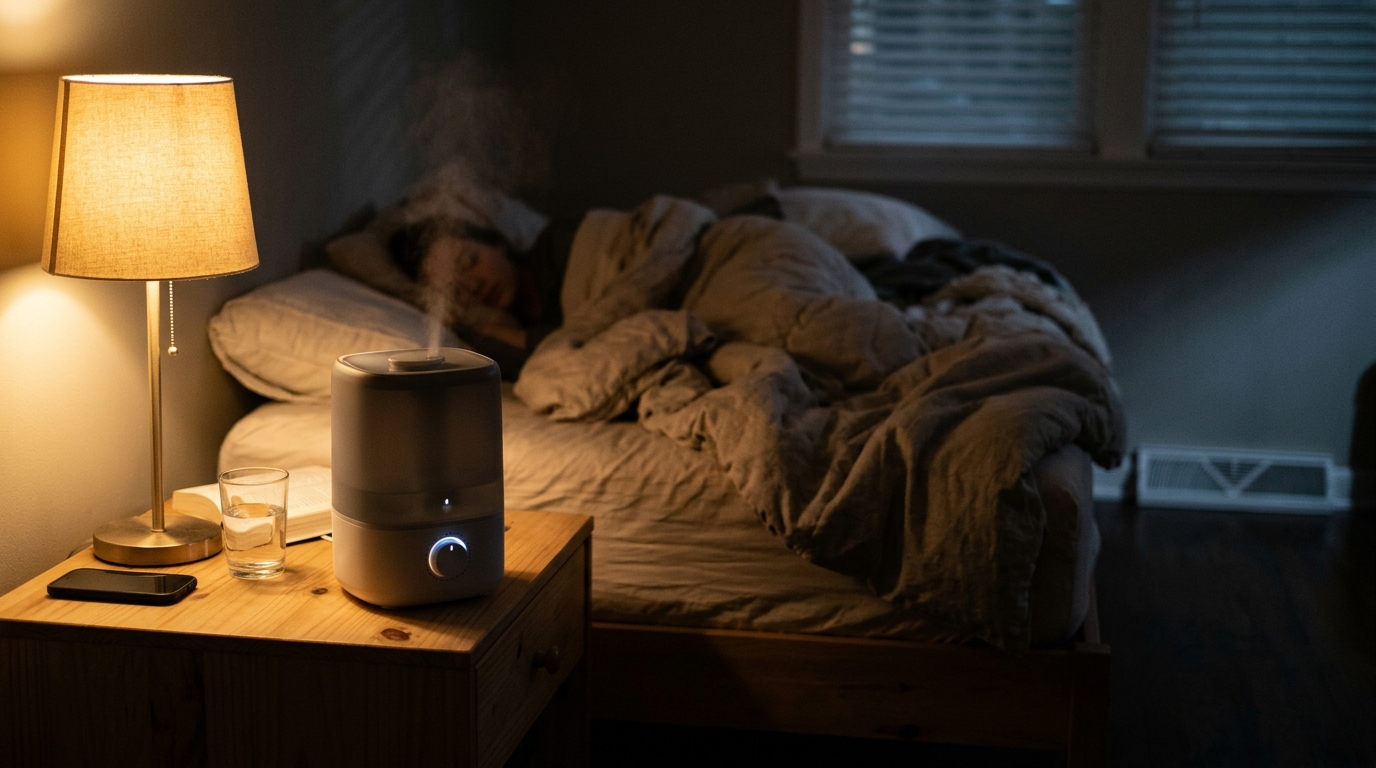
Cranking your humidifier to 50% on a freezing night can cause window condensation, mold risk, and a heating system that works harder than it should. The sweet spot is a humidity level tied to the outdoor temperature, and getting it right keeps you comfortable at a lower thermostat setting.
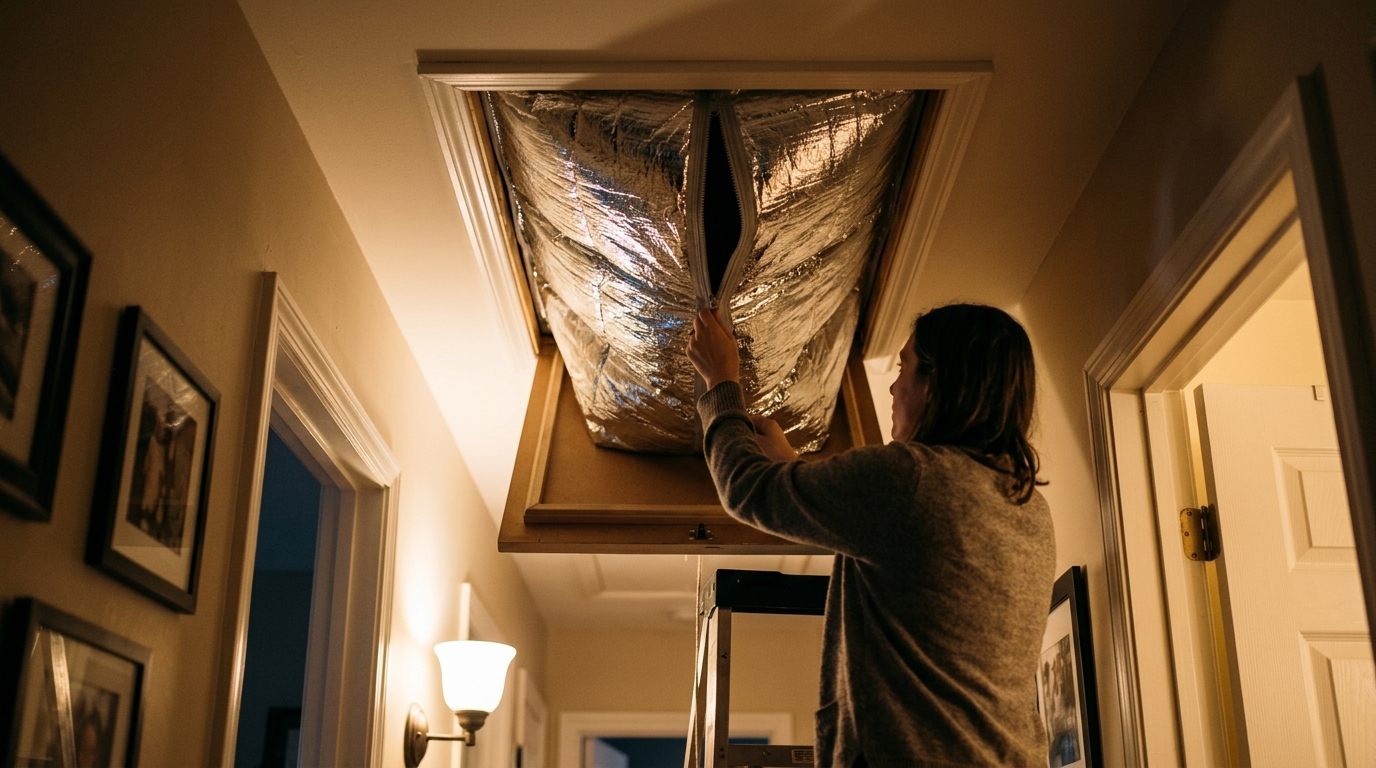
Your pull-down attic stairs are likely the biggest uninsulated, unsealed hole in your ceiling, quietly leaking heated and cooled air all year. A simple insulated cover can cut that loss dramatically in minutes, and the payback often arrives within a single season.
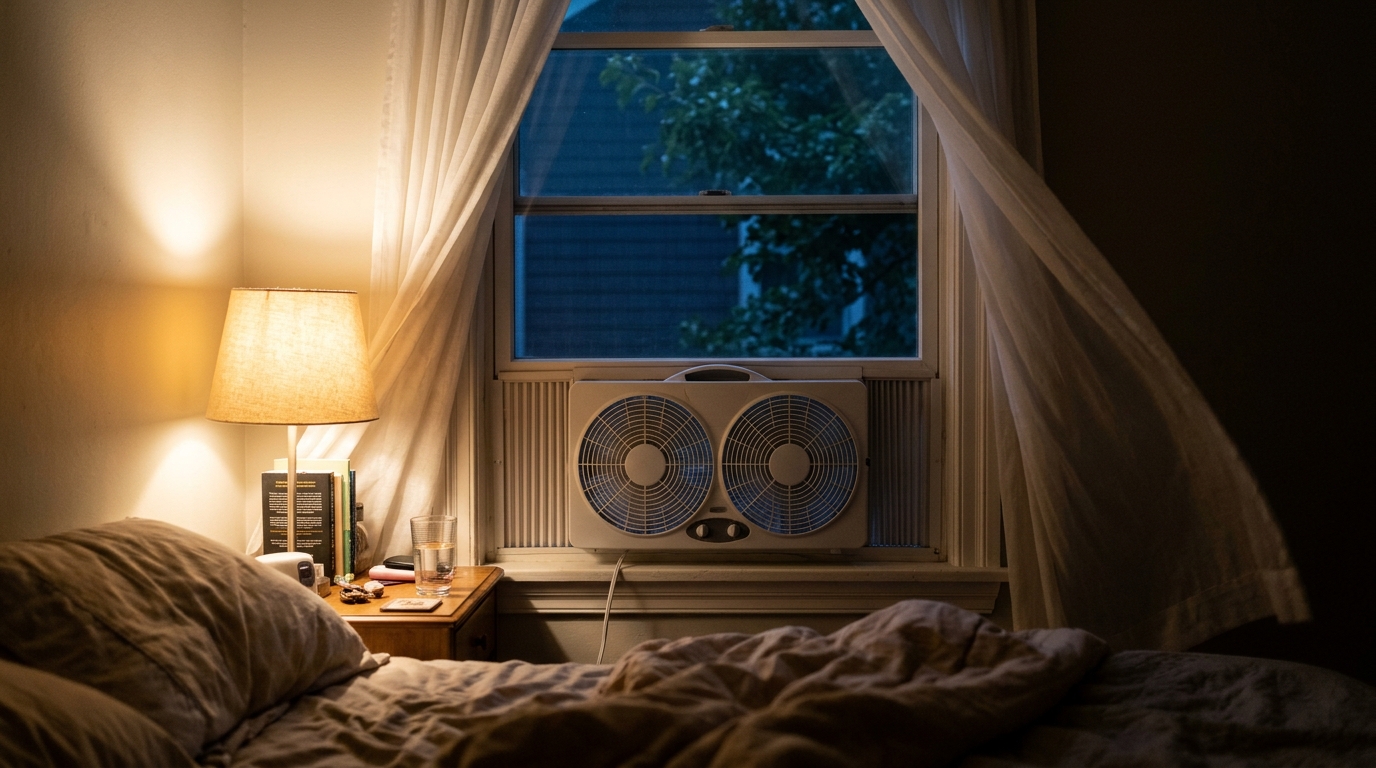
Most people point a box fan out of a window and wonder why the house never really cools off, because the fan is fighting the airflow path instead of using it. Setting up one exhaust fan and one open intake window in the right spots can drop indoor temperatures 8 to 15 degrees overnight and cut your AC runtime the next day.
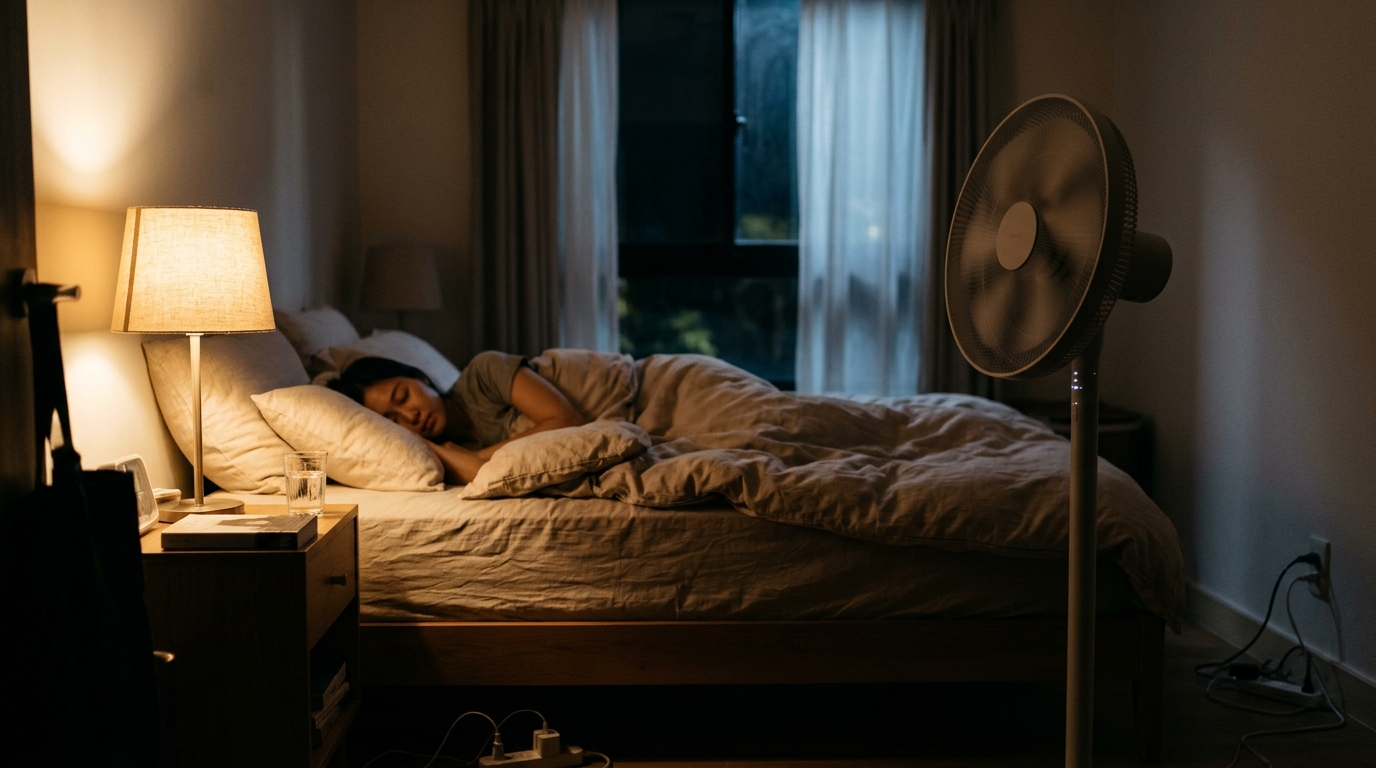
Most people crank a fan to high and aim it straight at their face, then wake up with a dry throat, a stiff neck, and a bedroom that still feels stuffy. A lower speed, a smarter angle, and a few small placement changes can cool you better while letting you raise the thermostat 3 to 4 degrees.
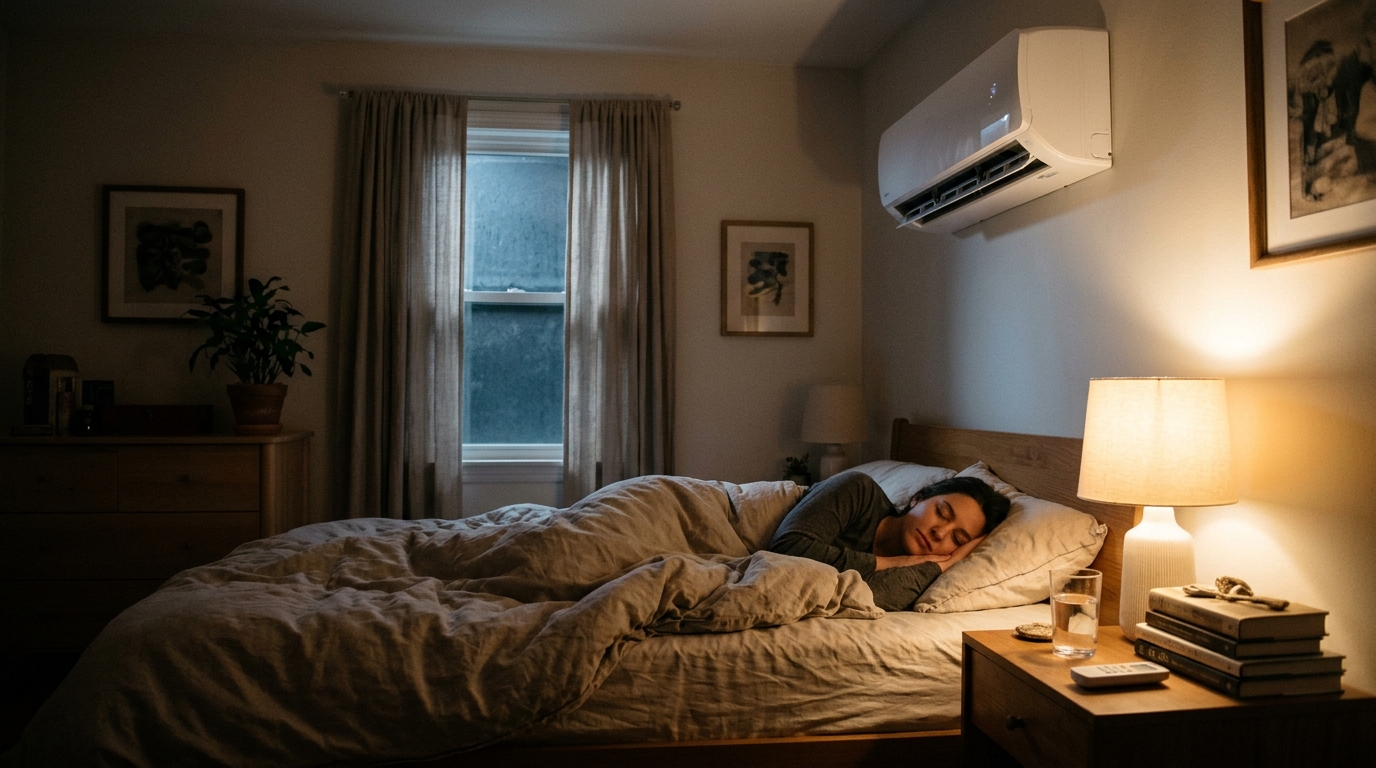
Cooling or heating your entire house to keep one bedroom comfortable overnight is one of the most common ways homeowners waste energy. A ductless mini-split zoned to your sleeping area can cut nighttime HVAC costs by 30 to 50% while giving you better sleep temperatures than a central system ever could.