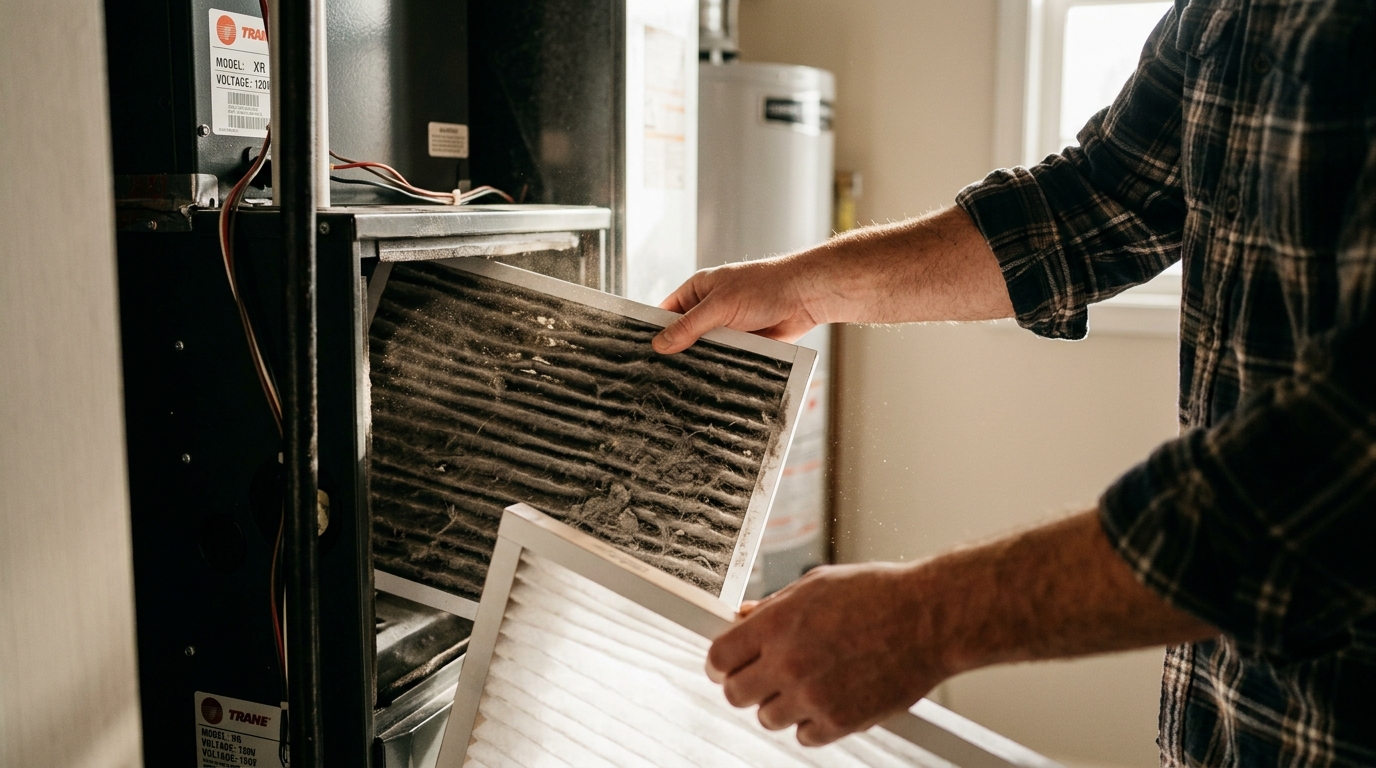
A clogged or wrong-sized HVAC filter is one of the most common and costly mistakes homeowners make, quietly driving up energy bills and shortening system life. Learn the 7 warning signs and exactly what to do about them before your system pays the price.
When you seal your home against the cold, you also trap cooking odors, moisture, pet dander, and VOCs with nowhere to go. Strategic ventilation can flush out stale air, improve indoor air quality, and keep your heating bills from spiking at the same time.
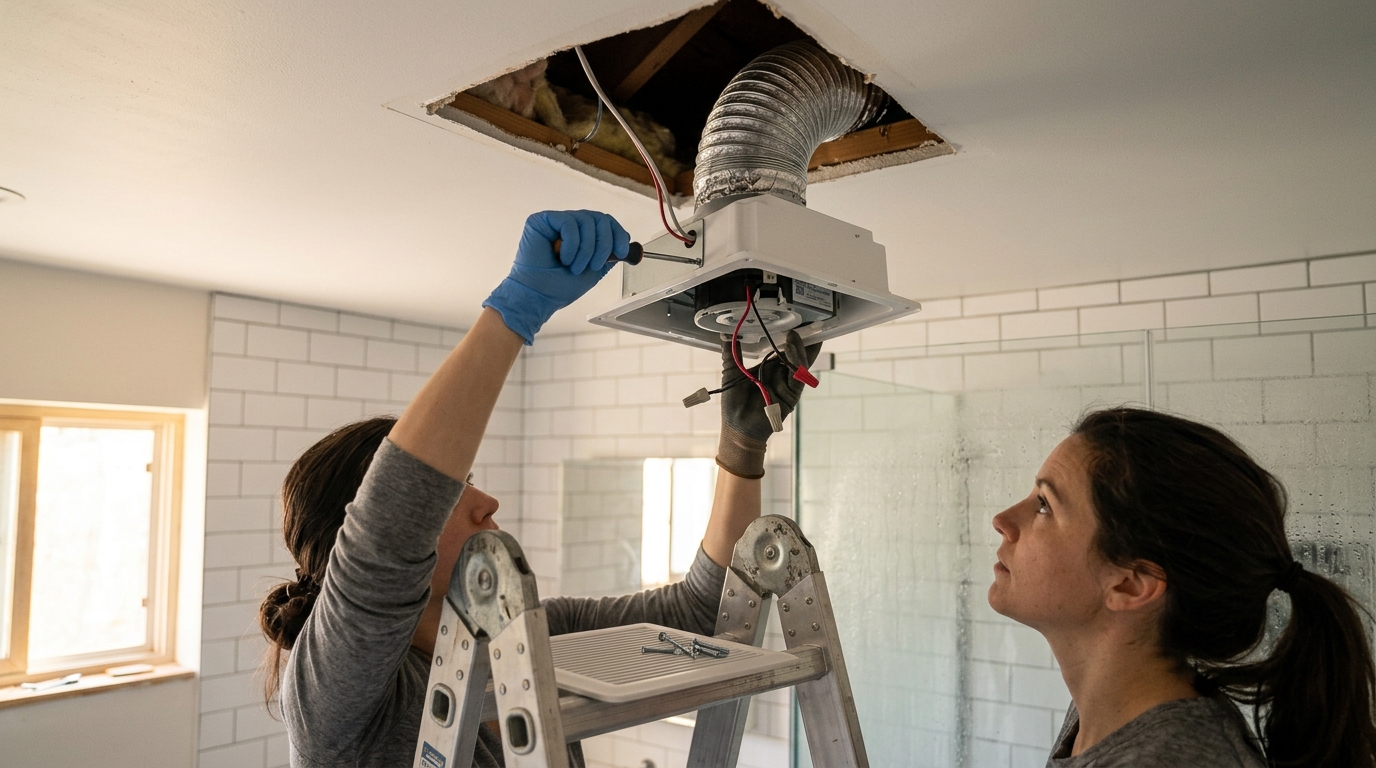
Poor bathroom ventilation lets moisture linger, creating the perfect conditions for mold, rot, and costly repairs. The right exhaust fan setup and habits can eliminate the problem entirely, often for under $150.
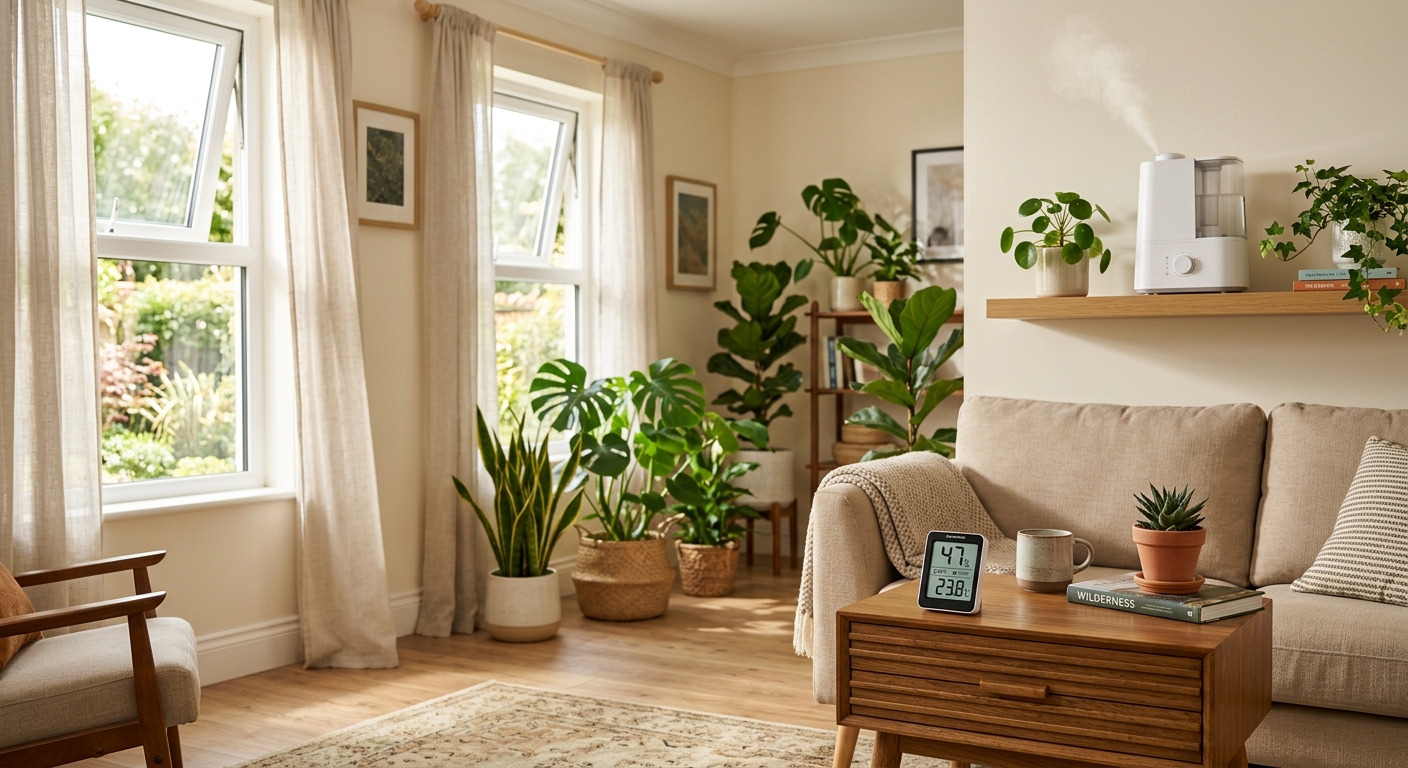
Too much or too little humidity makes your home uncomfortable, damages wood and paint, and forces your HVAC system to work harder. You can maintain ideal indoor humidity levels using portable devices and simple habits, without spending thousands on a whole-house system.
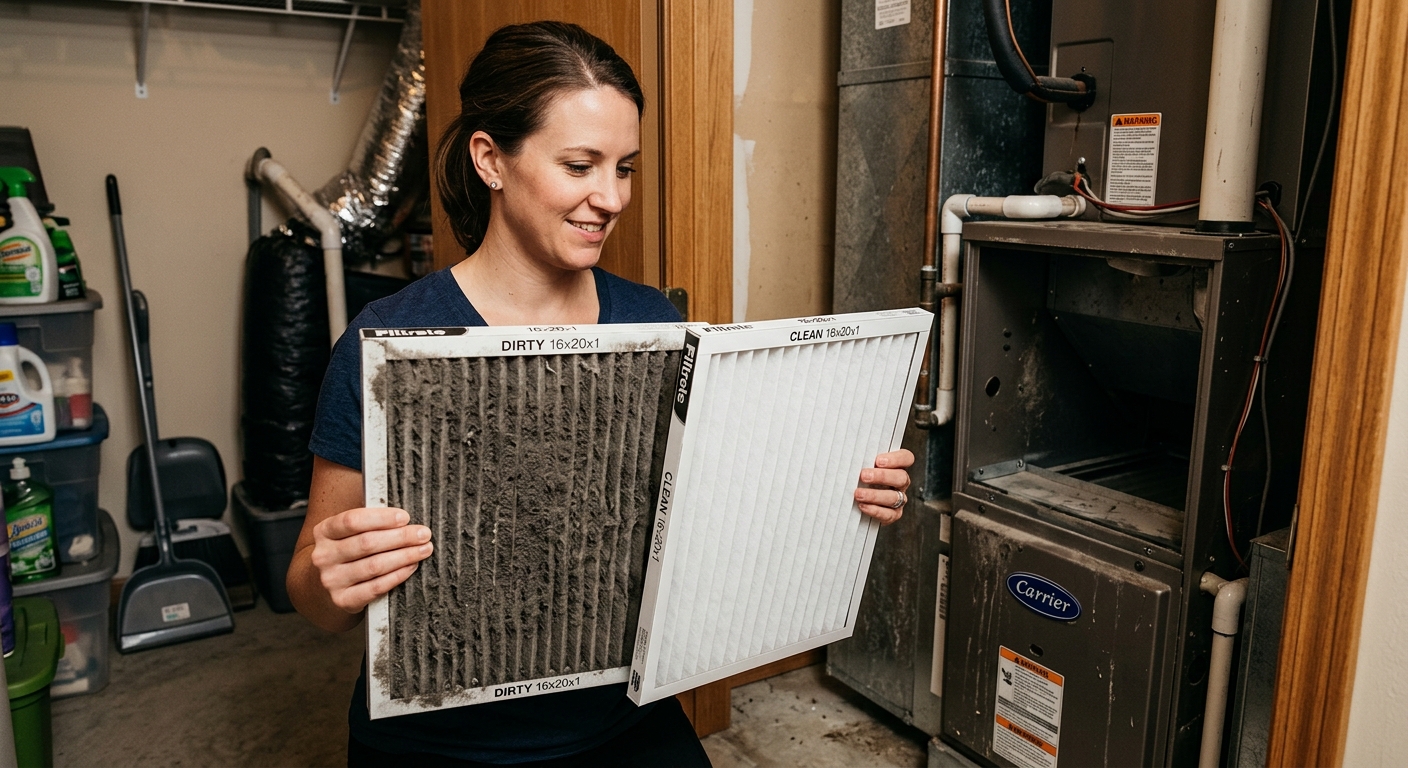
Most homeowners follow the generic ’90-day rule’ for HVAC filter changes, but that schedule is almost always wrong for your specific home. Replacing filters on the right schedule for your household can improve air quality, reduce allergy symptoms, and cut HVAC energy use by up to 15%.
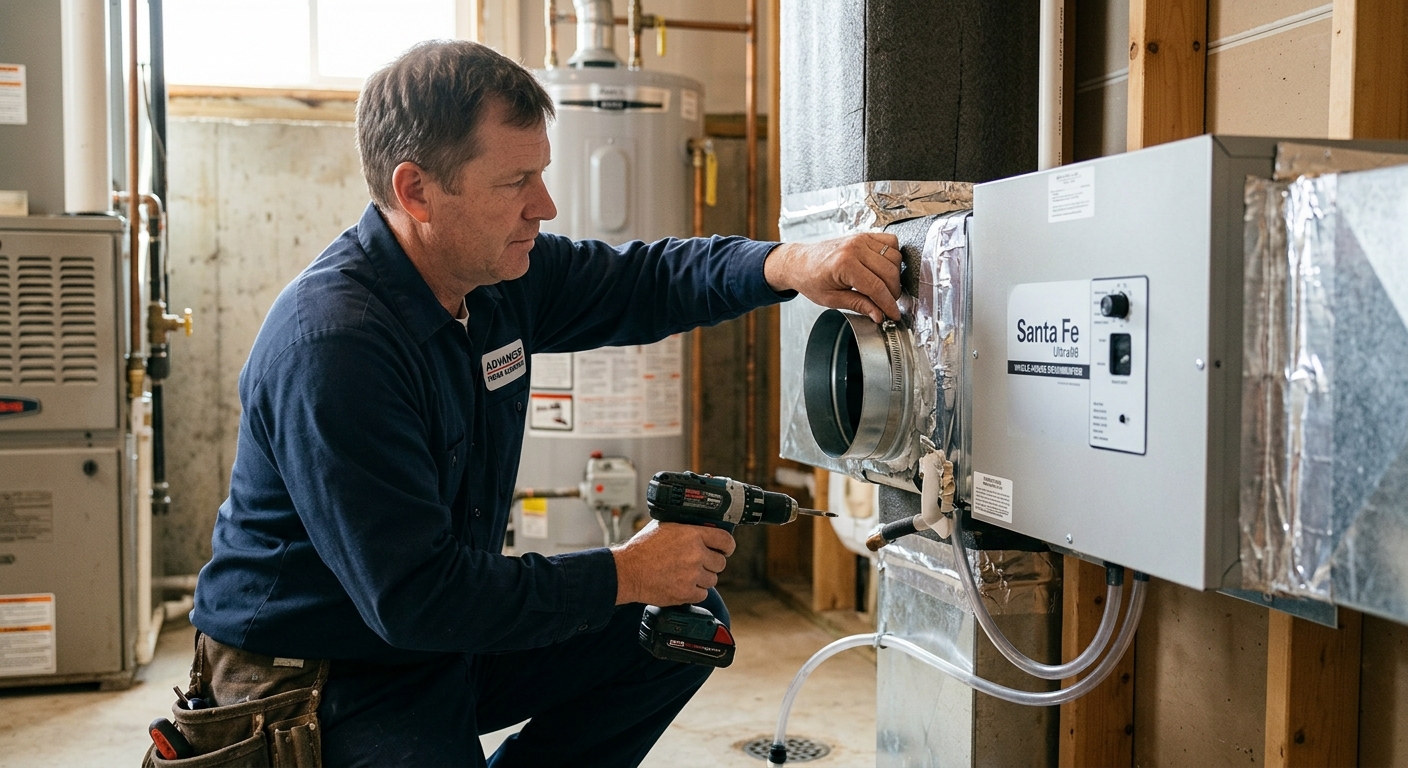
High indoor humidity quietly drives up energy bills, damages your home, and makes your AC work harder than it should. A whole-house dehumidifier solves all three problems, and the math shows most homeowners break even in 2 to 3 years.
Most homeowners assume clean air requires an expensive purifier, but your home already has systems capable of doing the job. With a few smart upgrades and habit changes, you can dramatically reduce indoor pollutants for under $50 and no new appliances.
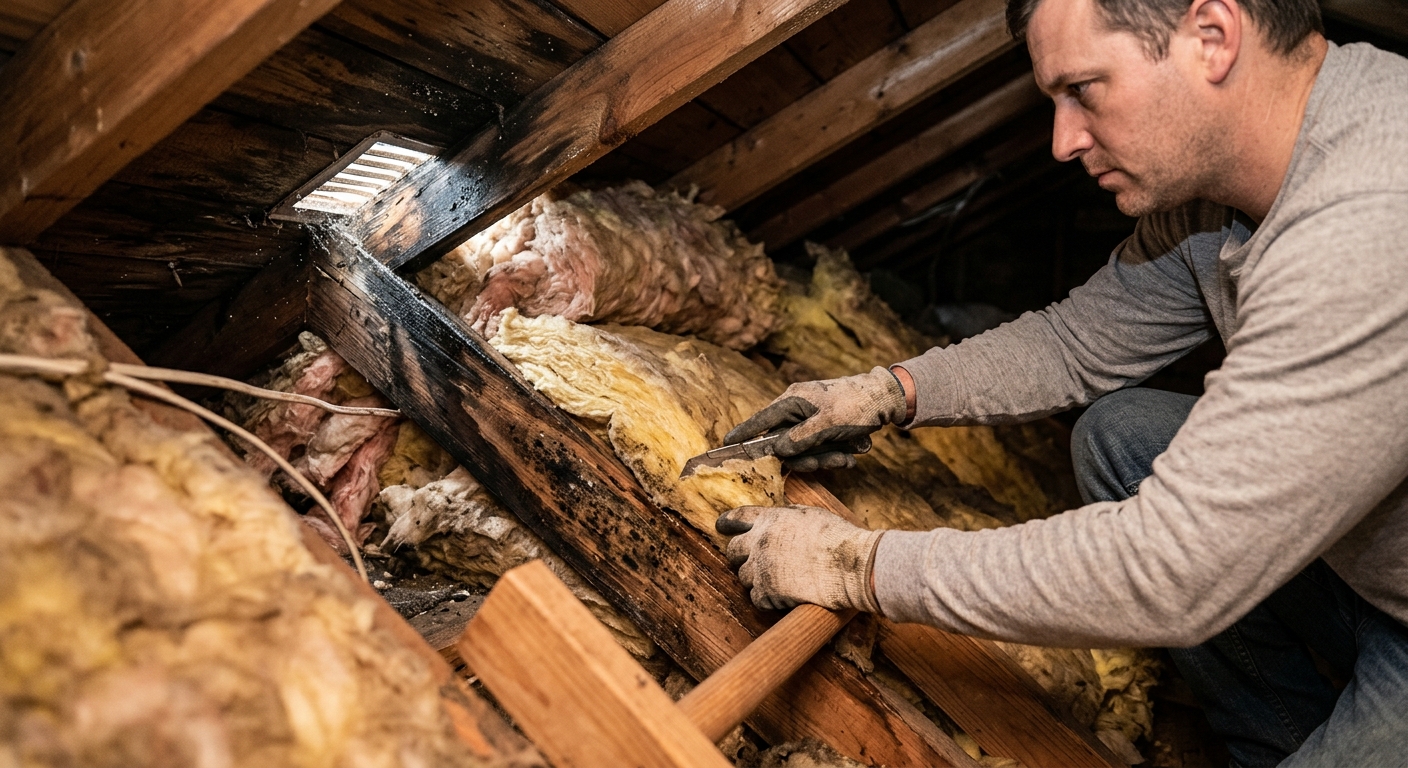
Most homeowners worry about too little insulation, but adding too much without addressing ventilation and air sealing can create serious moisture, air quality, and structural problems. Understanding the point of diminishing returns helps you insulate smarter, not just thicker.
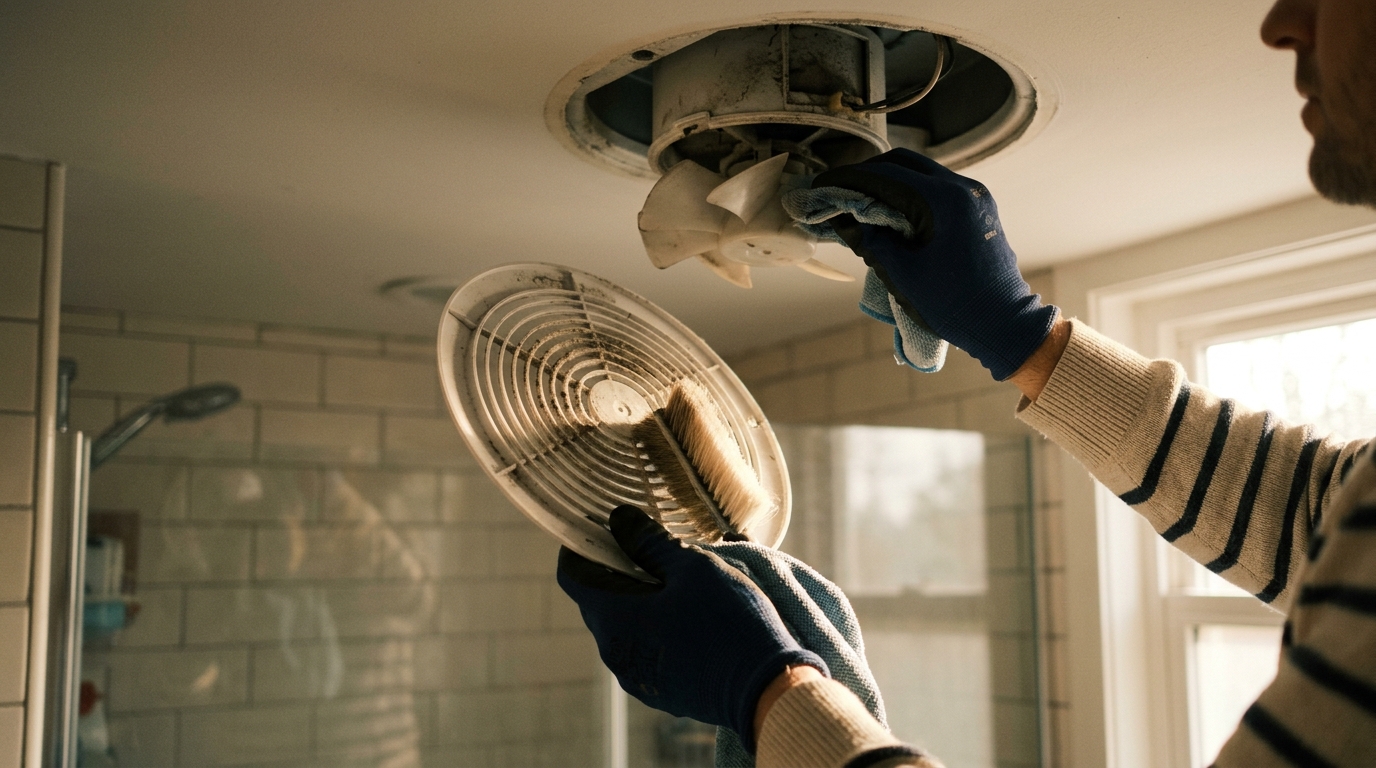
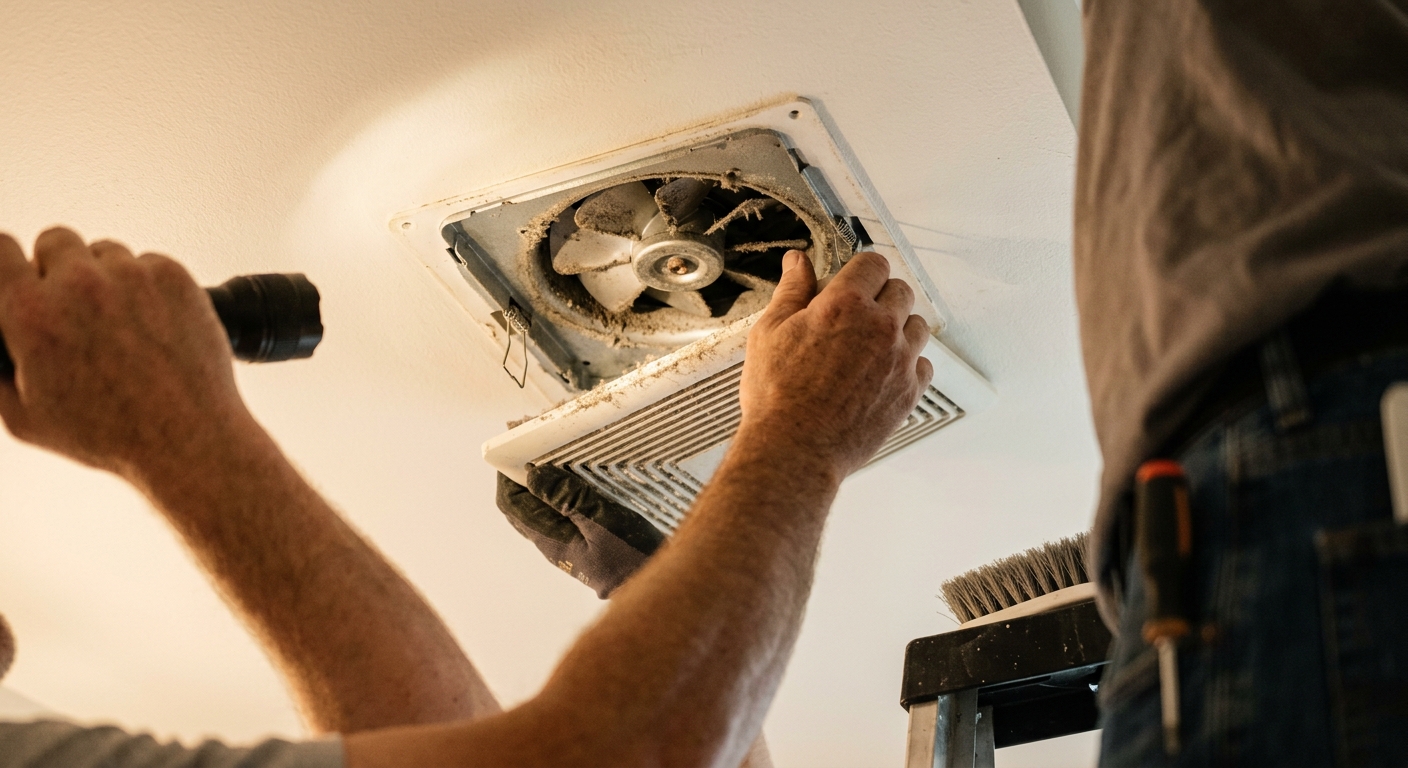
A bathroom exhaust fan that runs but leaves moisture behind is one of the most overlooked causes of mold, peeling paint, and structural damage in homes. Learn how to diagnose the real problem and fix it fast, often for under $50.
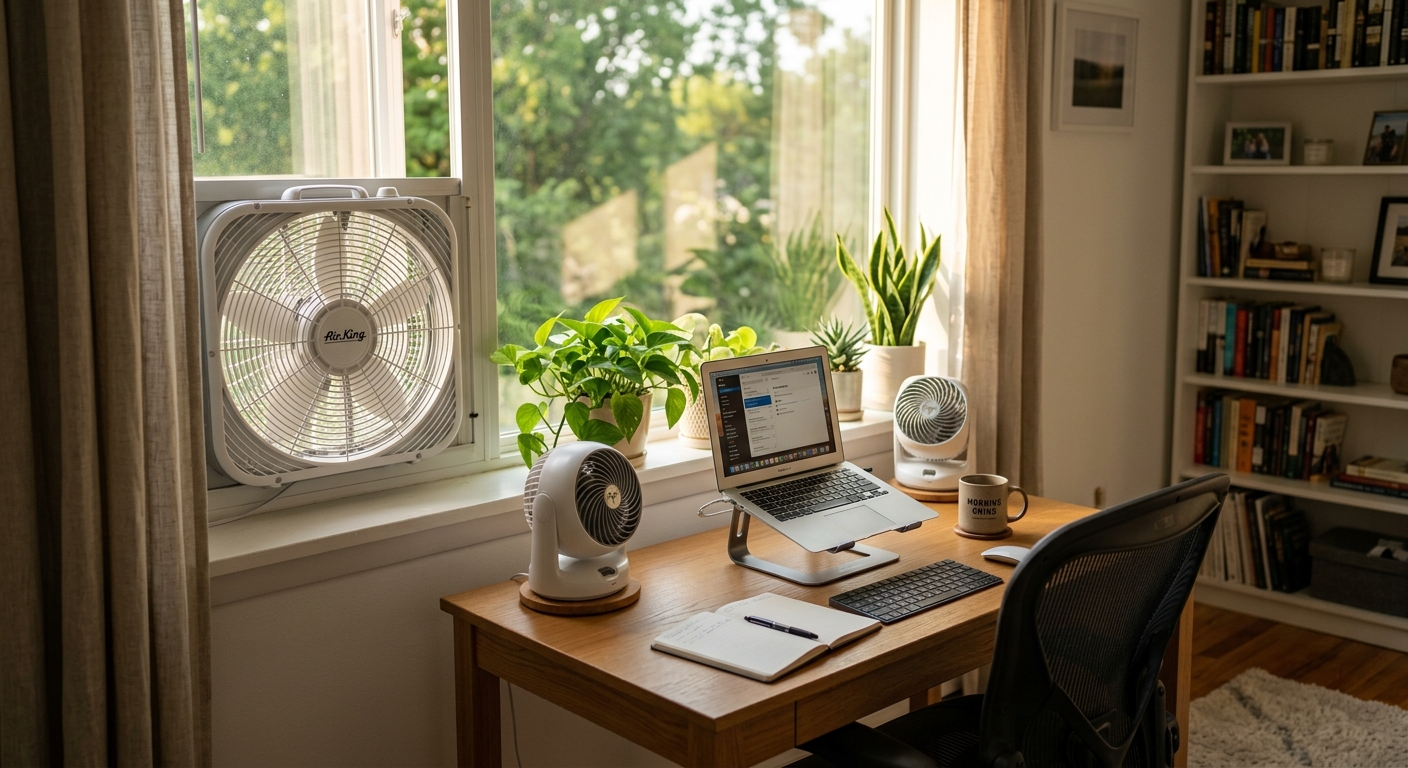
That midday stuffiness in your home office is not just uncomfortable, it is costing you focus and productivity. Poor ventilation, CO2 buildup, and heat gain conspire to turn your workspace into a fog by noon, but a few targeted fixes can solve it without expensive renovations.