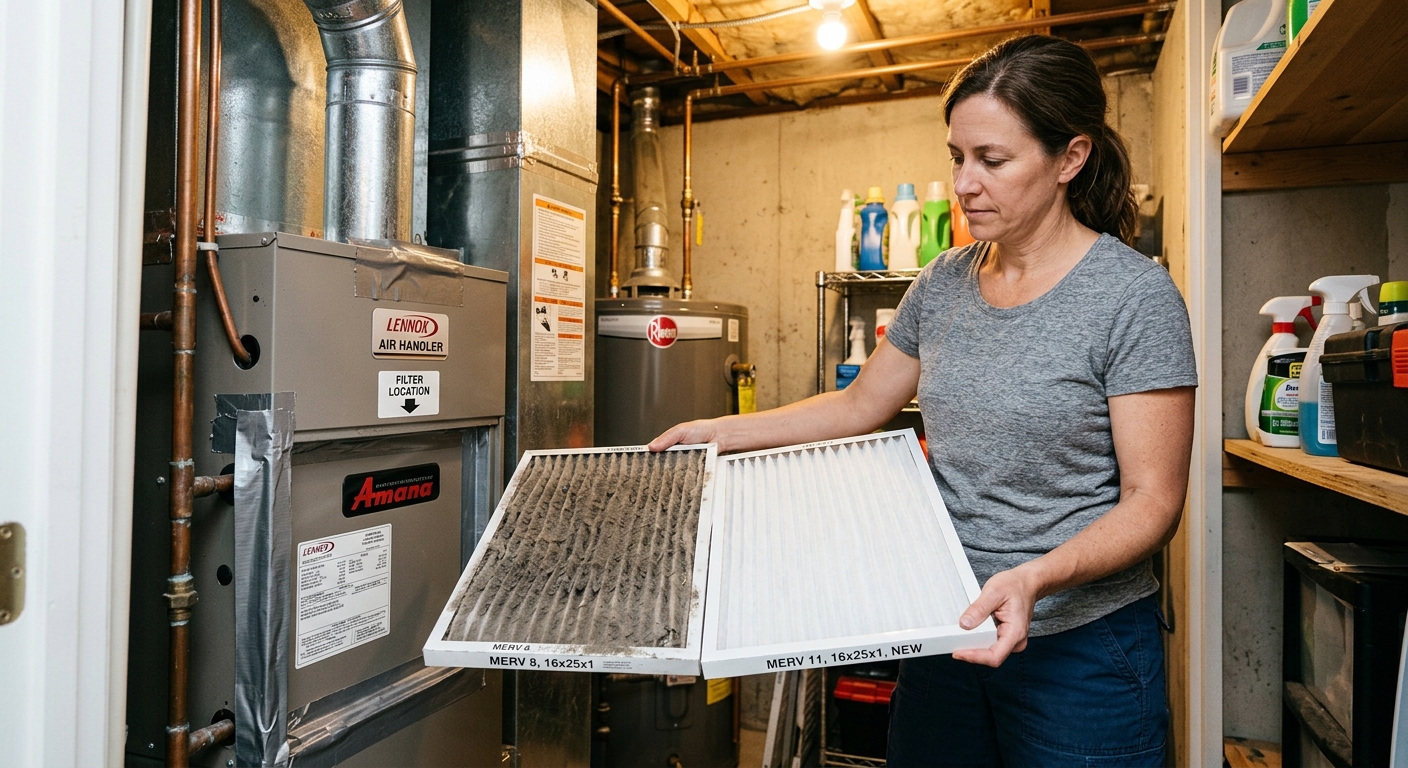
A clogged or wrong-sized HVAC filter forces your system to work harder, driving up energy bills by 15% or more. Learn how to check your filter, choose the right MERV rating, and fix the problem in under 15 minutes.
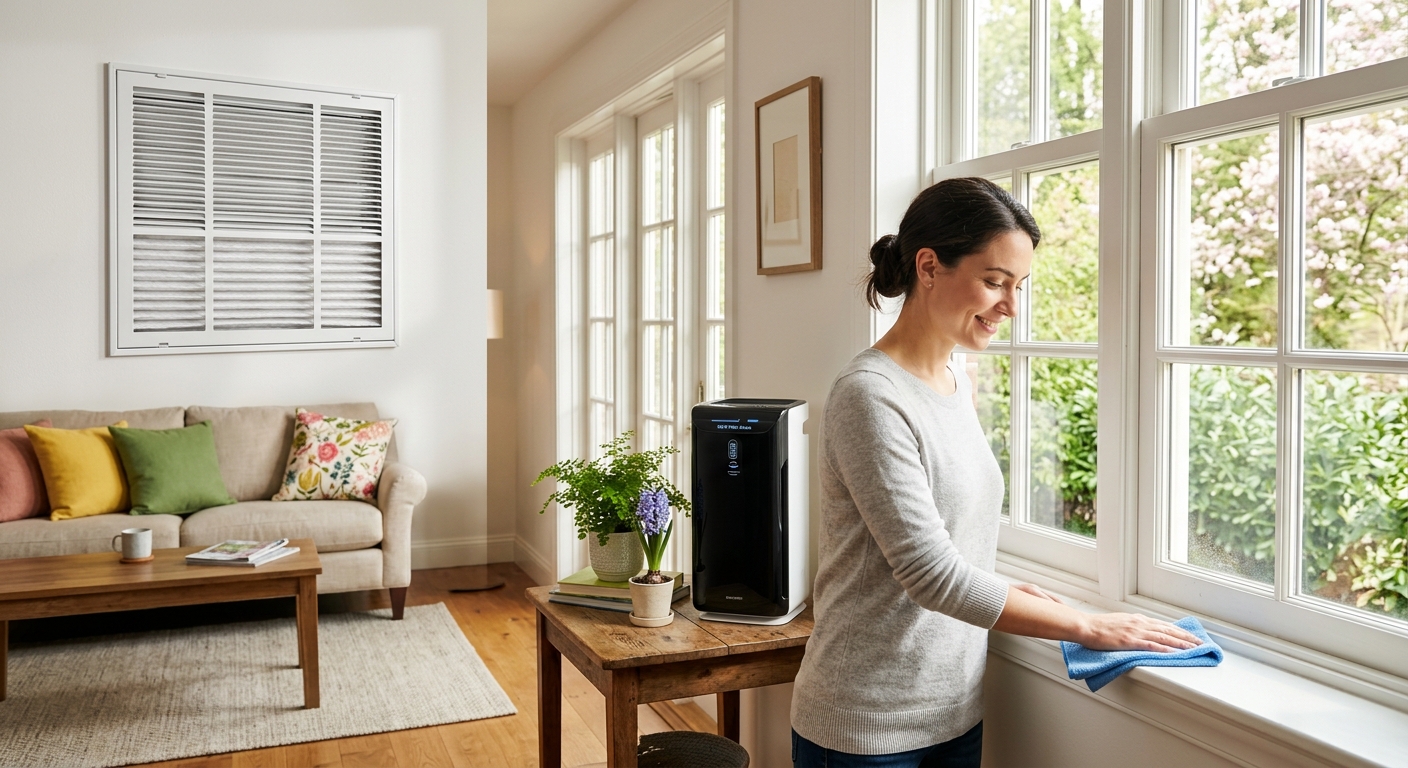
When pollen counts spike, your home can trap more allergens than the outdoors if your HVAC system and envelope have gaps. Upgrading your filtration, sealing air leaks, and adjusting ventilation habits can reduce indoor pollen levels by up to 70% and make a measurable difference in daily comfort.
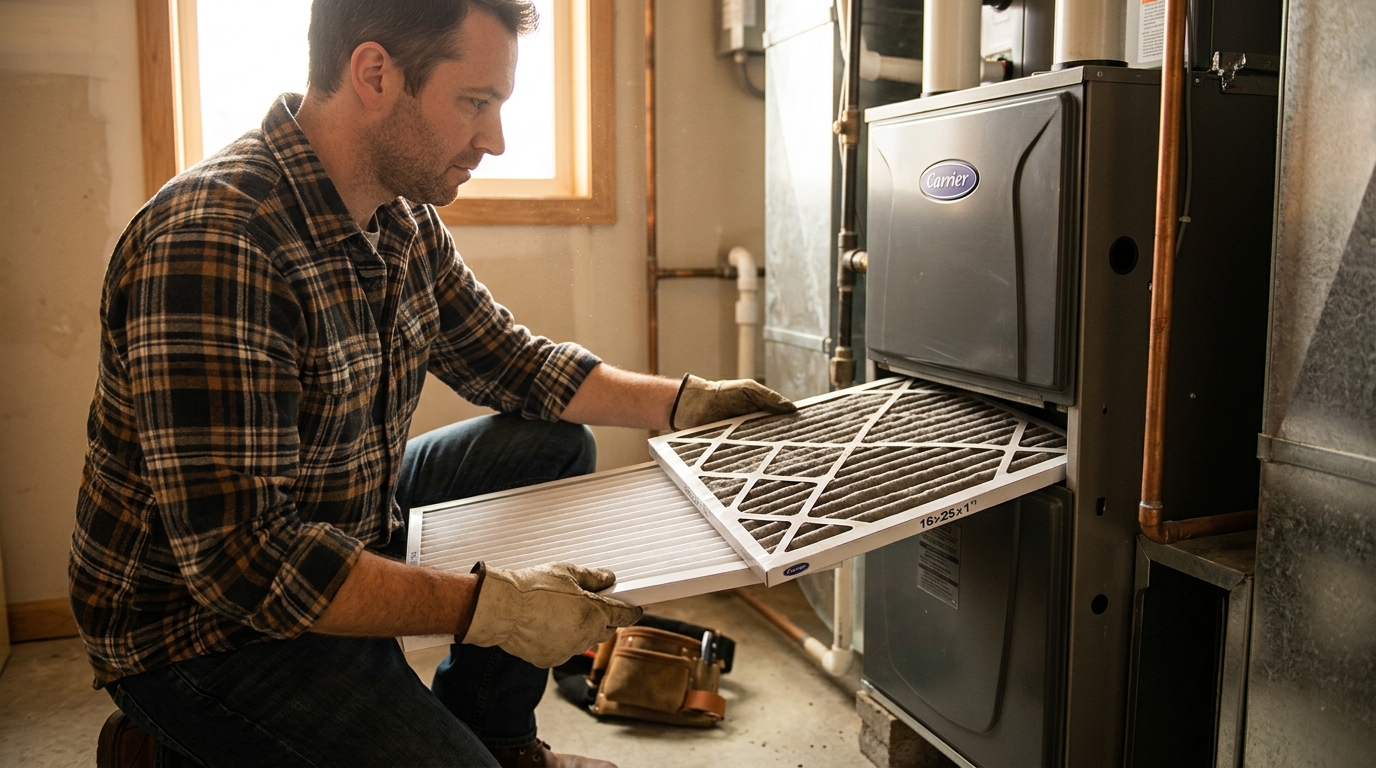
A clogged air filter forces your HVAC system to work harder, quietly inflating your energy bill by 5 to 15% every single month. Swapping or cleaning it takes under 10 minutes and pays back instantly, making it the easiest money-saving task in your entire home.
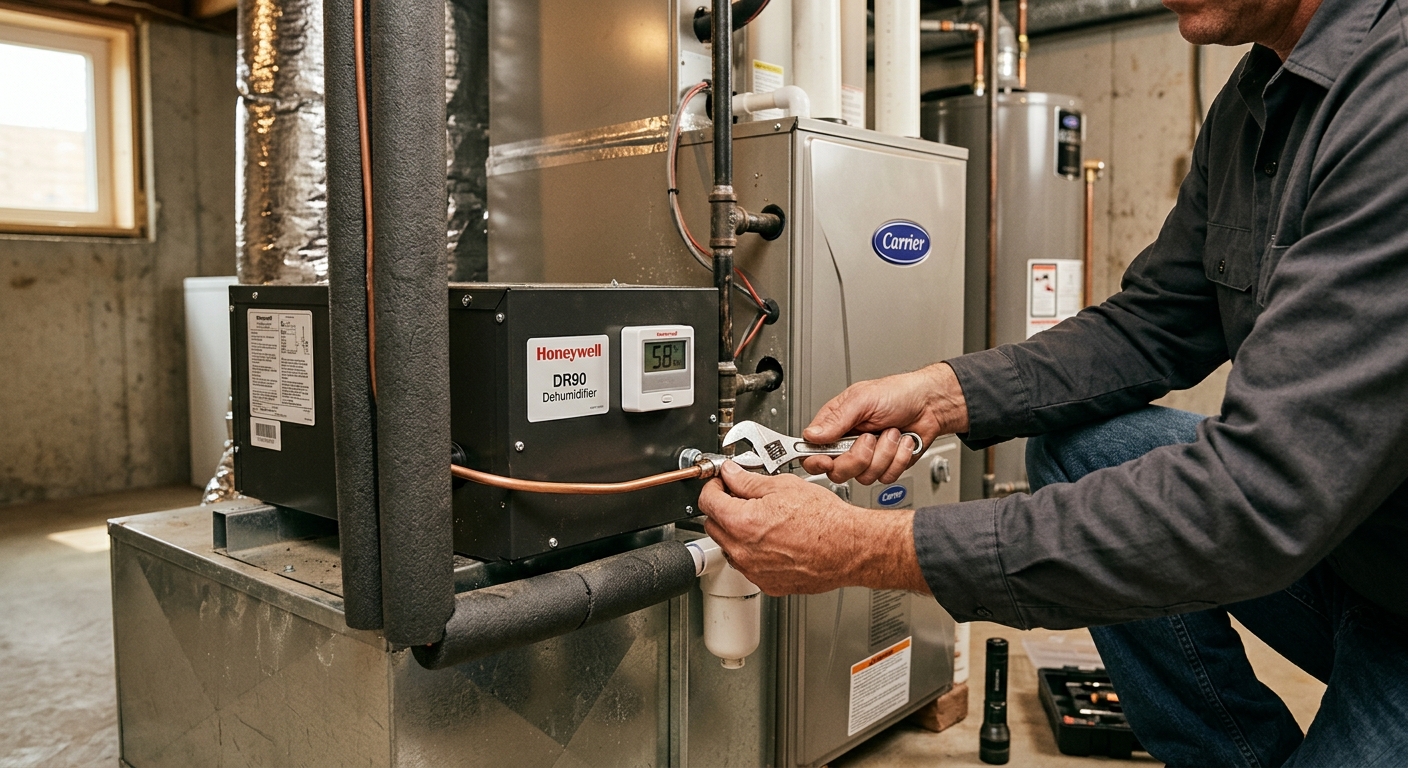
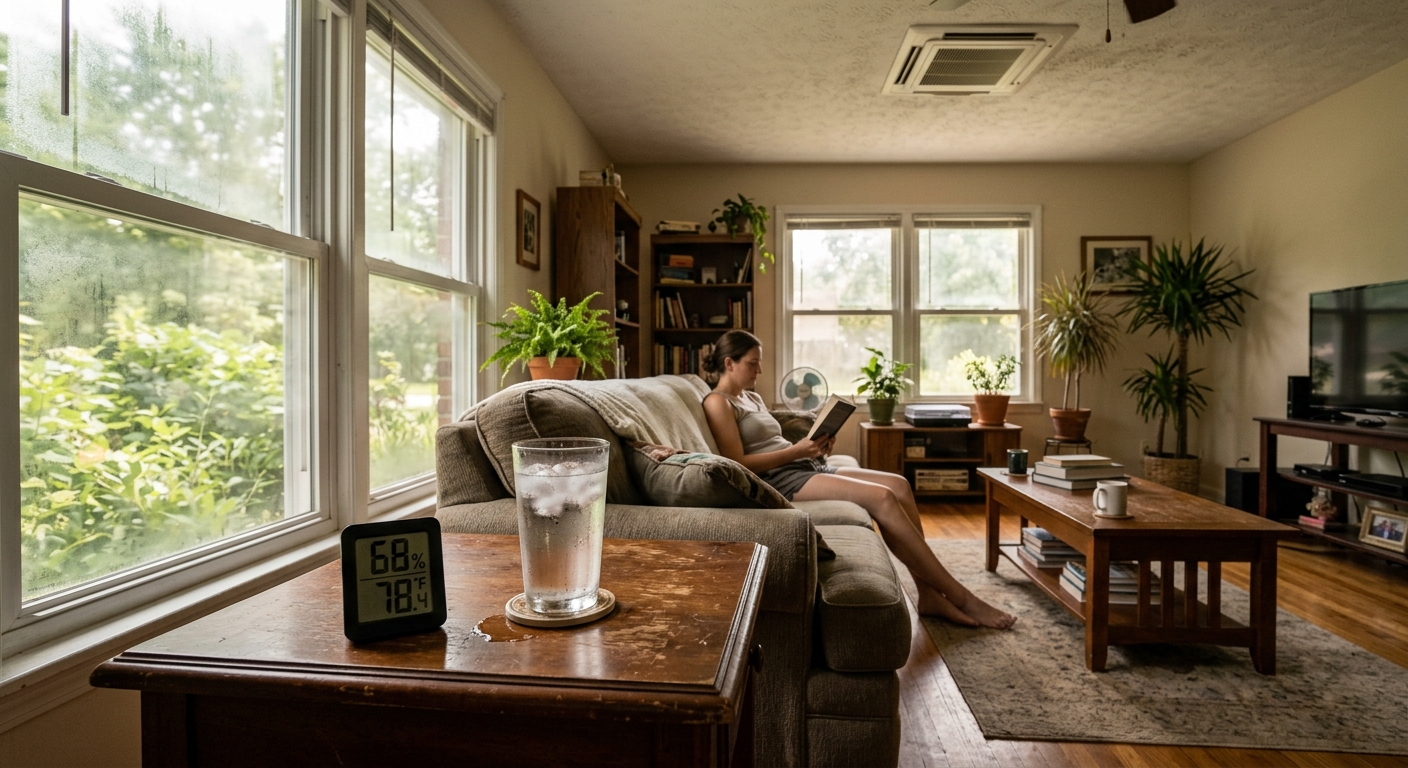
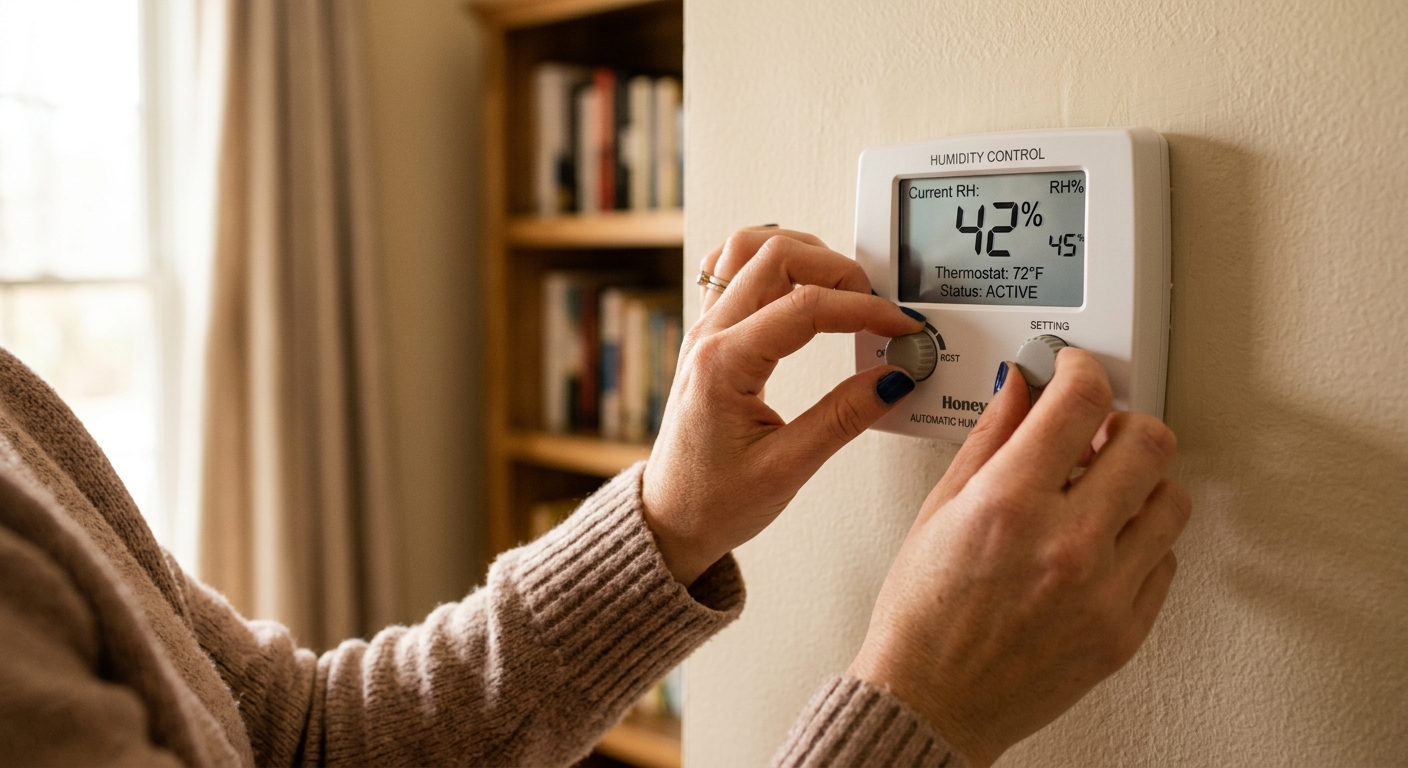
When indoor humidity climbs above 60%, your home can feel 10 degrees hotter than the thermostat reads, driving up energy bills as your AC struggles to keep up. Understanding and controlling moisture is the missing piece most homeowners never address.
Running your AC but still sweating indoors is a sign your system is cooling without properly dehumidifying. This post explains the real reasons humidity lingers and gives you step-by-step fixes from free adjustments to professional upgrades.
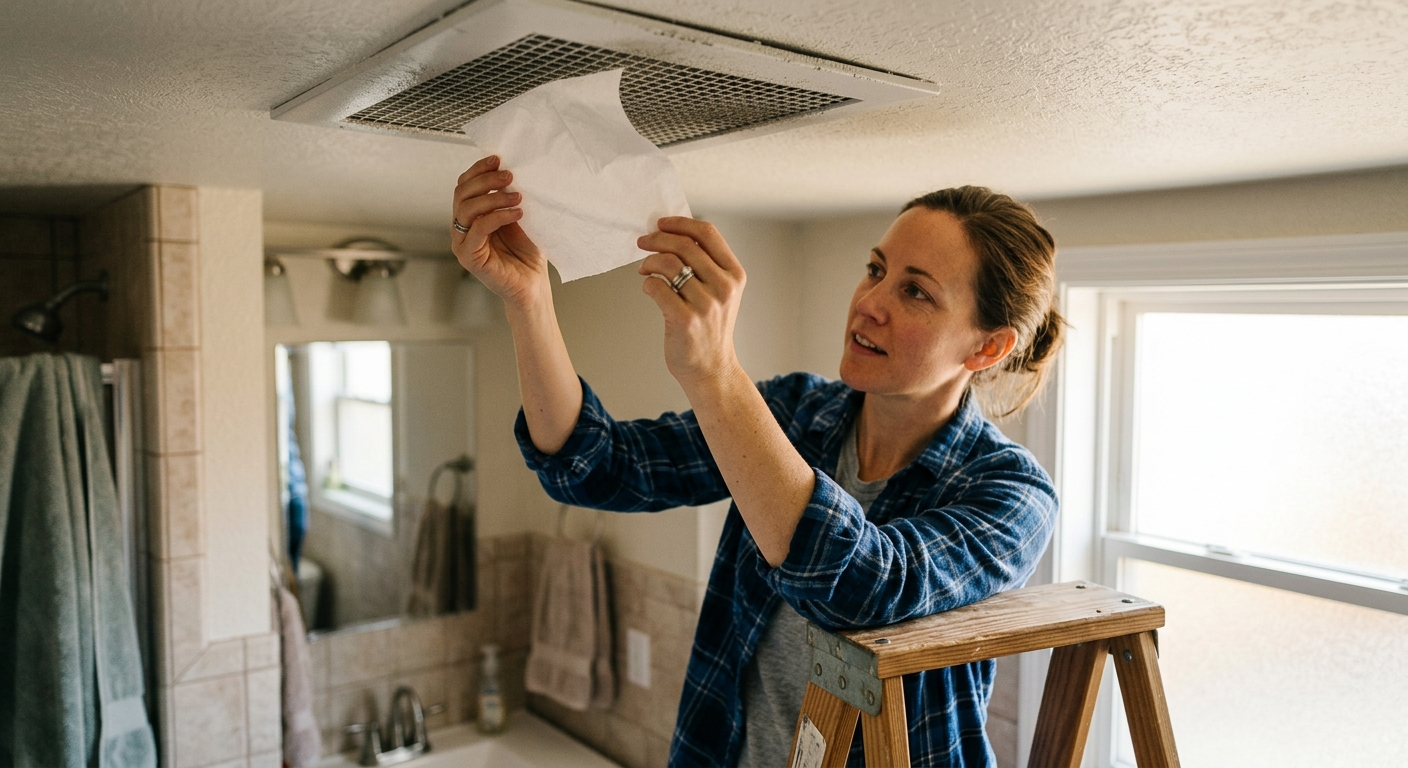
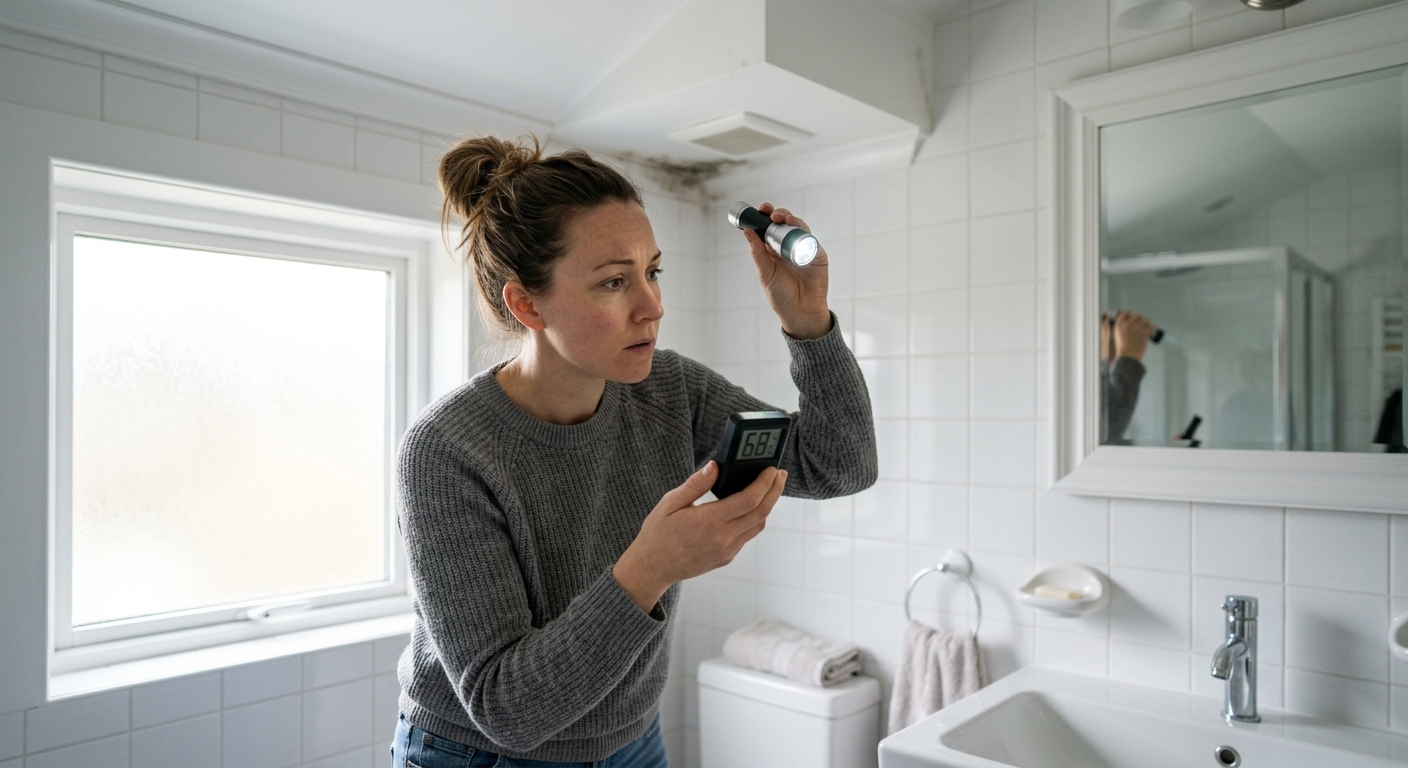
Poor ventilation is one of the most overlooked causes of high energy bills, health problems, and moisture damage in homes. This guide shows you how to diagnose your home’s ventilation in under an hour and fix the most common problems yourself.
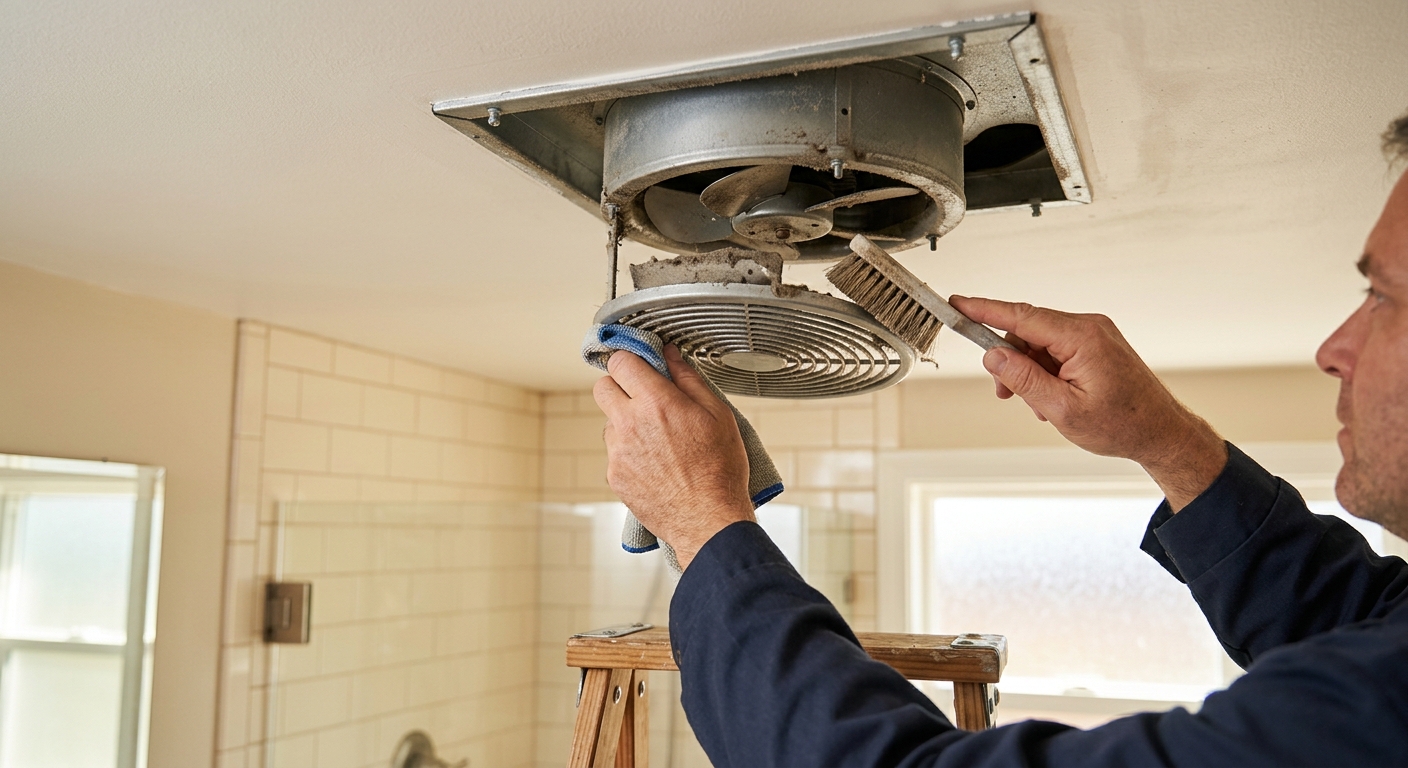
Most homeowners blame their HVAC system when certain rooms feel stuffy, drafty, or hard to heat and cool. The real culprit is often the bathroom exhaust fan creating pressure imbalances that ripple through the entire house.
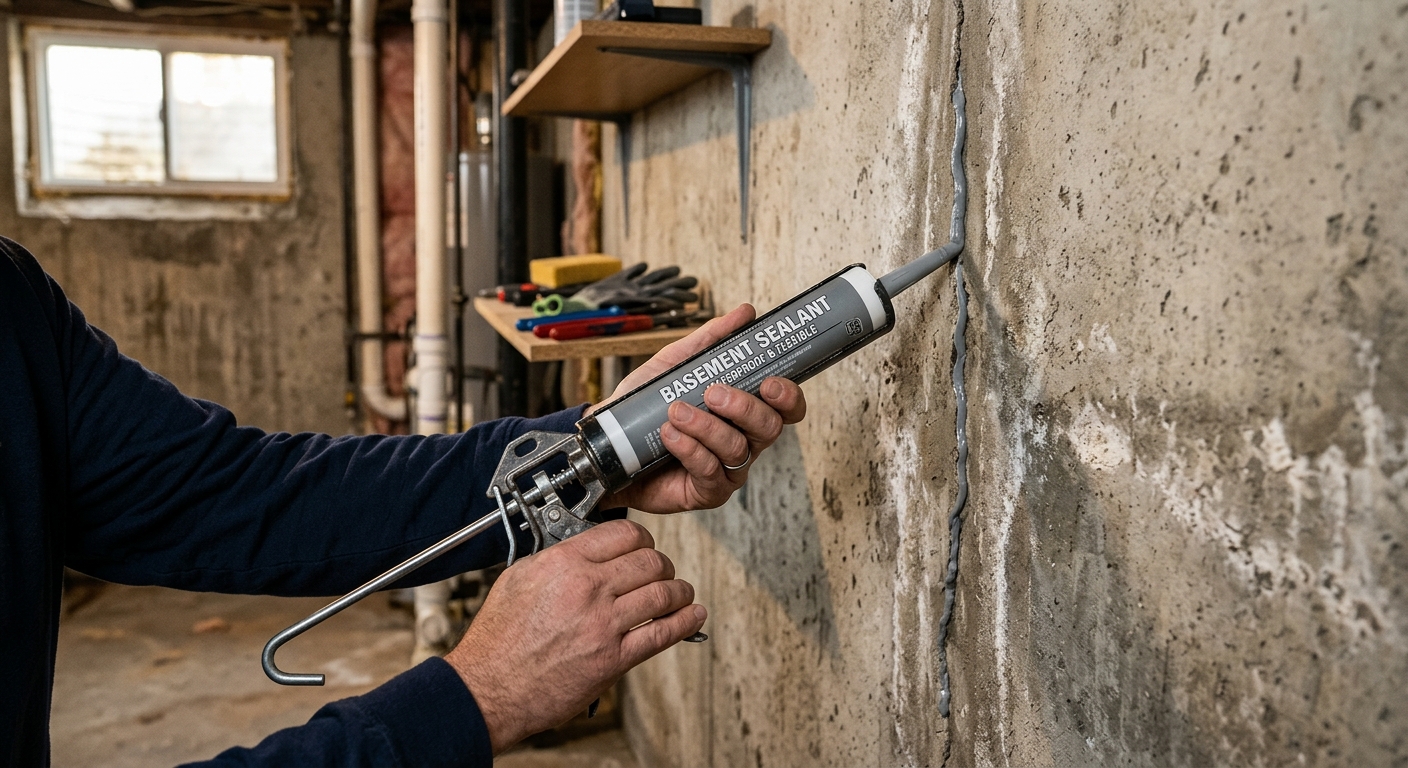
That musty basement smell is not just unpleasant, it is a sign of excess moisture that can damage your home and hurt air quality throughout the house. A focused weekend of air sealing, drainage fixes, and targeted dehumidification can eliminate the odor and protect your home long-term.
Stuffy rooms, foggy windows, and musty odors are early warning signs that your home’s air is not moving properly. Catching circulation problems early can prevent costly mold remediation that averages $2,000 to $6,000 per affected area.
Most homeowners obsess over thermostat numbers while ignoring the humidity level that actually determines how comfortable they feel. Keeping indoor relative humidity between 40 and 50 percent can make a 75°F home feel as comfortable as a 70°F home, letting you raise your thermostat setpoint and cut cooling bills by up to 15 percent.