Moving into a new home before summer means inheriting an HVAC system with unknown maintenance history, which can lead to sky-high cooling bills and uncomfortable surprises. A targeted pre-summer checklist lets you optimize efficiency from day one and avoid costly breakdowns during peak heat.
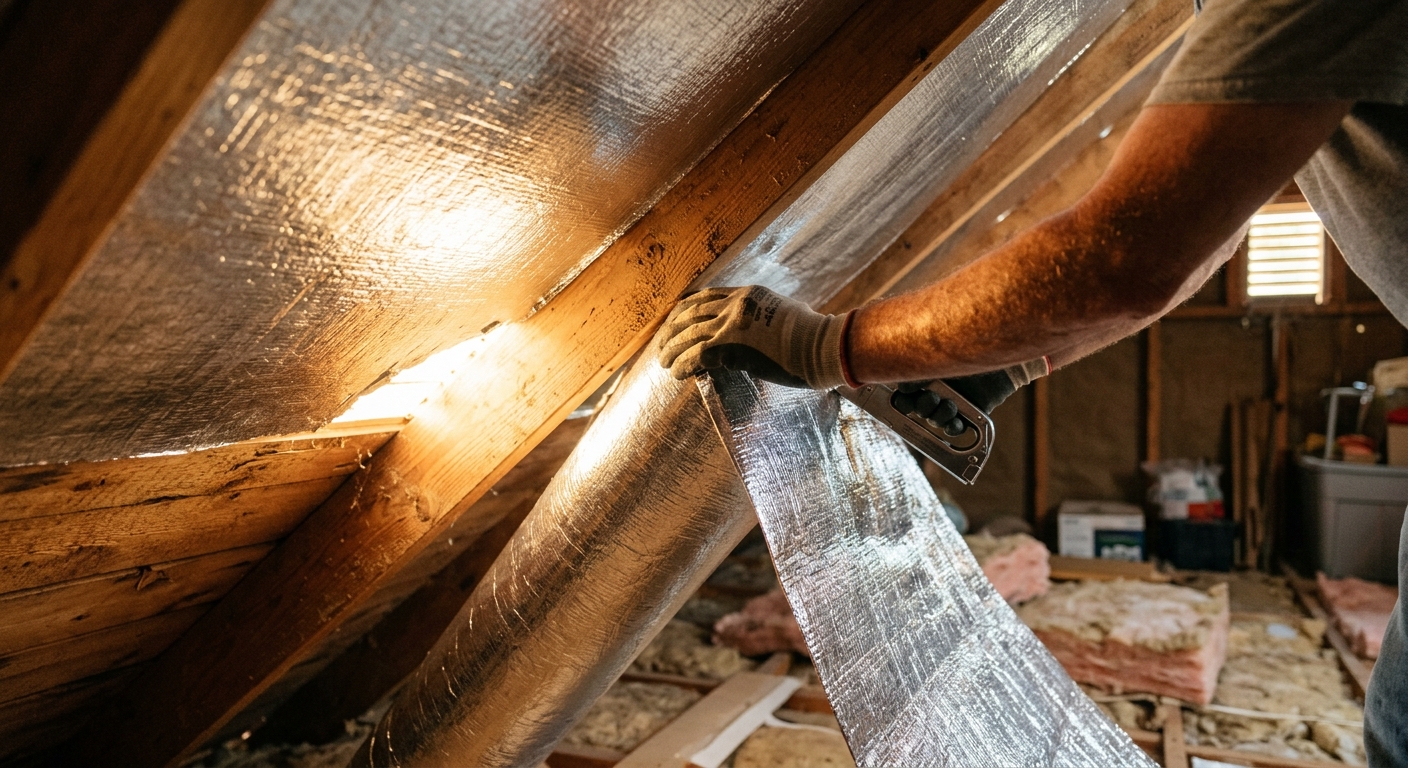
In hot climates, attic temperatures can soar past 150°F and push massive heat loads into your living space, forcing your AC to work overtime. A radiant barrier installed in your attic can reflect up to 97% of that radiant heat, cutting cooling costs by 5 to 15% with a payback period as short as 2 to 3 years.
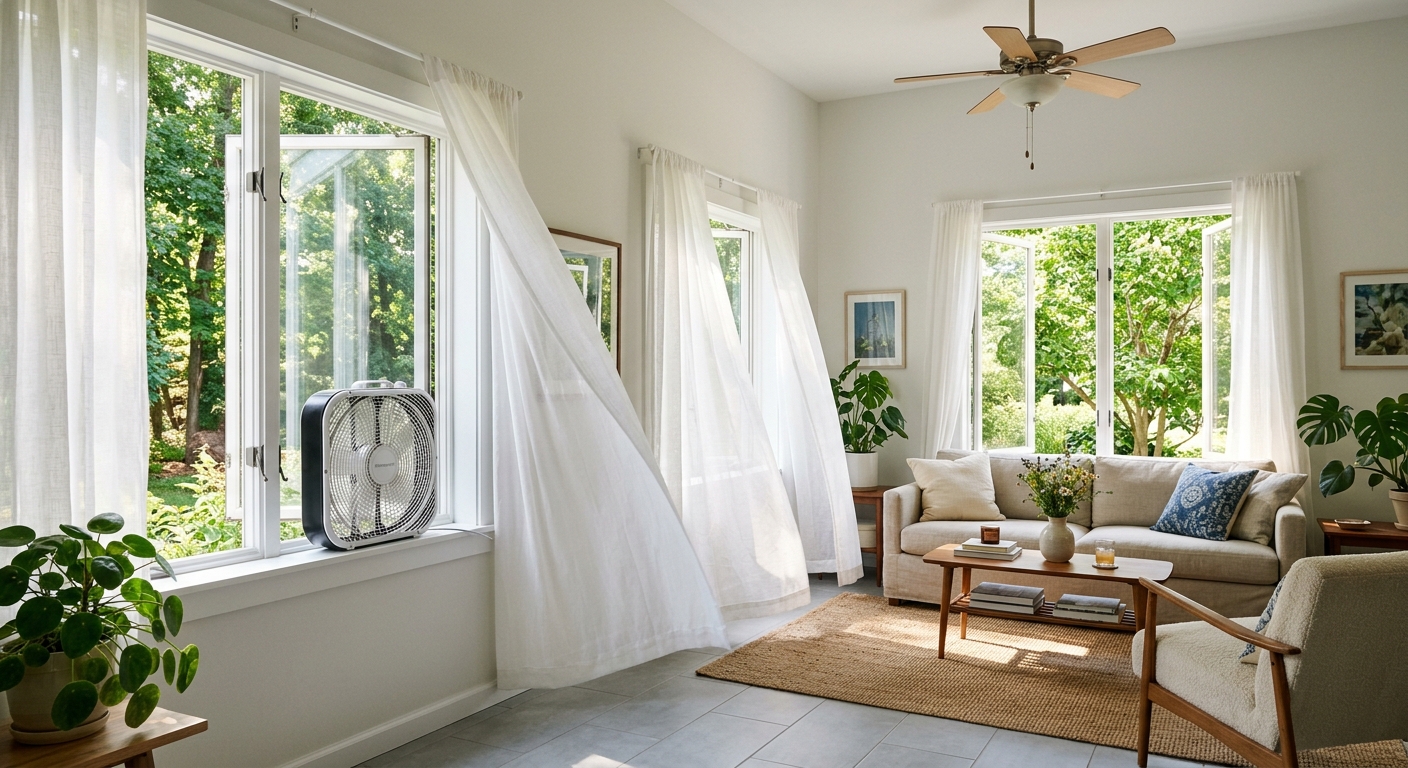
Most homeowners fight summer heat with their AC running constantly, never realizing their windows could be doing the heavy lifting for free. By understanding how air moves through your home and timing your window use strategically, you can cut cooling costs by 10 to 30% without touching your thermostat.
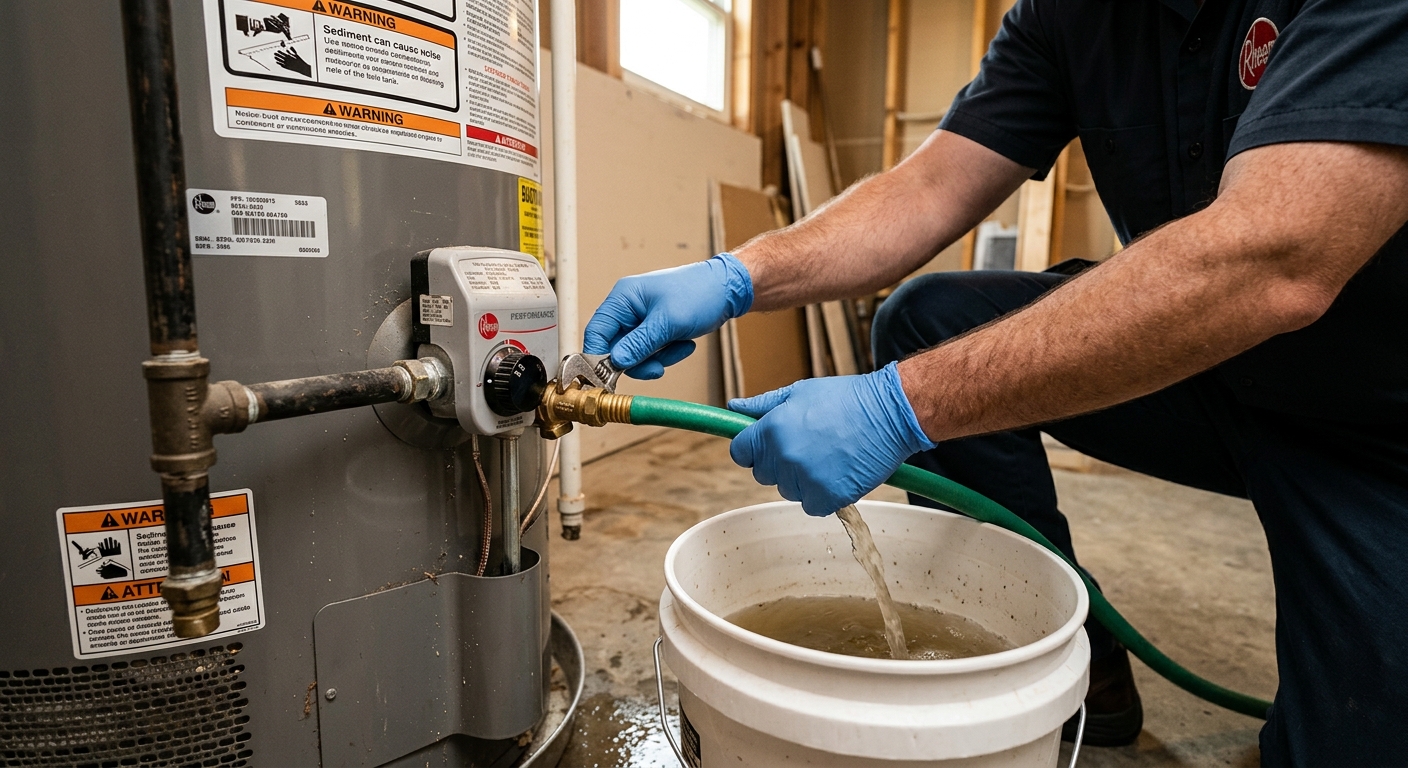
That unsettling popping or rumbling sound from your water heater is almost always caused by sediment buildup on the tank floor, forcing water to bubble through a crusty mineral layer. Flushing the tank takes less than 30 minutes, can restore efficiency by up to 10 to 15%, and extends the life of a water heater that costs $800 to $1,500 to replace.
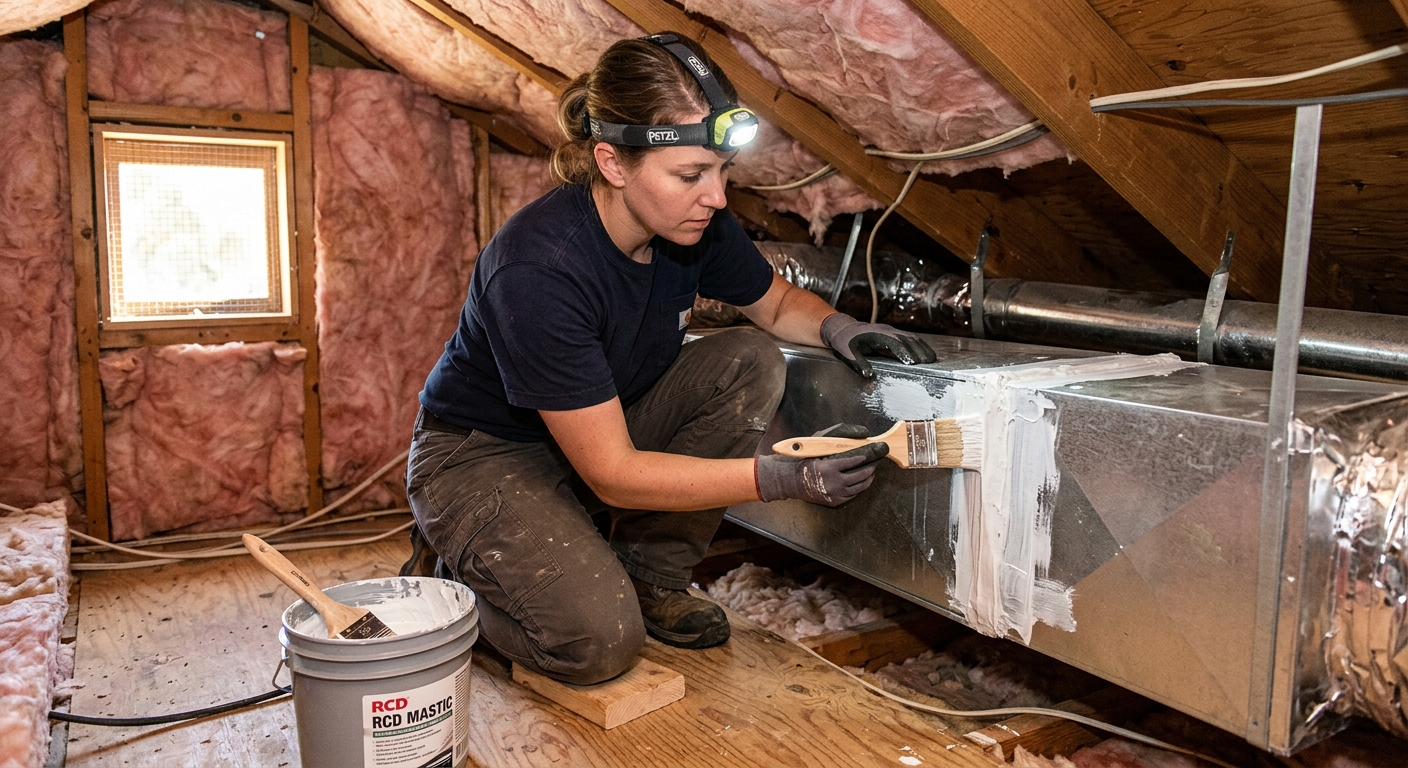
Most homeowners blame their HVAC system when energy bills spike, but the real culprit is often hiding in the attic or crawlspace: leaky ductwork. Sealing duct leaks can recover 20 to 30% of your heating and cooling energy, often for less than $100 in materials.
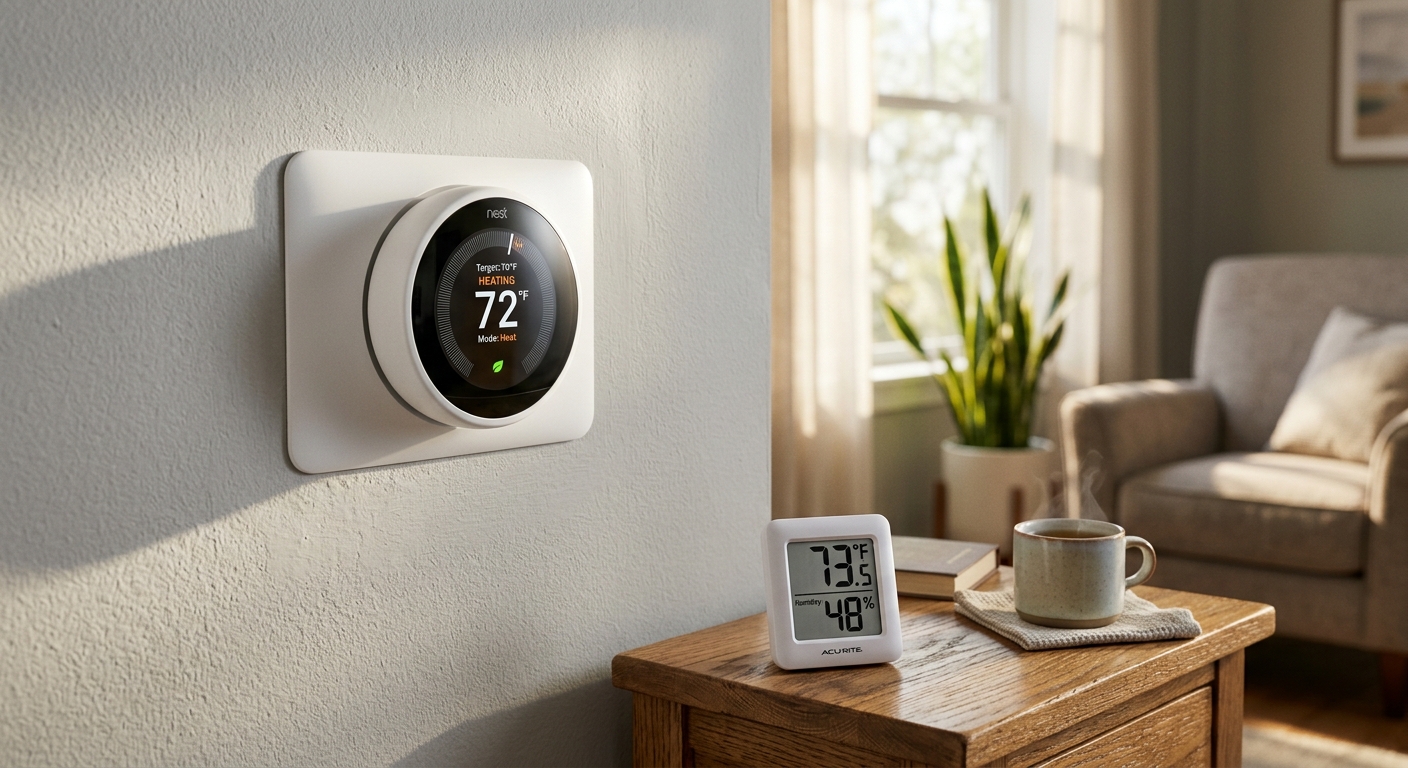
A thermostat placed near a drafty window, sunny wall, or kitchen can lie to your HVAC system and leave half your home too hot or too cold. Learning to diagnose these placement errors is the fastest way to restore even comfort and stop your system from short-cycling or running nonstop.
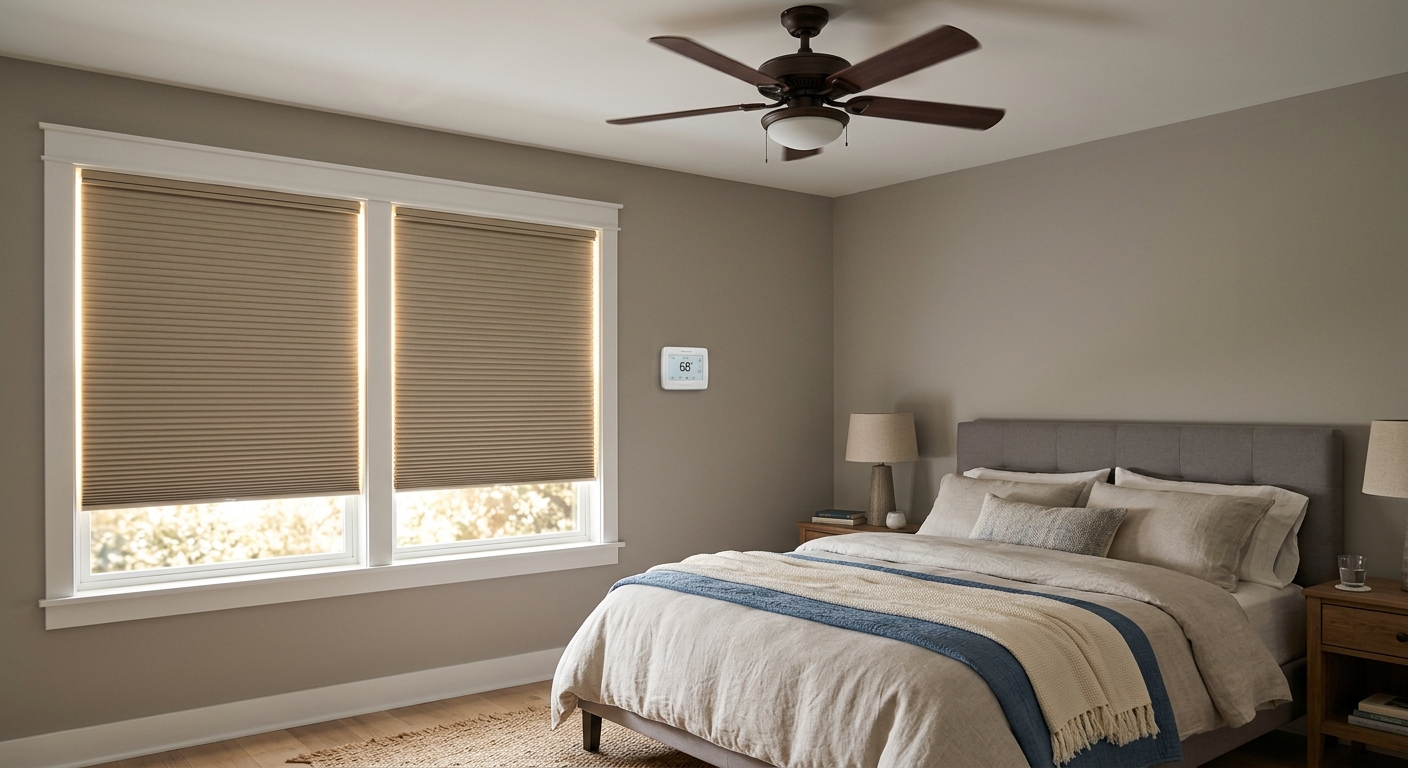
Sleeping during the day means your AC fights peak heat and peak electricity rates at the same time. The right combination of scheduling, shading, and airflow strategies can cut your cooling costs by 20 to 35% while keeping your bedroom genuinely comfortable for daytime sleep.
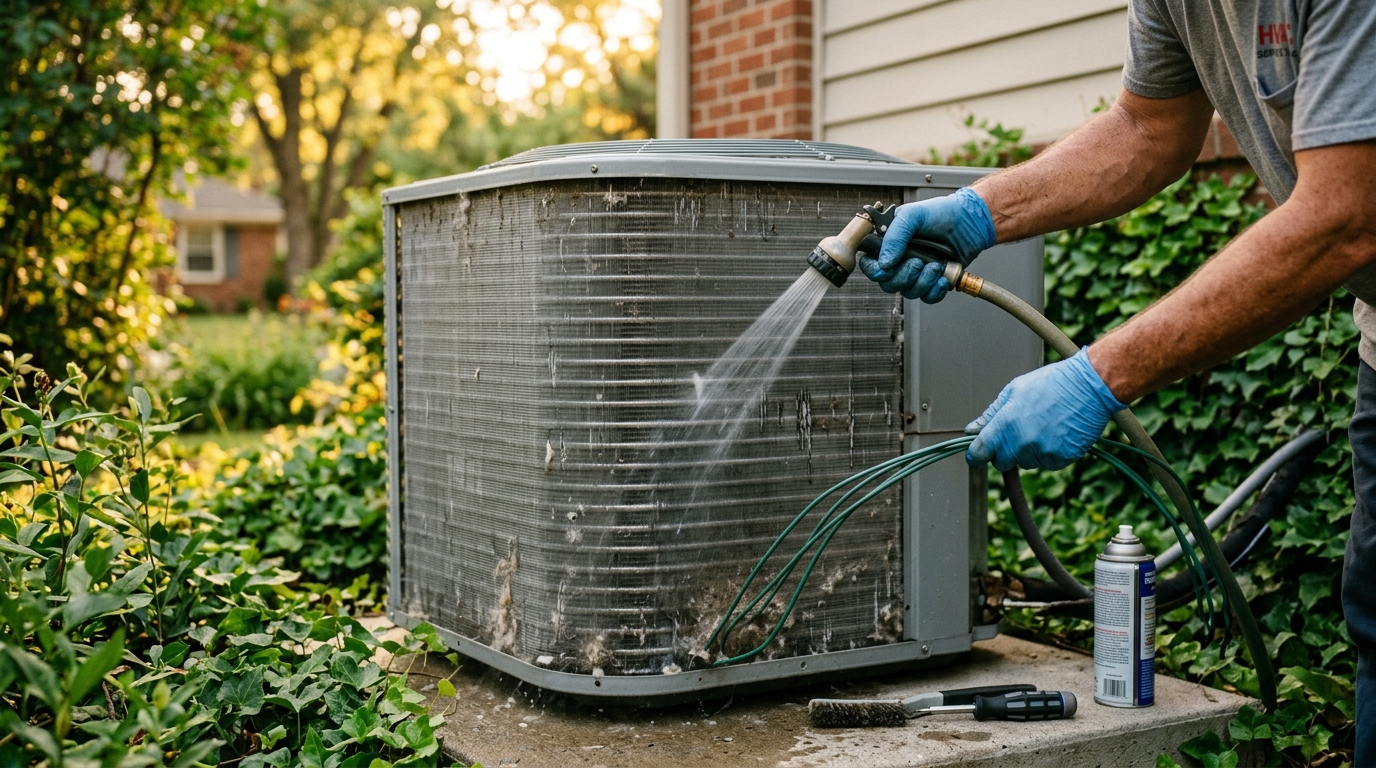
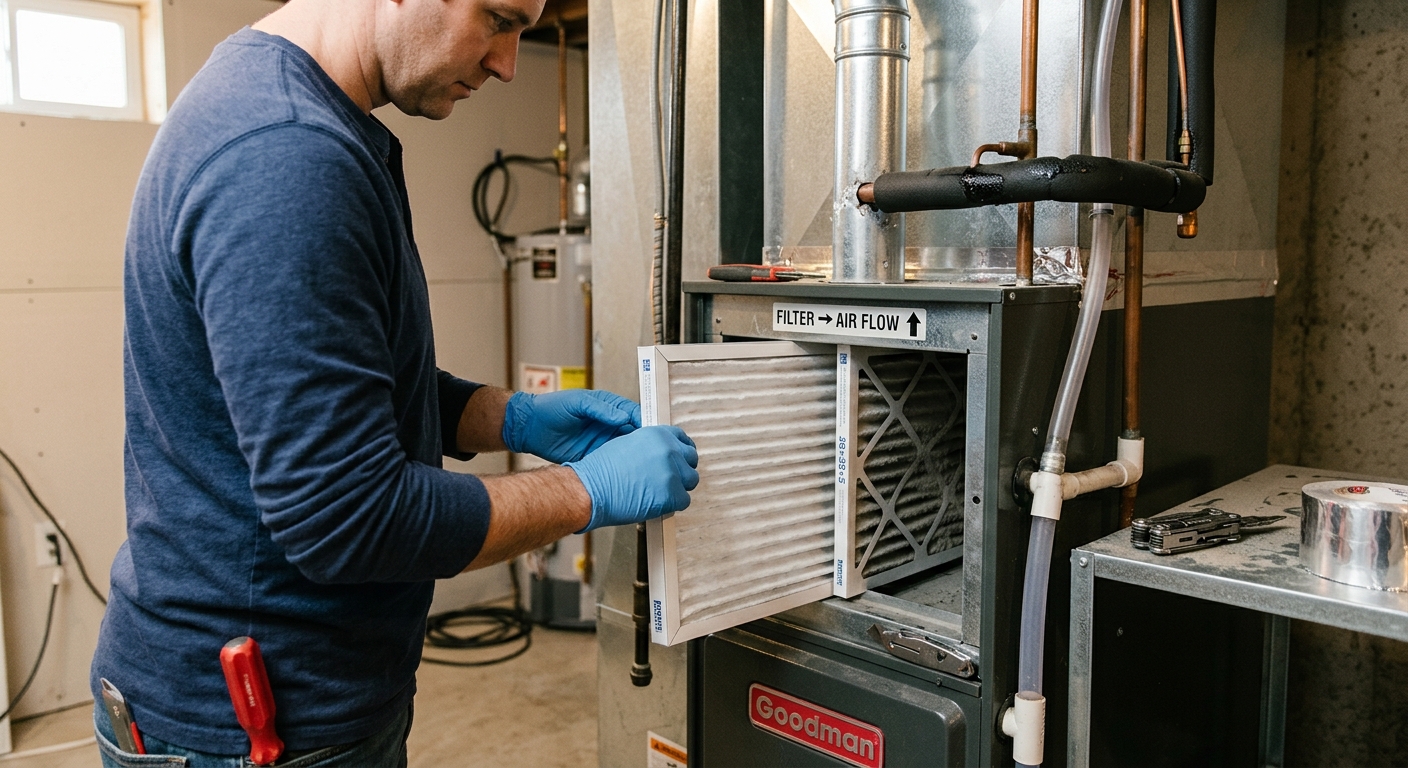
Most homeowners turn on their AC for the first time in June and hope for the best, but a quick pre-season check can prevent breakdowns, cut cooling bills by up to 25%, and extend the life of a system that costs $5,000 to $12,000 to replace. This guide walks you through a simple inspection any homeowner can complete in about 10 minutes, plus optional deeper checks for those who want to go further.
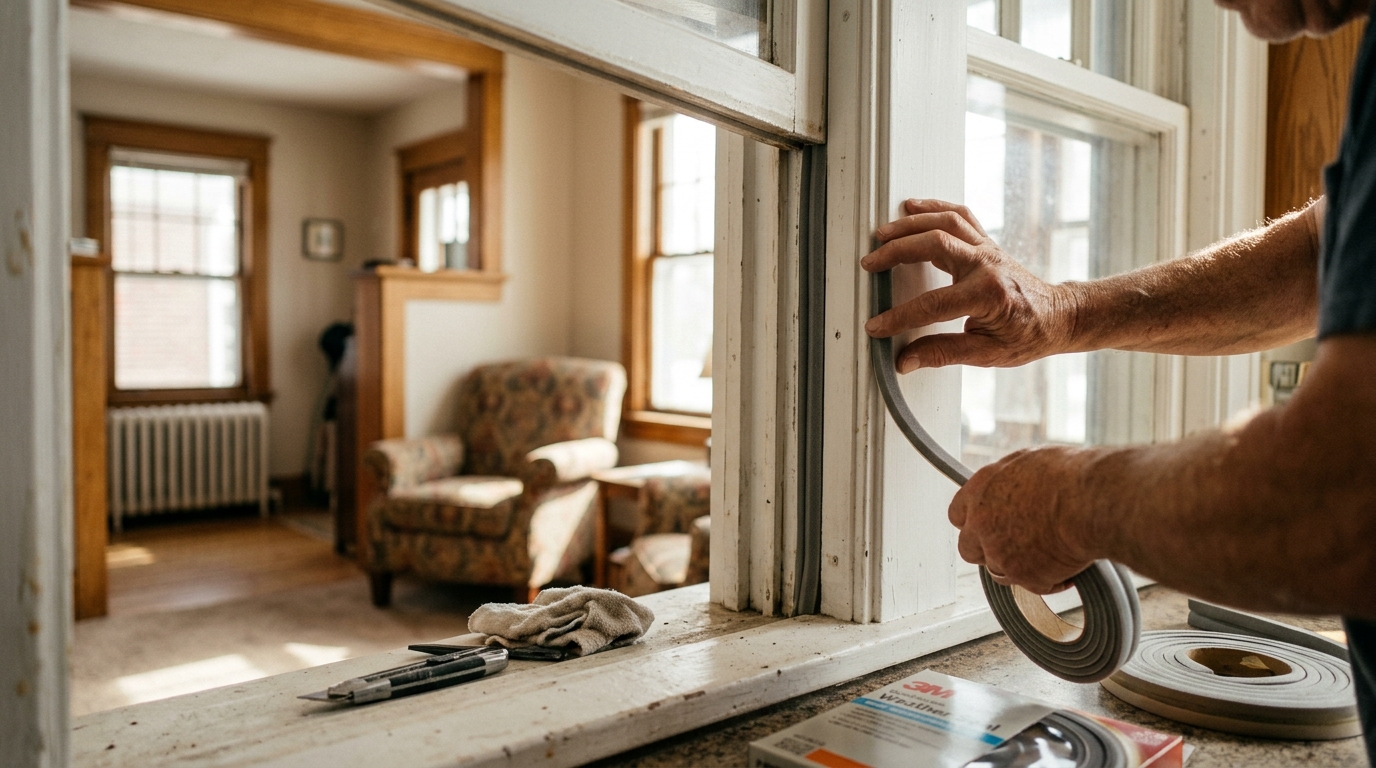
Older homes often feel drafty in winter and stuffy in summer, even when the furnace or AC runs constantly. With targeted air sealing, insulation upgrades, and smart system tweaks, you can dramatically improve comfort and cut energy bills without a full HVAC replacement.
Most homeowners overpay for electricity simply because they run appliances at the wrong time of day. Switching to a time-of-use rate plan and shifting just a few daily habits can cut your electric bill by 15 to 25% with almost no lifestyle sacrifice.