When you seal your home against the cold, you also trap cooking odors, moisture, pet dander, and VOCs with nowhere to go. Strategic ventilation can flush out stale air, improve indoor air quality, and keep your heating bills from spiking at the same time.
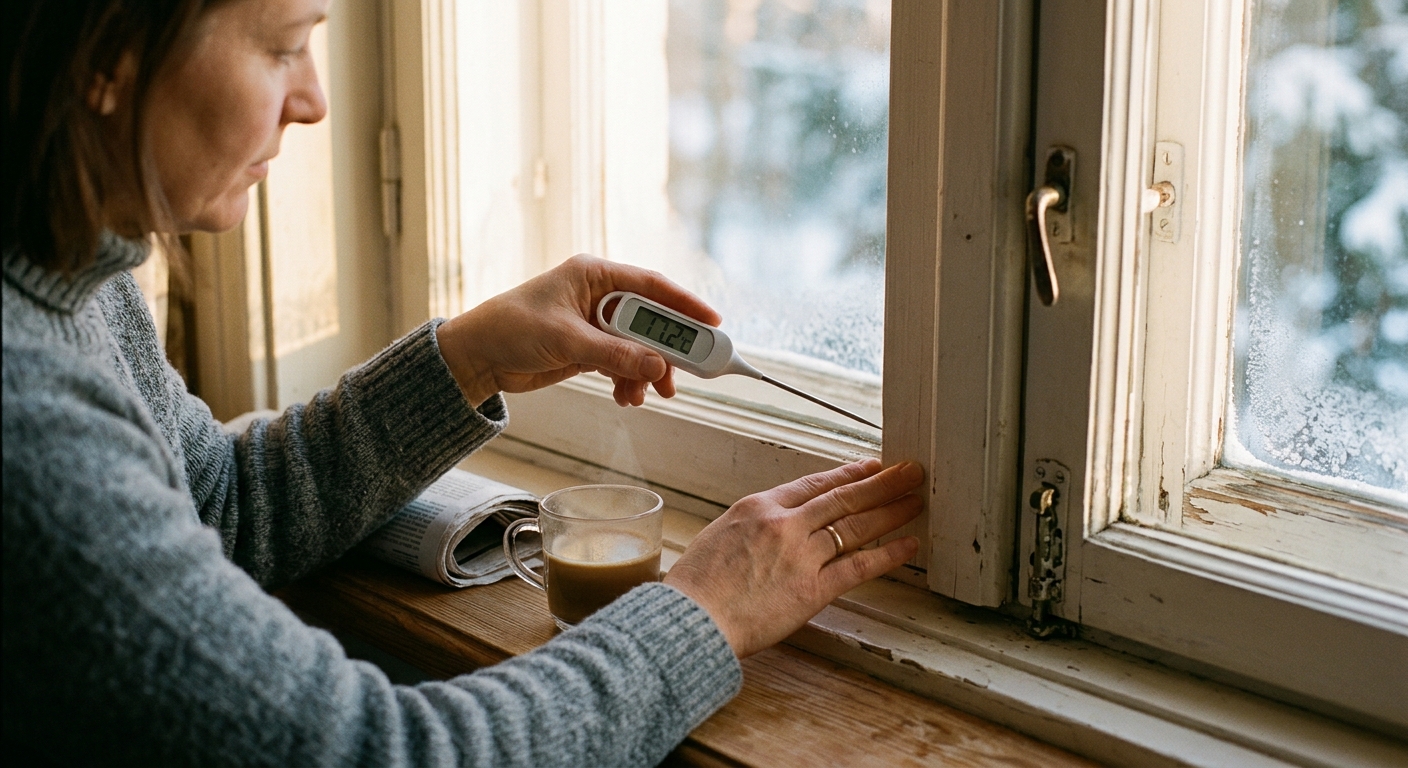
If your furnace is running hard every morning just to catch up, your home is silently bleeding heat while you sleep. This simple morning diagnostic routine pinpoints exactly where that heat is escaping so you can stop wasting money on warmth that never stays.
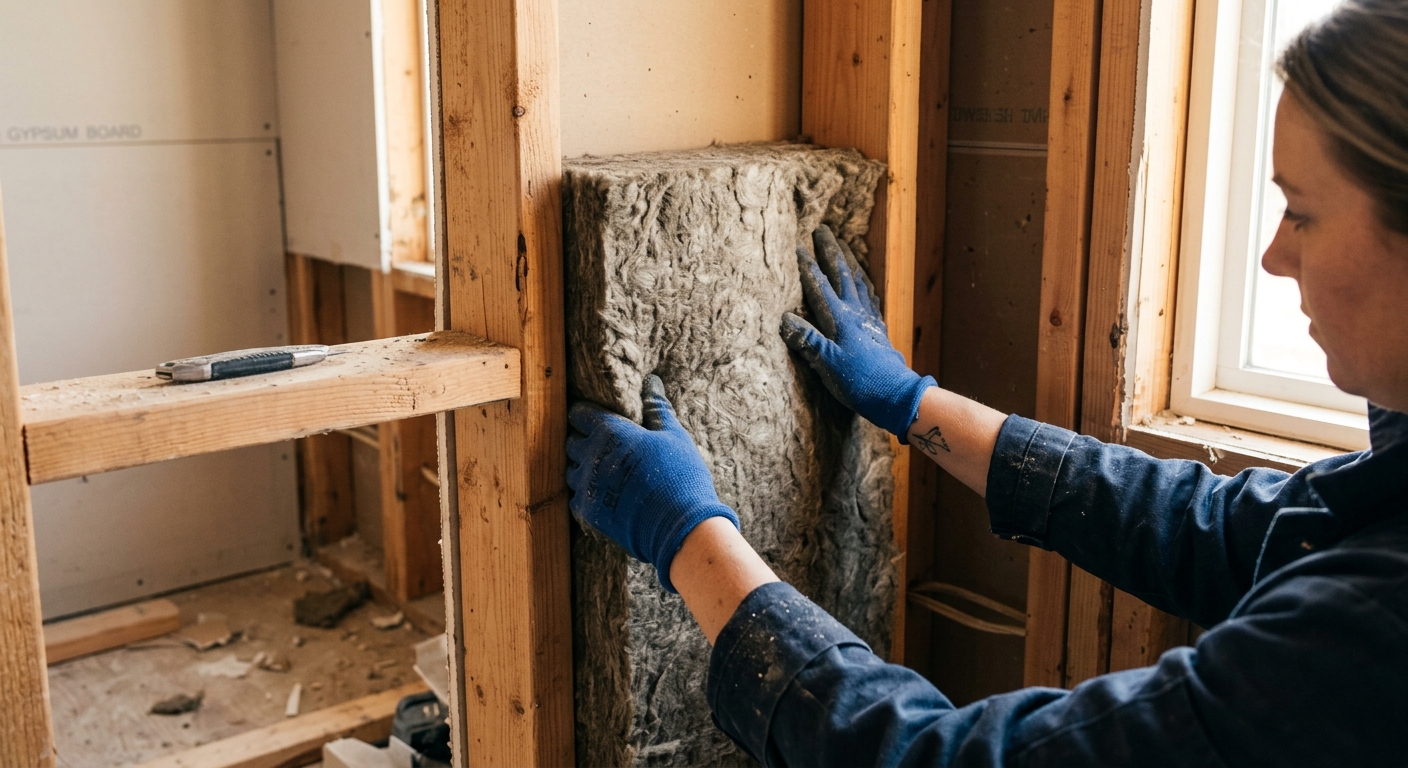
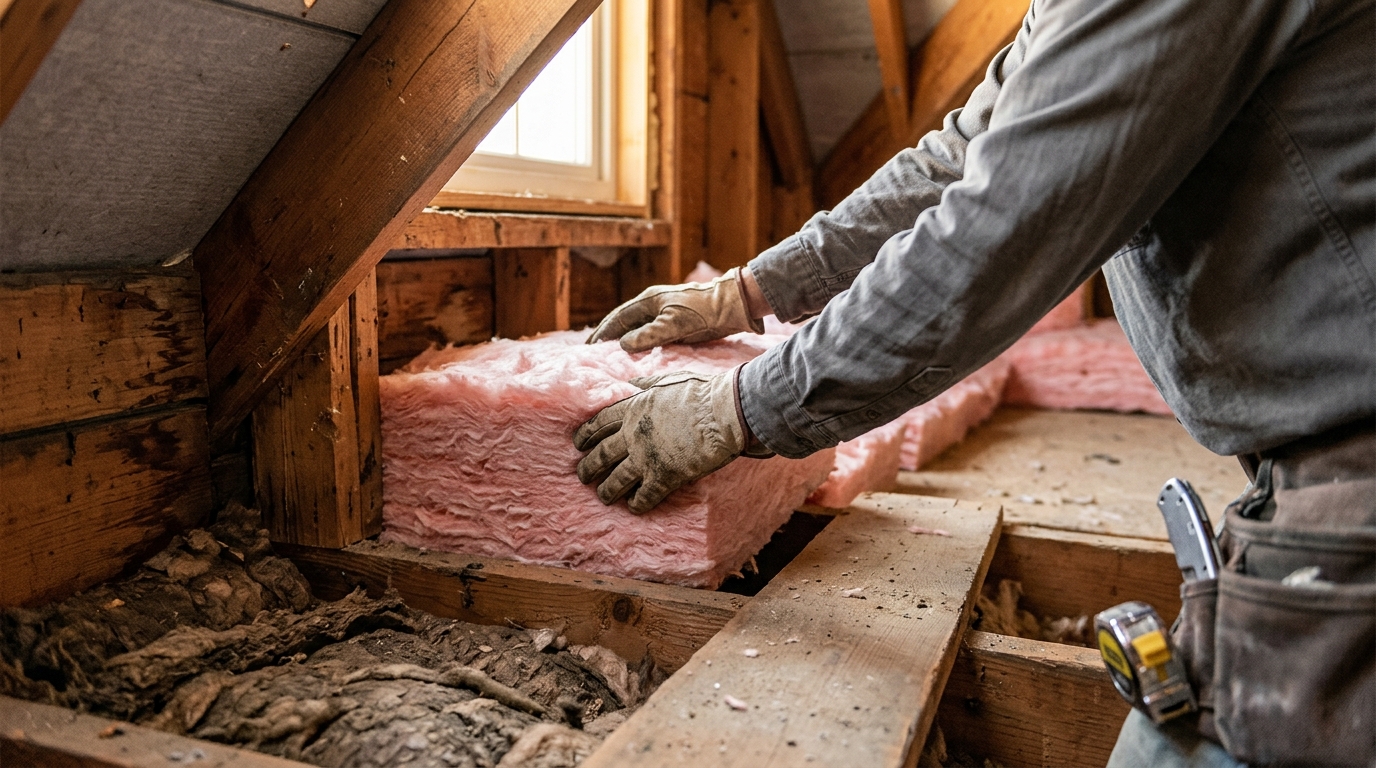
Not all insulation is created equal, and choosing the wrong type can mean replacing it in 10 to 15 years instead of never. This guide breaks down the lifespan, performance, and hidden pitfalls of every major insulation material so you can invest once and insulate right.
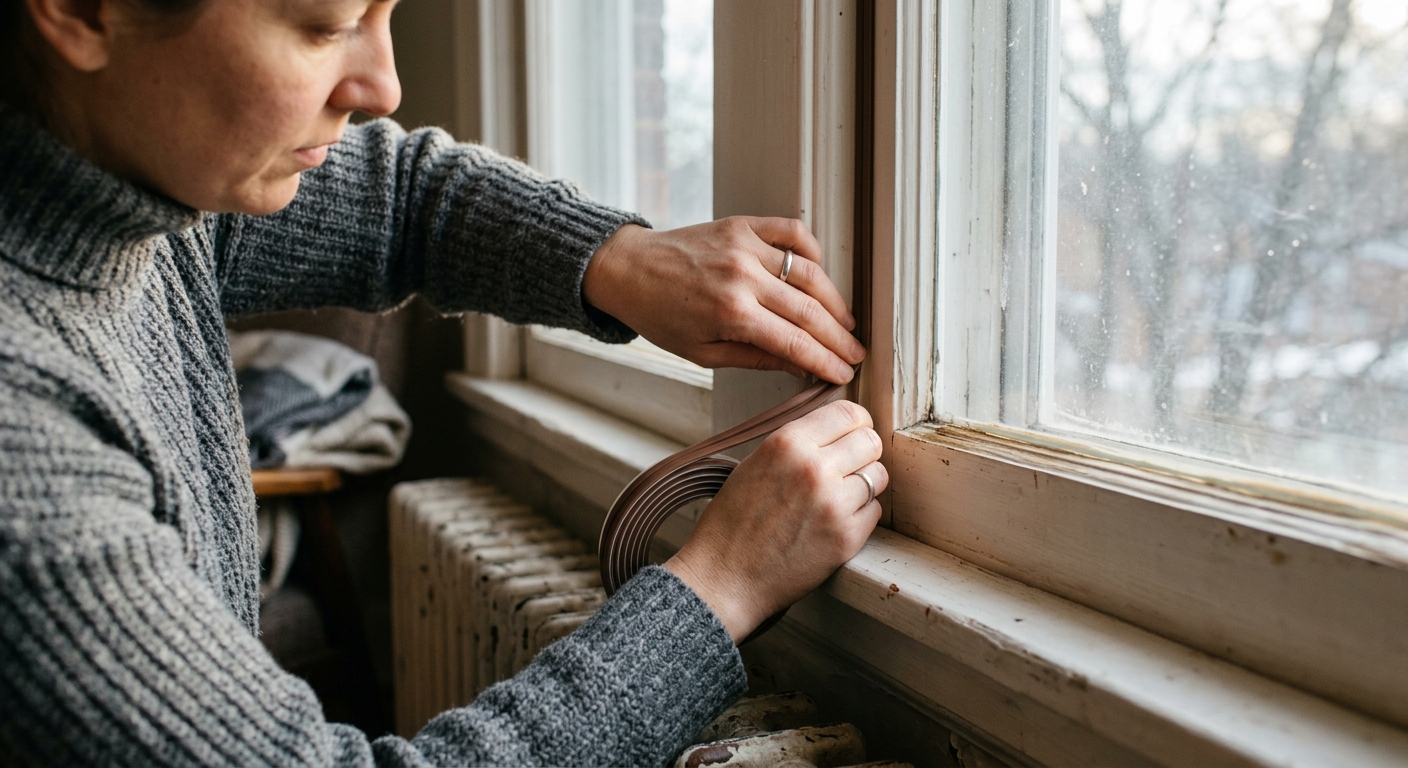
Many homeowners are baffled when their January heating bill jumps 30 to 50% despite not touching the thermostat. The real culprit is a combination of radiant heat loss, infiltration, and your furnace working harder against extreme cold, and there are practical fixes that can bring those bills back down.
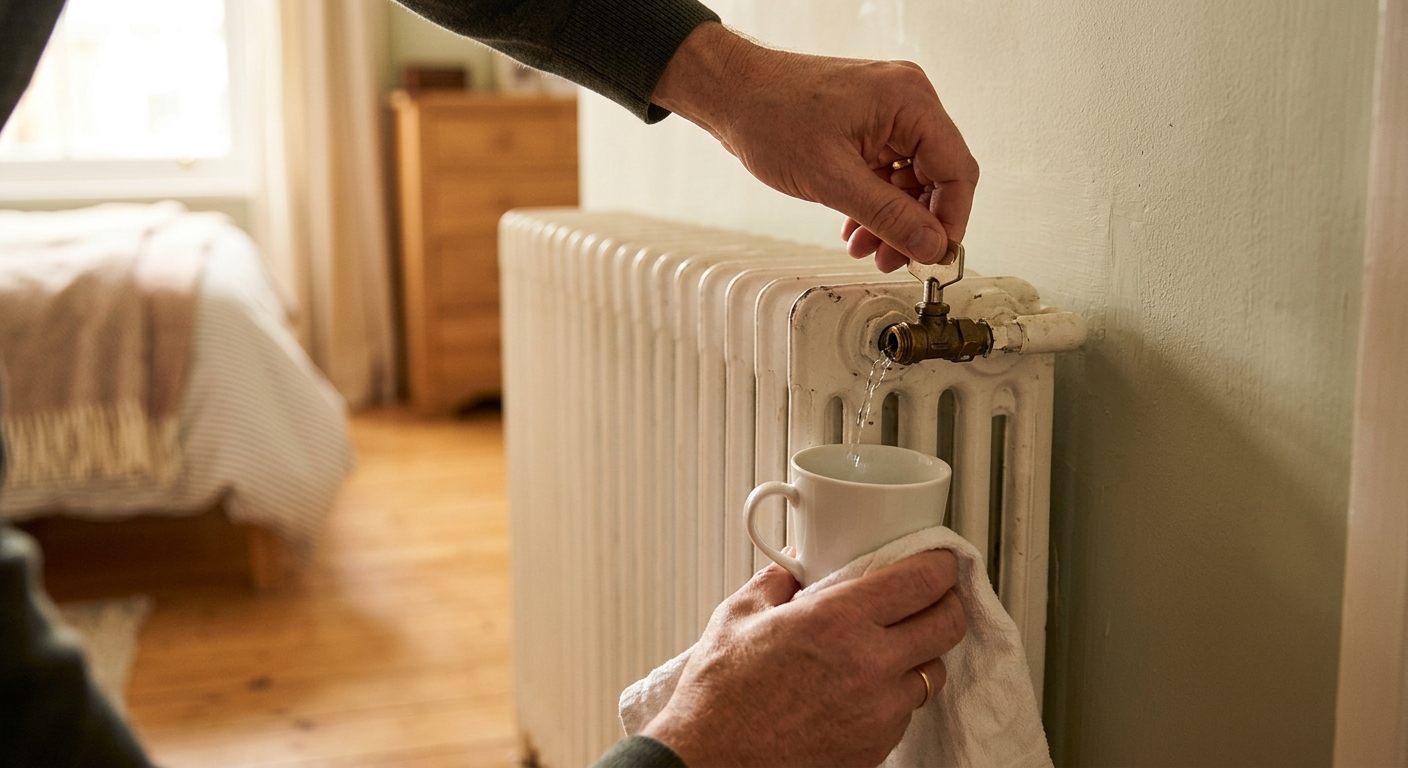
Uneven heat from a radiator system is one of the most common comfort complaints in older homes, and the cause is almost never the boiler itself. Understanding how hot water or steam moves through your system reveals simple fixes that can balance your home’s heat without replacing anything.
Most American homes are significantly under-insulated, quietly adding hundreds of dollars to heating and cooling bills every year. Targeting the right spots with the right materials can deliver 15 to 30% savings on energy costs with payback periods well under three years.
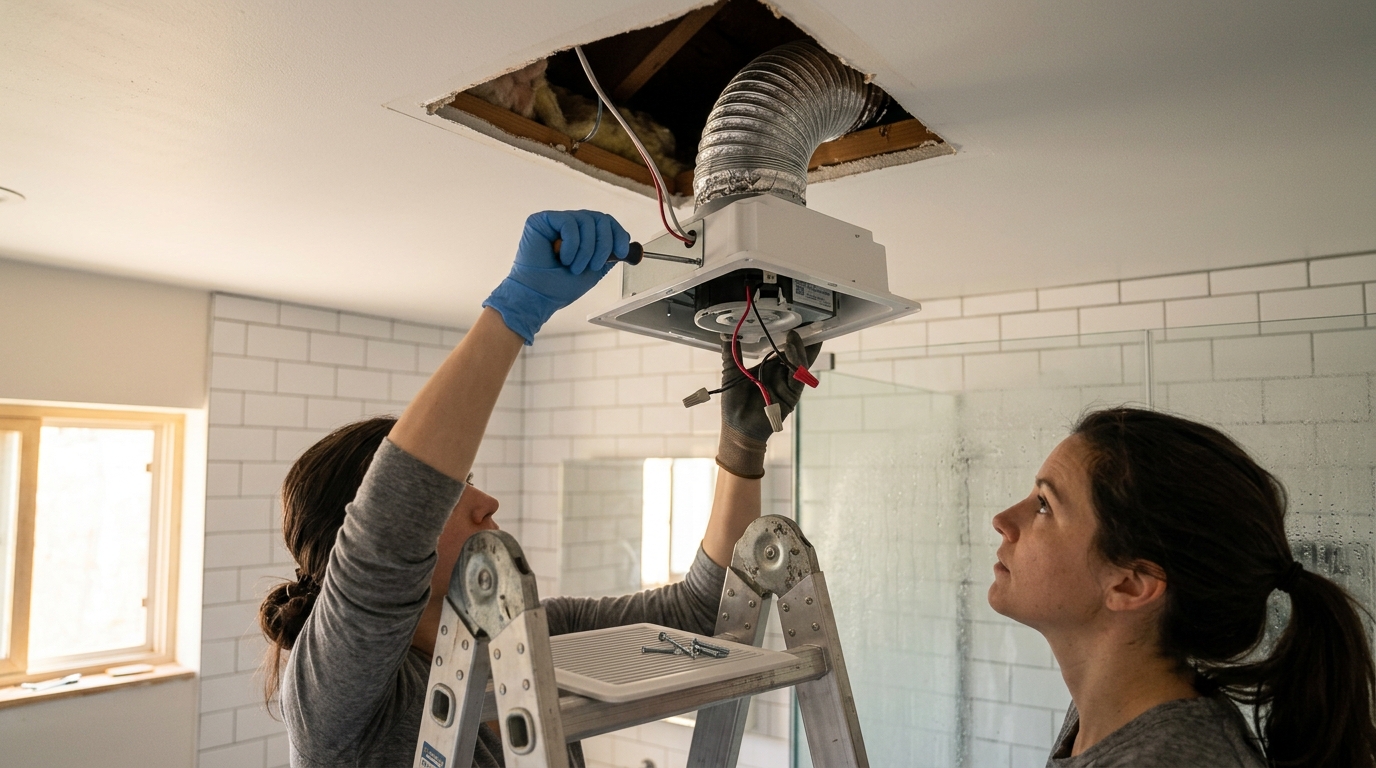
Poor bathroom ventilation lets moisture linger, creating the perfect conditions for mold, rot, and costly repairs. The right exhaust fan setup and habits can eliminate the problem entirely, often for under $150.
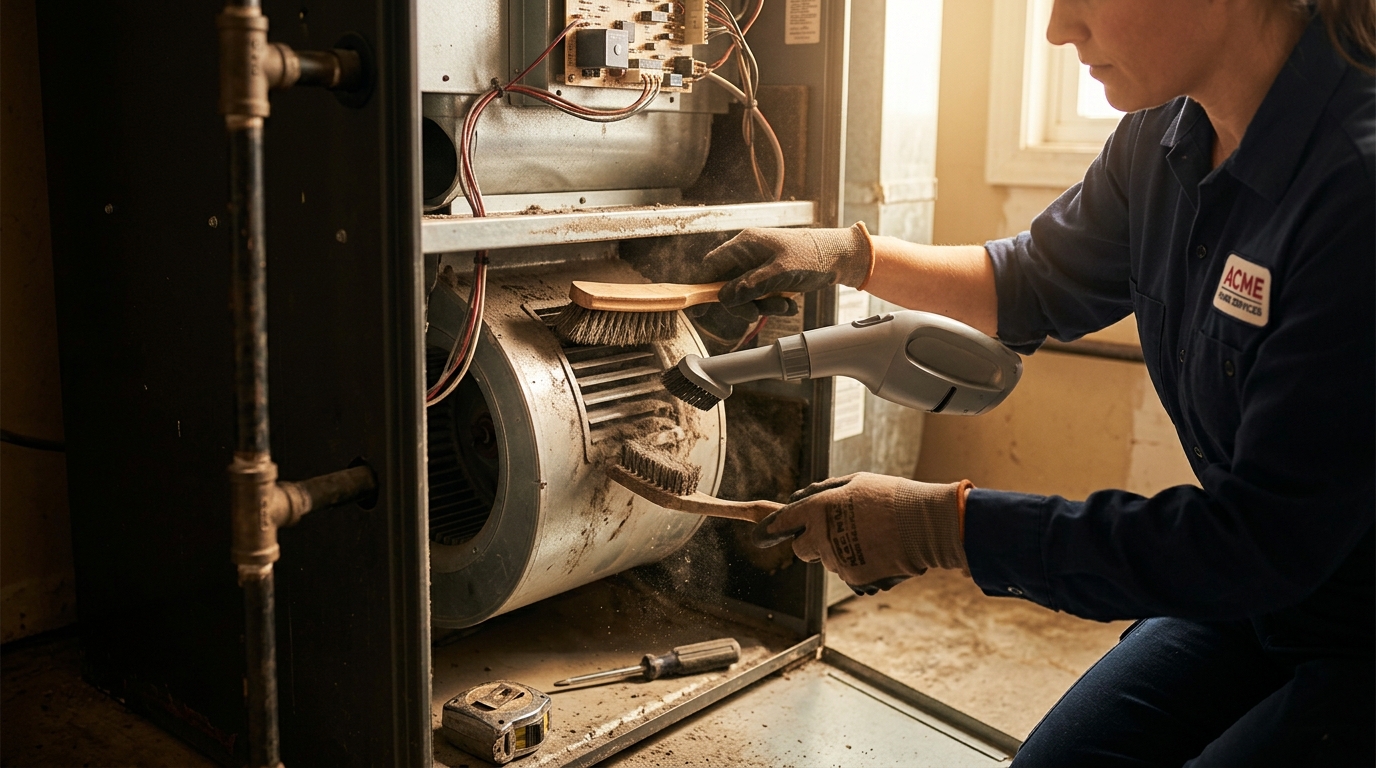
Skipping routine HVAC maintenance is one of the costliest mistakes homeowners make, with neglected systems failing earlier and running 25% less efficiently. A simple annual checklist can prevent the most common breakdowns and keep your energy bills from quietly climbing.
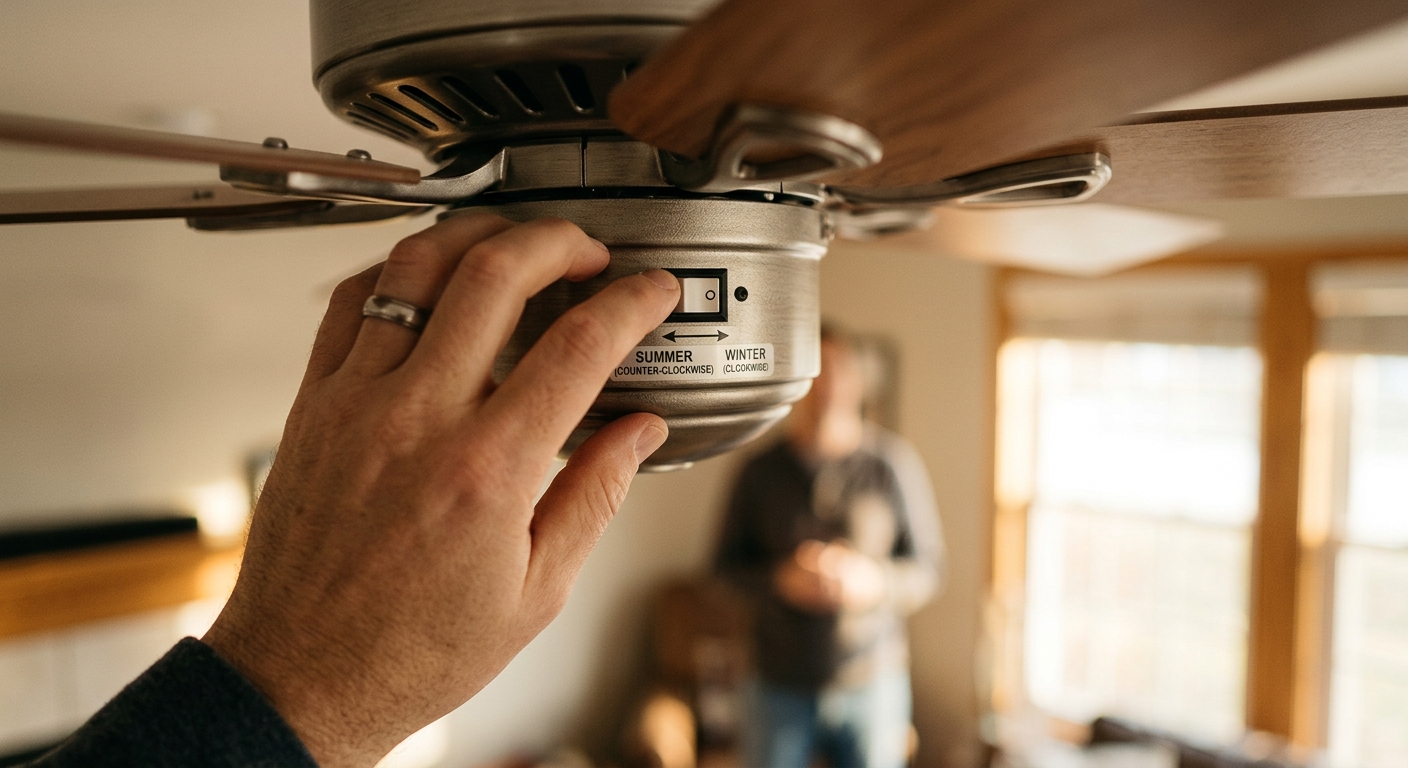
Most homeowners run their ceiling fans the wrong direction half the year, paying to heat or cool rooms less efficiently than they could. Switching fan direction seasonally and pairing fans with smart thermostat setbacks can trim 5 to 15% off annual HVAC bills with zero equipment purchases.
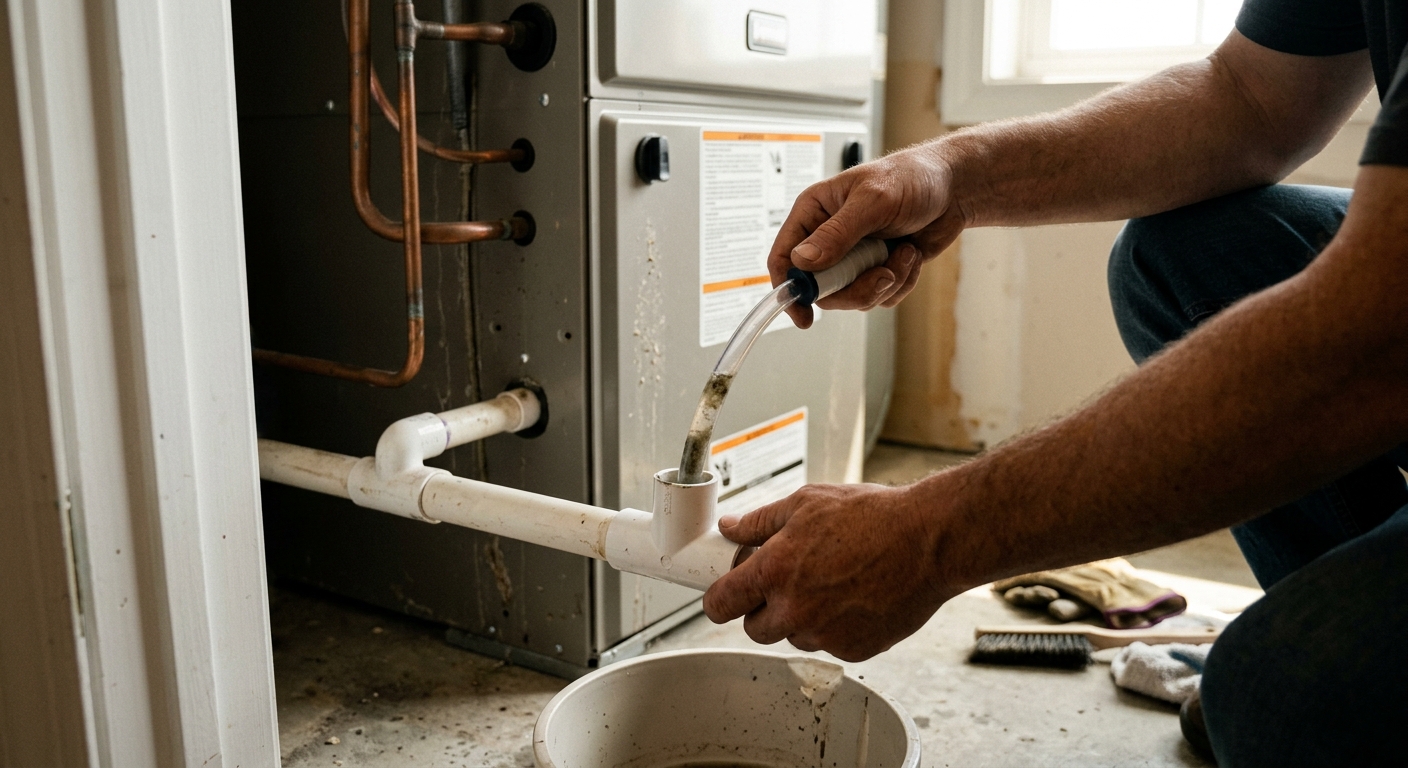
A clogged AC condensate drain line is one of the most common causes of water damage in homes, yet most homeowners never touch it. Spending 30 minutes and less than $20 once or twice a year can prevent ceiling collapses, mold remediation bills, and HVAC shutdowns that routinely cost $500 to $2,000 to fix.