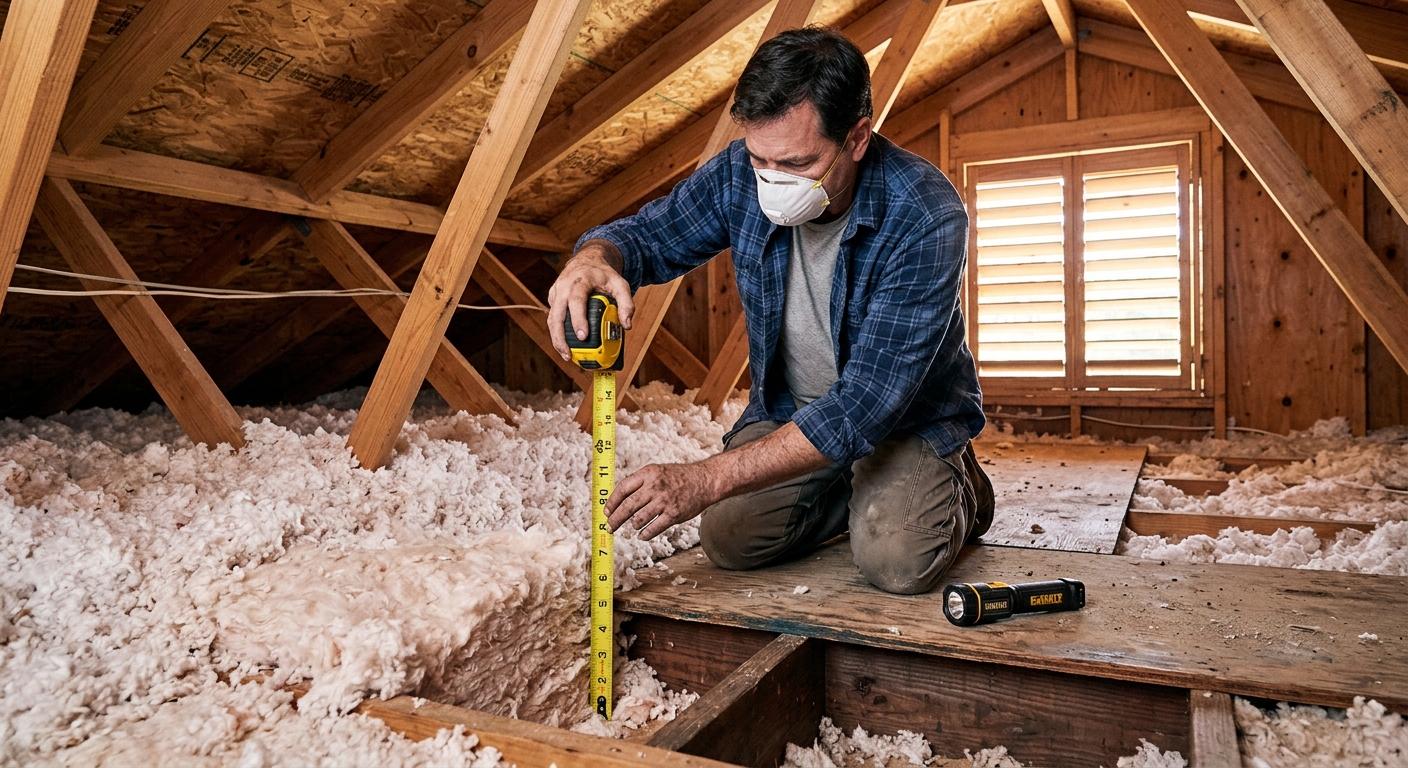
Most homeowners have no idea whether their attic insulation is doing its job – and a thin or damaged layer could be costing them hundreds of dollars every heating season. A simple 15-minute inspection tells you exactly what you have, what you need, and how to fix it before the cold arrives.
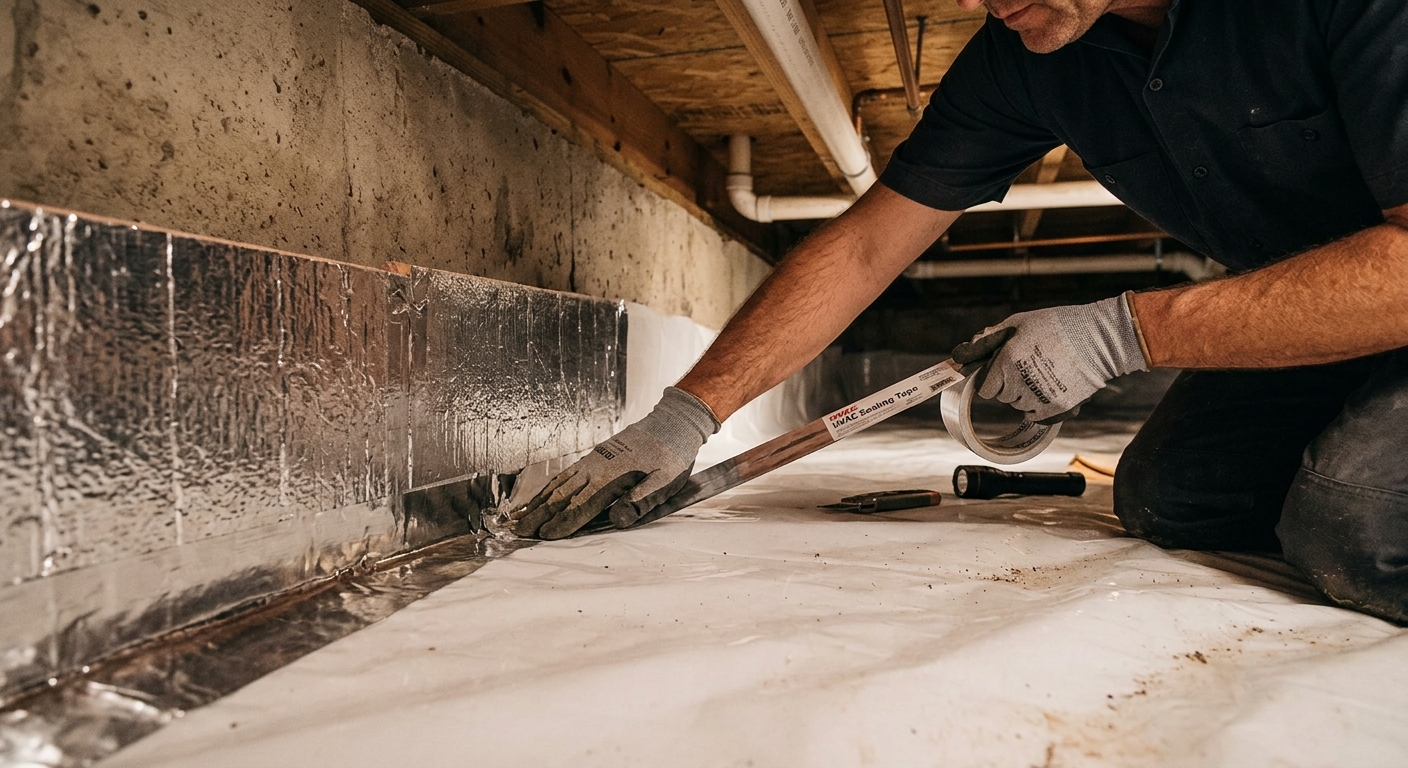
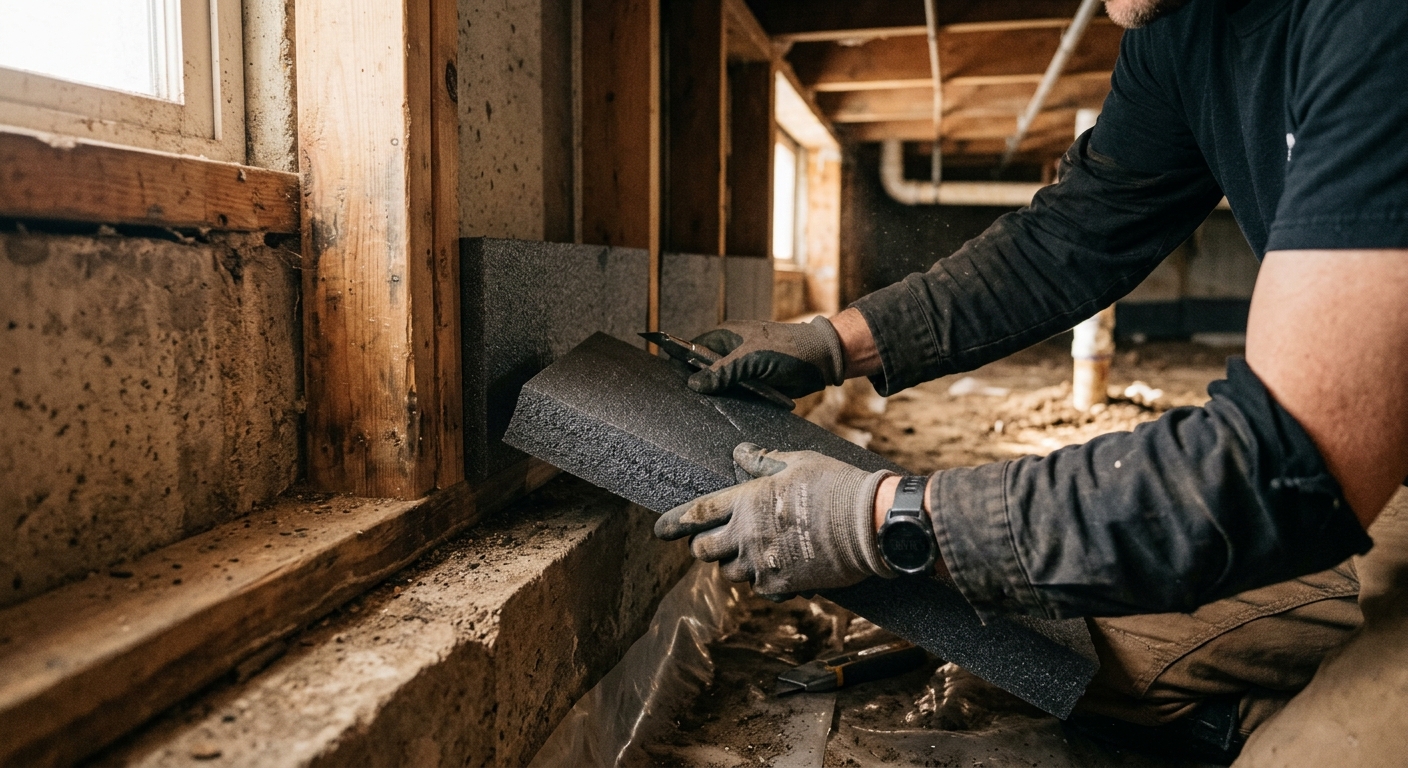
An unsealed, uninsulated crawl space acts like a giant energy drain beneath your feet, pulling conditioned air out and letting cold, damp air in year-round. Sealing and insulating your crawl space is one of the highest-return upgrades a homeowner can make, often paying for itself in under three years.
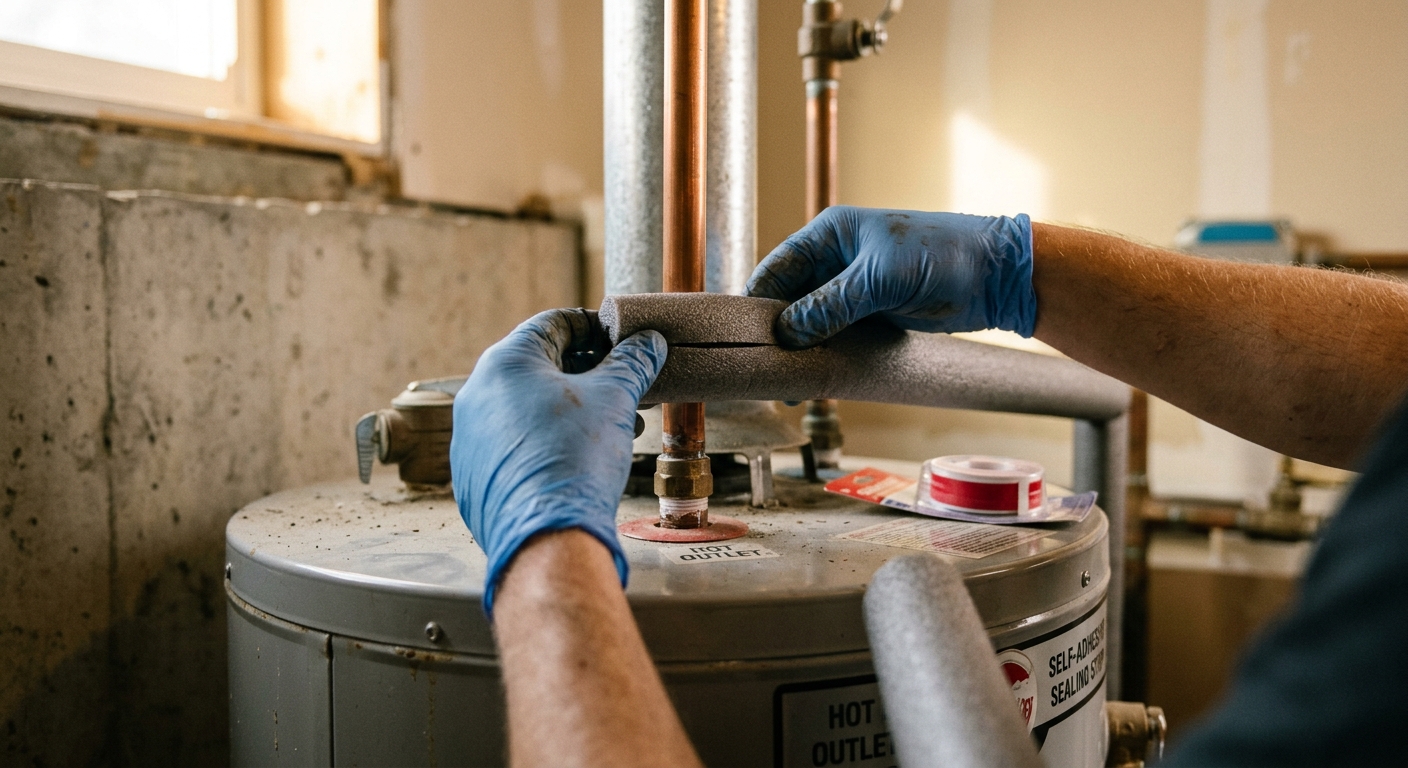
Your water heater loses heat through its tank walls every hour of every day, even when you’re not using hot water. A $15 insulating blanket and a few small adjustments can cut standby heat loss by up to 45% and pay for themselves in under two months.
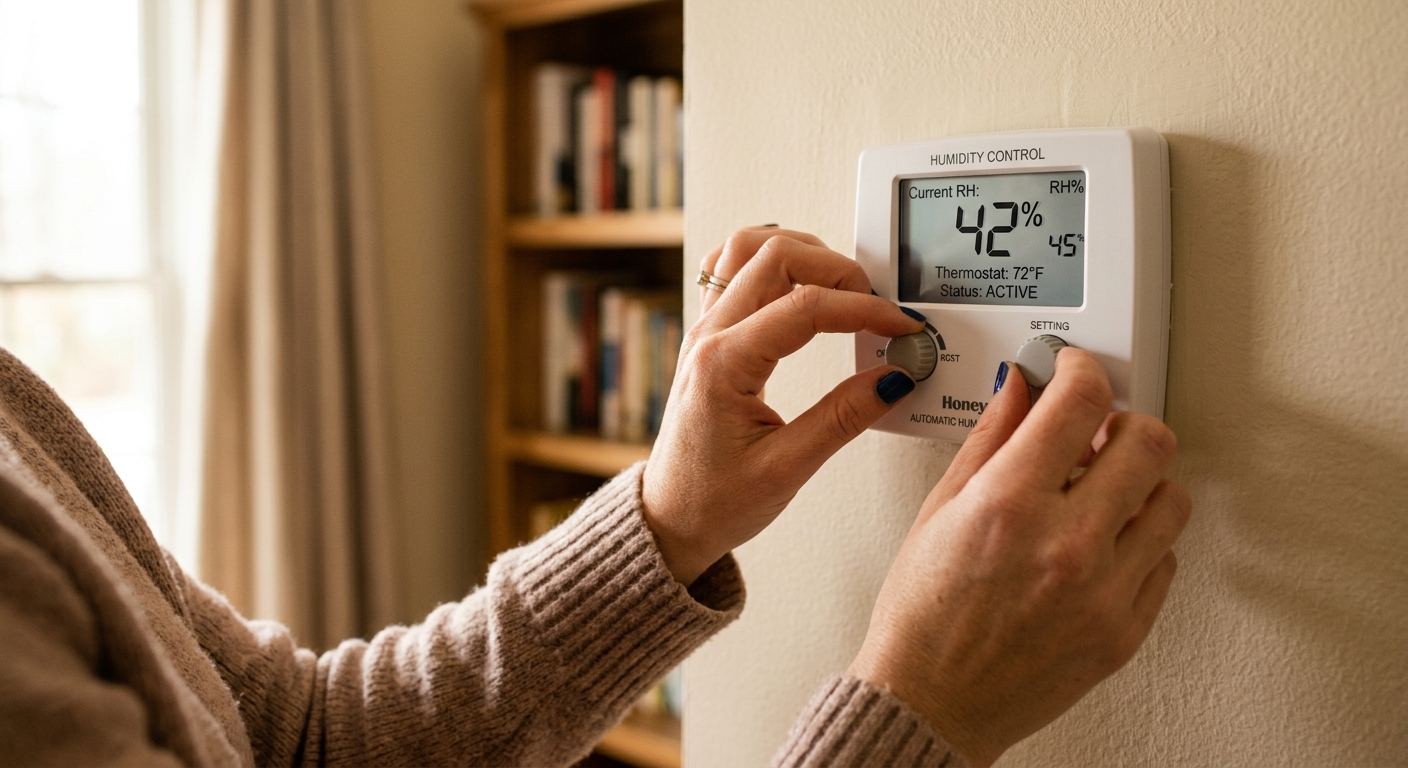
Most homeowners obsess over thermostat numbers while ignoring the humidity level that actually determines how comfortable they feel. Keeping indoor relative humidity between 40 and 50 percent can make a 75°F home feel as comfortable as a 70°F home, letting you raise your thermostat setpoint and cut cooling bills by up to 15 percent.
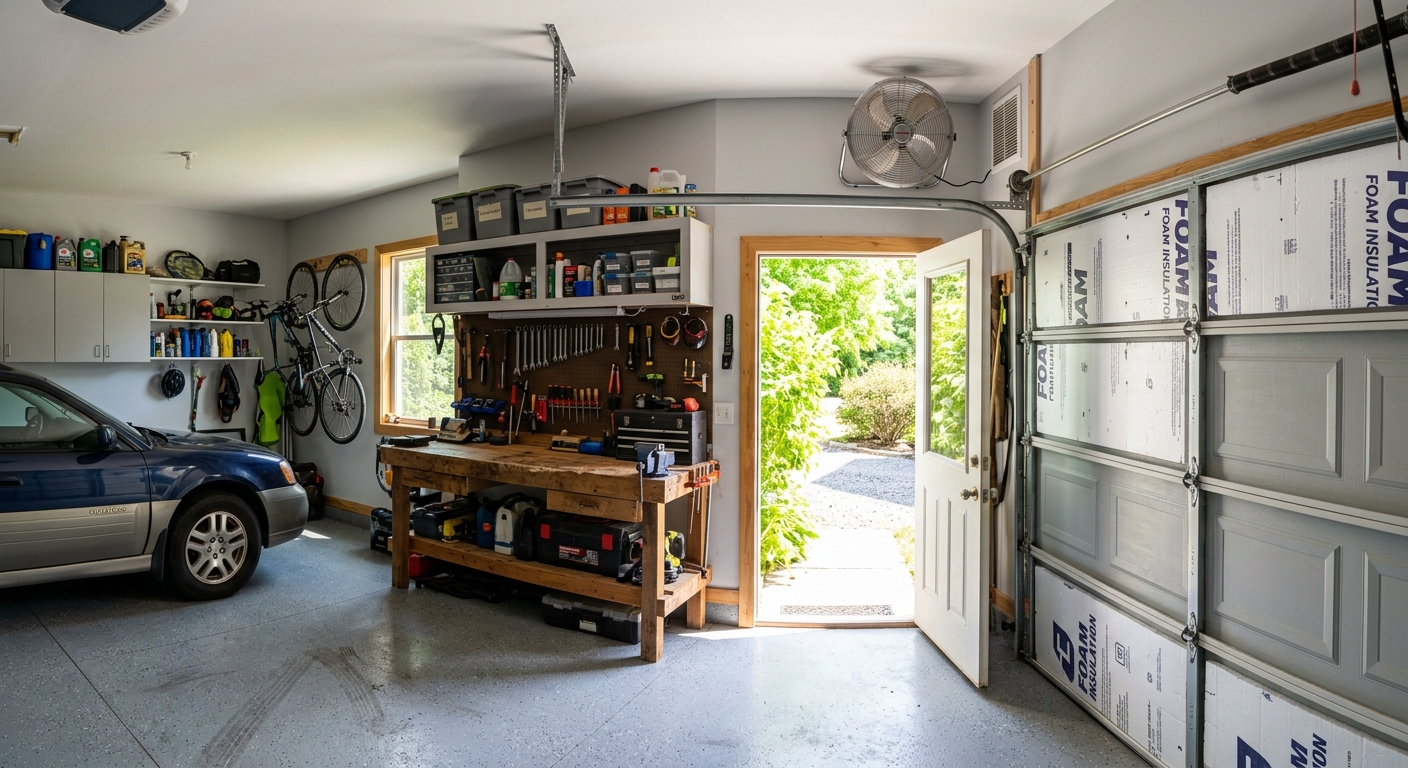
An uncooled garage can reach 130°F on a summer day, turning your workspace into an oven and radiating heat into your living space. With the right combination of ventilation, insulation, and smart cooling choices, you can drop garage temps by 20 to 40°F without a spike in your electric bill.
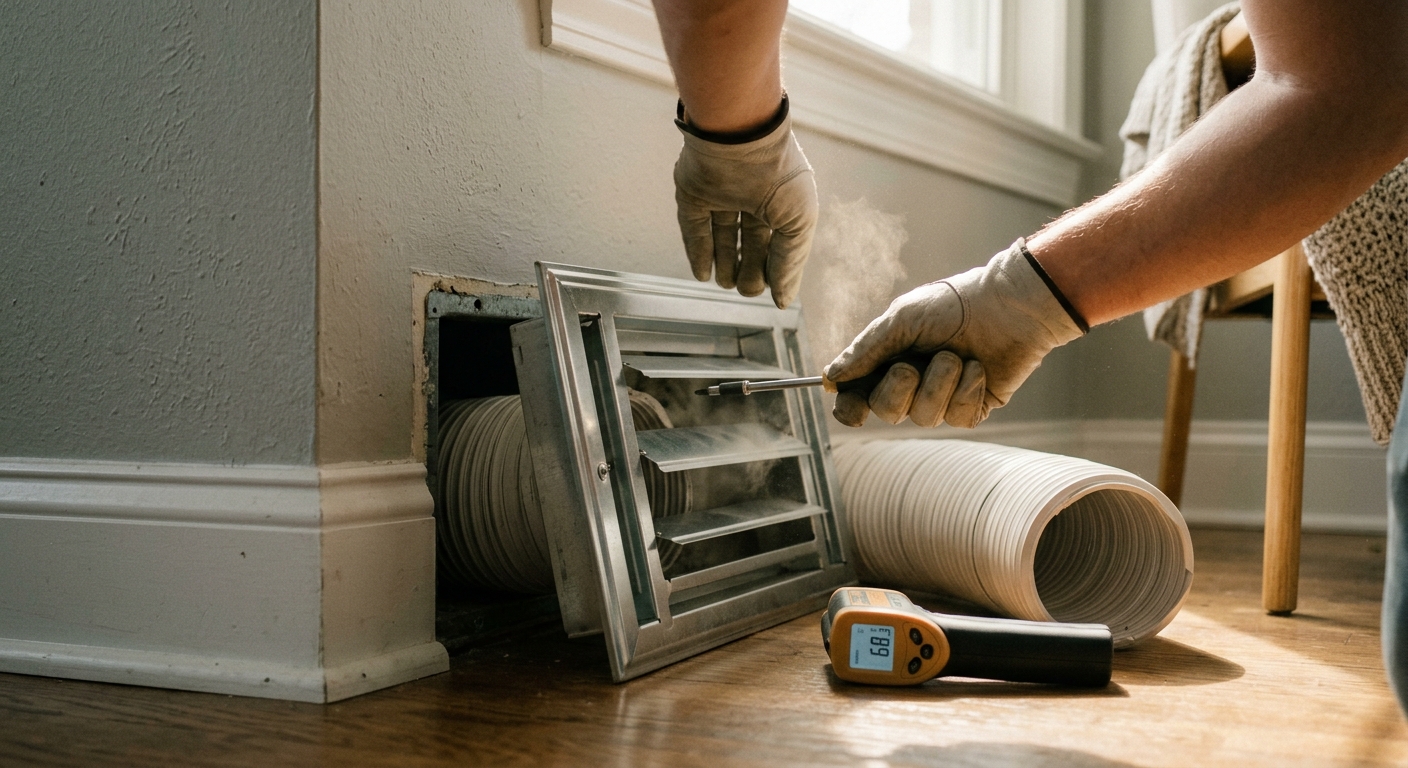
A single cold room is one of the most frustrating comfort problems homeowners face, and it almost never means your furnace is broken. The real culprits are almost always airflow imbalances, insulation gaps, or duct issues that you can diagnose and fix yourself.
Most homeowners pay their electric bill without ever questioning why it is so high. Studying a full year of bills reveals seasonal patterns, hidden loads, and waste points that can cut your annual energy spending by 20 to 35%.
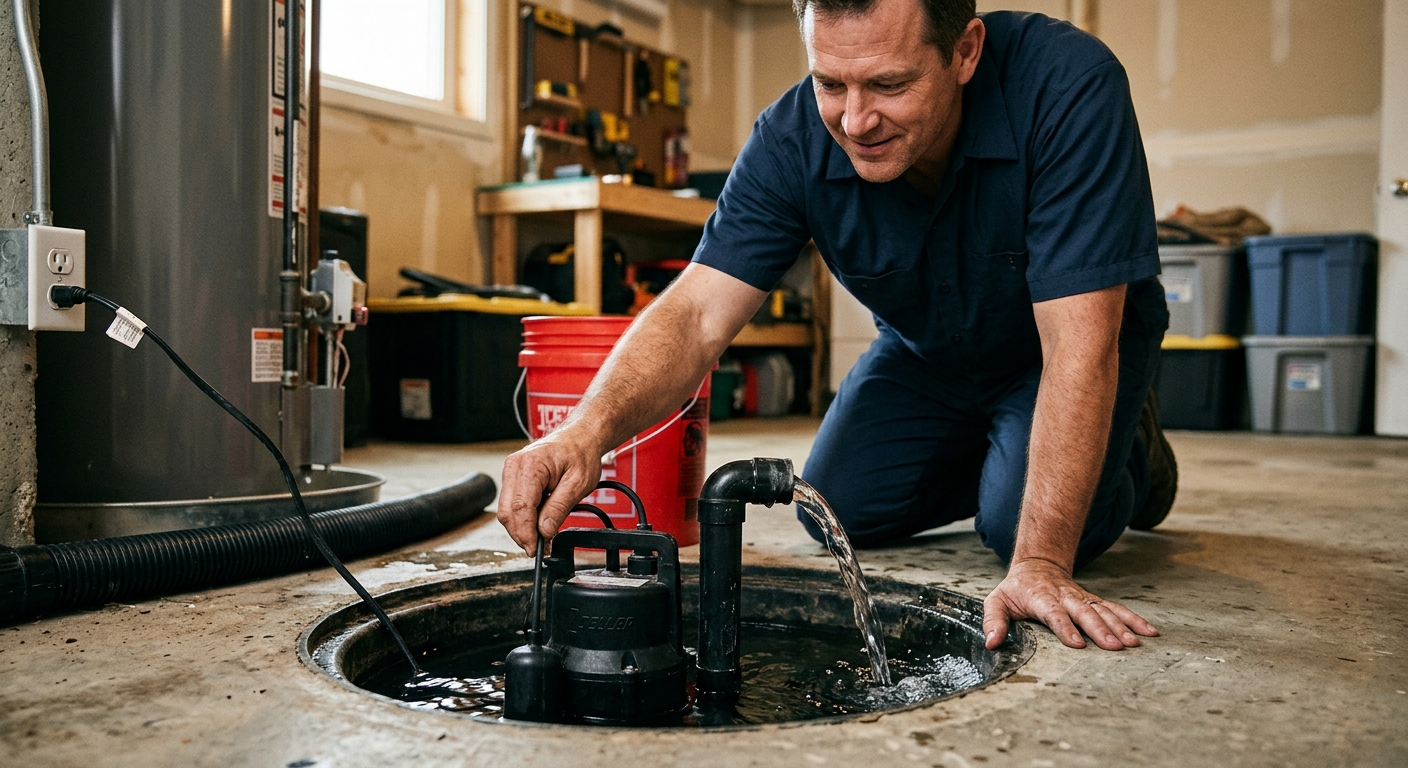
A failed sump pump during a heavy spring rain can cause thousands of dollars in basement flood damage. Testing your pump now takes less than 10 minutes and could save you from a costly disaster.
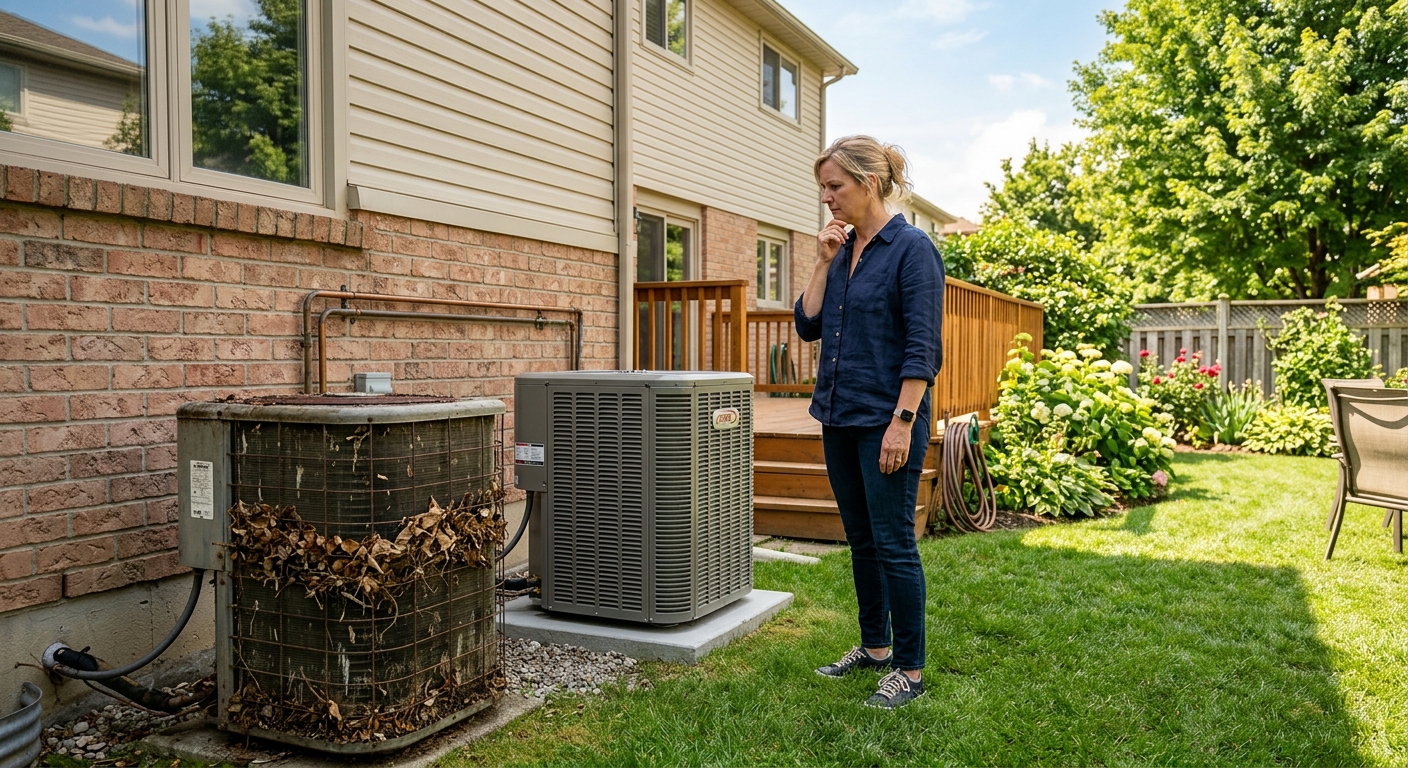
Facing an AC repair bill that makes you wonder if a new system would cost less in the long run is one of the most stressful decisions a homeowner can make. This guide breaks down the real numbers so you can decide with confidence instead of guessing.
In humid climates, the wrong insulation can trap moisture, grow mold, and cost you thousands in repairs. Choosing materials designed to handle heat and humidity protects your home and keeps cooling bills in check.