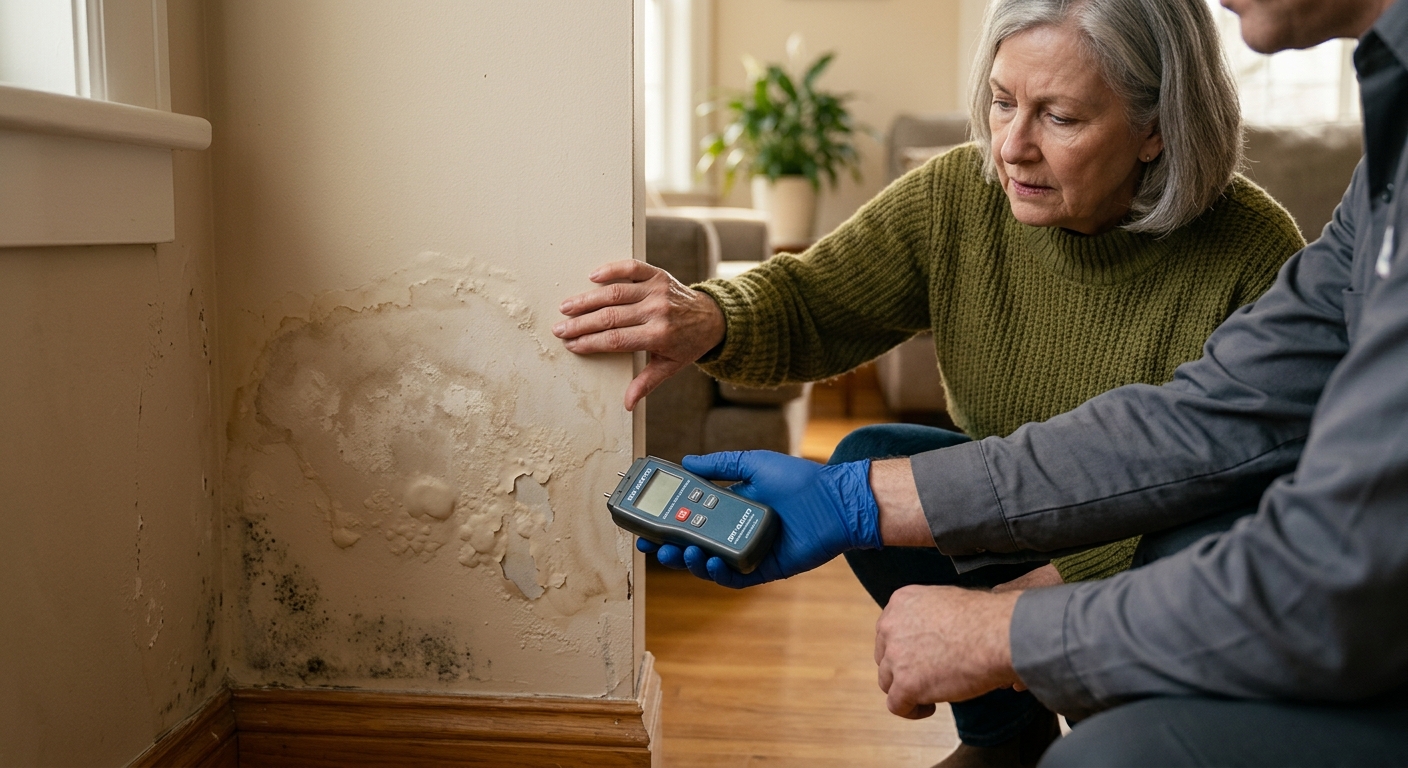
Excess moisture is one of the most overlooked causes of stuffy rooms, high energy bills, and unhealthy air in homes. Learn how to spot the six warning signs early and take targeted action before small leaks become expensive structural damage.
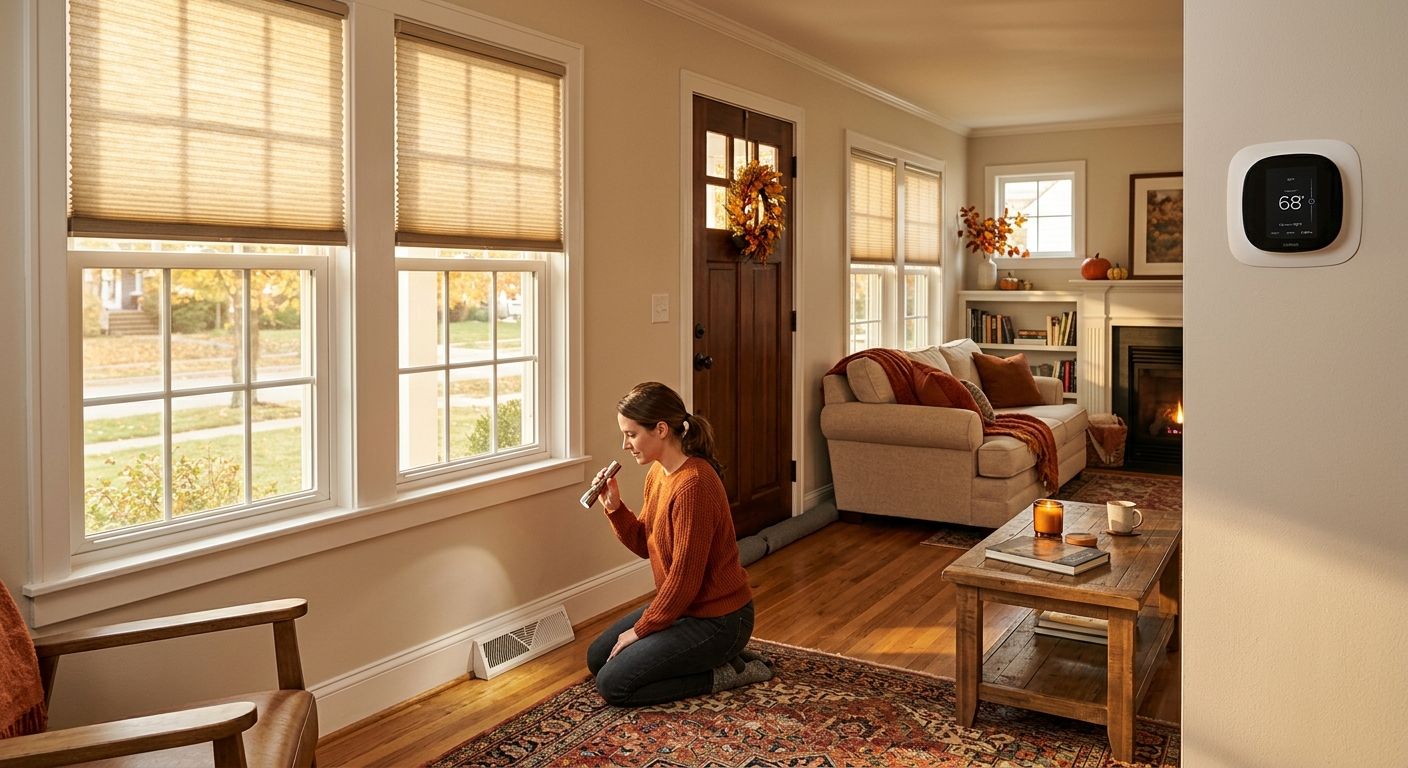
Winter energy rates can spike 20 to 40% in peak-demand months, catching unprepared homeowners with brutal heating bills. A few hours of prep work in September or October can lock in hundreds of dollars in savings before the cold season arrives.
Most homeowners overpay for summer cooling because a handful of fixable inefficiencies quietly drain energy month after month. These five targeted upgrades deliver measurable savings fast, with most paying back their cost in 1 to 3 years.
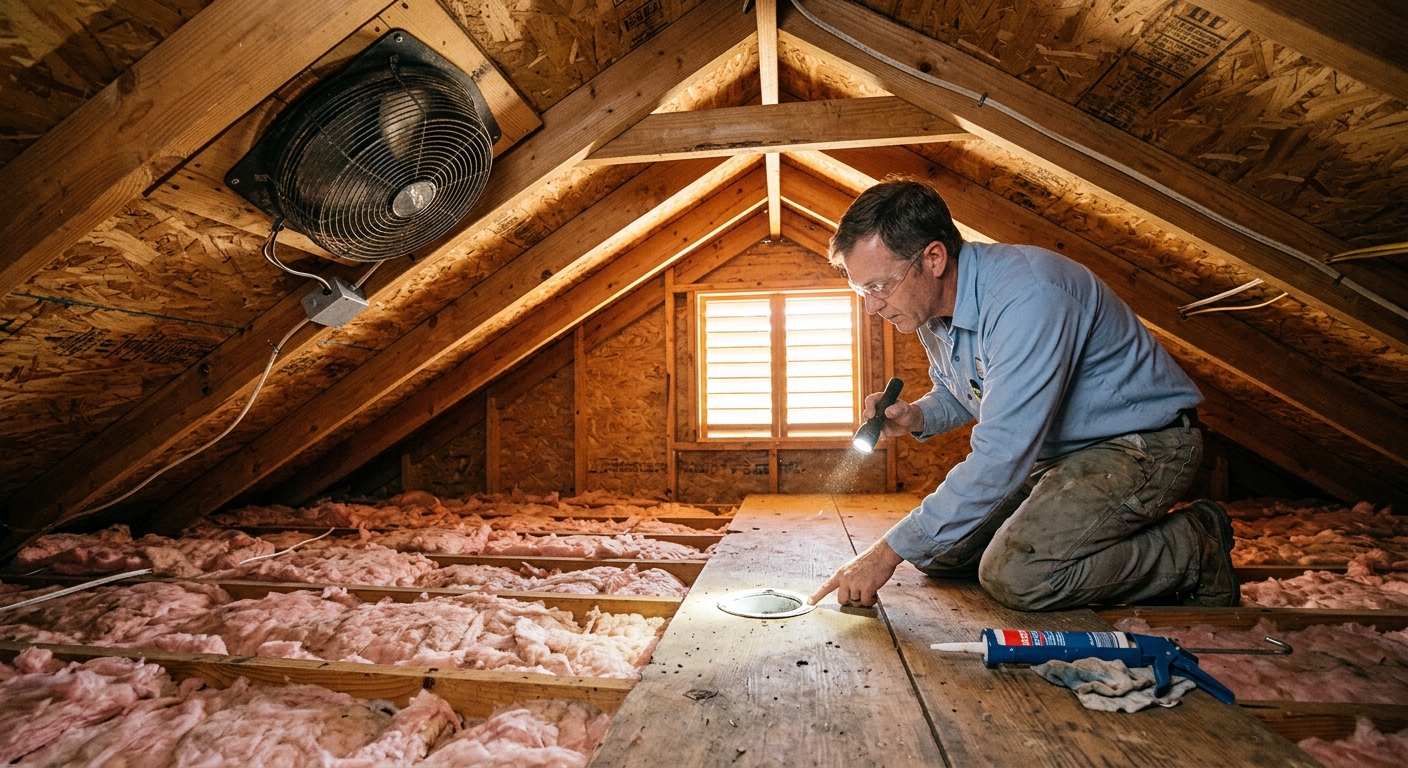
Attic fans are sold as energy savers, but under the wrong conditions they can actually pull expensive conditioned air out of your living space and spike your cooling bills. Learn how to test your setup, correct common mistakes, and decide whether your attic fan is helping or hurting.
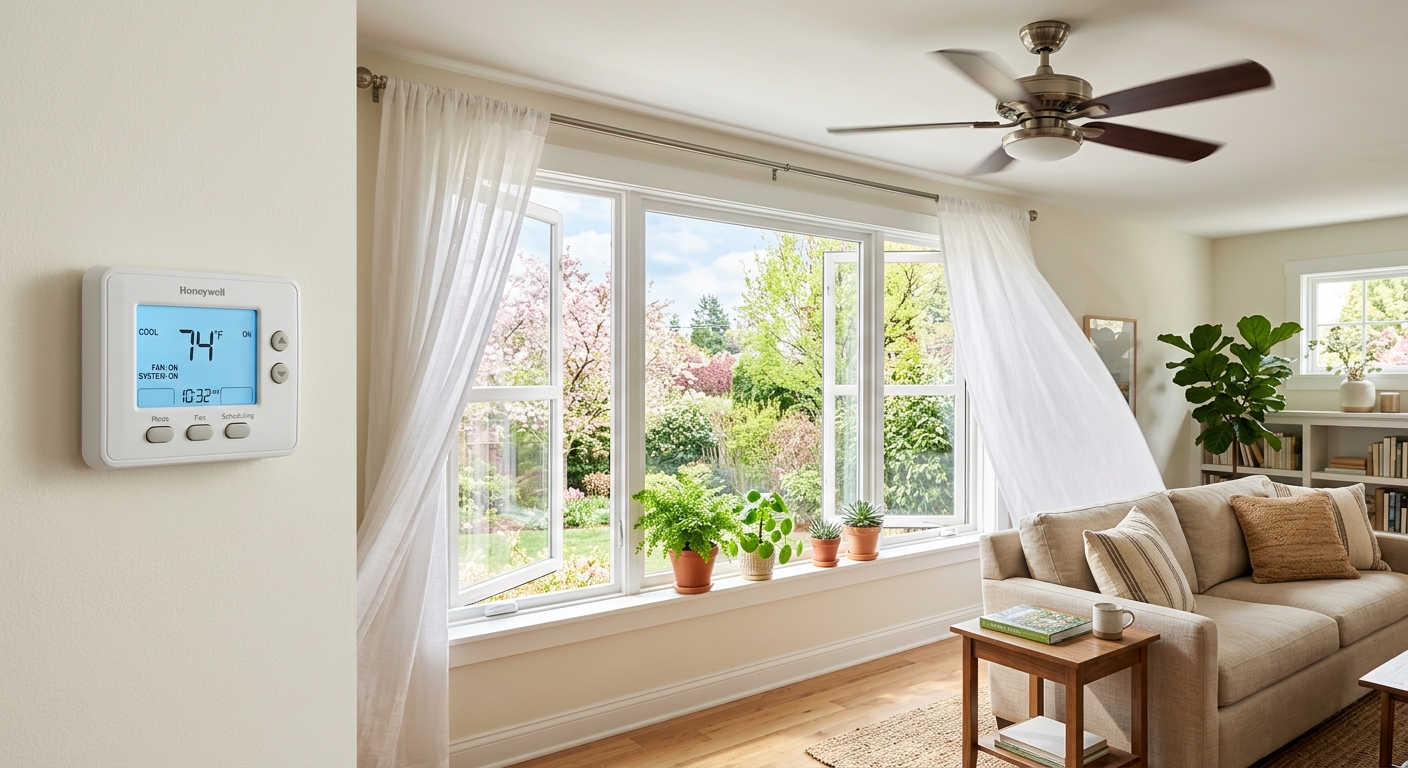
Spring is the one season when your home naturally needs the least mechanical heating or cooling, yet most homeowners still run their systems out of habit. With a few intentional tweaks, you can slash your energy bill to its annual low point and build habits that pay off all summer.
Most homeowners install vapor barriers with good intentions, but placing them on the wrong side of the wall or doubling up on them can trap moisture and rot your home from the inside out. Understanding a few key building science principles will help you get it right and protect both your insulation’s performance and your home’s structure.
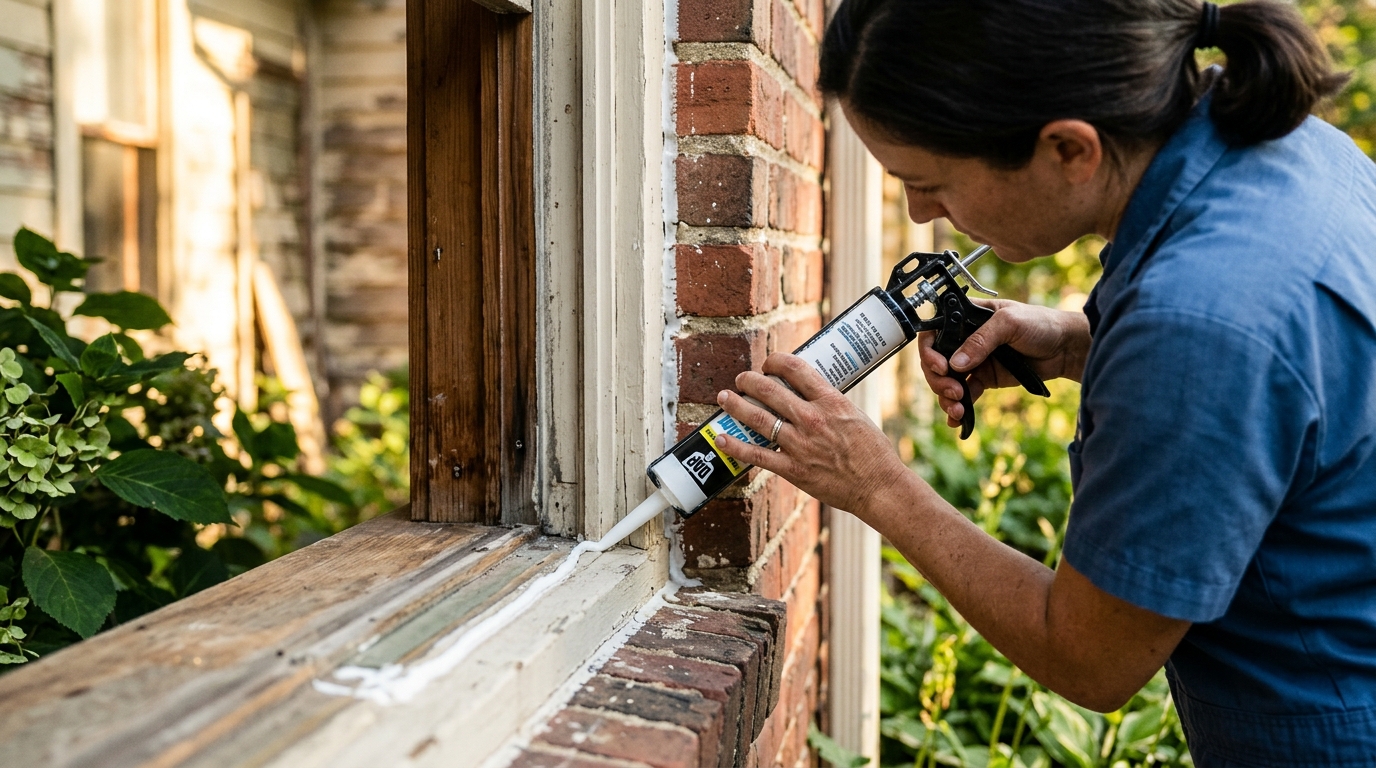
Gaps and cracks around windows, doors, and utility penetrations silently drain your heating and cooling budget while letting insects and moisture sneak inside. A single weekend with a caulk gun can seal most of these leaks and cut your energy bills by 10 to 20 percent.
Home renovations promise better living spaces, but they often introduce surprising comfort problems like uneven temperatures, drafts, and skyrocketing energy bills. Understanding why these issues appear and how to prevent them can save you thousands in follow-up repairs and monthly utility costs.
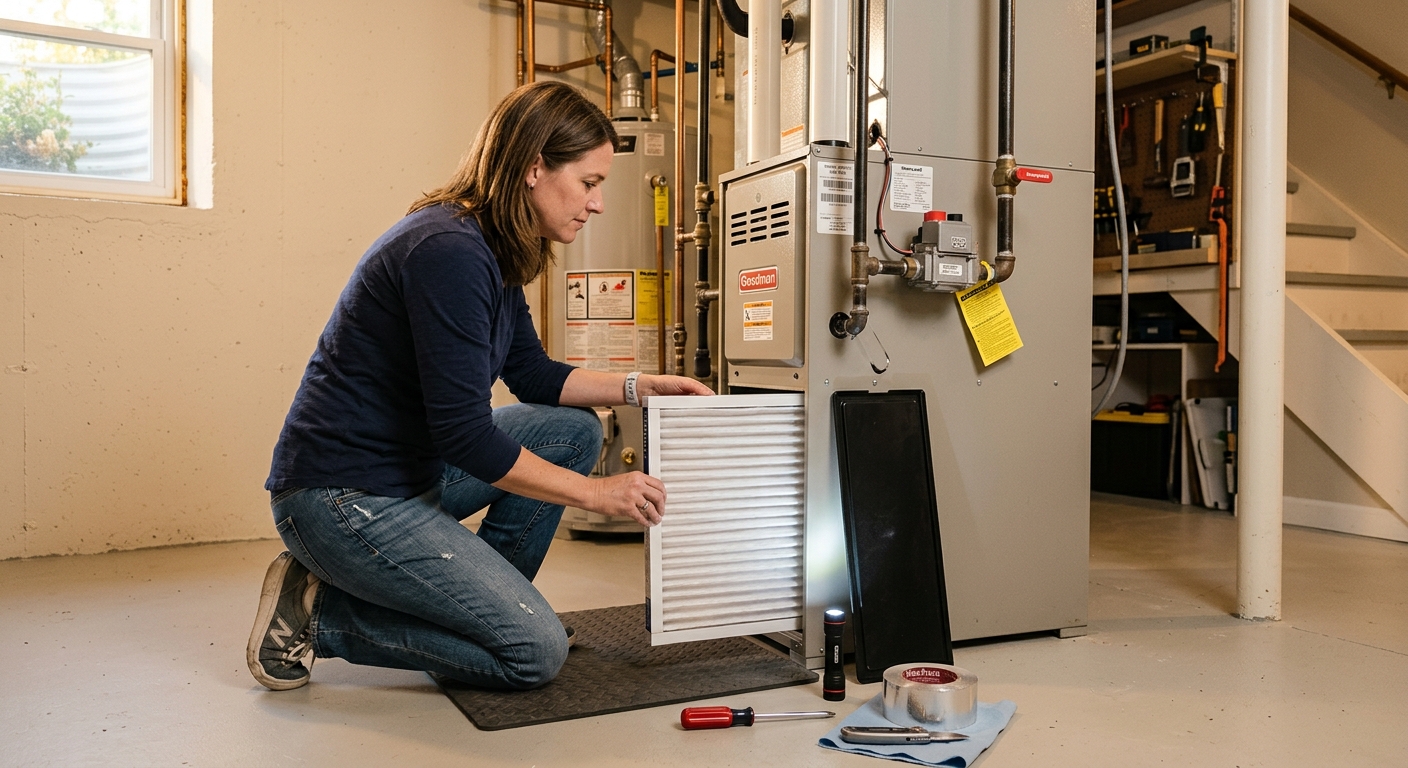
Most homeowners flip on the furnace the first cold morning without a second thought, then wonder why their heating bills spike. Tackling four simple checks before that first ignition can cut your heating costs by 20 to 35% and prevent breakdowns on the coldest nights of the year.
Moving into a new home often brings unexpected comfort problems like hot and cold spots, stuffy air, and inconsistent temperatures that your previous home never had. The good news is that most of these issues trace back to a handful of fixable root causes you can diagnose and address in a single weekend.