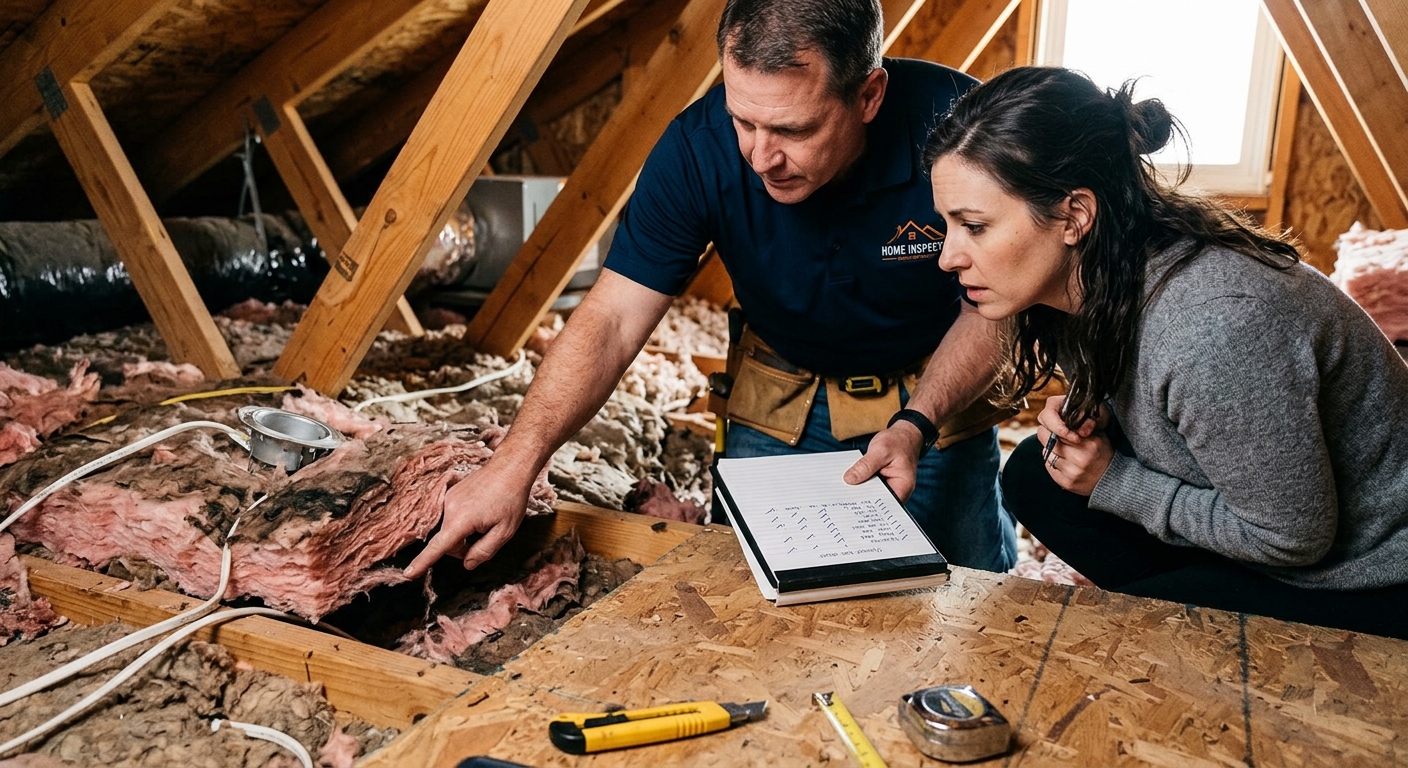
Home inspection reports are dense documents full of jargon, and insulation problems are easy to overlook or misunderstand. This guide shows you exactly how to decode common inspection language, find the issues yourself, and decide what to fix first.
A sudden jump in your January energy bill is not just about cold weather. It is a signal that your home’s thermal envelope, heating system, or daily habits have a hidden efficiency problem worth fixing.
Homes built before 1980 often lose 30 to 50% more conditioned air than modern construction due to poor insulation, single-pane windows, and decades of accumulated air leaks. Targeted upgrades to sealing, insulation, and airflow can cut cooling bills by 25 to 40% without a full renovation.
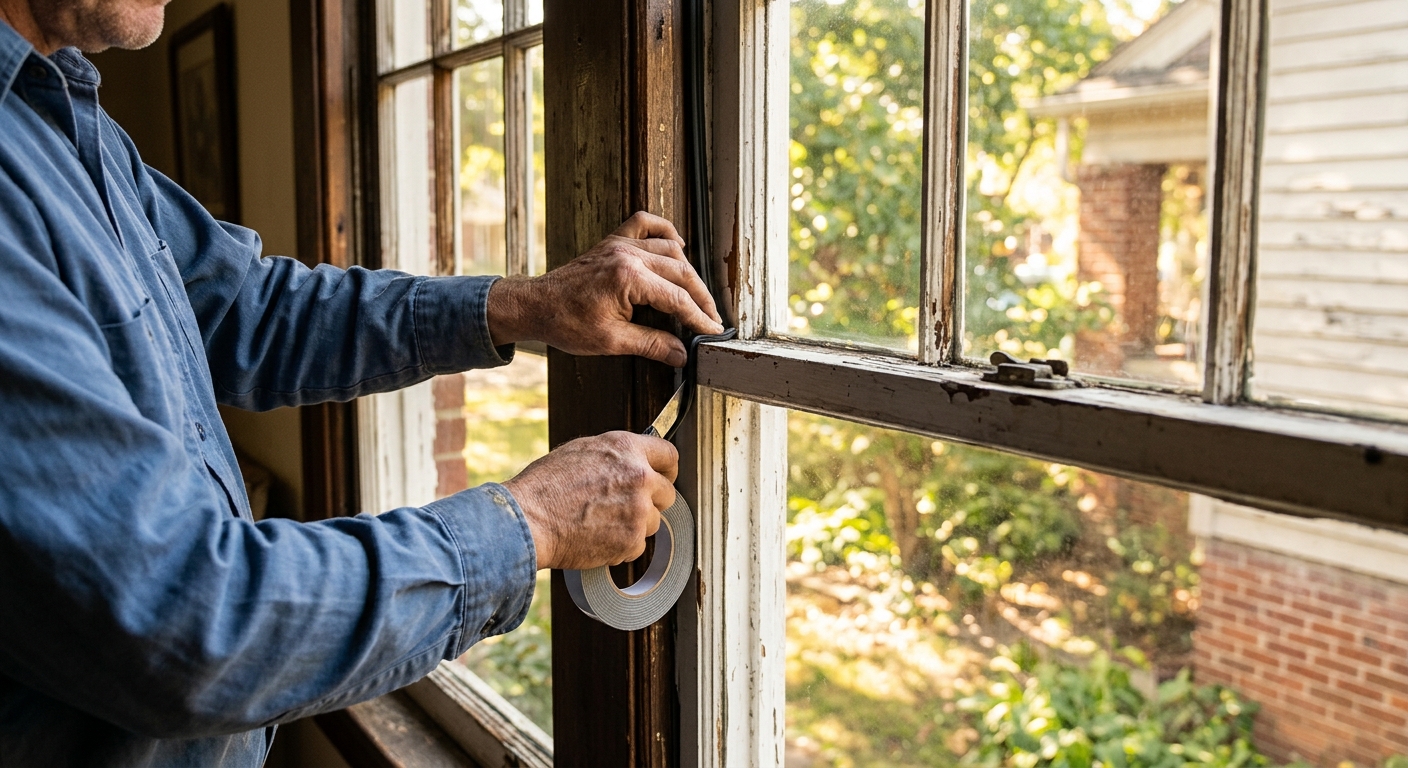
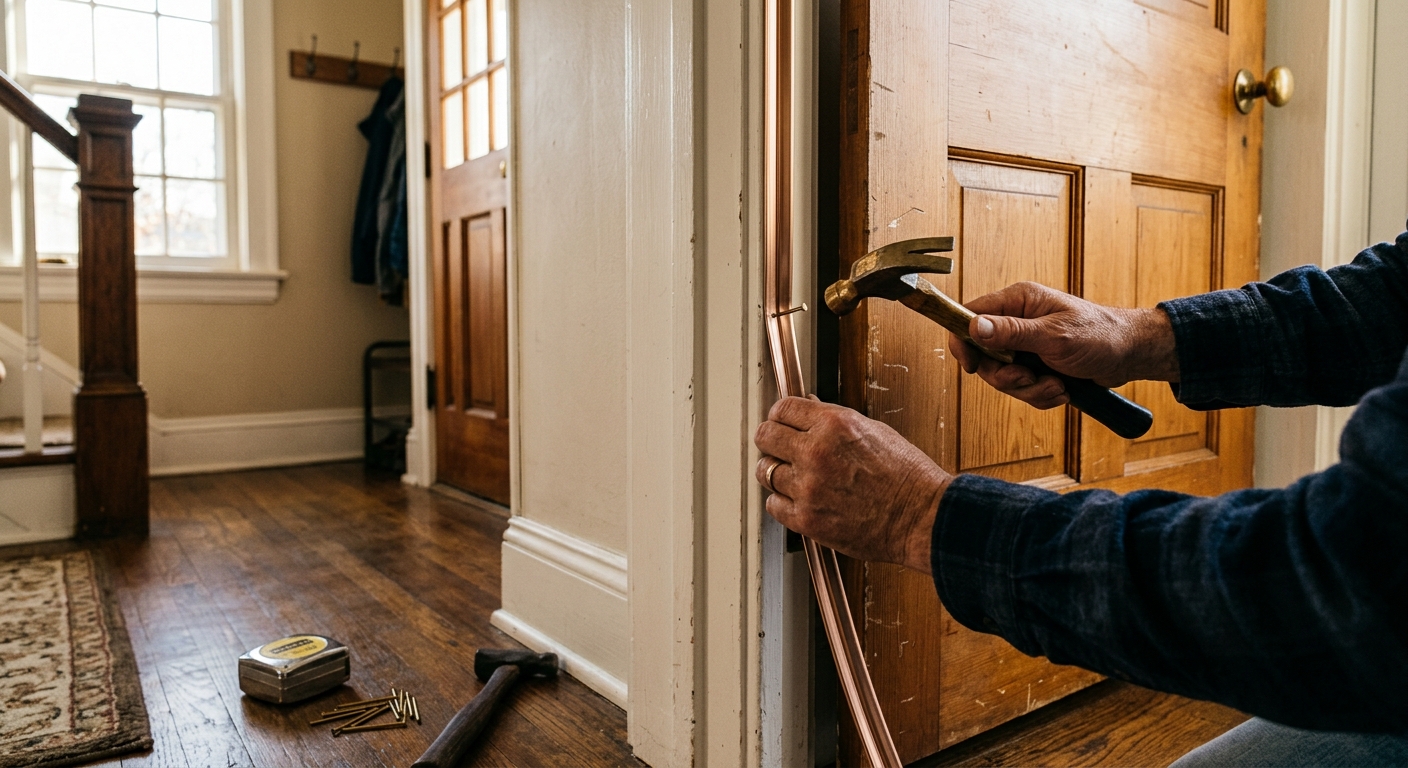
A drafty front door can account for up to 11% of your home’s total air leakage, quietly inflating your heating and cooling bills year-round. Replacing worn weatherstripping takes less than an hour, costs under $30, and delivers immediate, measurable comfort improvements.
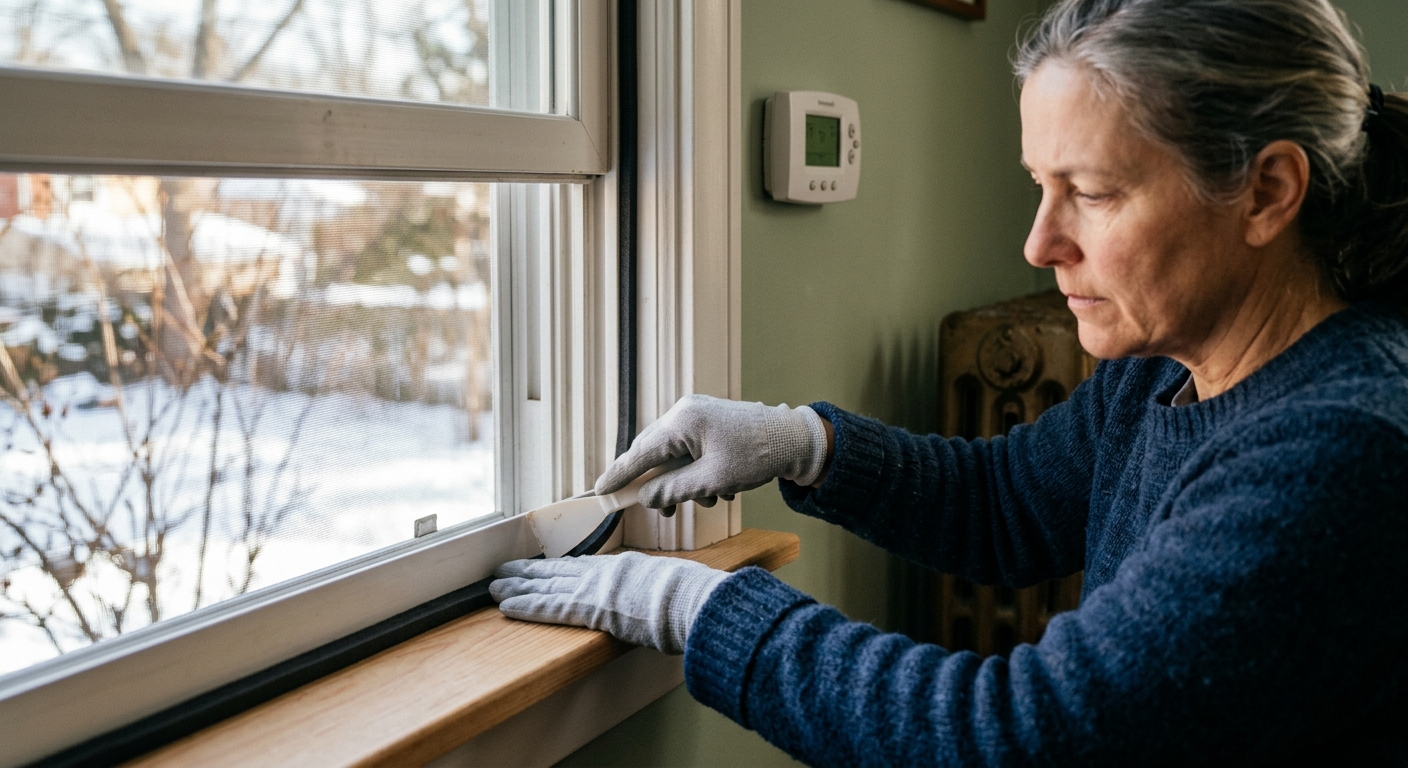
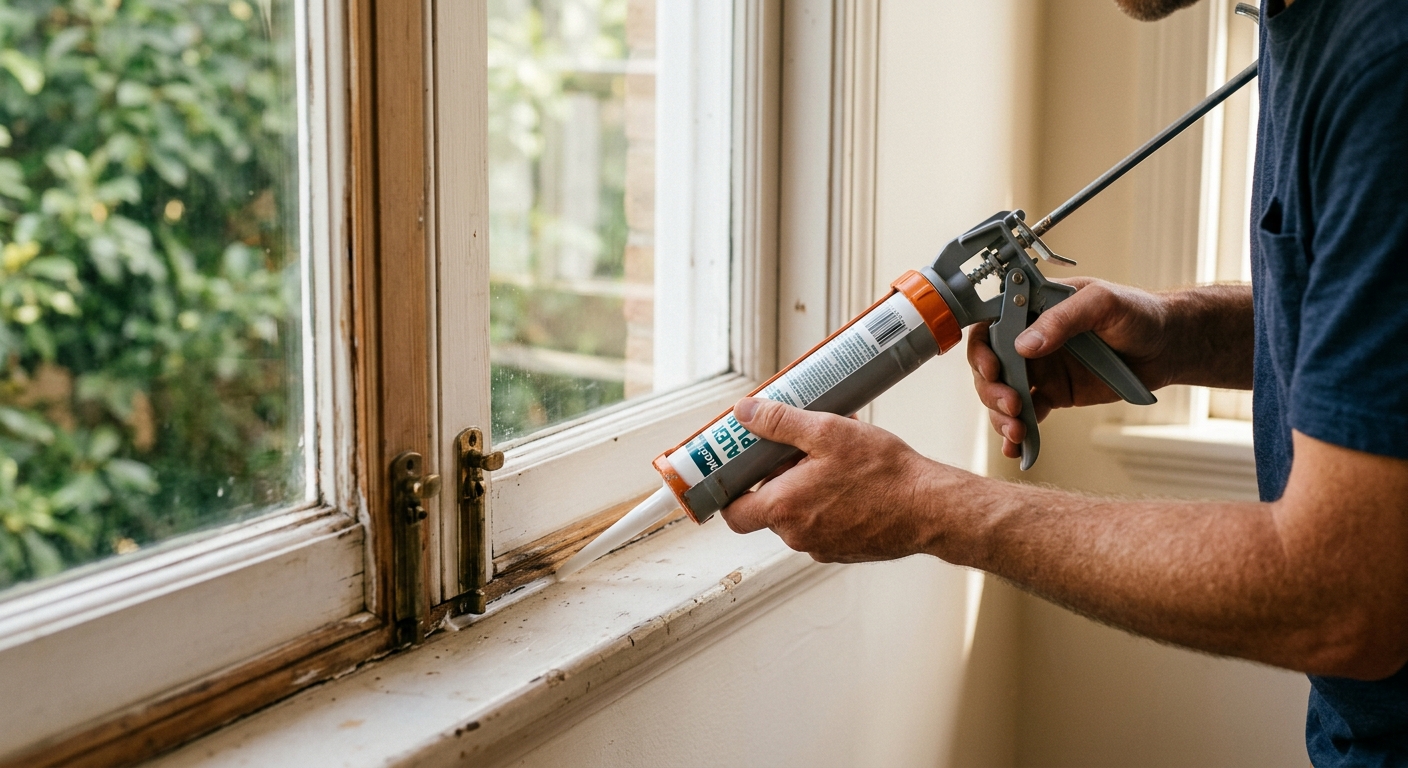
Hidden air leaks can account for 25 to 40% of your heating and cooling costs, yet most homeowners have no idea where they are. In a single afternoon, you can track down the worst offenders and seal them for dramatic, lasting savings.
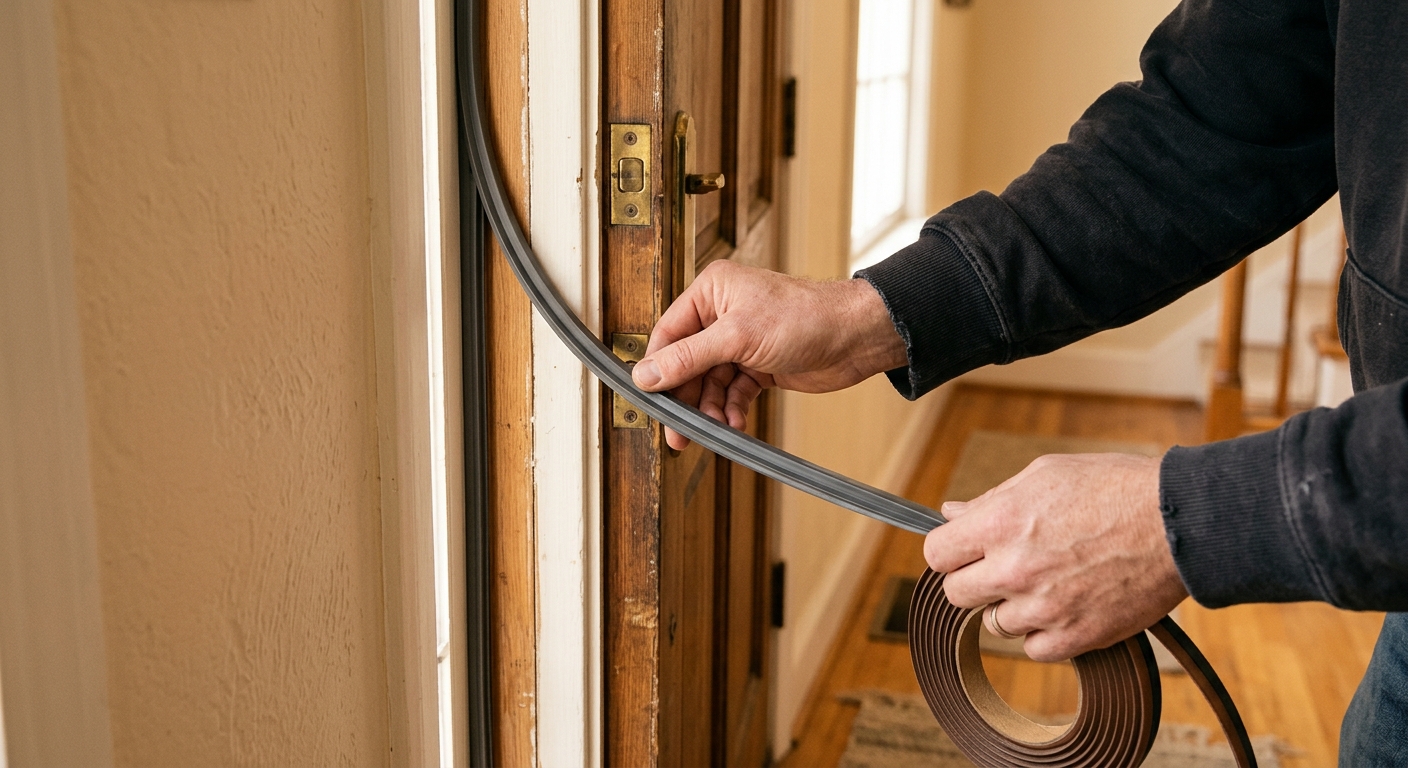
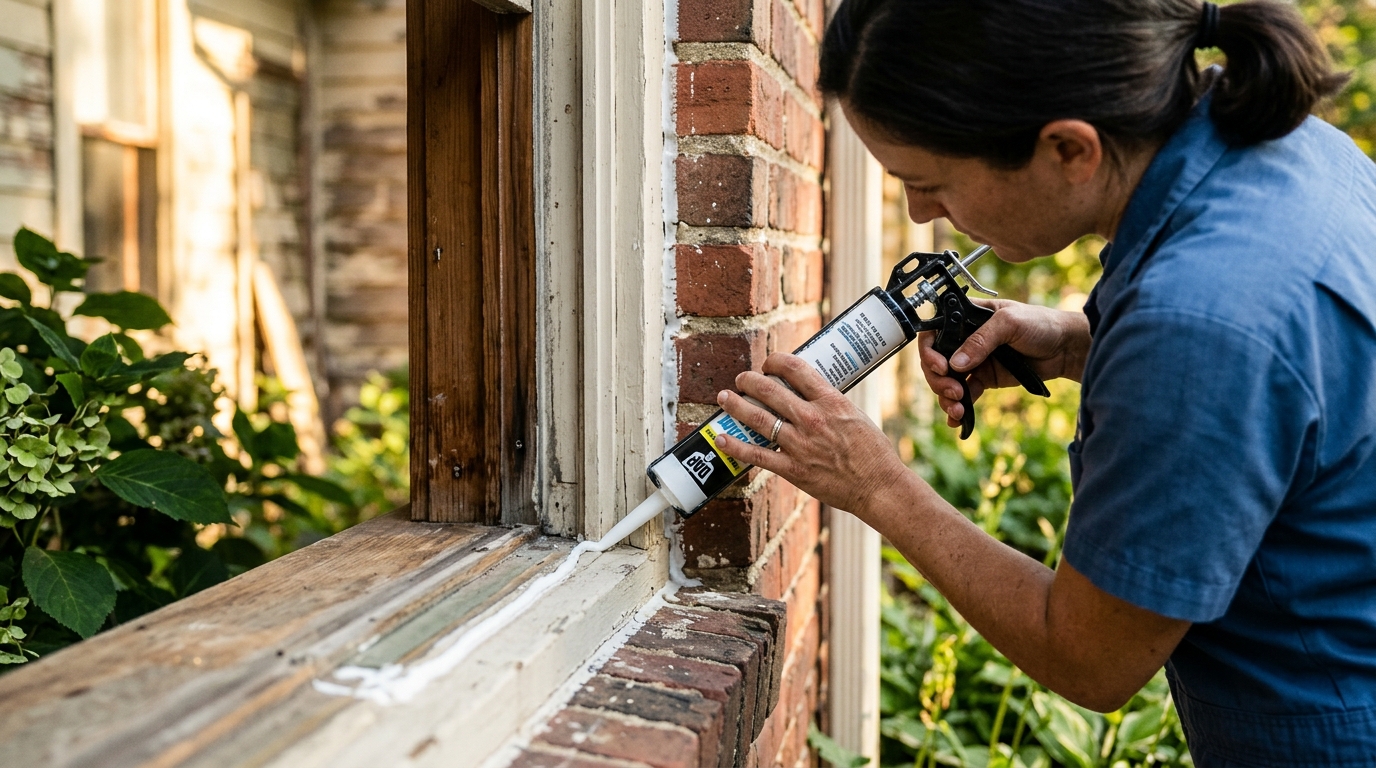
Air leaking through gaps around your doors is quietly adding 10 to 15% to your heating bill every month. A single afternoon and $30 to $60 in weatherstripping can seal those leaks and put real money back in your pocket by February.
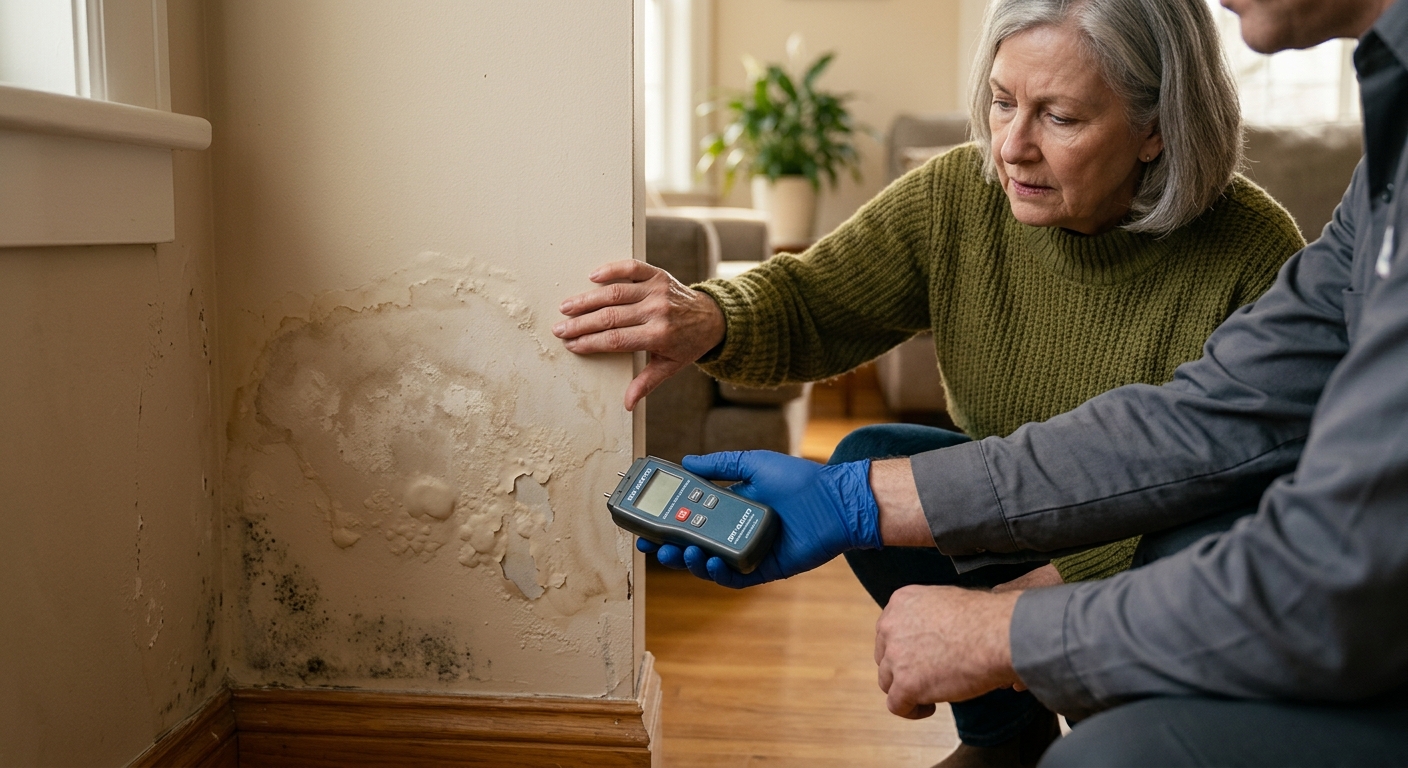
Excess moisture is one of the most overlooked causes of stuffy rooms, high energy bills, and unhealthy air in homes. Learn how to spot the six warning signs early and take targeted action before small leaks become expensive structural damage.
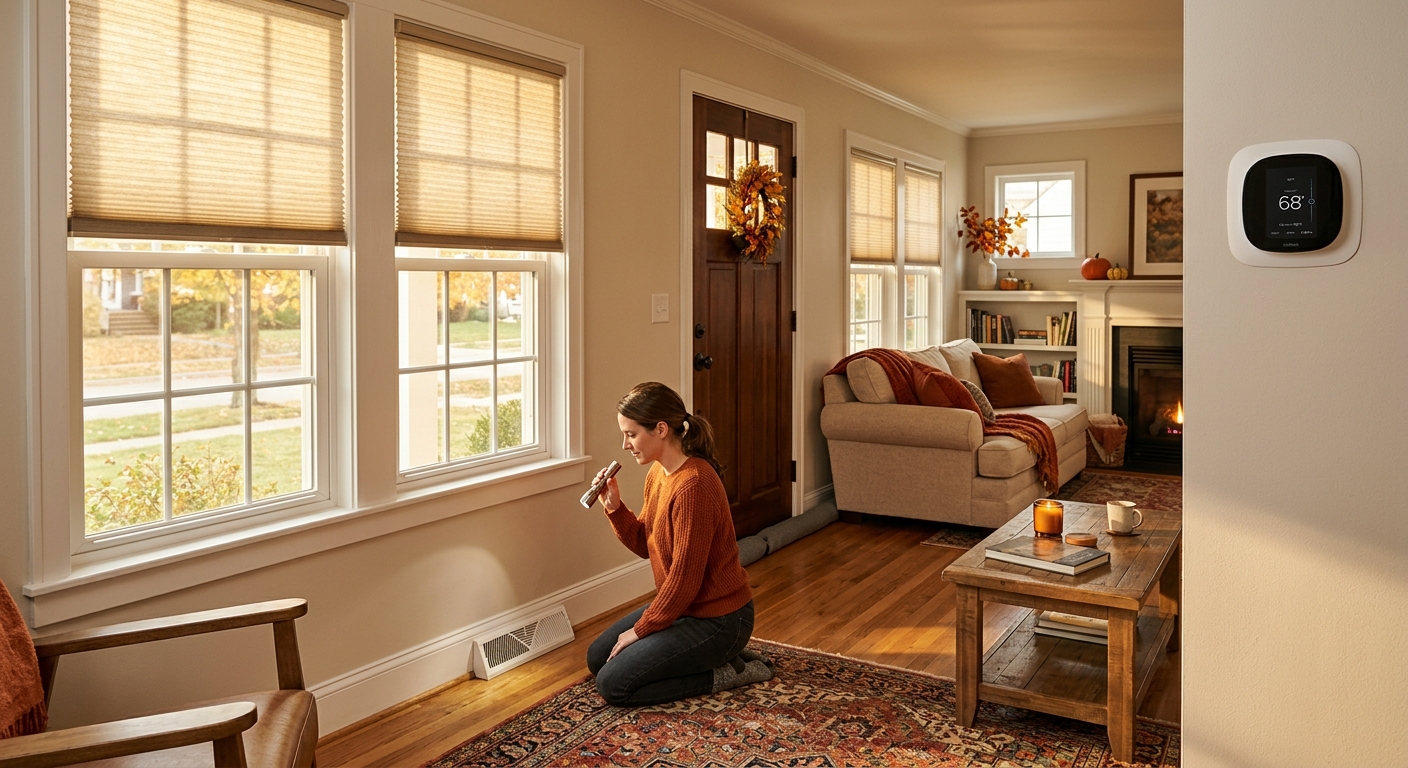
Winter energy rates can spike 20 to 40% in peak-demand months, catching unprepared homeowners with brutal heating bills. A few hours of prep work in September or October can lock in hundreds of dollars in savings before the cold season arrives.
Most homeowners overpay for summer cooling because a handful of fixable inefficiencies quietly drain energy month after month. These five targeted upgrades deliver measurable savings fast, with most paying back their cost in 1 to 3 years.
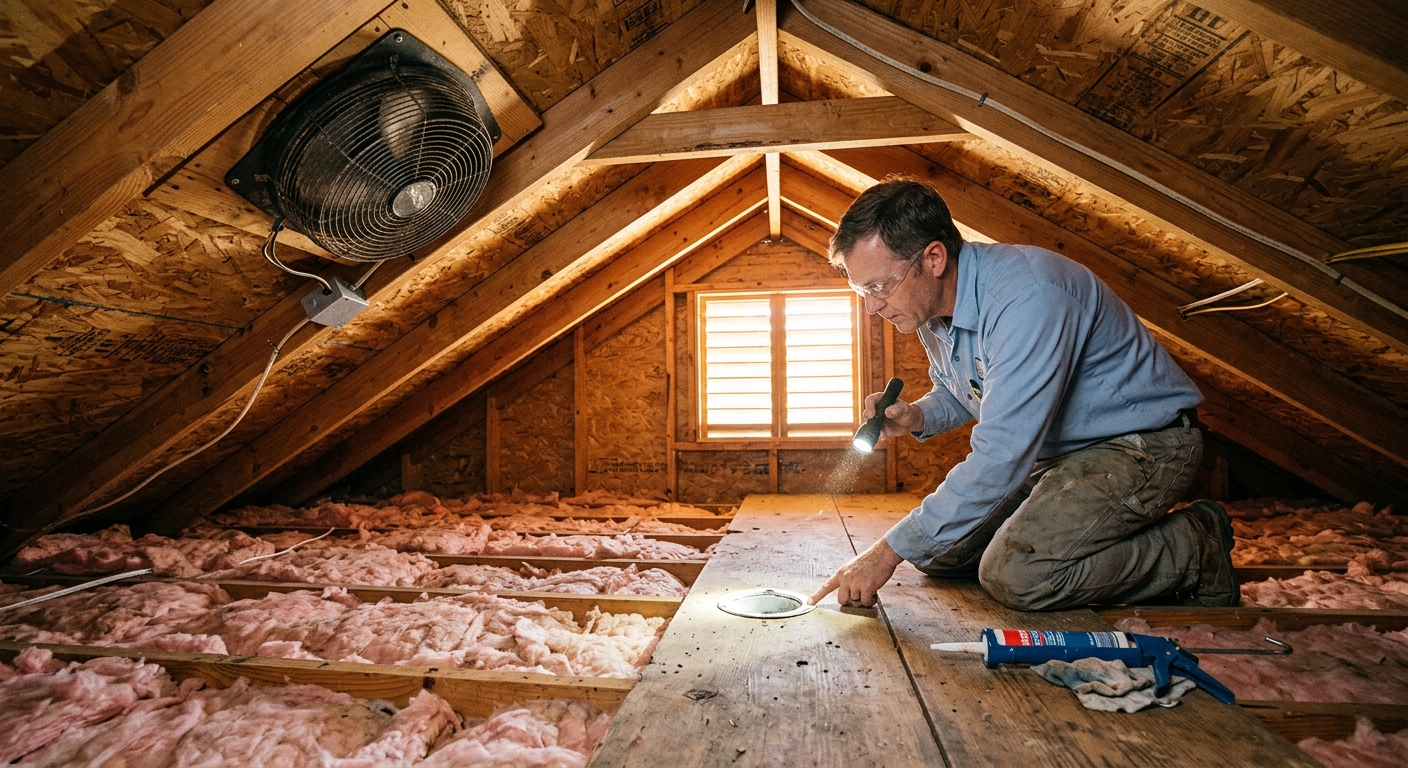
Attic fans are sold as energy savers, but under the wrong conditions they can actually pull expensive conditioned air out of your living space and spike your cooling bills. Learn how to test your setup, correct common mistakes, and decide whether your attic fan is helping or hurting.