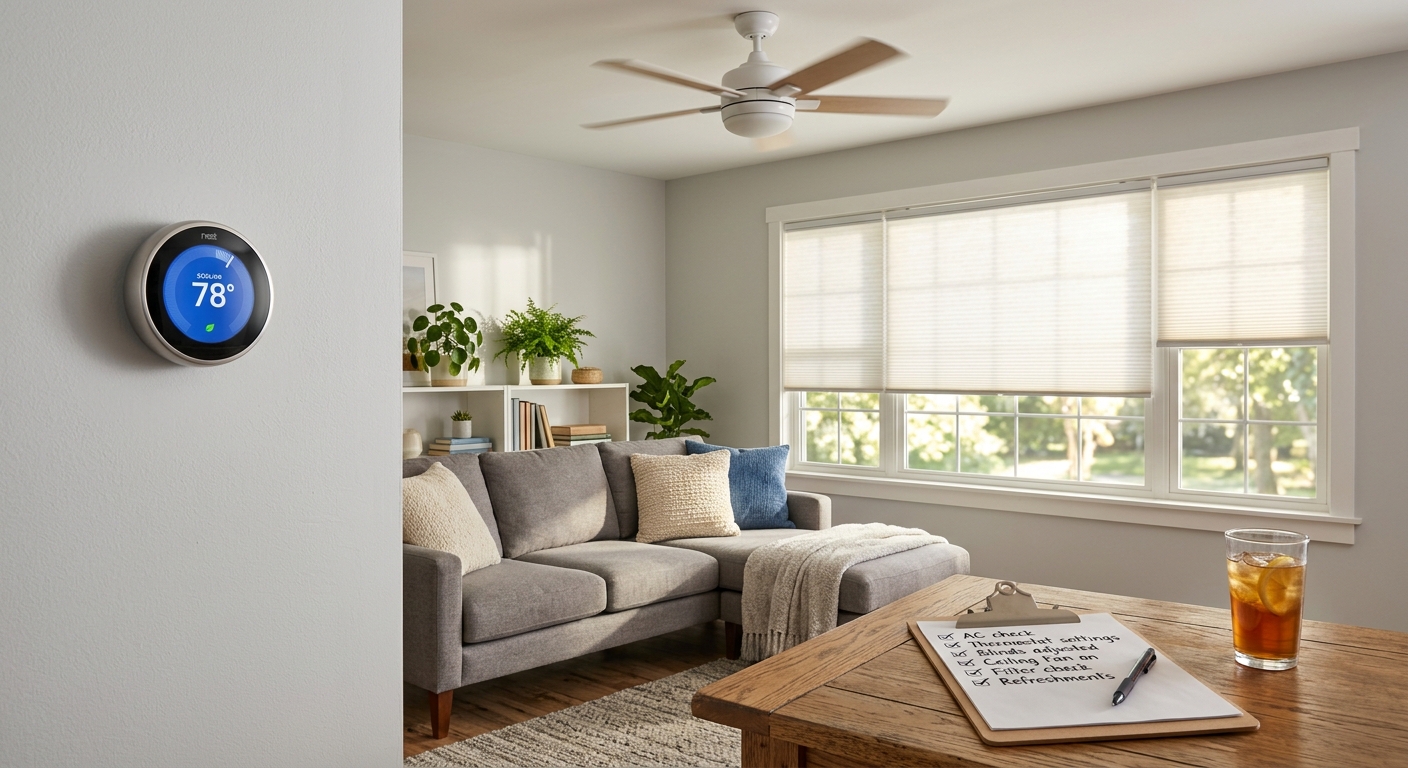
Summer cooling bills can easily spiral past $200 or even $300 a month, but most homes are losing conditioned air through the same handful of fixable problems. This checklist walks you through the exact steps to cut your cooling costs to under $100 a month using a combination of free habit changes, low-cost DIY fixes, and a few targeted upgrades.
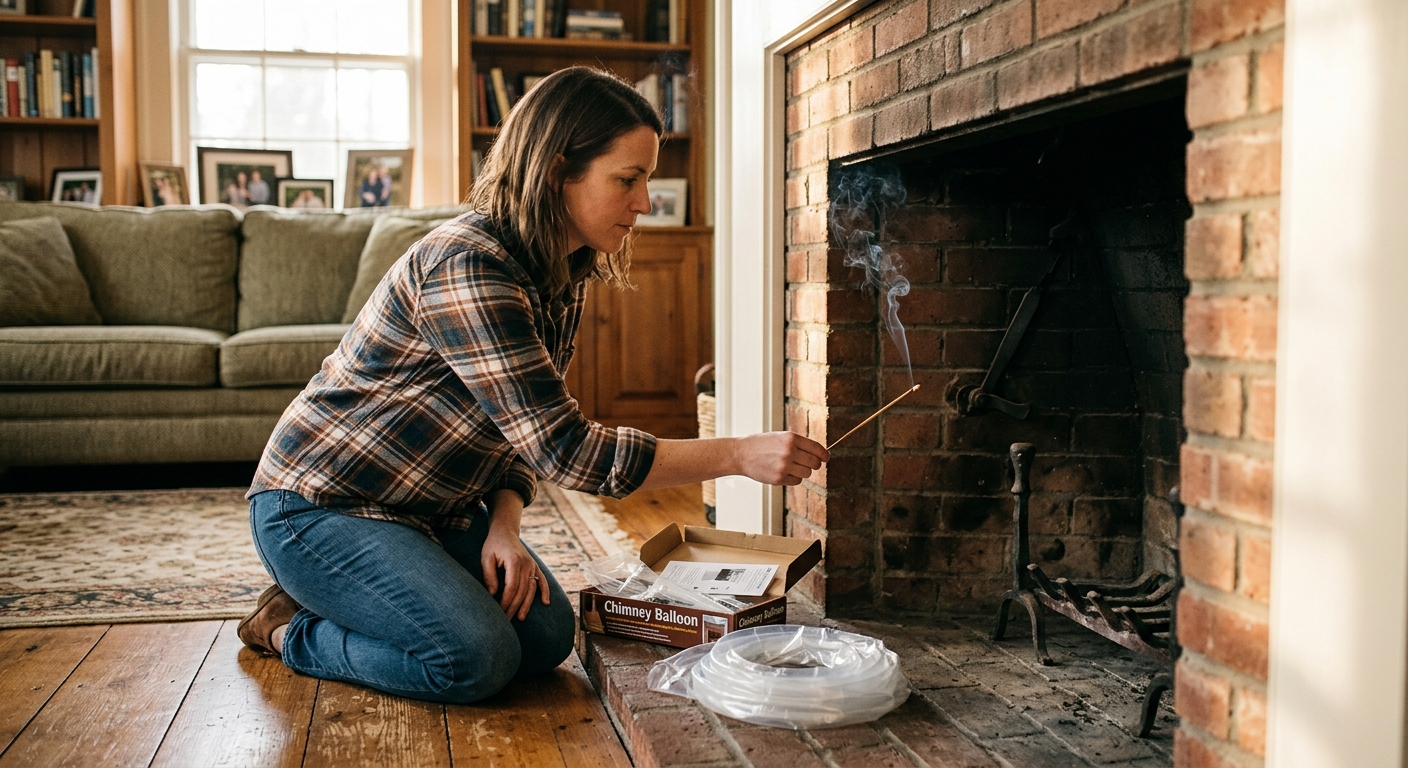
Most homeowners think of their fireplace as a cozy feature, not a costly liability. A drafty fireplace can silently drain hundreds of dollars in heating and cooling costs every year, and most people never connect the problem to their energy bills.
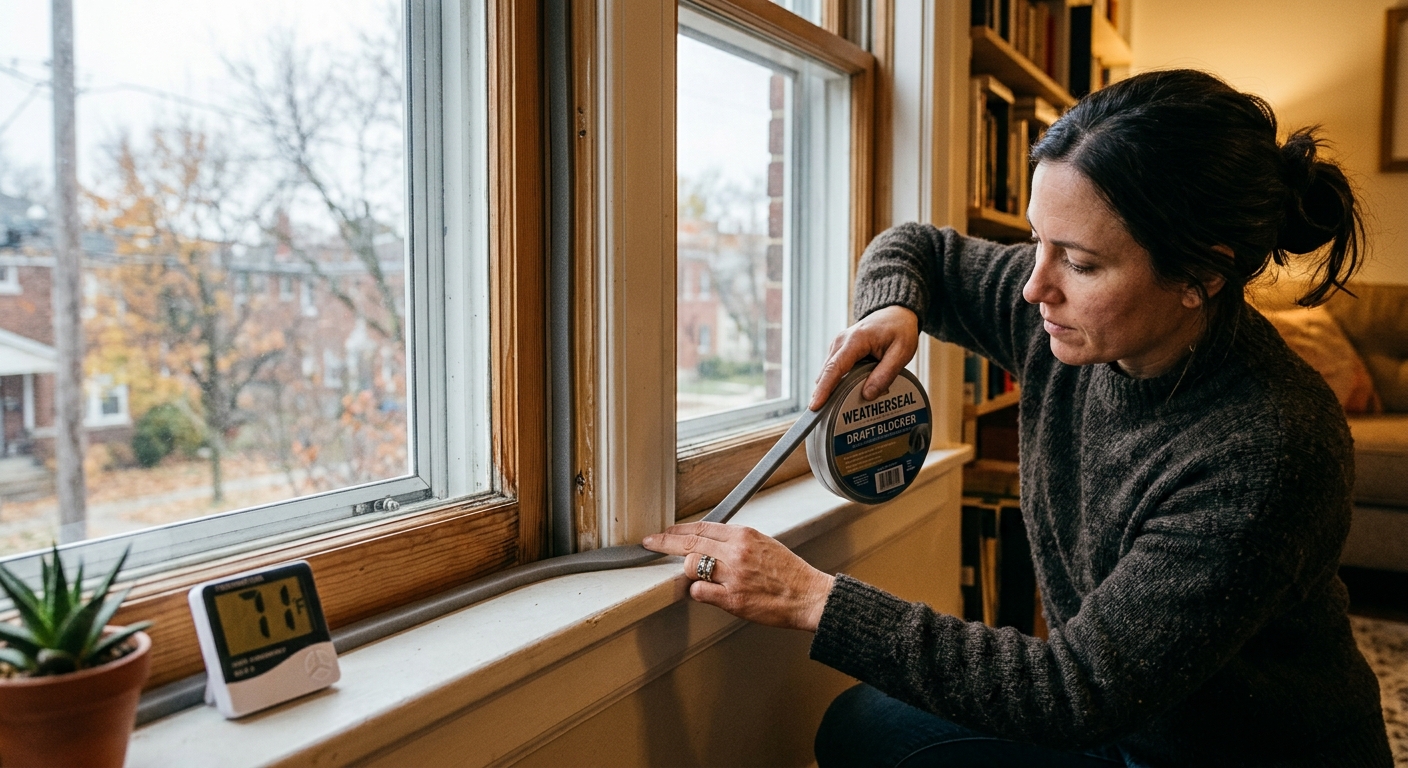
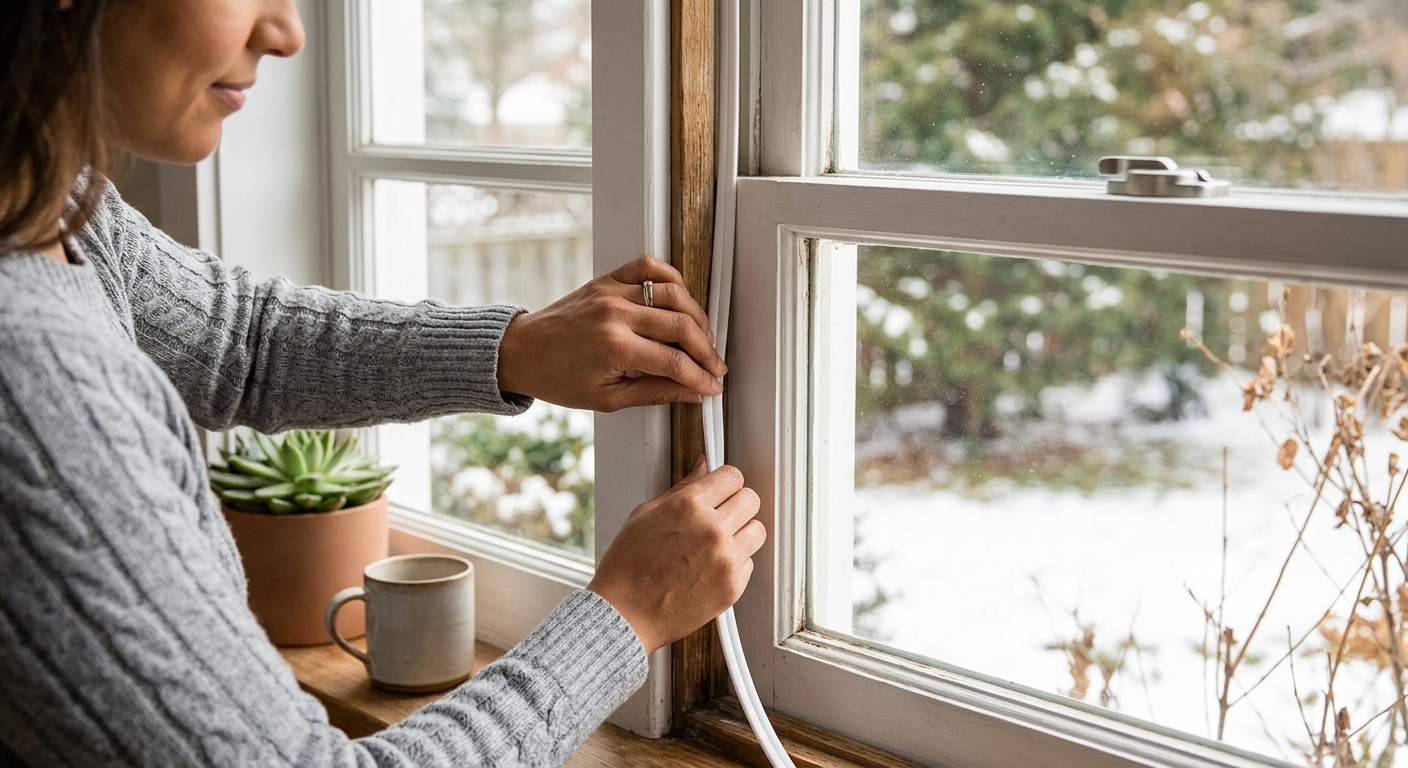
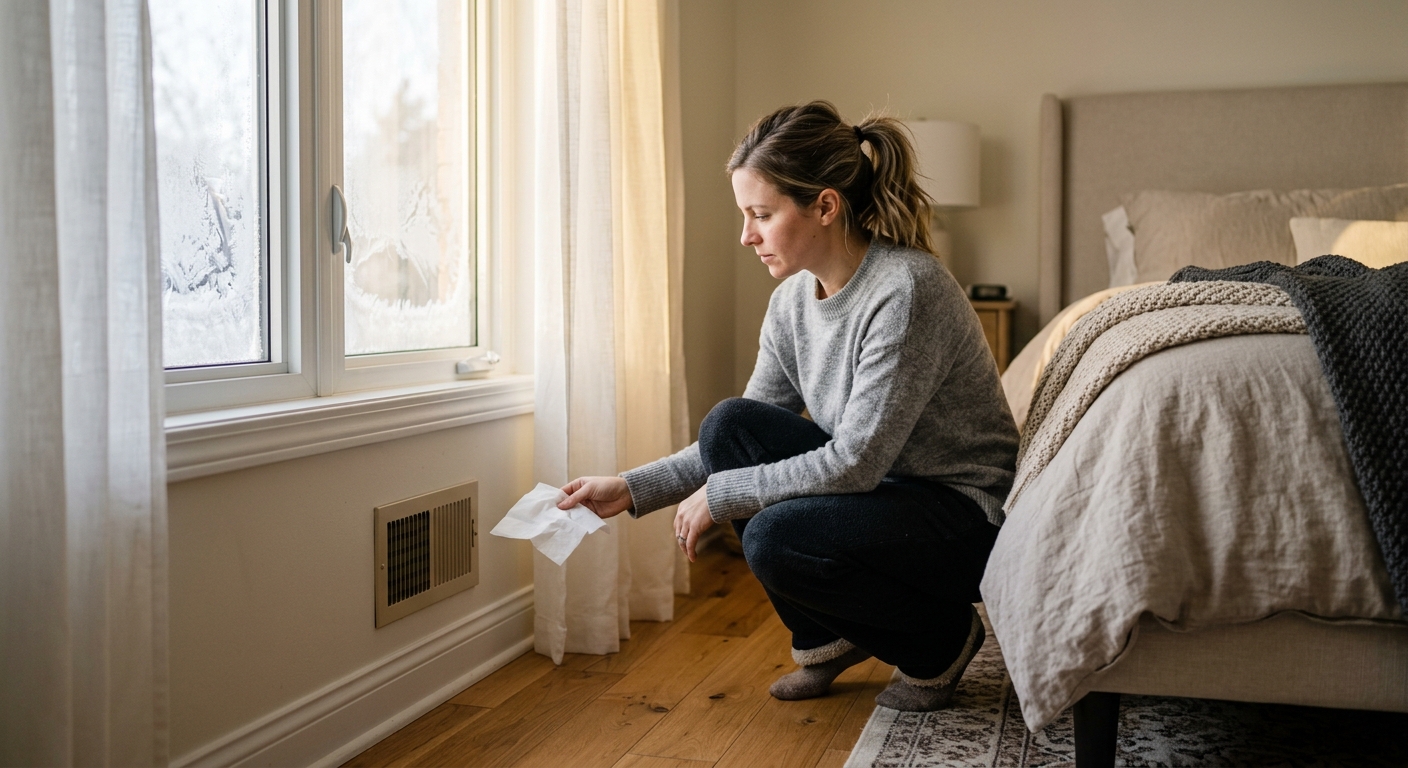
Your thermostat reads 70 but you’re still reaching for a blanket – and the problem isn’t in your head. Cold surfaces, drafts, and humidity steal comfort even when the air temperature is technically warm, and fixing them is easier than you think.
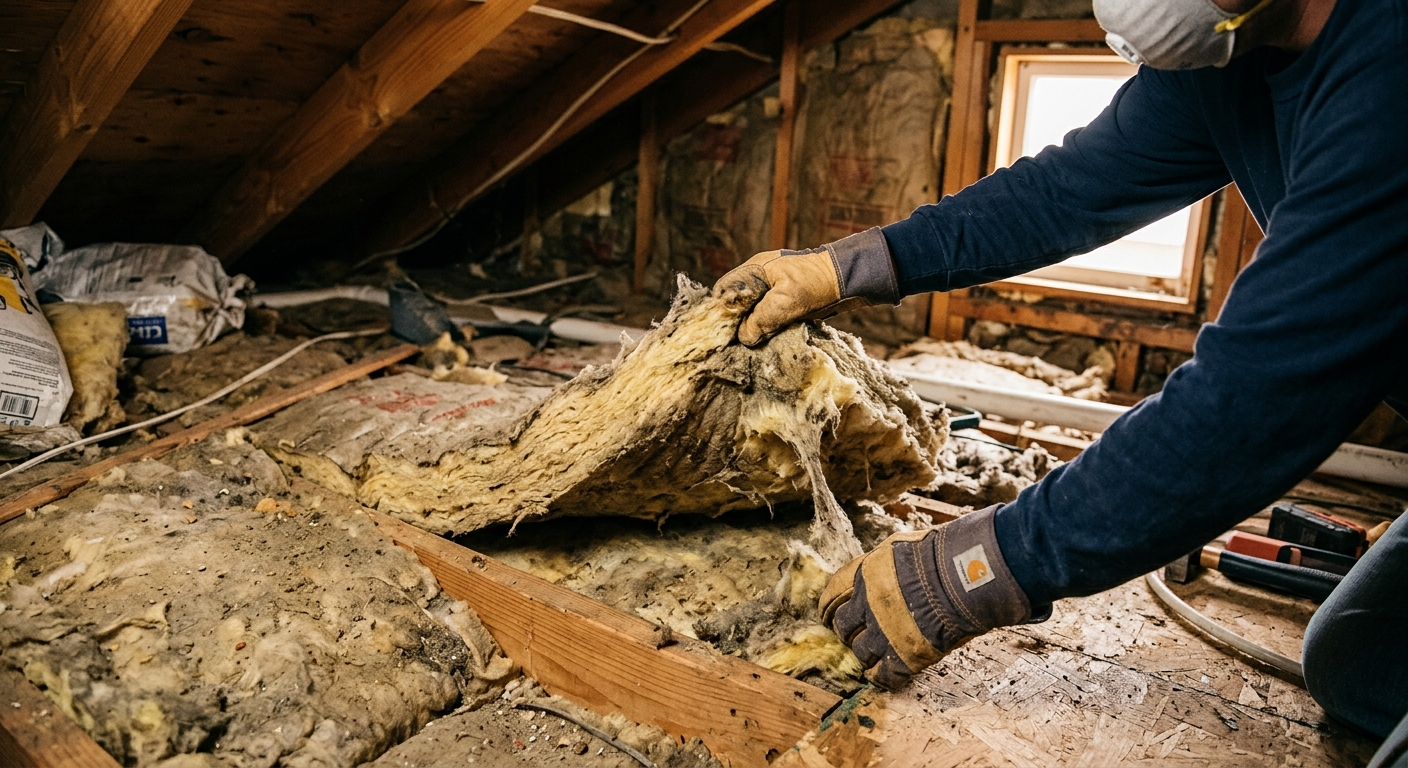
Insulation does not last forever, and aging, damaged, or undersized insulation is one of the most overlooked reasons homes are uncomfortable and expensive to heat and cool. This guide shows you how to assess what you have, recognize the warning signs, and decide whether to repair, supplement, or fully replace.
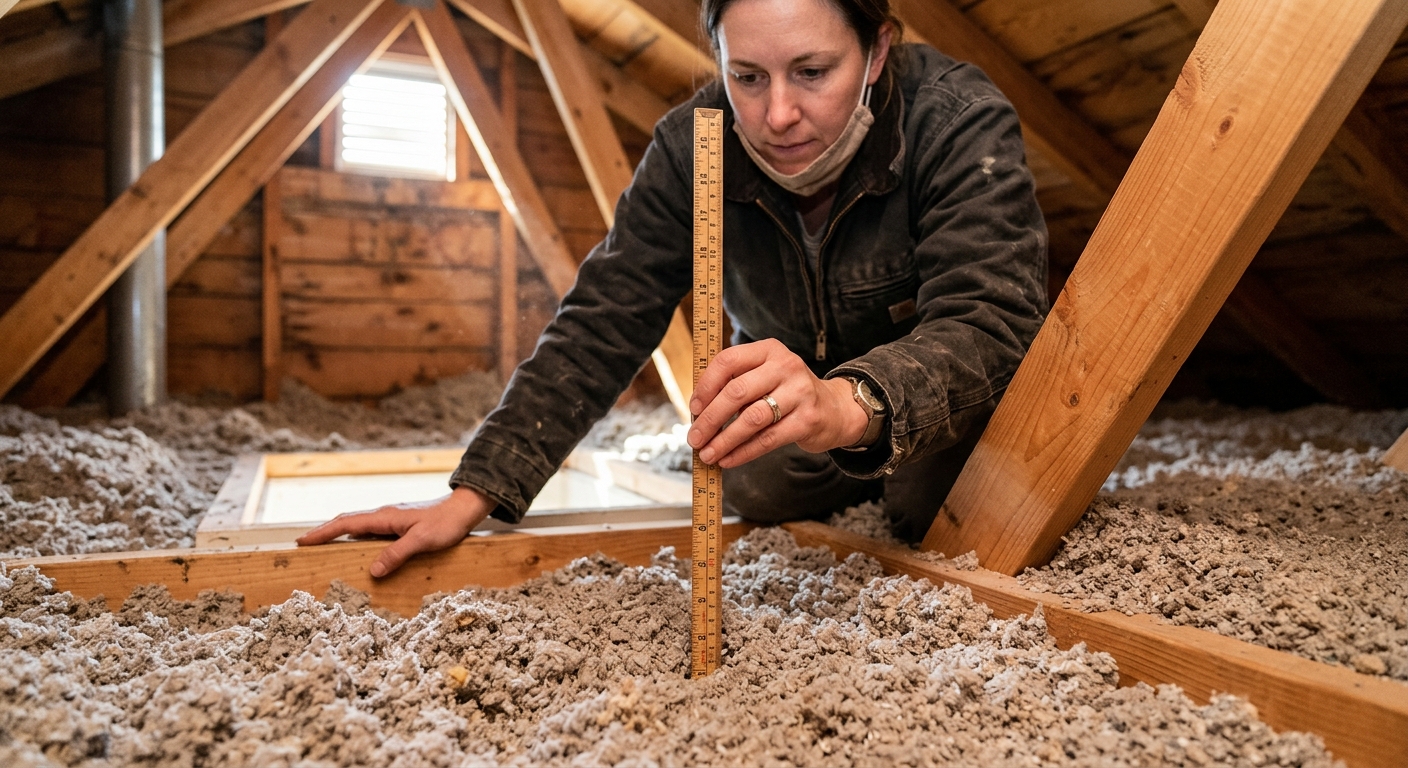
Most homes lose 25 to 30% of their heating and cooling energy through an under-insulated attic, yet most homeowners have never once looked up there to check. This guide shows you how to measure what you have, compare it to DOE recommendations for your climate, and decide whether adding more insulation makes financial sense.
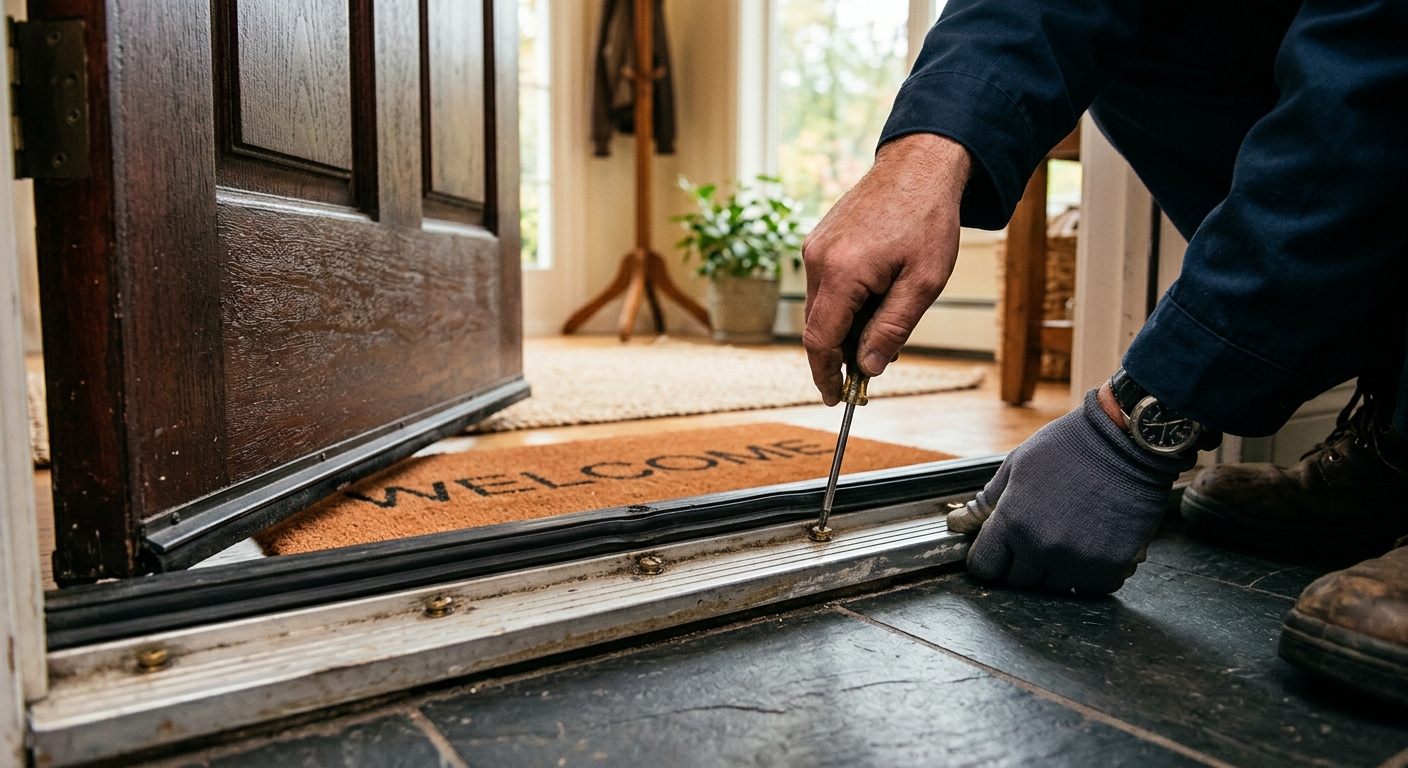
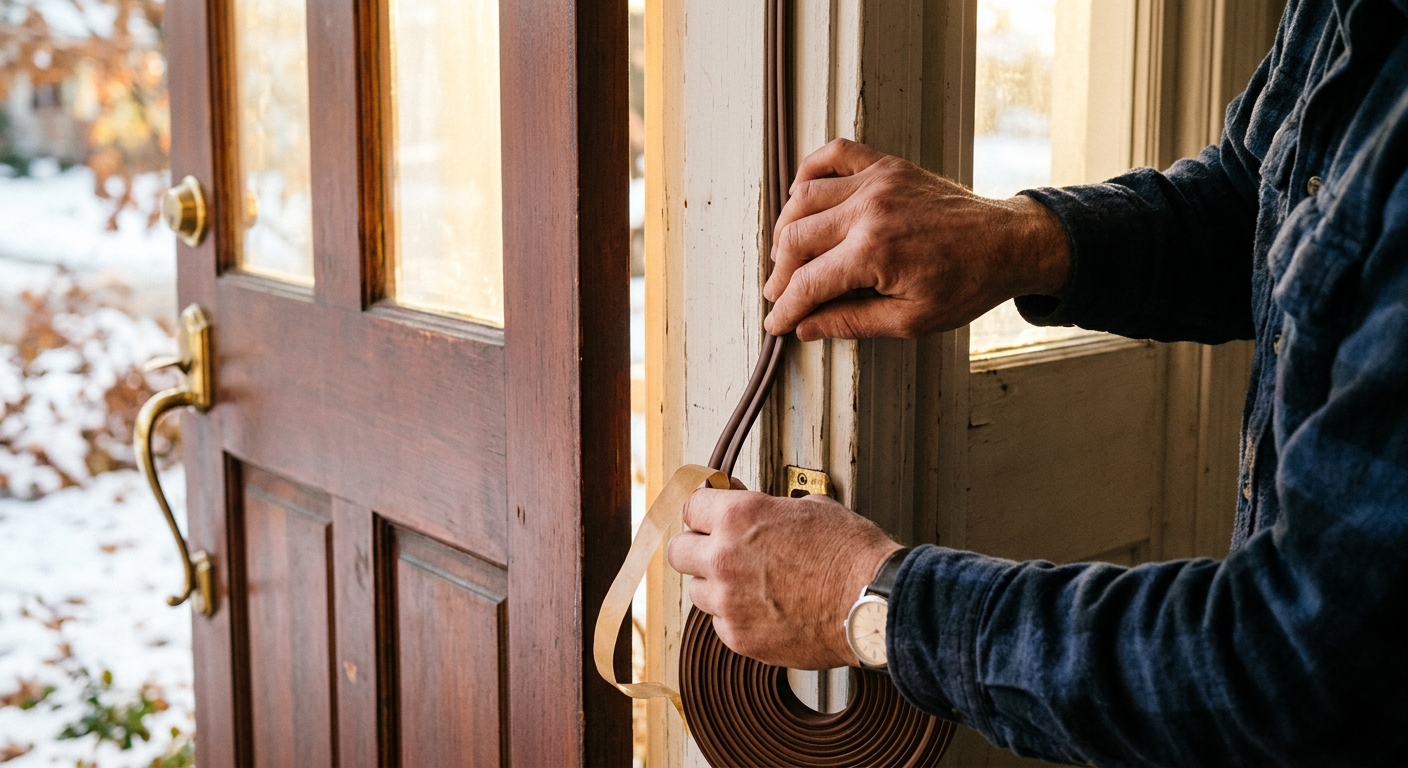
A drafty exterior door is one of the most common and costly air leaks in any home, quietly inflating your heating and cooling bills year-round. In as little as 15 minutes and with no special tools, you can seal the gaps and feel the difference the same day.
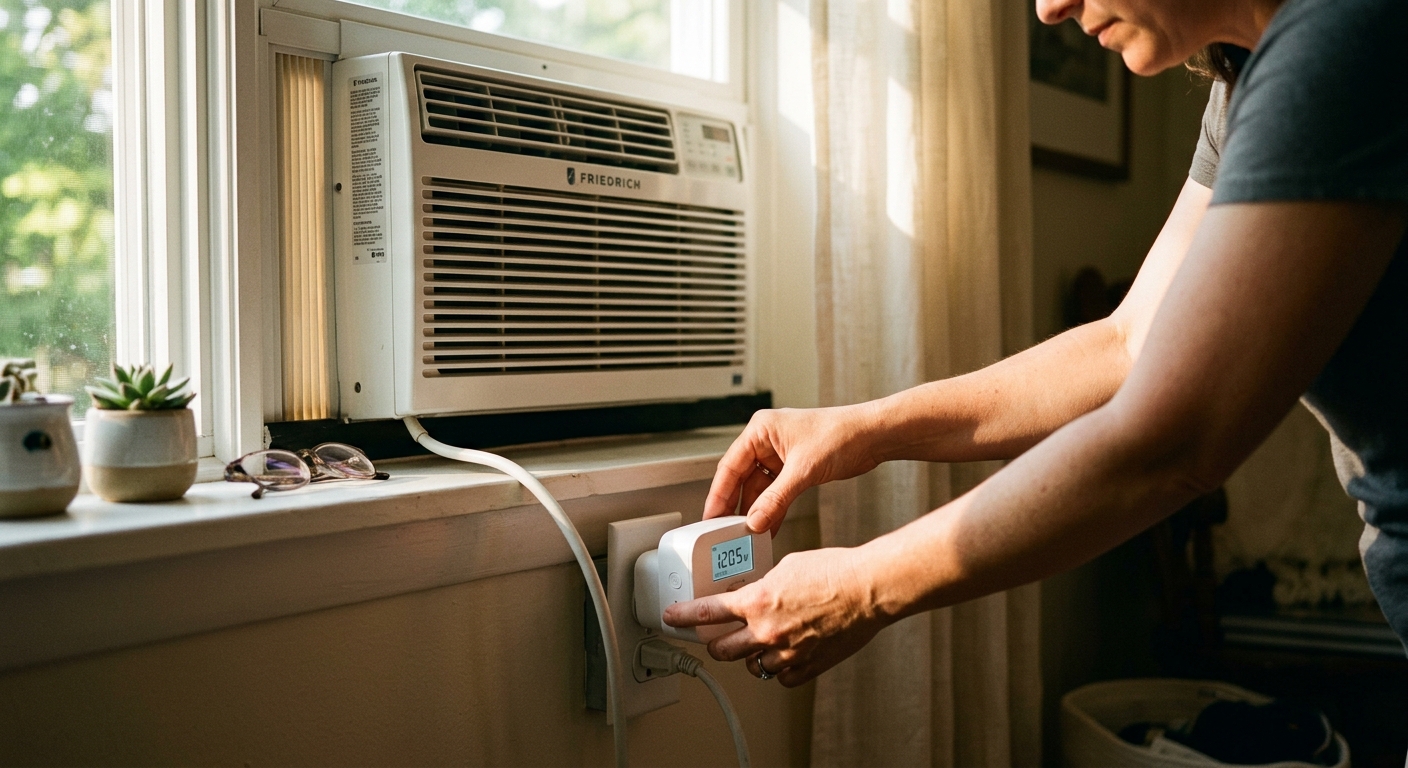
Most homeowners guess wildly when it comes to window AC operating costs, often underestimating by hundreds of dollars. This post breaks down the real math, explains what drives your bill, and shows you exactly how to cut summer cooling costs by 30% or more.
Most homeowners treat winter energy savings as a single problem, but heat loss happens in layers, room by room, and the fixes are different for each space. This guide walks you through every major area of your home with specific, numbered actions that can cut your heating bill by 20 to 40% this season.
Drafty exterior doors are one of the biggest and most overlooked sources of heat loss in a home, costing homeowners hundreds of dollars each year. In about 3 hours and for under $50, you can seal them up and feel the difference the same day.
A master bedroom that stays chilly no matter how high you set the thermostat is more than a comfort problem – it signals real energy waste. From blocked ducts to attic bypasses, the causes are fixable, and most solutions cost under $200.