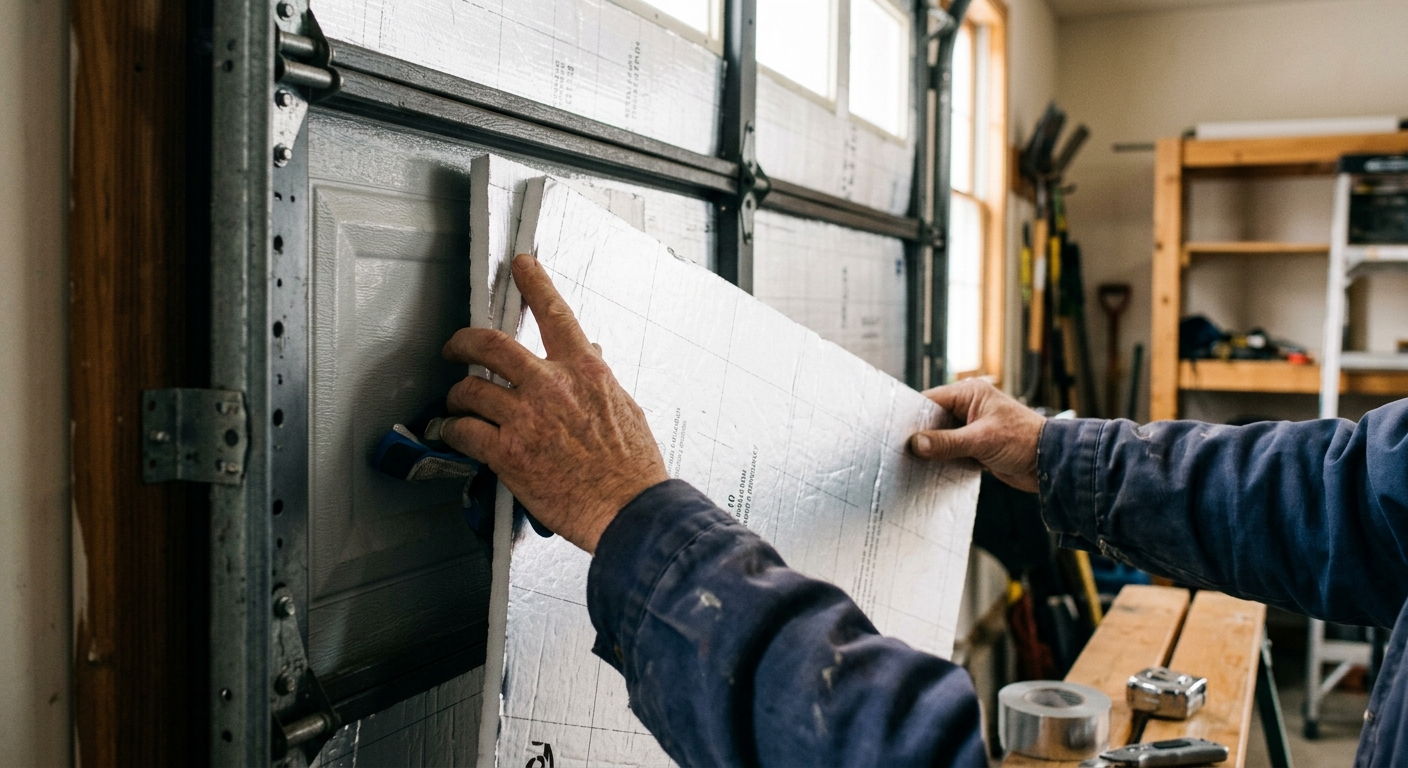
An uninsulated garage door is one of the most overlooked sources of heat loss in attached garages, letting cold air pour into your home every winter. Adding insulation to your garage door can cut heating bills by $100 to $180 annually with a payback period as short as one to two years.
Most homeowners assume their utility rate is fixed, but many providers offer programs, discounts, and rate structures that can cut your bill by 10 to 30%. Three strategic phone calls, armed with the right information, can unlock savings most customers never know to ask for.
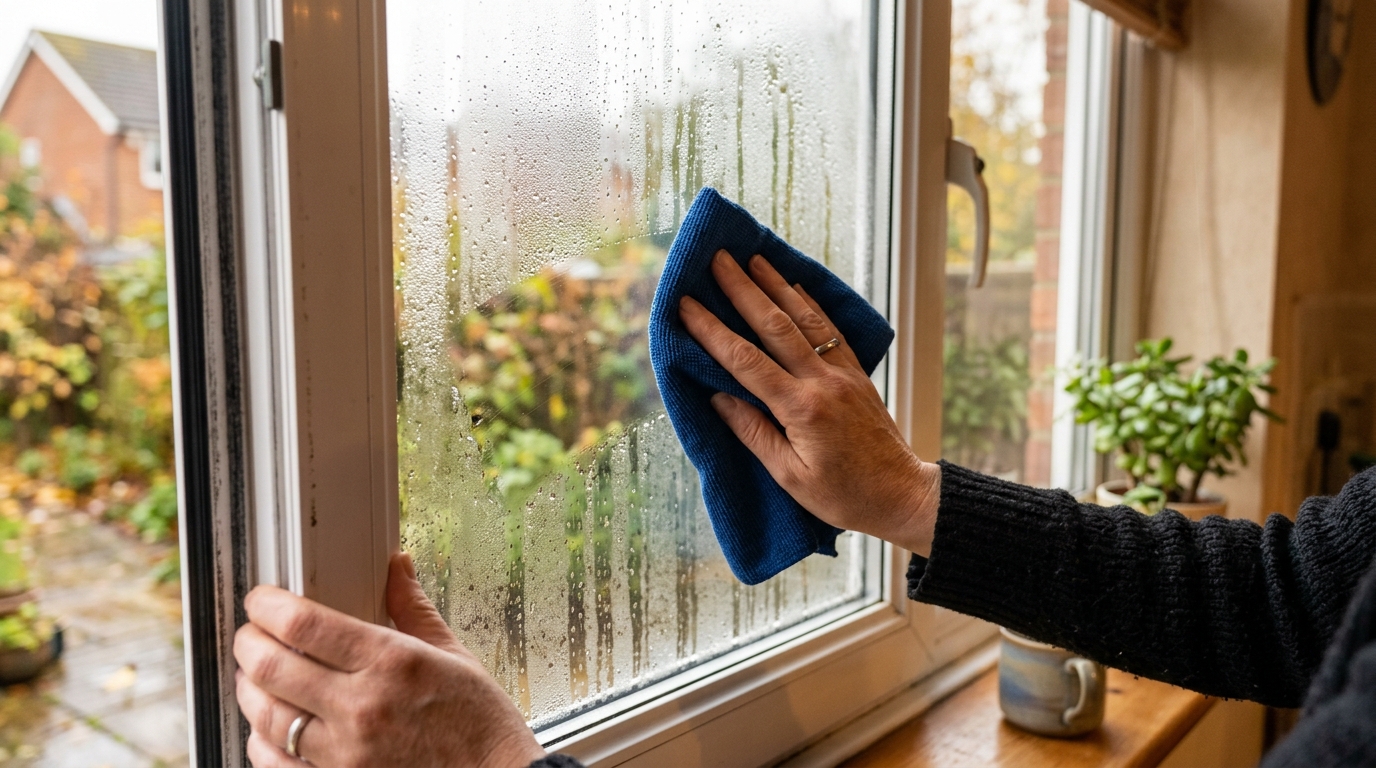
Window condensation seems like a minor annoyance, but it signals excess moisture that can rot frames, grow mold, and quietly drive up heating bills. The good news is that most cases can be fixed in a weekend with the right approach.
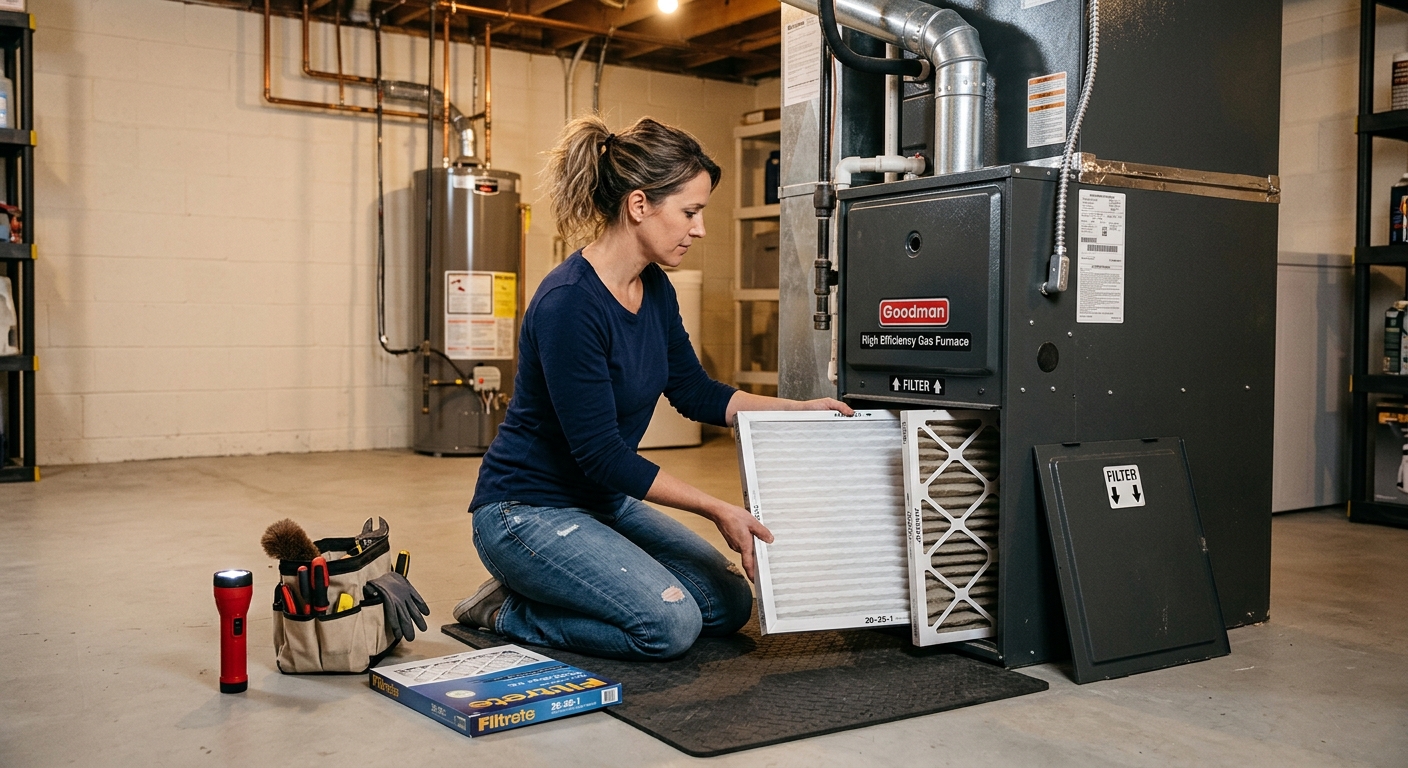
A neglected gas furnace works harder, costs more to run, and can fail when you need it most. Following a seasonal maintenance checklist takes less than two hours and can cut heating bills by 15 to 30% while extending your furnace’s lifespan by years.
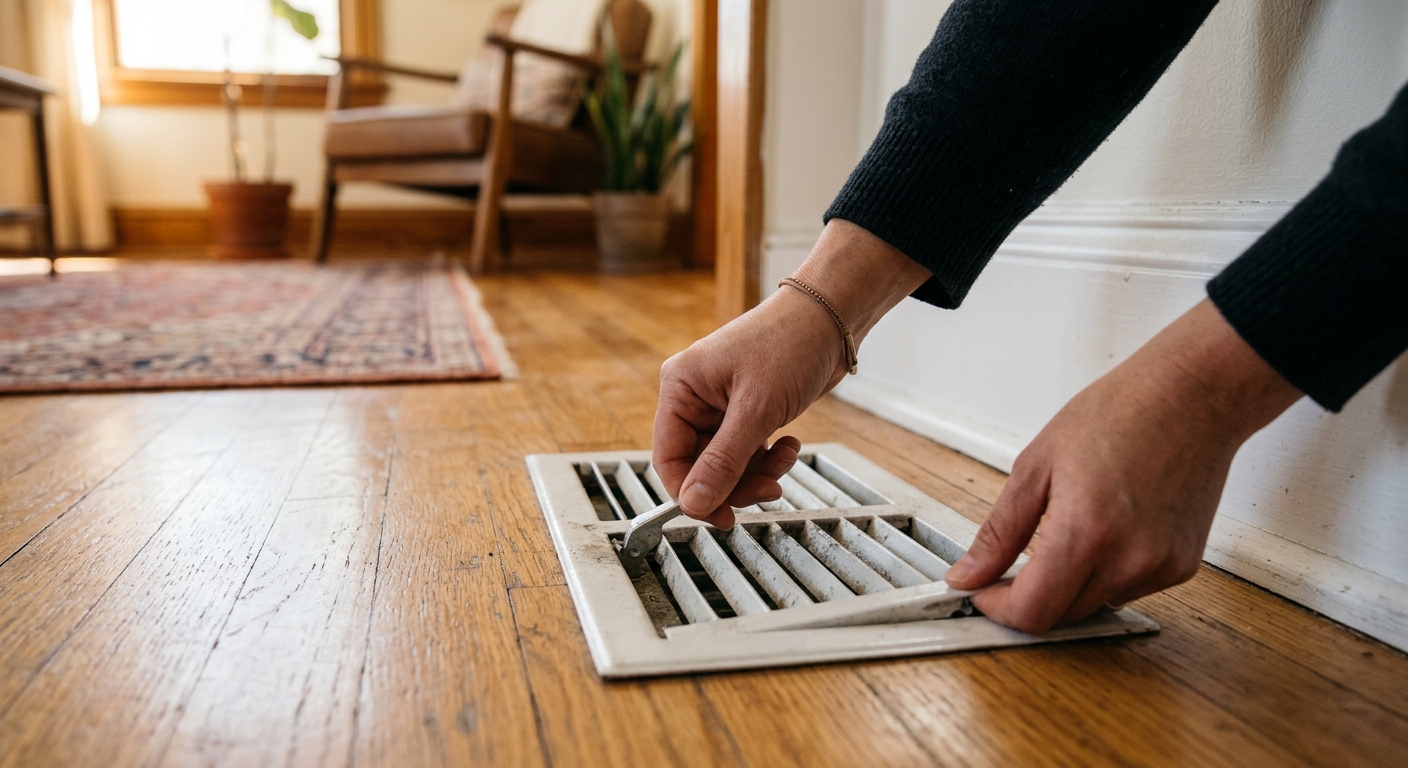
Closing vents in unused rooms seems like a smart way to save energy, but it actually increases pressure in your duct system and forces your HVAC to work harder. Here is what to do instead to actually lower your bills.
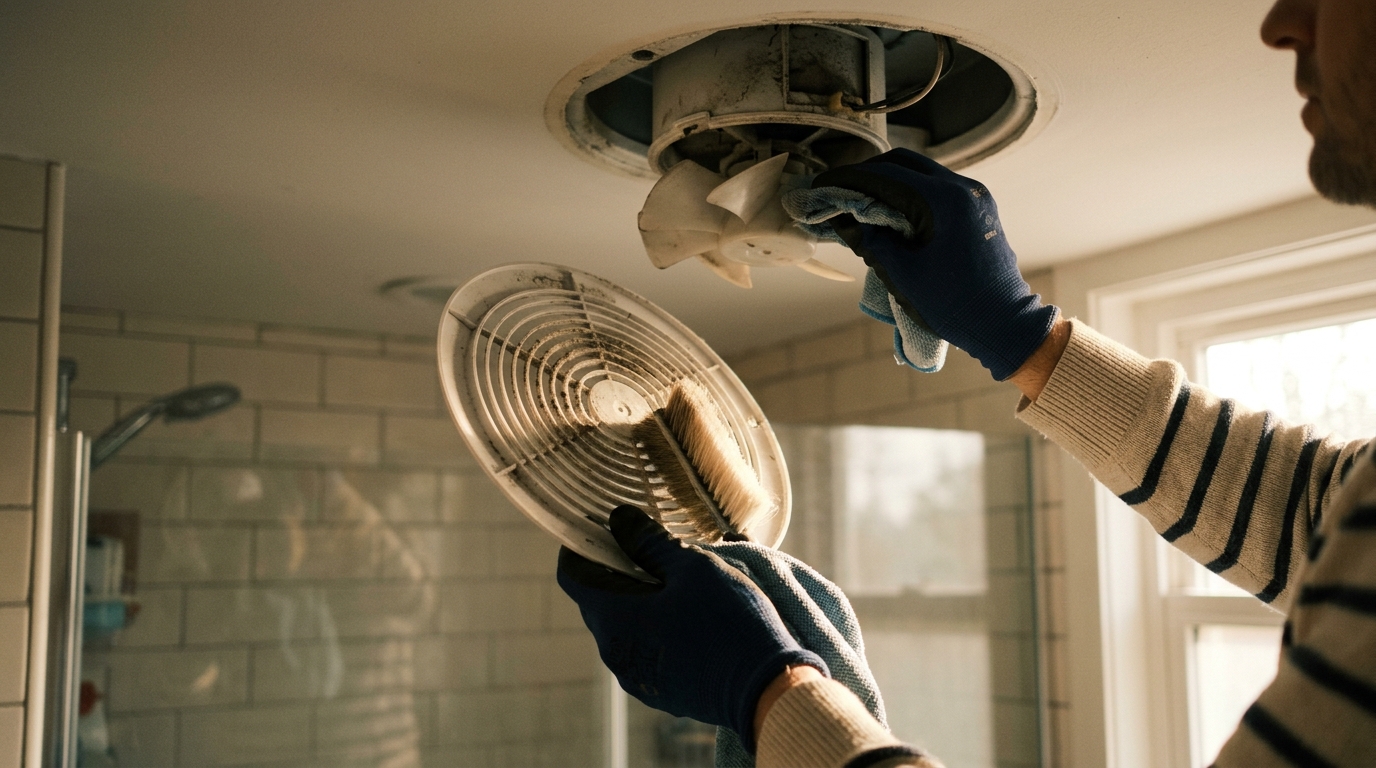
Most homeowners assume clean air requires an expensive purifier, but your home already has systems capable of doing the job. With a few smart upgrades and habit changes, you can dramatically reduce indoor pollutants for under $50 and no new appliances.
Running an air conditioner all summer can add hundreds of dollars to your energy bill, but strategic box fan placement can cool your home almost as effectively on mild days. By understanding how air moves through a house, you can create powerful cross-ventilation that flushes out heat and brings in cool outdoor air for just pennies a day.
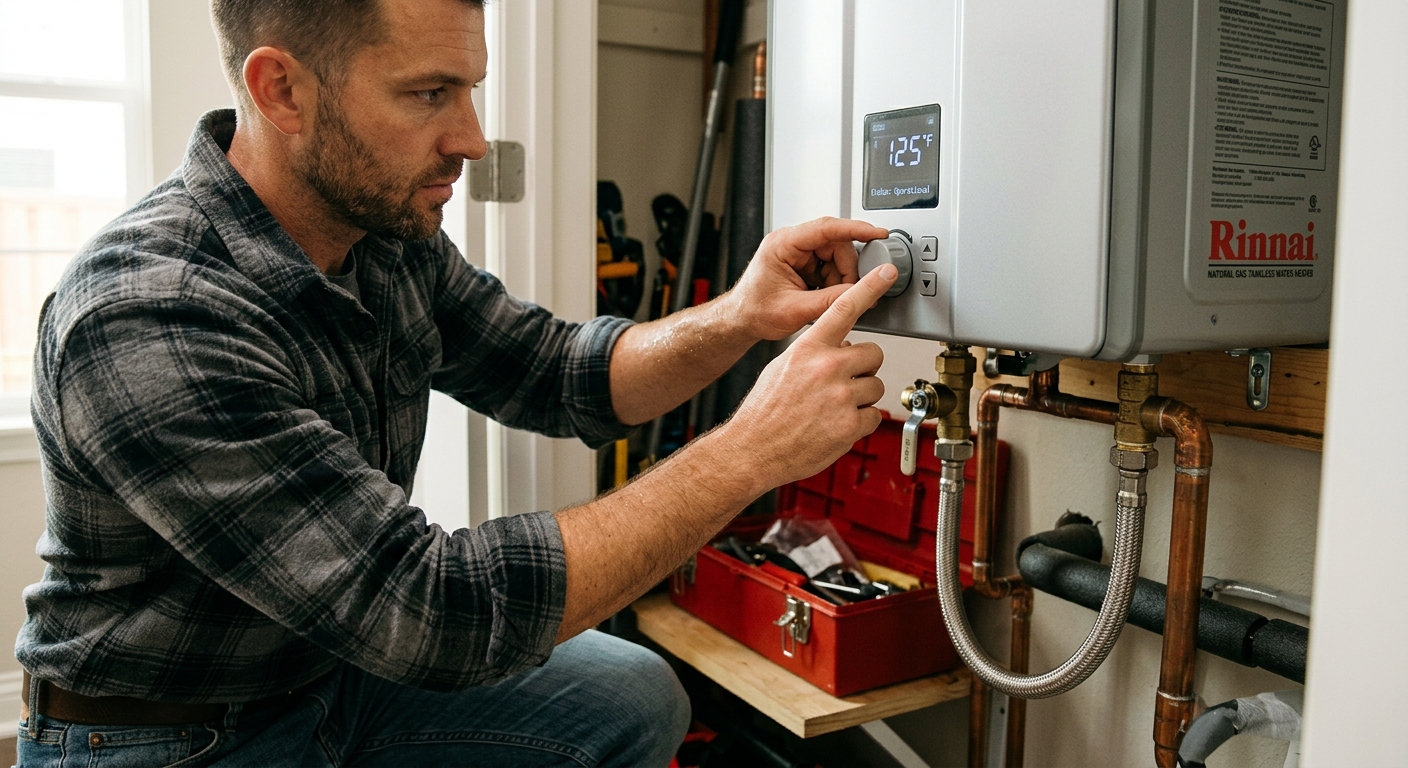
Running out of hot water during the morning rush is frustrating, but it is almost always fixable without replacing your water heater. The right combination of thermostat adjustments, sediment flushing, and scheduling habits can restore full capacity in under an hour.
Window air conditioners are among the biggest energy hogs in a home, but most homeowners run them on fixed schedules or leave them on all day. A $15 to $30 smart plug gives you real-time energy monitoring and automated scheduling that can trim your cooling bill by 15 to 25% with almost no effort.
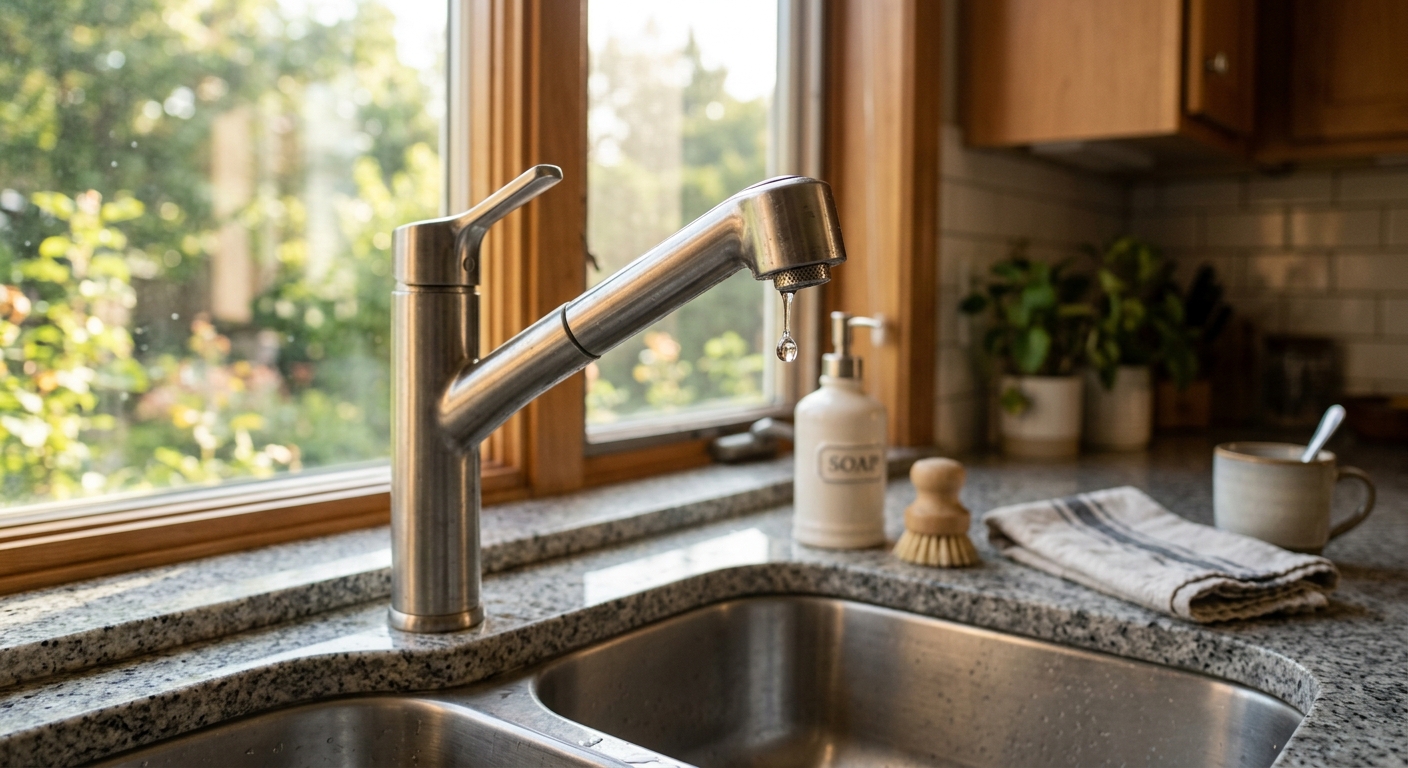
A single dripping faucet can waste over 3,000 gallons of water annually, adding $20 to $35 to your utility bills without a single drop of benefit. The good news is that most faucet leaks are a straightforward DIY fix that costs under $15 and takes less than an hour.