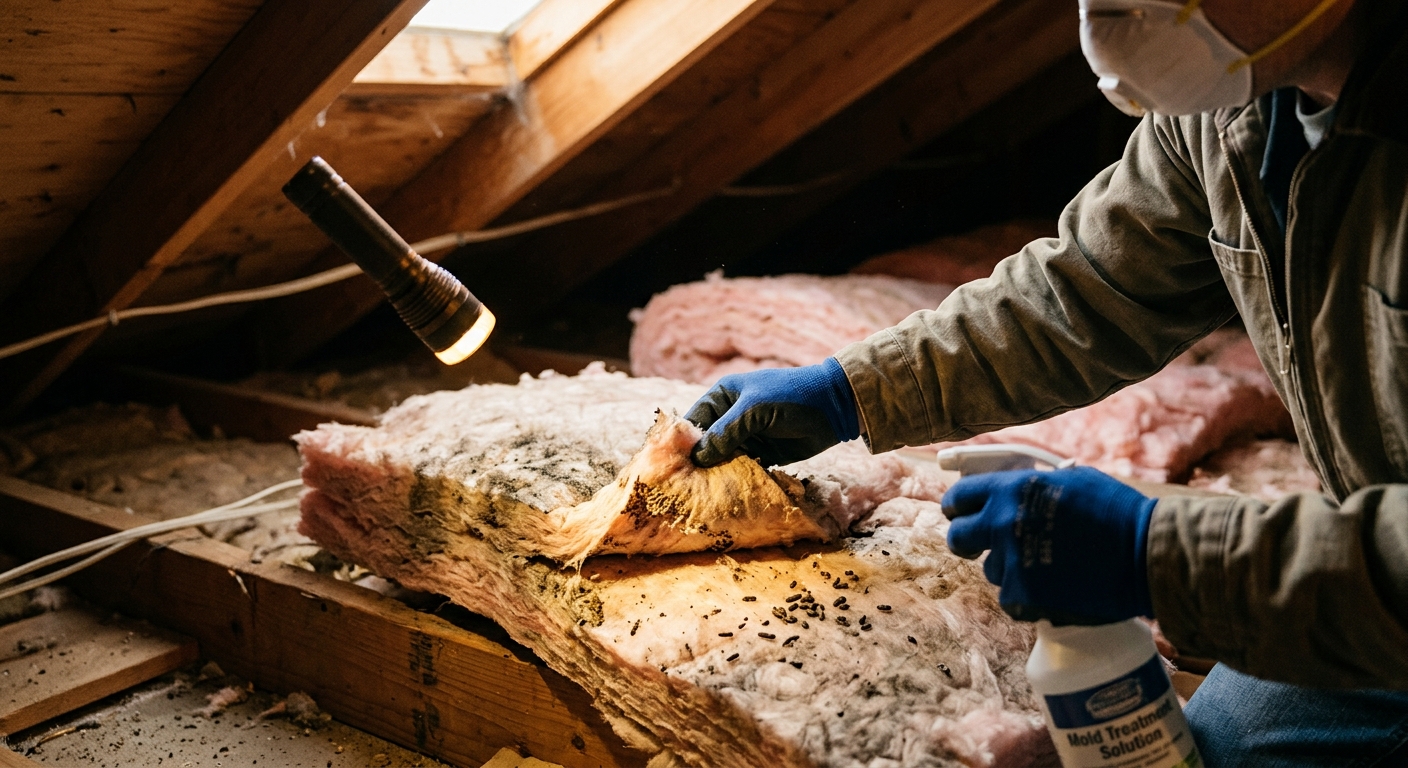
Damaged insulation does not just waste energy, it can harbor mold spores, rodent waste, and structural rot that threaten your family’s health. This guide walks you through how to identify the damage, safely remove it, and replace it so your home is both efficient and safe.
Outdated or missing insulation quietly costs sellers thousands in negotiating power and buyers thousands in future energy bills. Upgrading your insulation before listing can add 2 to 6 percent to your home’s value while making it far more attractive to today’s energy-conscious buyers.
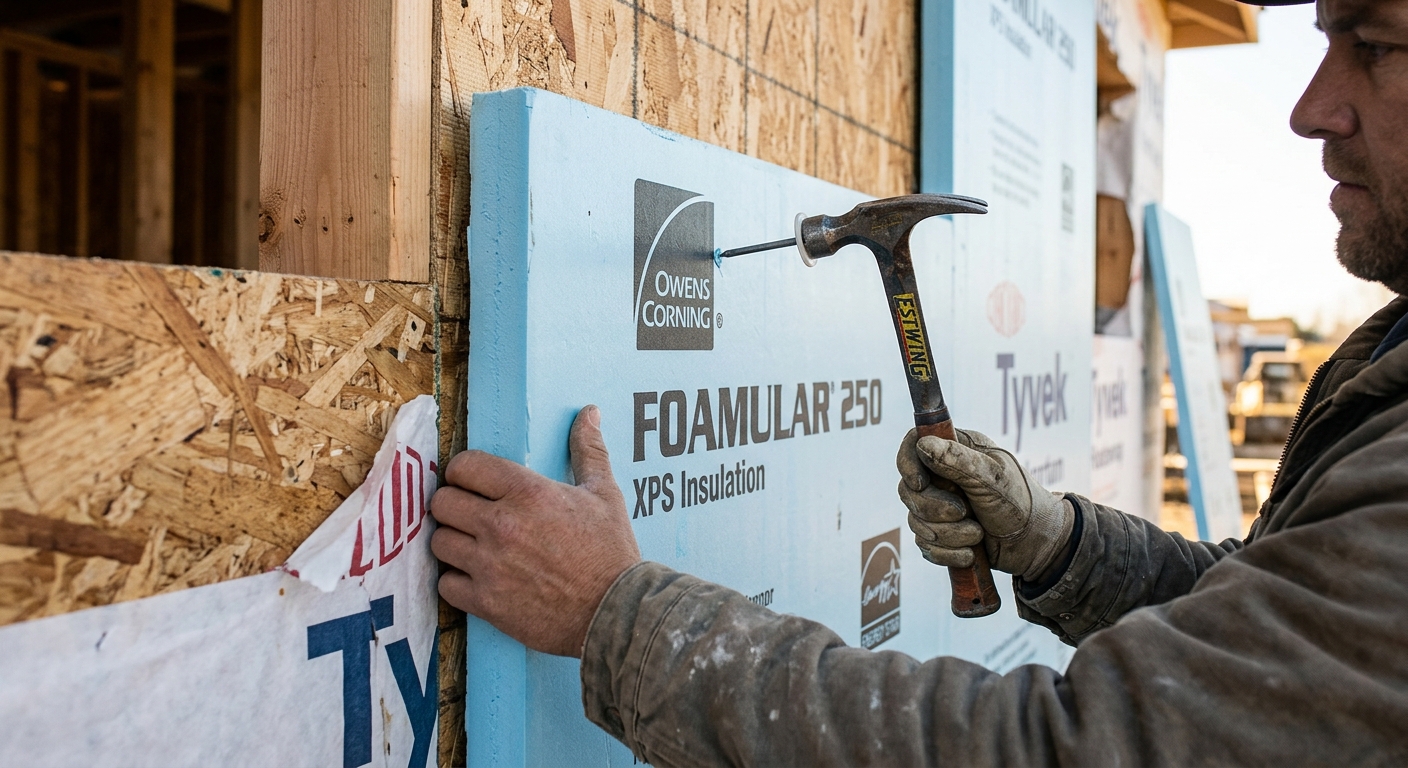
Most homeowners focus on attic insulation and miss the walls entirely, leaving a major source of heat loss and gain untreated. Exterior foam board insulation wraps your entire home in a continuous thermal barrier, cutting energy bills by 15 to 25% and eliminating the hidden comfort problems that interior insulation alone cannot fix.
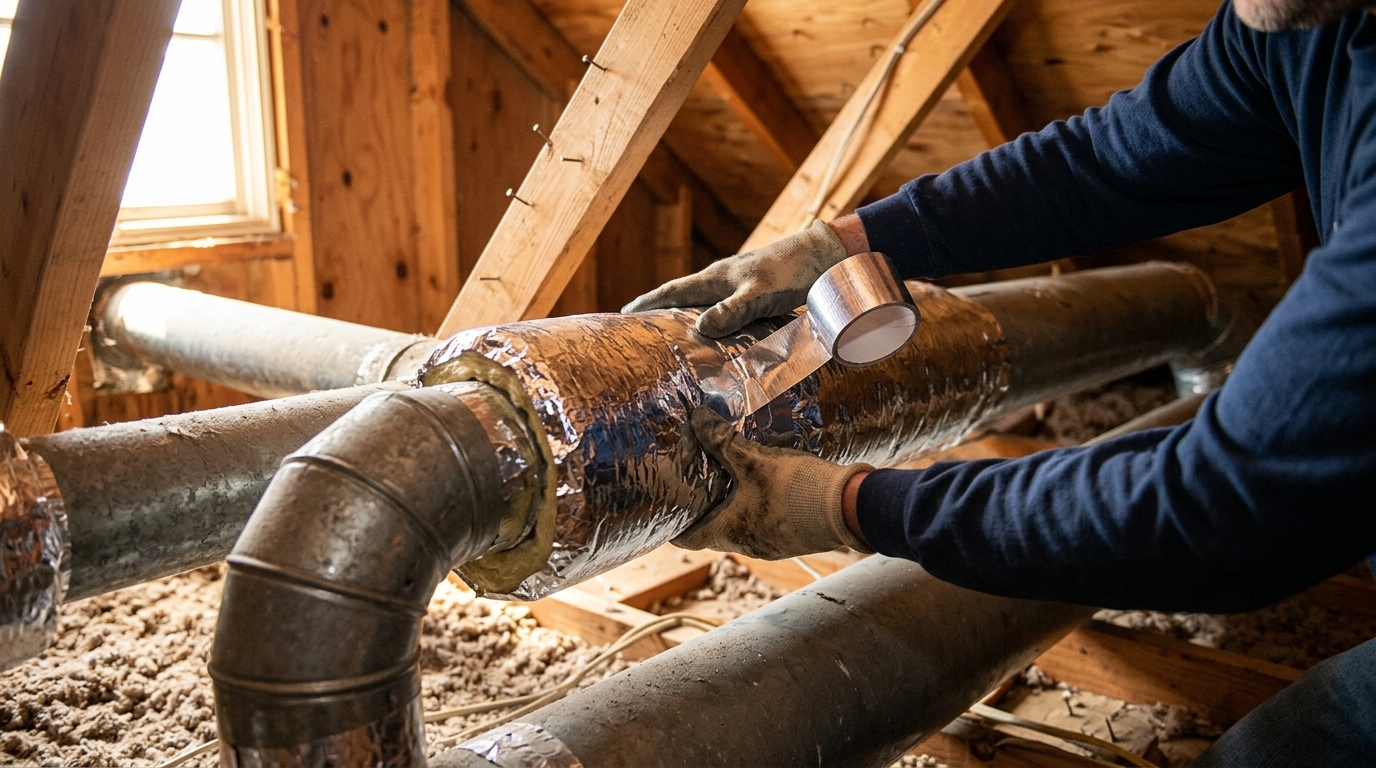
Uninsulated ducts running through hot attics or cold crawlspaces can waste 20 to 30% of your conditioned air before it ever reaches a room. Wrapping those ducts in proper insulation is one of the highest-return upgrades a homeowner can make, often paying back in 2 to 4 years.
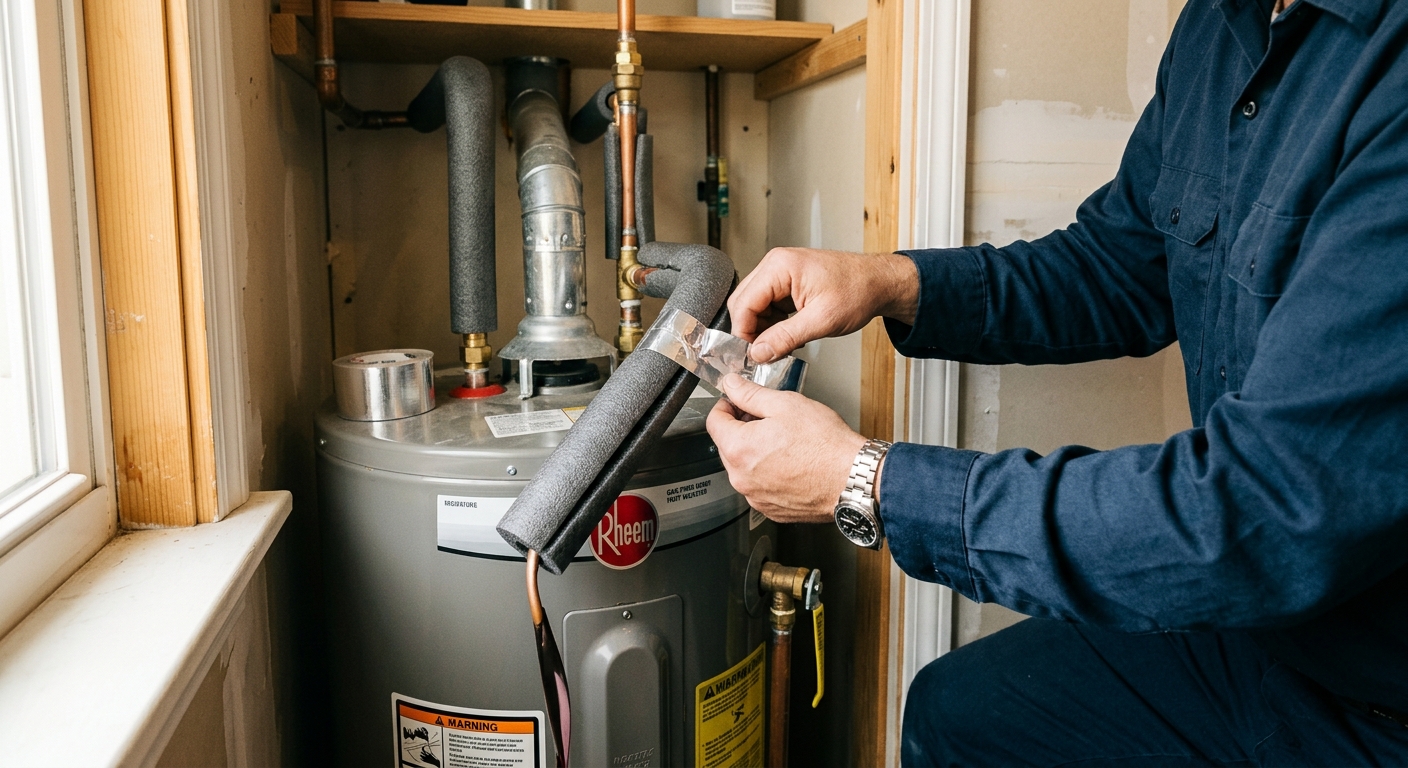
Your water heater loses heat constantly through the walls of its closet, forcing it to reheat water more often and driving up your energy bill. Insulating the closet walls, door, and pipes can reduce standby heat loss by 25 to 45% and pay for itself in under a year.
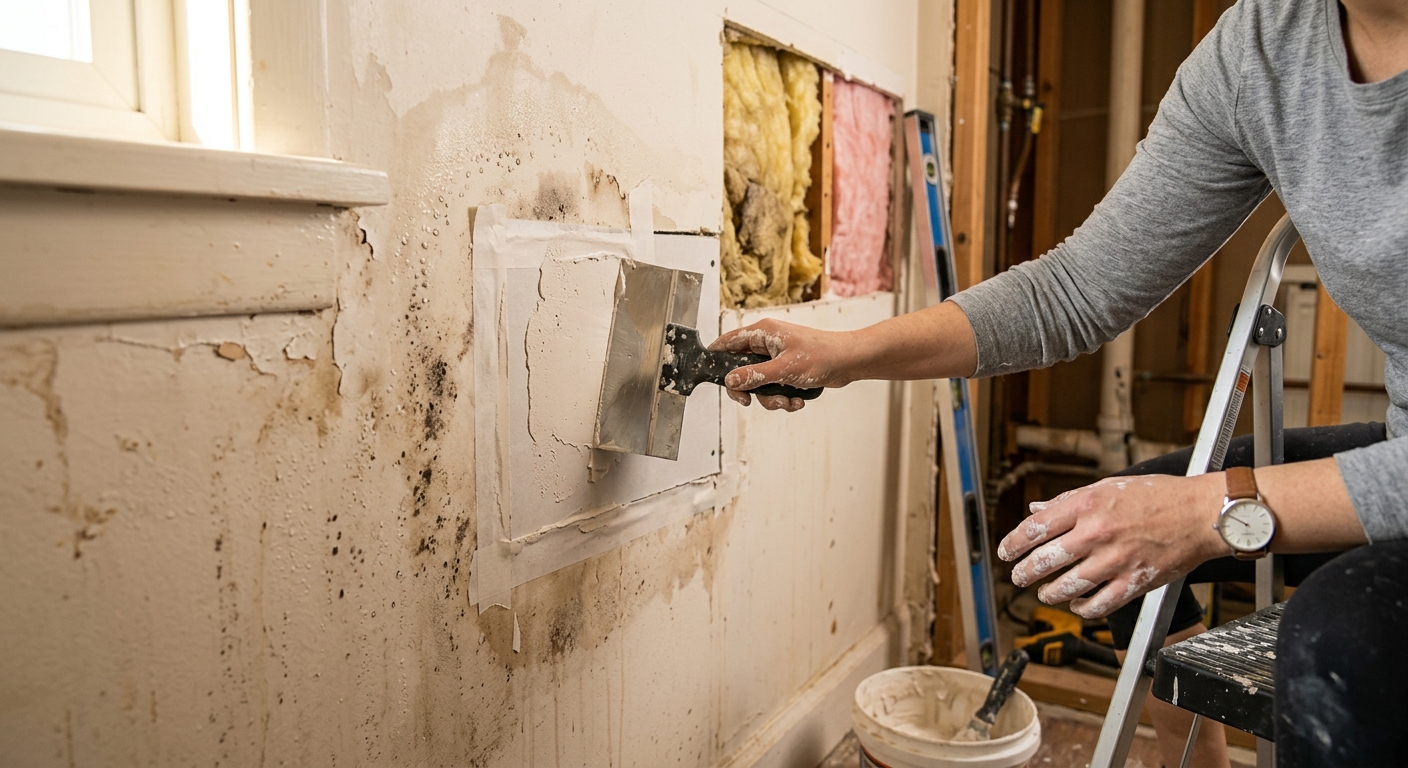
Condensation on interior walls is not just an eyesore – it signals a serious insulation or vapor control failure that can lead to mold, rot, and structural damage. Understanding the building science behind wall condensation helps you pinpoint the real cause and fix it before it becomes a costly repair.
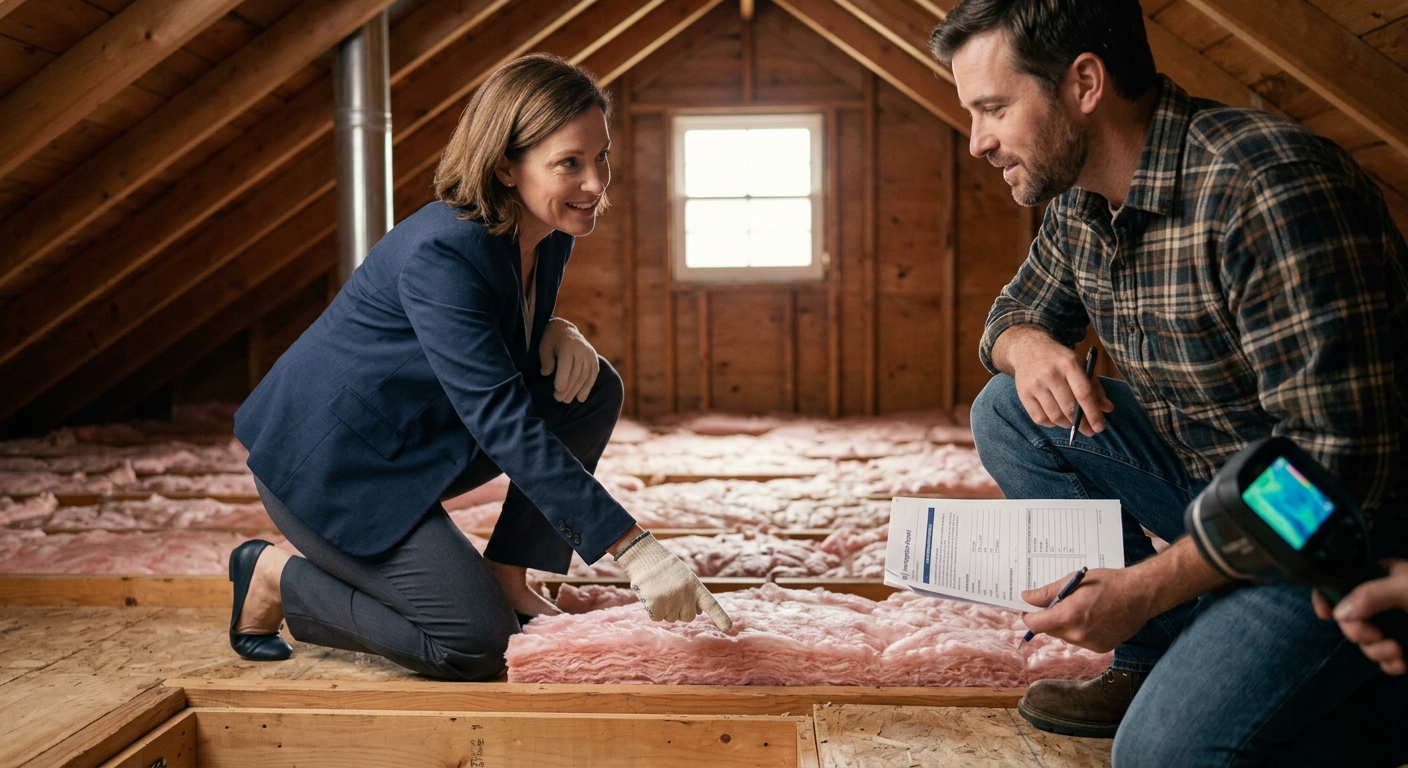
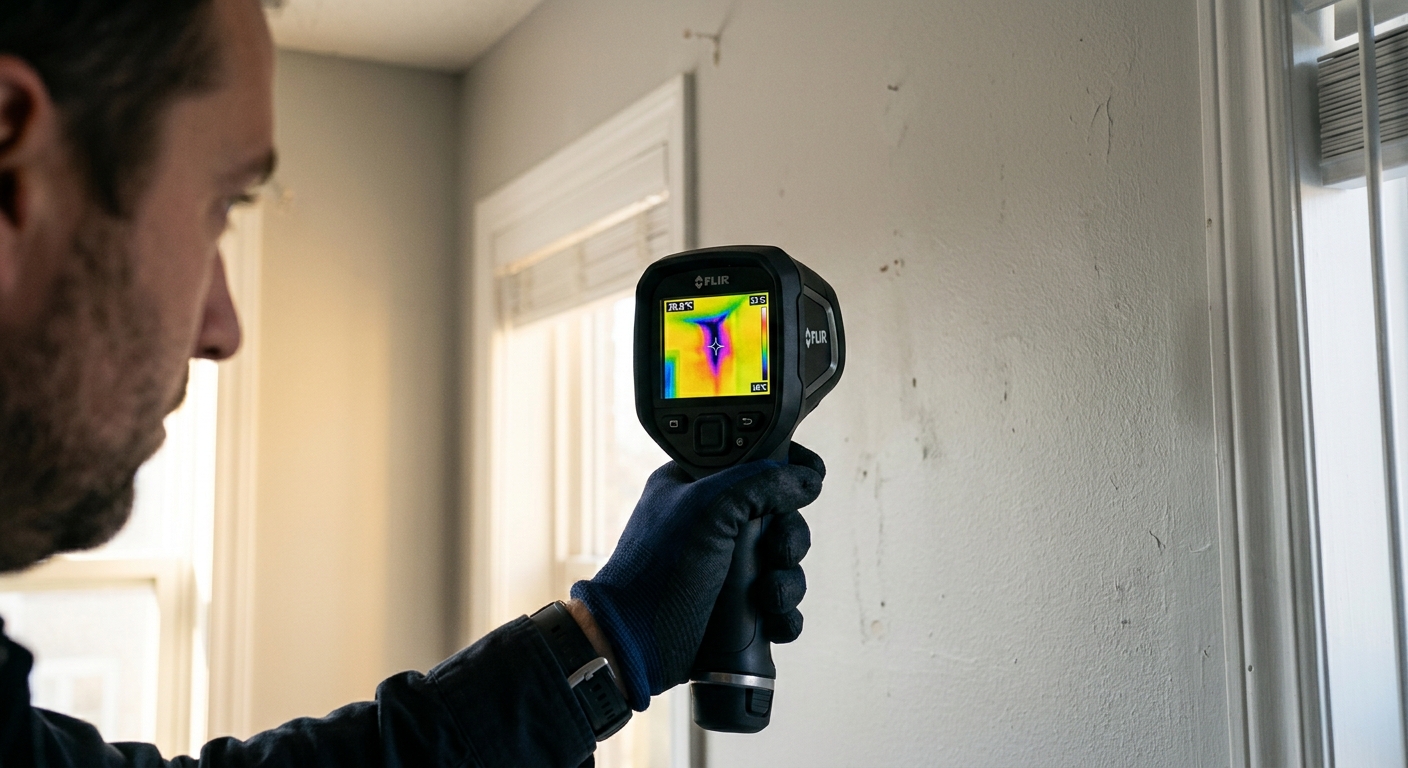
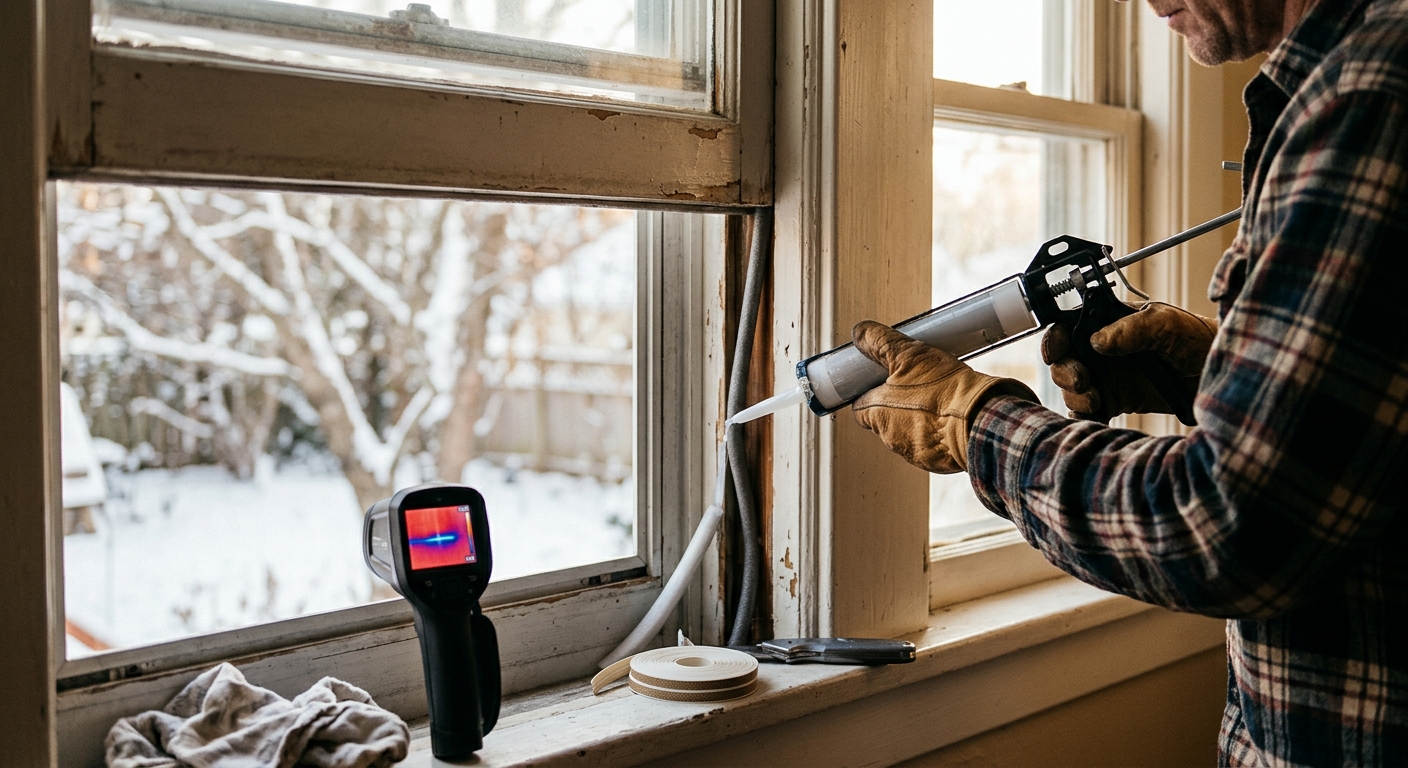
Insulation problems are invisible to the naked eye, which means most homeowners are losing hundreds of dollars a year without ever knowing where. Thermal imaging turns heat loss into a visible picture, so you can fix exactly what is failing instead of guessing.
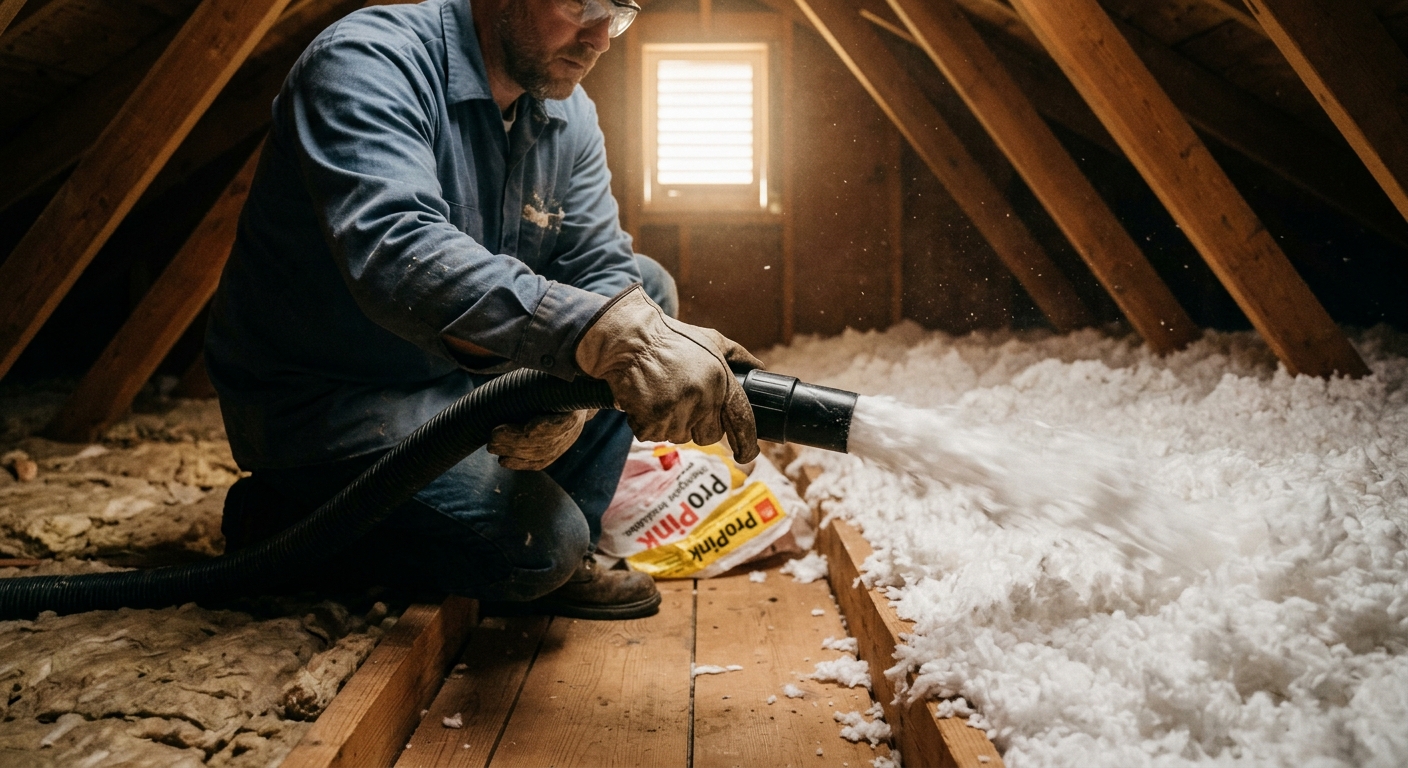
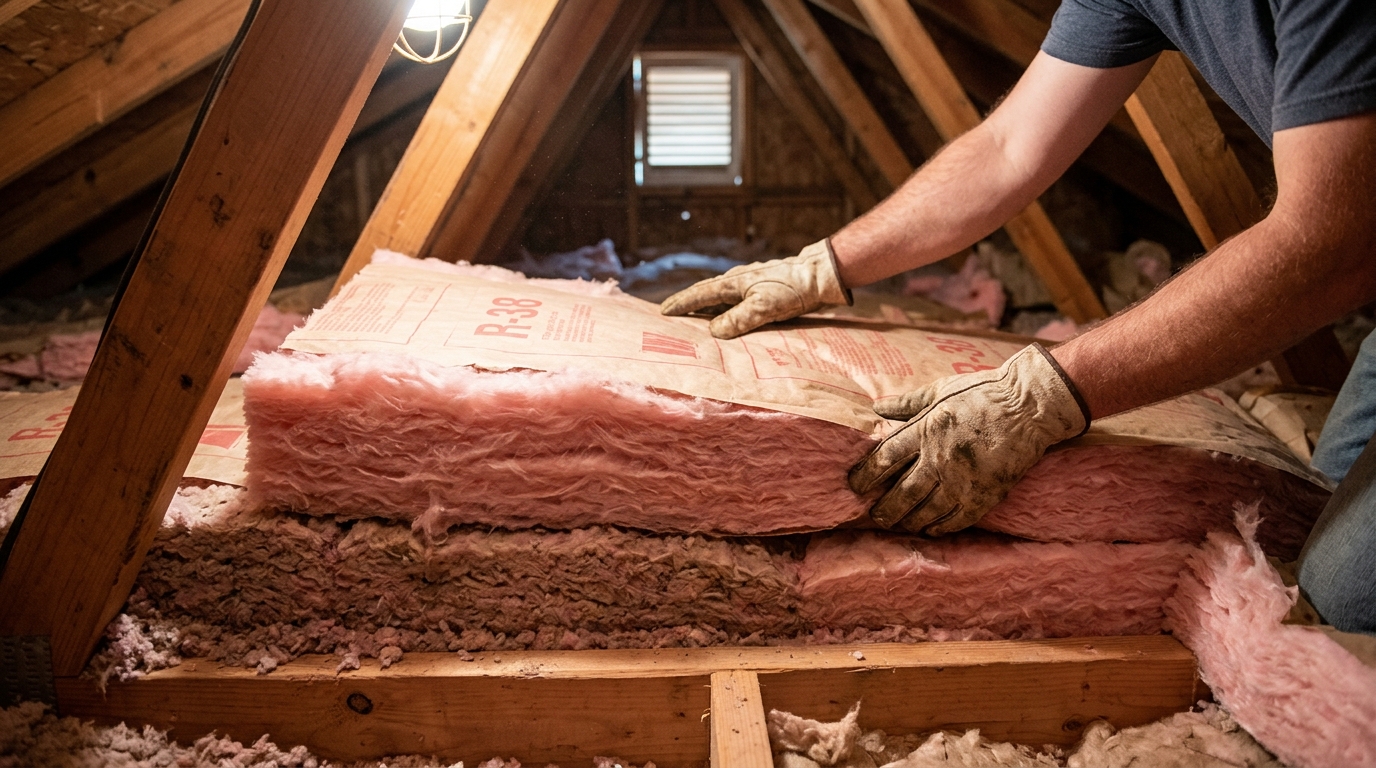
A poorly insulated attic is one of the biggest energy drains in most American homes, quietly adding hundreds of dollars to your heating and cooling bills every year. Upgrading attic insulation to the DOE-recommended R-38 to R-60 is one of the highest-return home improvements you can make, with typical payback periods of 12 to 24 months.
Homeowners often blame insulation when cold air is sneaking in through gaps and cracks, leading to expensive fixes that miss the real culprit. Understanding whether you have an air sealing problem, an insulation problem, or both can save you thousands of dollars and dramatically improve comfort.
Most homeowners have no idea what R-value their attic has, or whether upgrading it would actually save money. This post breaks down the real numbers behind R-38 vs. R-60 insulation and helps you decide if adding more is worth the cost.