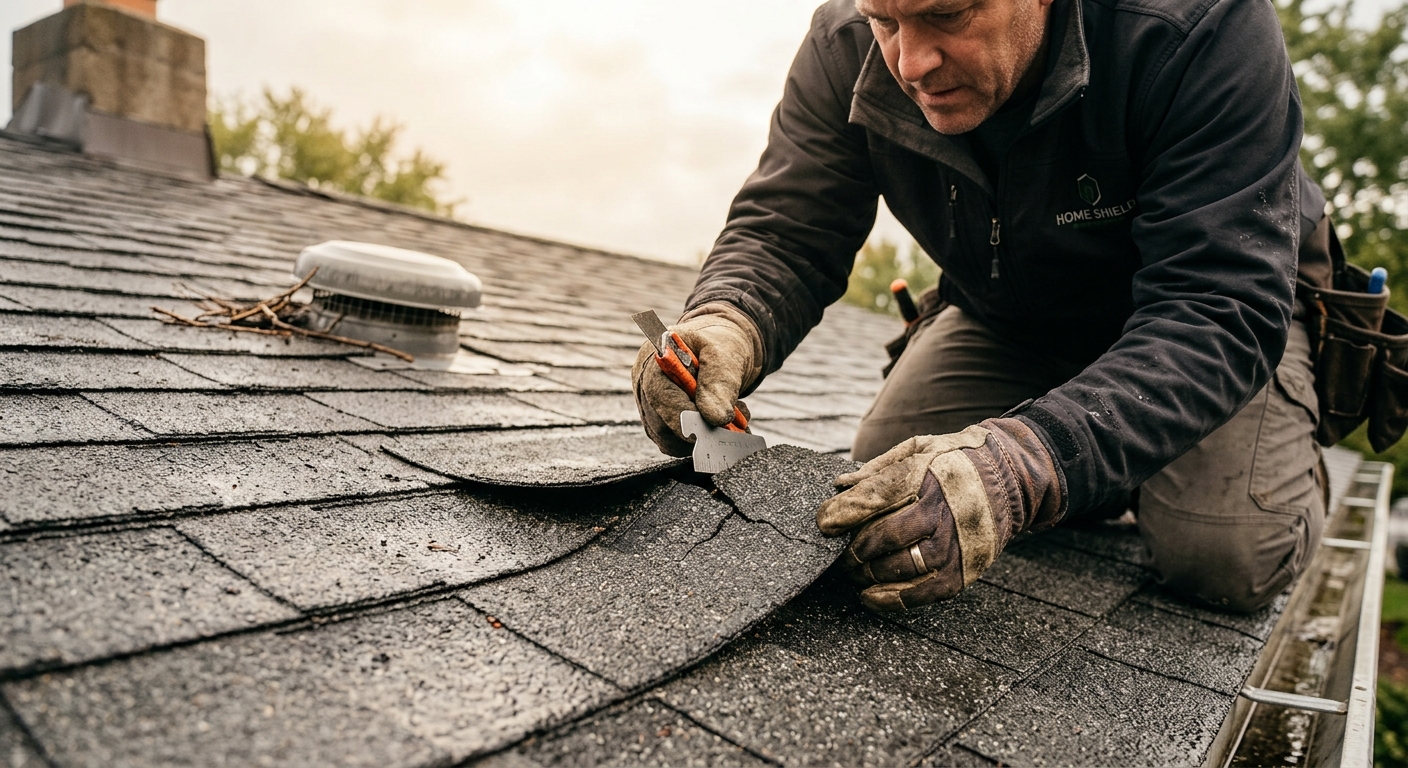
After a major storm, hidden roof damage can silently drive up energy bills and lead to costly structural repairs if left unchecked. A methodical 30-minute inspection, done safely from the ground and inside your attic, can catch problems early and potentially save you thousands in repair costs.
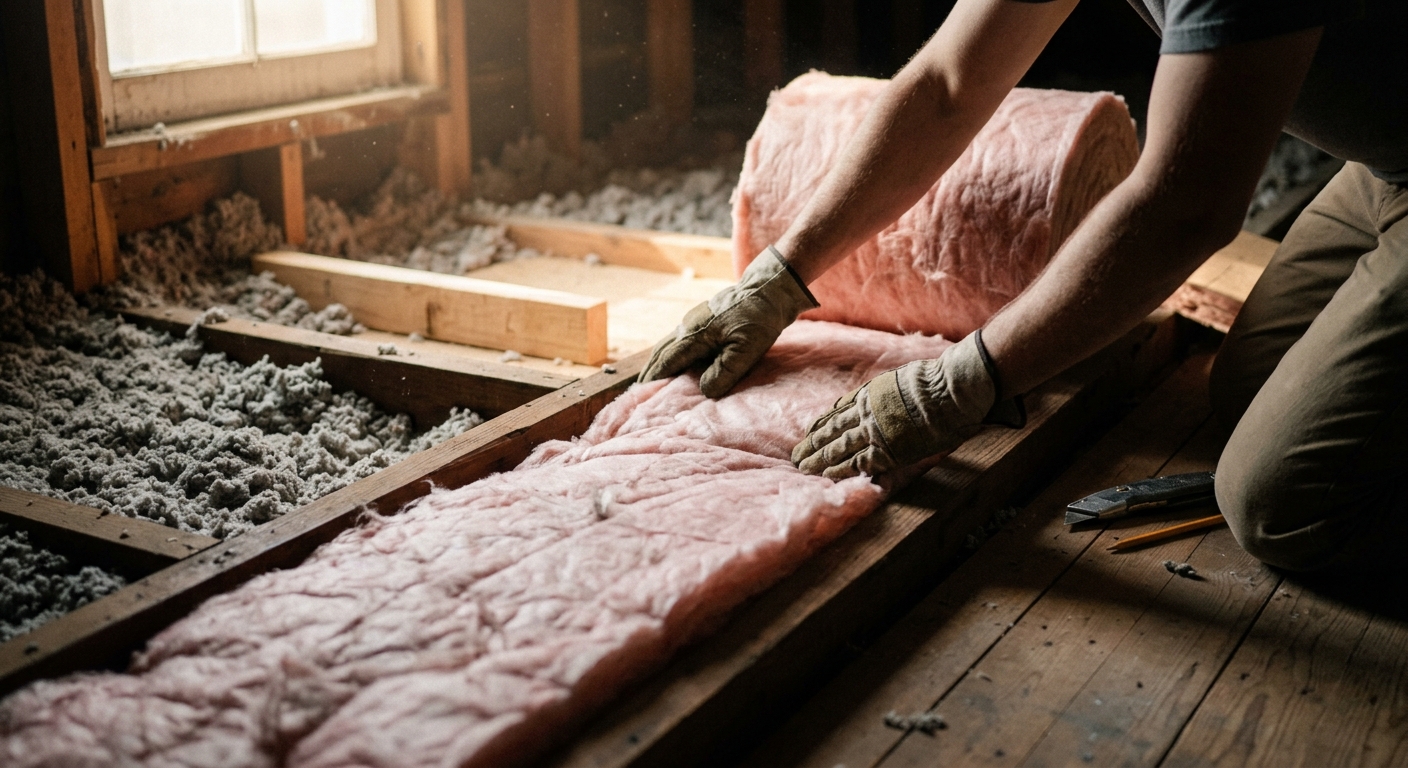
Most homeowners blame the cold weather for their January energy bill shock, but the real culprit is hidden air leakage and under-insulated attics working against your heating system. Address these two root causes and you can realistically cut heating costs by 20 to 30 percent without replacing your furnace.
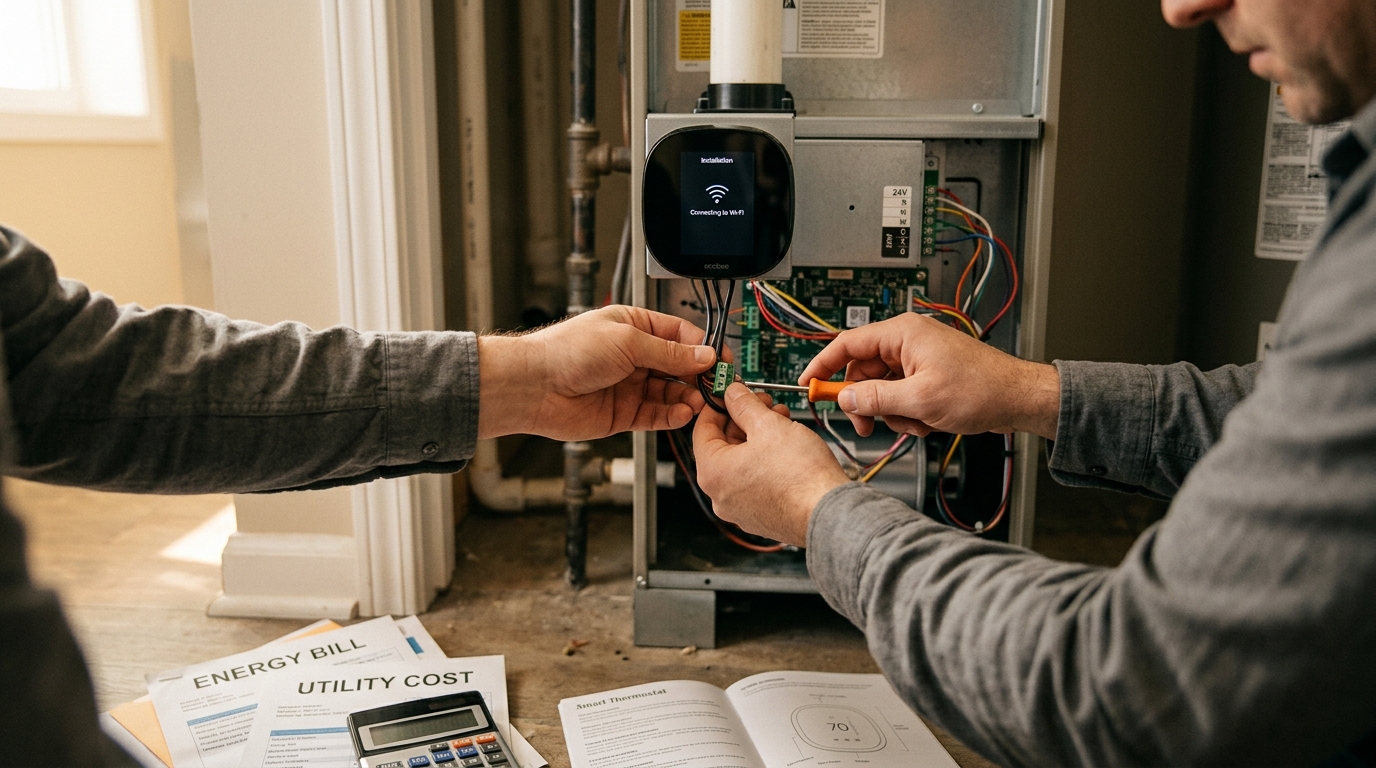
Most ‘smart home’ gadgets are novelties that add convenience without saving money, but a handful of targeted upgrades genuinely cut energy bills by 15 to 30% annually. This post breaks down exactly which five upgrades deliver real payback, what they cost, and how to install them yourself.
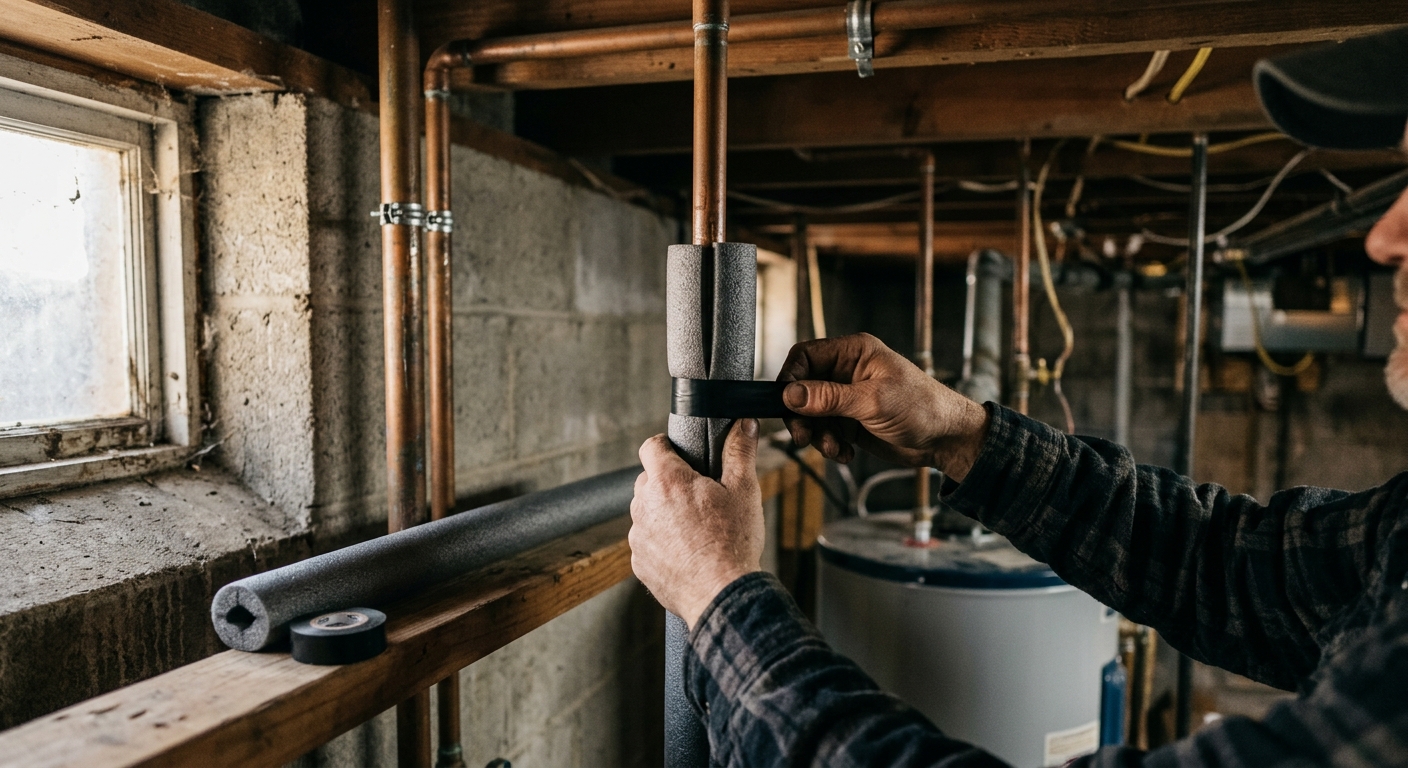
Frozen pipes are one of the most expensive and preventable home disasters, with burst pipes averaging $5,000 to $70,000 in water damage repairs. A combination of targeted insulation, heat tape, and smart thermostat habits can protect your plumbing even in a drafty, under-insulated home.
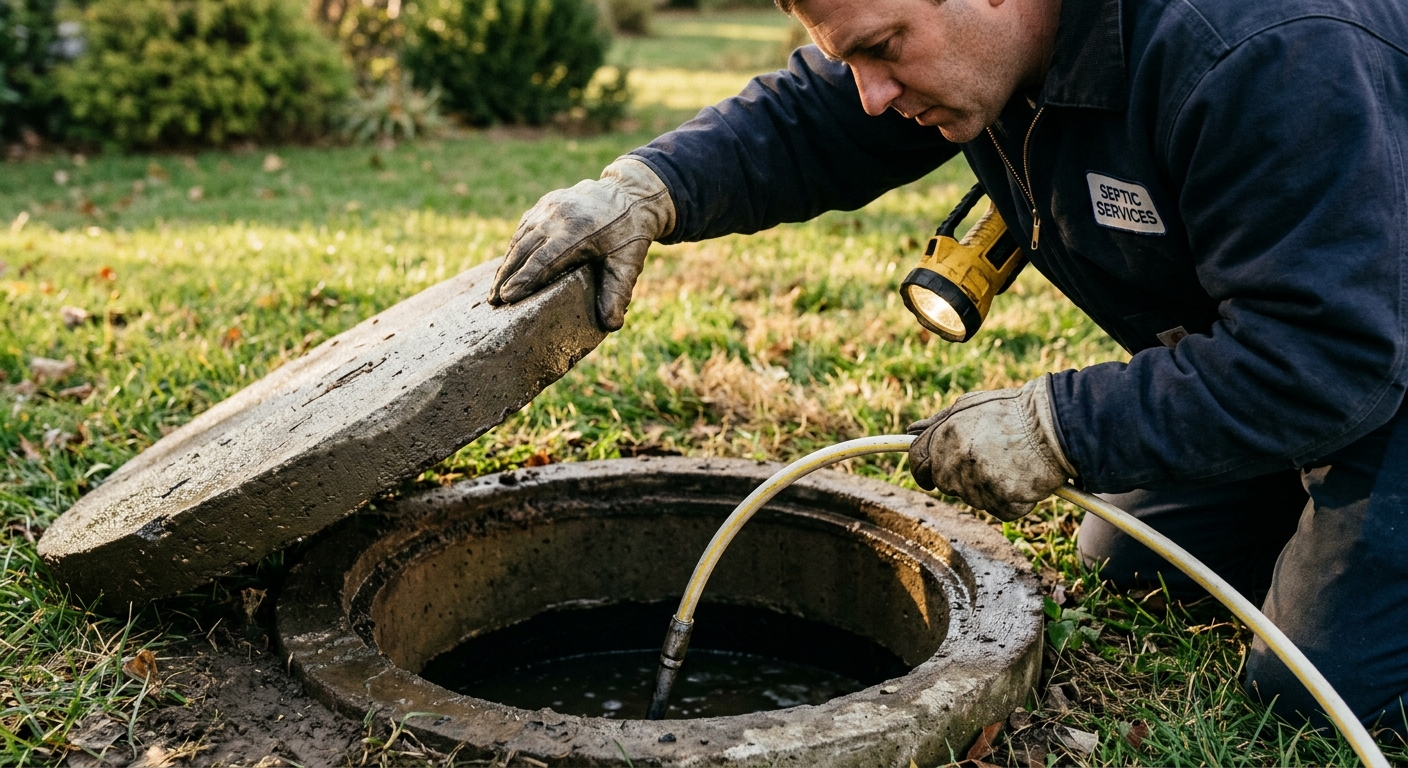
A failing septic system can cost $10,000 to $30,000 to replace, and most failures are entirely preventable. This guide gives homeowners a clear, science-backed maintenance plan to protect their system and avoid the biggest mistakes that lead to costly repairs.
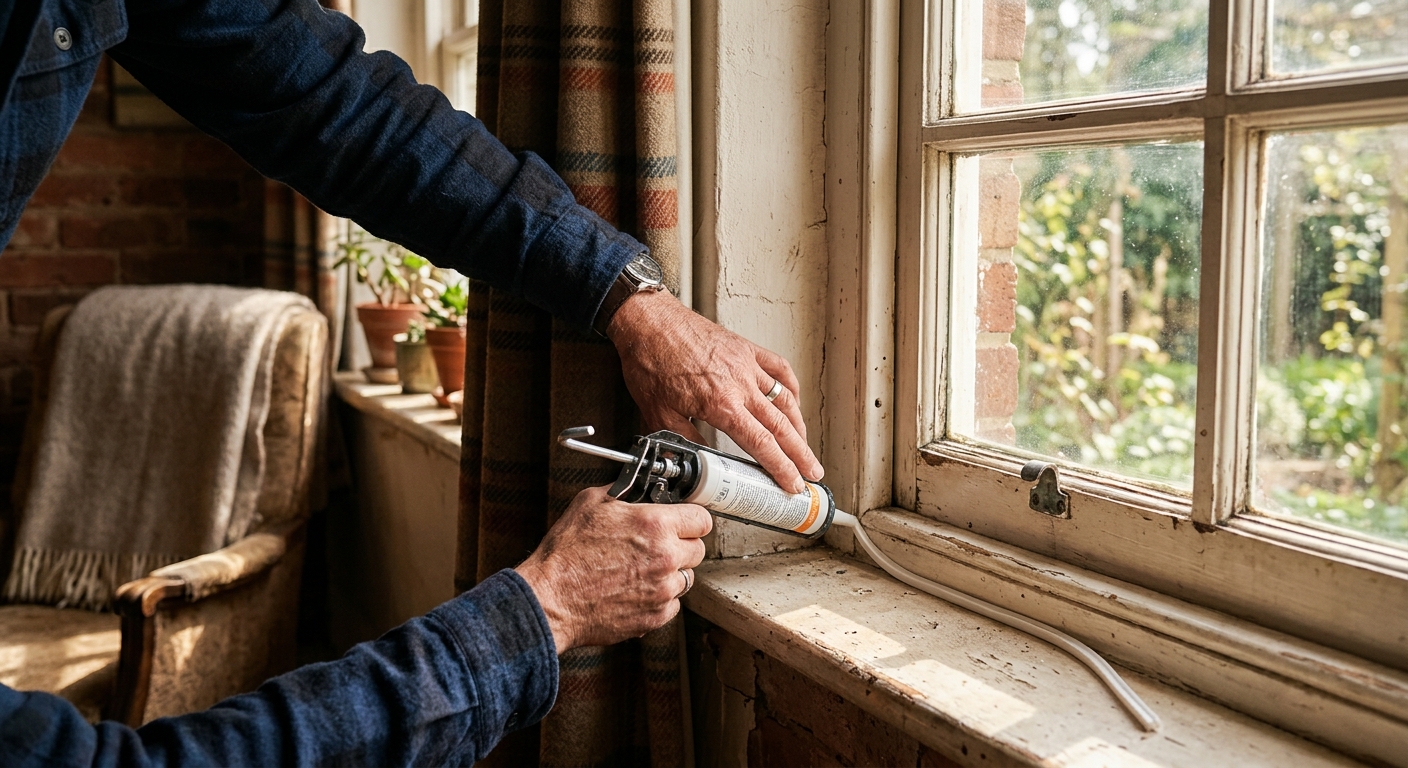
Older homes are full of charm but often plagued by drafts, hot and cold spots, and energy bills that make new-build owners look smug. With targeted air sealing, insulation upgrades, and a few smart system tweaks, you can close the comfort gap without a full renovation.
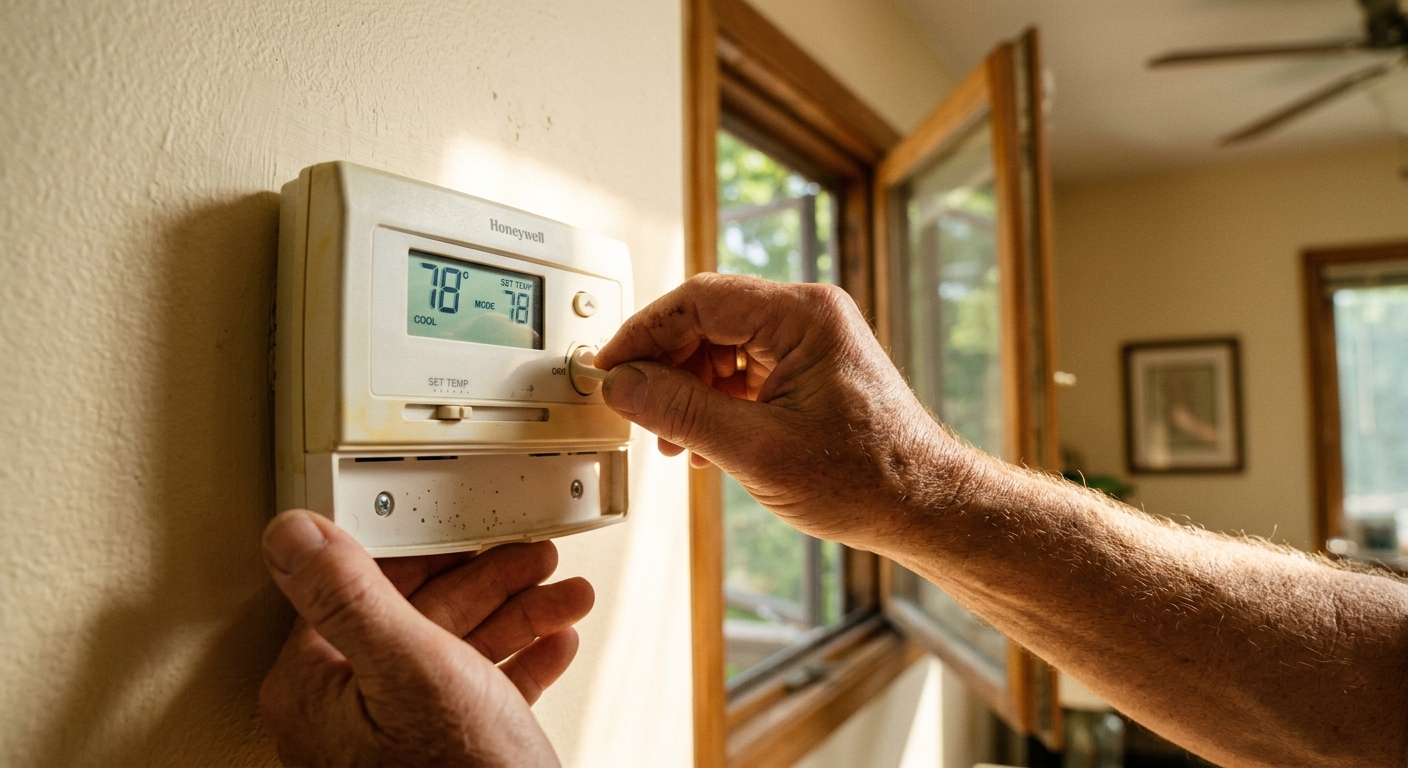
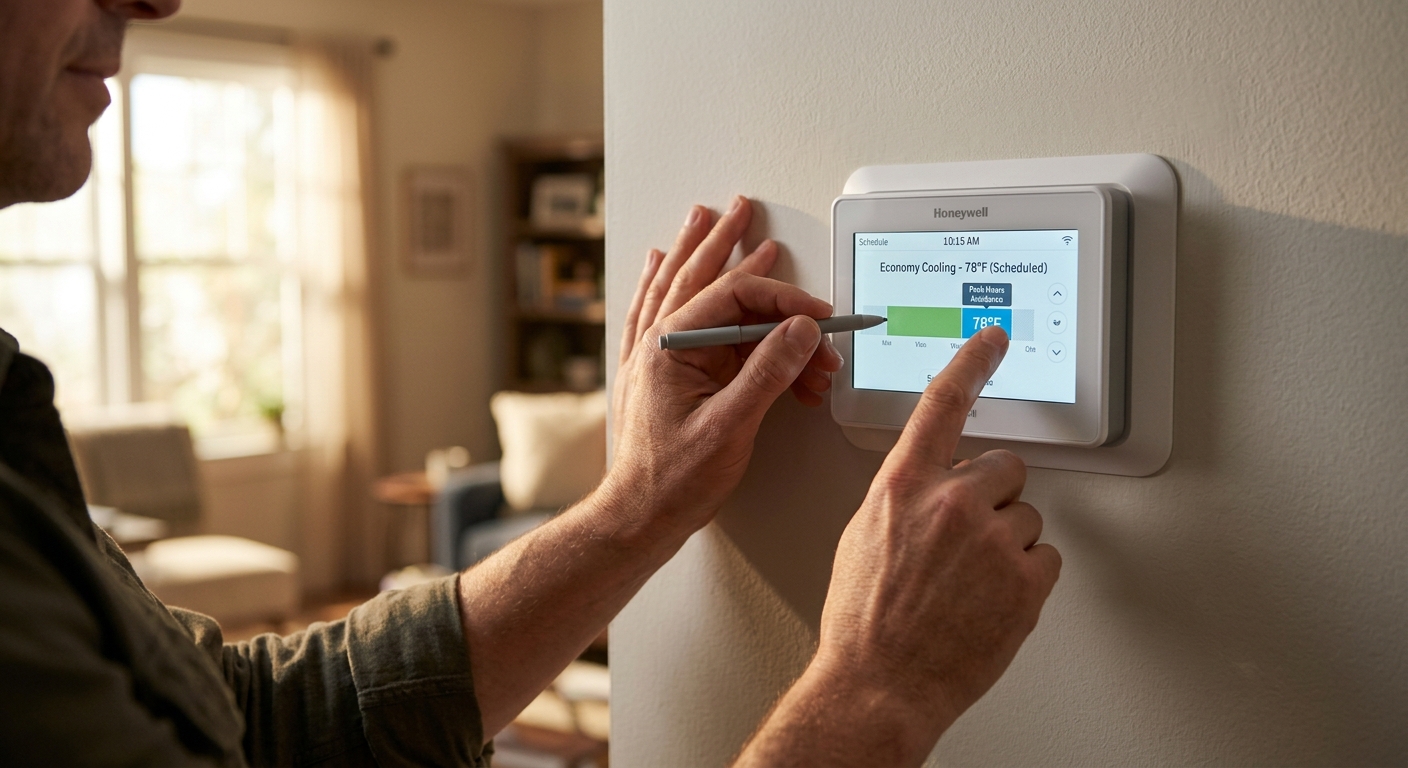
Most homeowners crank the AC below 72 degrees and watch their energy bills climb, not realizing that smart home prep can make 78 degrees feel just as comfortable. By managing heat gain, airflow, and humidity together, you can stay cool at a higher thermostat setting and cut cooling bills by 20 to 30 percent.
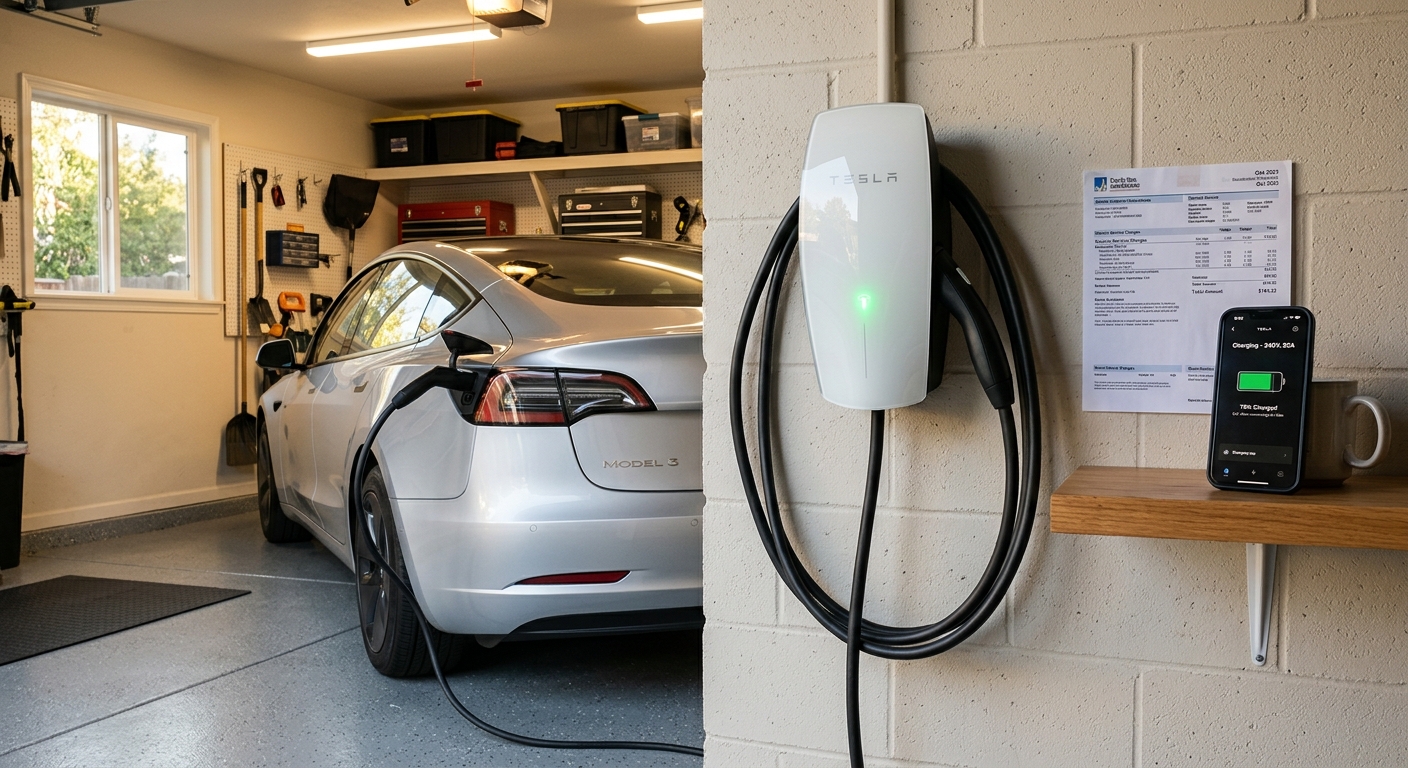
Most EV owners are shocked to discover that home charging costs a fraction of what they spent on gas, but your actual bill depends on your electricity rate, your car’s battery size, and how you charge. This guide breaks down the real math, shows you how to cut your charging costs even further, and explains whether upgrading to a Level 2 charger is worth it for your situation.
Most homeowners run their AC at full blast all day without realizing that when you cool your home matters almost as much as how you cool it. By shifting your cooling schedule to match your utility’s rate structure and your home’s thermal behavior, you can trim 20 to 45% off your summer cooling costs.
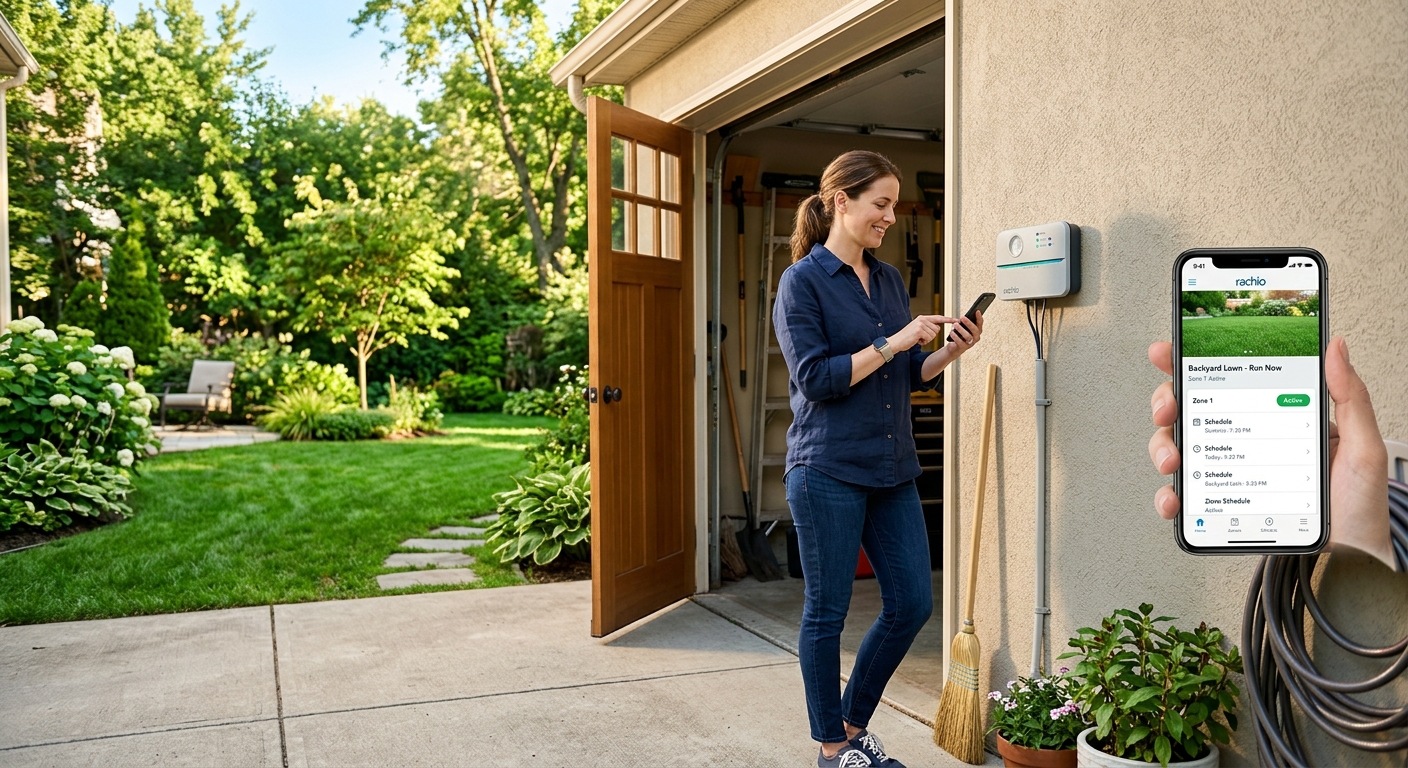
Traditional sprinkler timers water on a fixed schedule regardless of rain, soil moisture, or plant needs, wasting thousands of gallons and inflating water bills every season. Upgrading to a smart irrigation controller can cut outdoor water use by 30 to 50 percent, with most units paying for themselves within a single summer.