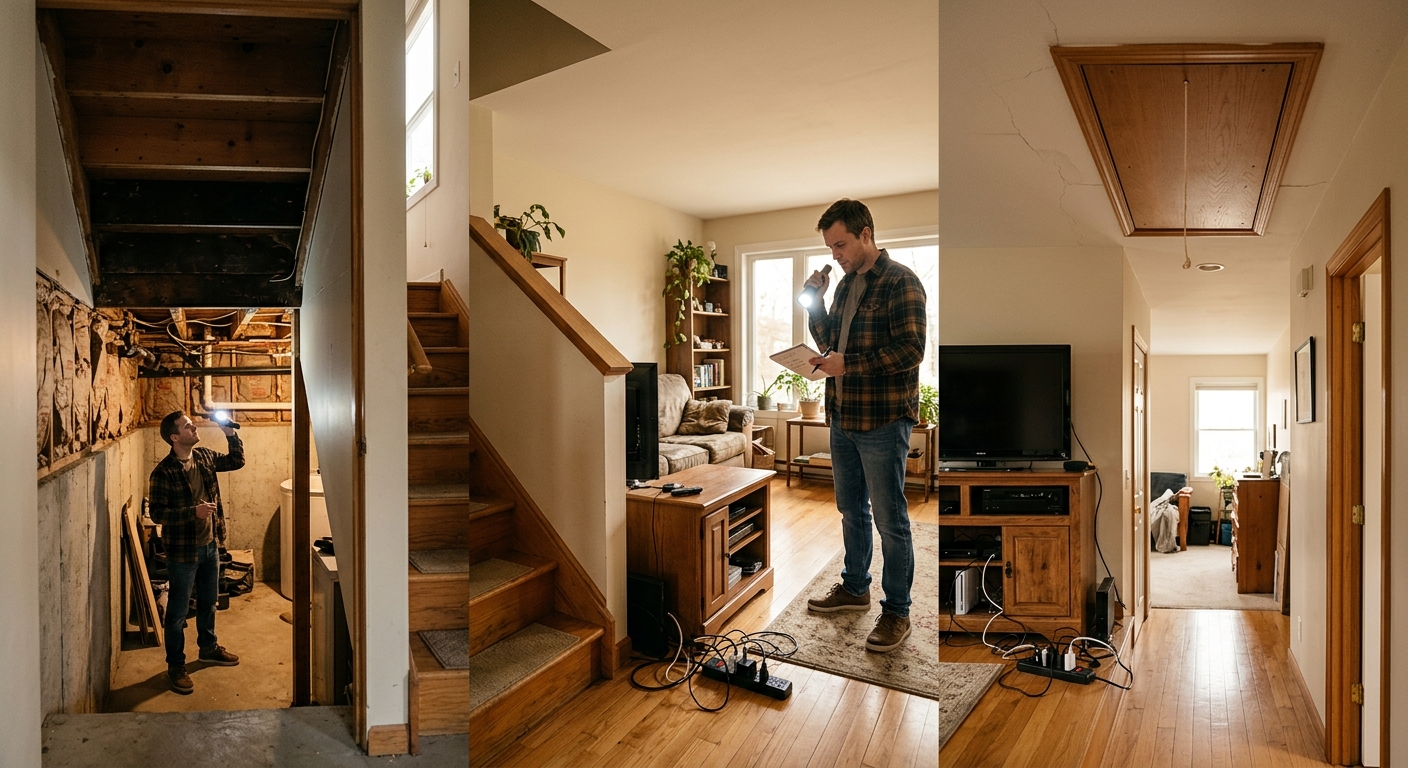
Most homeowners pay 20 to 30% more on energy bills than they should, but the culprits are hiding in plain sight across every room. This guide walks you through a systematic home audit you can do yourself in an afternoon, with specific fixes ranked by payback speed.
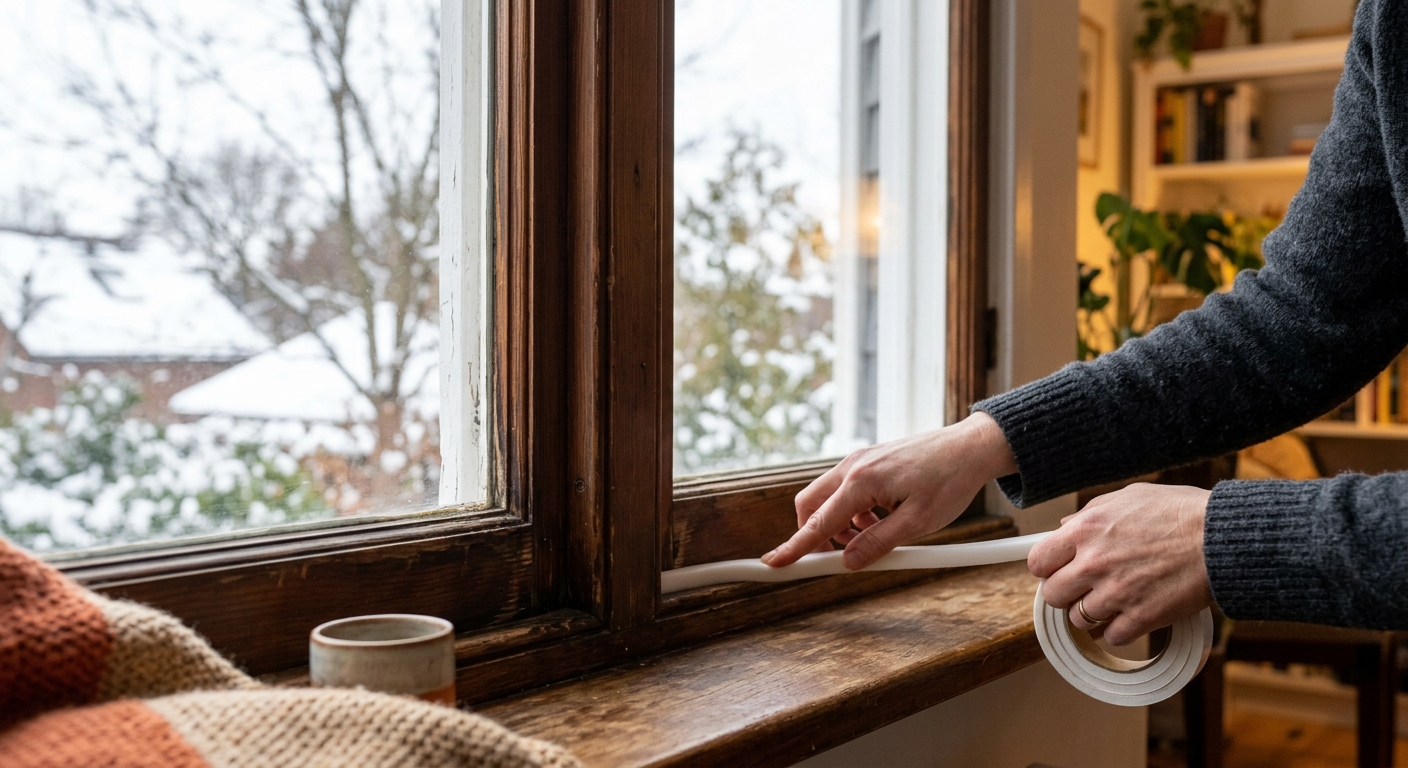
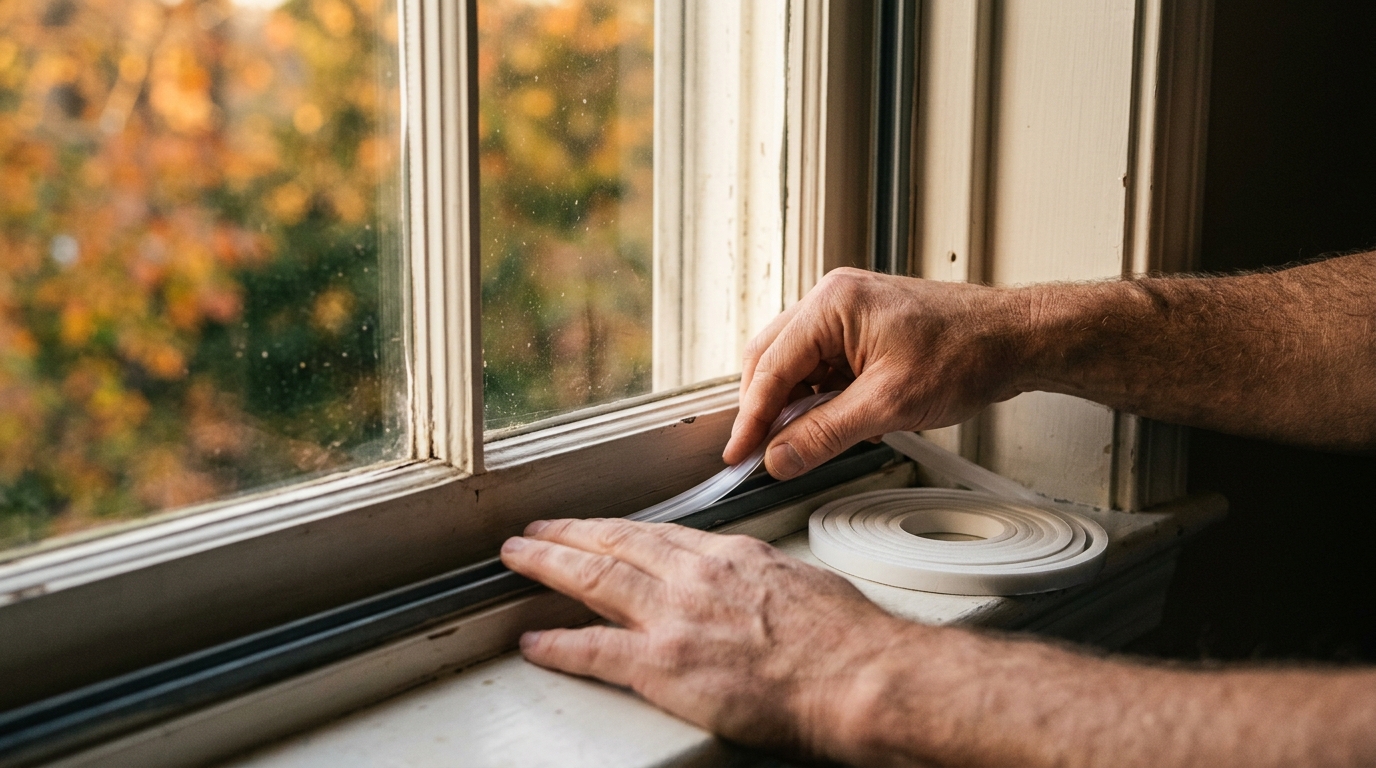
Cold drafts, uneven heat, and sky-high heating bills are signs your home is losing warmth faster than your furnace can replace it. These seven weekend projects tackle the biggest heat loss culprits and can cut your heating costs by 15 to 30% starting this season.
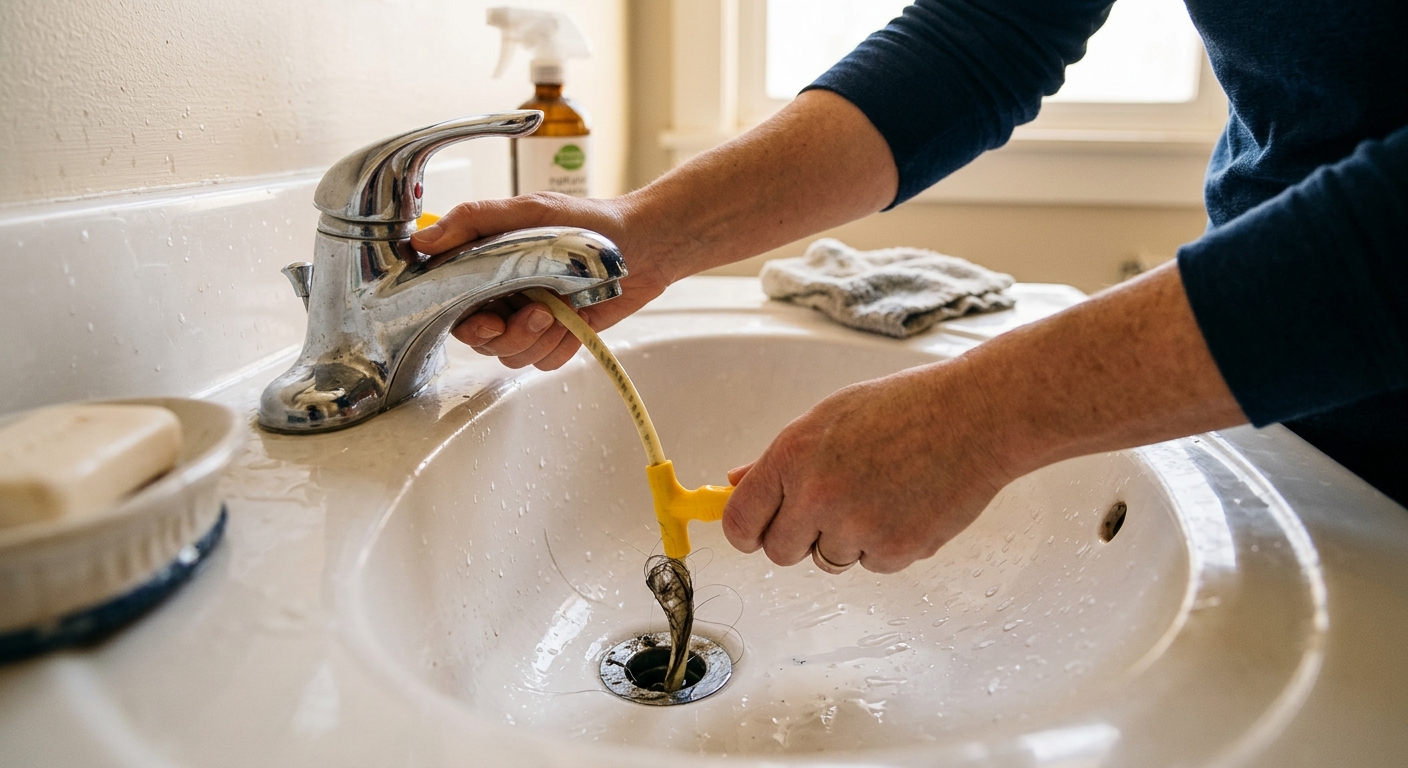
A slow drain is one of the most common household nuisances, and most homeowners reach for harsh chemical drain cleaners that damage pipes and rarely solve the root problem. With a few simple tools and techniques, you can clear most clogs in 15 minutes or less without spending a dime on chemicals.
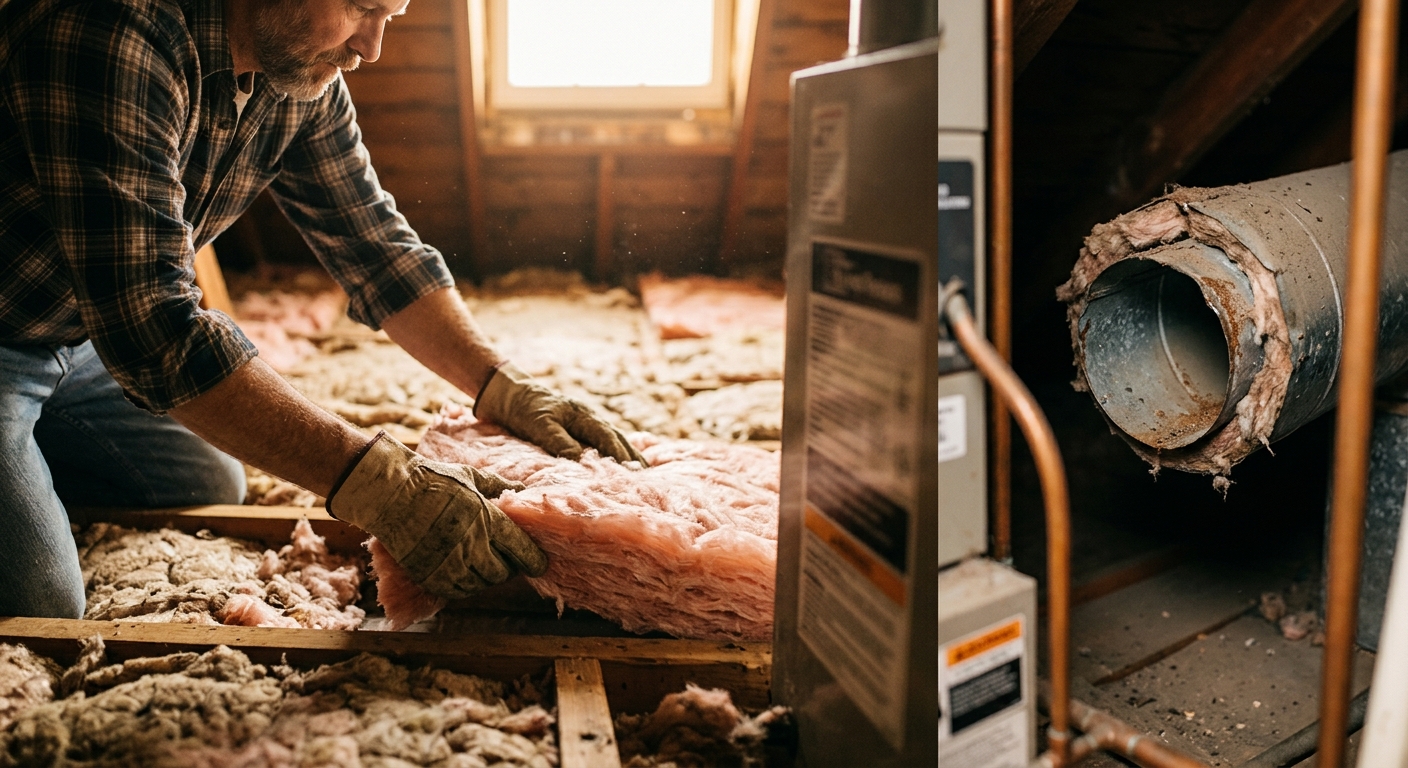
Poor insulation forces your furnace or heat pump to run nearly constantly just to maintain a comfortable temperature, quietly draining hundreds of dollars from your budget every winter. Upgrading your insulation is one of the highest-return investments a homeowner can make, with payback periods as short as two to four years.
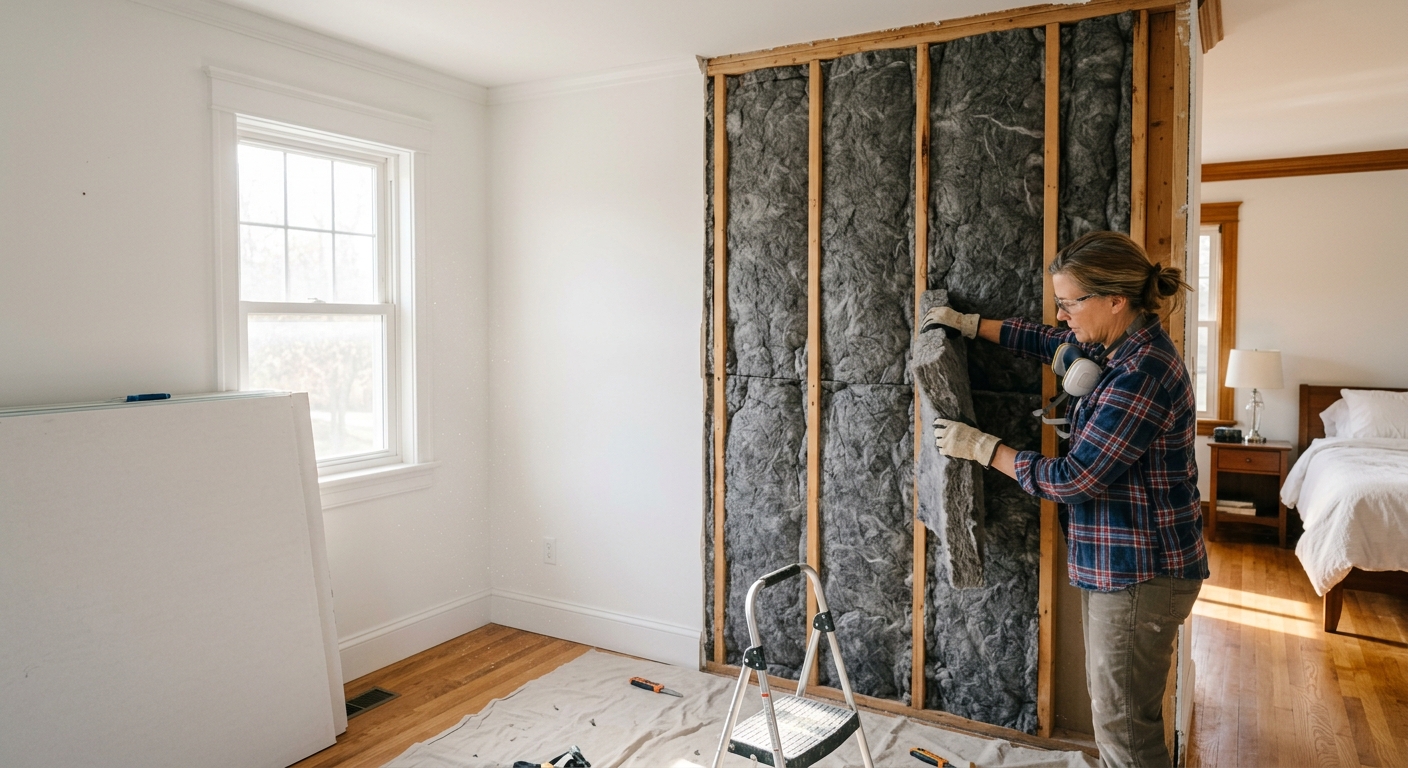
Thin, uninsulated interior walls let sound travel freely between rooms and allow temperature imbalances to persist throughout your home. Adding insulation to interior walls reduces noise transfer by up to 50%, evens out room temperatures, and can trim your overall heating and cooling costs by 5 to 15%.
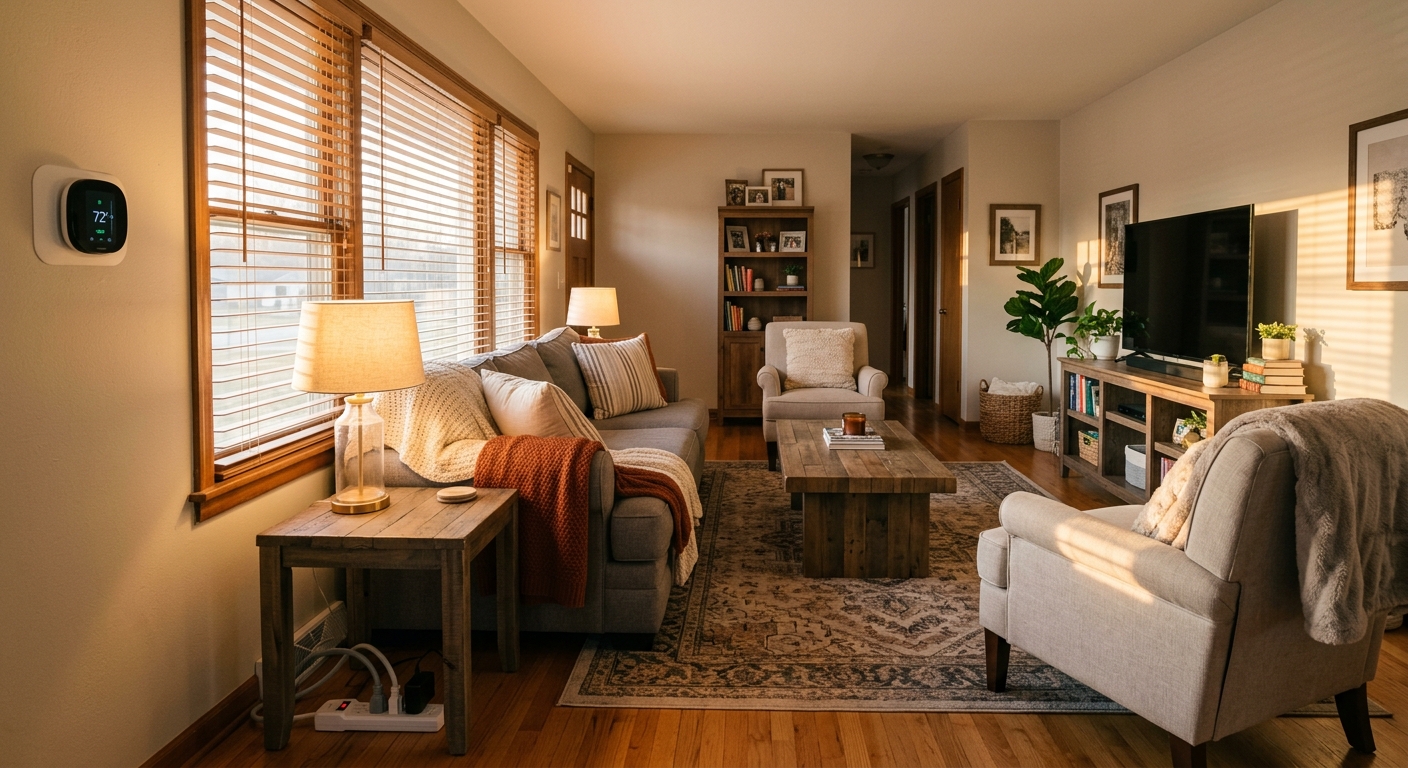
Most homeowners assume lowering their electric bill means buying new appliances, but the biggest savings are hiding in how and when you use the ones you already own. With a few behavior changes and low-cost upgrades, you can realistically cut 20 to 35% off your monthly electric bill without spending a dime on new equipment.
Most homeowners overpay on heating every winter because small, fixable problems quietly drain warmth and money from their homes. With a few targeted upgrades done before the first cold snap, you can realistically cut your gas bill by 20 to 30% without replacing your furnace.
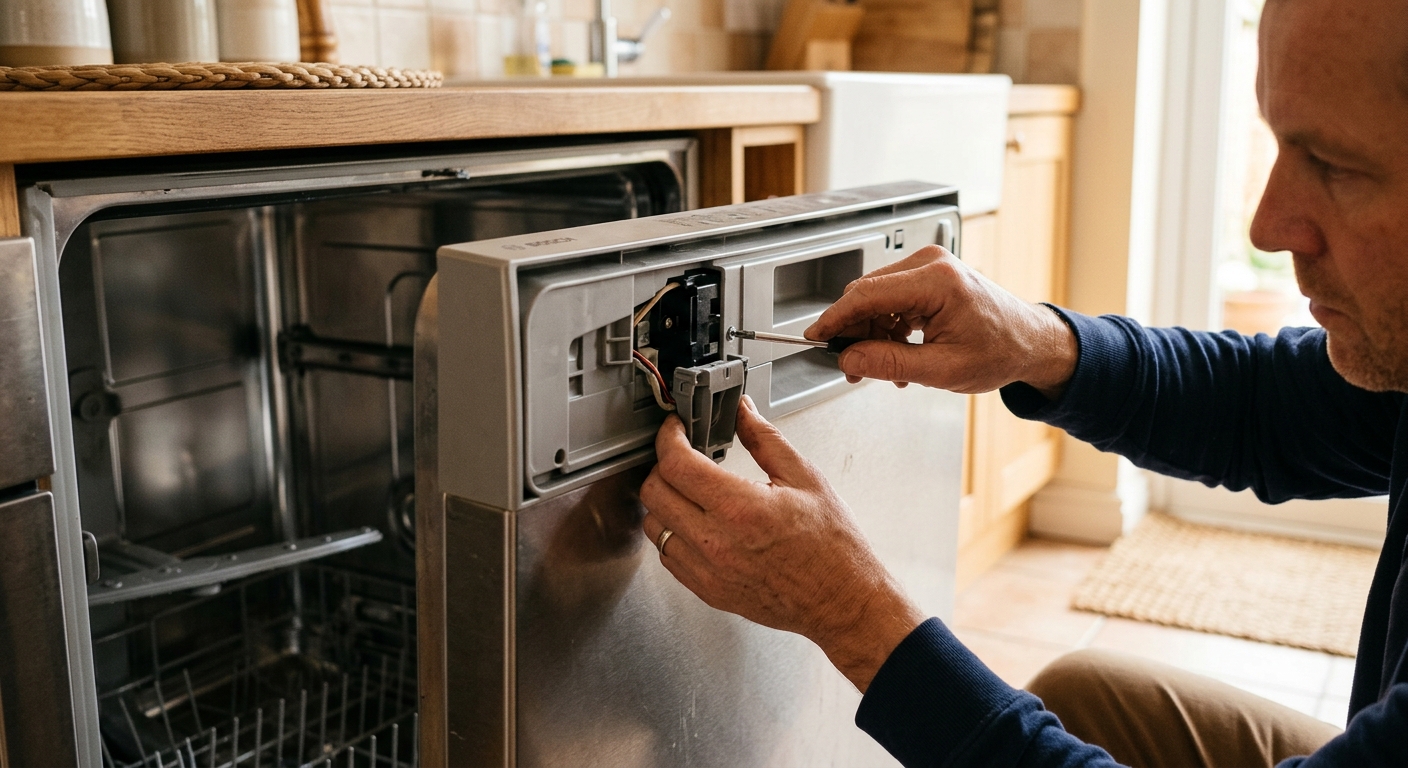
A worn or misaligned dishwasher door latch is one of the most common reasons dishwashers leak, run inefficiently, or refuse to start. Catching and fixing the problem early takes under an hour and costs less than $30, saving you from a costly repair bill or premature appliance replacement.
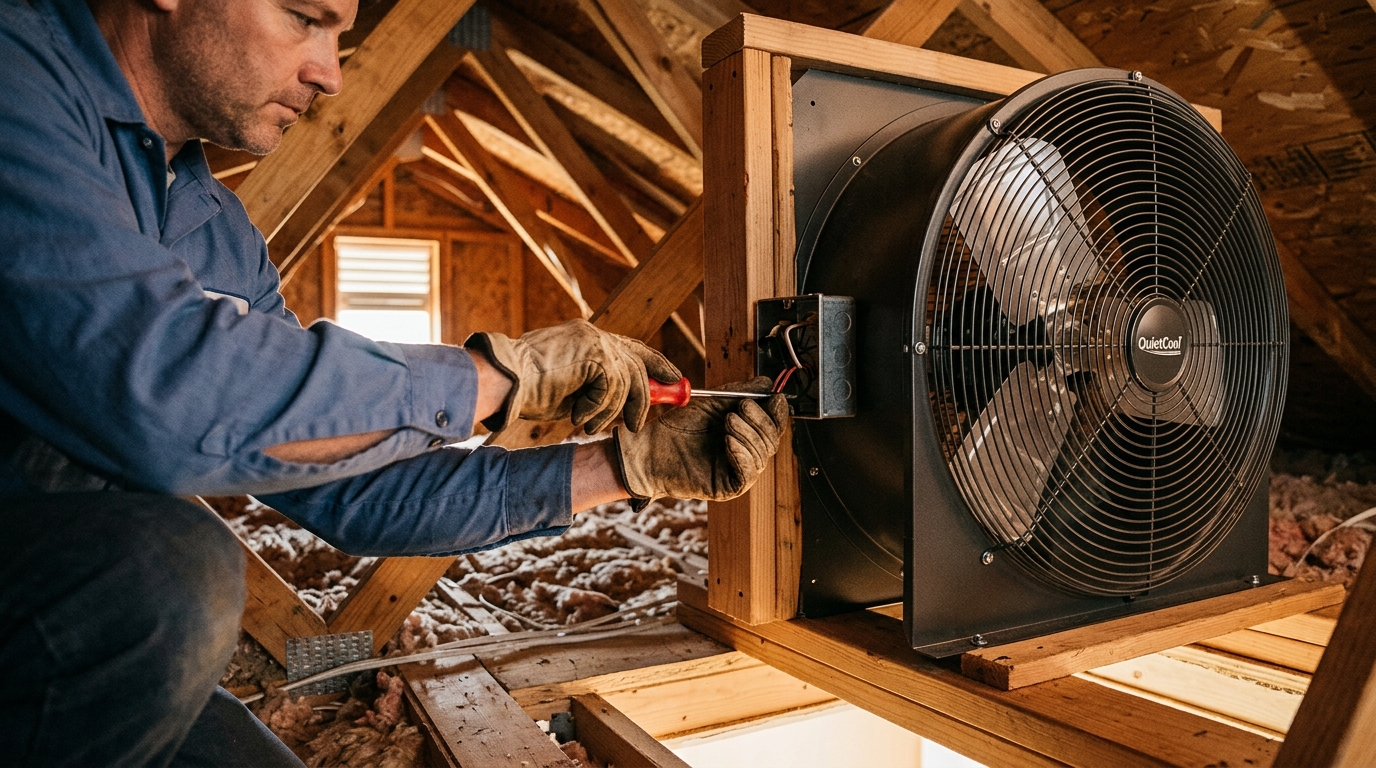
Running your AC all night burns money and leaves bedrooms stuffy and stale. A whole-house fan can flush your home with cool night air in minutes, slashing cooling costs by 50 to 90% on mild evenings.
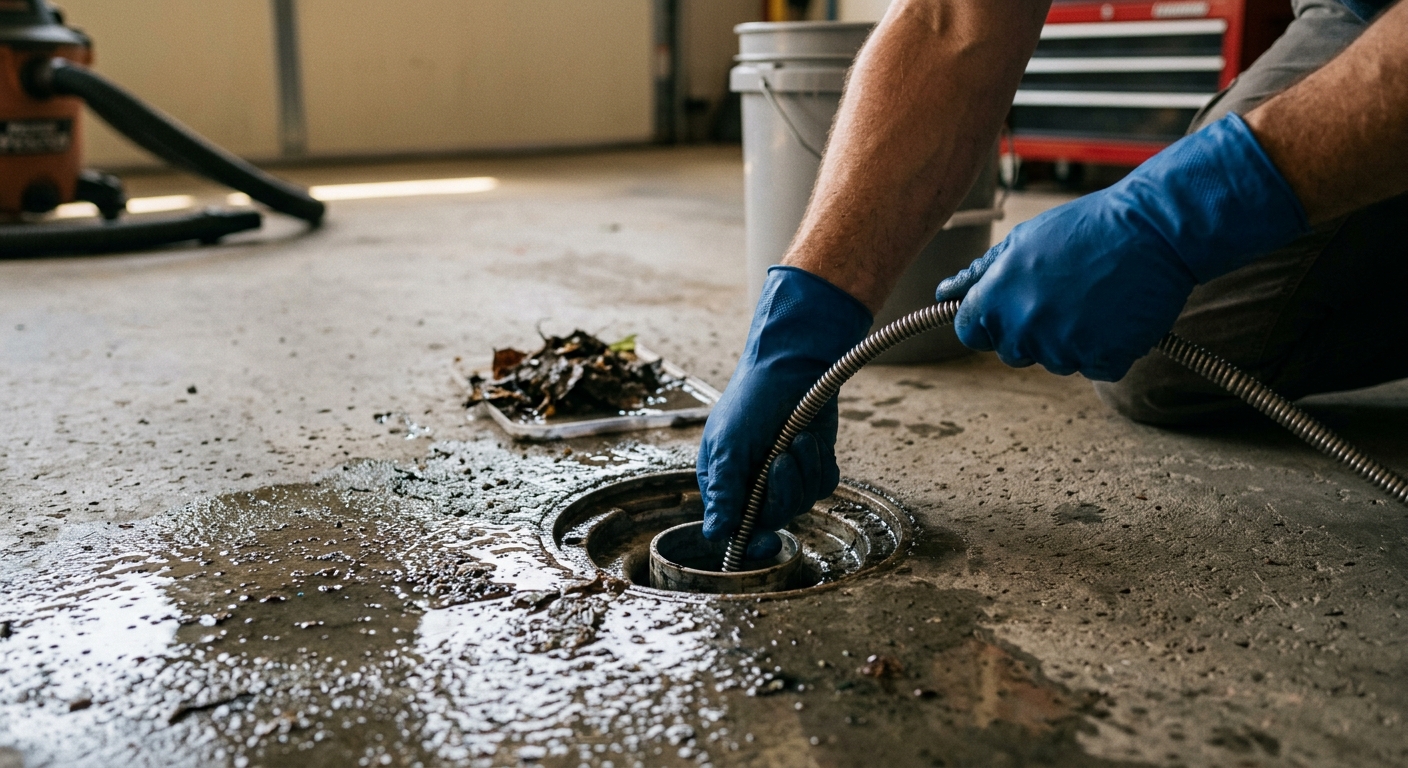
A backed-up garage floor drain is more than a nuisance – it can cause flooding, foundation moisture damage, and costly repairs when winter freezes hit. Learn how to diagnose and clear the blockage yourself, and when to call a professional, before the first freeze makes everything worse.