If your neighbor pays $40 to $80 less per month on energy despite living in a similar home, the gap usually comes down to a handful of fixable problems. This post walks through the most common culprits and gives you a clear plan to close that gap starting today.
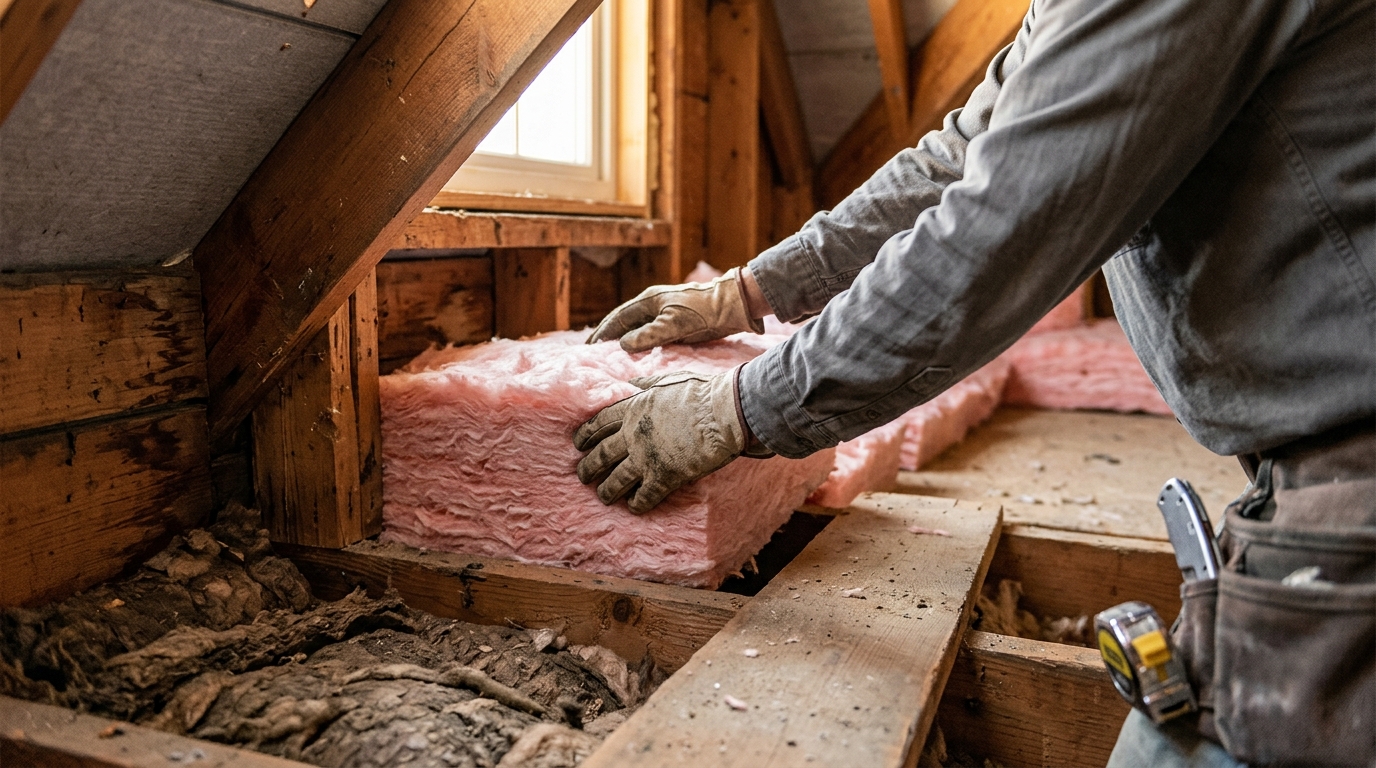
Most homeowners waste money insulating the wrong spaces first, leaving the biggest energy leaks untouched. Prioritizing attic insulation before walls or crawl spaces can cut heating and cooling bills by 15 to 25% and pay for itself in as little as 2 years.
Most homeowners know they need more insulation, but have no idea where to start when money is limited. This guide shows you exactly which projects deliver the fastest payback and biggest comfort gains, so every dollar you spend works harder.
Poor insulation is one of the most common reasons homes become unbearably hot in summer and cooling bills skyrocket. This guide walks you through practical tests and fixes any homeowner can do before temperatures peak.
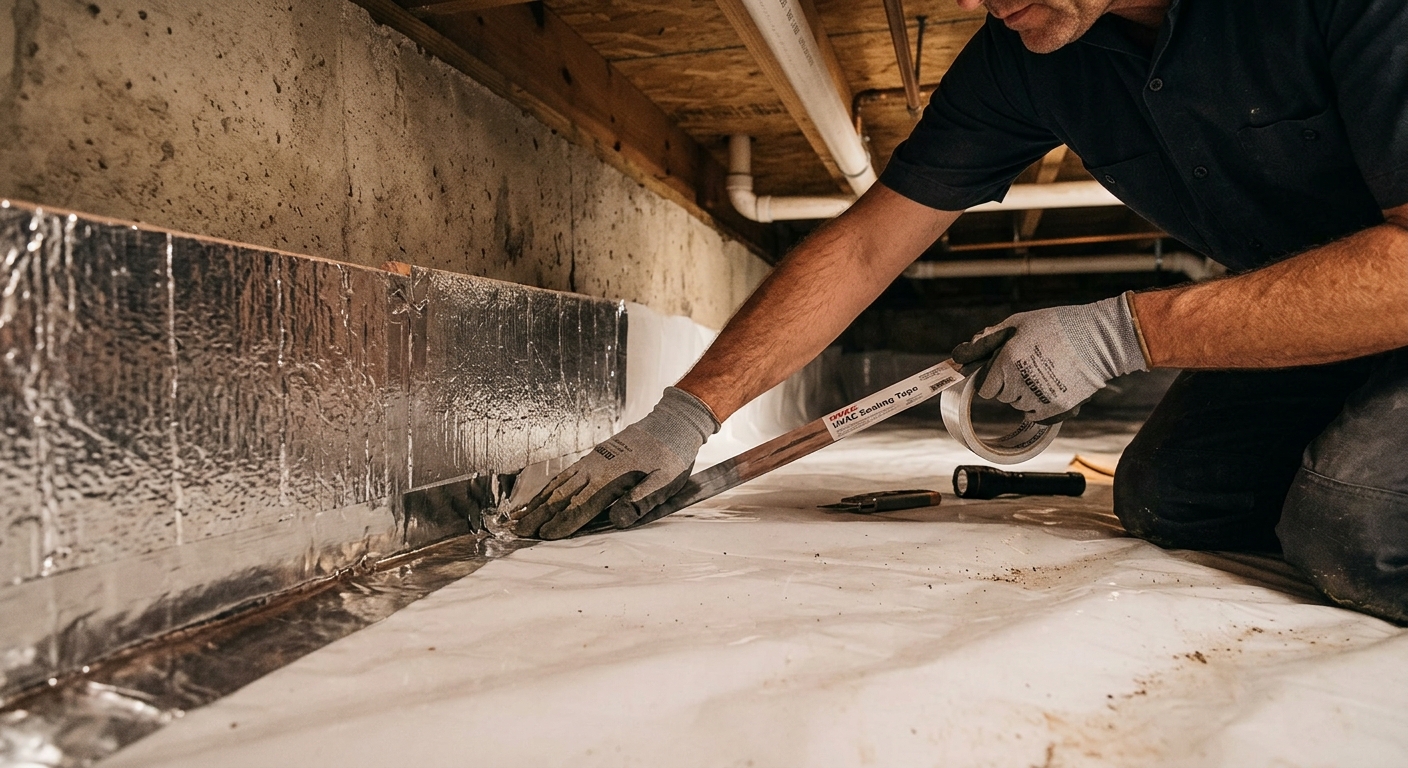
An unsealed, uninsulated crawl space acts like a giant energy drain beneath your feet, pulling conditioned air out and letting cold, damp air in year-round. Sealing and insulating your crawl space is one of the highest-return upgrades a homeowner can make, often paying for itself in under three years.
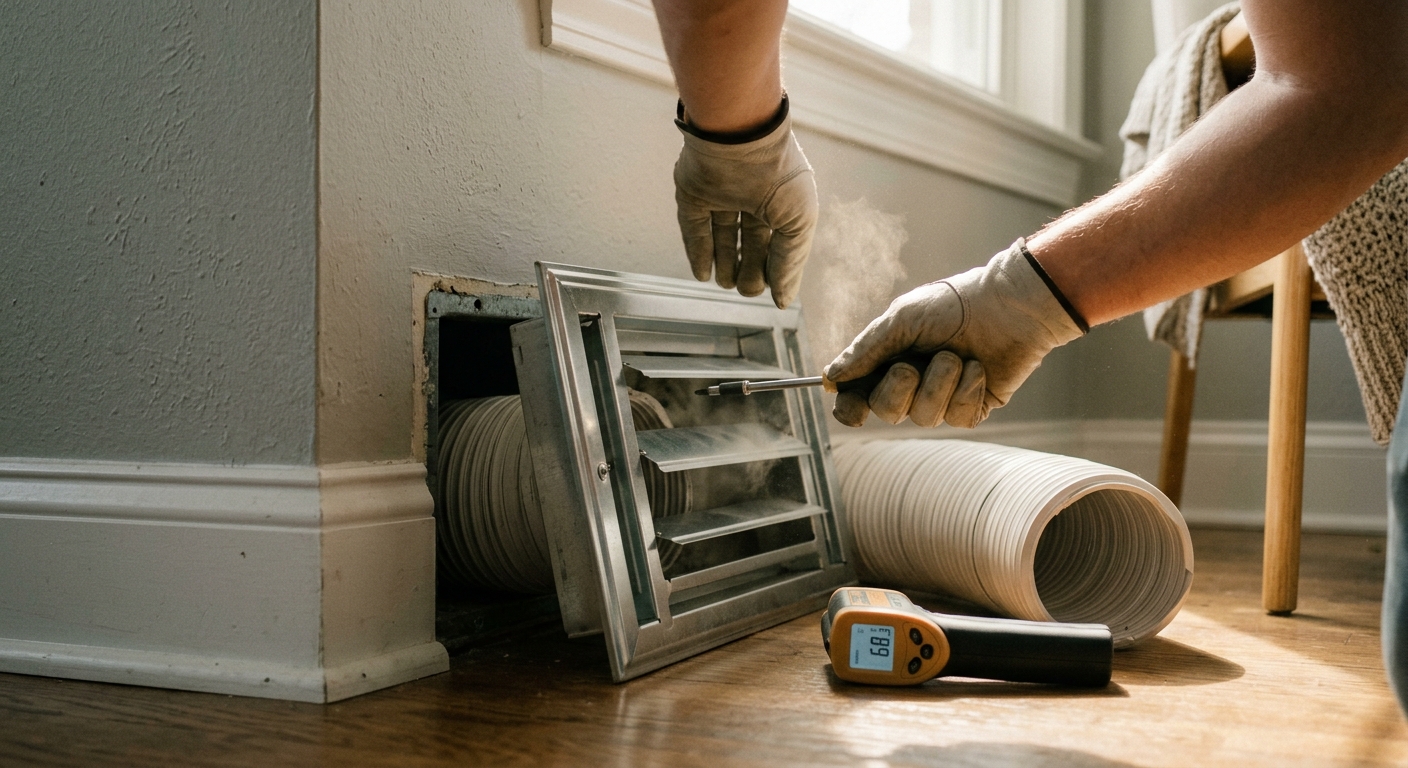
A single cold room is one of the most frustrating comfort problems homeowners face, and it almost never means your furnace is broken. The real culprits are almost always airflow imbalances, insulation gaps, or duct issues that you can diagnose and fix yourself.
In humid climates, the wrong insulation can trap moisture, grow mold, and cost you thousands in repairs. Choosing materials designed to handle heat and humidity protects your home and keeps cooling bills in check.
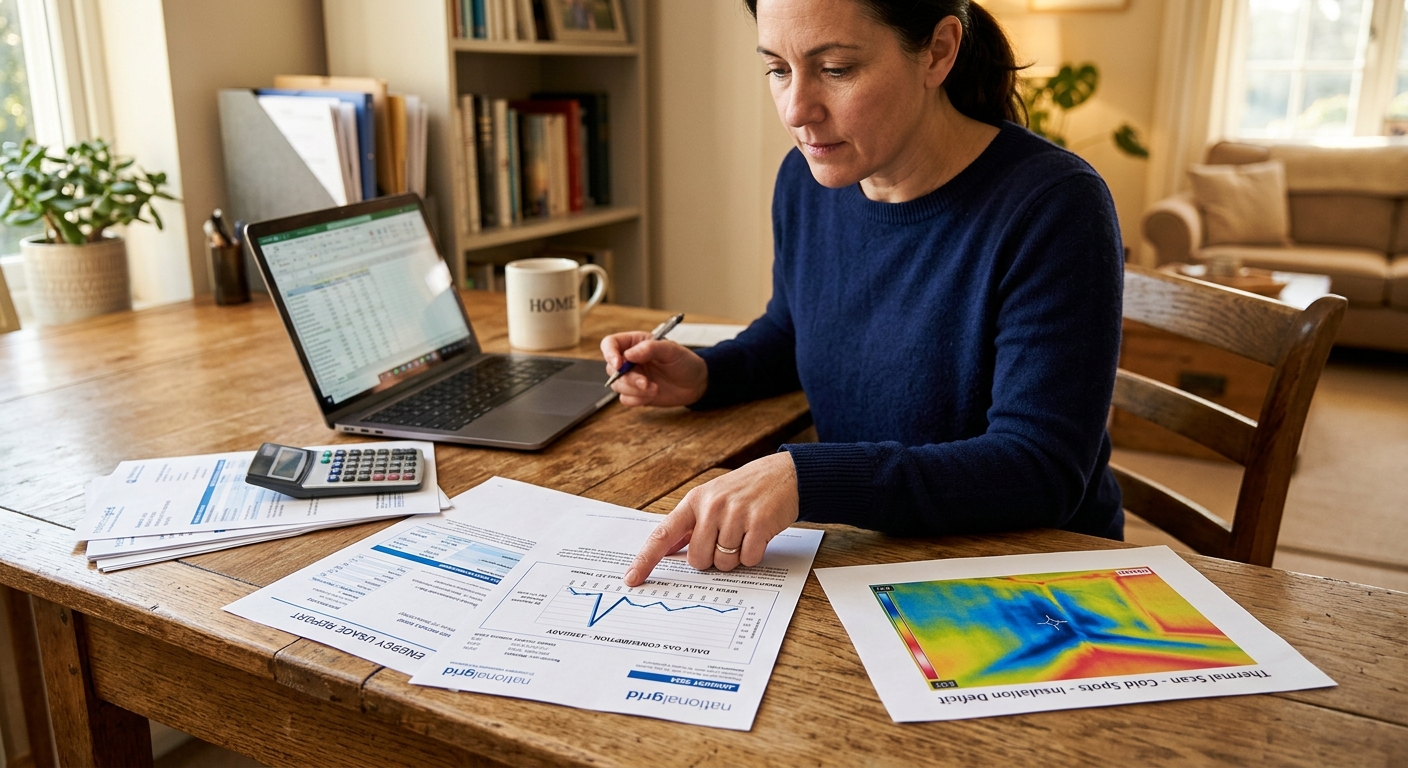
Your energy bills contain hidden clues that can reveal exactly where your home is losing heat or letting it in. Learn how to decode usage patterns, spot red flags, and determine whether poor insulation is quietly inflating your monthly costs.
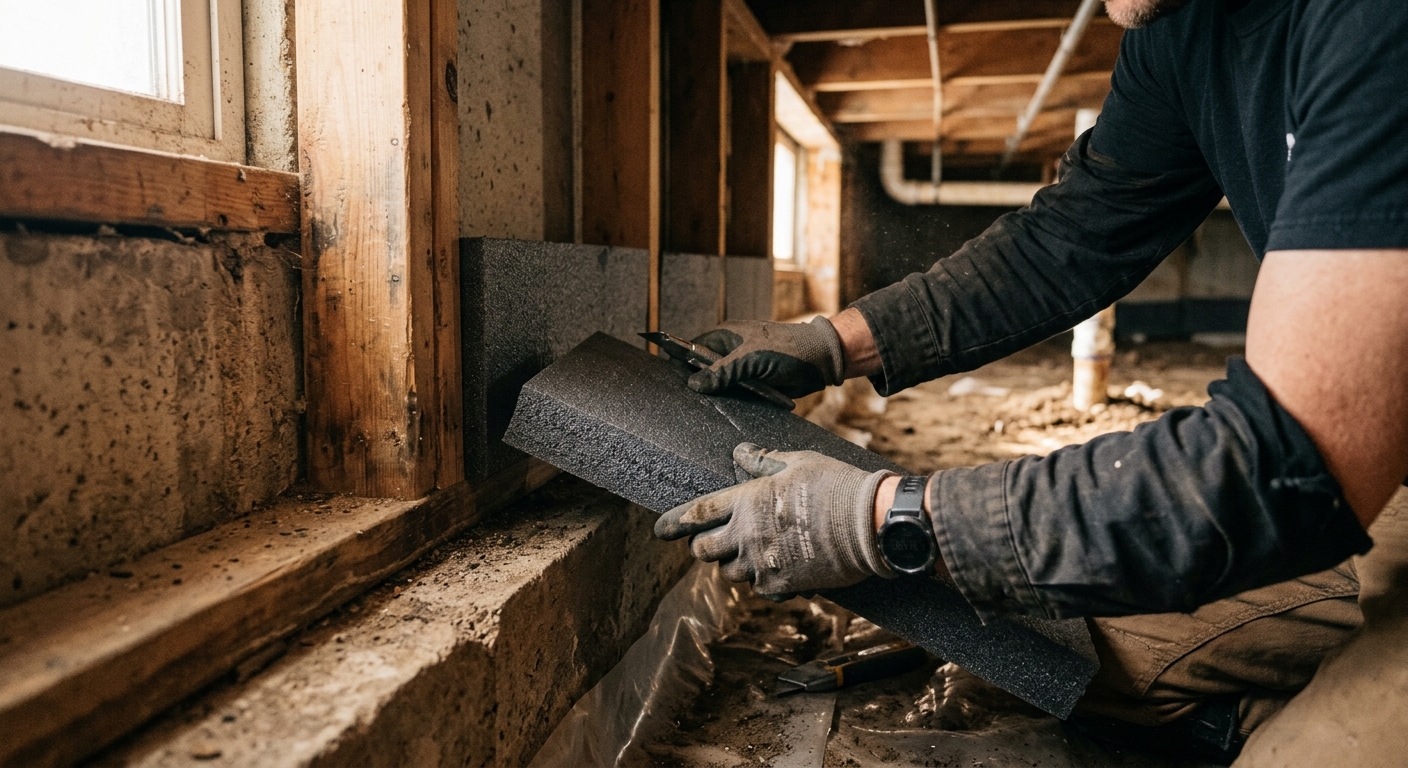
Not all insulation is created equal, and choosing the wrong type can mean replacing it in 10 to 15 years instead of never. This guide breaks down the lifespan, performance, and hidden pitfalls of every major insulation material so you can invest once and insulate right.
Most American homes are significantly under-insulated, quietly adding hundreds of dollars to heating and cooling bills every year. Targeting the right spots with the right materials can deliver 15 to 30% savings on energy costs with payback periods well under three years.