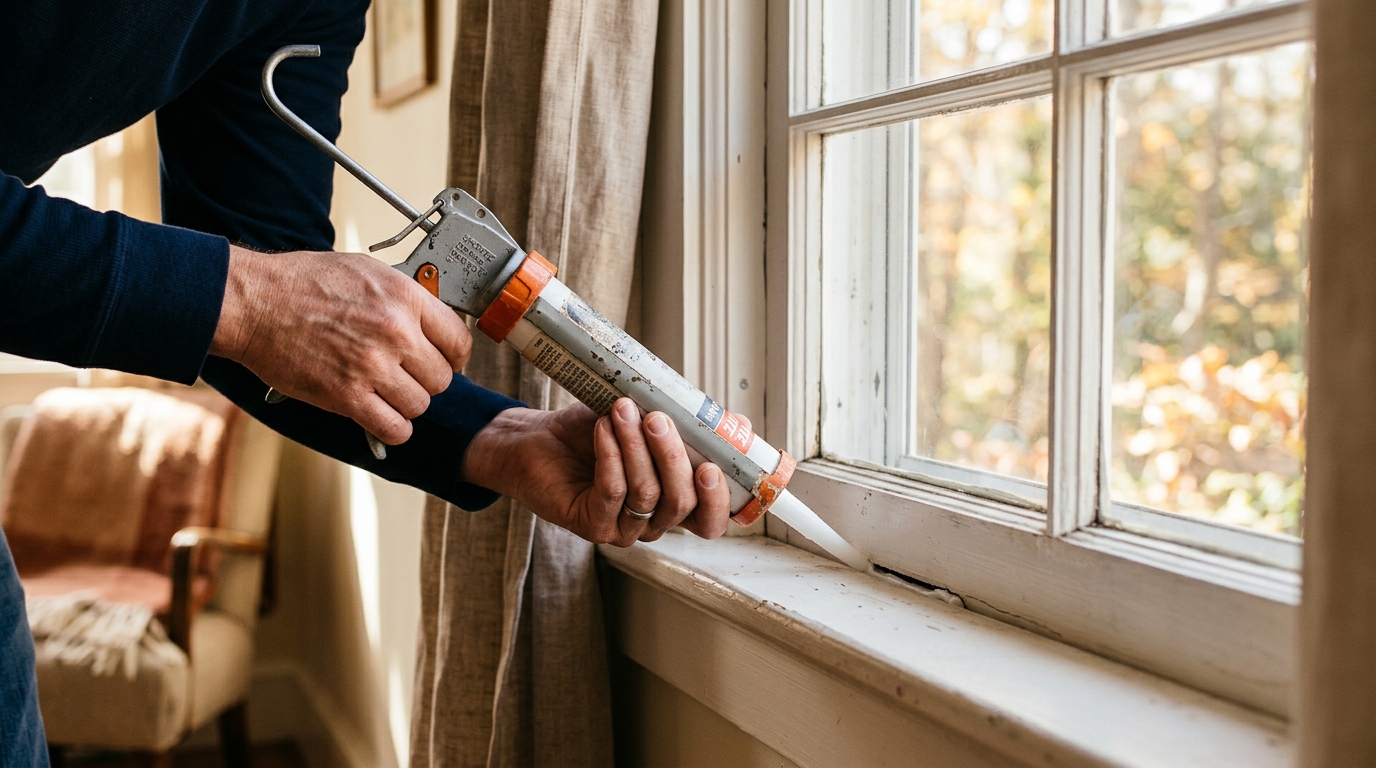
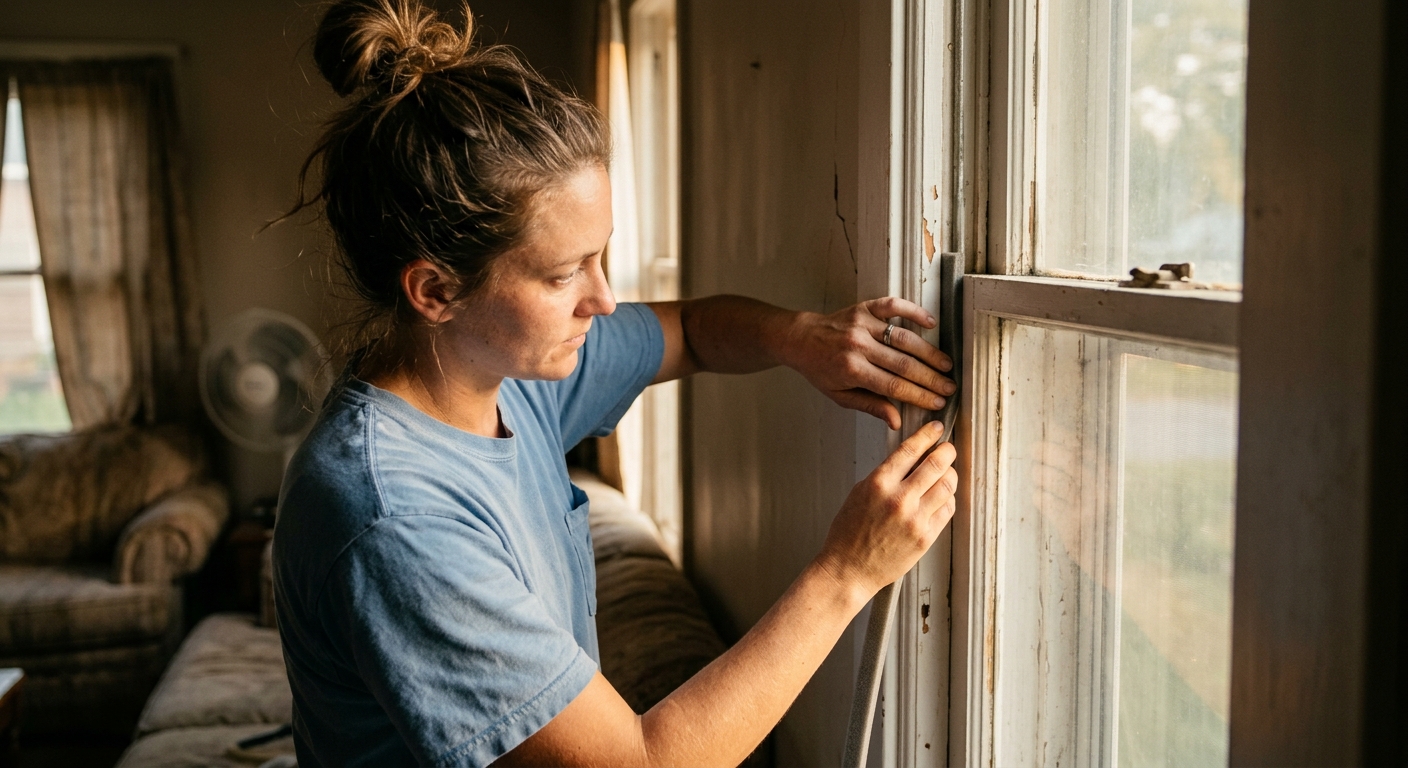
Drafts are not just annoying – they are silently inflating your energy bills by forcing your heating and cooling system to work harder than it should. This guide breaks down the four distinct sources of drafts in any home and gives you a step-by-step plan to stop each one.
If your furnace runs constantly but rooms still feel chilly, the problem is rarely the heating system itself. Air leaks, missing insulation, and radiant heat loss from cold surfaces are stealing your comfort before warmth ever reaches you.
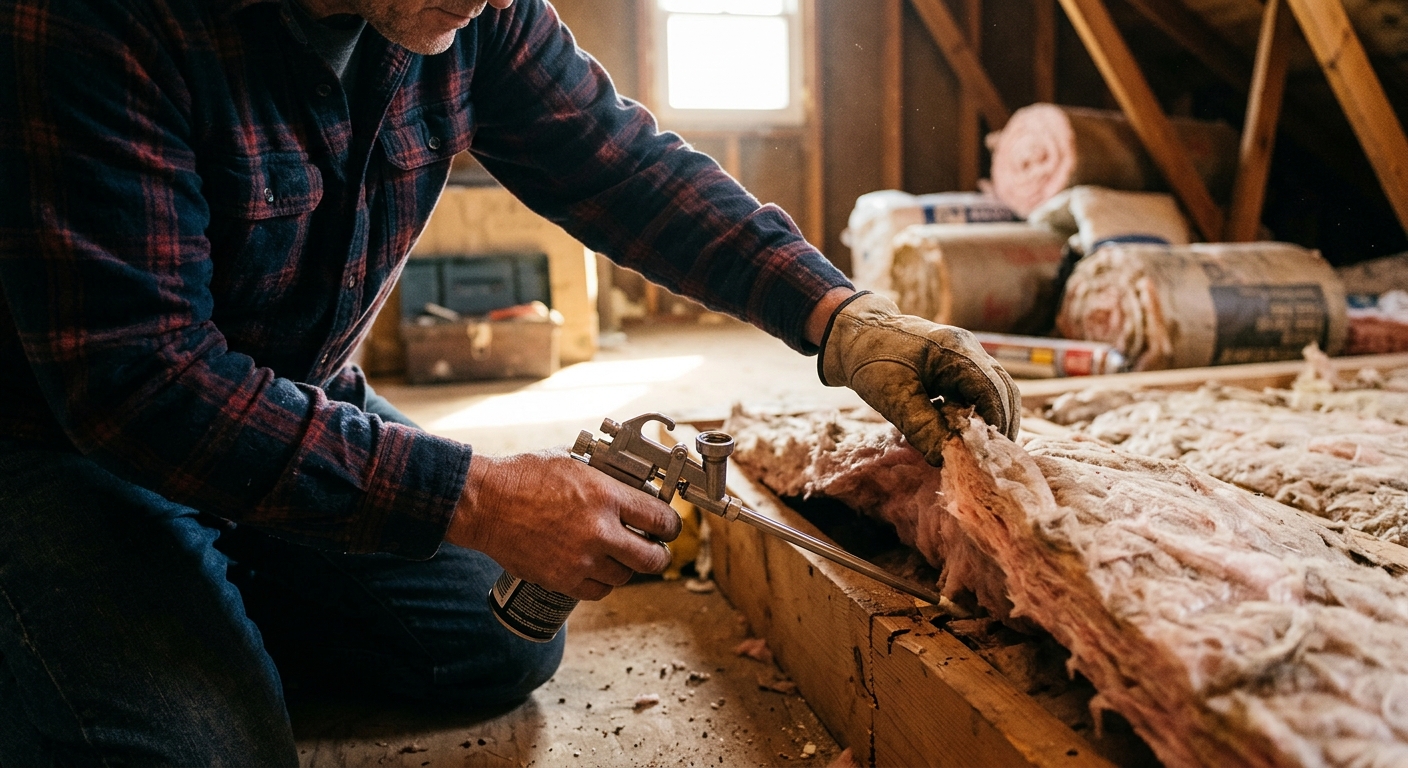
Most homes lose a surprising amount of heating and cooling through a handful of spots that builders routinely skip or underinsulate. Targeting these six areas can cut your energy bills by 20 to 30% without touching your HVAC system.
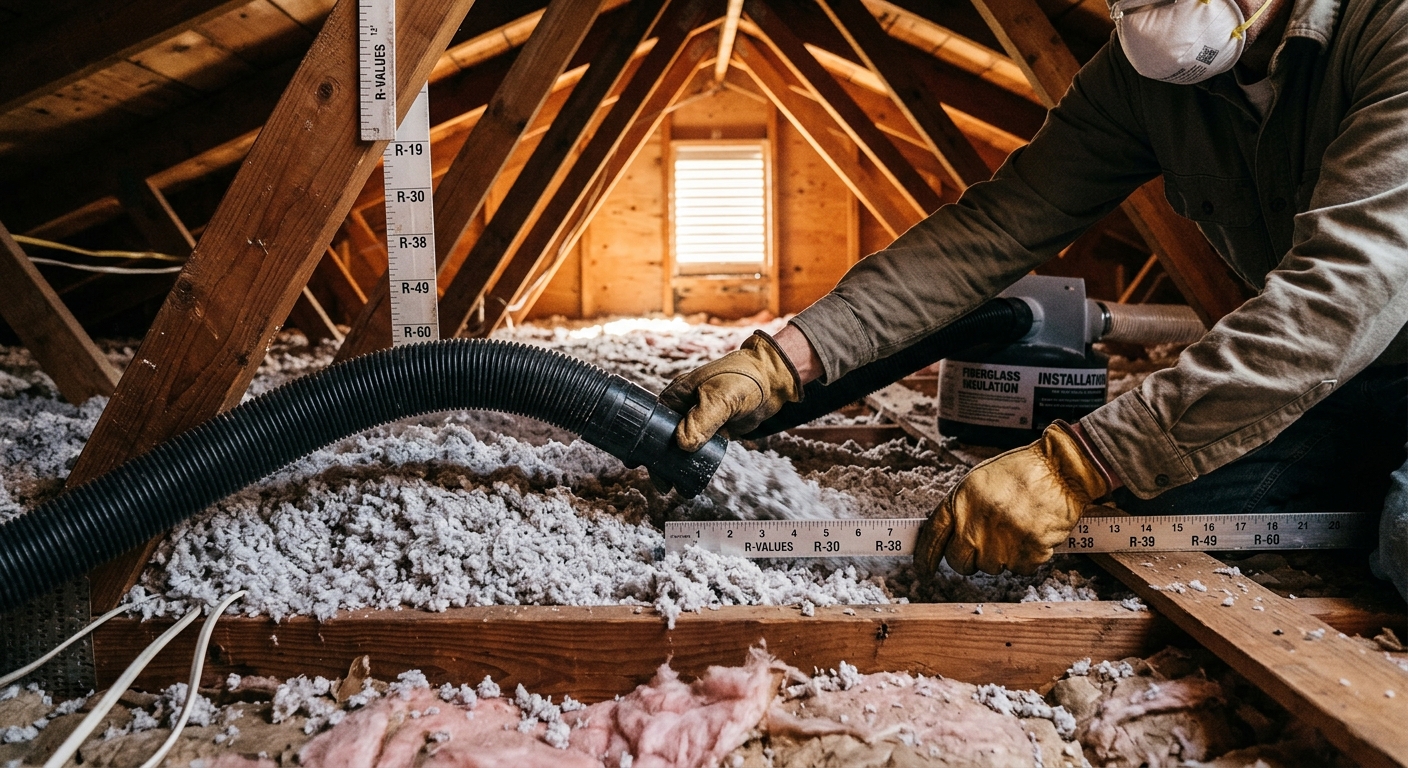
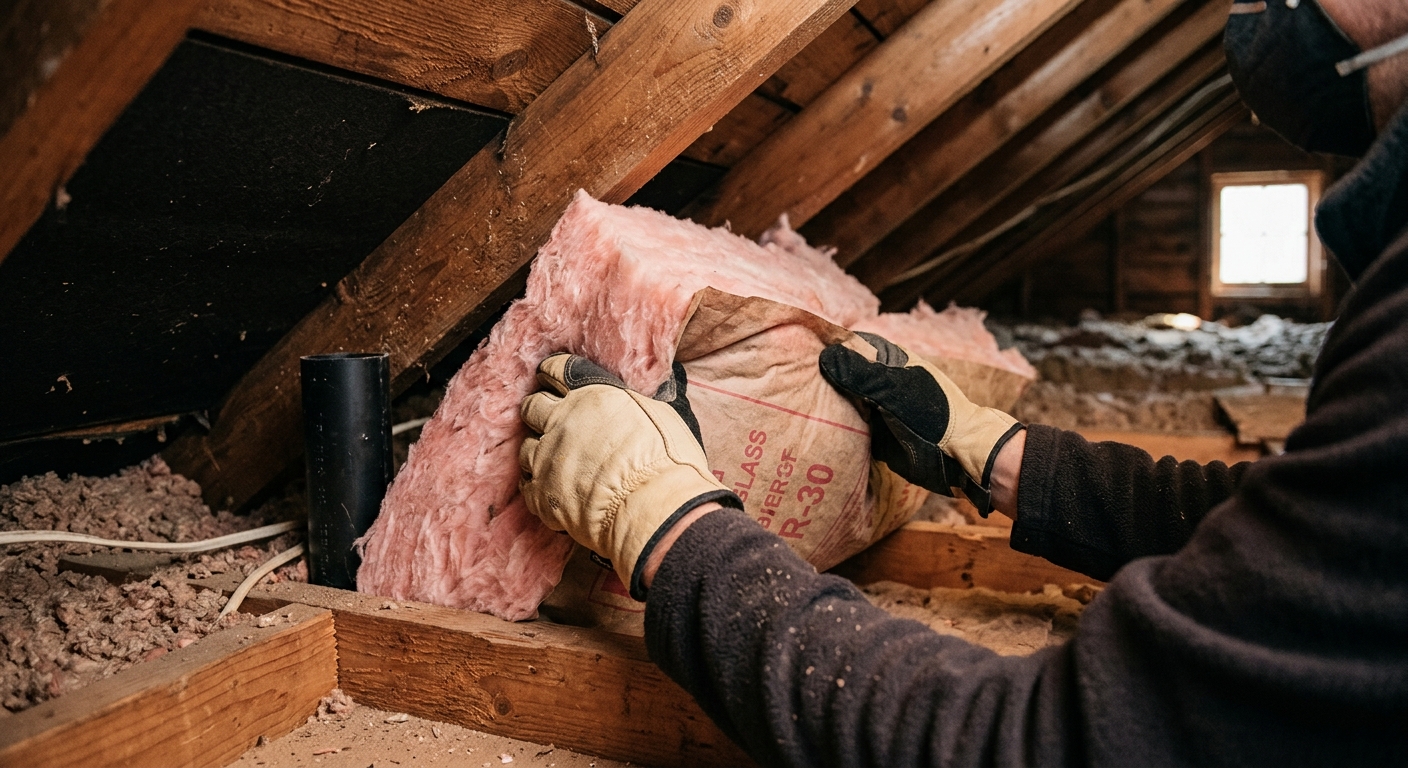
Most homes are under-insulated by 30 to 50%, and homeowners often have no idea what R-value they actually need for their climate. This guide breaks down DOE-recommended R-values by zone and shows you exactly how to close the gap, whether you rent, own, or are working with a tight budget.
Living in a poorly insulated home turns summer into a constant battle against heat and high electric bills. These practical, low-cost strategies let you stay comfortable now while you build toward the permanent fix.
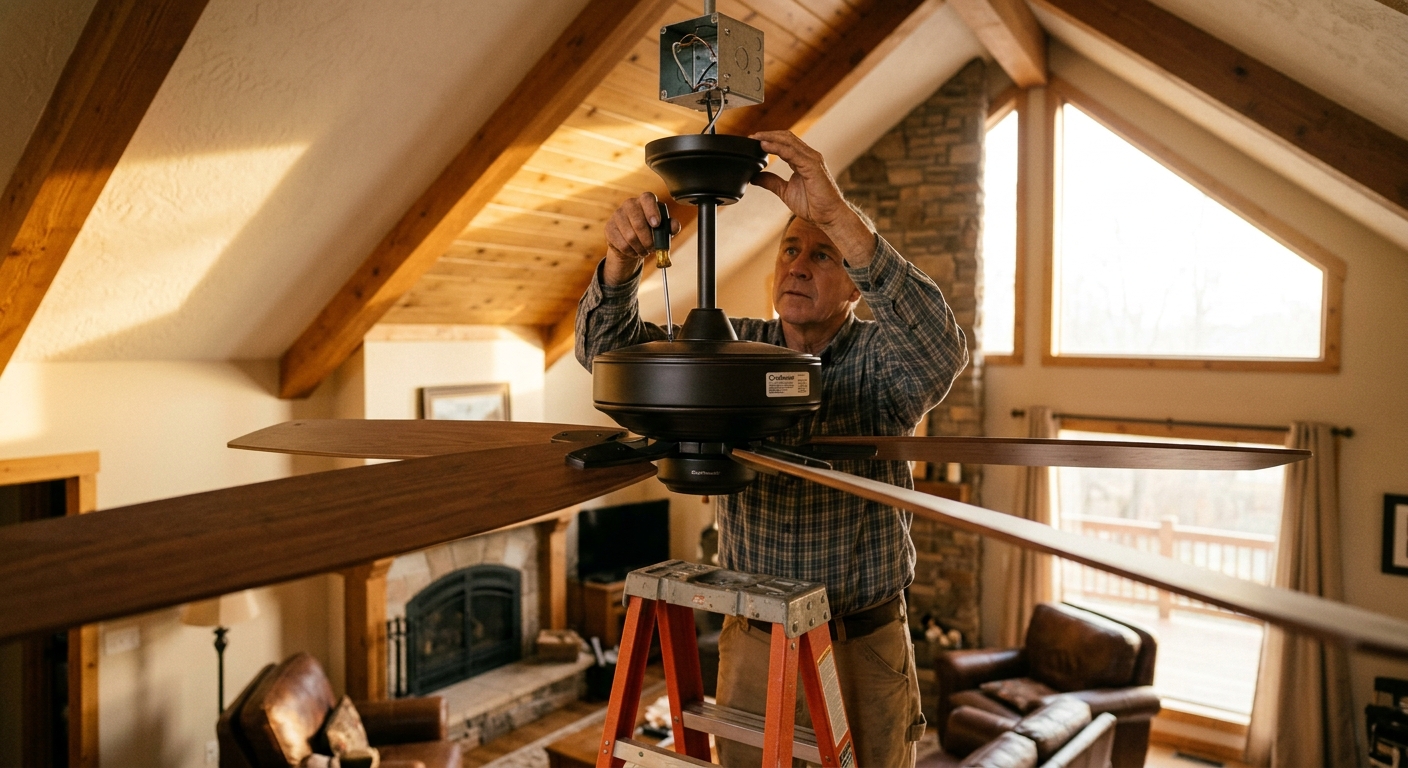
Vaulted ceilings create stunning spaces but wreak havoc on home comfort and energy bills by trapping heat high above where you live. With a few targeted upgrades, you can reclaim consistent temperatures and cut heating and cooling costs by up to 25%.
When temperatures plunge overnight, poorly insulated homes can lose heat so fast that furnaces run nearly nonstop, driving bills sky high. A few targeted checks and upgrades done before a cold snap arrives can slash heating costs by 15 to 30% and keep every room noticeably warmer.
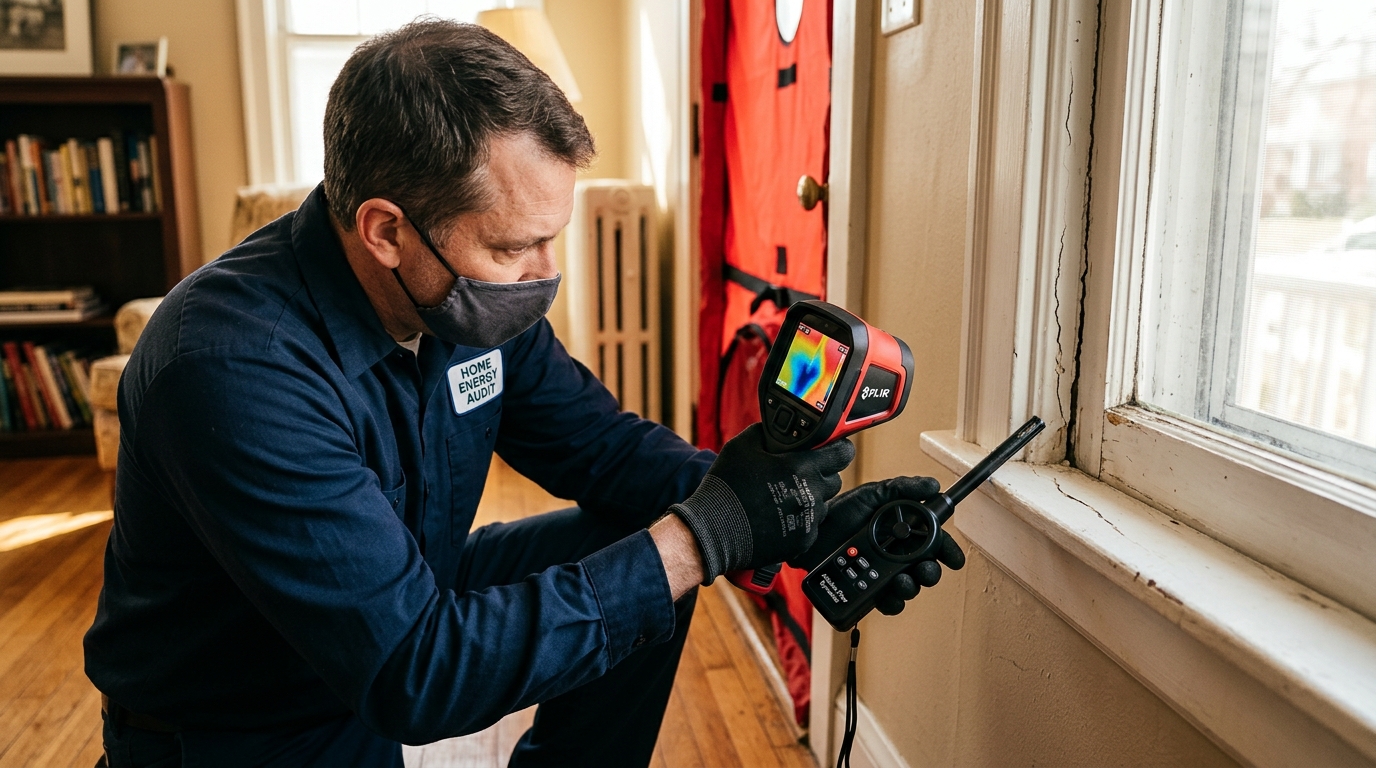
Most homeowners have no idea where their energy dollars are actually escaping, because the biggest culprits are invisible without the right tools. A professional home energy audit uses blower door tests, infrared cameras, and combustion analysis to uncover hidden leaks, insulation gaps, and equipment failures that can cut your bills by 20 to 30% once fixed.
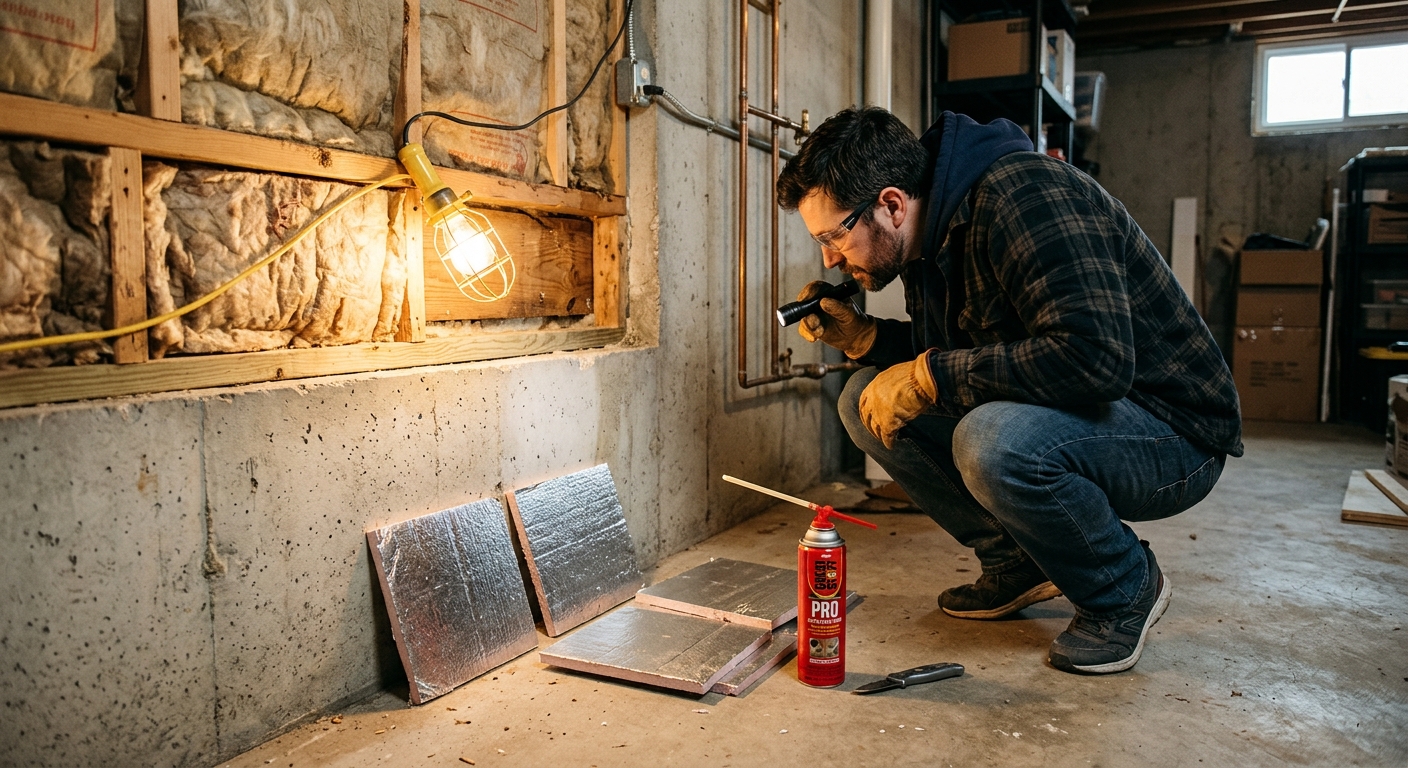
Most homeowners have no idea their insulation is underperforming until they see a sky-high energy bill. These simple self-inspection techniques can reveal the truth in under an hour, no professional required.
Most homeowners leave hundreds of dollars on the table by not claiming the federal tax credit available for insulation upgrades. The Inflation Reduction Act extended and expanded this credit through 2032, meaning you could get back up to $1,200 on qualifying insulation improvements done in 2025.