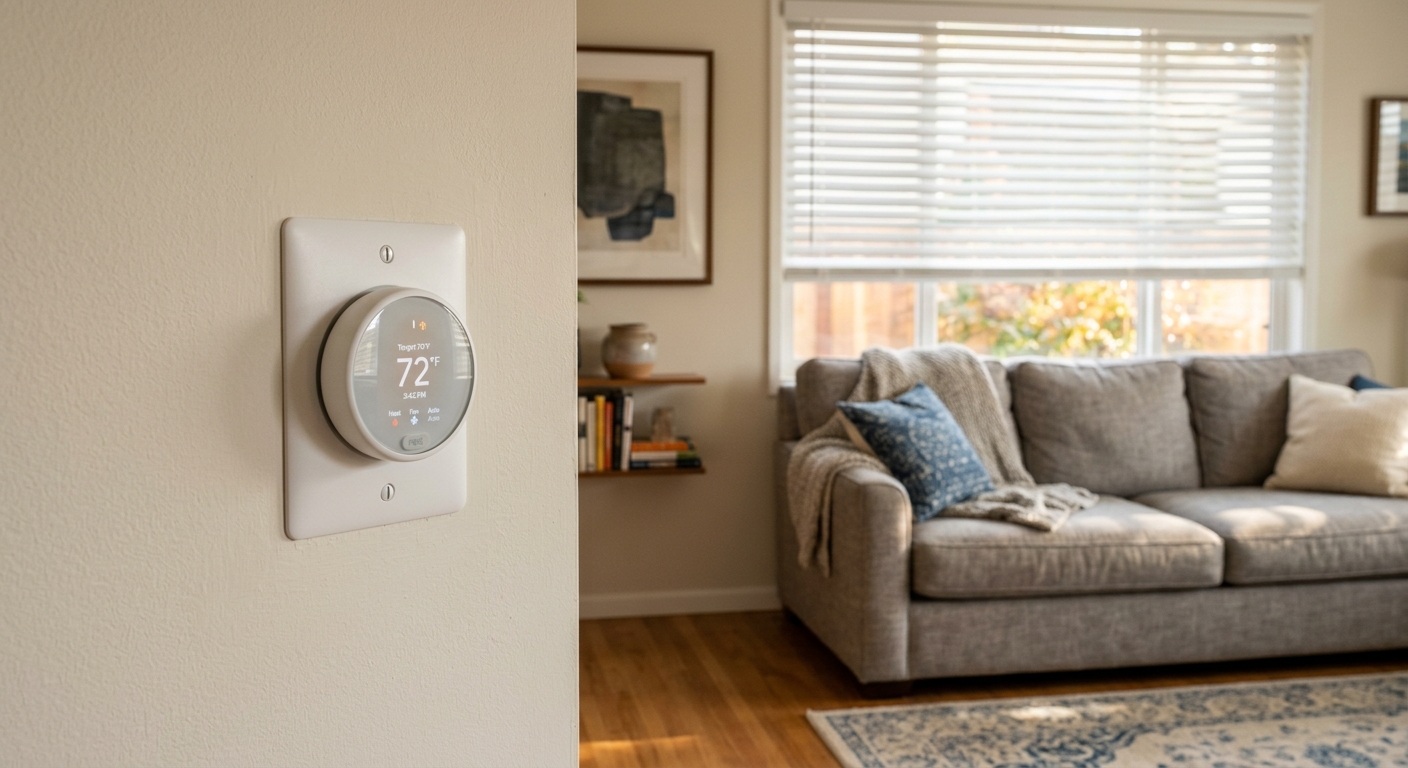
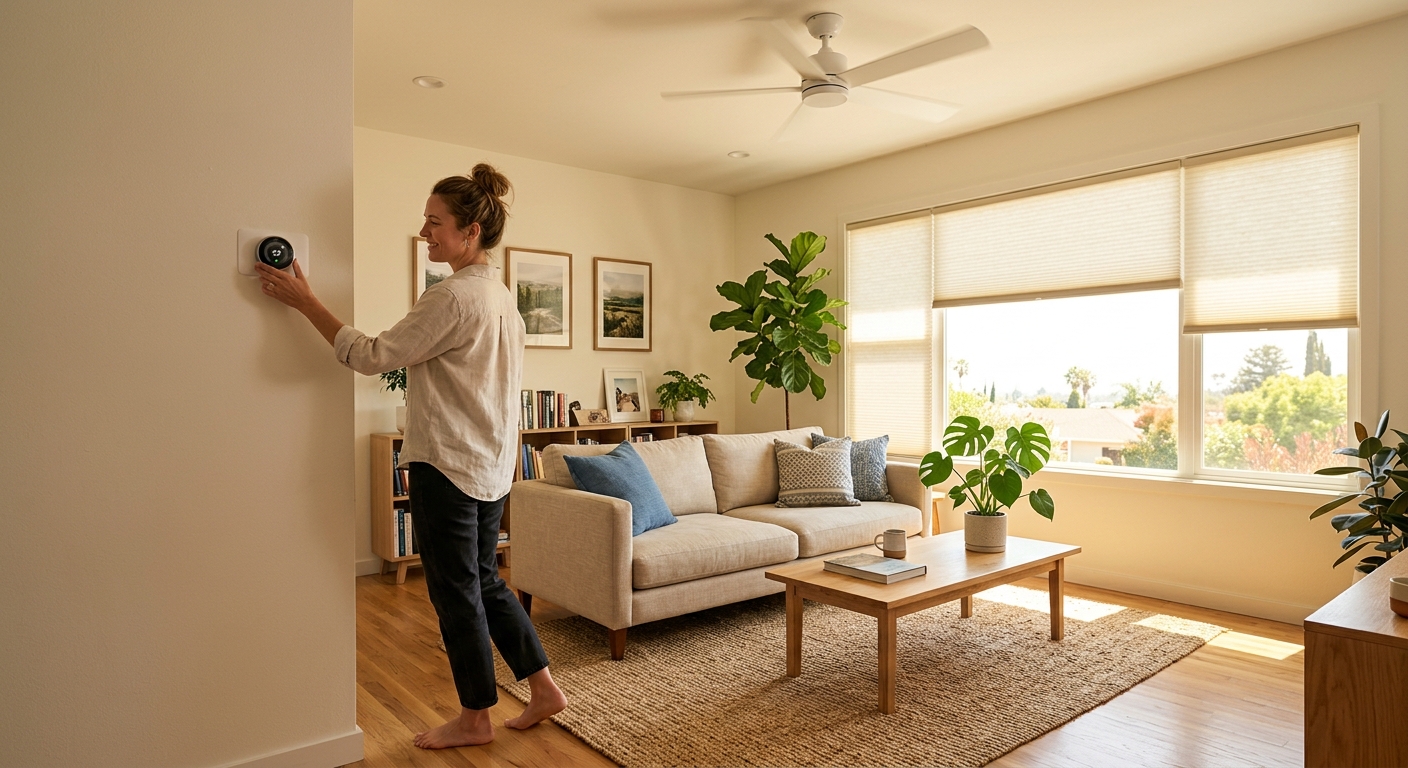
A poorly placed thermostat reads the wrong temperature and causes your AC to cycle at the wrong times, wasting energy and leaving rooms uncomfortable. Moving or correcting your thermostat’s environment can cut cooling bills by 10 to 20% with little to no investment.
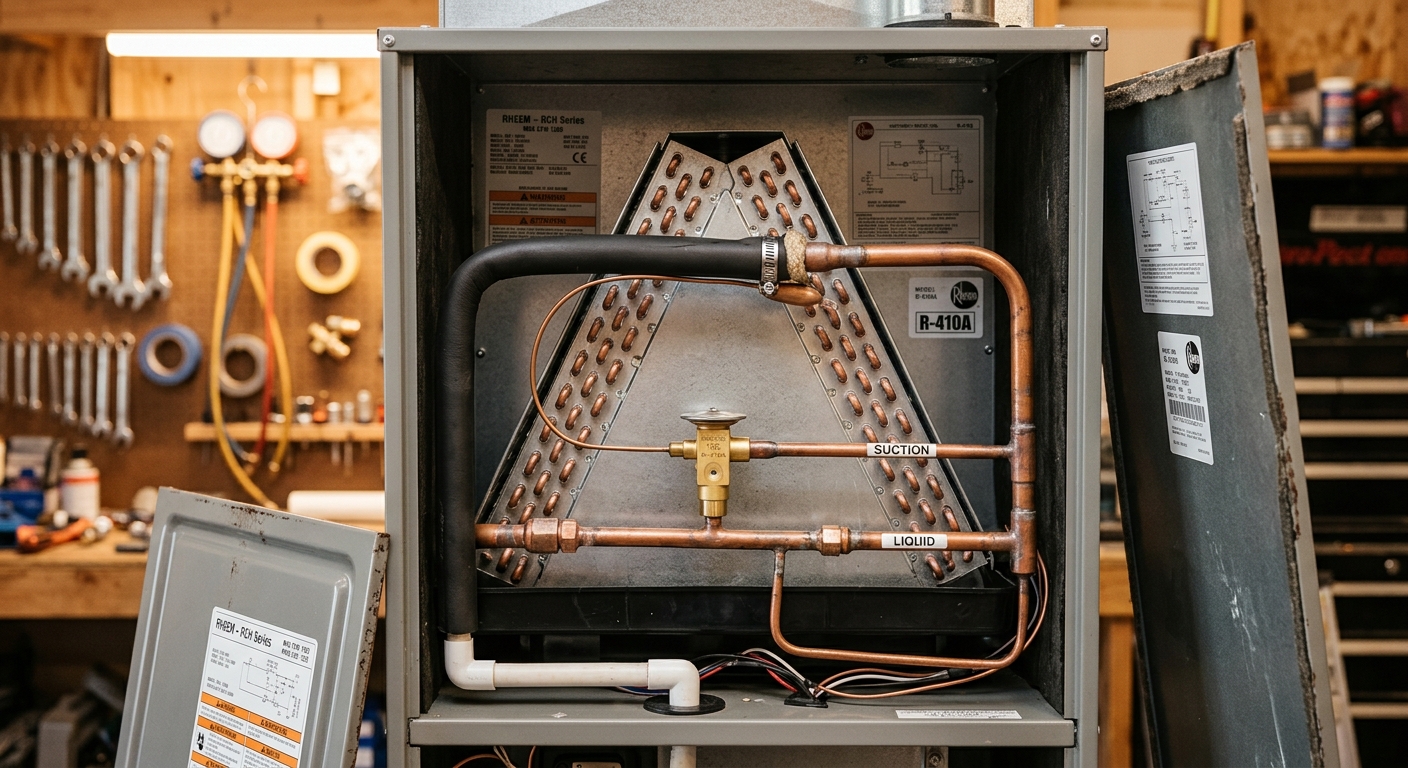
A failing expansion valve quietly destroys your AC’s efficiency, causing sky-high energy bills and uneven cooling without any obvious warning signs. Learn how to spot the symptoms early, what the fix costs, and when to call a pro before the damage spreads to your compressor.
Most homeowners know they need more insulation, but have no idea where to start when money is limited. This guide shows you exactly which projects deliver the fastest payback and biggest comfort gains, so every dollar you spend works harder.
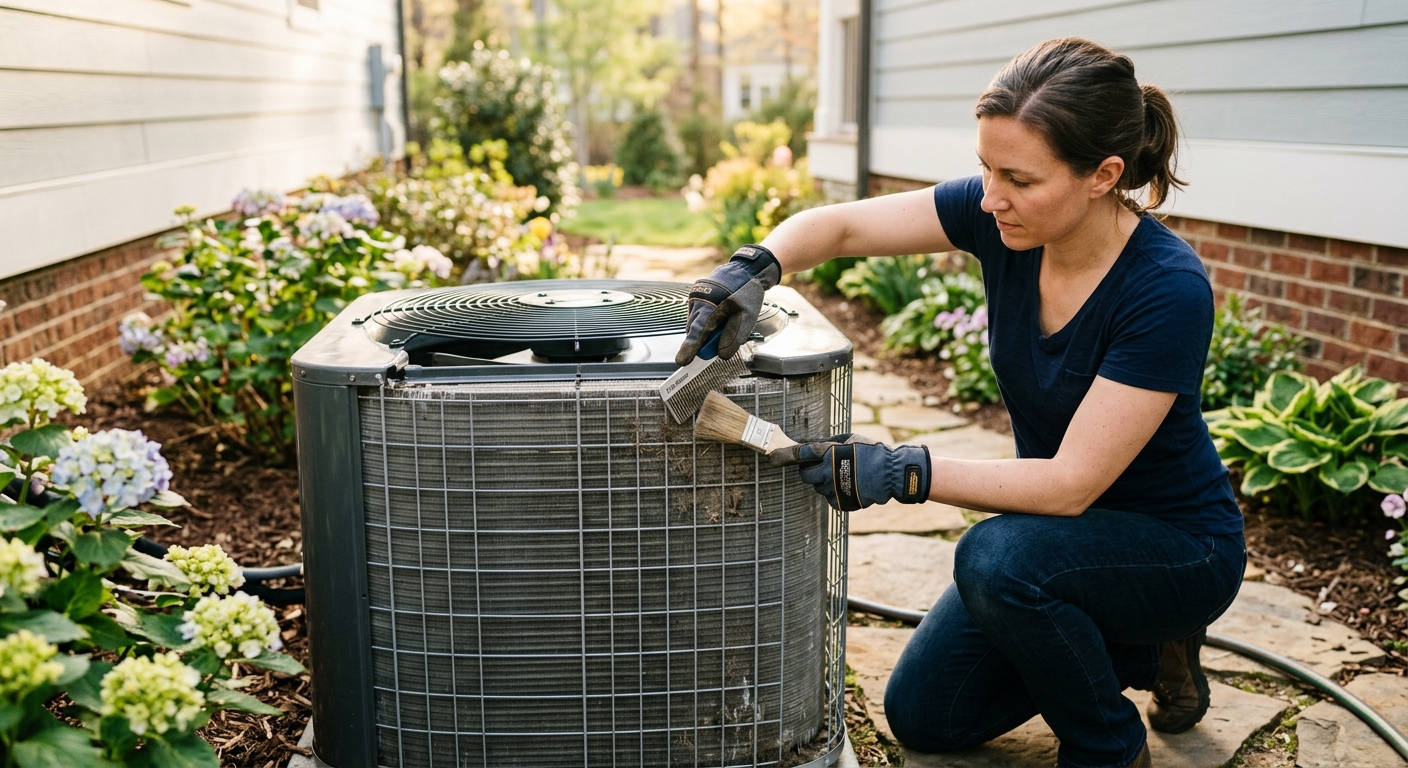
Skipping spring AC maintenance is one of the costliest mistakes homeowners make, often leading to higher bills, breakdowns on the hottest days, and shortened equipment life. A few hours of targeted maintenance each spring can cut cooling costs by up to 25% and add years to your system’s lifespan.
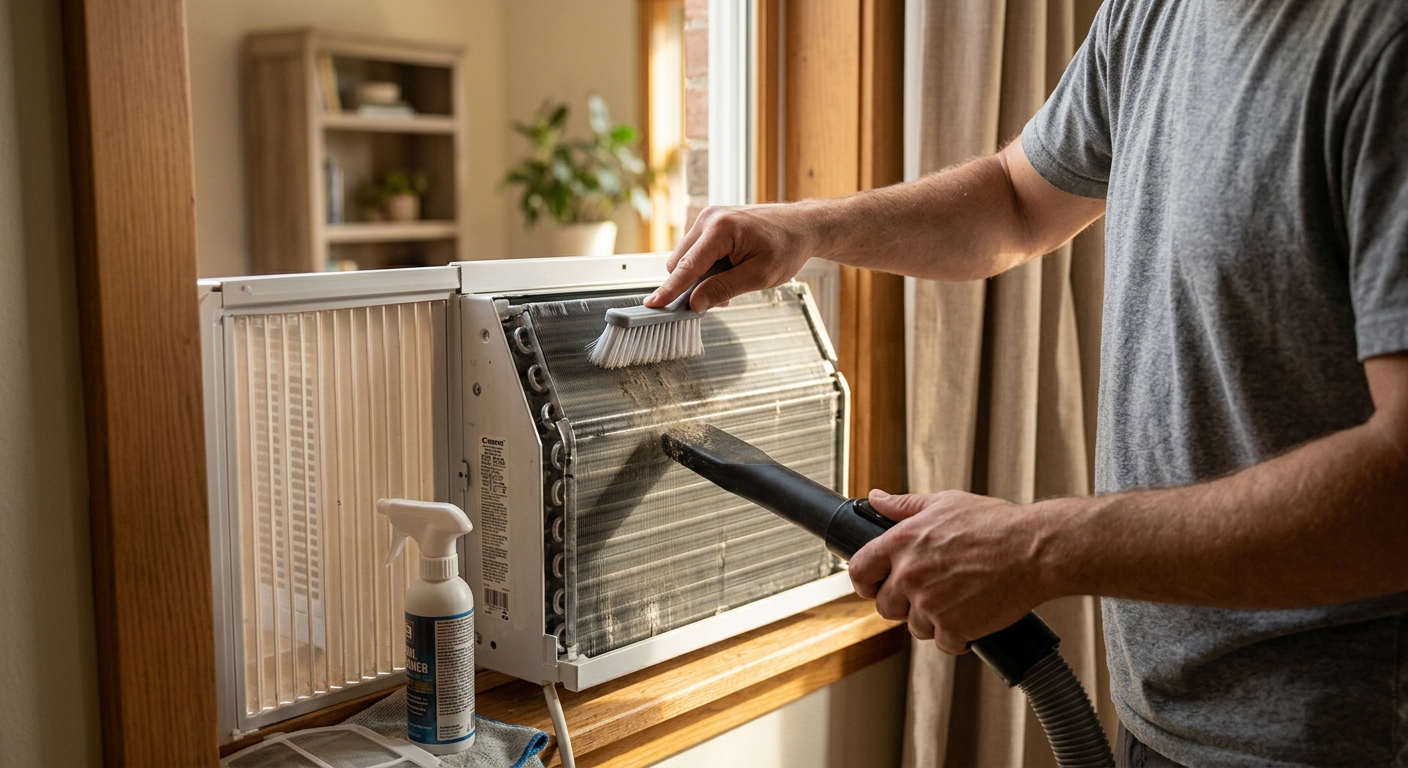
A neglected window air conditioner works harder, costs more to run, and fails sooner than one that gets a proper seasonal tune-up. In about an hour this fall or spring, you can clean, inspect, and prep your unit to cool faster, run less, and last years longer.
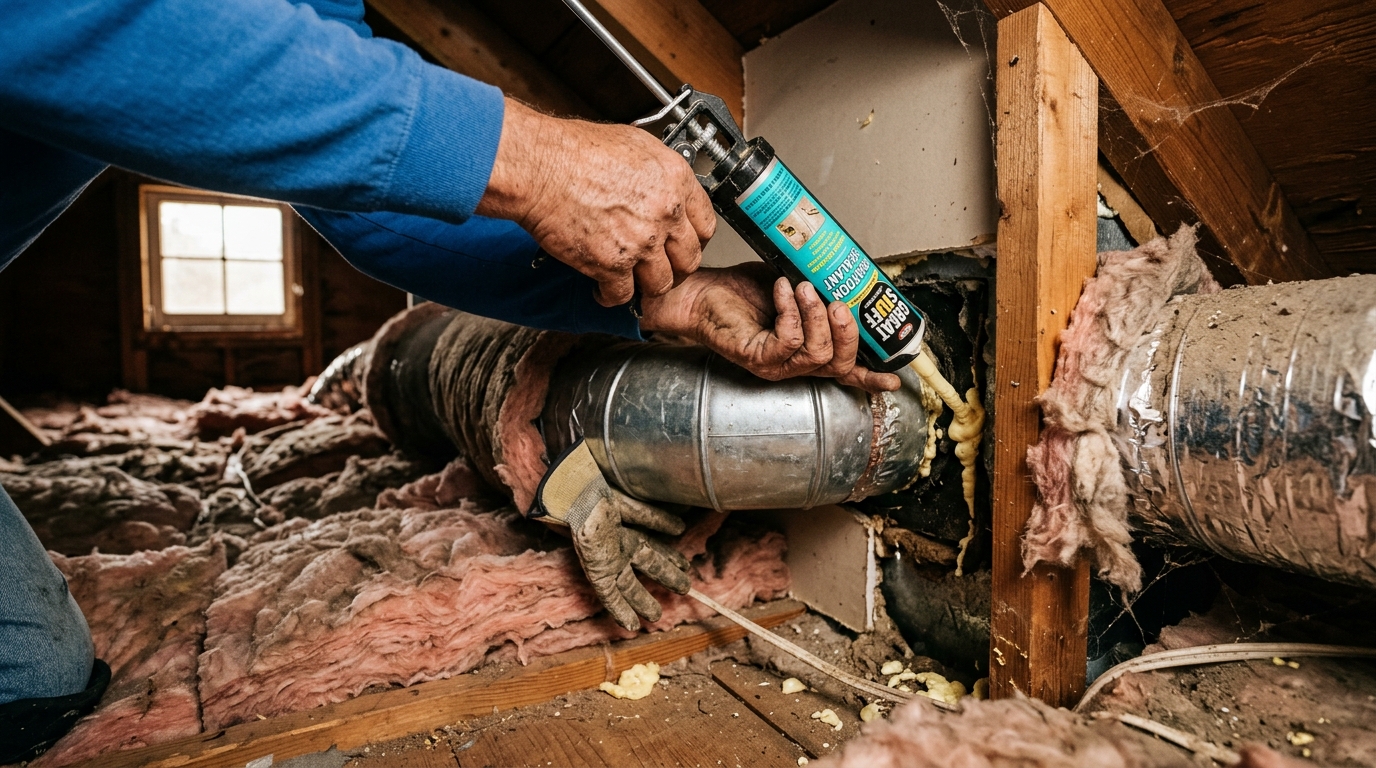
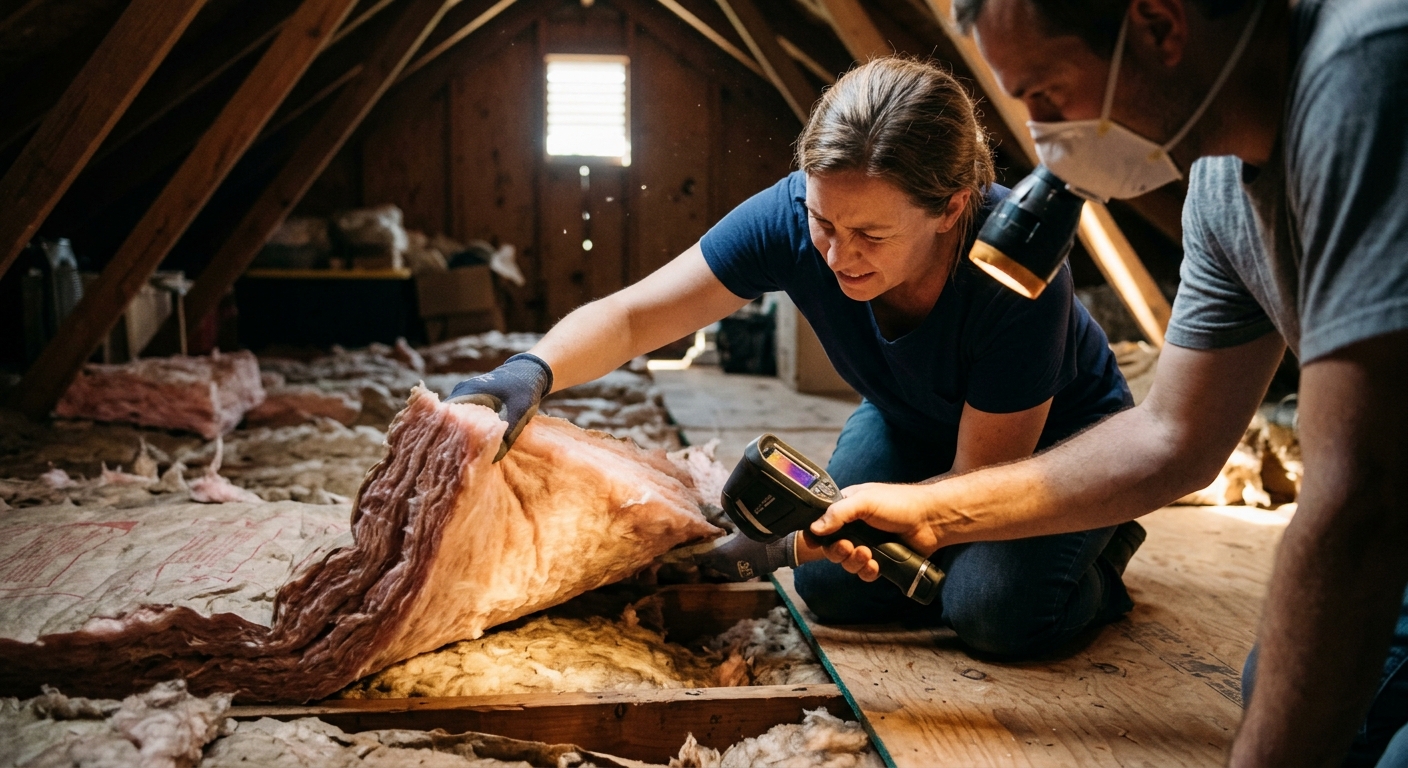
Poor insulation is one of the most common reasons homes become unbearably hot in summer and cooling bills skyrocket. This guide walks you through practical tests and fixes any homeowner can do before temperatures peak.
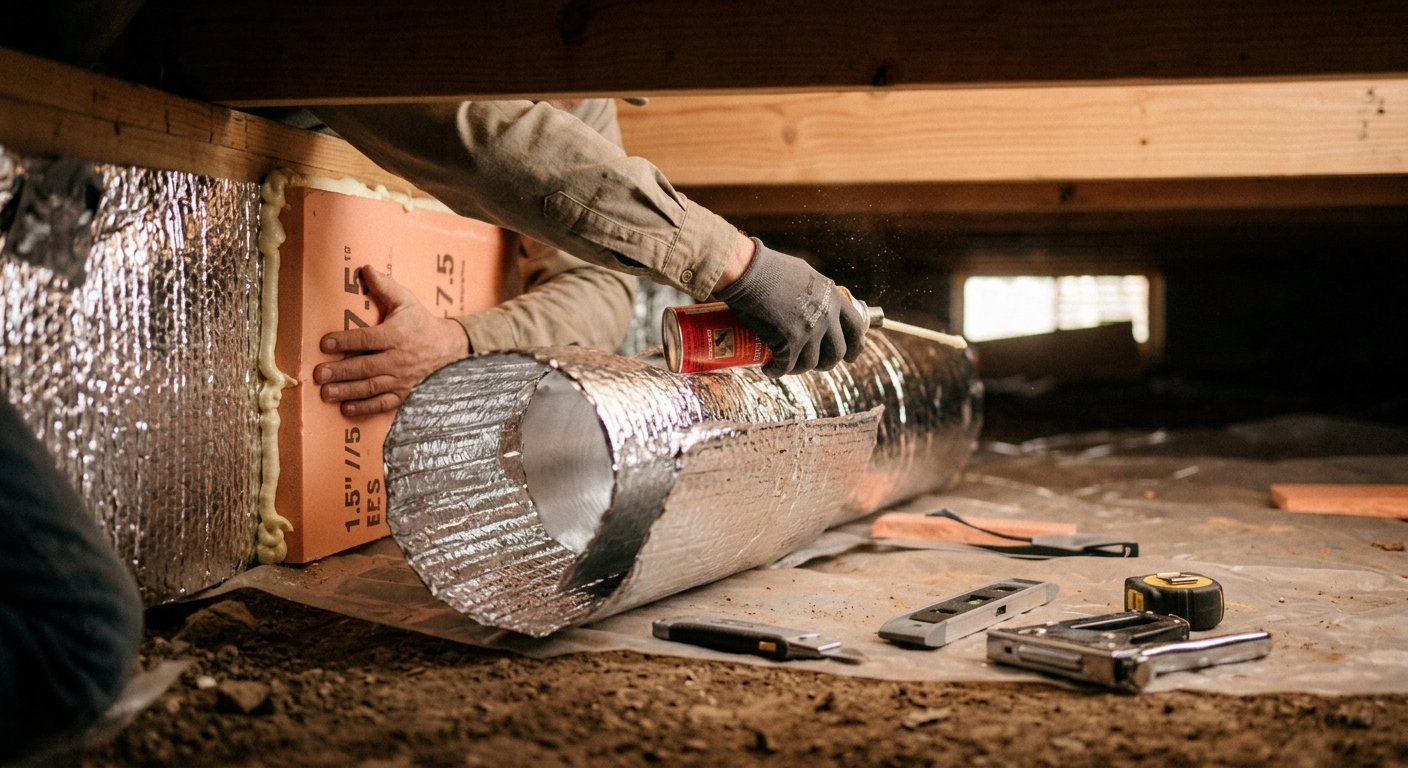
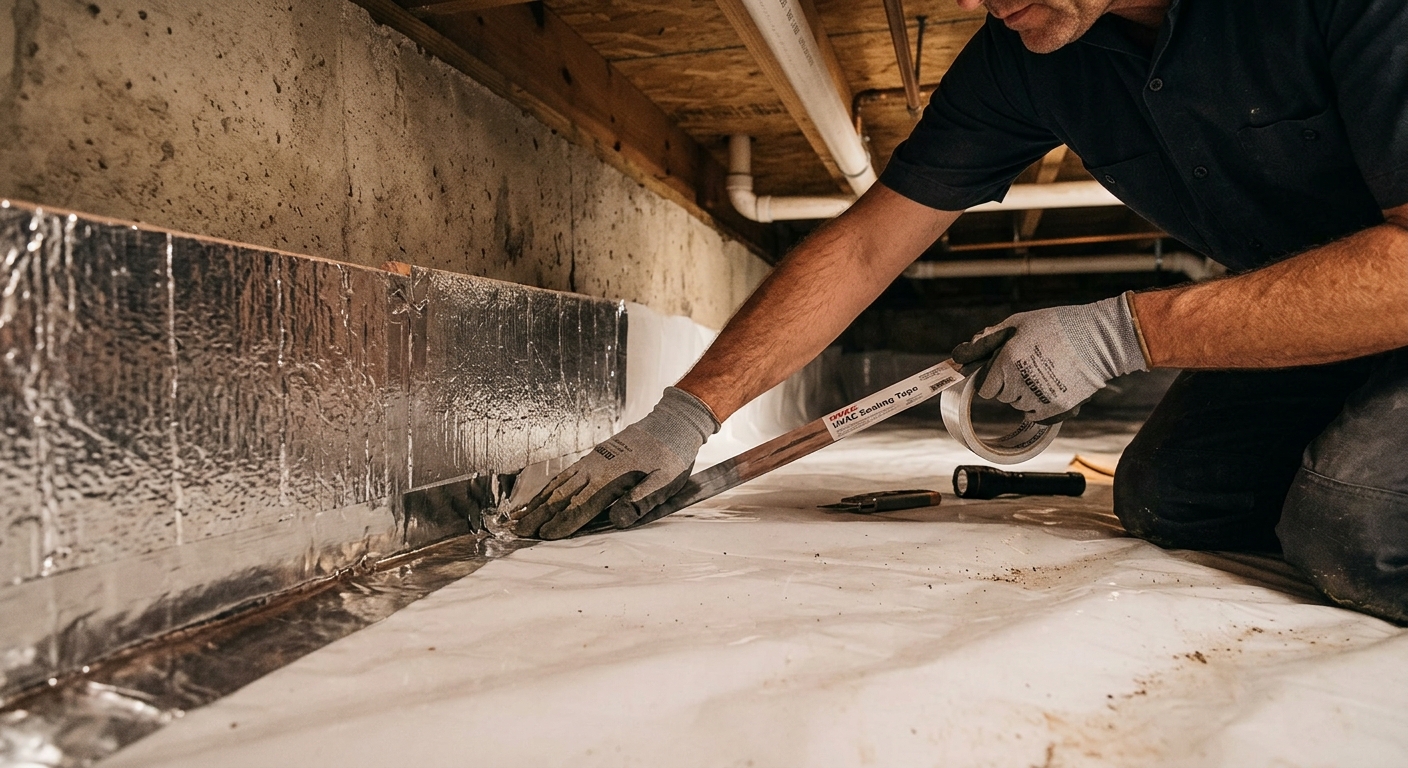
An uninsulated or poorly insulated crawl space silently drives up heating and cooling bills while making your floors cold and your home damp. The right approach costs under $500 and can cut energy bills by 15 to 25% while dramatically improving comfort.
When a heat wave hits, your AC struggles to keep up and your electricity bill spikes. Pre-cooling your home strategically before peak heat arrives lets you bank cold air, reduce peak demand, and cut cooling costs by 15 to 30%.
An unsealed, uninsulated crawl space acts like a giant energy drain beneath your feet, pulling conditioned air out and letting cold, damp air in year-round. Sealing and insulating your crawl space is one of the highest-return upgrades a homeowner can make, often paying for itself in under three years.
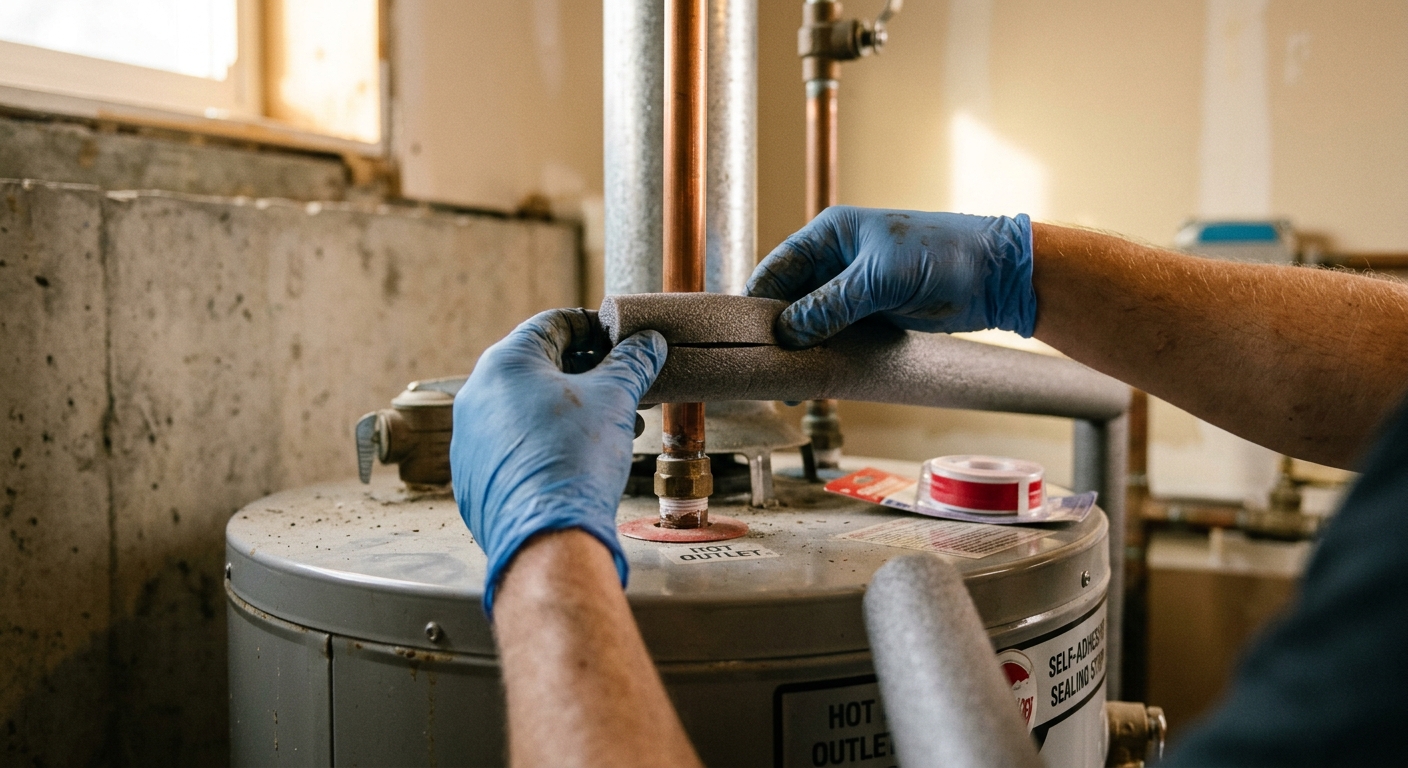
Your water heater loses heat through its tank walls every hour of every day, even when you’re not using hot water. A $15 insulating blanket and a few small adjustments can cut standby heat loss by up to 45% and pay for themselves in under two months.