Uneven heating is one of the most frustrating comfort problems a homeowner can face. You set the thermostat to 70°F, your living room feels great, and then you walk into the back bedroom and it feels like 62°F. You turn up the heat, your energy bill climbs, and the cold room barely budges. Something is clearly wrong, but it is not always obvious where to start.
The good news is that single-story homes have a relatively simple heating system compared to multi-level houses, which means the causes of uneven heating are easier to diagnose and often cheaper to fix. In most cases, the problem comes down to one of six root causes: duct leaks, blocked or closed vents, poor insulation, an oversized or undersized furnace, air infiltration around windows and doors, or a dirty air filter restricting airflow. Each one has a different fix, and knowing which one you are dealing with saves you time and money.
This post walks you through all six causes, how to identify them in your own home, and what to do about each one. Whether you want a quick weekend fix or a longer-term upgrade, you will find a clear path forward here, along with real numbers on what each solution costs and how much it can save you on your heating bill.
What You’ll Need
Click on an item below to shop for the recommended items for this recipe on Amazon.
As an Amazon Associate, we earn from qualifying purchases.
How to Do It
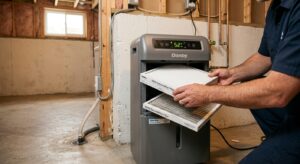
- Replace your air filter if it has not been changed in the last 60 to 90 days. A clogged filter is the single fastest fix for reduced airflow. Use a MERV 8 to 11 filter and note the date on the frame.
- Walk every room and confirm all supply vents are fully open and unobstructed. Furniture, rugs, drapes, and boxes pushed against vents can block 30 to 50% of airflow into a room.
- Check that return air vents are not blocked. Returns are typically larger grilles low on the wall or on the ceiling. Blocking a return starves the whole system of air.
- Hold a lit incense stick or a thin piece of toilet paper near window frames, door frames, electrical outlets on exterior walls, and where the floor meets exterior walls. Flickering or movement indicates air infiltration pulling cold air in. Mark those spots with painter’s tape.
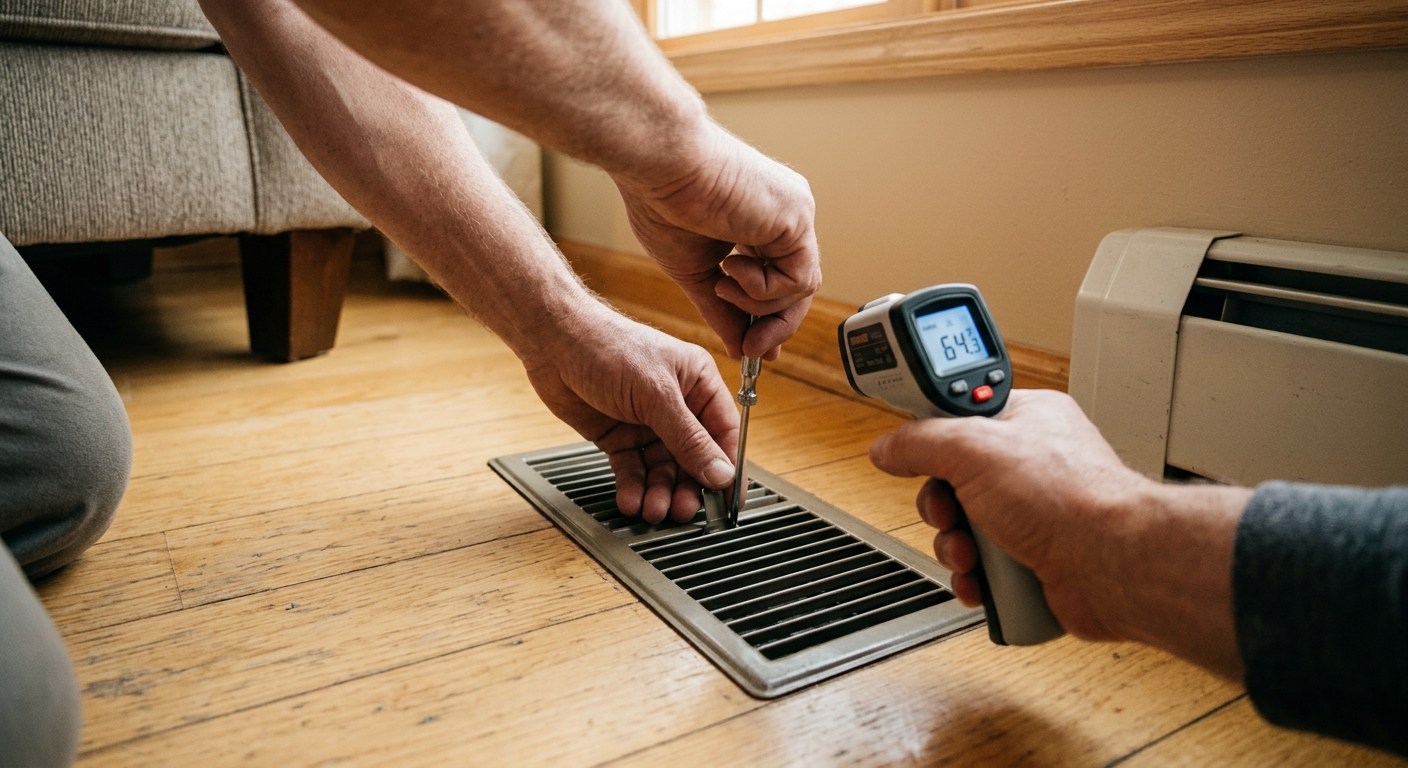
- Record the temperature in each room using an inexpensive thermometer at the same time of day. Write down the readings. Any room more than 4°F colder than the thermostat setpoint has a measurable problem worth investigating further.
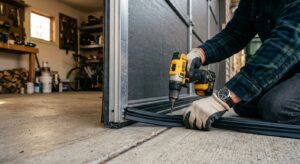
- Apply adhesive foam weatherstripping to any exterior door that shows daylight at the edges or fails the incense test. A $5 roll of foam tape takes 10 minutes per door and can close gaps that drop a room by 3 to 4°F.
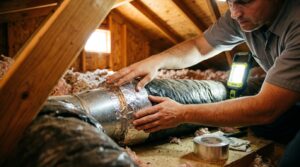
- Access your duct system in the attic, crawl space, or basement. Look for joints wrapped in old gray tape (not metal foil tape), disconnected sections, or visible gaps at takeoff collars where branch ducts connect to the main trunk line.
- Apply mastic sealant (a gray or white paste) to all duct joints using a paintbrush or gloved hand. Mastic is more durable than tape and remains flexible through heating and cooling cycles. Cover joints with mesh reinforcing tape before applying mastic on gaps wider than 1/4 inch.
- Wrap any bare sheet metal ductwork in unconditioned spaces with R-6 or higher duct insulation wrap. Uninsulated ducts in a 30°F attic can lose 10 to 15°F of supply air temperature before it reaches the room.
- Return to the rooms that failed the incense test. Apply paintable acoustic caulk around window interior trim on exterior walls, and use outlet gaskets behind cover plates on exterior wall outlets. A pack of foam outlet gaskets costs under $5 and installs in seconds.
- In the coldest room, check whether the duct takeoff damper (a small lever or screw on the branch duct near the main trunk) is partially closed. Open it fully and test the room temperature the next morning.
- After completing duct sealing, run the system for 24 hours and re-record room temperatures using your thermometer. Most homeowners see a 3 to 6°F improvement in problem rooms after this step alone.
- Schedule a duct blaster or blower door test with an HVAC contractor or home energy auditor. This pressurizes the duct system and measures exactly how much air is leaking and where. Many utility companies offer this test free or at a subsidized cost.
- Ask for a Manual J load calculation to verify your furnace is correctly sized for your home. An oversized furnace costs $200 to $400 for the calculation but can save you from years of short-cycling and uneven heat delivery.
- Have the contractor balance airflow using a flow hood, which measures cubic feet per minute at each supply register and adjusts dampers until every room receives the correct share of air for its size and heat loss.
- If insulation is identified as a problem, request a thermal imaging scan during the same visit. Infrared cameras reveal cold spots in walls and ceilings that are invisible otherwise, giving you a clear upgrade priority list.
- Request a written report with before-and-after measurements so you have documentation for utility rebates. Many states offer rebates of $100 to $500 for duct sealing and insulation improvements verified by a certified technician.
Why It Works: The Benefits
Addressing duct leaks and airflow balance can bring room-to-room temperature variation from 8 to 10°F down to 2 to 3°F, which is what most homeowners actually feel as comfortable and even.
Sealing duct leaks alone saves the average homeowner 20% on heating and cooling costs according to ENERGY STAR data, which works out to $150 to $300 per year for a typical 1,500 to 2,000 sq ft home.
Restricted airflow caused by dirty filters or blocked vents forces the heat exchanger to overheat, which shortens furnace life. Fixing airflow problems can add years to a furnace that might otherwise need replacement in 5 to 7 years.
Duct leaks in unconditioned spaces like attics or crawl spaces pull in dust, mold spores, and outdoor allergens. Sealing those leaks reduces particulate levels in the living space noticeably within one heating season.
When every room holds a consistent temperature, you stop overcorrecting the thermostat to compensate for one cold room, which saves energy and eliminates the cycle of overheating the rest of the house.
💰 Savings Impact by Action
Sealing leaky ducts reduces conditioned air loss by 20 to 30%, delivering direct savings on heating bills according to ENERGY STAR.
Sealing infiltration gaps around windows, doors, and outlets reduces heating energy use by up to 15% by stopping cold air from displacing warm interior air.
Replacing a clogged filter restores full system airflow and reduces furnace runtime by up to 10%, saving energy while improving distribution.
Adding R-19 insulation under an uninsulated floor over a crawl space cuts heat loss through that floor assembly by 15 to 20%.
Upgrading attic insulation to R-38 or higher reduces ceiling heat loss by up to 25%, directly lowering the heating load on every room below.
🏠 Key Concepts Explained
The Science Behind It
Your forced-air heating system is designed around a concept called balanced pressure: for every cubic foot of warm air pushed into a room through a supply vent, an equal volume of cooler air must be pulled back through a return vent and reheated. When any part of that loop is interrupted, such as a leaky duct bleeding air into an attic, a blocked return, or a closed damper, the pressure balance breaks down and some rooms receive too little airflow to maintain temperature. The furnace thermostat only measures air temperature at one point in the house, usually a central hallway, so it has no way of knowing those distant rooms are 8°F colder.
Heat loss works against your system simultaneously. Every exterior wall, window, and ceiling is losing heat to the cold outdoors through conduction, the direct transfer of heat through a solid material. The rate of that loss is described by the R-value of the material: a wall with R-13 insulation loses heat roughly twice as fast as a wall with R-25. Rooms on the north or windward side of a single-story home, or rooms over a vented crawl space with no floor insulation, are fighting significantly higher heat loss than central rooms. Even a perfectly balanced duct system cannot keep those rooms warm if the heat is escaping through the building shell faster than it is being supplied.
Air infiltration adds a third layer. Cold outdoor air entering through gaps around windows, sill plates, and penetrations pushes warm interior air out through other gaps in a process called natural convection and pressure-driven flow. The American Society of Heating, Refrigerating and Air-Conditioning Engineers estimates that air infiltration accounts for 25 to 40% of heating energy loss in an average home. Sealing those pathways reduces the effective heating load on every room and lets your existing duct system do its job more efficiently. The combination of air sealing, duct sealing, and proper insulation is consistently the highest-return investment in home heating comfort, delivering payback in one to two heating seasons in most climates.
Frequently Asked Questions
▼ I replaced the filter and opened all the vents but one room is still 8°F colder. What now?
The most likely culprit is a duct leak between the main trunk and that room’s branch duct, or a damper that is partially or fully closed at the takeoff point. Go to the duct serving that room in the attic or crawl space and physically inspect the connection. Feel for air blowing out of joints while the system runs, and check the damper lever on the branch duct collar. If you find air escaping, apply mastic sealant and re-test.
▼ Can a bad thermostat location cause uneven heating across my home?
Yes, absolutely. If your thermostat is on an interior wall near a heat source like a lamp, TV, or sunny window, it will read warmer than the actual average house temperature and shut the furnace off too soon. The fix is to relocate the thermostat to a more central, shaded interior wall, or install a smart thermostat with remote sensors that average readings from multiple rooms. Ecobee and Honeywell both make models with remote sensor support in the $150 to $200 range.
▼ My crawl space has no insulation under the floors. Could that be why my home is cold?
Yes, and it is one of the fastest improvements you can make. An uninsulated floor over a vented crawl space can lose 15 to 20% of your heating energy through conduction directly into the cold ground. Installing R-19 to R-25 batts between floor joists, or rigid foam board against the crawl space walls, typically costs $500 to $1,500 as a DIY project and can raise floor surface temperatures by 5 to 8°F in affected rooms.
▼ How do I know if my furnace is the wrong size rather than a duct or insulation problem?
Watch your furnace run cycle. A properly sized furnace should run for 10 to 15 minutes per cycle during very cold weather. If it kicks on and off every 3 to 5 minutes, it is almost certainly oversized and short-cycling, which means heat never distributes evenly before the system shuts down. Confirm by having an HVAC contractor perform a Manual J load calculation, which costs $200 to $400 and definitively tells you the correct furnace size for your home.
▼ Will a space heater in the cold room solve the problem permanently?
A space heater treats the symptom but not the cause, and it costs more to run than fixing the underlying problem. A 1,500-watt electric space heater running 8 hours a day adds roughly $30 to $50 per month to your electric bill in most states, while the actual duct or insulation fix that would solve the problem often costs $100 to $300 and pays back within one heating season.
Quick Tips
- Keep all interior doors open at least 1 inch during heating season. Closed doors block return airflow and create pressure imbalances that starve distant rooms of warm air.
- If one room is consistently colder, partially close the supply dampers in the two or three warmest rooms to redirect more pressure toward the cold zone. This is free and takes 5 minutes.
- Set your thermostat fan to ‘On’ rather than ‘Auto’ for a few hours on very cold days. Continuous fan circulation mixes air throughout the home and can reduce room-to-room temperature variation by 2 to 4°F.
- Check your attic insulation depth. The Department of Energy recommends R-38 to R-60 for most U.S. climate zones. If you can see the floor joists, you are losing significant heat through the ceiling of every room.
Variations for Your Situation
- Apartment or Rental: Renters cannot access ducts or add insulation, but you can address air infiltration with removable rope caulk around drafty windows (it peels off cleanly in spring), door draft stoppers, and thermal curtains. These three products together cost under $60, require no landlord permission, and can reduce a cold room’s heat loss by 10 to 15%. Also ask your landlord in writing to replace the air filter if it has not been changed, as this is typically a landlord maintenance obligation.
- Tight Budget Under $50: Start with a new air filter ($10 to $15), a pack of outlet gaskets ($5), foam door weatherstripping ($5 to $10), and mastic sealant for any visible duct joints you can reach ($10 to $15). These four items address two of the six causes and together can recover 10 to 15% of lost heating efficiency with no professional help. Prioritize them in the order listed for fastest payback.
- Older Home Pre-1980: Homes built before 1980 often have duct systems made with older fiber duct board that degrades and separates over time, original single-pane windows with significant frame gaps, and attic insulation well below modern standards. Start with a professional energy audit, which many utilities offer free, because the combination of problems in older homes makes a systematic approach more cost-effective than guessing. Focus first on attic insulation to R-38 and major air sealing at the sill plate, as these deliver the highest return in older construction.