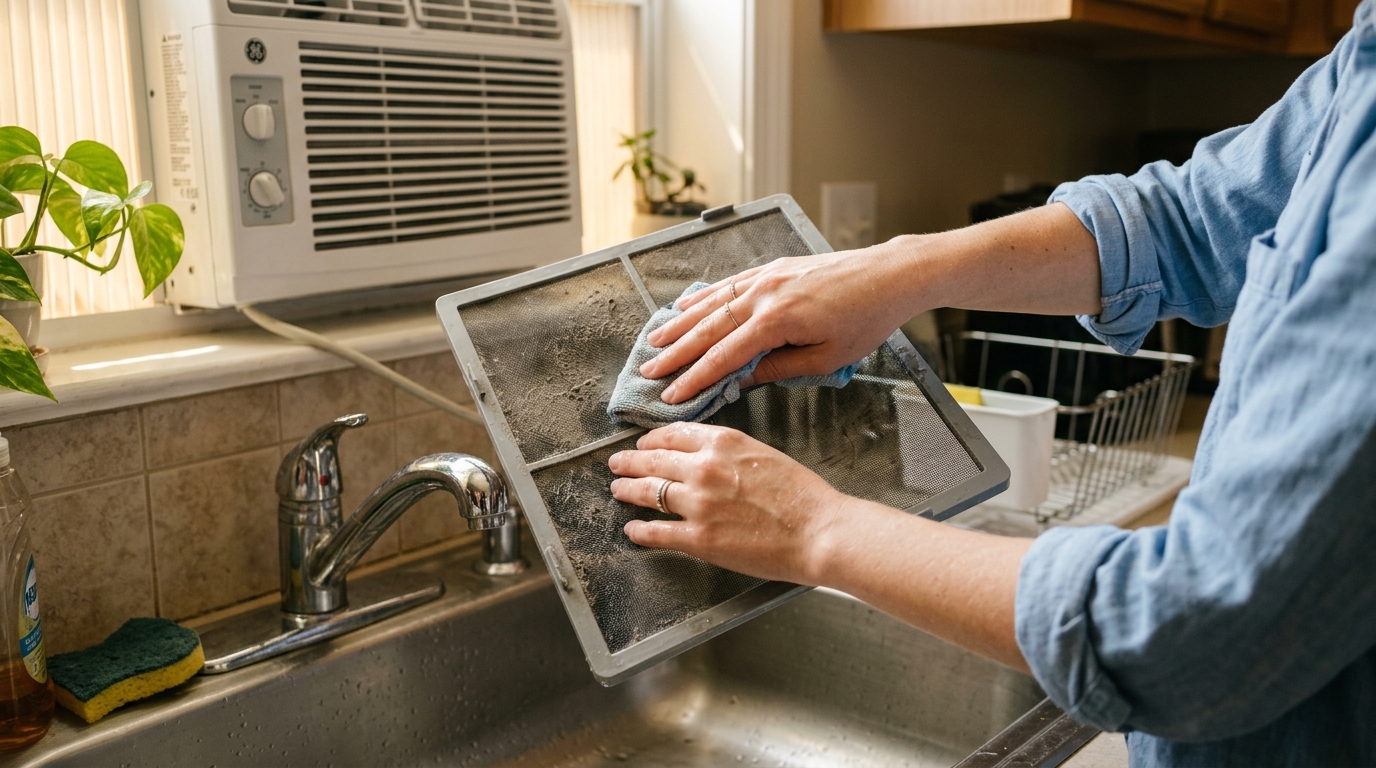
The first heat wave of the year catches most homes unprepared, and your AC works overtime just to keep up. With a few targeted fixes before temperatures spike, you can stay comfortable and avoid the surge in energy bills that hits most households in June.
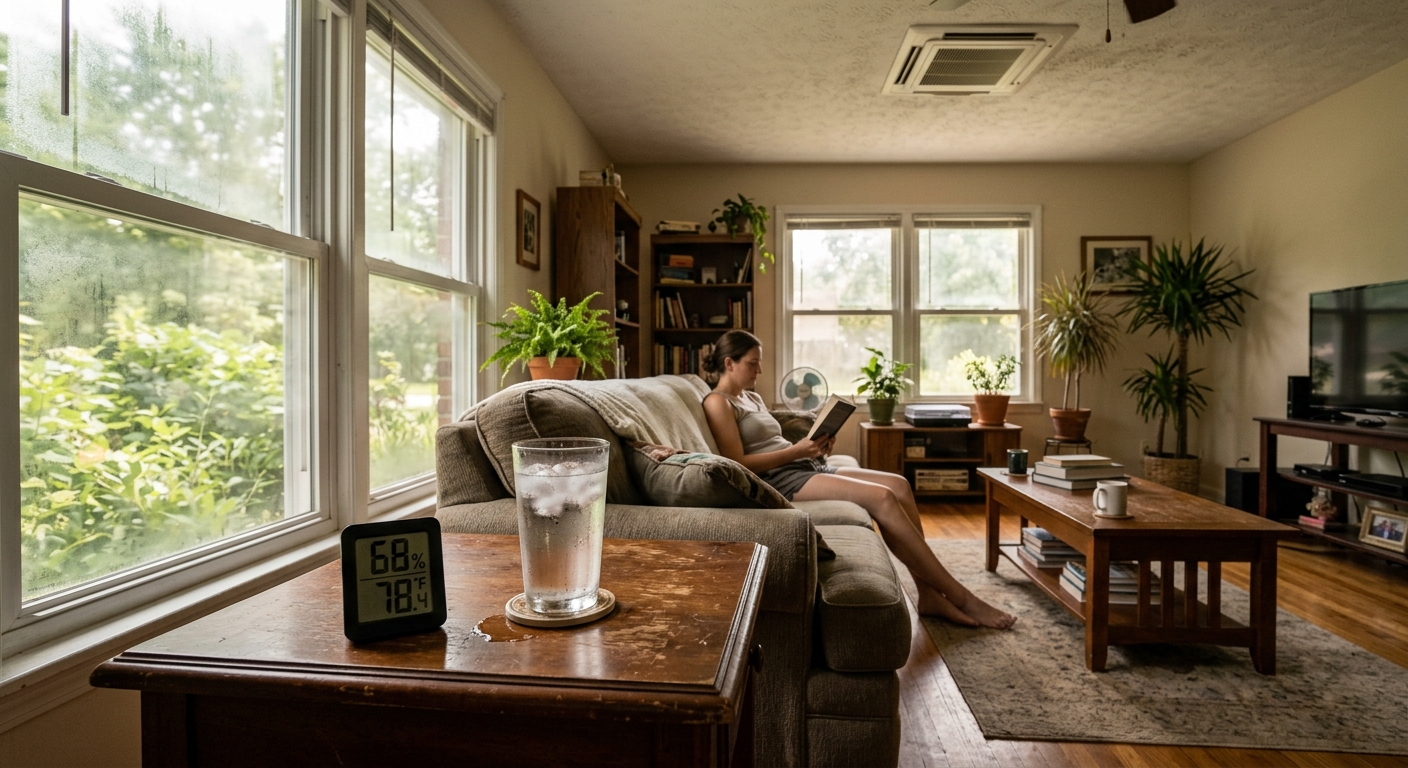
Running your AC but still sweating indoors is a sign your system is cooling without properly dehumidifying. This post explains the real reasons humidity lingers and gives you step-by-step fixes from free adjustments to professional upgrades.
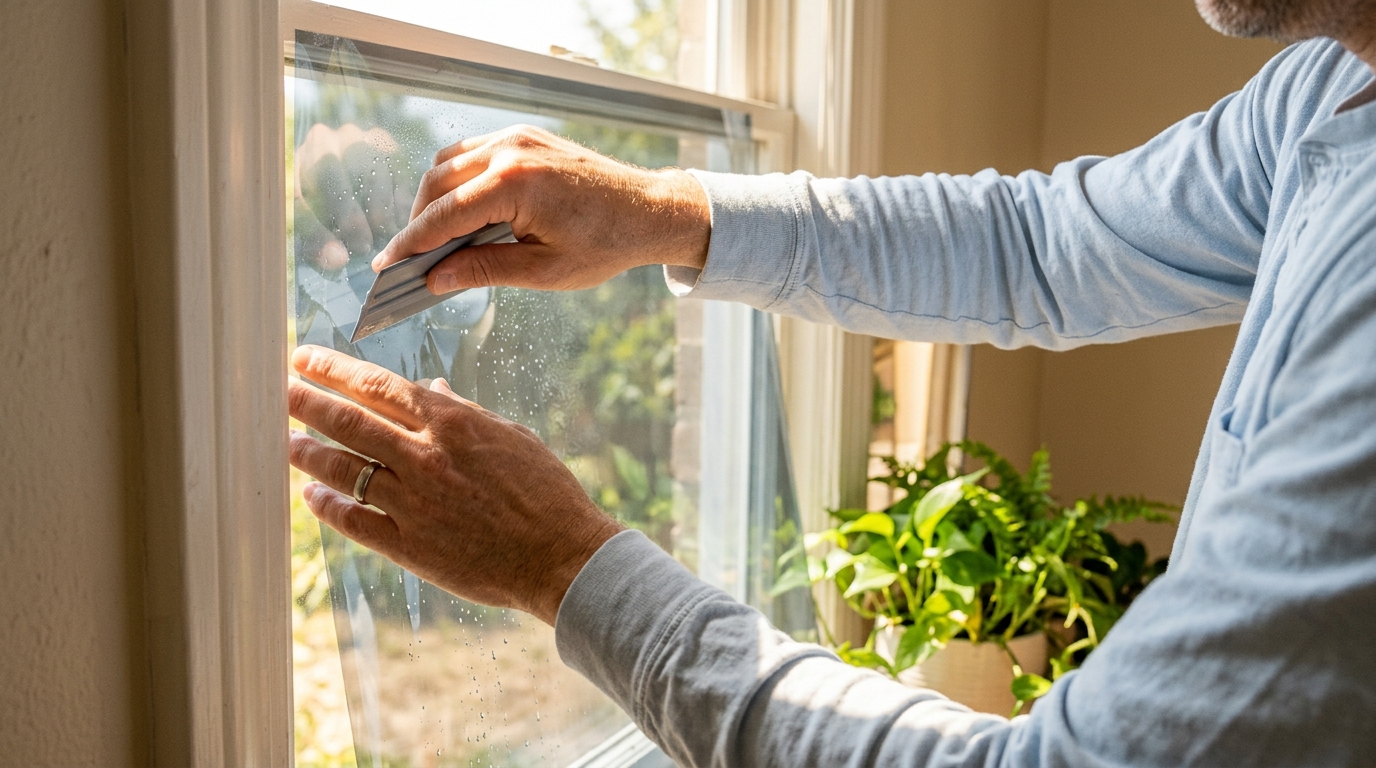
South and west-facing rooms can heat up 10 to 15 degrees more than the rest of your home, turning a bright space into an unusable oven by afternoon. The good news is you can cut solar heat gain by up to 70% using smart shading and glazing strategies that still let natural light flood in.
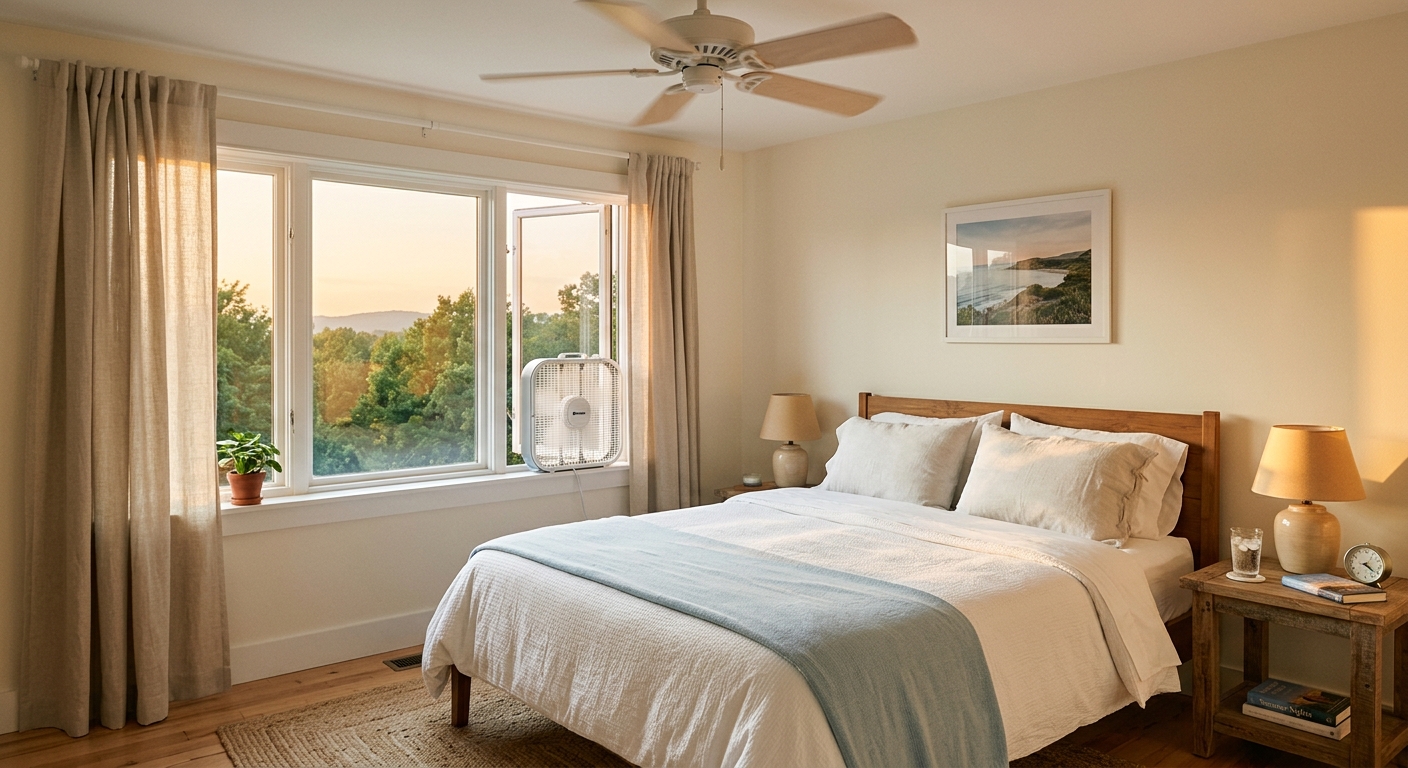
Running the AC all night to stay comfortable in bed is one of the biggest summer energy drains in most homes. With a few targeted fixes, you can sleep cool for a fraction of the cost by managing heat at the source instead of just blasting cold air.
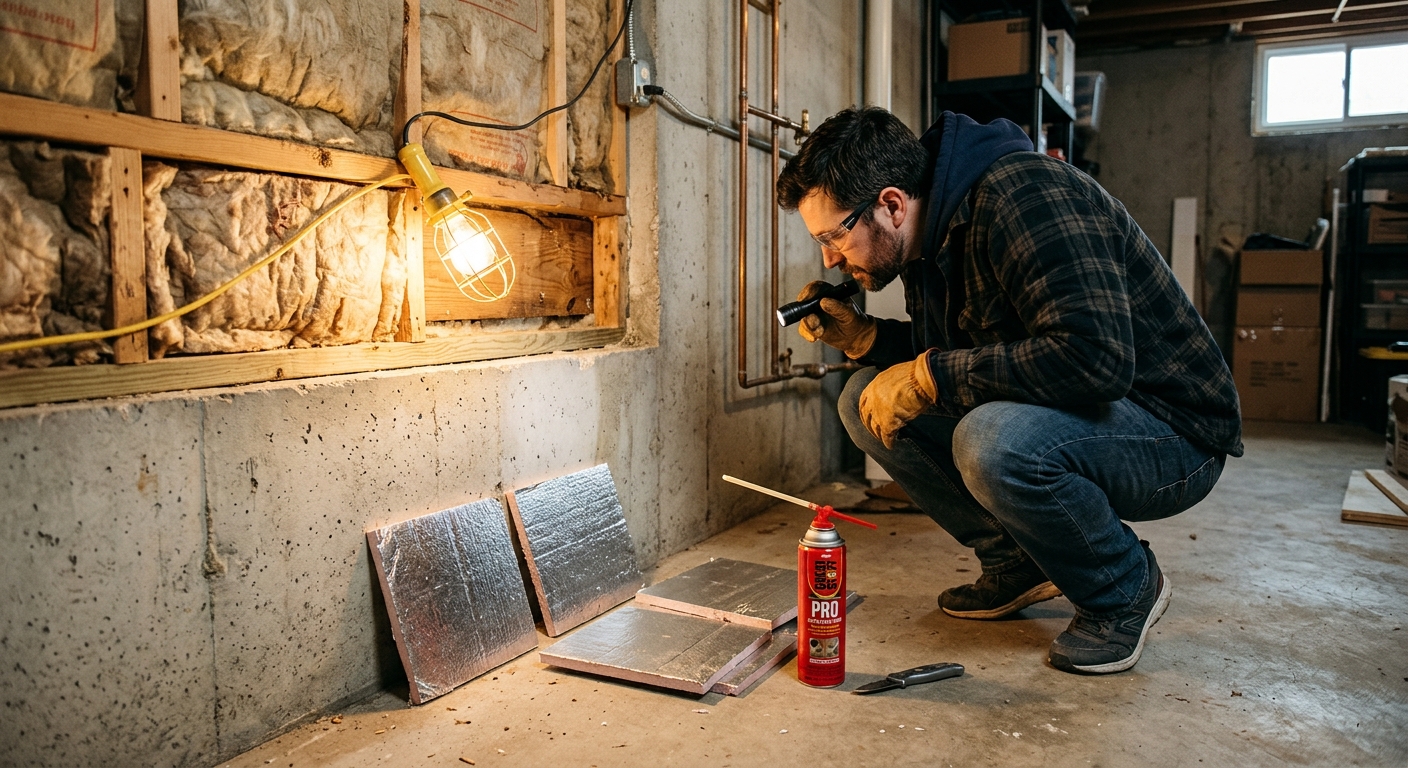
Most homes lose a surprising amount of heating and cooling through a handful of spots that builders routinely skip or underinsulate. Targeting these six areas can cut your energy bills by 20 to 30% without touching your HVAC system.
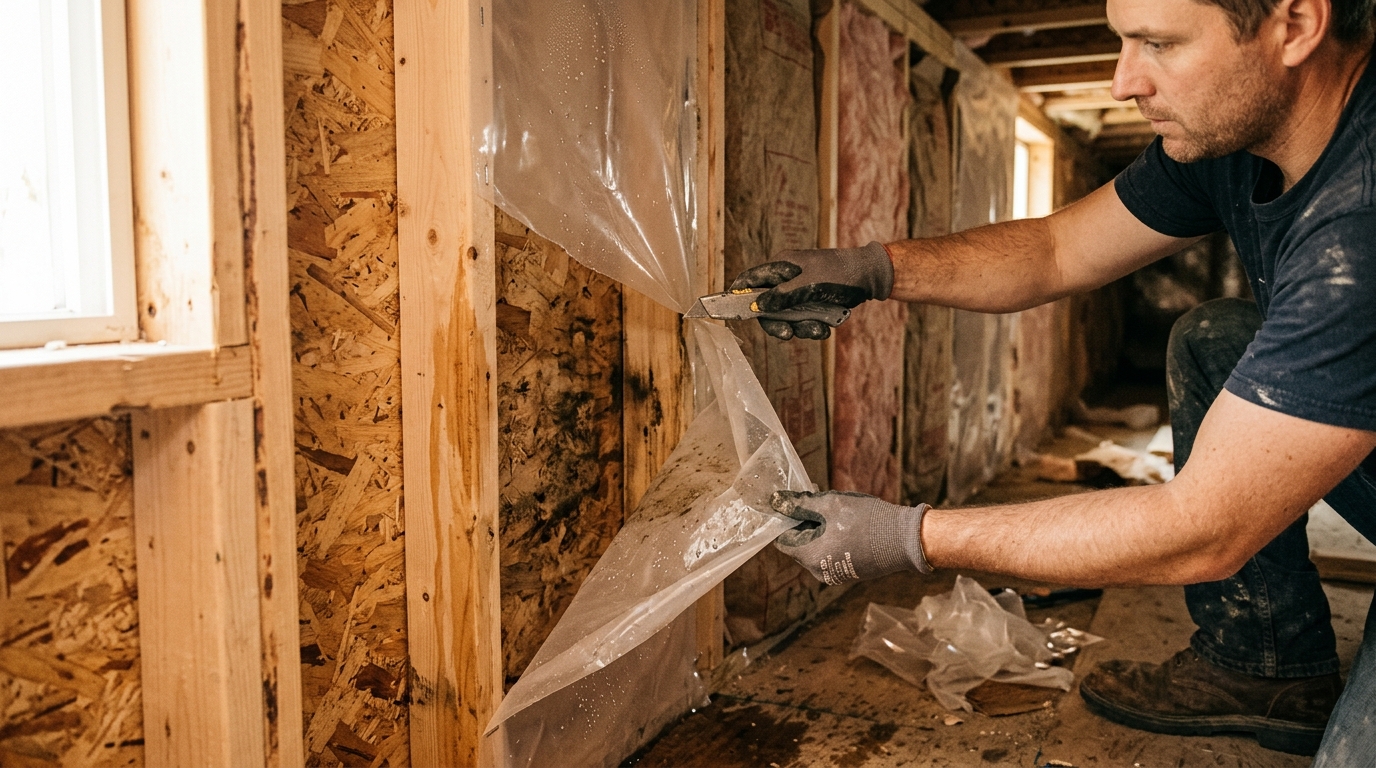
A vapor barrier installed in the wrong location or wrong direction can trap moisture inside your walls, floors, and framing, leading to rot, mold, and thousands in structural repairs. Understanding how vapor moves through your home is the first step to making sure your barrier is helping, not hurting.
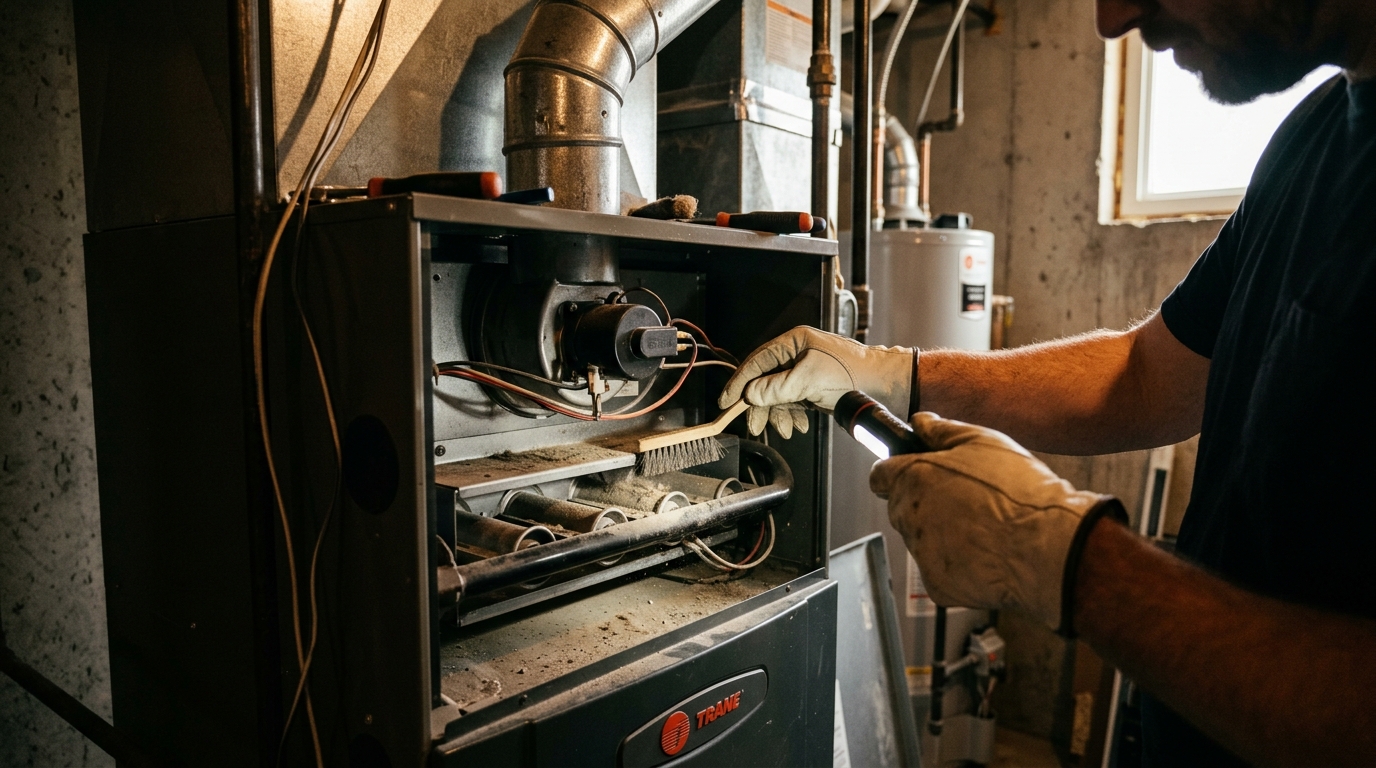
That sharp burning odor when you fire up the furnace for the first time each season catches nearly every homeowner off guard. In most cases it is completely normal, but knowing the difference between a harmless dust burn-off and a serious warning sign could protect your family and your equipment.
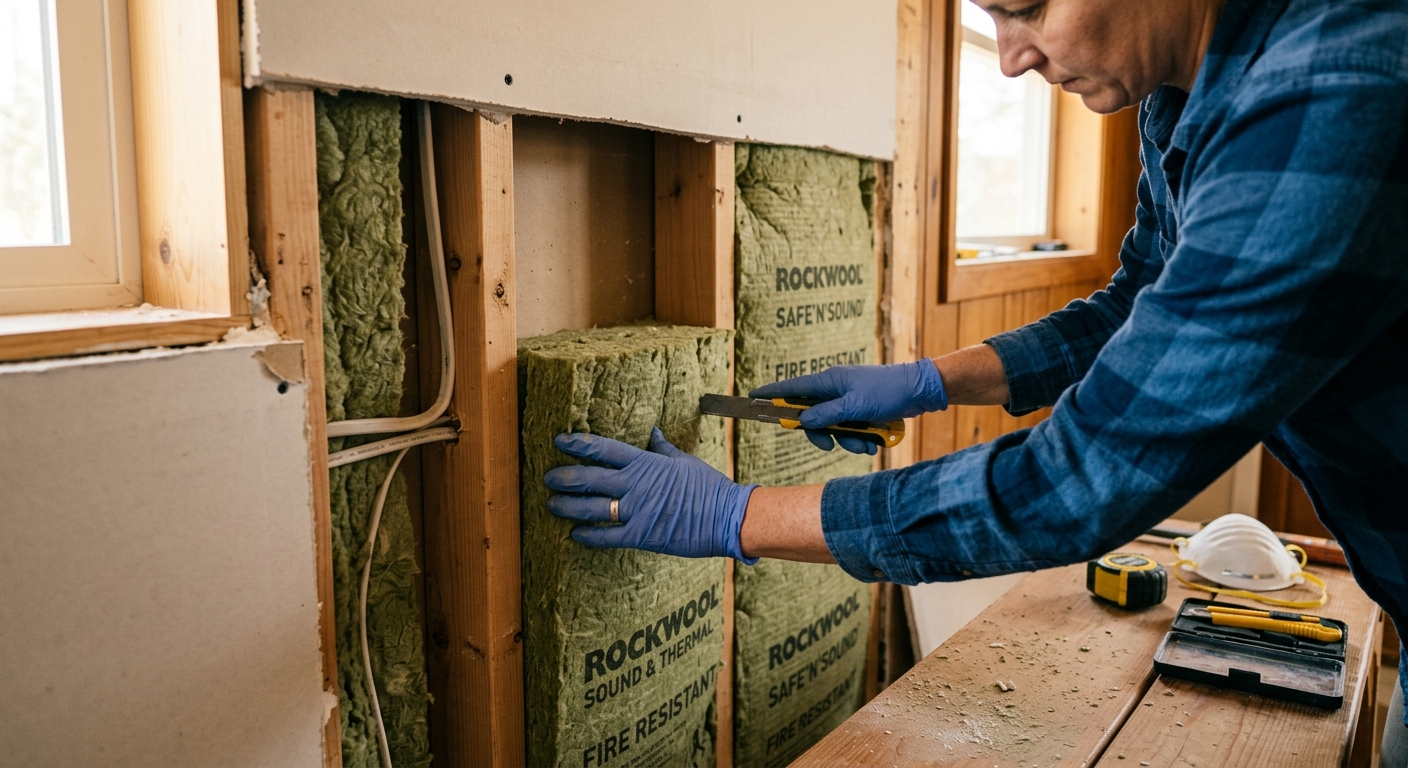
Many homeowners assume that adding insulation will also quiet their home, or that soundproofing products will lower their energy bills. These are two distinct sciences with very different solutions, and confusing them leads to wasted money and disappointing results.
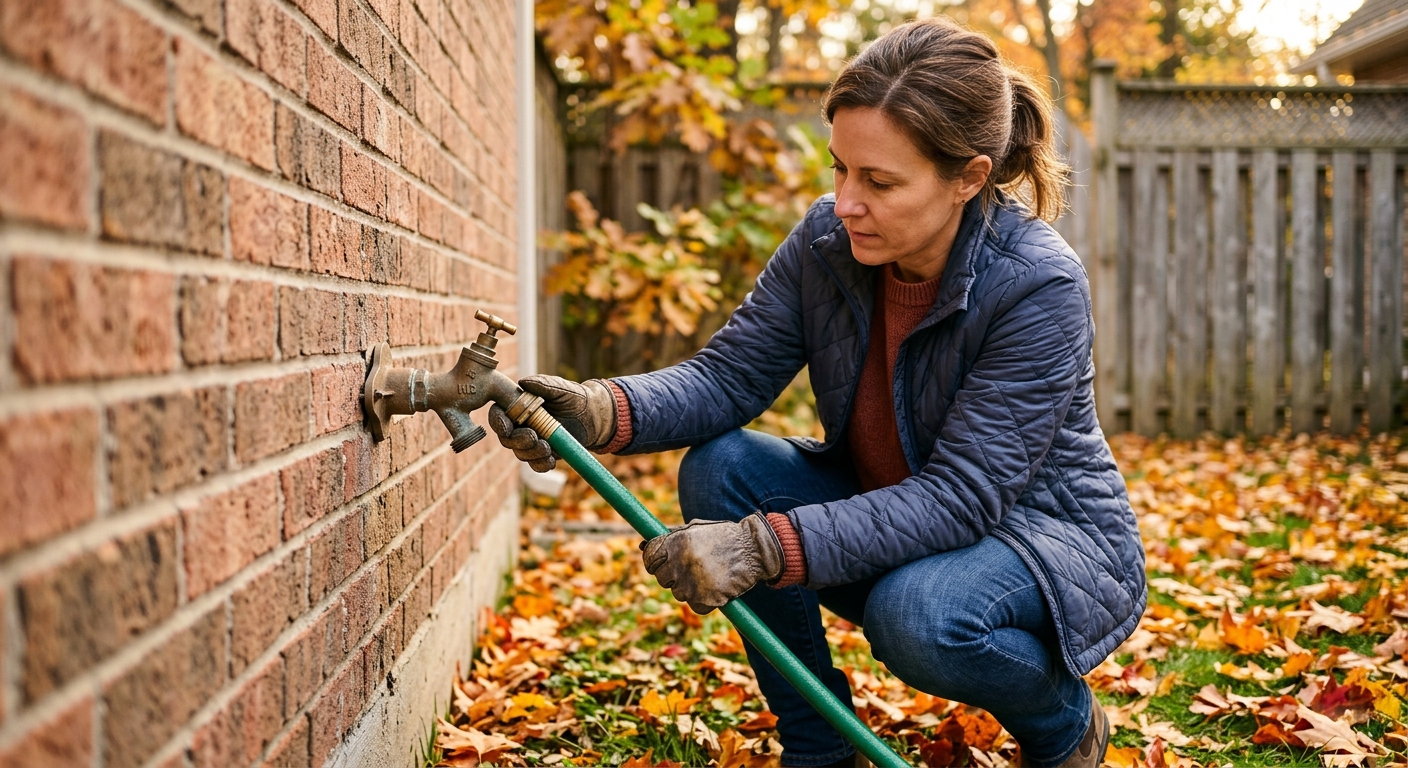
A single frozen outdoor pipe can burst and cause thousands of dollars in water damage before you even notice. Draining your exterior faucets and irrigation lines takes less than 30 minutes and costs nothing, making it one of the highest-return winterization tasks you can do.
If your AC runs for hours while your neighbor’s house reaches a comfortable temperature in half the time, your home has a heat gain problem, not just an equipment problem. This post breaks down the six most common reasons a house holds heat too long and gives you a clear plan to fix them.