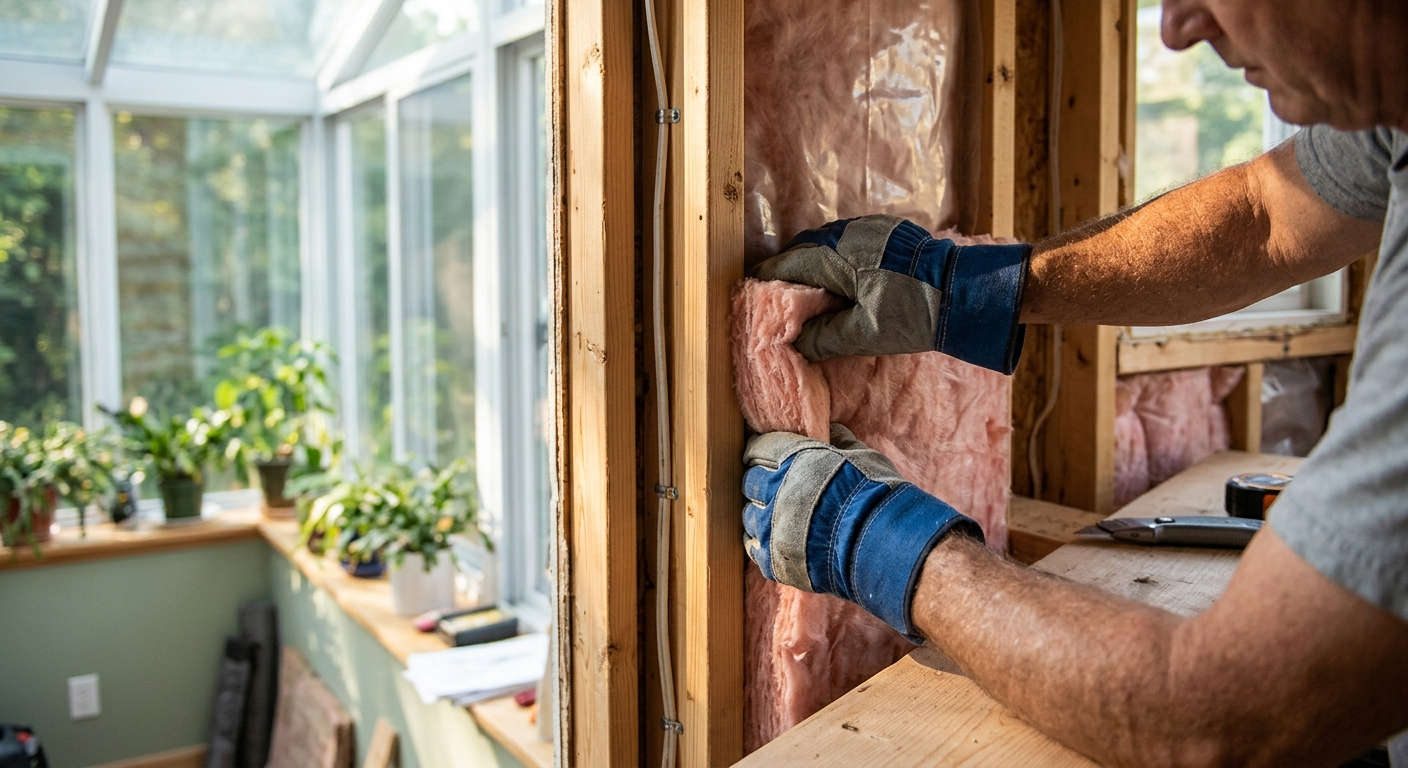
Most sunrooms are comfort disasters, freezing in winter and sweltering in summer because they were built with minimal insulation and single-pane glass. With the right insulation strategy, you can transform your sunroom into a livable space in every season and cut its heating and cooling costs by 40 to 60%.
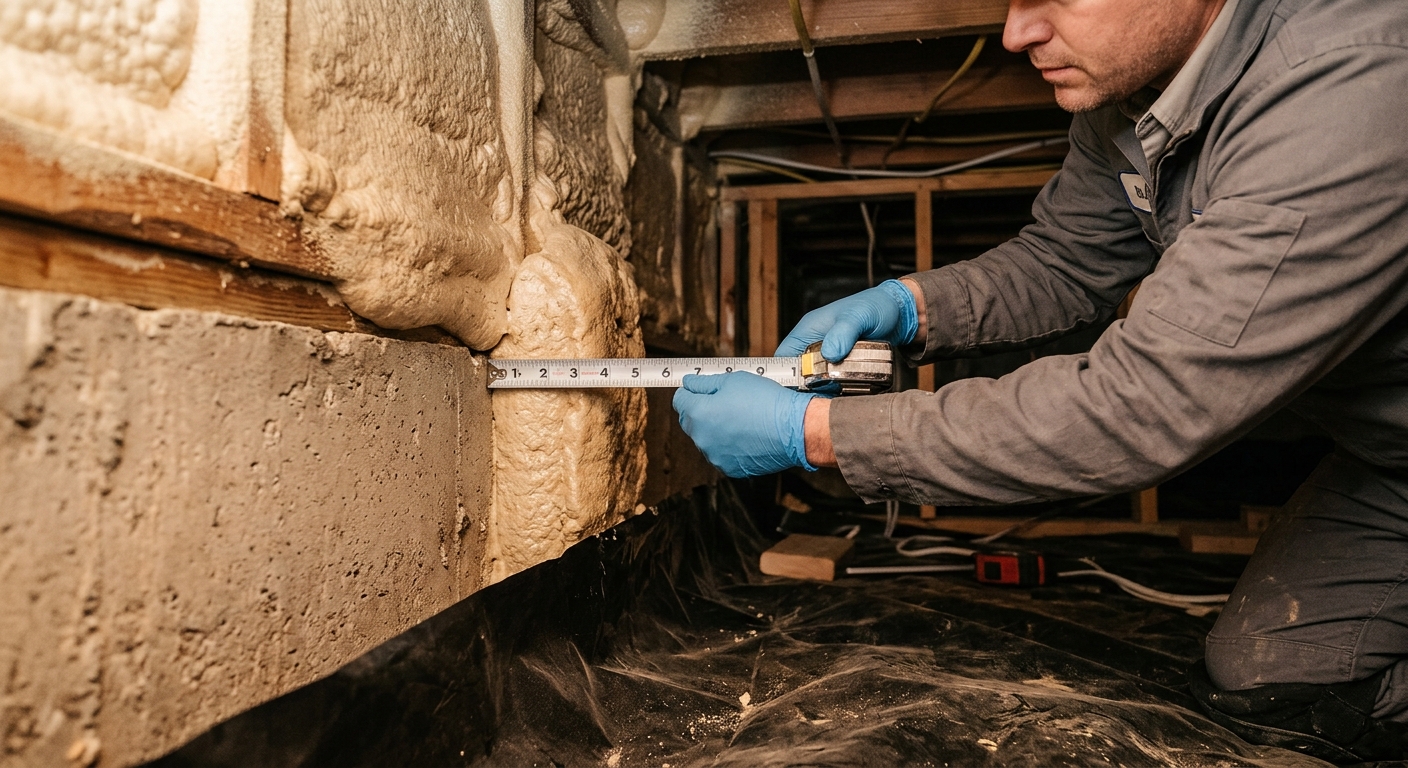
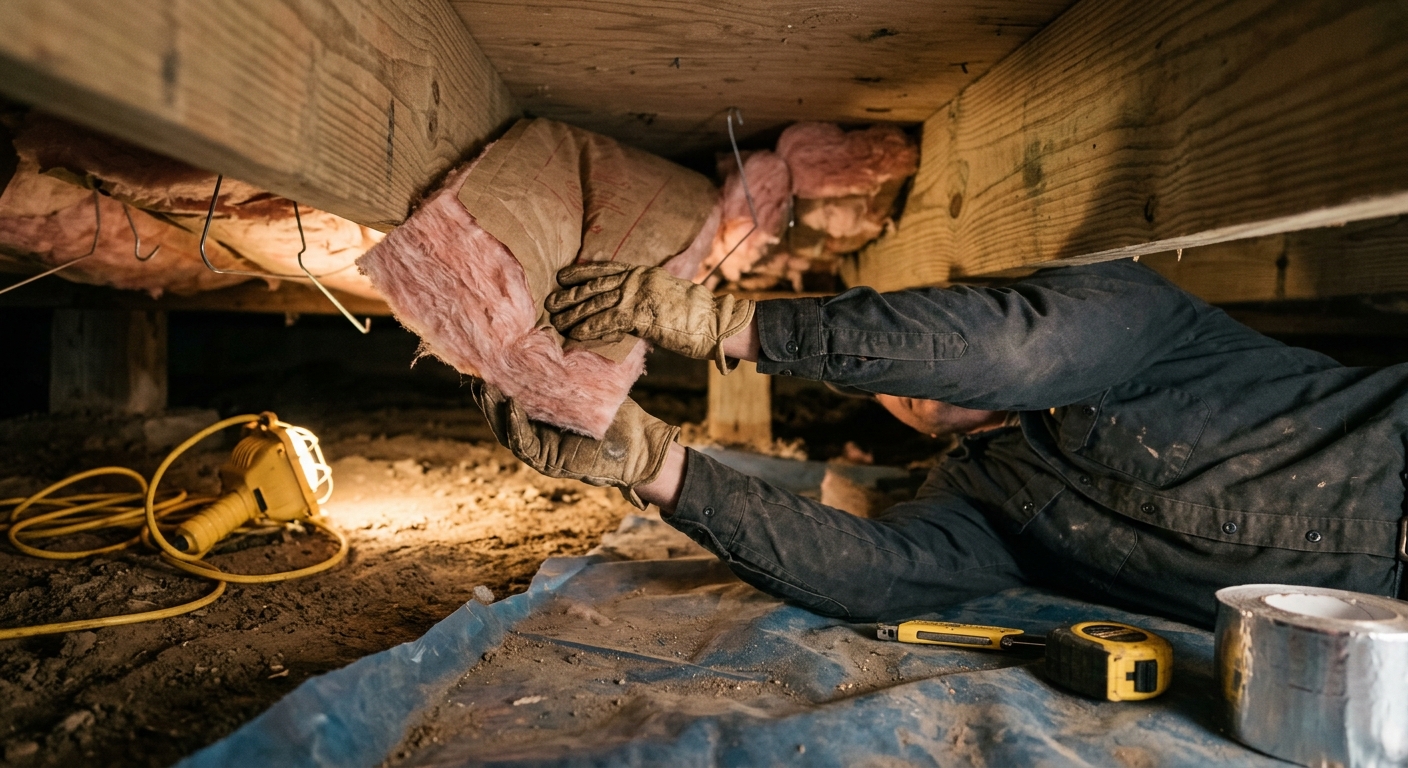
An under-insulated crawl space silently drives up heating and cooling bills while making your floors cold and your HVAC work overtime. This guide gives you the exact R-values, methods, and steps to get your crawl space right the first time.
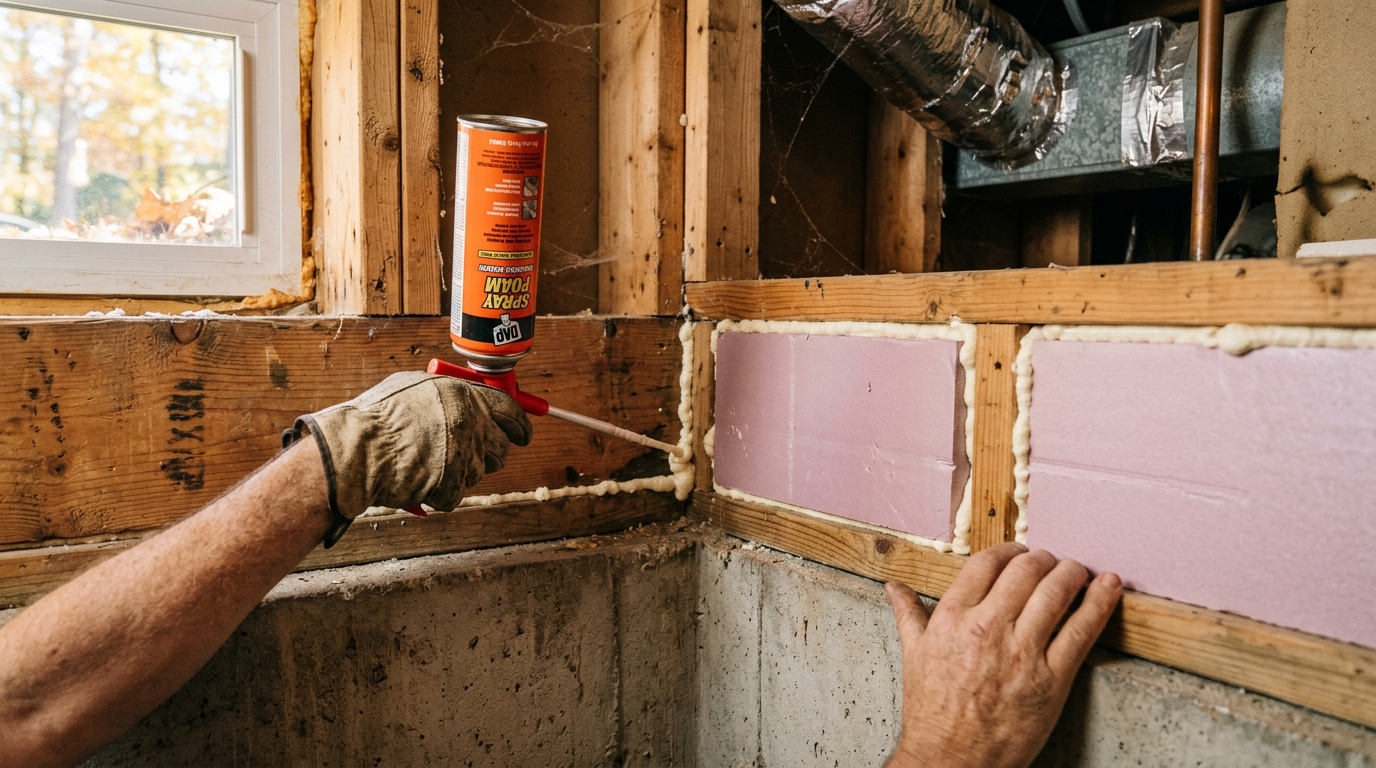
Rim joists are one of the biggest hidden sources of heat loss in a home, yet most homeowners never think to address them. Sealing and insulating this narrow band of wood between your foundation and first floor can cut heating bills noticeably and eliminate drafty floors for good.
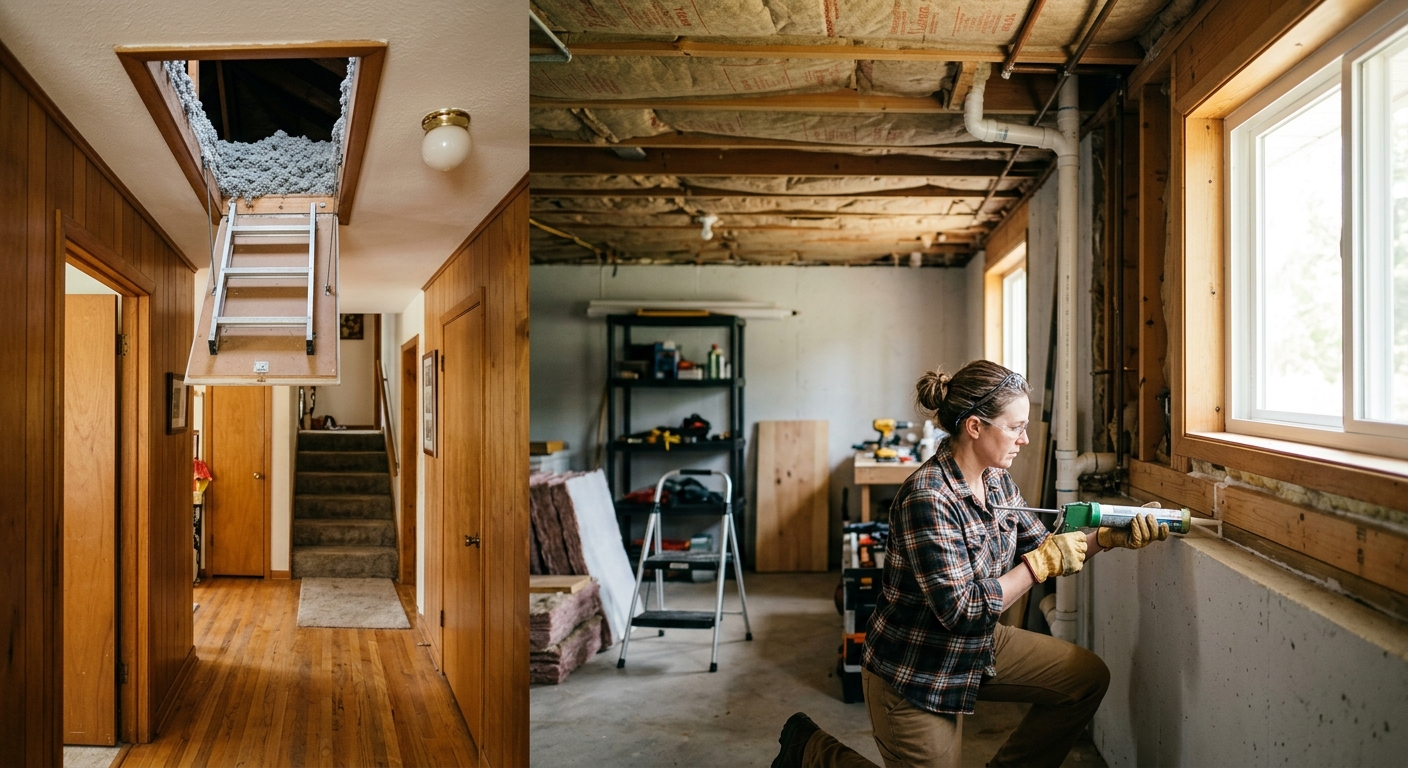
Homes built in the 1970s were constructed before modern energy codes existed, leaving them with thin insulation, drafty framing, and outdated systems that cost homeowners hundreds of dollars extra every year. With a strategic series of upgrades, you can close most of that efficiency gap and reach near-new-build performance without a gut renovation.
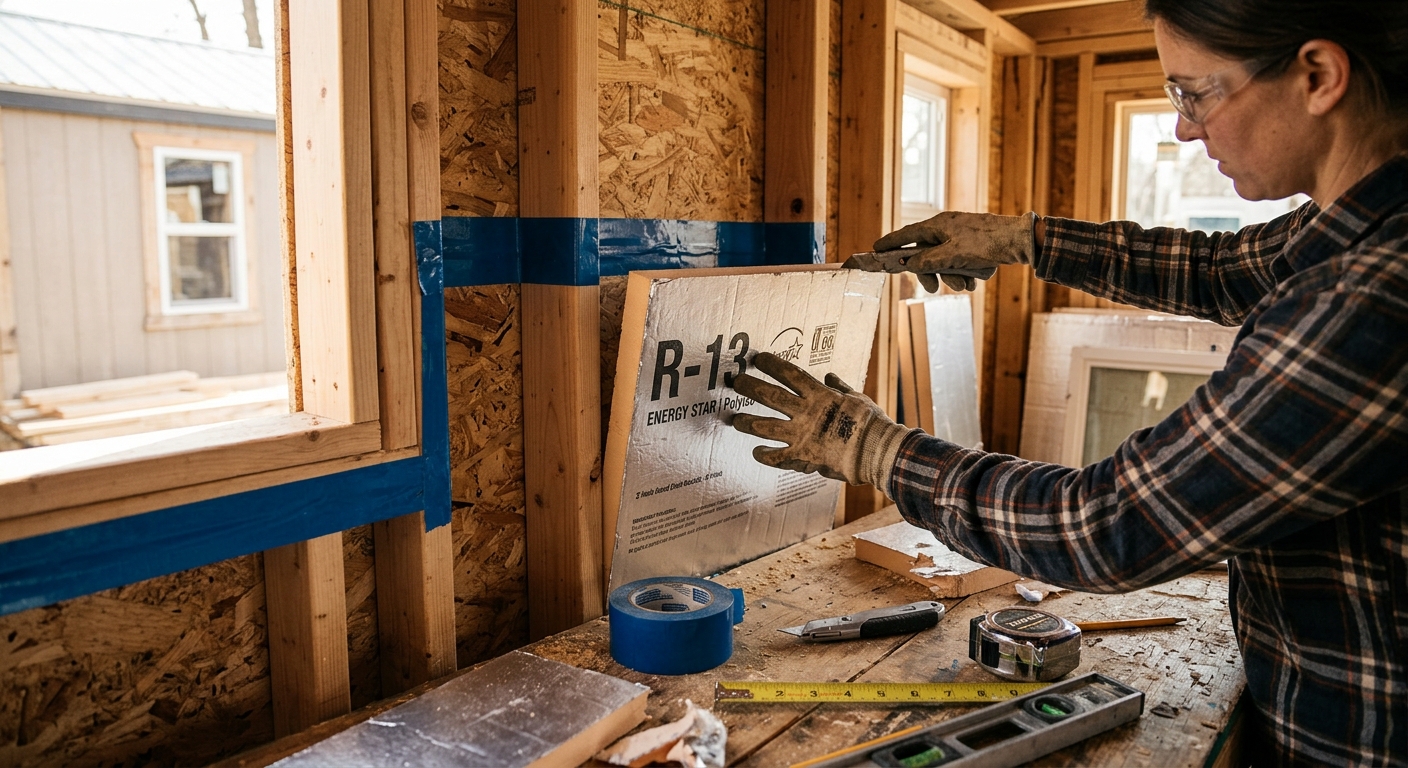
Tiny homes and ADUs lose heat and cooling faster than standard houses because of their high surface-area-to-volume ratio, making insulation choices critical. Get the right R-values and air sealing strategy, and you can cut energy bills by 30 to 50% while staying comfortable through every season.
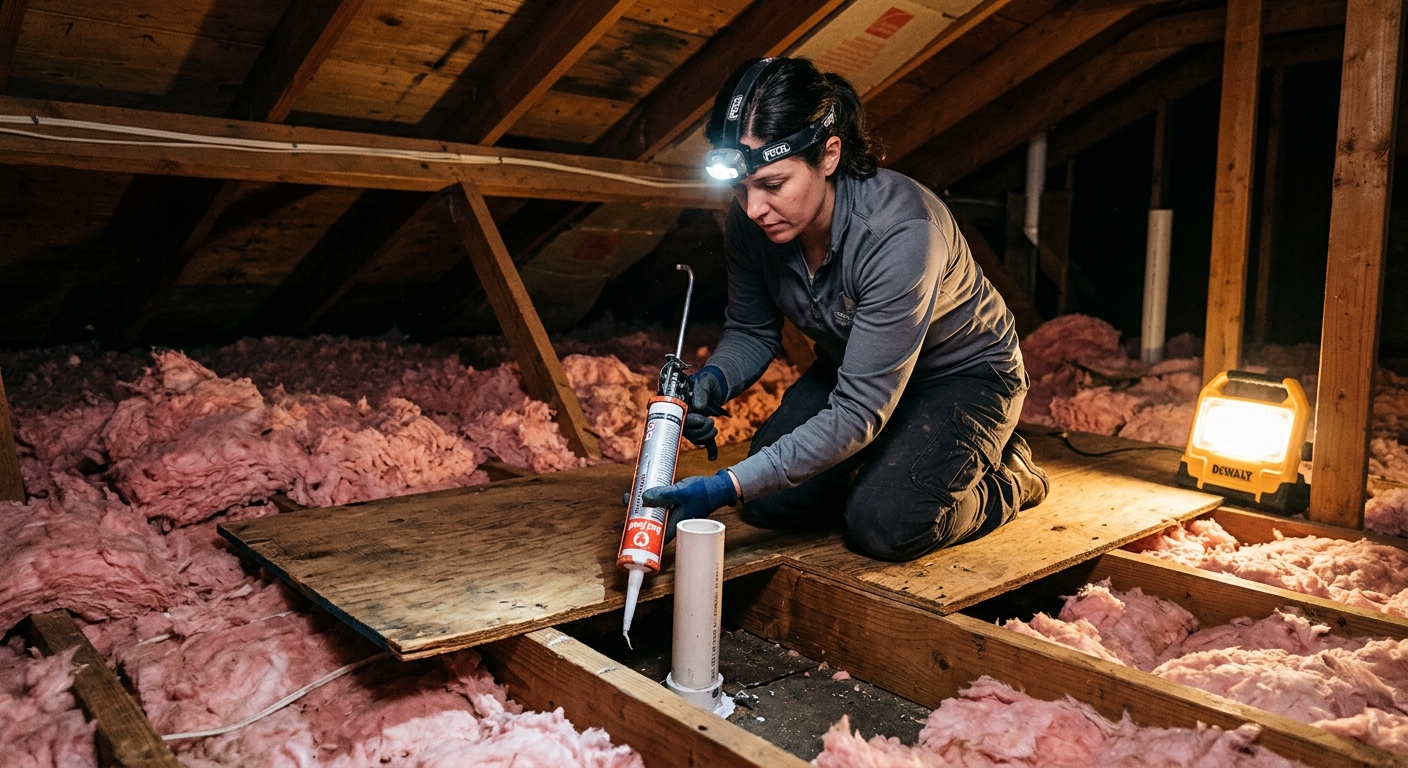
Most homeowners insulate their attics and call it done, but hidden air pathways called attic bypasses can cancel out much of that insulation’s benefit. Sealing these gaps before adding insulation is the single most impactful thing you can do to lower heating and cooling bills.
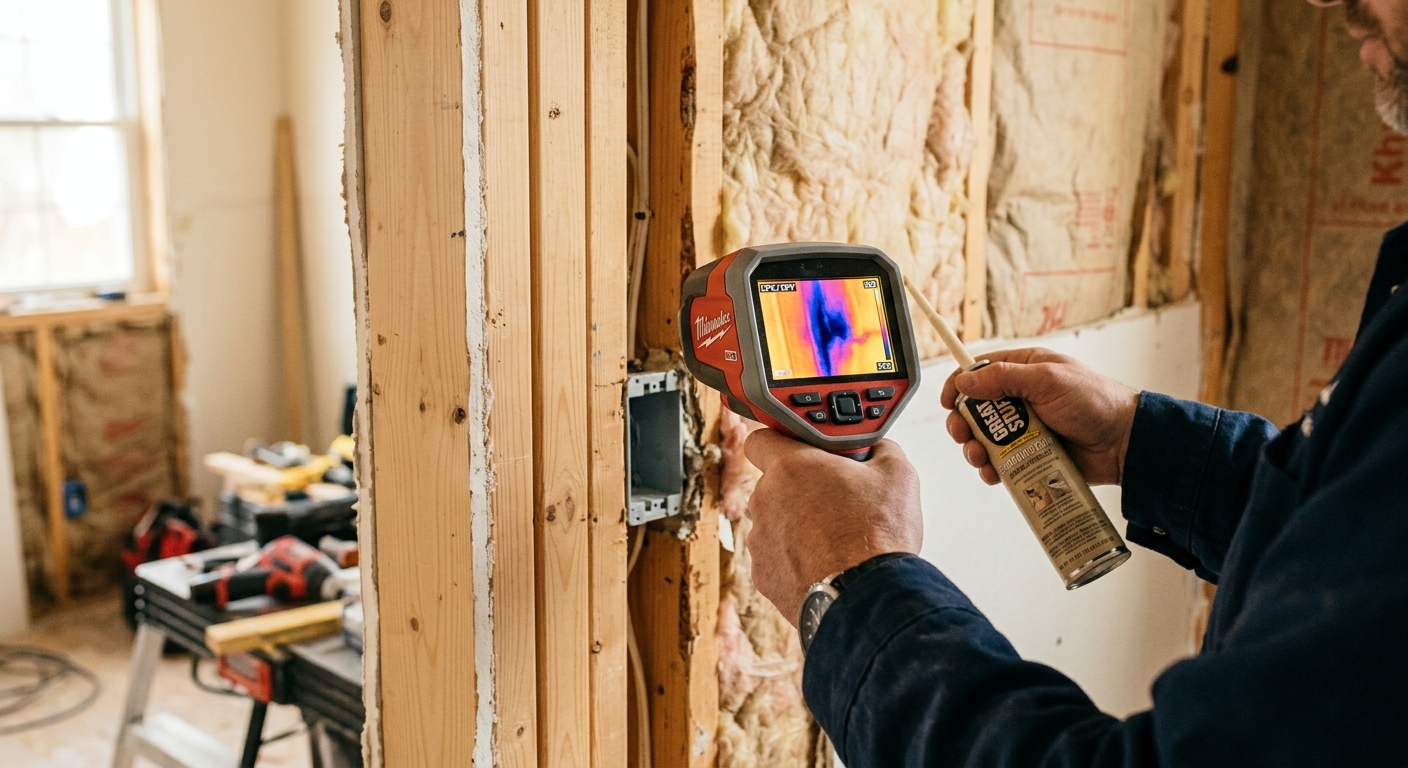
Air leaks are responsible for 25 to 40% of heating and cooling losses in a typical home, yet most homeowners never find them before winter strikes. This guide walks you through a proven process for locating every major leak, from obvious gaps to sneaky hidden ones, so you can seal them before the cold arrives.
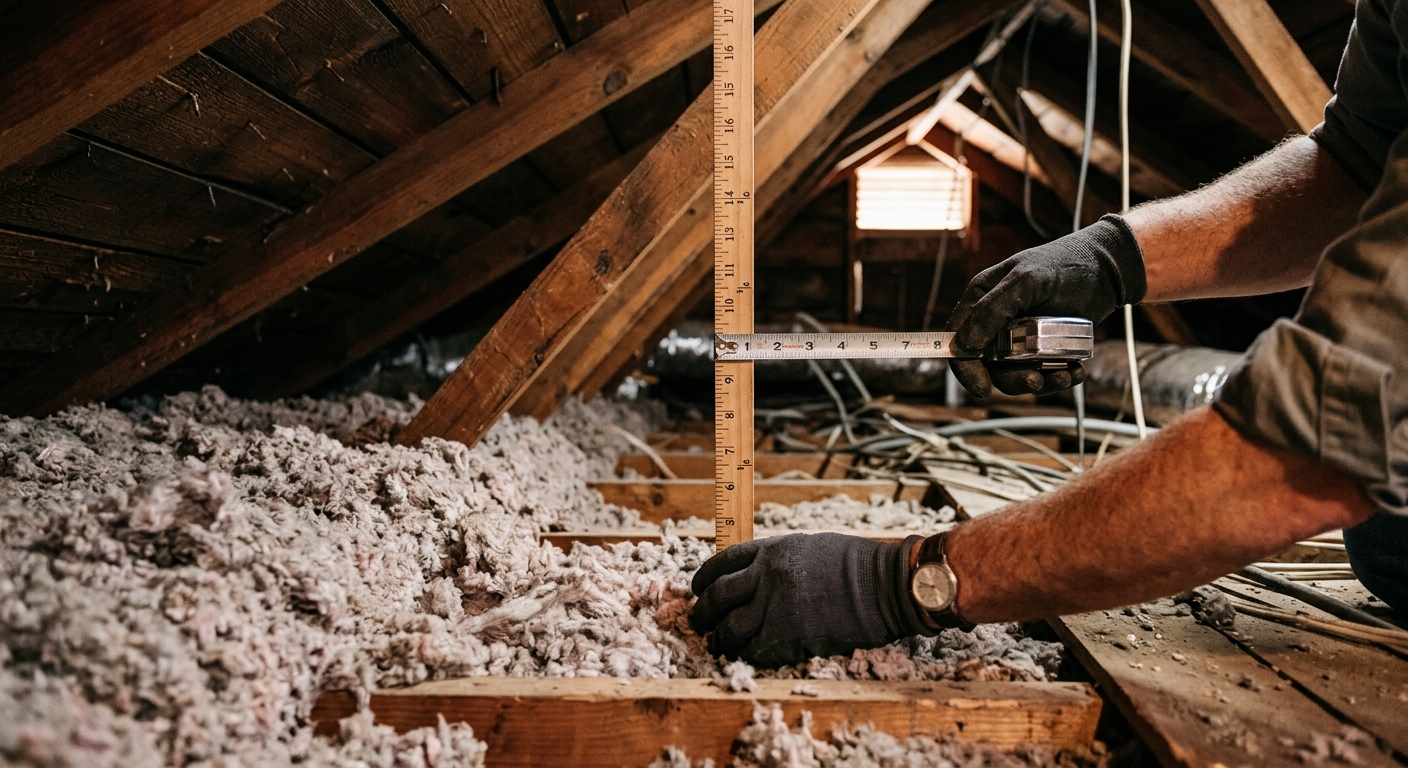
Most homeowners assume their attic insulation is fine until they see a sky-high energy bill or feel uncomfortable rooms. Here is how to test it yourself in under an hour and know exactly what action to take next.
A poorly insulated crawl space silently drives up heating and cooling bills while letting moisture, pests, and cold floors into your home. This guide breaks down the two main approaches, vented batt insulation and full encapsulation, with real costs, savings numbers, and step-by-step instructions.
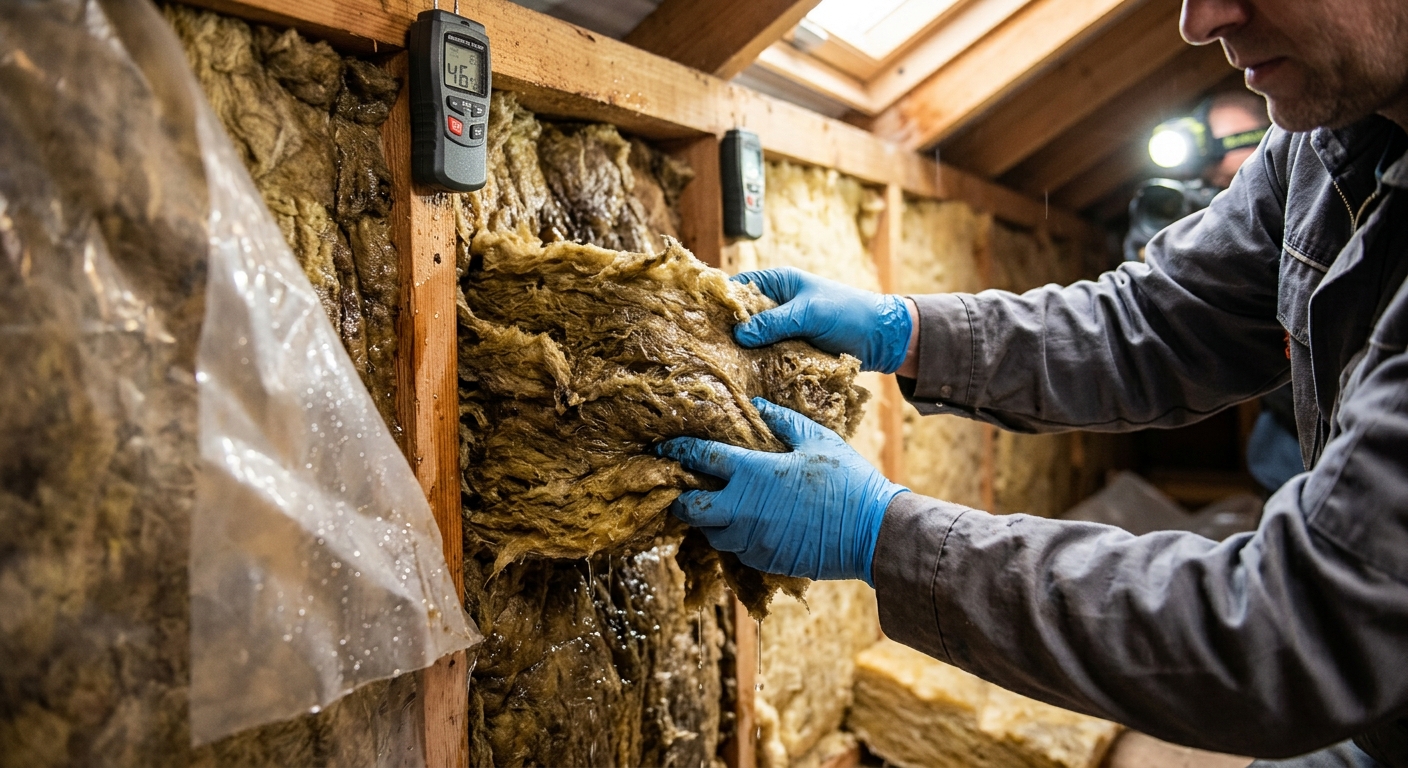
Wet insulation can lose up to 40% of its thermal performance almost immediately, and most homeowners never know until mold, rot, or sky-high energy bills show up. Learn how to spot moisture damage early, what each insulation type does when wet, and how to fix it before a small leak becomes a major renovation.