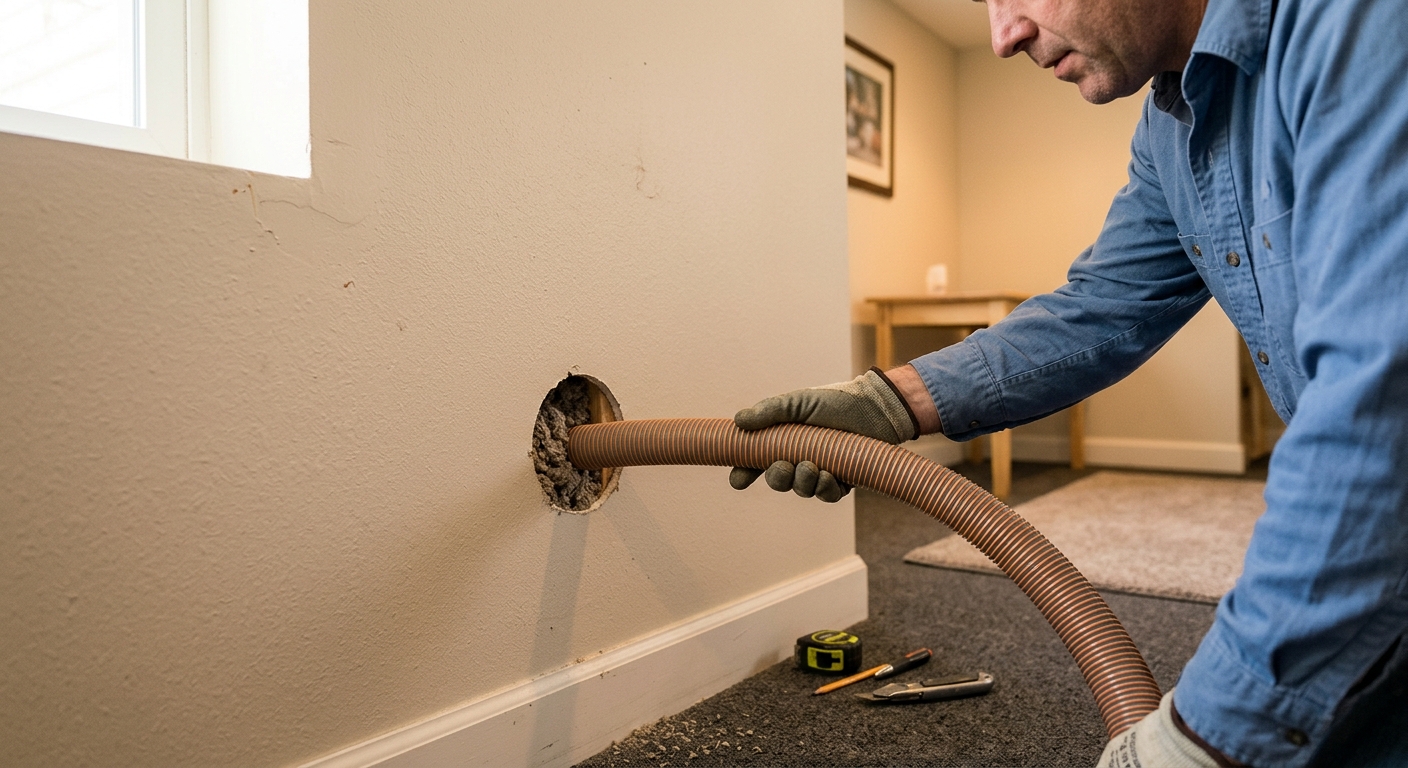
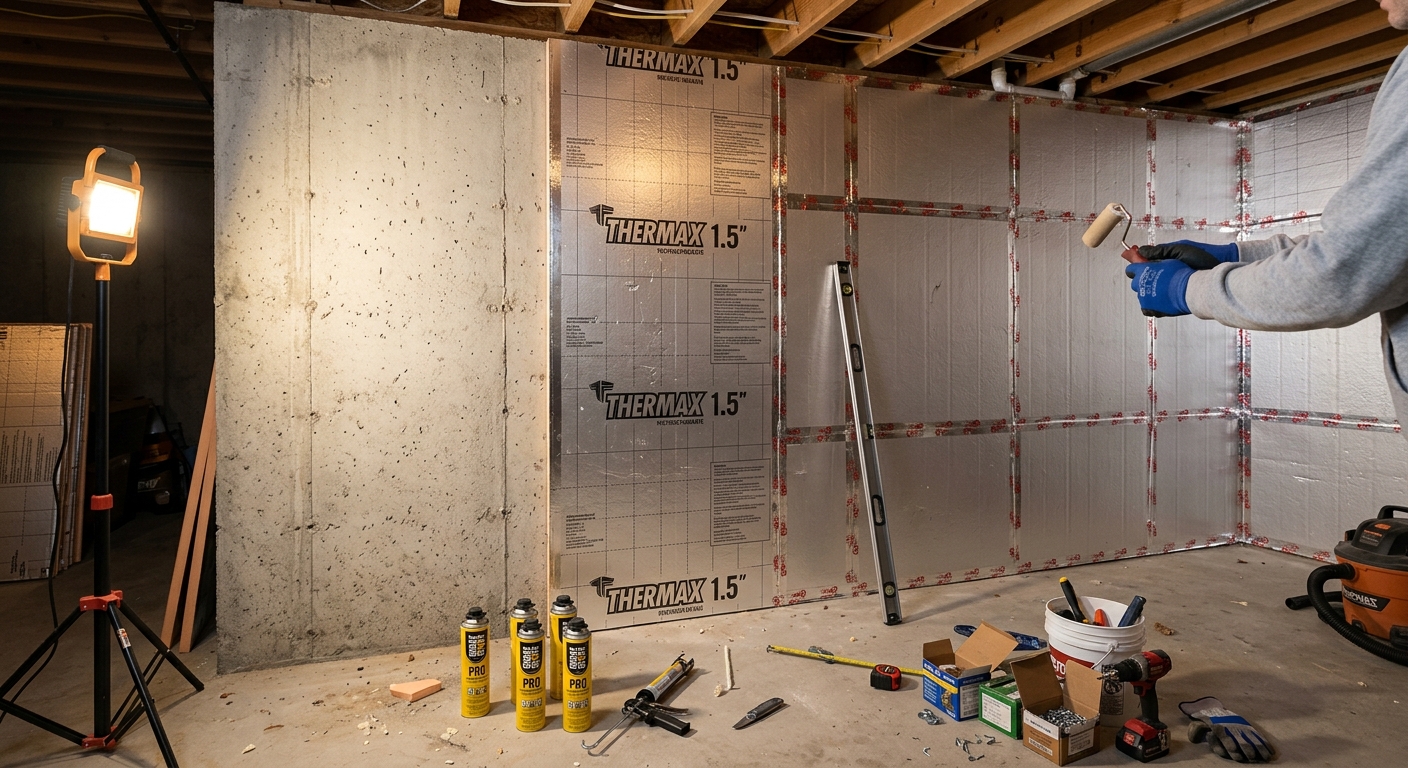
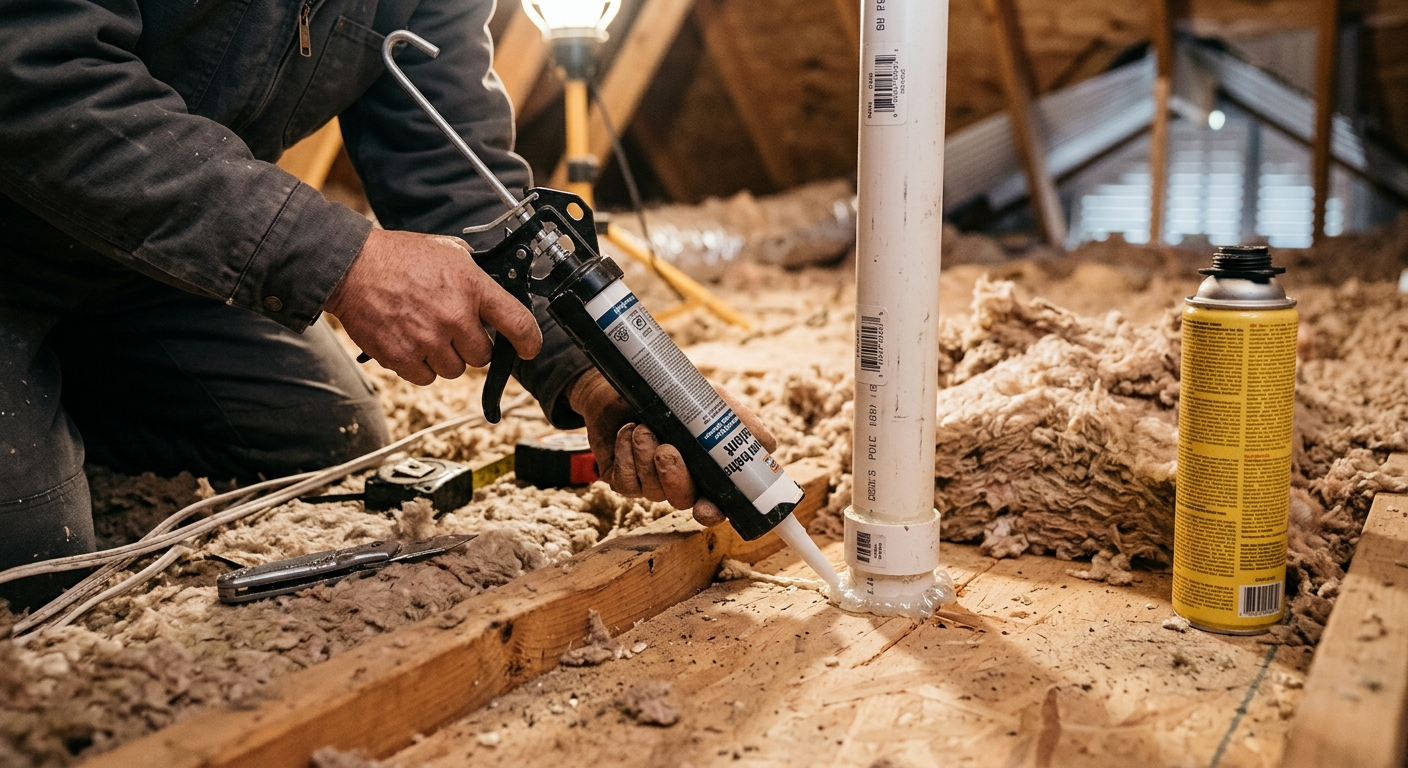
A finished basement can quietly drain your heating and cooling budget if the walls and rim joists are poorly insulated, but ripping out drywall is not the only solution. This guide walks you through practical, minimally invasive approaches that add meaningful insulation without a full demolition.
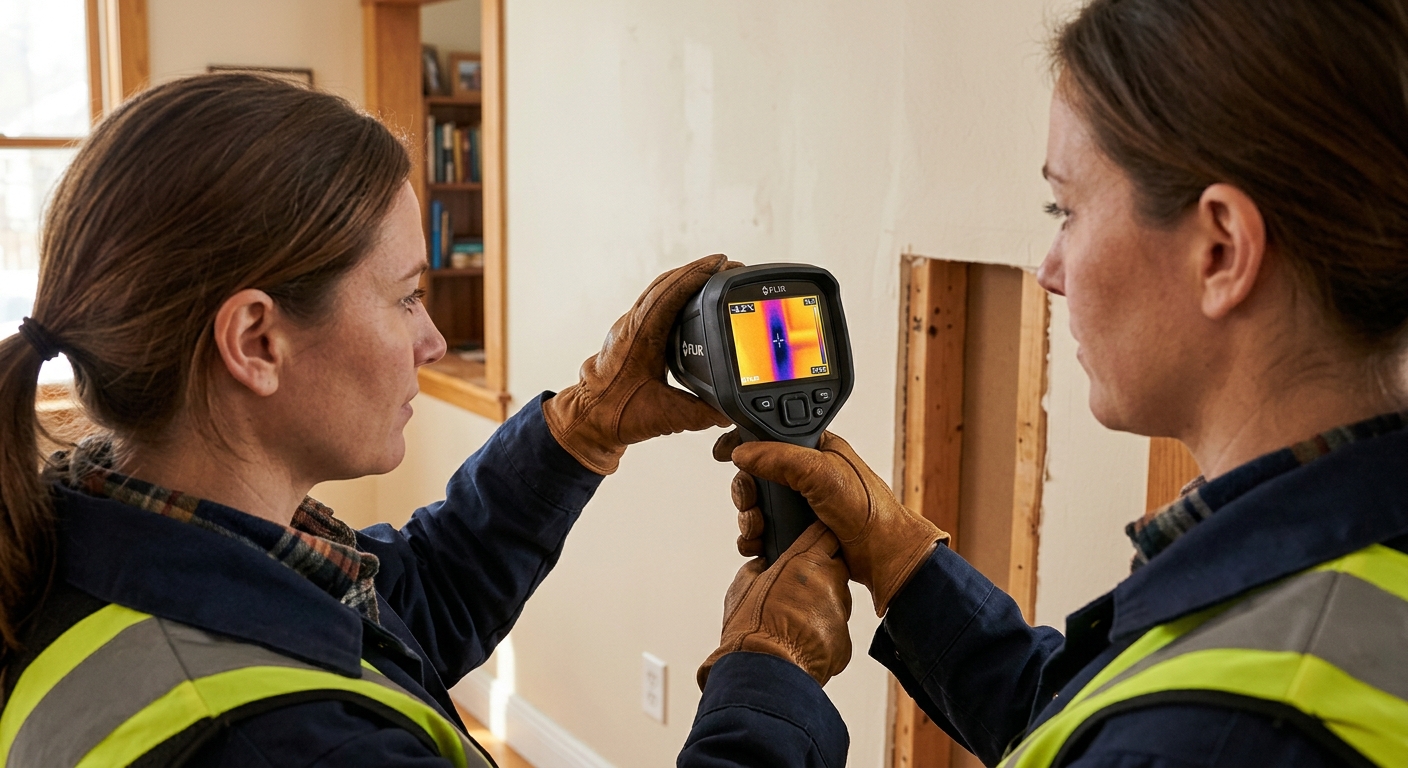
Thermal bridging silently drains energy through your walls, floor joists, and window frames even when insulation looks perfect. Understanding where it happens and how to stop it can cut heating and cooling losses by 20 to 30 percent in affected areas.
Homeowners often waste money insulating the wrong part of their basement first, leaving major heat loss untouched. Understanding whether to insulate your basement walls or ceiling can mean the difference between a 15% and a 30% reduction in heating bills.
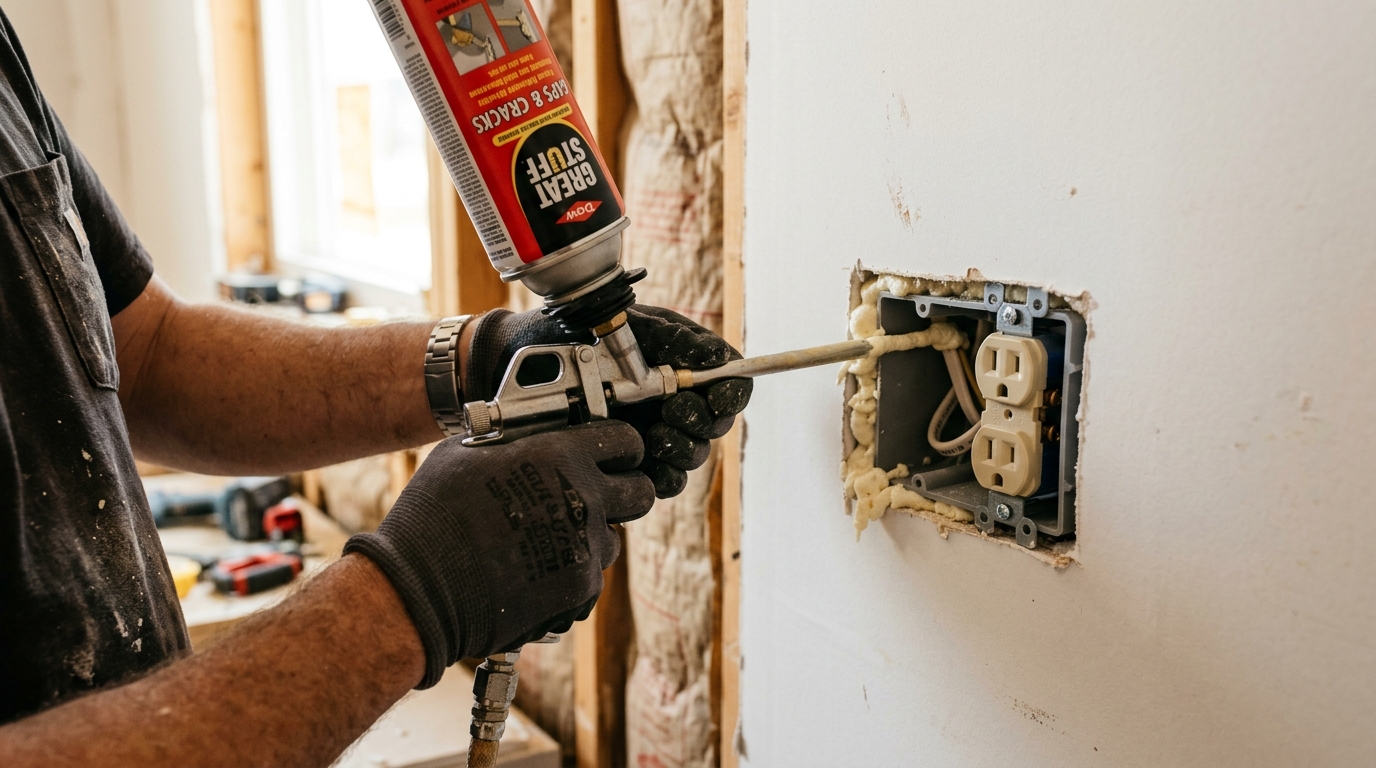
Electrical outlets on exterior walls are among the most overlooked air leaks in a home, quietly draining your heating and cooling budget year-round. A few dollars of foam and gaskets can seal these gaps and cut your energy bills by up to 20% with no tools required.
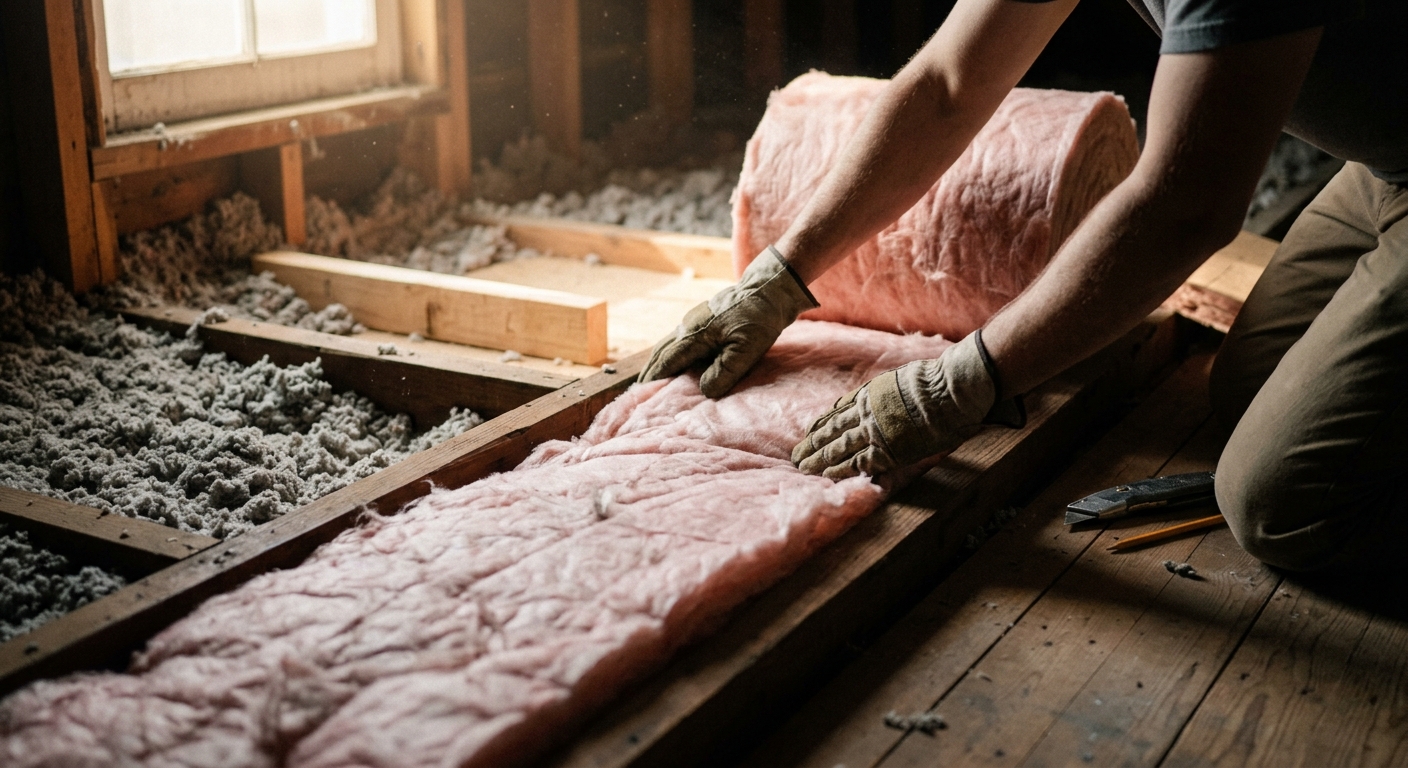
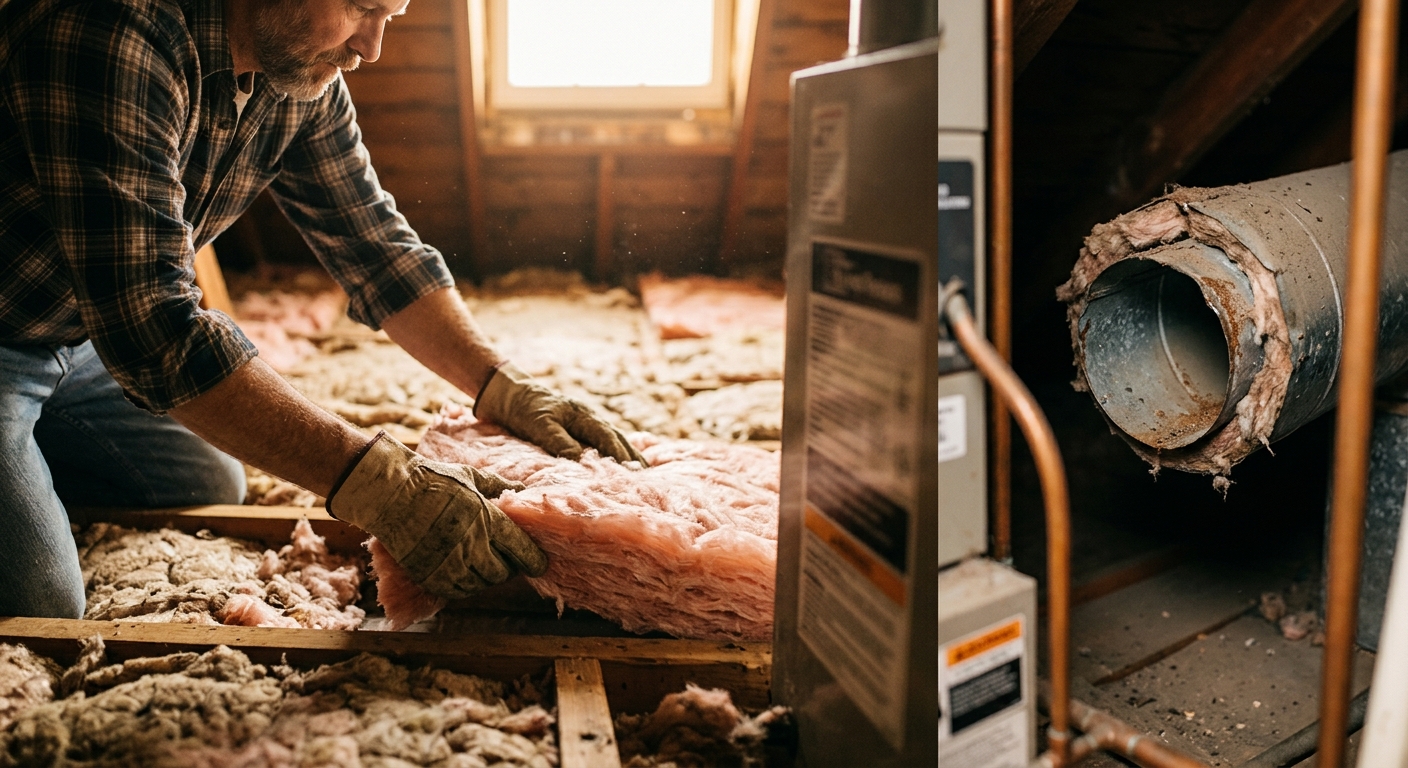
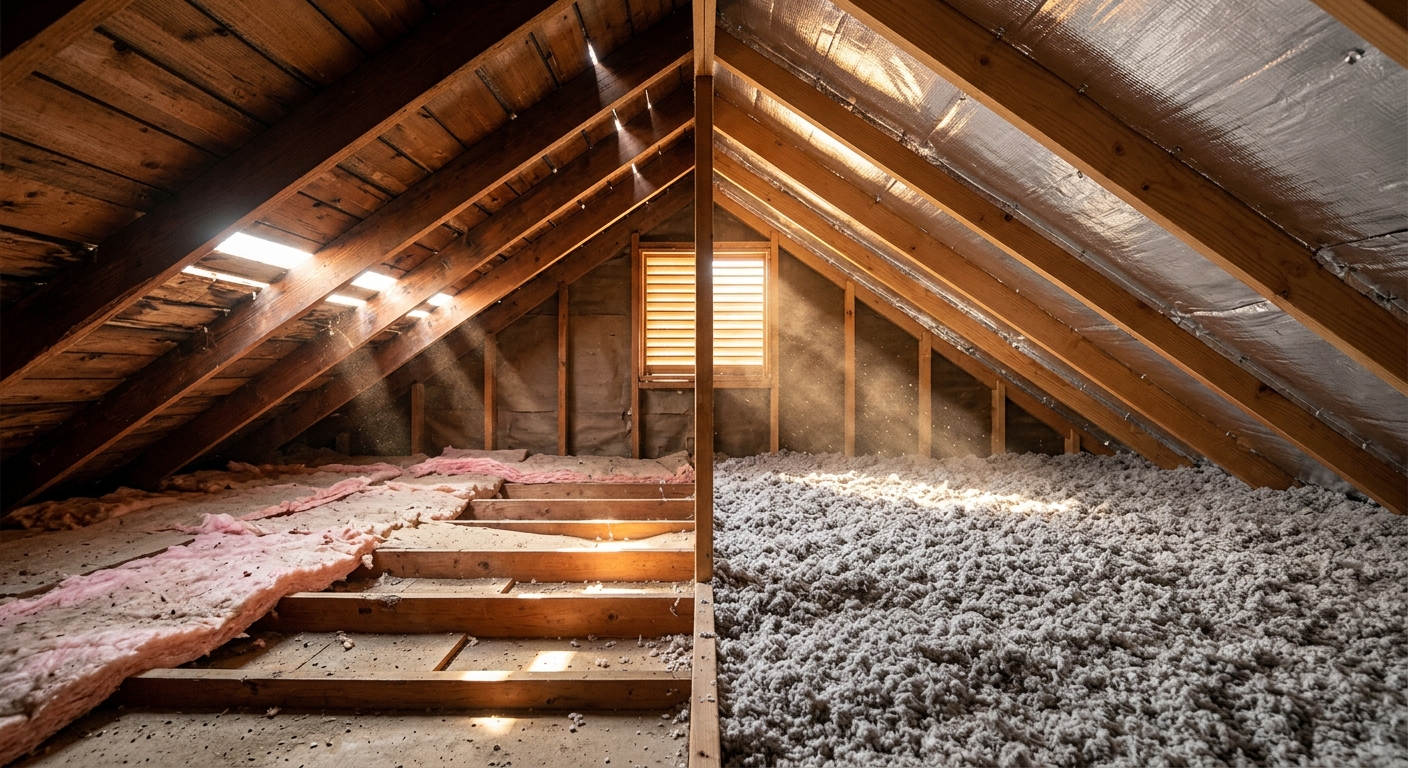
Most homeowners blame the cold weather for their January energy bill shock, but the real culprit is hidden air leakage and under-insulated attics working against your heating system. Address these two root causes and you can realistically cut heating costs by 20 to 30 percent without replacing your furnace.
Poor insulation forces your furnace or heat pump to run nearly constantly just to maintain a comfortable temperature, quietly draining hundreds of dollars from your budget every winter. Upgrading your insulation is one of the highest-return investments a homeowner can make, with payback periods as short as two to four years.
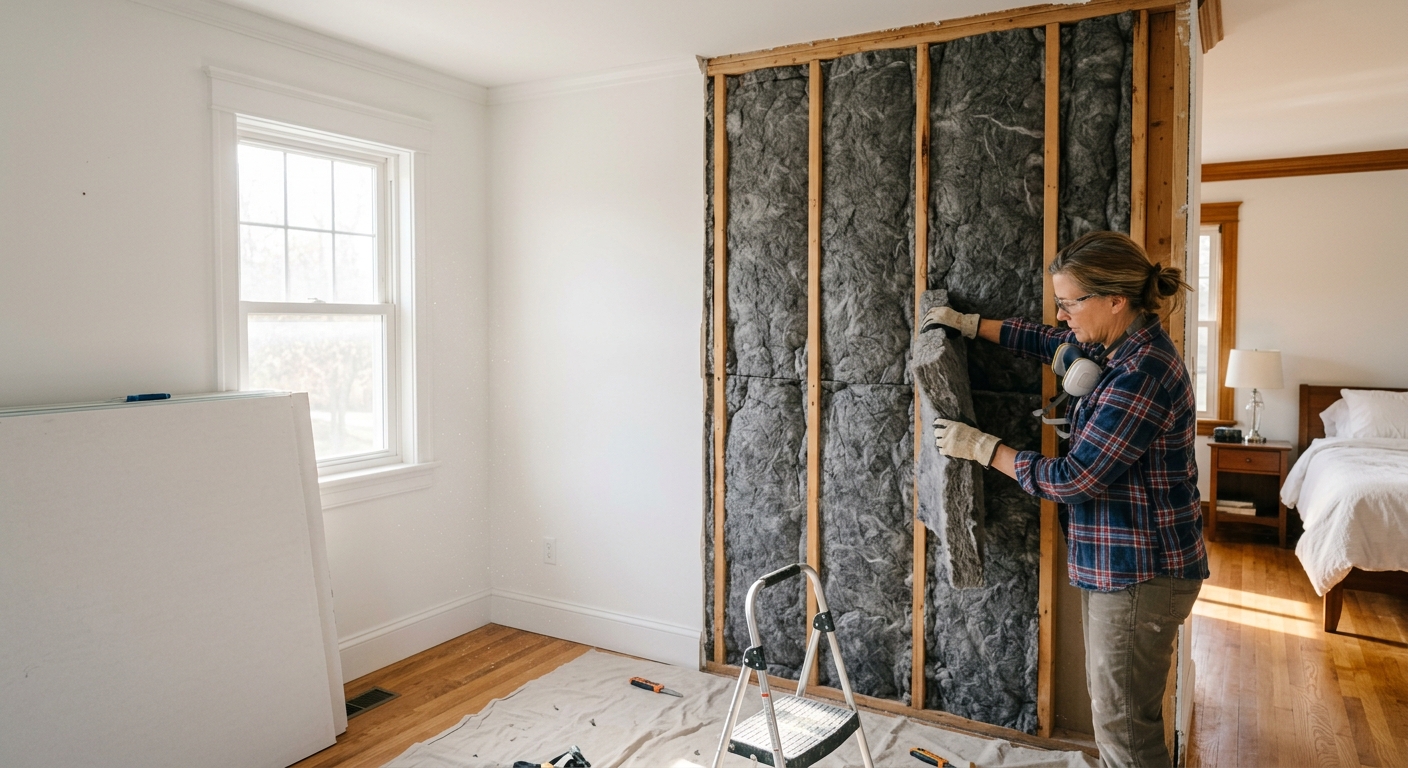
Thin, uninsulated interior walls let sound travel freely between rooms and allow temperature imbalances to persist throughout your home. Adding insulation to interior walls reduces noise transfer by up to 50%, evens out room temperatures, and can trim your overall heating and cooling costs by 5 to 15%.
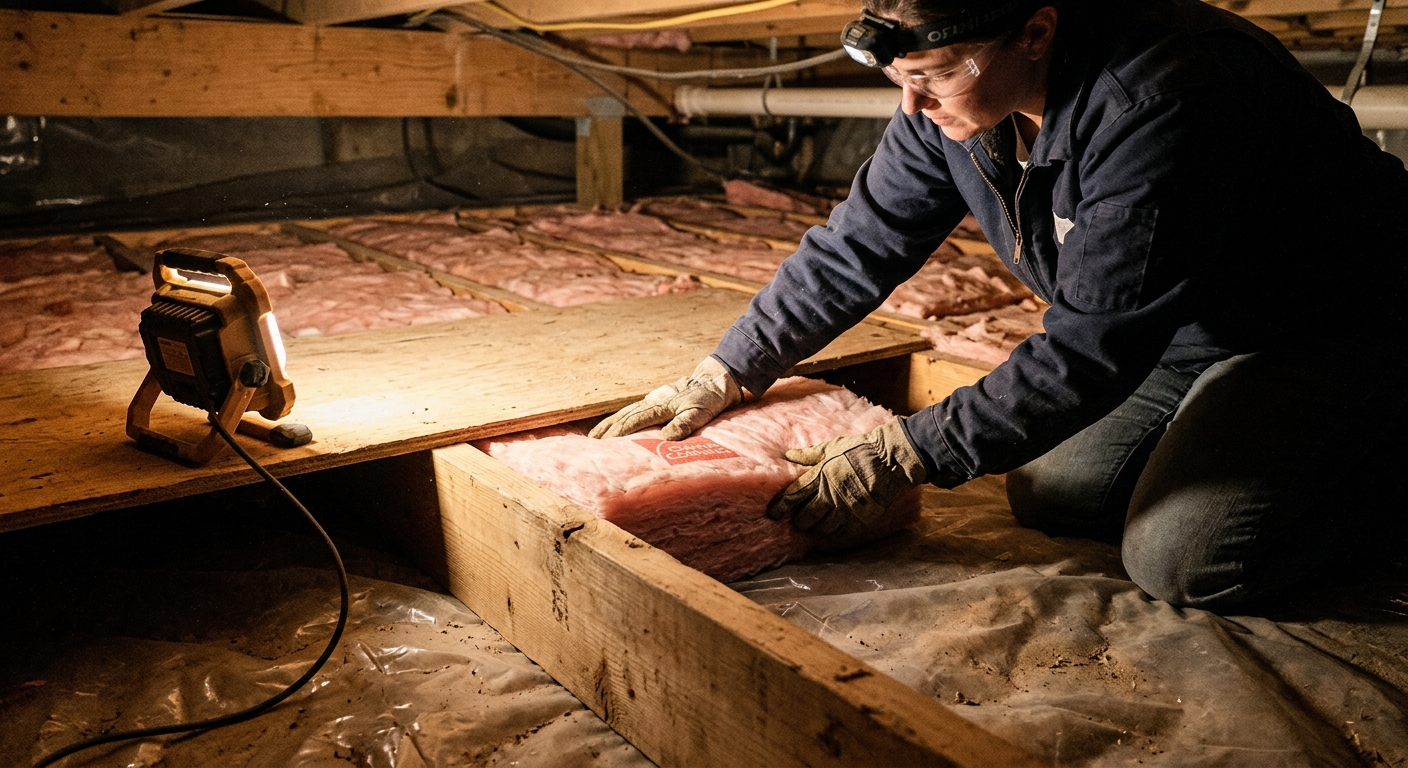
Uninsulated or poorly insulated crawl spaces are one of the top causes of cold floors, high heating bills, and uncomfortable living spaces in winter. Adding the right insulation to your crawl space can cut heating costs by 15 to 25% and make your floors noticeably warmer within days.
Ice dams on your roof are not just a winter nuisance – they are a warning sign that heat is escaping through your attic and melting snow unevenly. Fixing the underlying insulation and air sealing problem can eliminate ice dams permanently while cutting heating bills by 15 to 30%.
Most homeowners assume insulation works the same way year-round, but heat moves through your home by completely different mechanisms depending on the season. Understanding this seasonal shift can help you target upgrades that cut both heating and cooling bills by 15 to 30%.