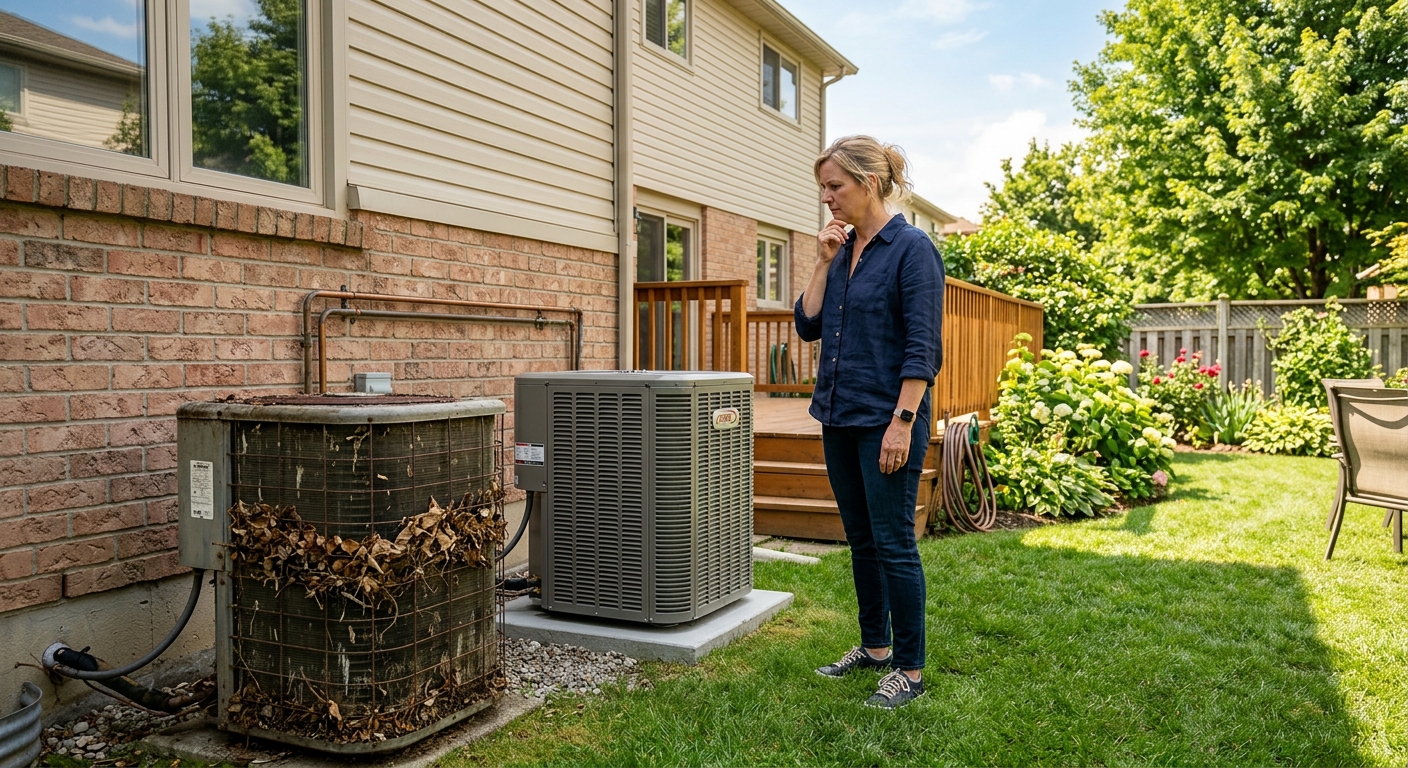
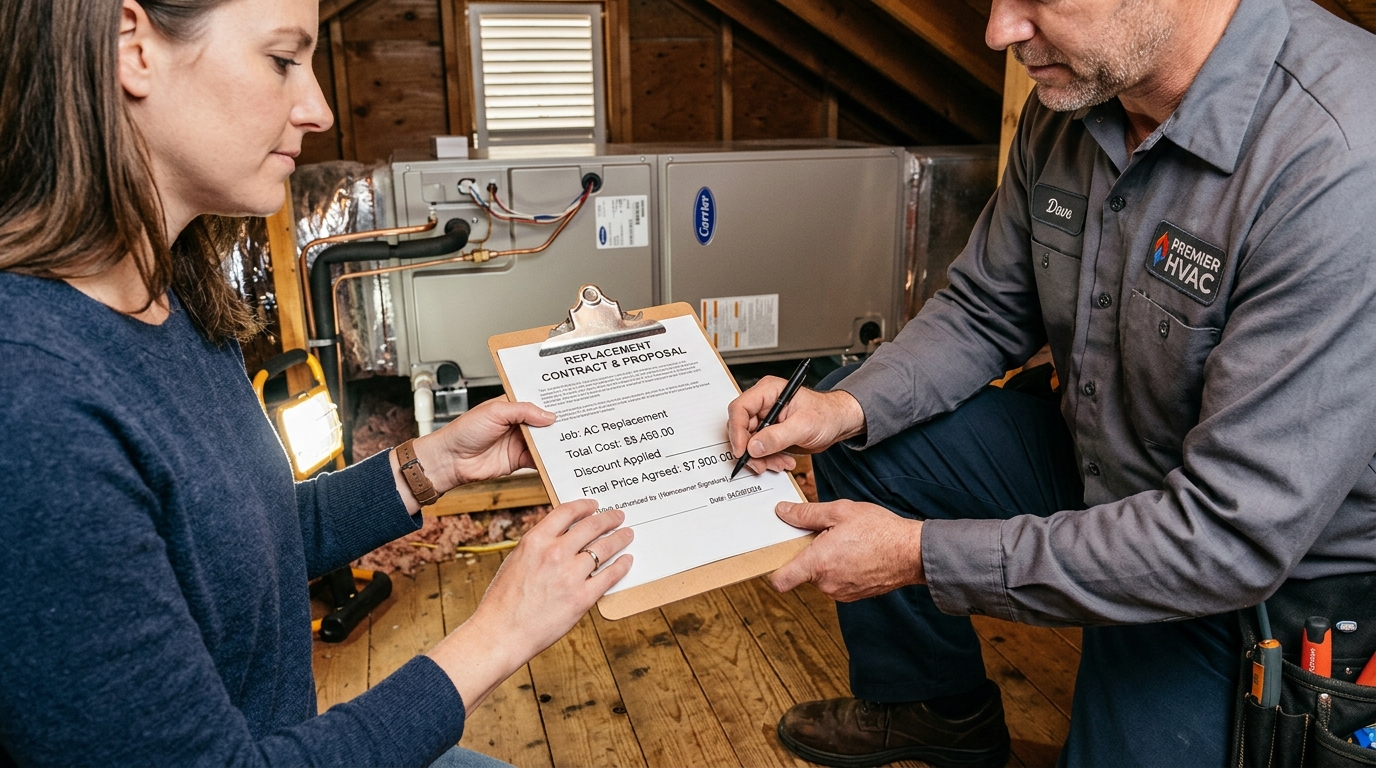
Facing an AC repair bill that makes you wonder if a new system would cost less in the long run is one of the most stressful decisions a homeowner can make. This guide breaks down the real numbers so you can decide with confidence instead of guessing.
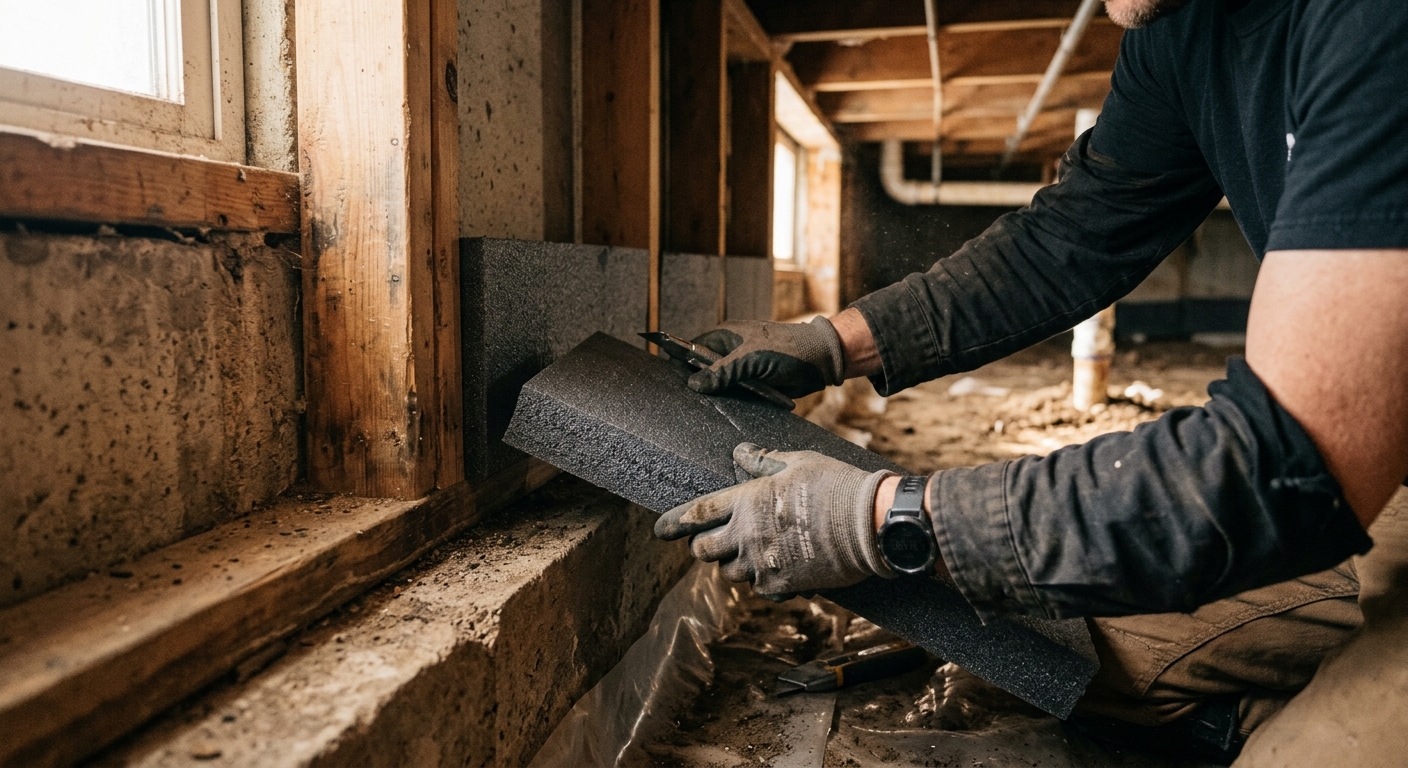
In humid climates, the wrong insulation can trap moisture, grow mold, and cost you thousands in repairs. Choosing materials designed to handle heat and humidity protects your home and keeps cooling bills in check.
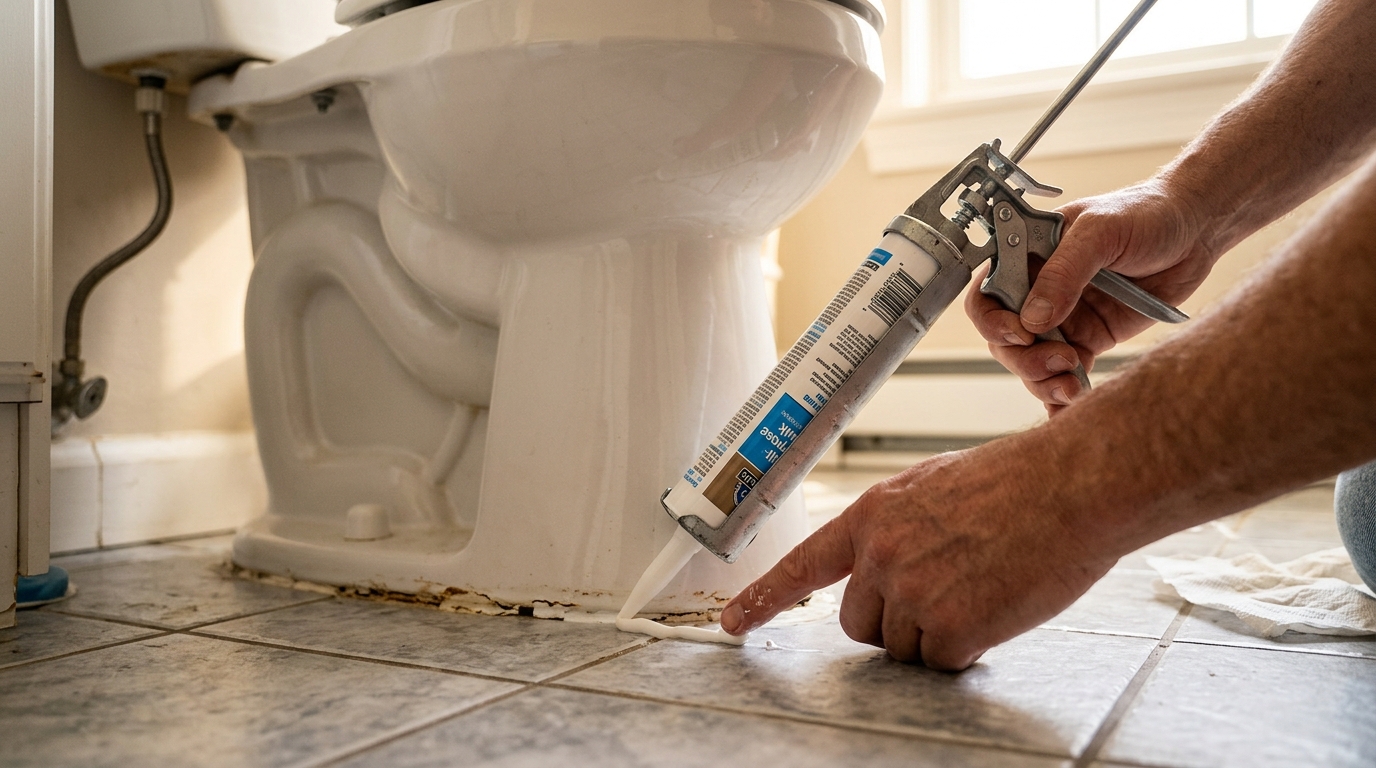
A toilet leaking at the base is more than a nuisance – it can silently rot your subfloor and waste hundreds of gallons of water before you notice real damage. A fresh wax ring seal, often costing under $10, is all it takes to stop the leak and protect your home.
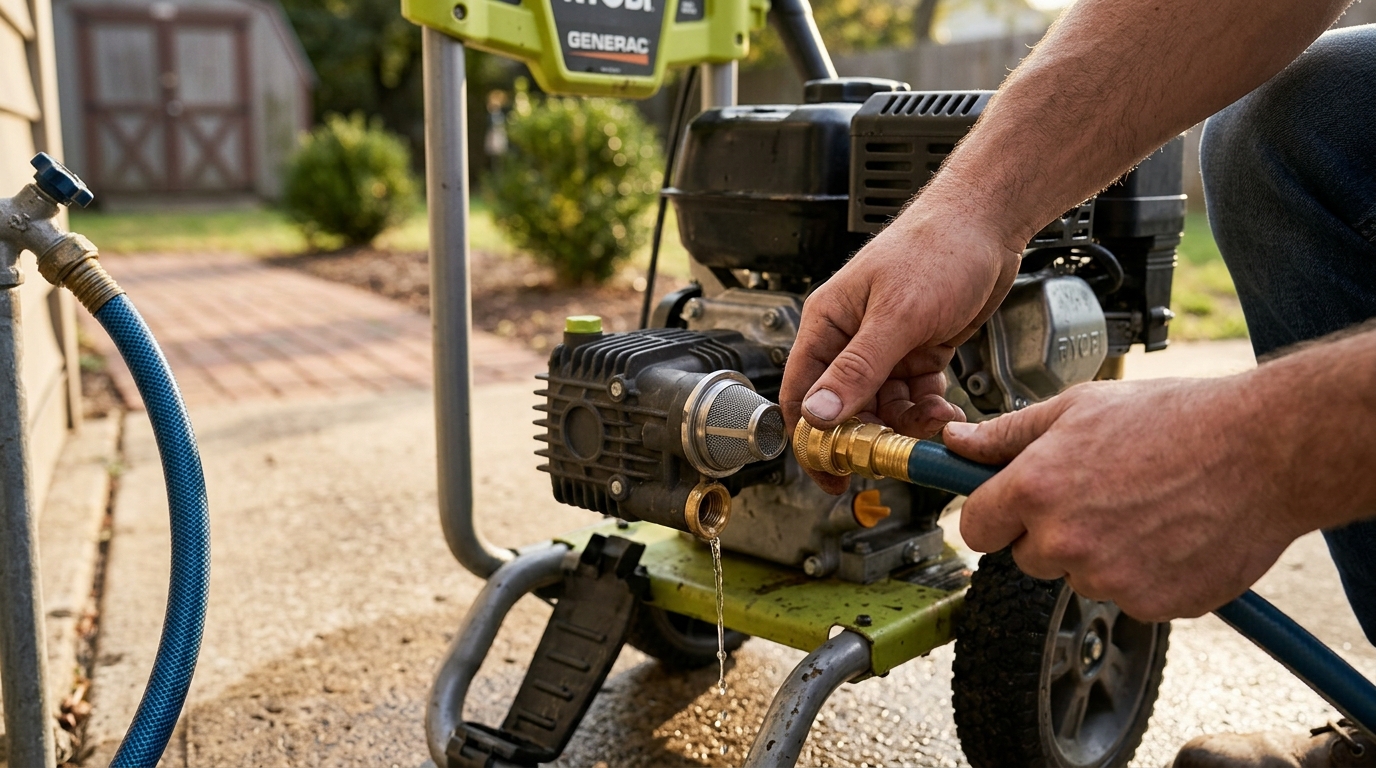
Most homeowners skip the setup phase and end up spending twice as long fighting streaks, weak pressure, and stubborn stains. A quick 10-minute prep routine before you pull the trigger can cut your total cleaning time in half and protect your equipment from damage.
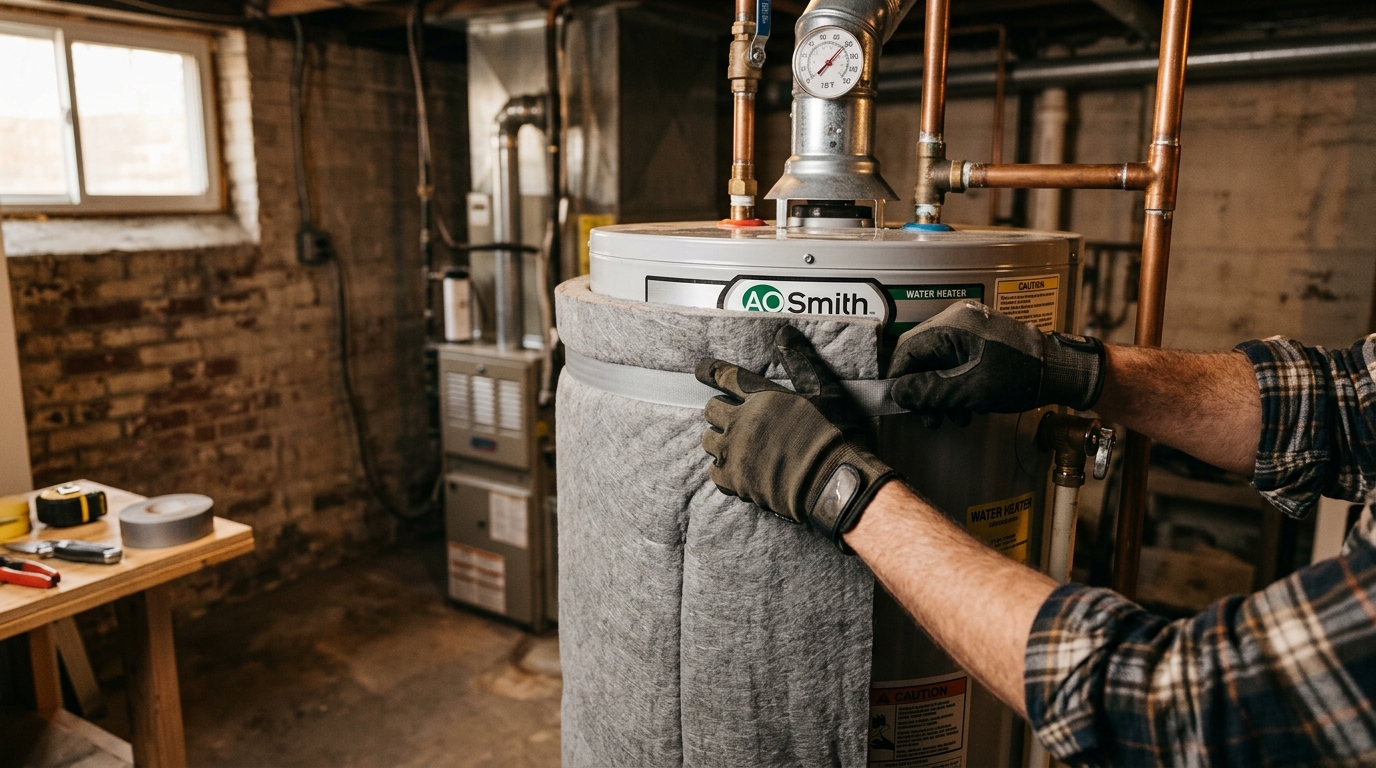
Water heating accounts for roughly 18% of the average home energy bill, making it the second largest energy expense most homeowners never think to optimize. One focused afternoon of targeted upgrades can cut that cost by 20% or more, with most improvements paying for themselves within a year.
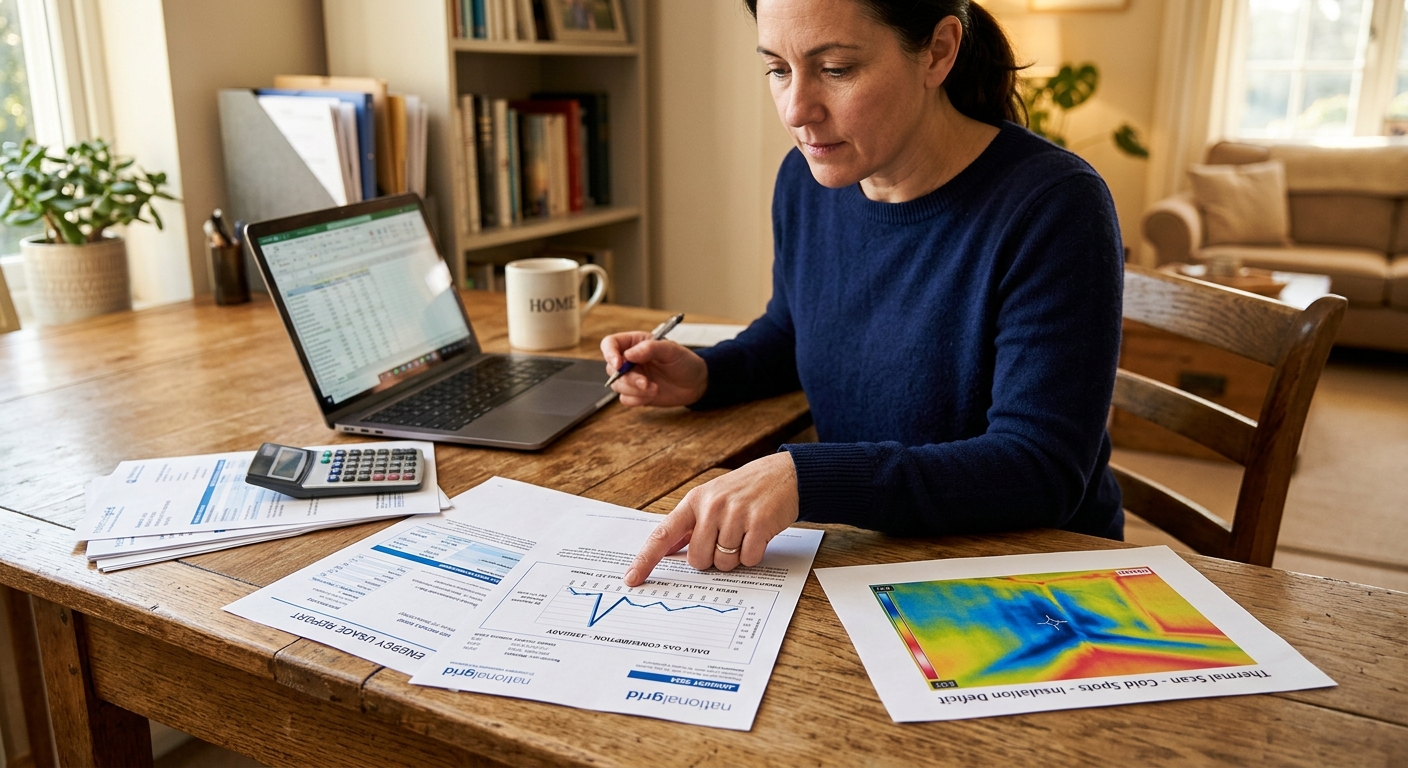
Your energy bills contain hidden clues that can reveal exactly where your home is losing heat or letting it in. Learn how to decode usage patterns, spot red flags, and determine whether poor insulation is quietly inflating your monthly costs.
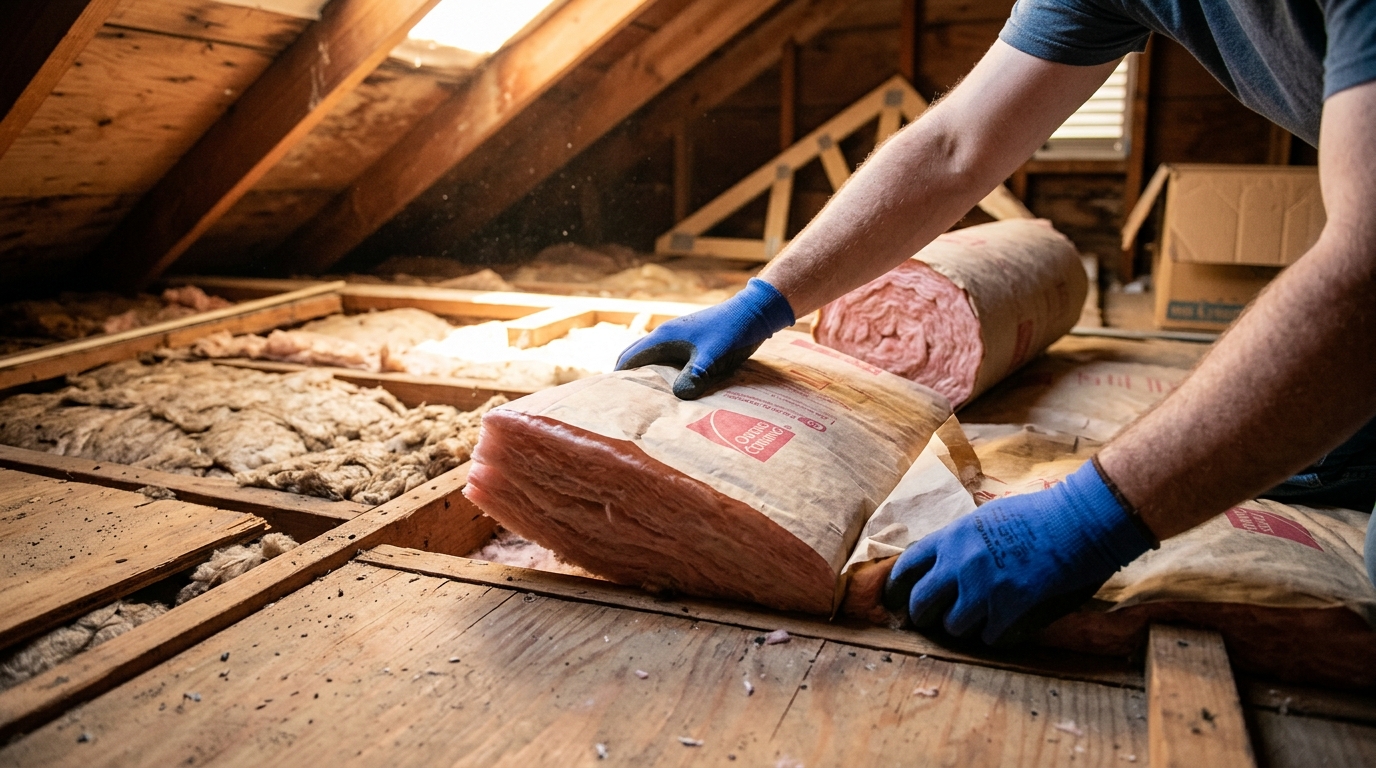
Most homeowners never think about their attic until there’s a leak or a pest problem, but that unfinished space above your ceiling is likely costing you hundreds of dollars a year in wasted energy. Understanding how heat moves through your attic, and sealing it properly, can cut heating and cooling bills by 15 to 30 percent.
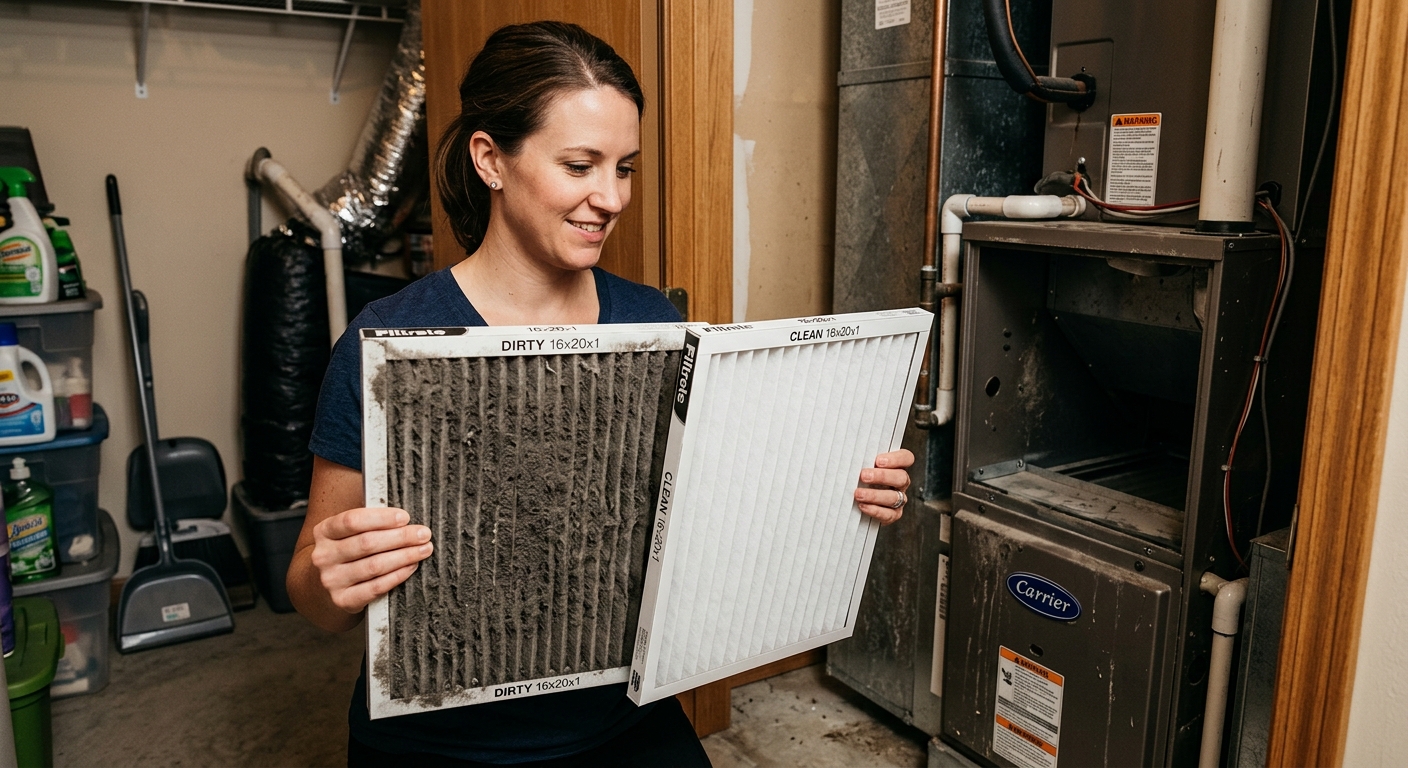
A clogged or wrong-sized HVAC filter is one of the most common and costly mistakes homeowners make, quietly driving up energy bills and shortening system life. Learn the 7 warning signs and exactly what to do about them before your system pays the price.
Most homeowners overpay for AC replacements simply because they don’t know what a fair price looks like or how to push back. With the right prep work and negotiating tactics, you can save $500 to $2,000 on the same system installation.
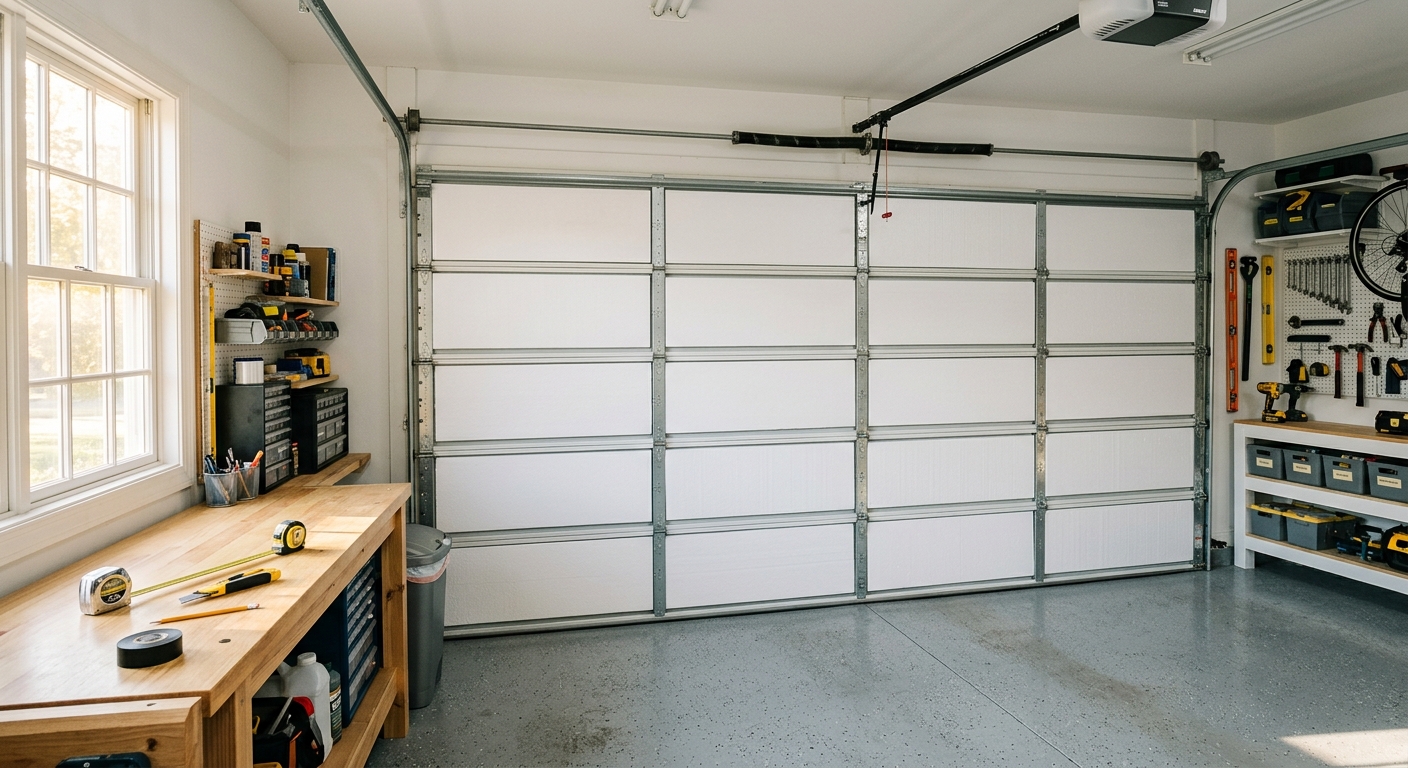
An uninsulated garage door can make your attached garage 20 to 30 degrees hotter in summer and just as frigid in winter, driving up your heating and cooling bills. A simple DIY insulation kit installed in a single weekend can cut that temperature swing dramatically for under $50.