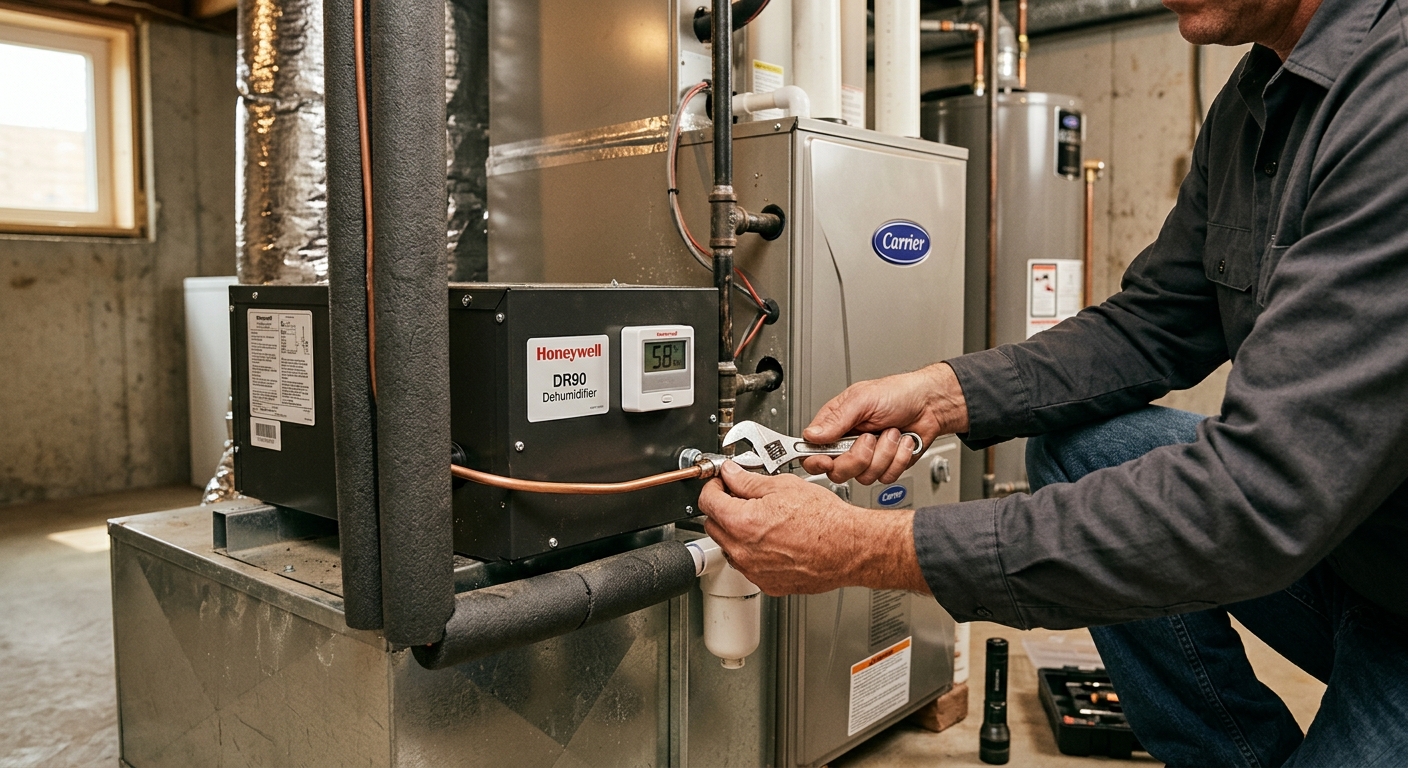
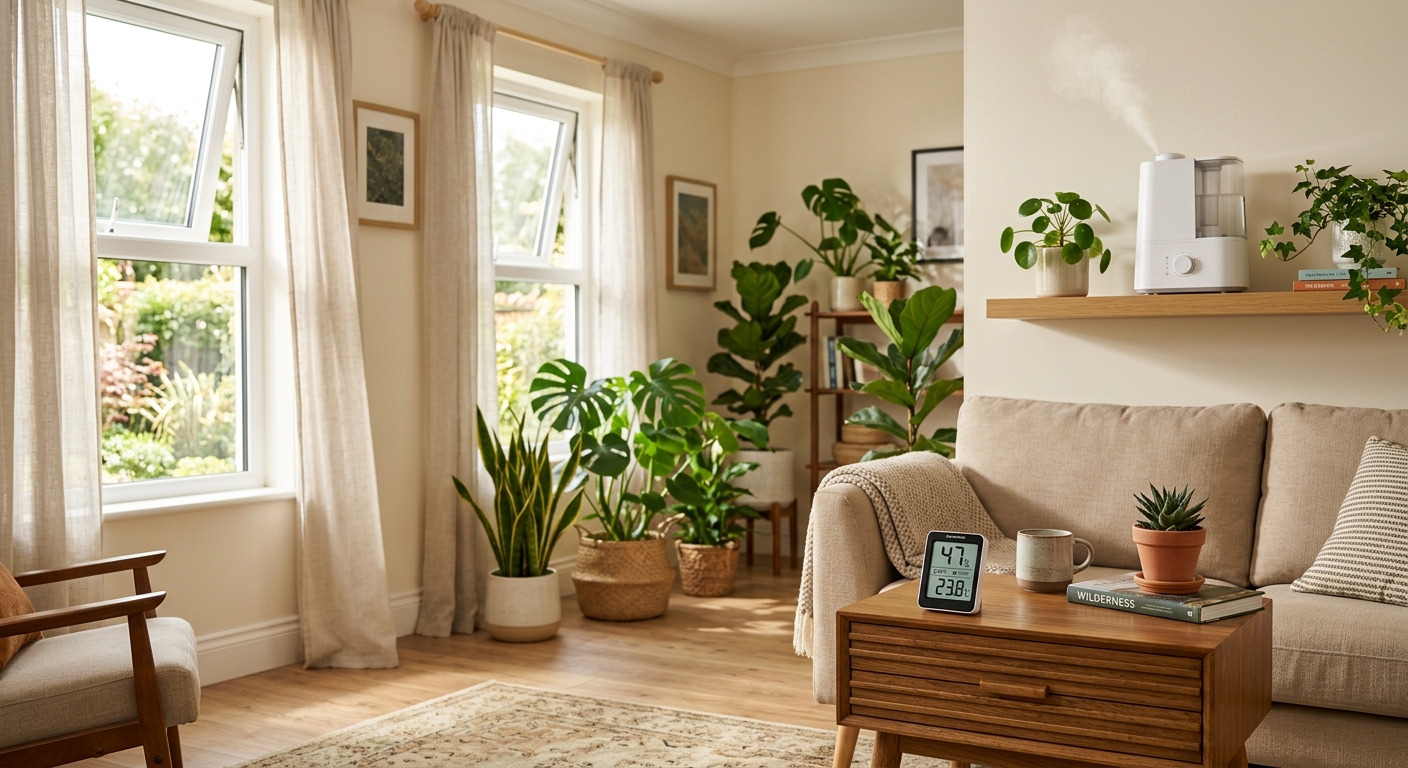
When indoor humidity climbs above 60%, your home can feel 10 degrees hotter than the thermostat reads, driving up energy bills as your AC struggles to keep up. Understanding and controlling moisture is the missing piece most homeowners never address.
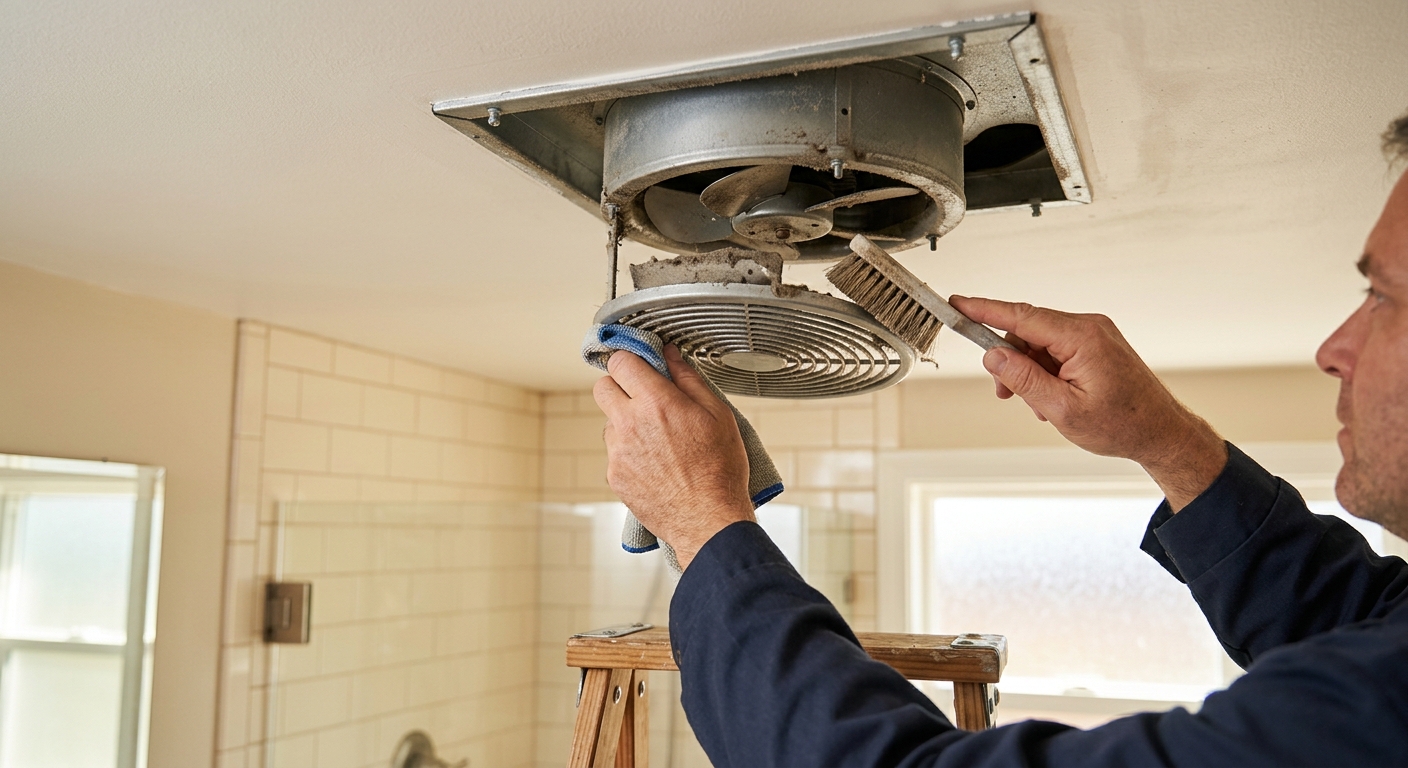
Most homeowners blame their HVAC system when certain rooms feel stuffy, drafty, or hard to heat and cool. The real culprit is often the bathroom exhaust fan creating pressure imbalances that ripple through the entire house.
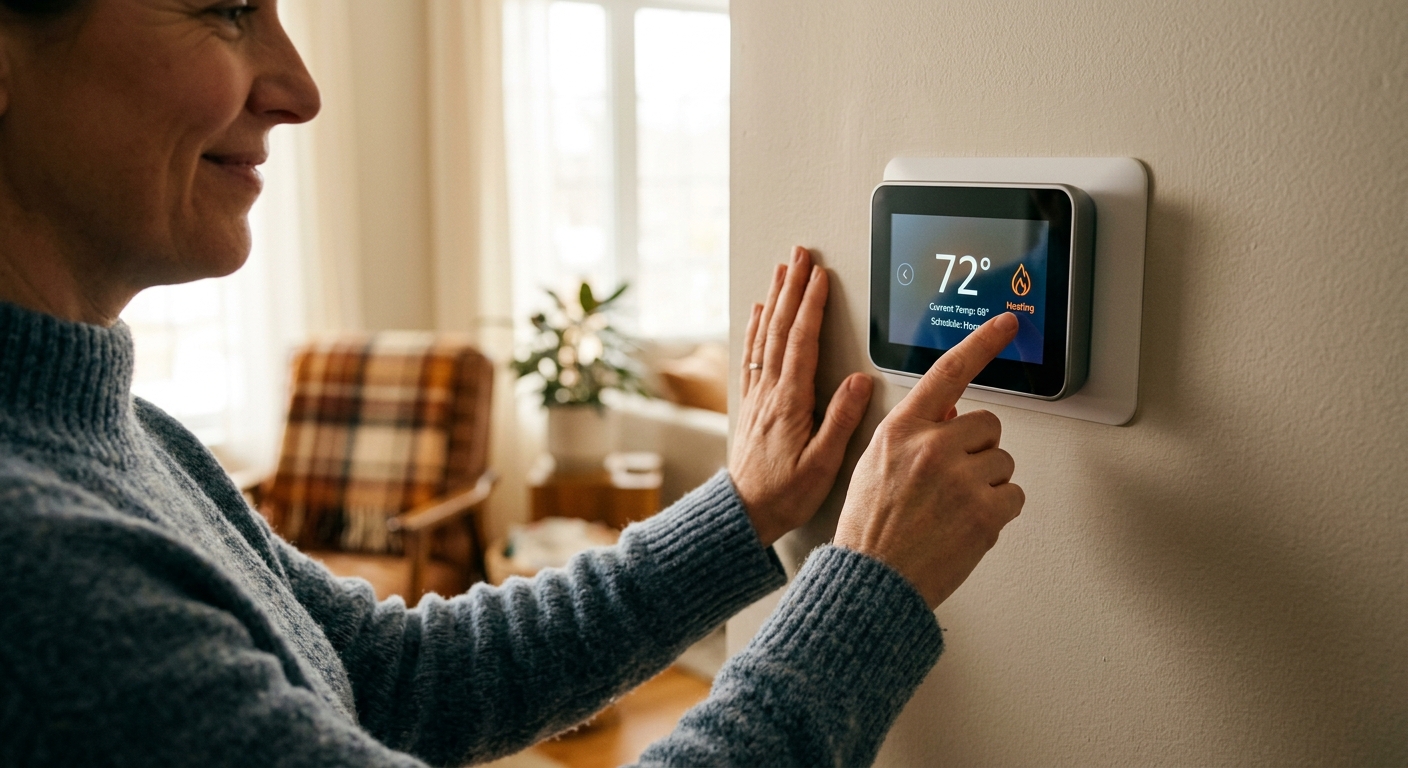
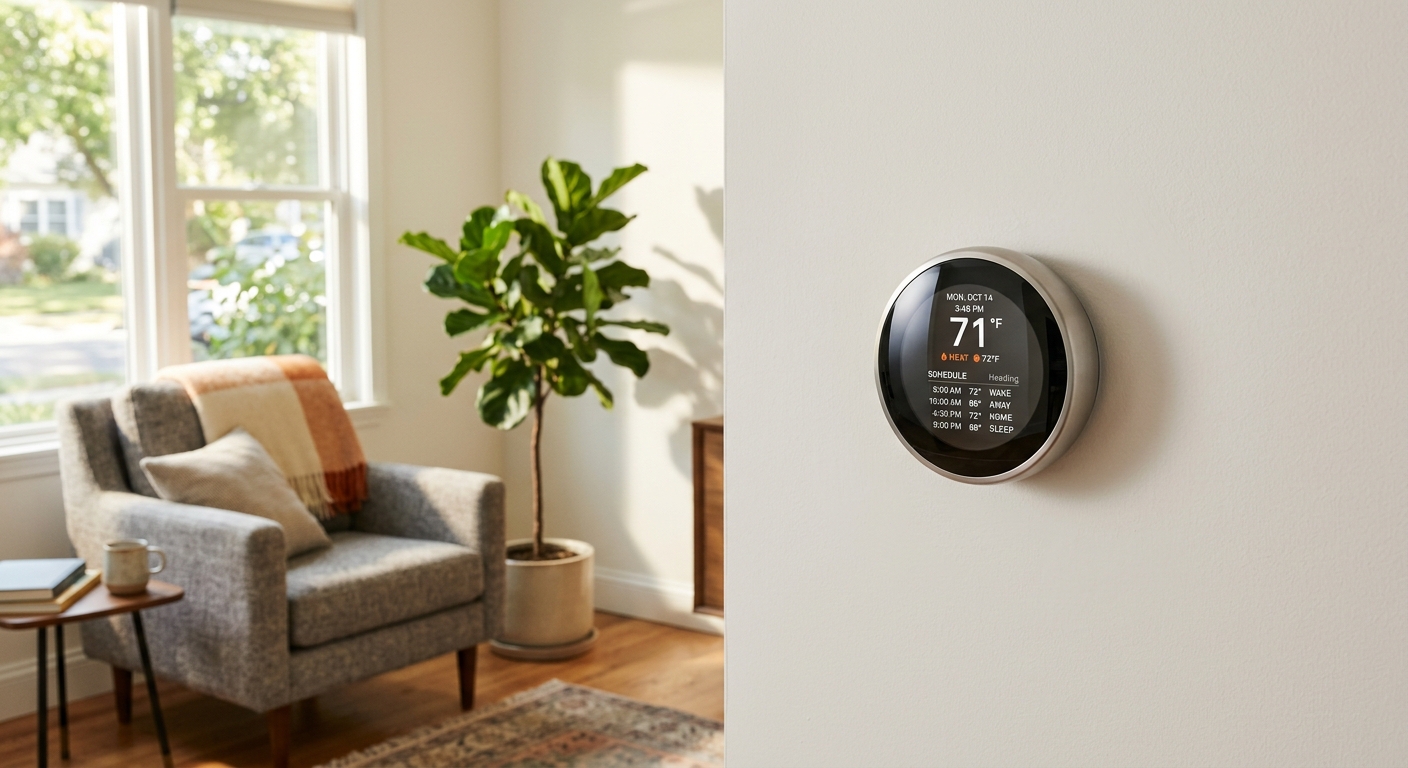
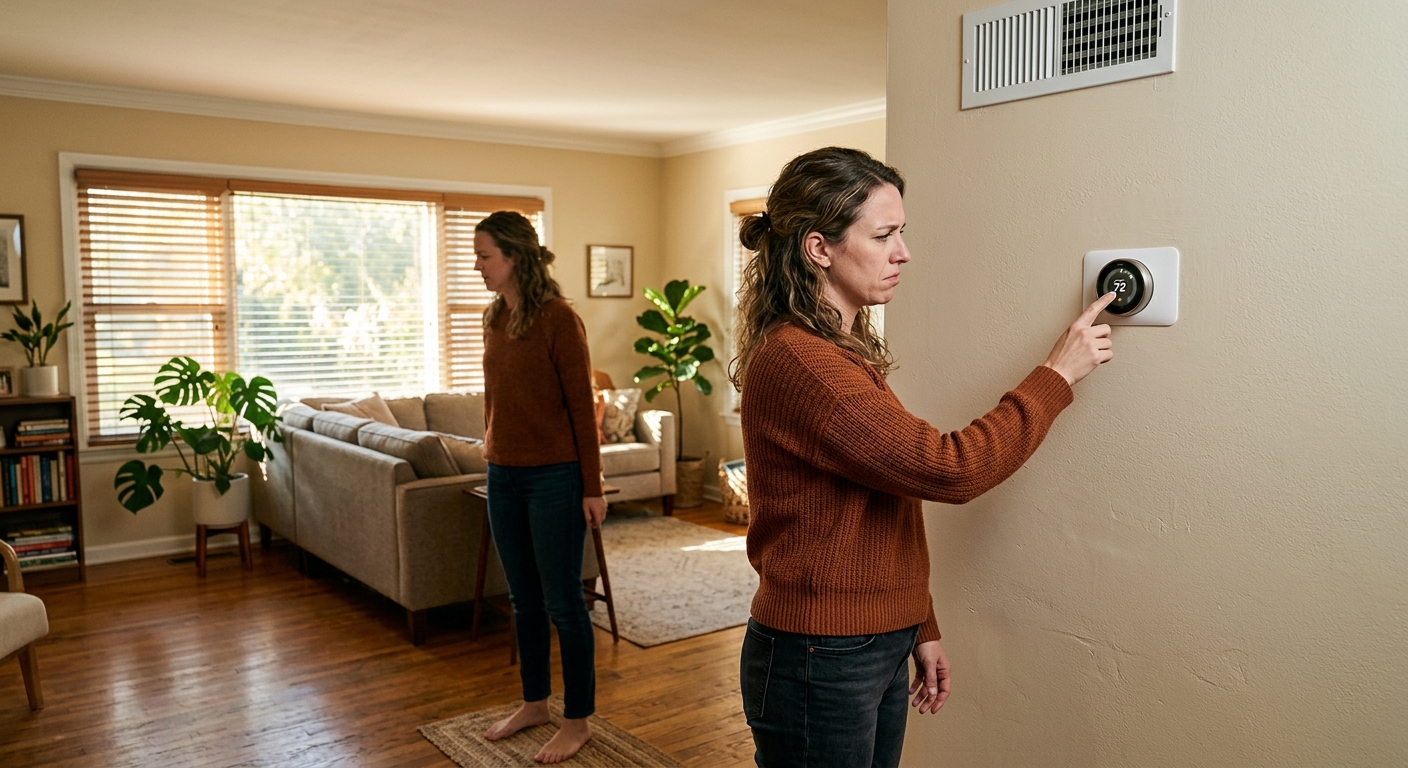
Most homeowners set their thermostat once and forget it, leaving hundreds of dollars a year on the table. A $150 smart thermostat can pay for itself in under a year while making every room feel more consistently comfortable.
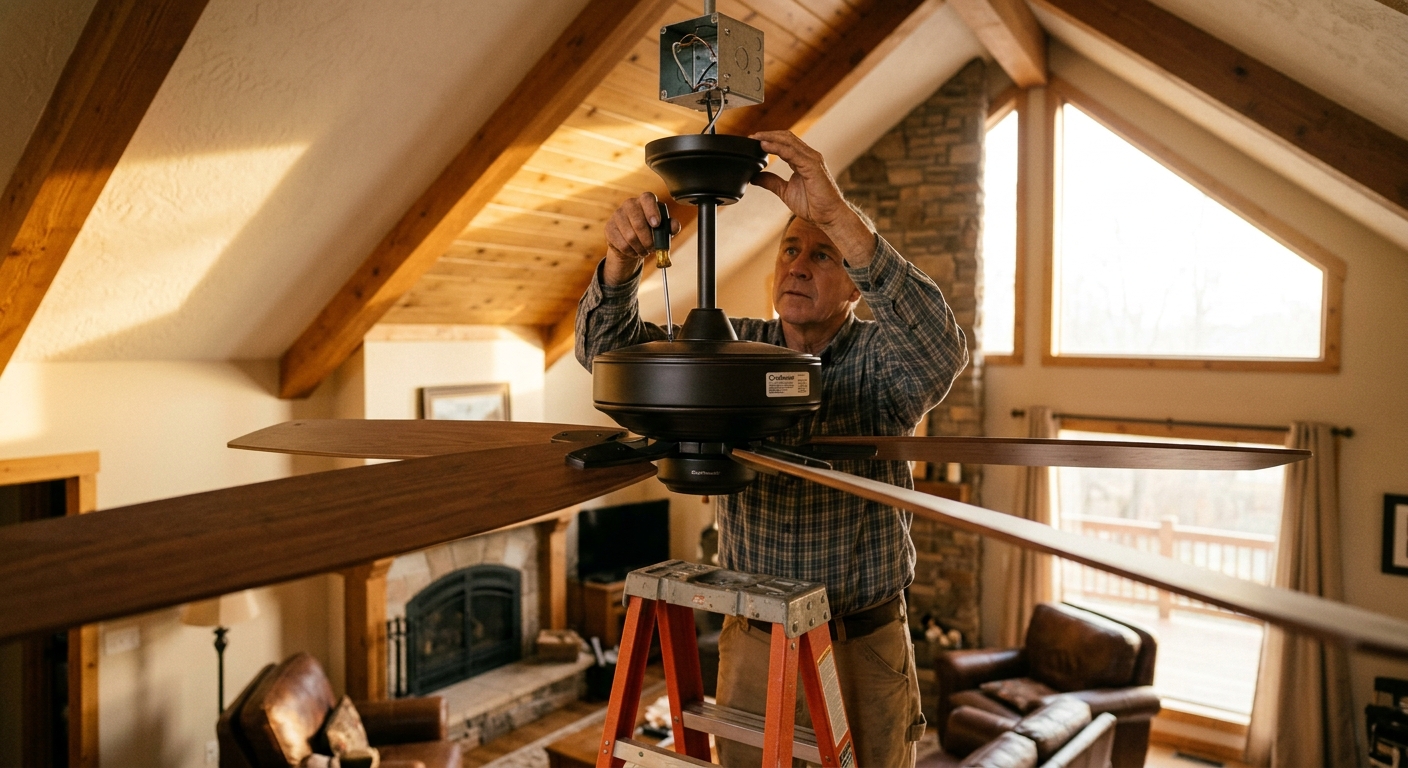
Vaulted ceilings create stunning spaces but wreak havoc on home comfort and energy bills by trapping heat high above where you live. With a few targeted upgrades, you can reclaim consistent temperatures and cut heating and cooling costs by up to 25%.
Many homeowners assume their manual thermostat is fine, but leaving it at one temperature all day quietly inflates energy bills. A programmable or smart thermostat pays for itself in under a year for most households, and the math is straightforward once you see it.
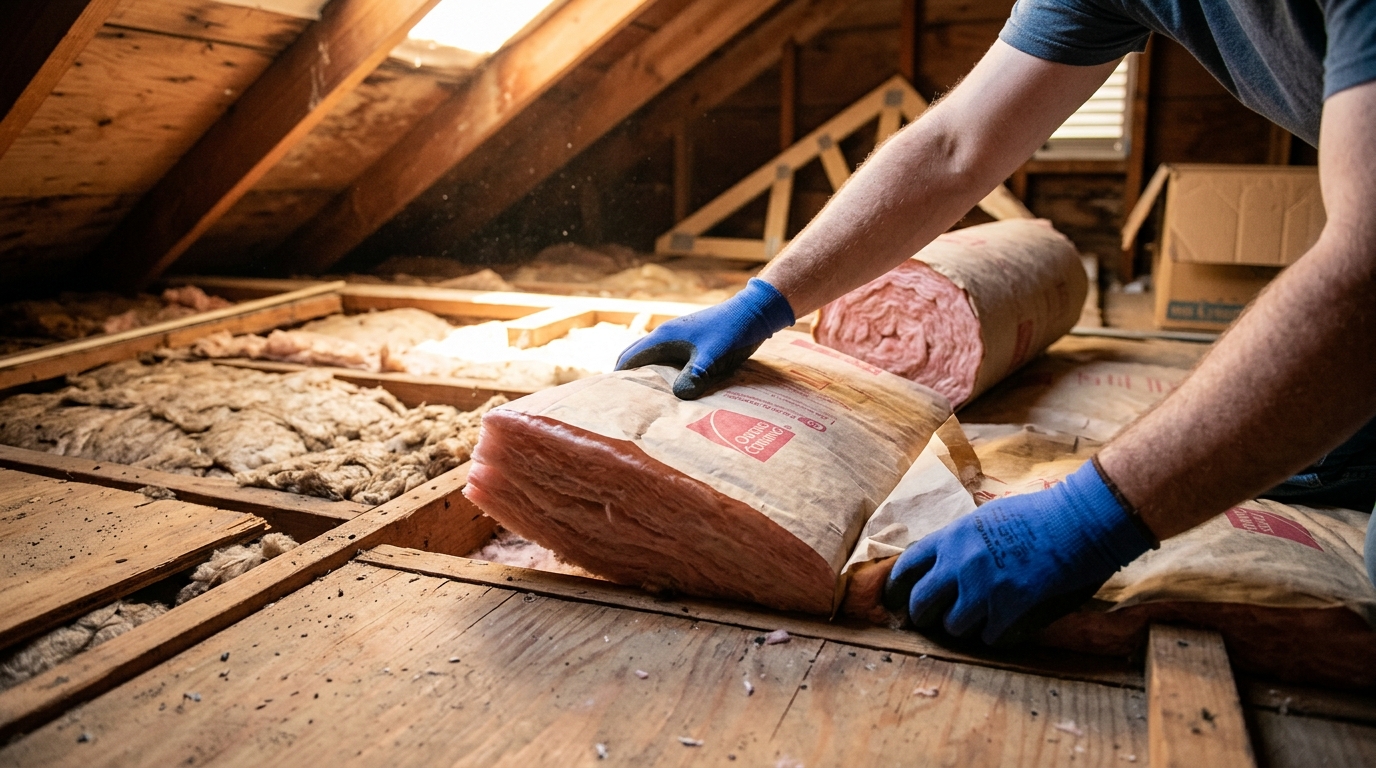
Most homeowners never think about their attic until there’s a leak or a pest problem, but that unfinished space above your ceiling is likely costing you hundreds of dollars a year in wasted energy. Understanding how heat moves through your attic, and sealing it properly, can cut heating and cooling bills by 15 to 30 percent.
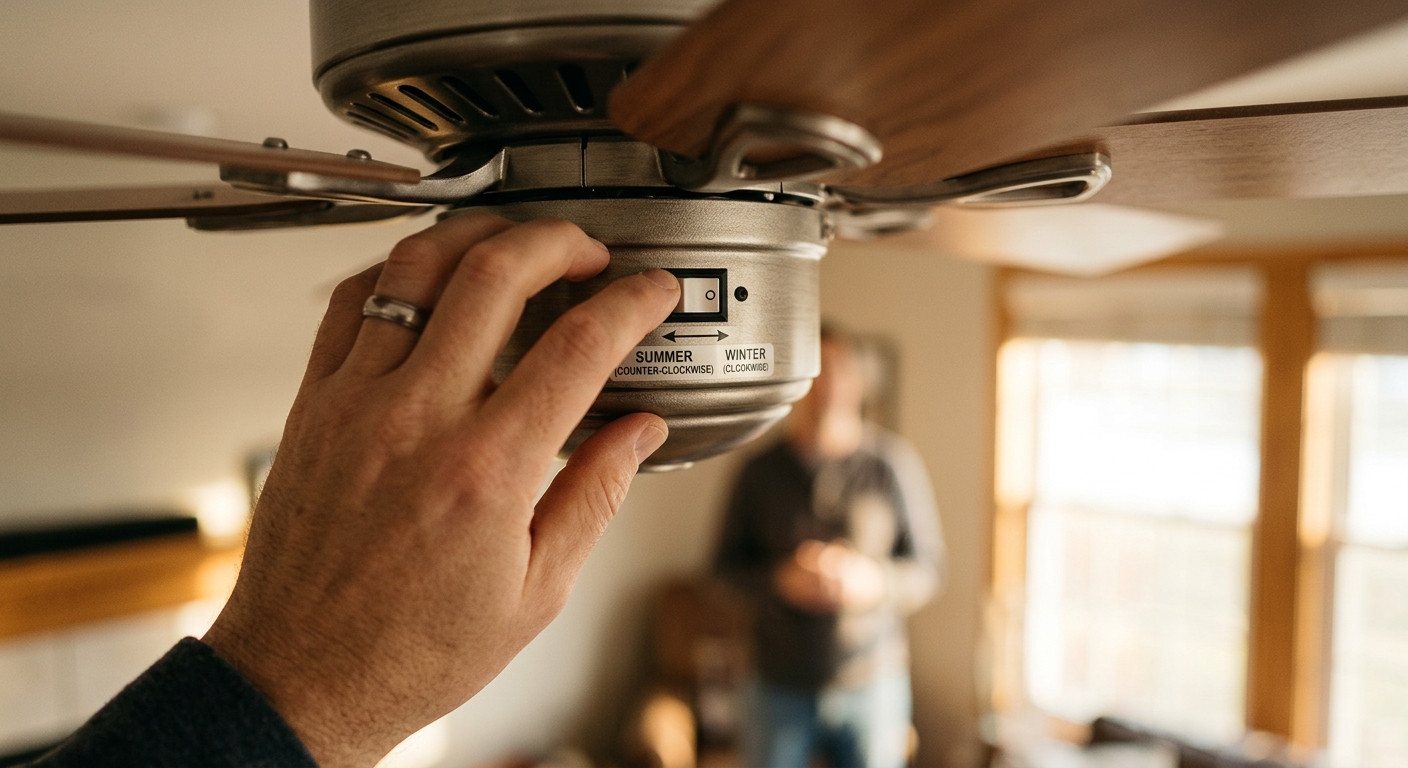
Most homeowners run their ceiling fans the wrong direction half the year, paying to heat or cool rooms less efficiently than they could. Switching fan direction seasonally and pairing fans with smart thermostat setbacks can trim 5 to 15% off annual HVAC bills with zero equipment purchases.
A brand-new AC unit should solve your cooling problems, but thousands of homeowners discover it doesn’t. The culprit is almost never the equipment itself – it’s the house, the ducts, or the installation.
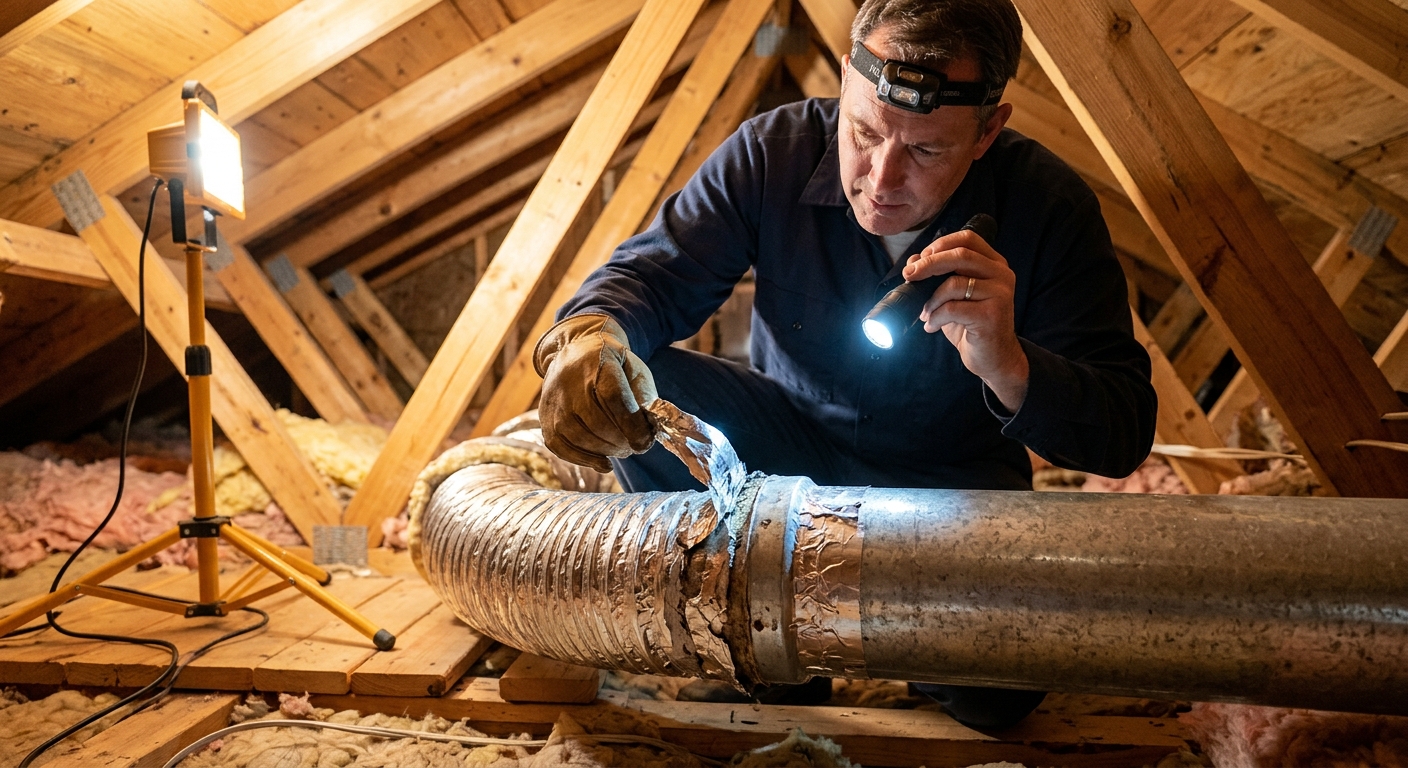
Leaky ducts silently drain 20 to 30% of your conditioned air into attics, crawl spaces, and wall cavities where it does nothing but raise your bills. Before spending $300 to $500 on a professional duct blaster test, a few free checks can tell you whether you have a problem and how serious it is.
Too much or too little humidity makes your home uncomfortable, damages wood and paint, and forces your HVAC system to work harder. You can maintain ideal indoor humidity levels using portable devices and simple habits, without spending thousands on a whole-house system.