If your furnace is running hard every morning just to catch up, your home is silently bleeding heat while you sleep. This simple morning diagnostic routine pinpoints exactly where that heat is escaping so you can stop wasting money on warmth that never stays.
February is statistically the coldest month in most of the U.S., but your heating bill spike is rarely just about the weather. A combination of air leaks, thermostat habits, and neglected maintenance compounds heat loss right when outdoor temperatures hit their lowest point.
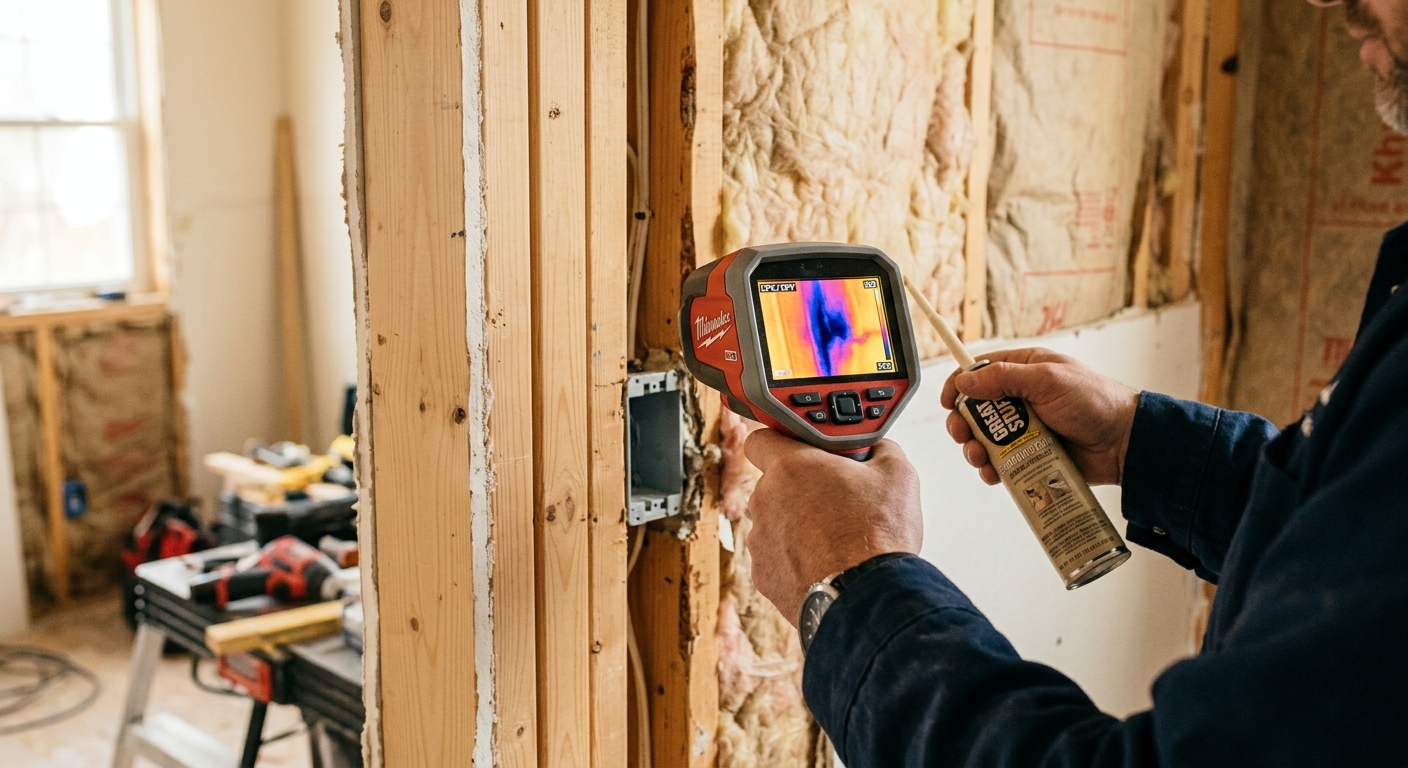
Air leaks are responsible for 25 to 40% of heating and cooling losses in a typical home, yet most homeowners never find them before winter strikes. This guide walks you through a proven process for locating every major leak, from obvious gaps to sneaky hidden ones, so you can seal them before the cold arrives.
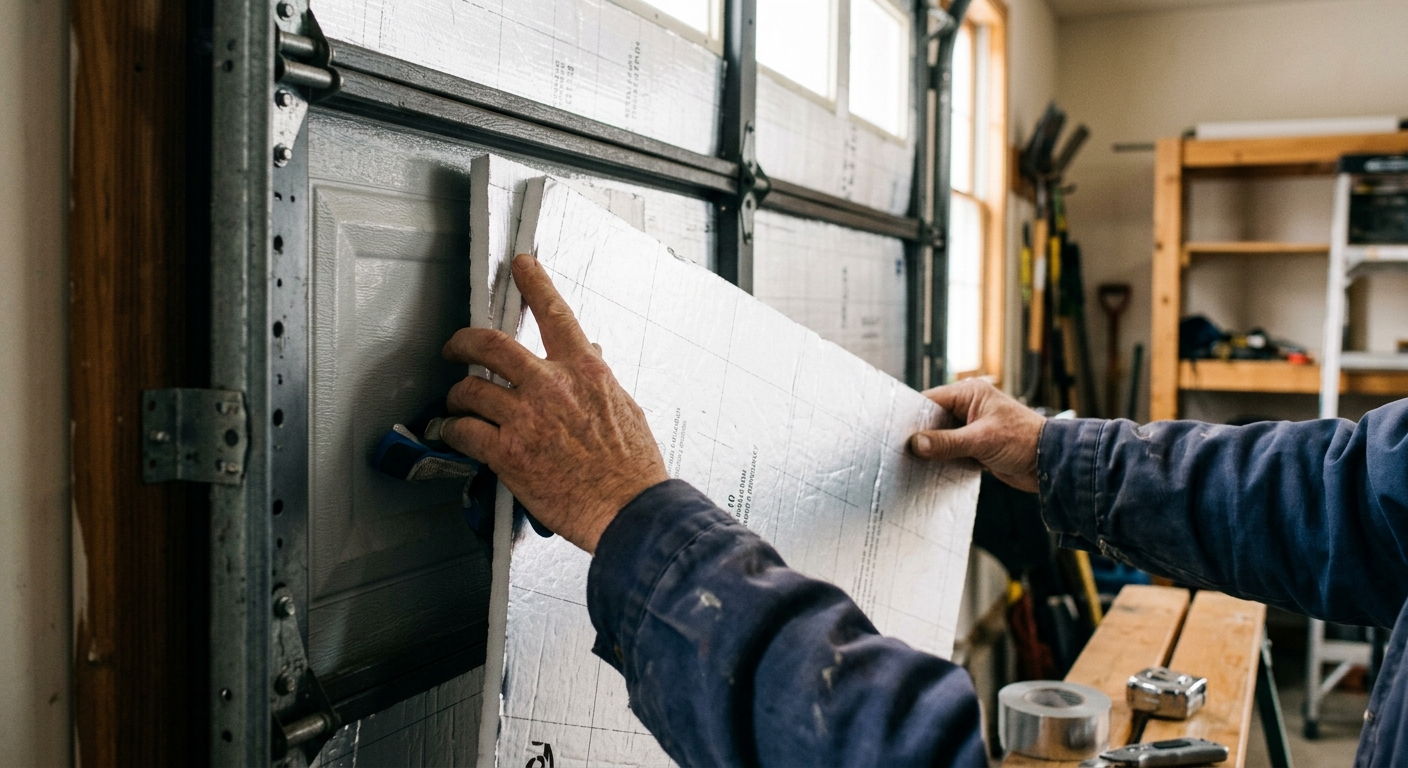
An uninsulated garage door is one of the most overlooked sources of heat loss in attached garages, letting cold air pour into your home every winter. Adding insulation to your garage door can cut heating bills by $100 to $180 annually with a payback period as short as one to two years.
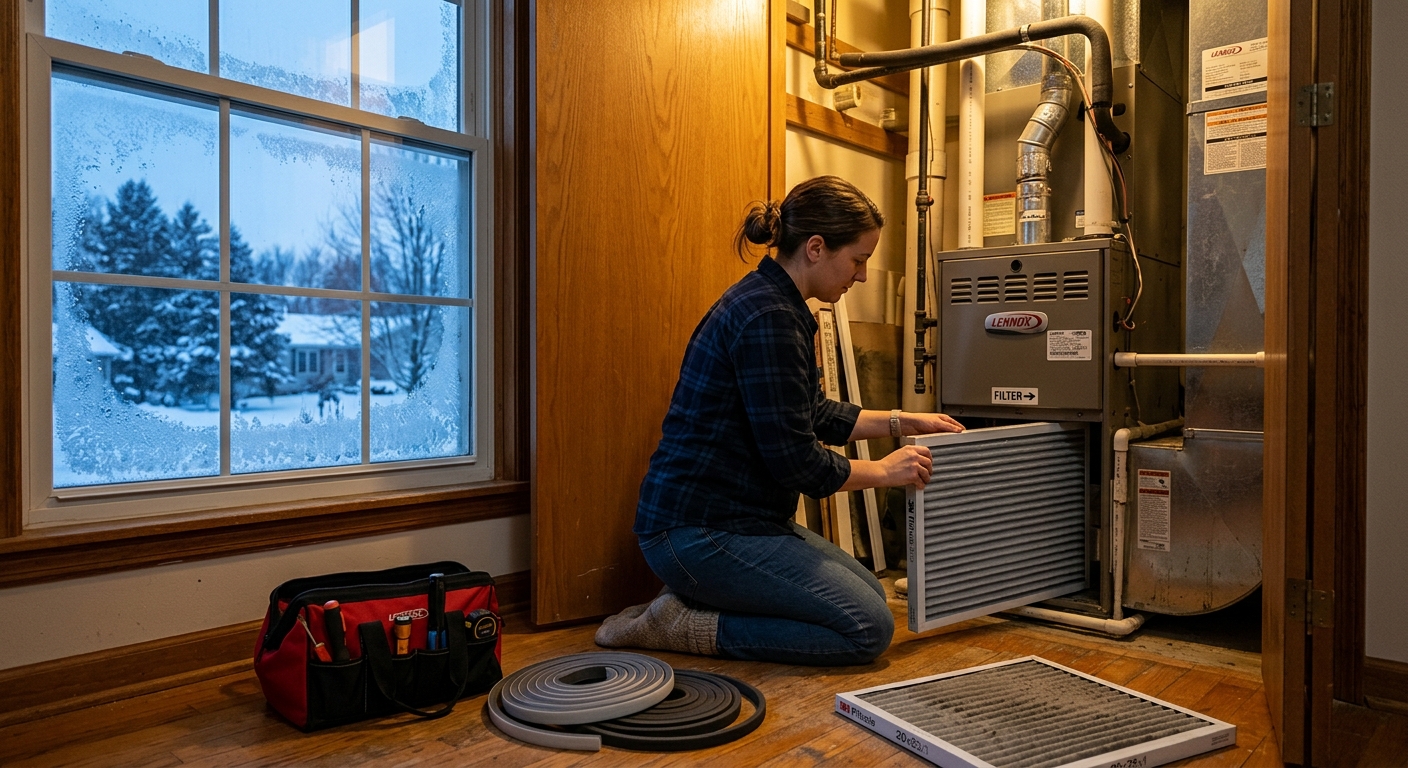
Cold drafts, uneven heat, and sky-high heating bills are signs your home is losing warmth faster than your furnace can replace it. These seven weekend projects tackle the biggest heat loss culprits and can cut your heating costs by 15 to 30% starting this season.
Older homes are charming, but their drafts, thin insulation, and leaky windows can make winter miserable and expensive. With a few targeted upgrades ranging from free fixes to weekend DIY projects, you can dramatically improve comfort and cut heating bills by 20 to 35%.
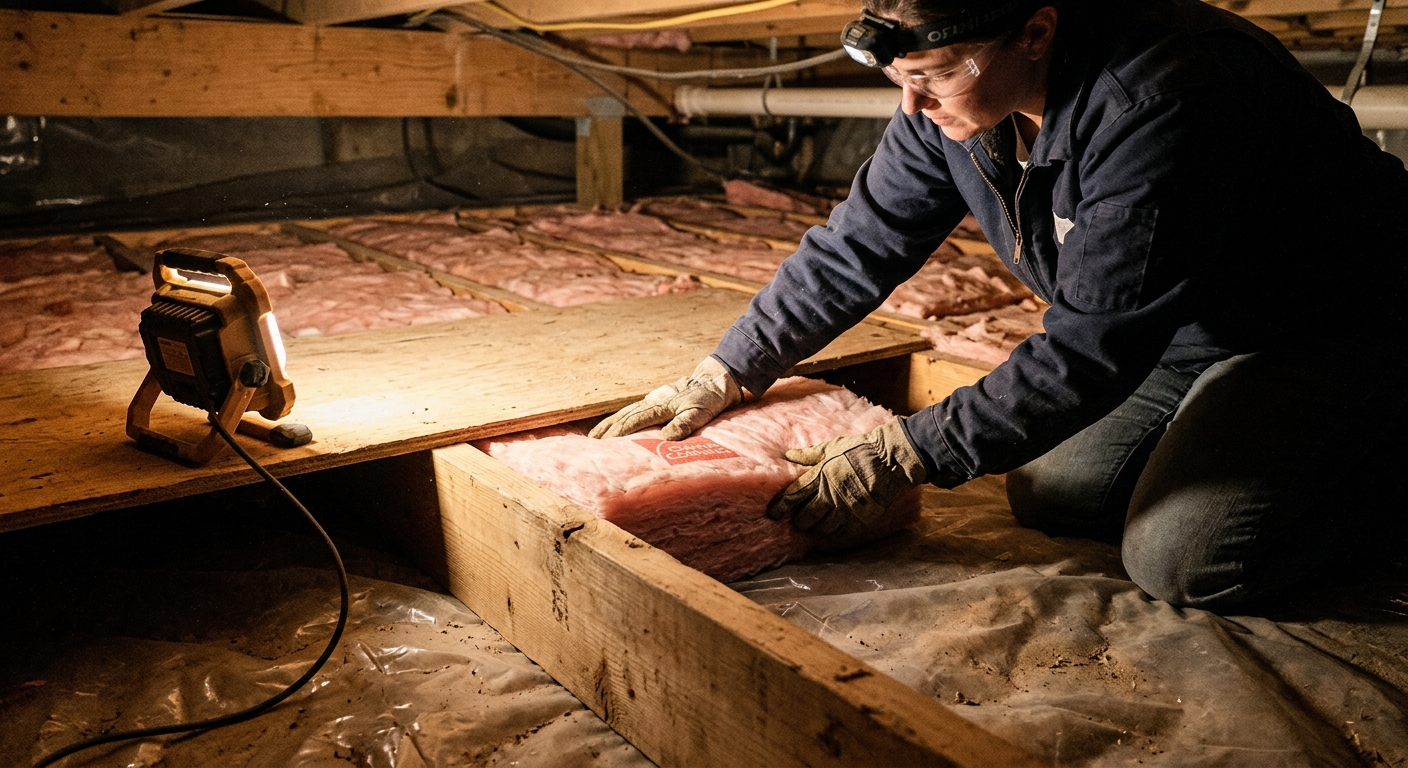
Uninsulated or poorly insulated crawl spaces are one of the top causes of cold floors, high heating bills, and uncomfortable living spaces in winter. Adding the right insulation to your crawl space can cut heating costs by 15 to 25% and make your floors noticeably warmer within days.
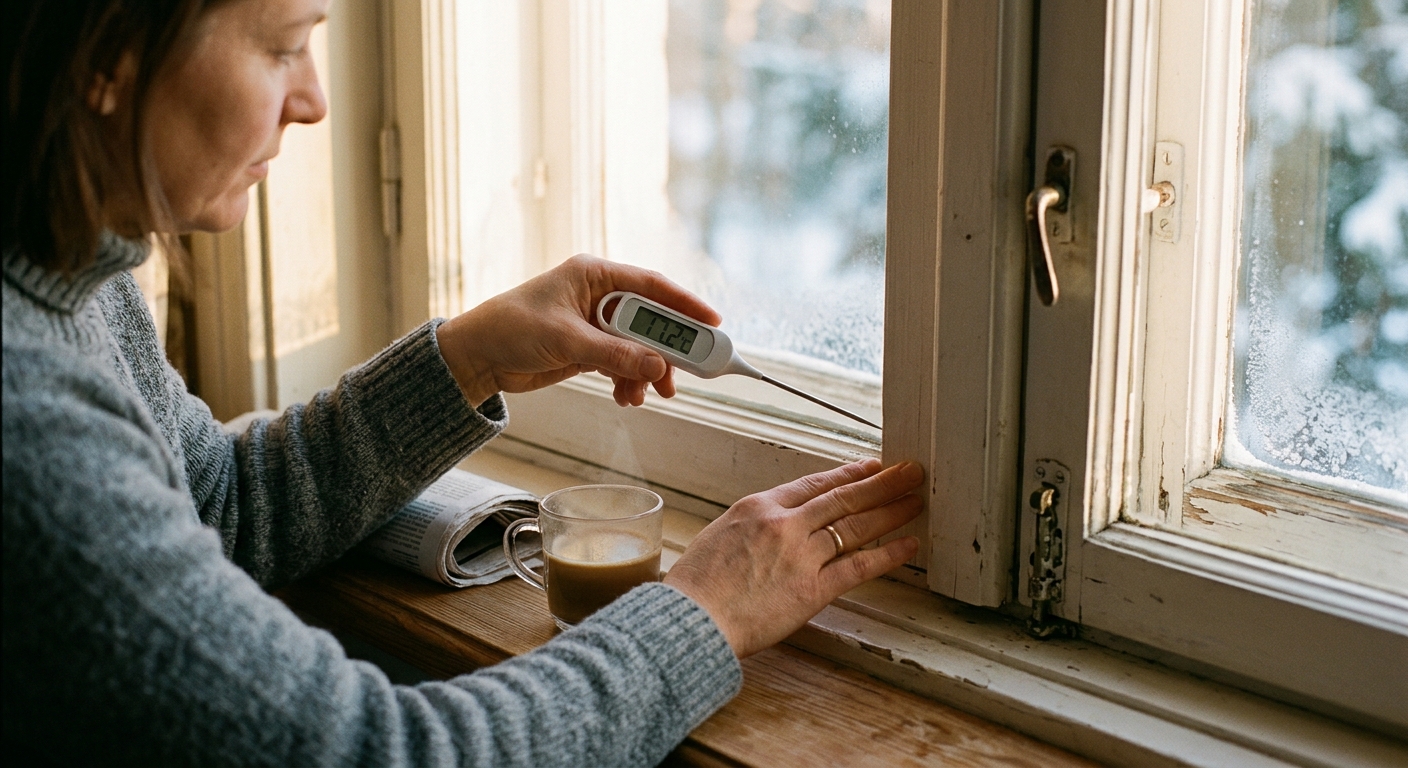
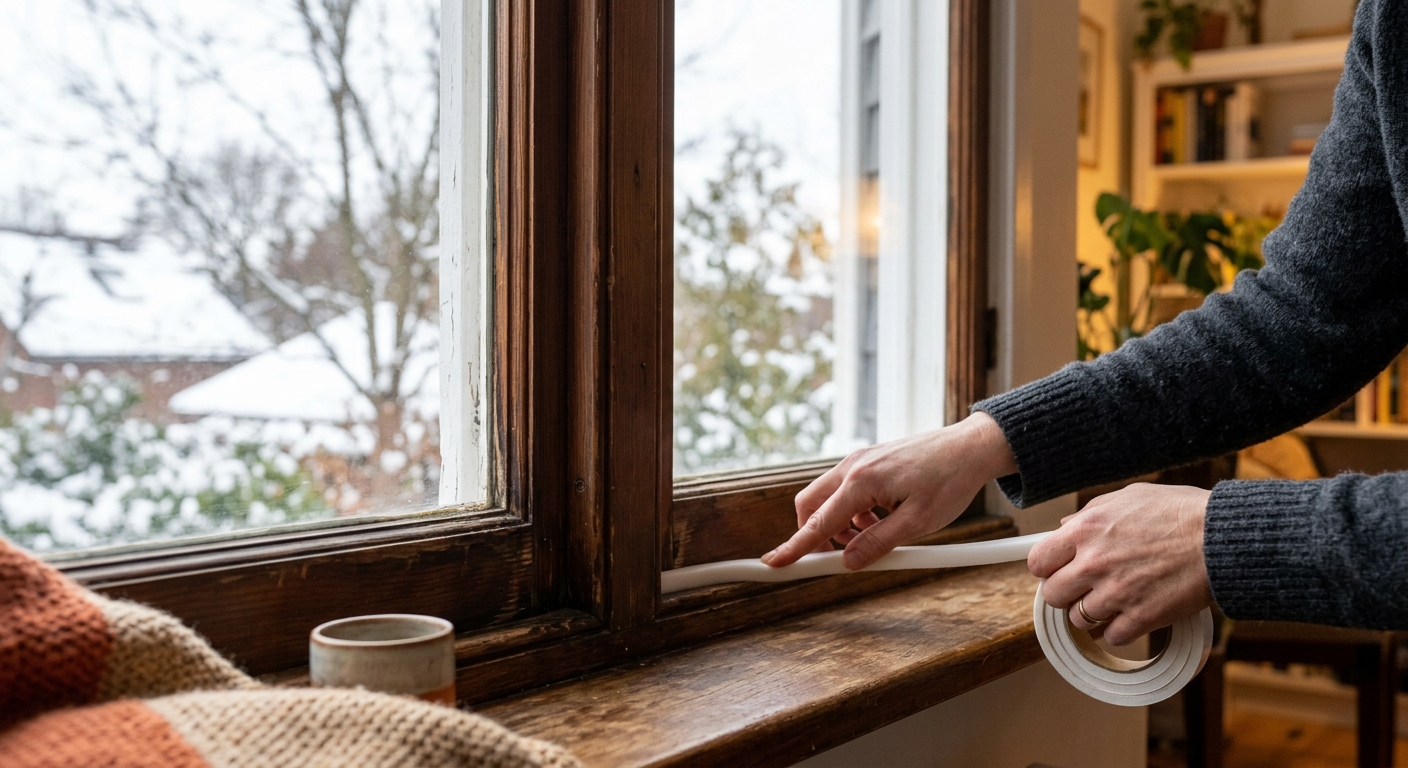
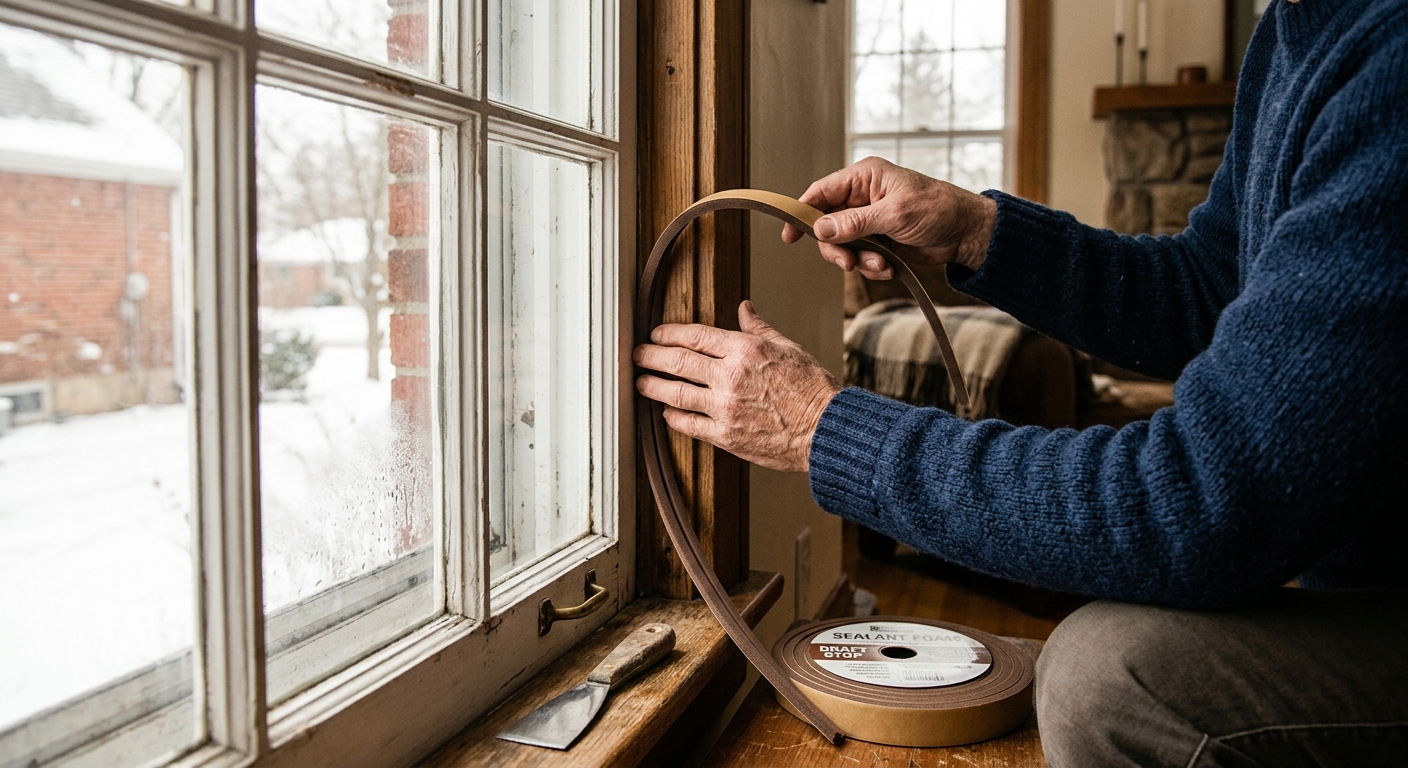
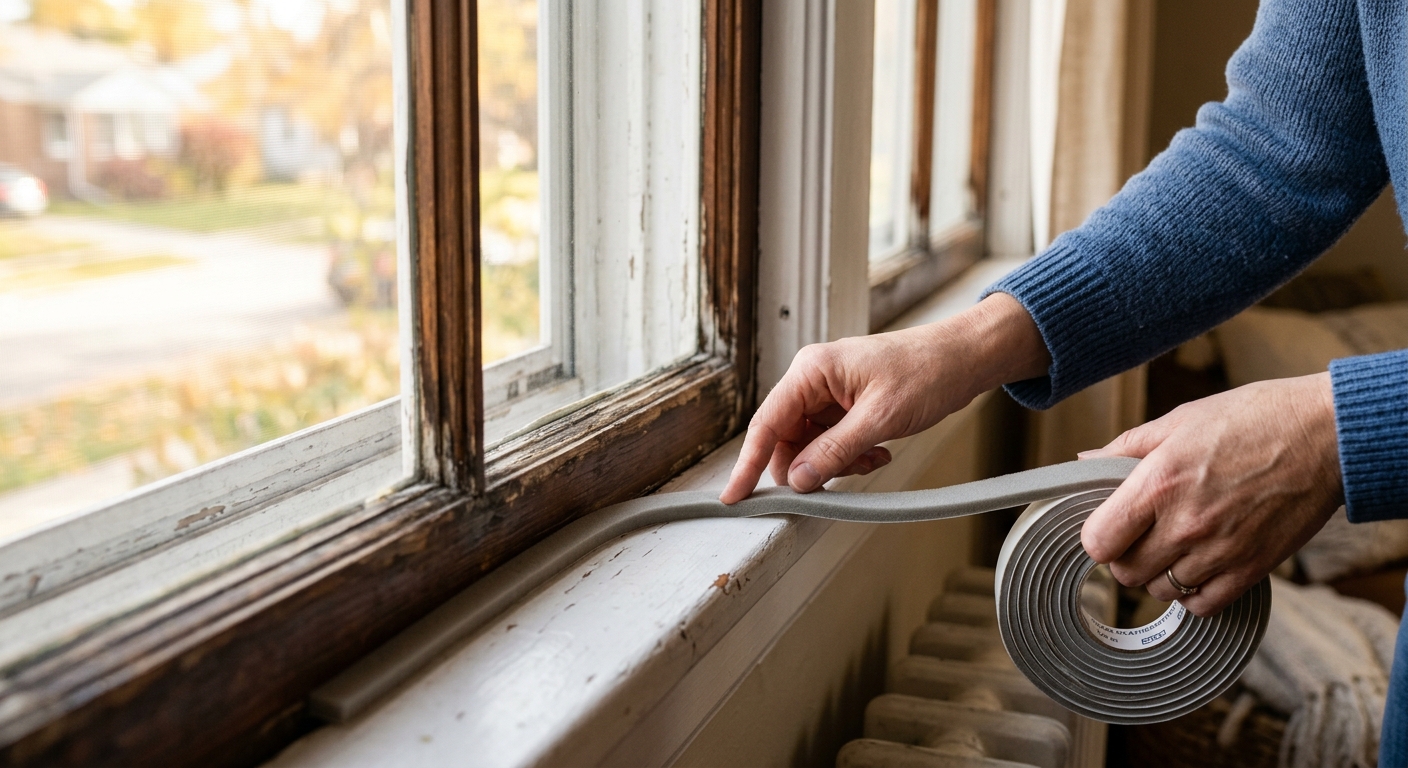
Leaky windows can account for 25 to 30% of your home’s heating and cooling loss, driving up energy bills season after season. The good news is you can fix most drafts yourself in an afternoon for under $50, no replacement windows required.
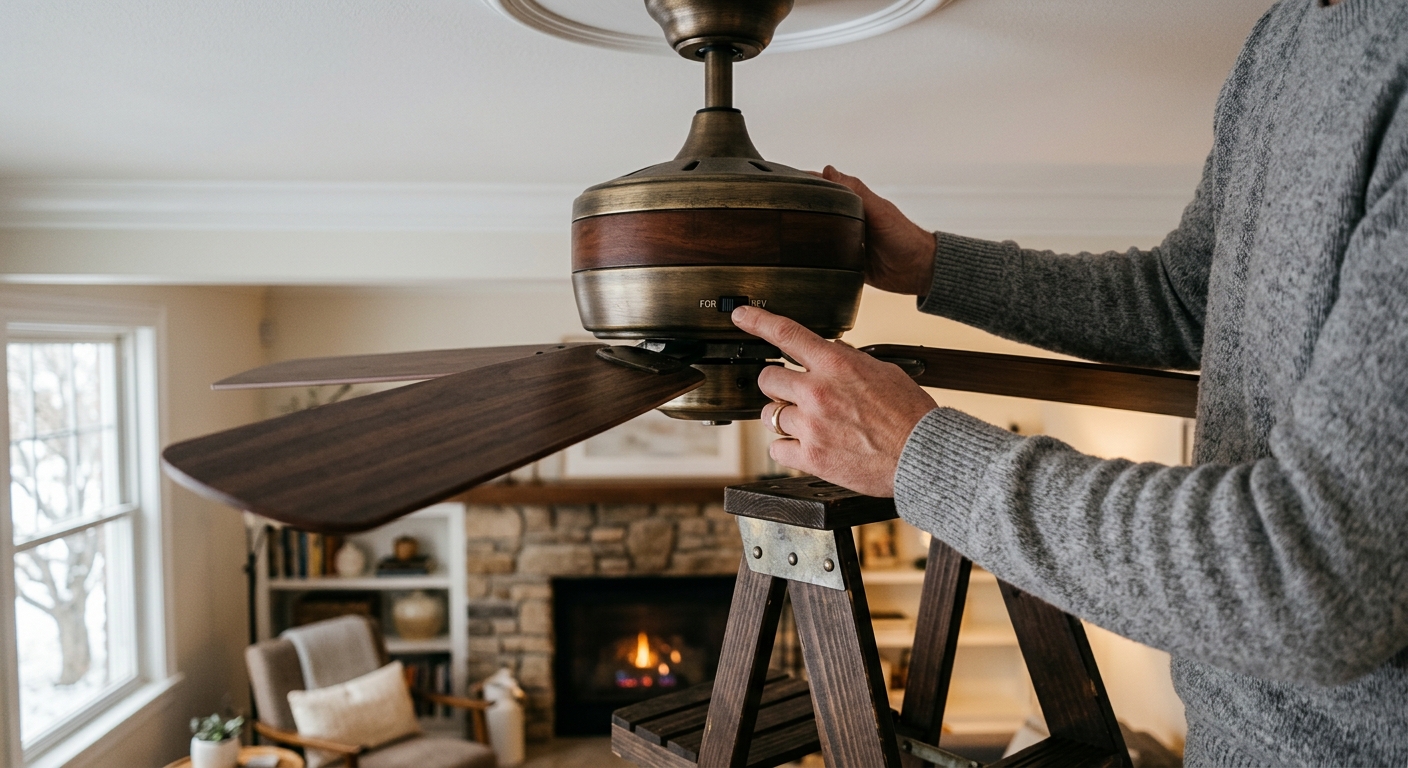
Most homeowners leave their ceiling fans spinning the same direction year-round, unknowingly making their heating system work harder every single winter. Reversing your ceiling fan to spin clockwise at low speed in winter pushes warm air down from the ceiling, reducing heating costs by up to 15%.
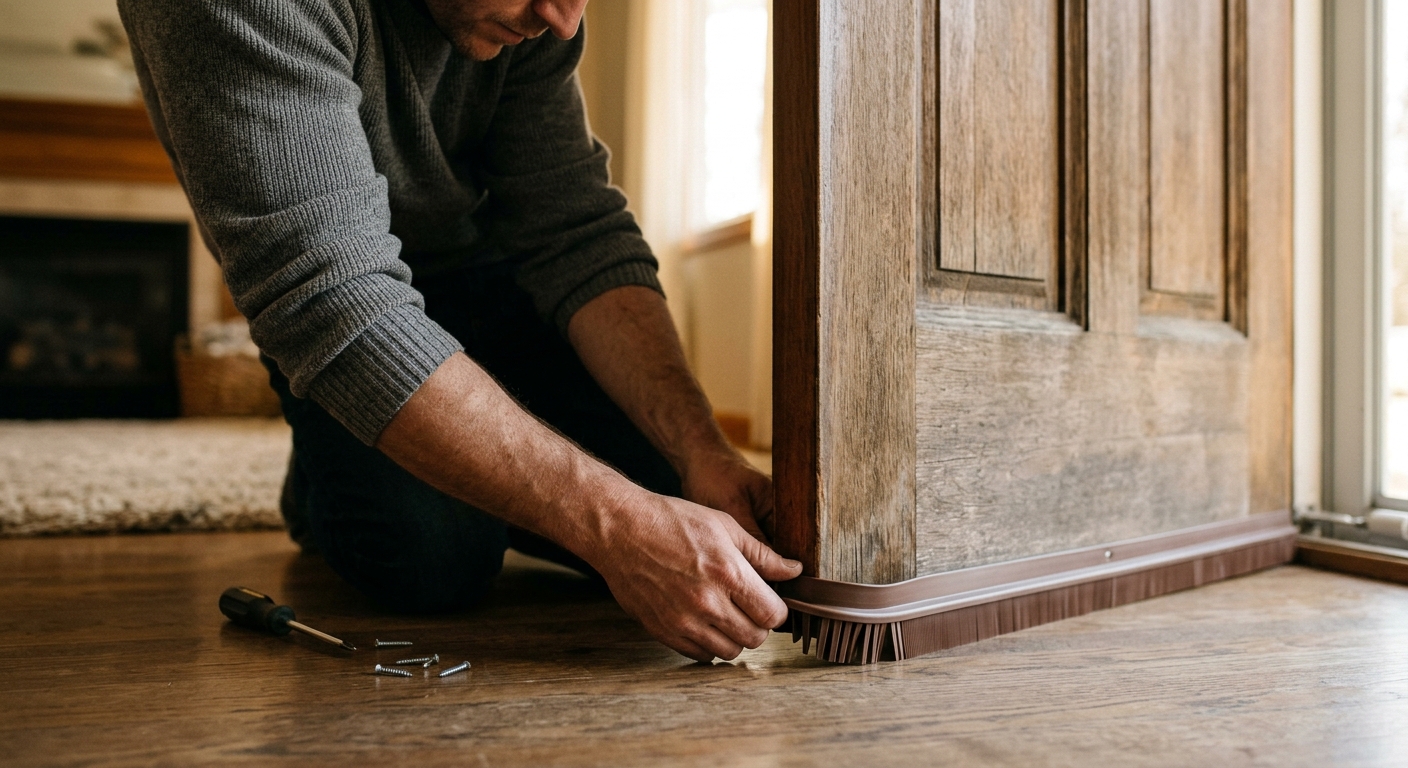
Cold air sneaking under your exterior doors can account for a surprising share of your home’s heat loss, driving up energy bills and leaving floors uncomfortably chilly. A $15 door sweep installed in under 30 minutes can seal that gap and deliver immediate, measurable savings.