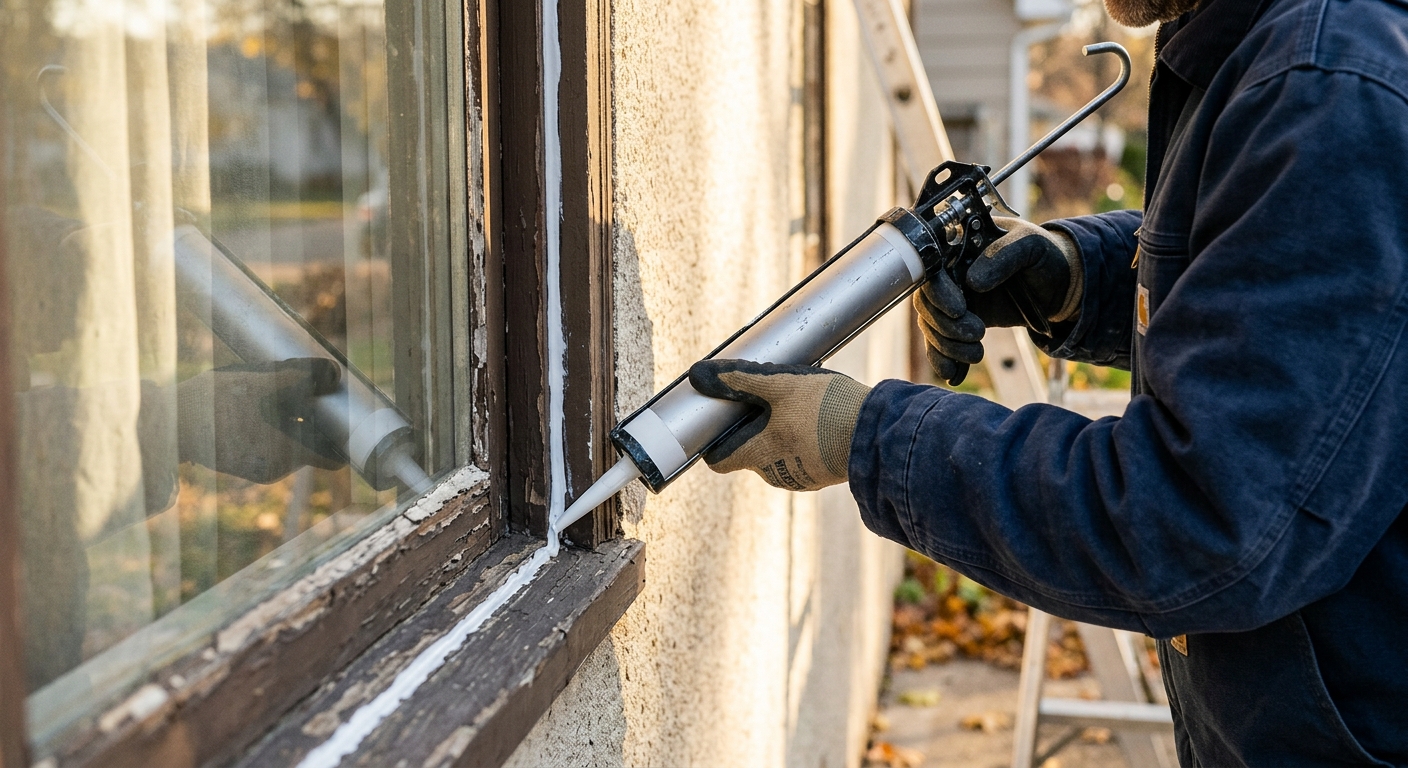
Air leaks and drafts are silently inflating your energy bill every month, often accounting for 25 to 40% of heating and cooling losses. A single weekend of focused weatherproofing work can seal those leaks for under $75 and start saving money before your next utility bill arrives.
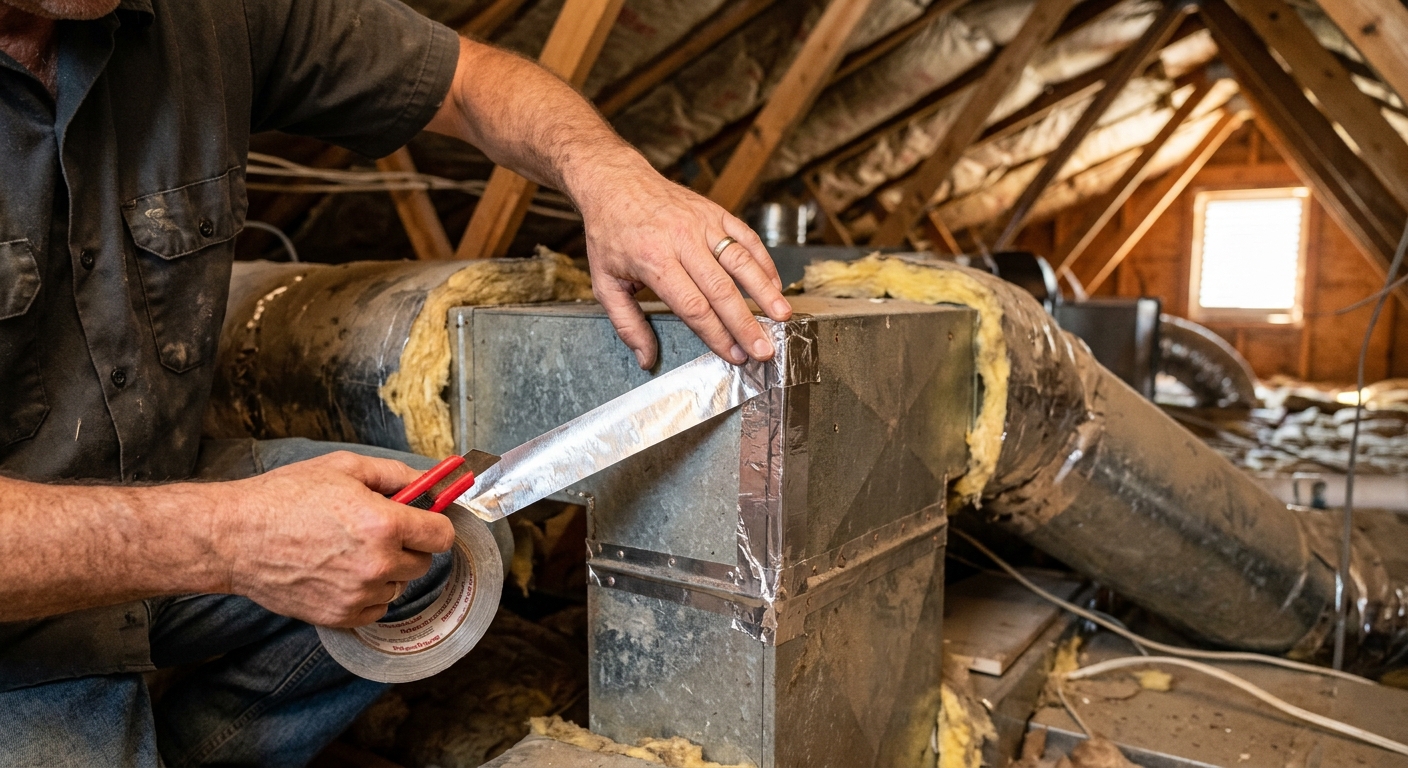
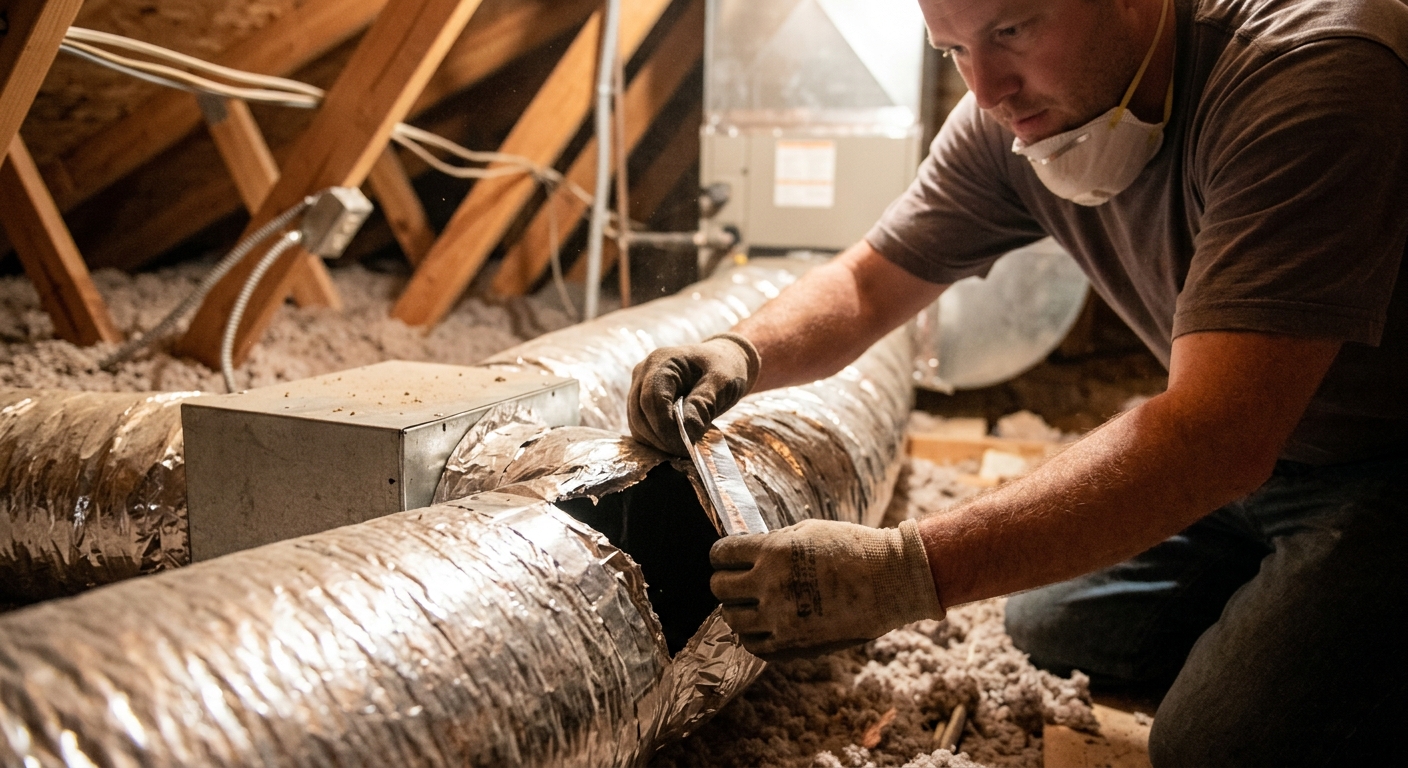
Leaky ducts are one of the most common and costly hidden problems in American homes, wasting up to 30% of your heated or cooled air before it ever reaches a room. This weekend guide walks you through finding, diagnosing, and sealing duct leaks yourself with tools you likely already own.
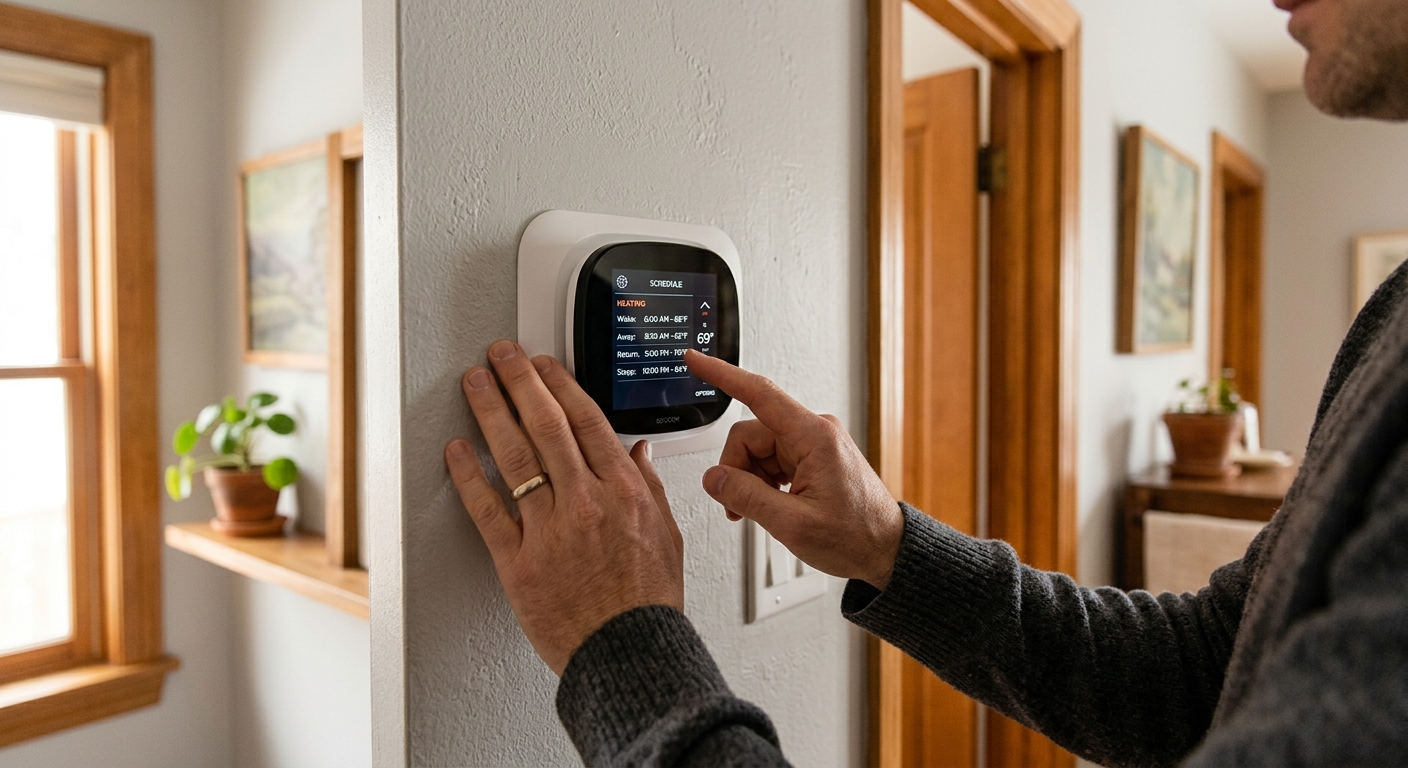
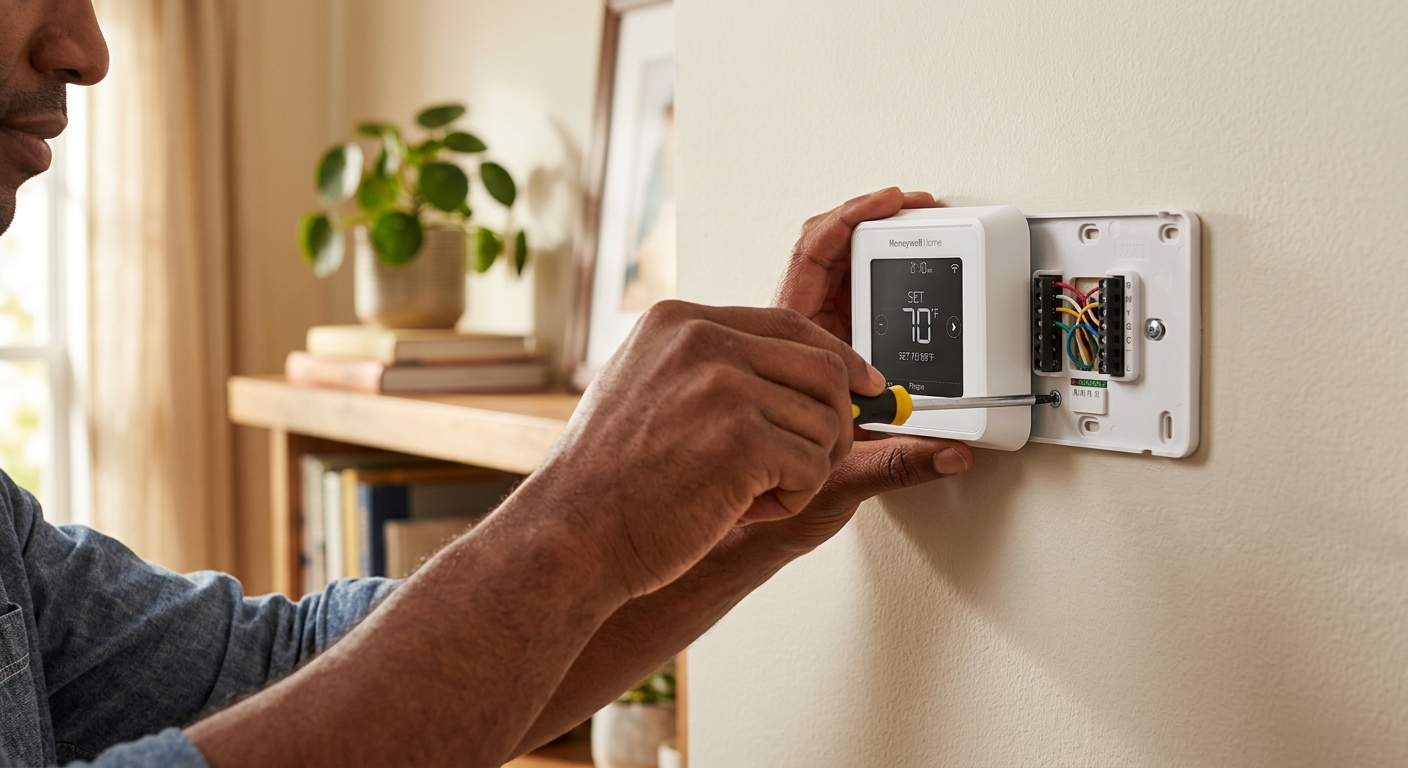
Most homeowners install a smart thermostat and never move past the default settings, leaving hundreds of dollars in savings on the table. Programming your thermostat with the right schedules and setbacks can cut heating and cooling costs by 10 to 23% annually.
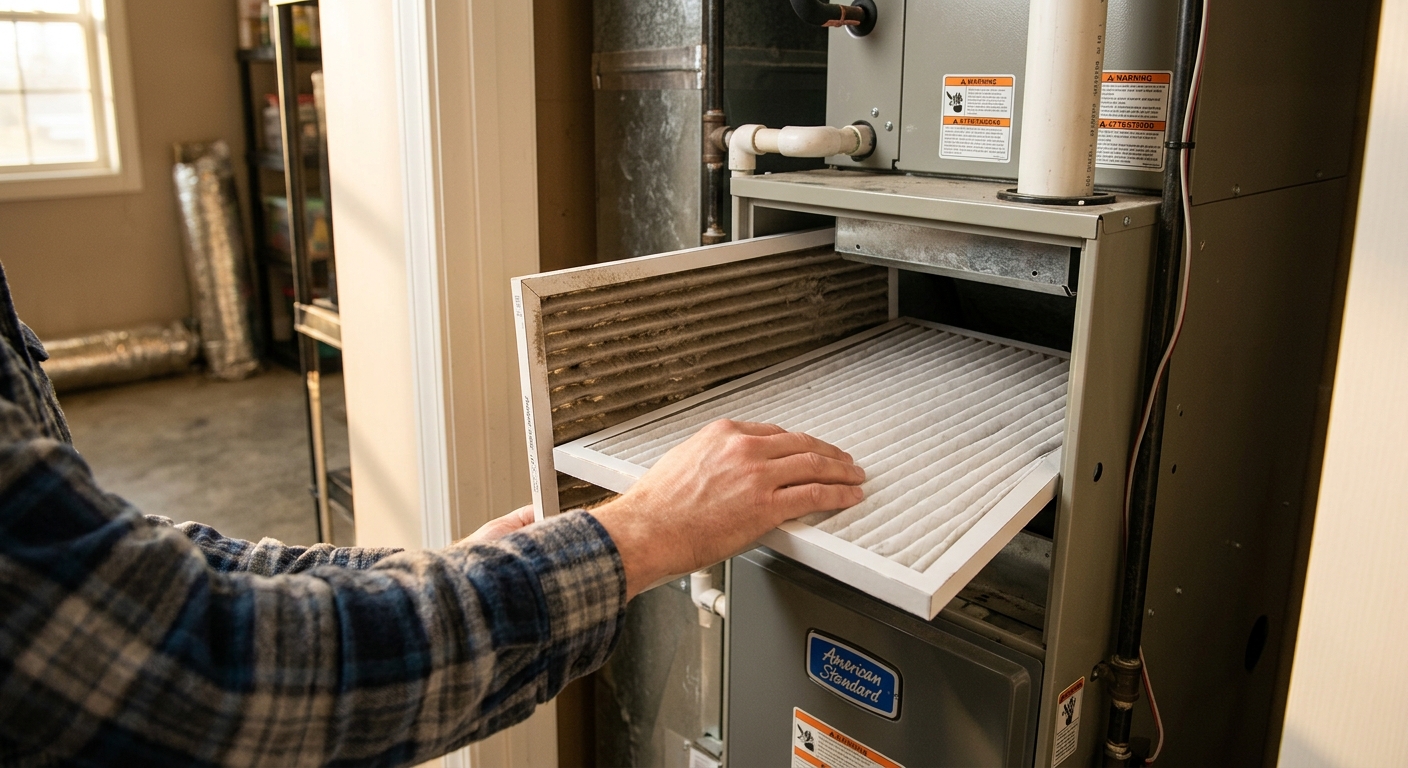
Most homeowners set their thermostat and forget it, but three common HVAC mistakes are quietly inflating energy bills by hundreds of dollars a year. Learn which settings to fix first and exactly how to adjust them for immediate, measurable savings.
Most homeowners overpay on heating and cooling simply because their thermostat isn’t working for their schedule. Choosing the right programmable thermostat for your specific system can cut annual energy bills by 10 to 15% with a payback period of under two years.
Your HVAC system may be running perfectly while your ducts silently waste 20 to 30 cents of every dollar you spend on heating and cooling. Identifying and fixing these five common duct problems can slash your energy bills and make every room in your home more comfortable.
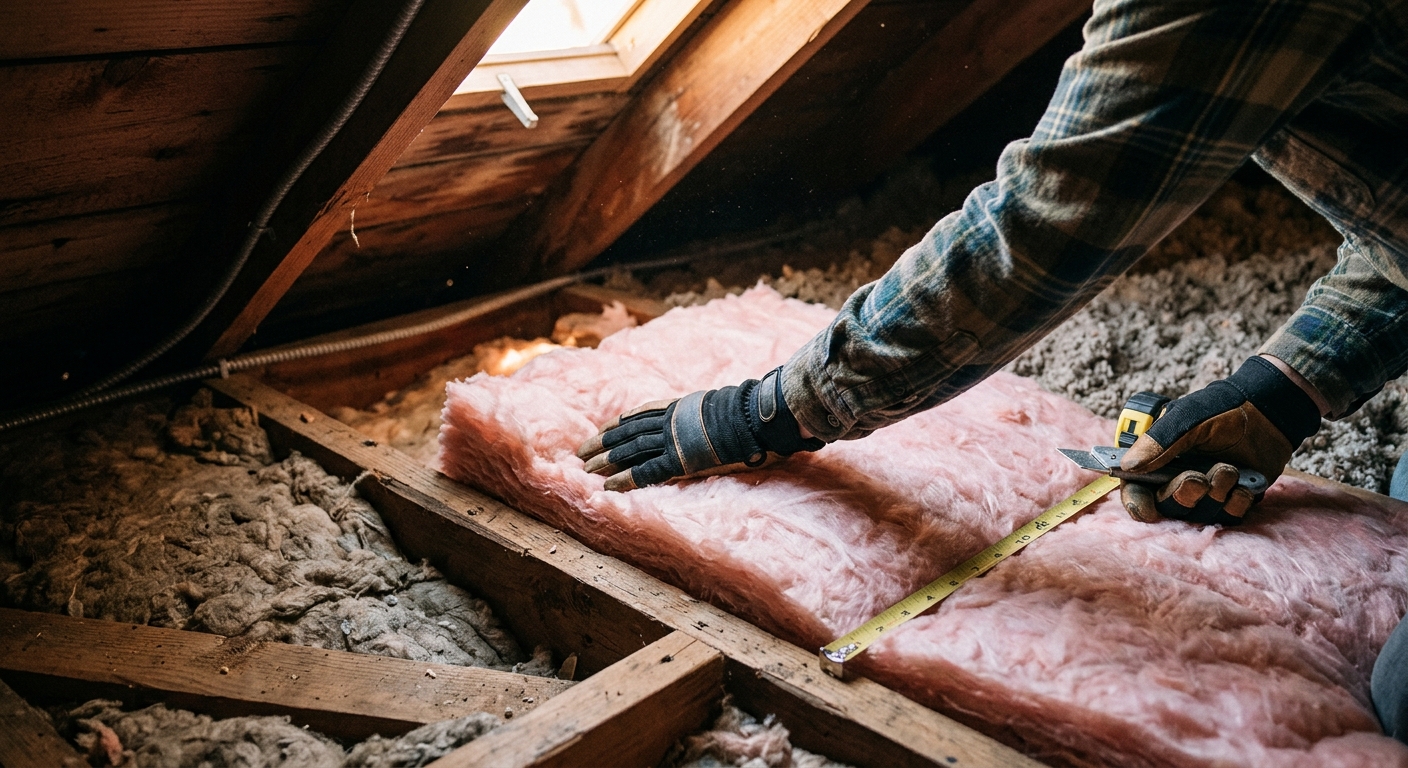
Attic insulation is one of the highest-impact upgrades a homeowner can make, yet millions of homes are running on levels that were considered adequate in the 1970s. Adding insulation to reach the recommended R-38 to R-60 can cut heating and cooling bills by 15 to 25% annually, with payback periods as short as 2 to 3 years.
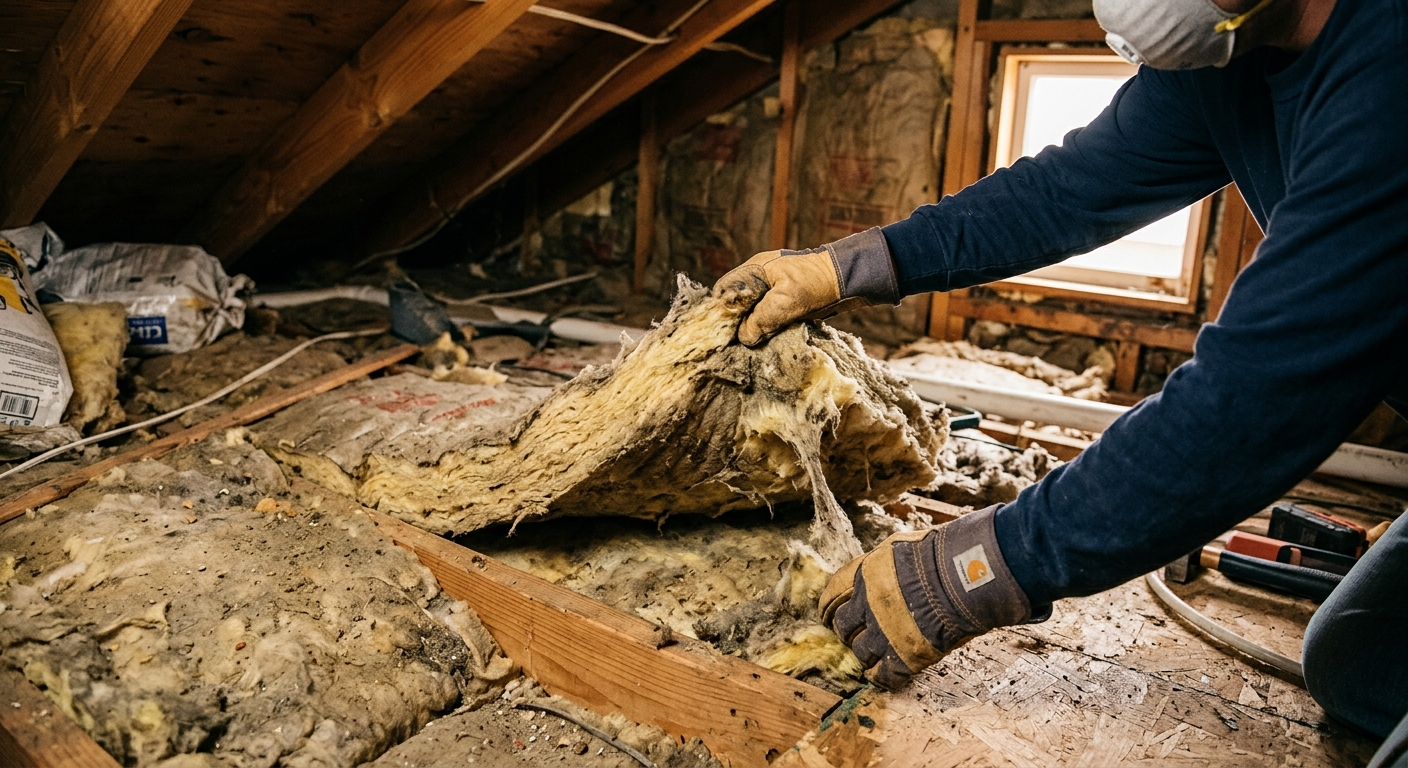
Insulation does not last forever, and aging, damaged, or undersized insulation is one of the most overlooked reasons homes are uncomfortable and expensive to heat and cool. This guide shows you how to assess what you have, recognize the warning signs, and decide whether to repair, supplement, or fully replace.
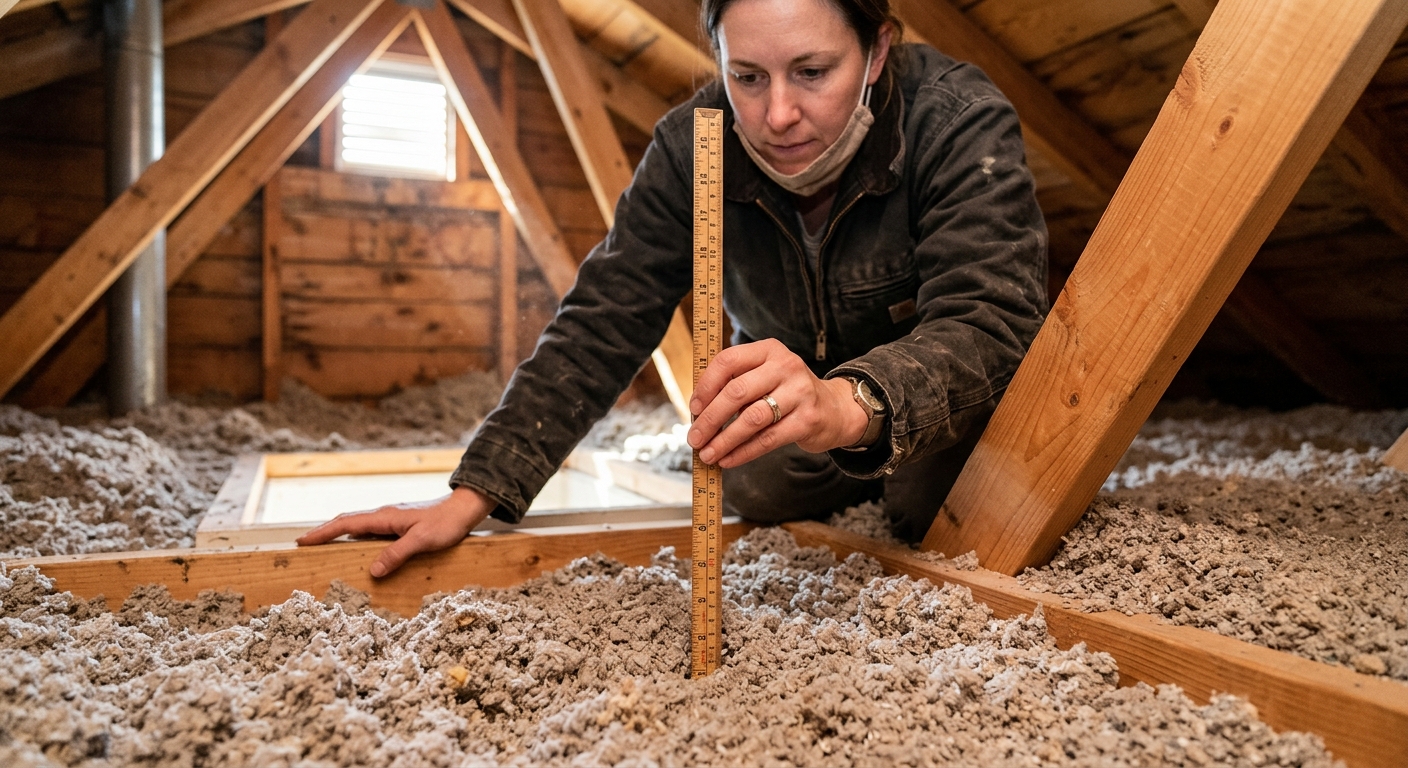
Most homes lose 25 to 30% of their heating and cooling energy through an under-insulated attic, yet most homeowners have never once looked up there to check. This guide shows you how to measure what you have, compare it to DOE recommendations for your climate, and decide whether adding more insulation makes financial sense.