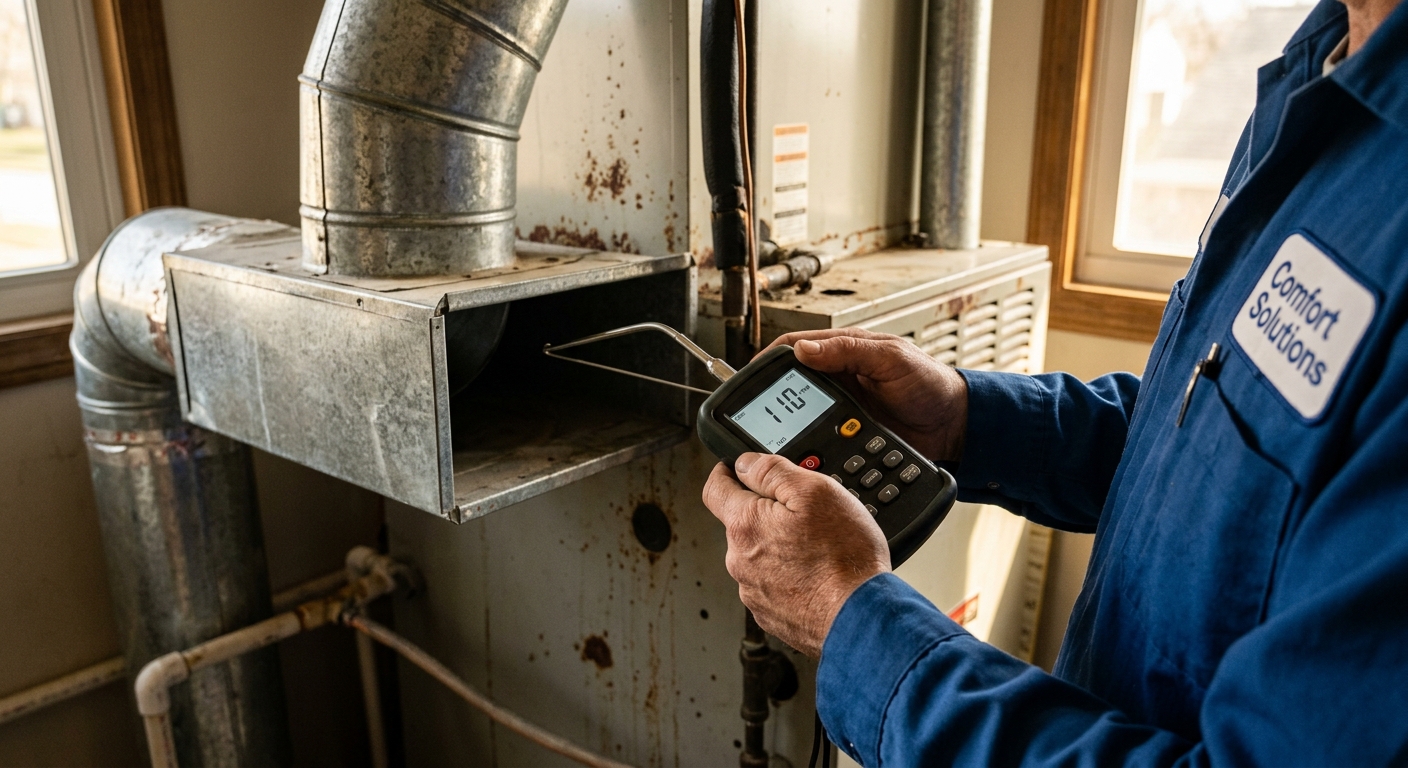
An undersized HVAC system runs constantly, struggles to hit your target temperature, and quietly drives up your energy bills every month. Learning to recognize the warning signs and confirm the problem with a few simple checks can save you thousands in wasted energy and premature equipment replacement.
In humid climates, the wrong insulation can trap moisture, grow mold, and cost you thousands in repairs. Choosing materials designed to handle heat and humidity protects your home and keeps cooling bills in check.
Your energy bills contain hidden clues that can reveal exactly where your home is losing heat or letting it in. Learn how to decode usage patterns, spot red flags, and determine whether poor insulation is quietly inflating your monthly costs.
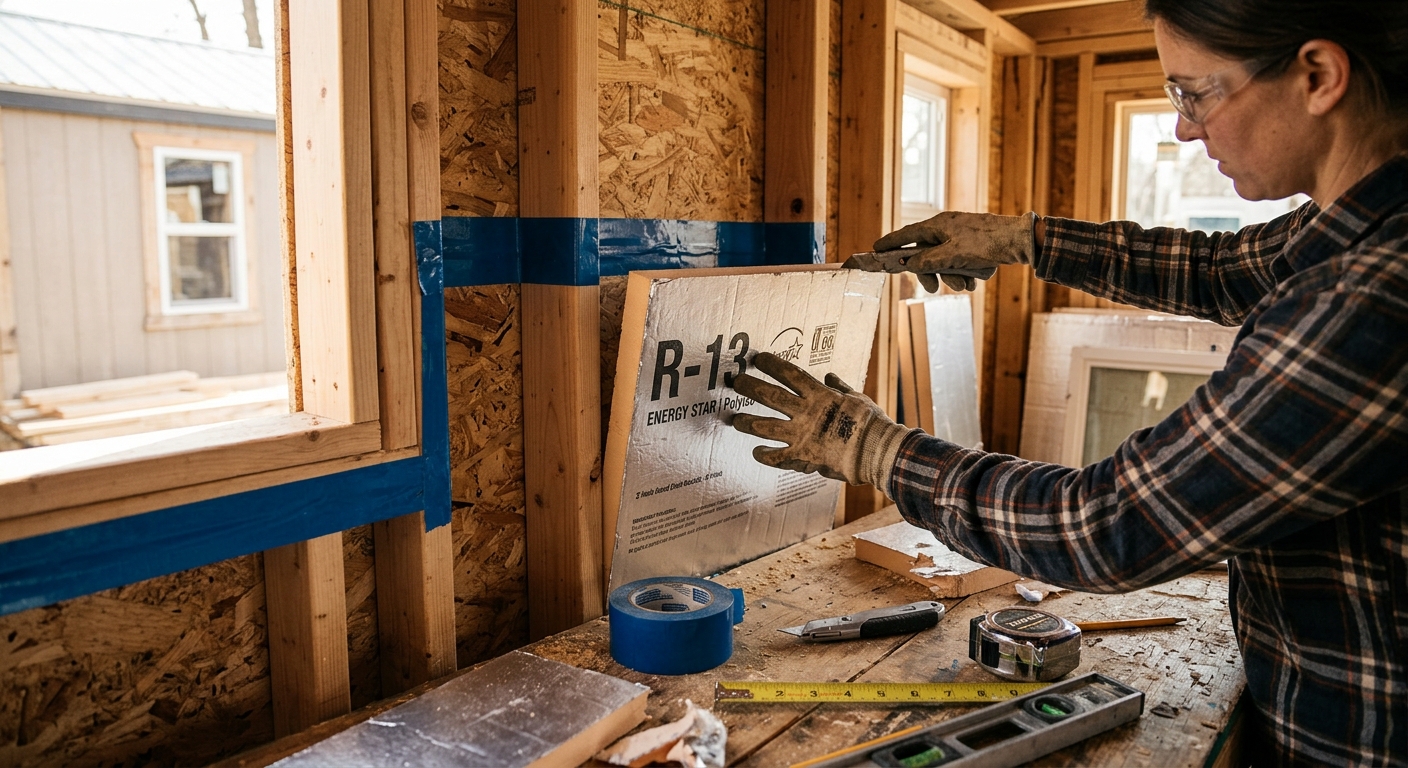
Tiny homes and ADUs lose heat and cooling faster than standard houses because of their high surface-area-to-volume ratio, making insulation choices critical. Get the right R-values and air sealing strategy, and you can cut energy bills by 30 to 50% while staying comfortable through every season.
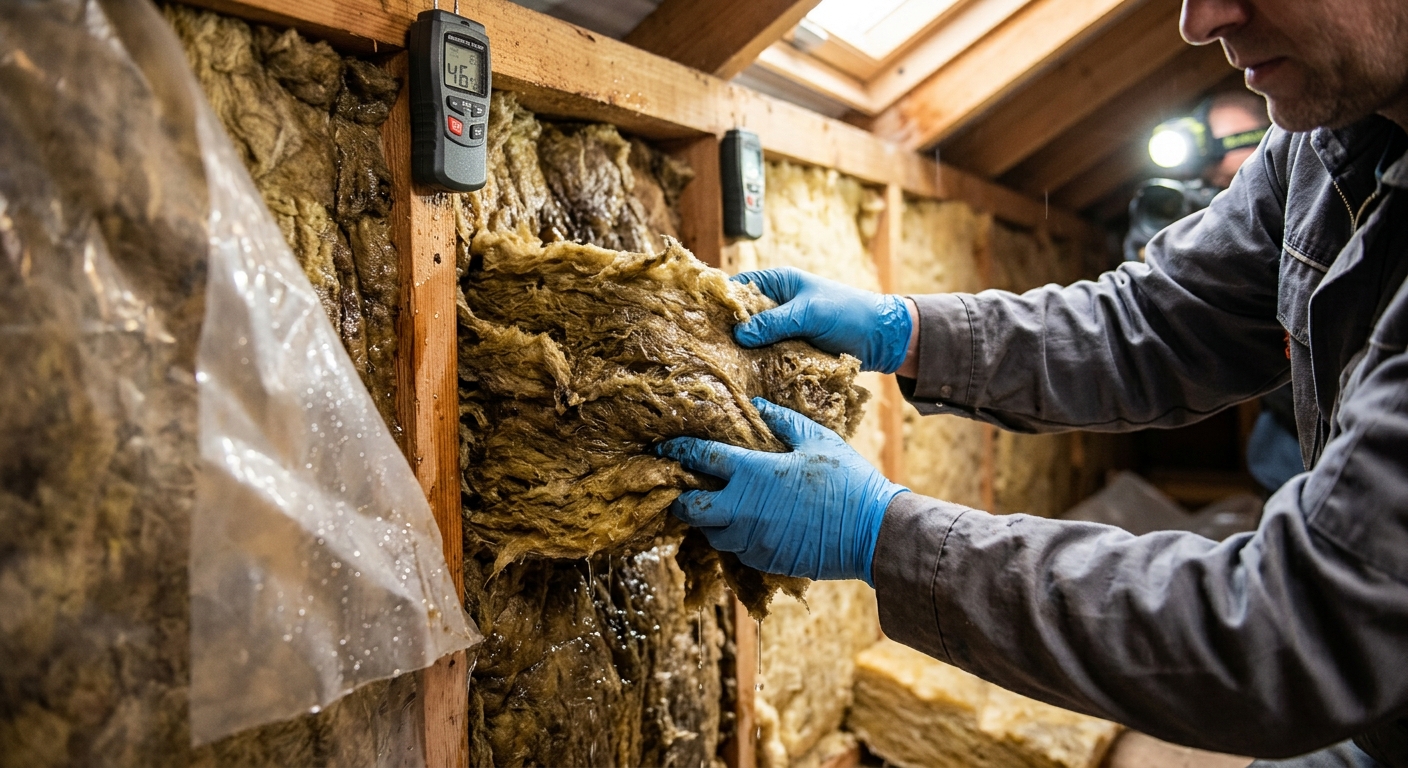
Wet insulation can lose up to 40% of its thermal performance almost immediately, and most homeowners never know until mold, rot, or sky-high energy bills show up. Learn how to spot moisture damage early, what each insulation type does when wet, and how to fix it before a small leak becomes a major renovation.
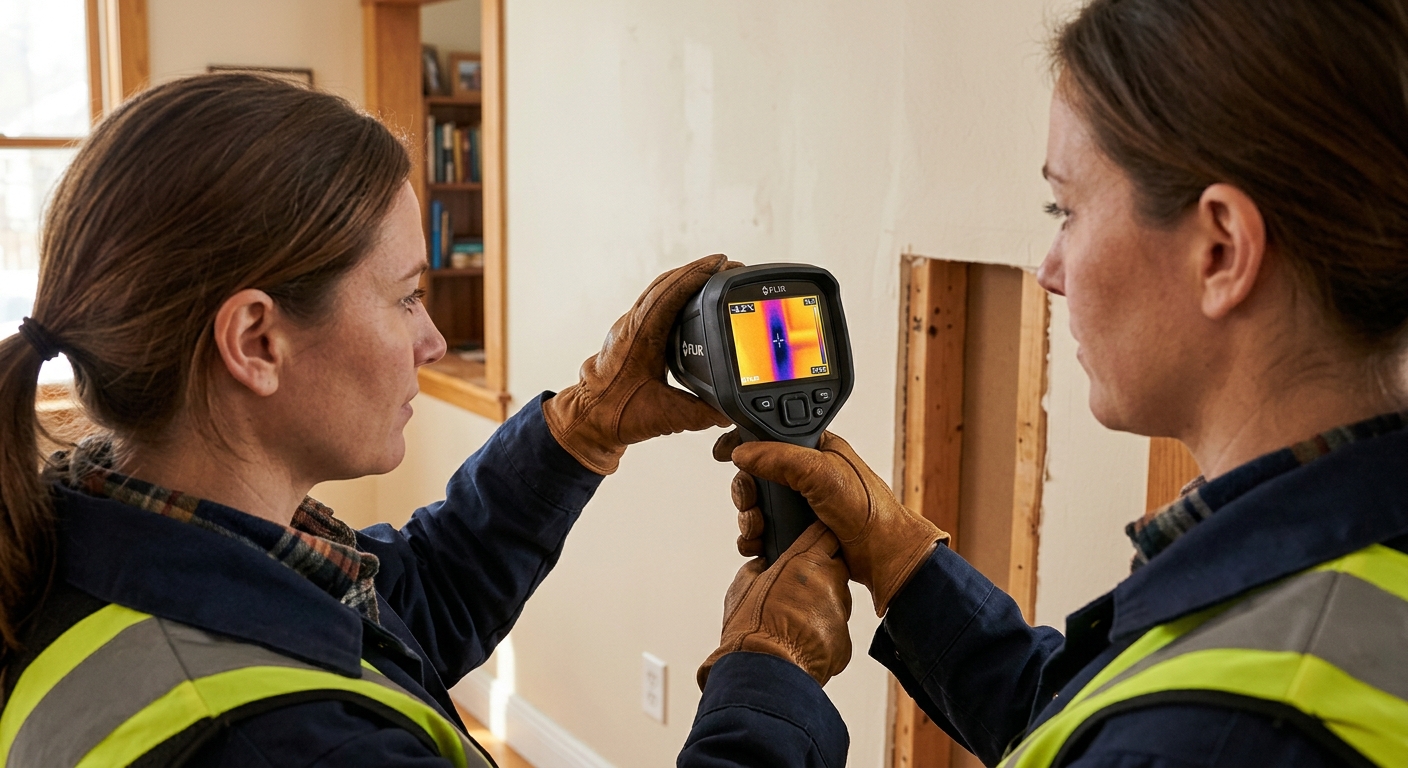
Thermal bridging silently drains energy through your walls, floor joists, and window frames even when insulation looks perfect. Understanding where it happens and how to stop it can cut heating and cooling losses by 20 to 30 percent in affected areas.
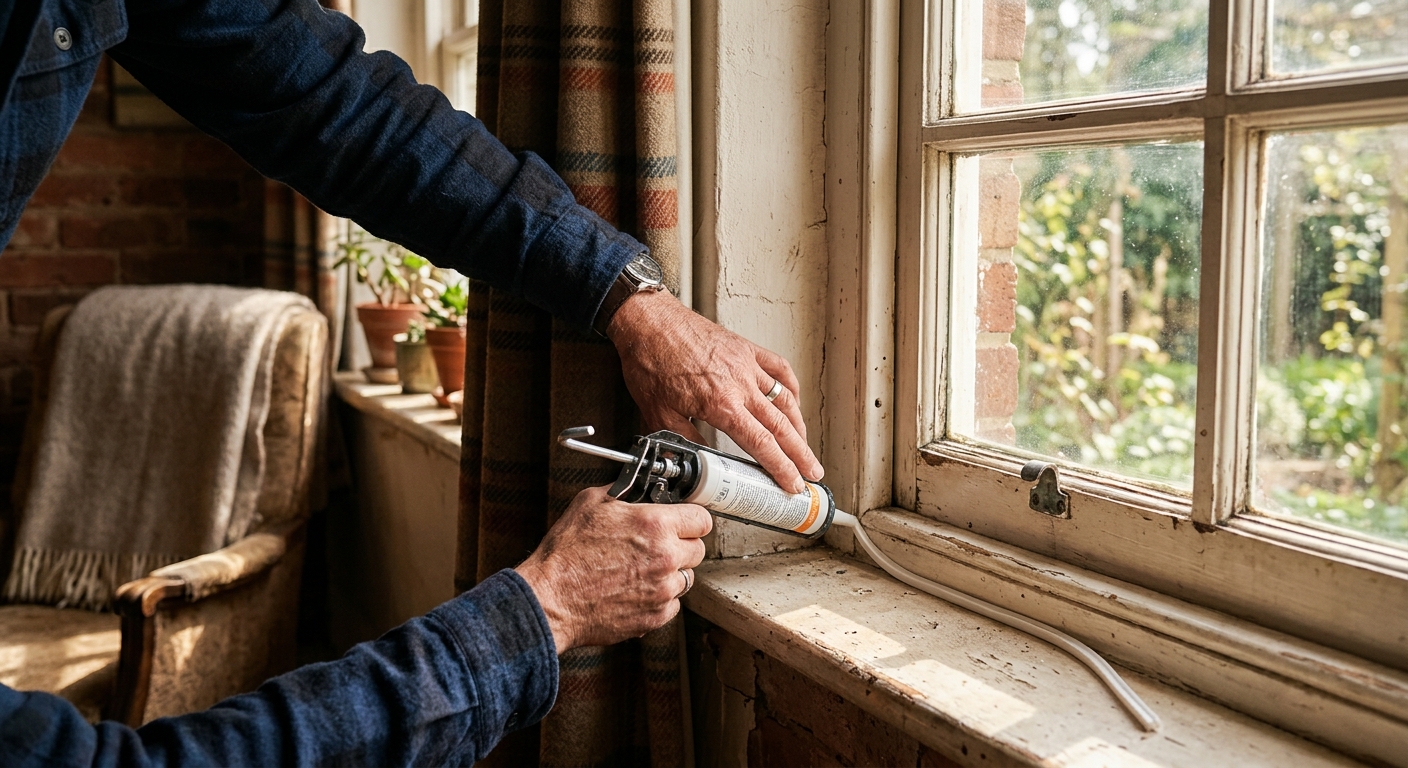
Older homes are full of charm but often plagued by drafts, hot and cold spots, and energy bills that make new-build owners look smug. With targeted air sealing, insulation upgrades, and a few smart system tweaks, you can close the comfort gap without a full renovation.
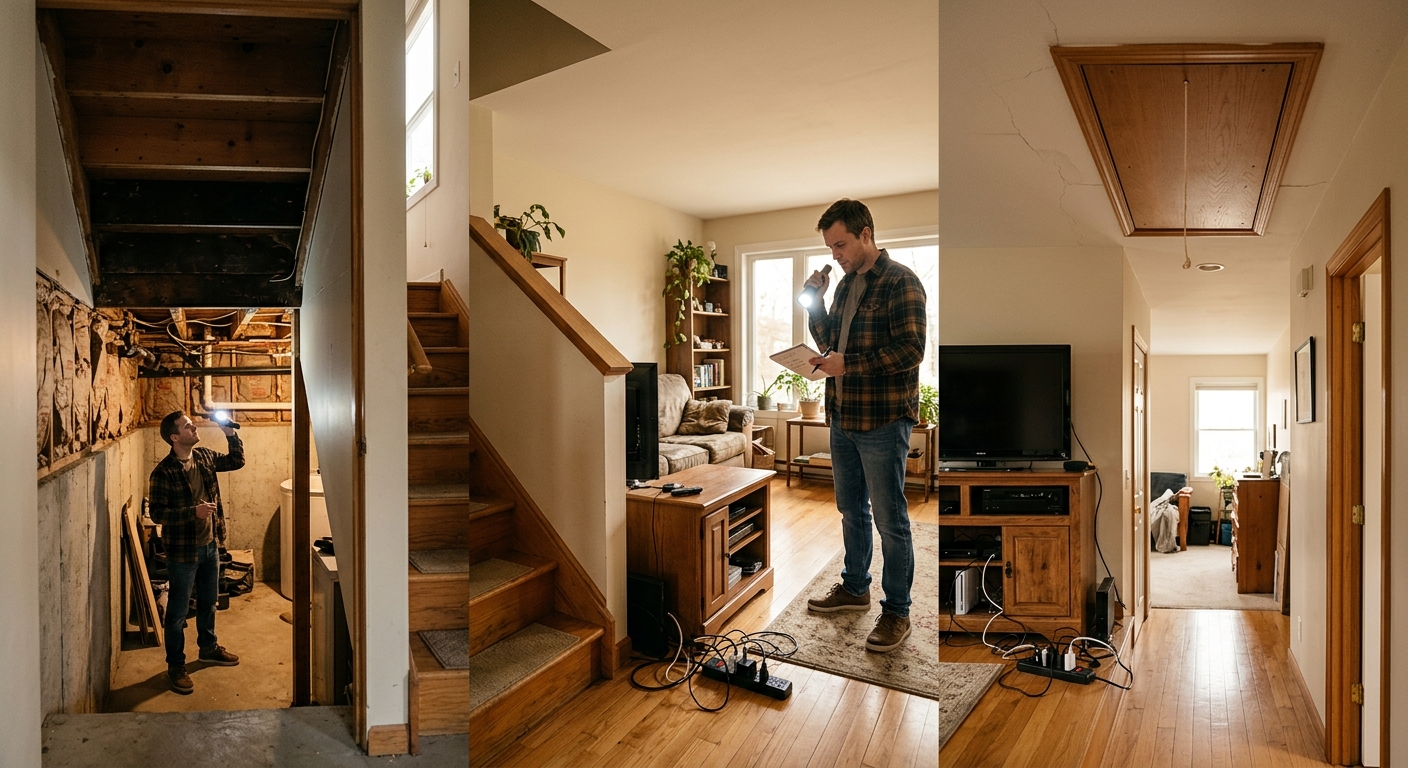
Most homeowners pay 20 to 30% more on energy bills than they should, but the culprits are hiding in plain sight across every room. This guide walks you through a systematic home audit you can do yourself in an afternoon, with specific fixes ranked by payback speed.
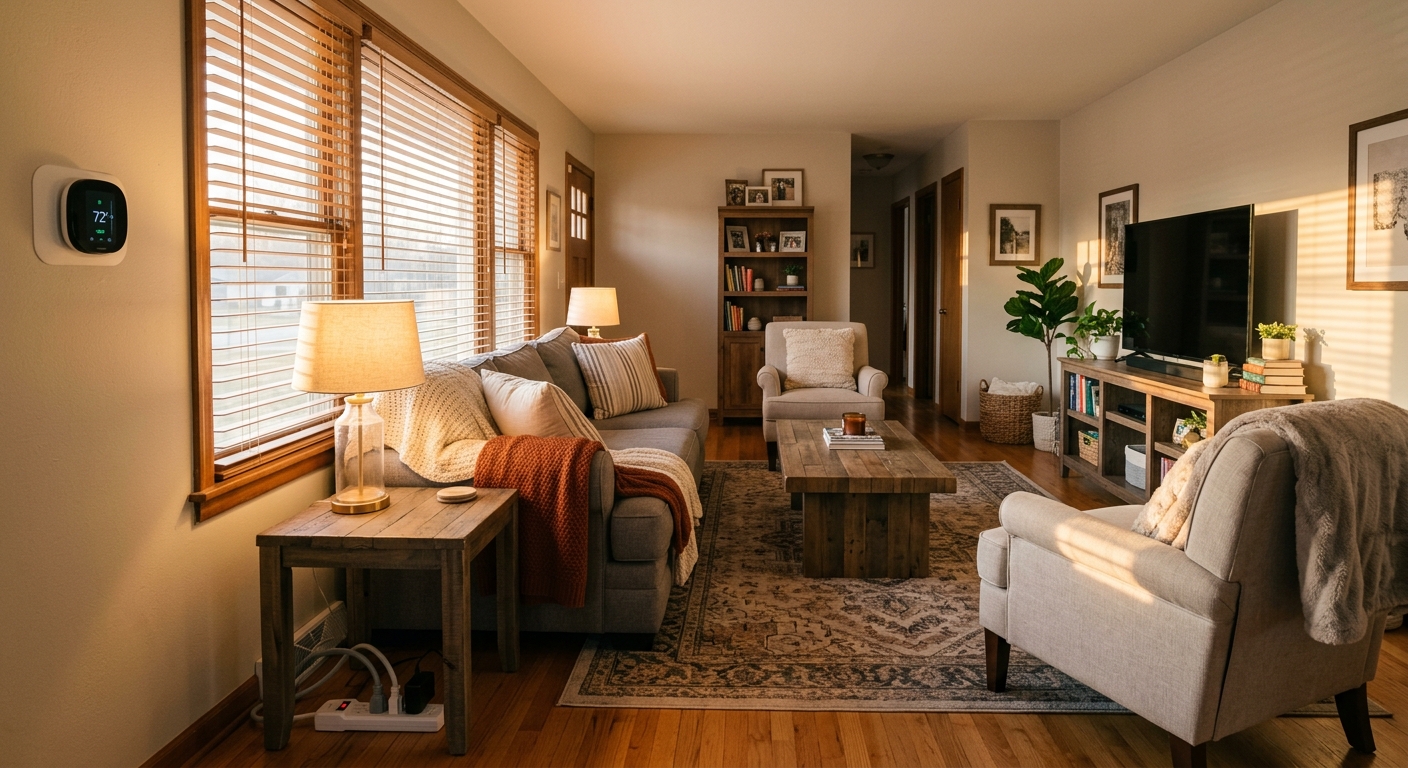
Most homeowners assume lowering their electric bill means buying new appliances, but the biggest savings are hiding in how and when you use the ones you already own. With a few behavior changes and low-cost upgrades, you can realistically cut 20 to 35% off your monthly electric bill without spending a dime on new equipment.
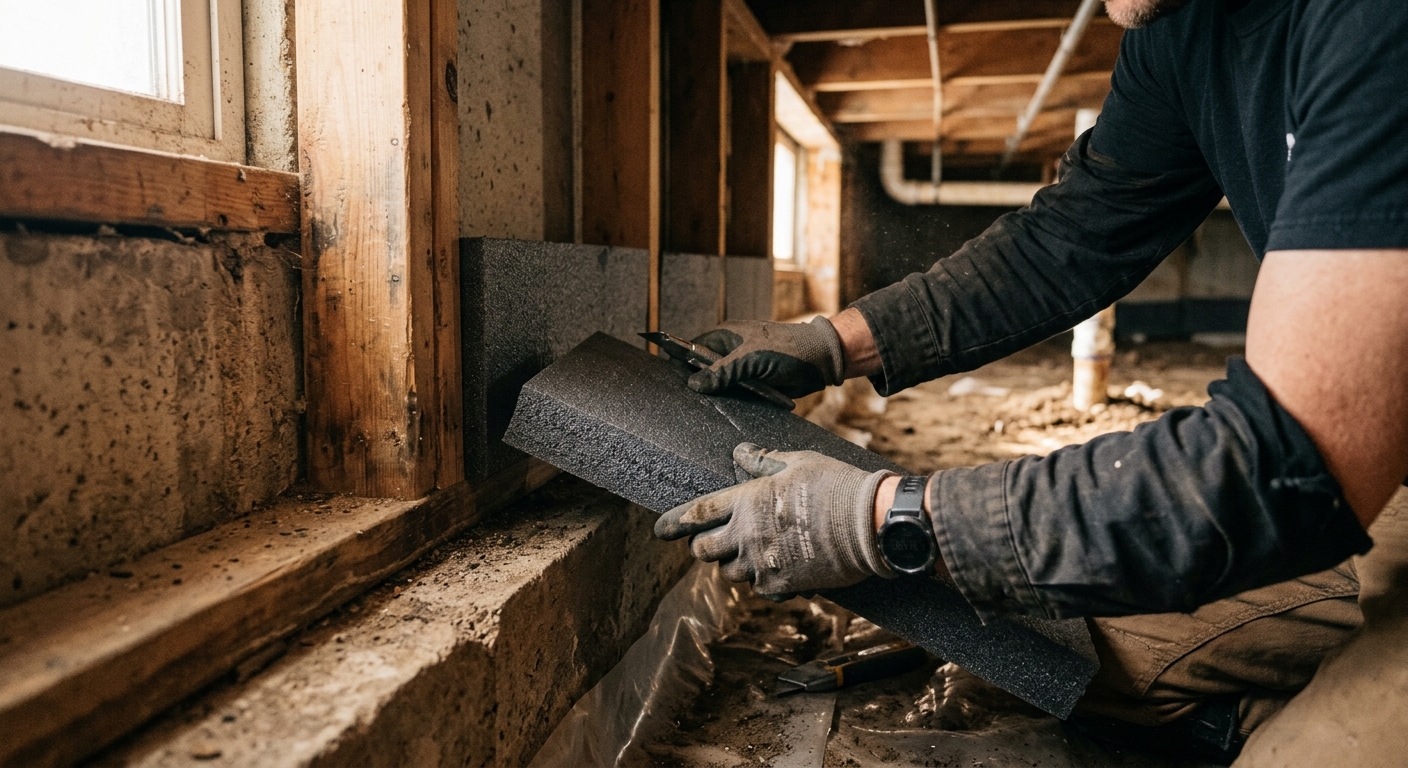
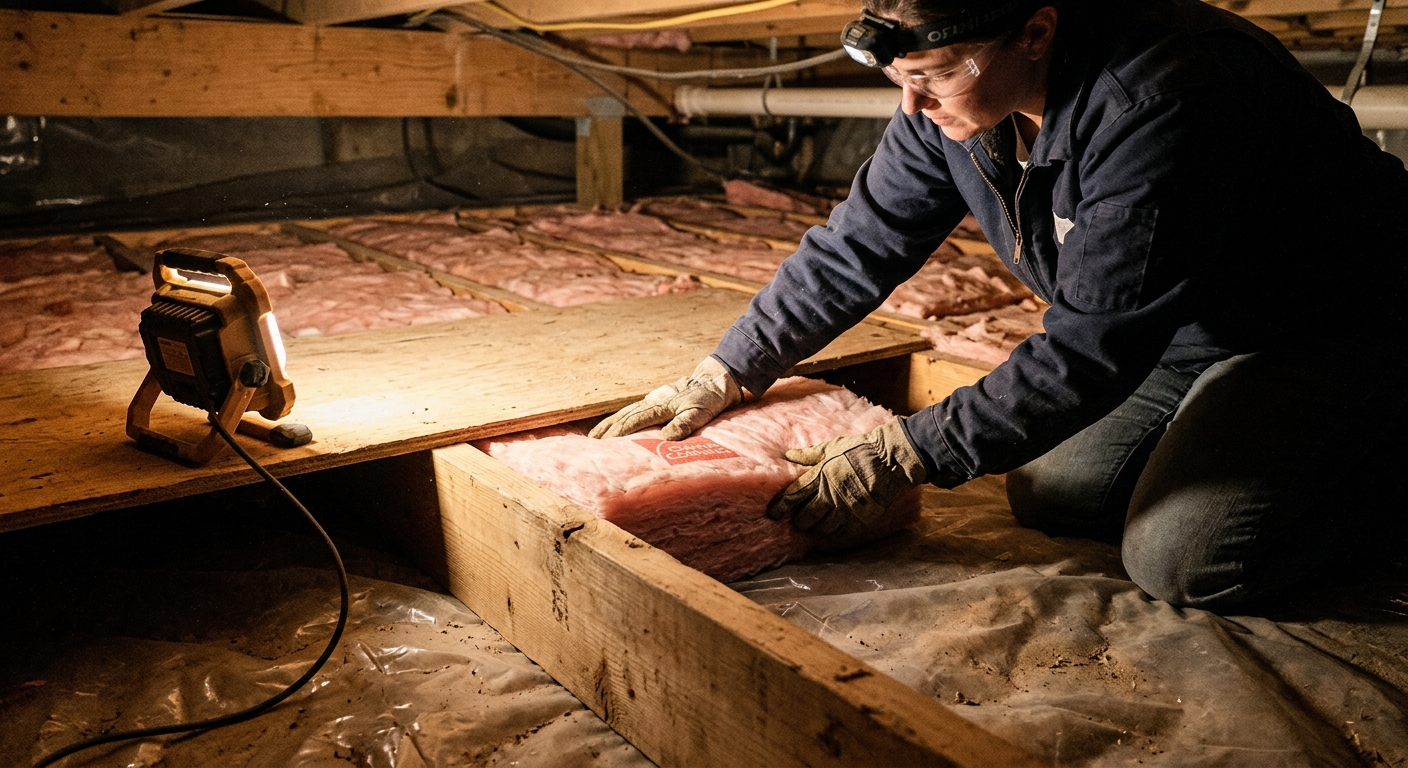
Uninsulated or poorly insulated crawl spaces are one of the top causes of cold floors, high heating bills, and uncomfortable living spaces in winter. Adding the right insulation to your crawl space can cut heating costs by 15 to 25% and make your floors noticeably warmer within days.