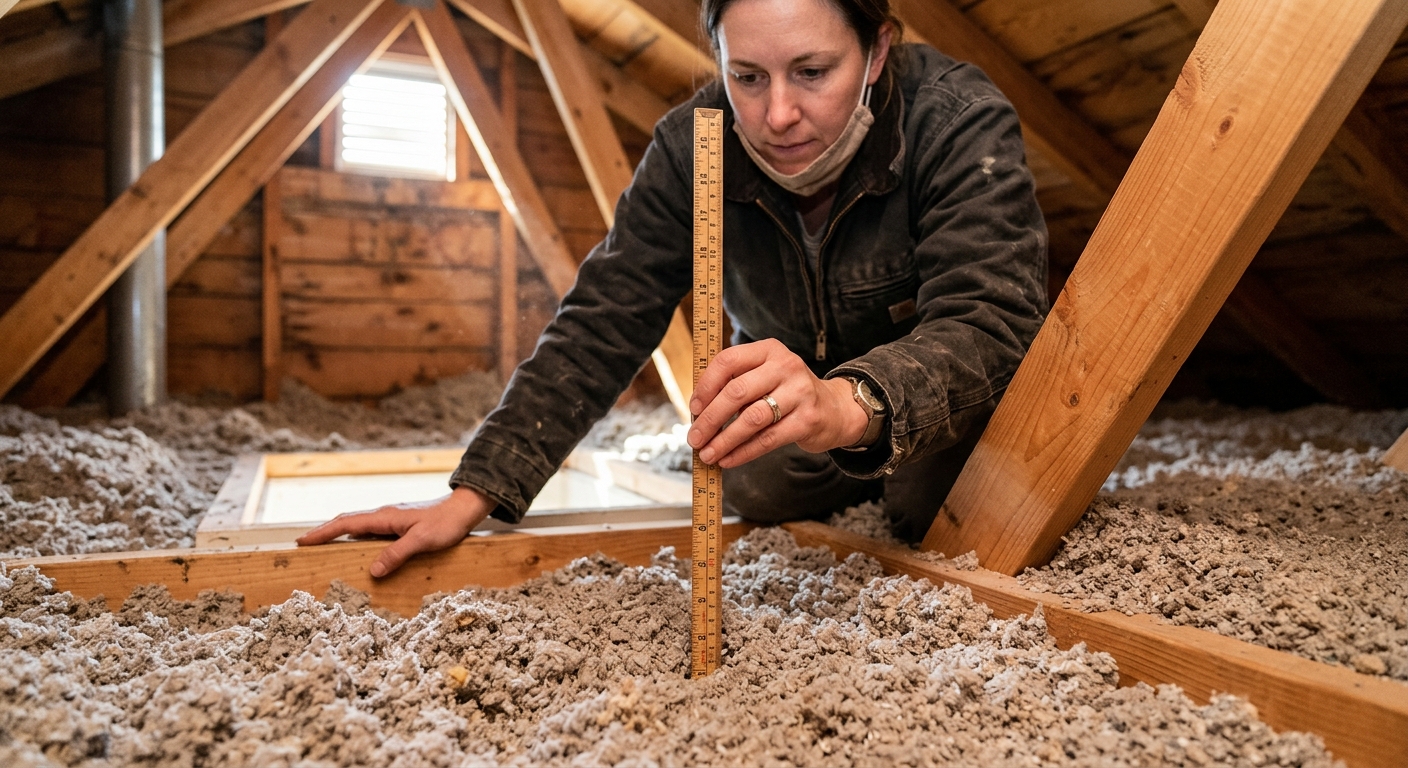
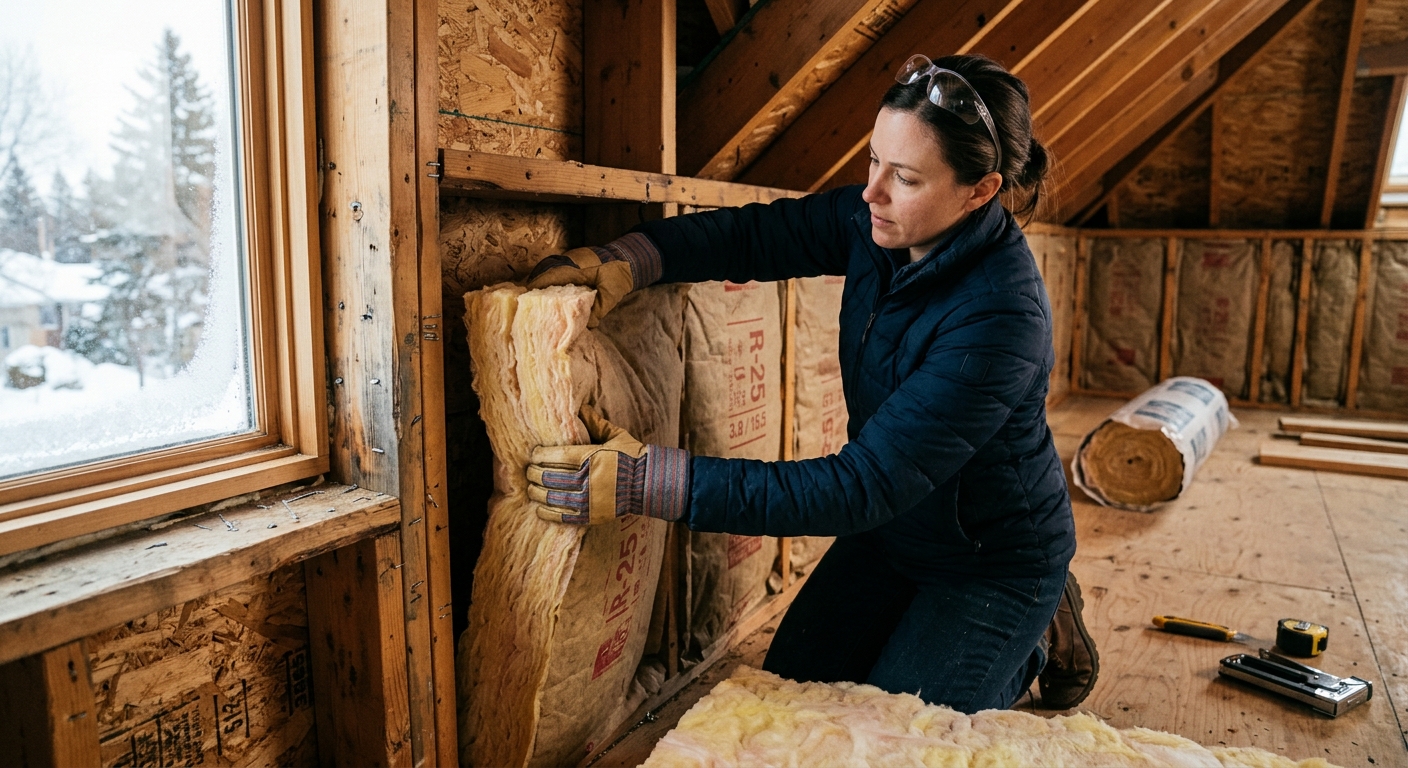
Most homes lose 25 to 30% of their heating and cooling energy through an under-insulated attic, yet most homeowners have never once looked up there to check. This guide shows you how to measure what you have, compare it to DOE recommendations for your climate, and decide whether adding more insulation makes financial sense.
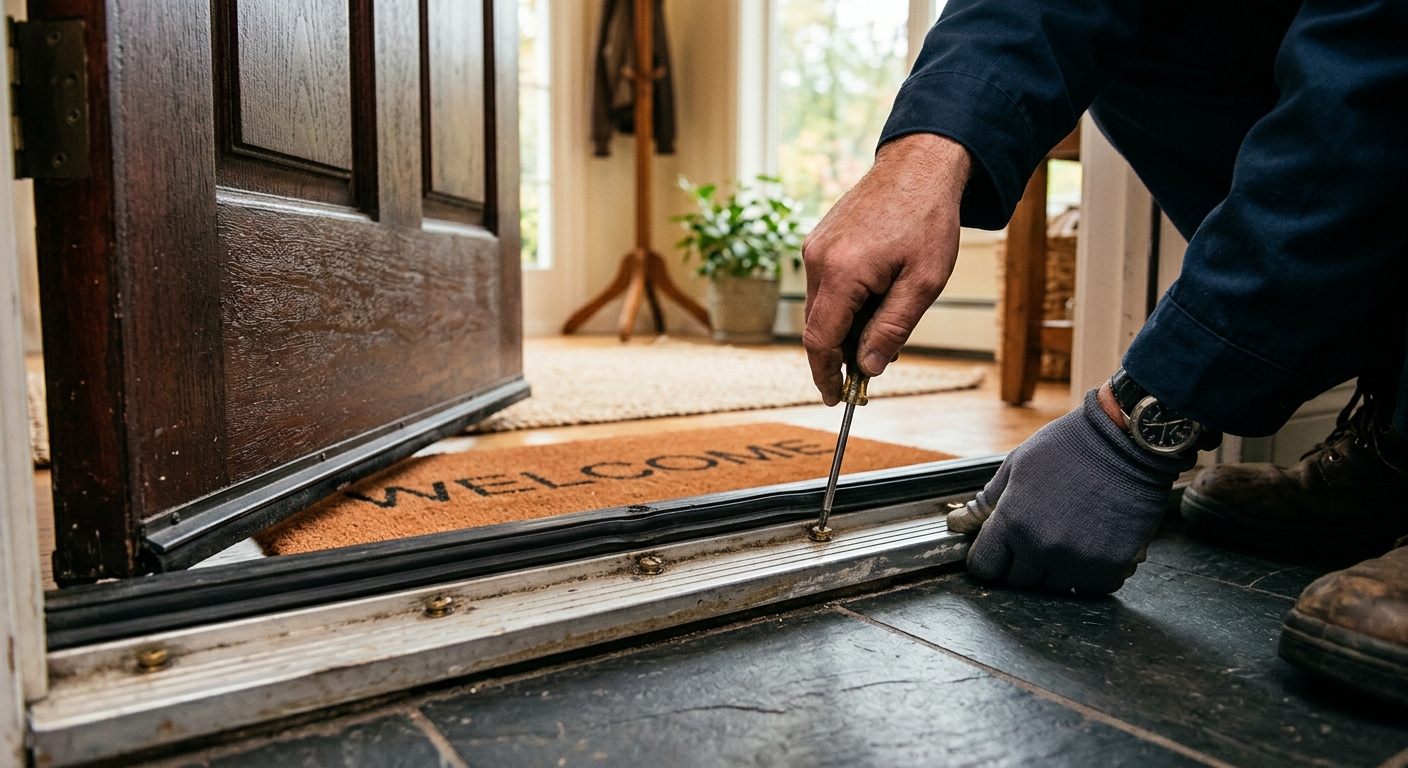
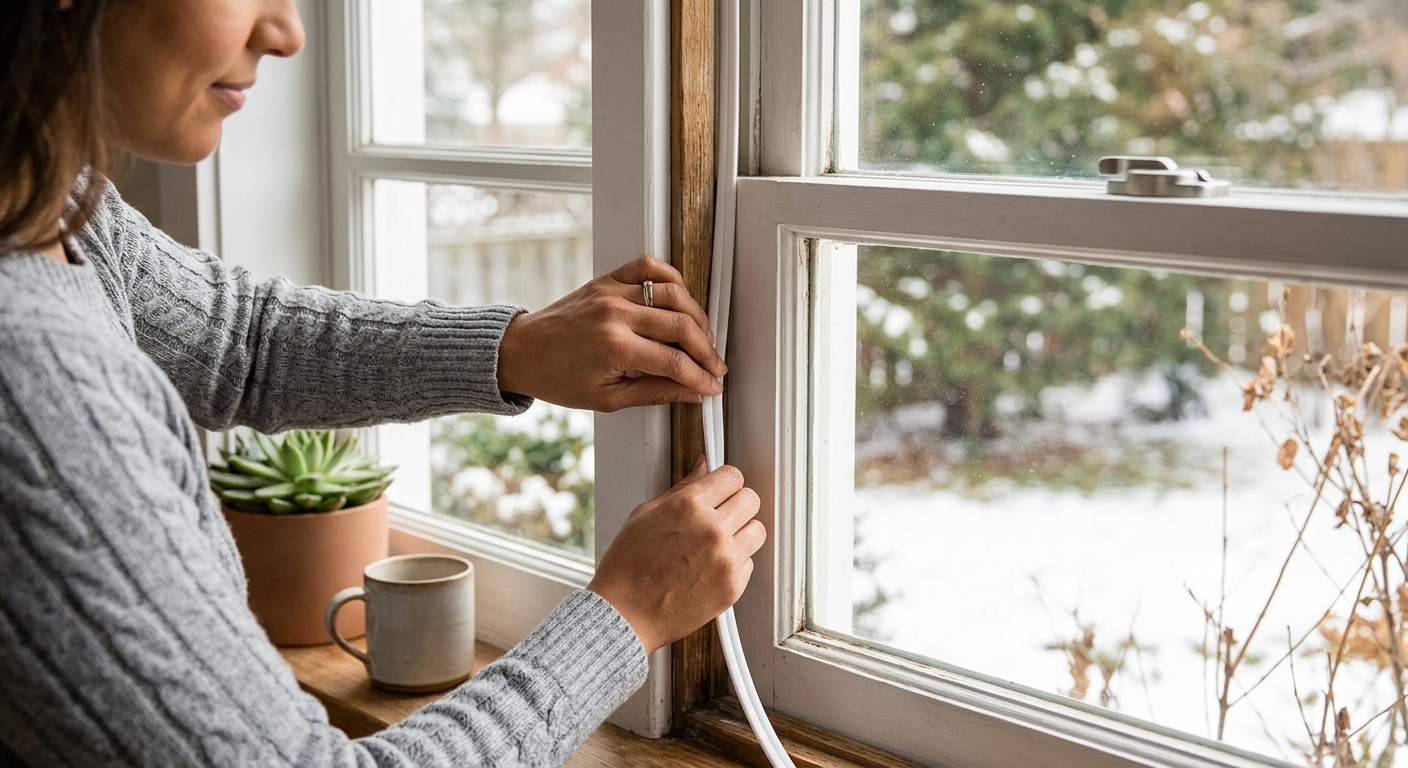
A drafty exterior door is one of the most common and costly air leaks in any home, quietly inflating your heating and cooling bills year-round. In as little as 15 minutes and with no special tools, you can seal the gaps and feel the difference the same day.
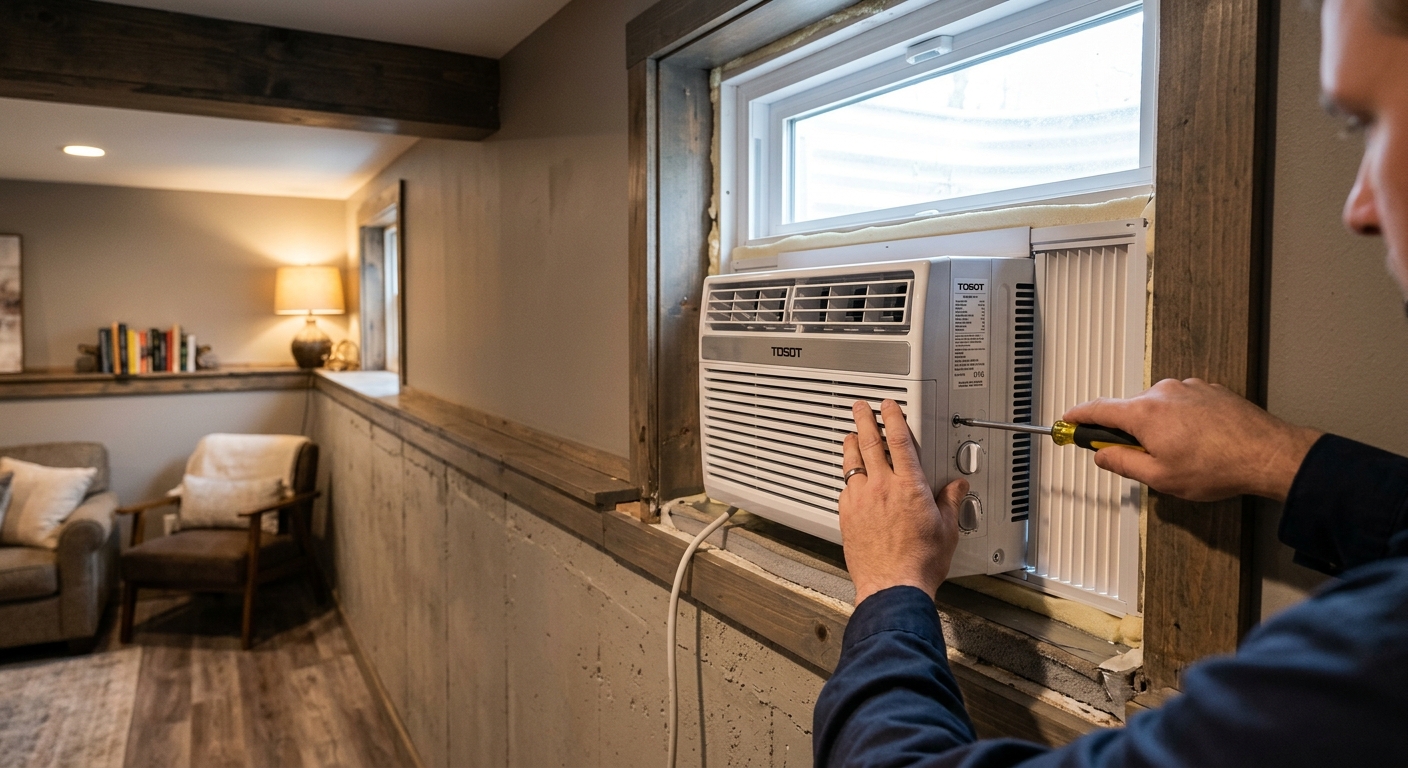
Finished basements are notoriously tricky to cool because most central HVAC systems were never designed to reach them efficiently. The good news is that you can achieve genuine comfort with targeted, ductwork-free solutions that cost a fraction of a full HVAC extension.
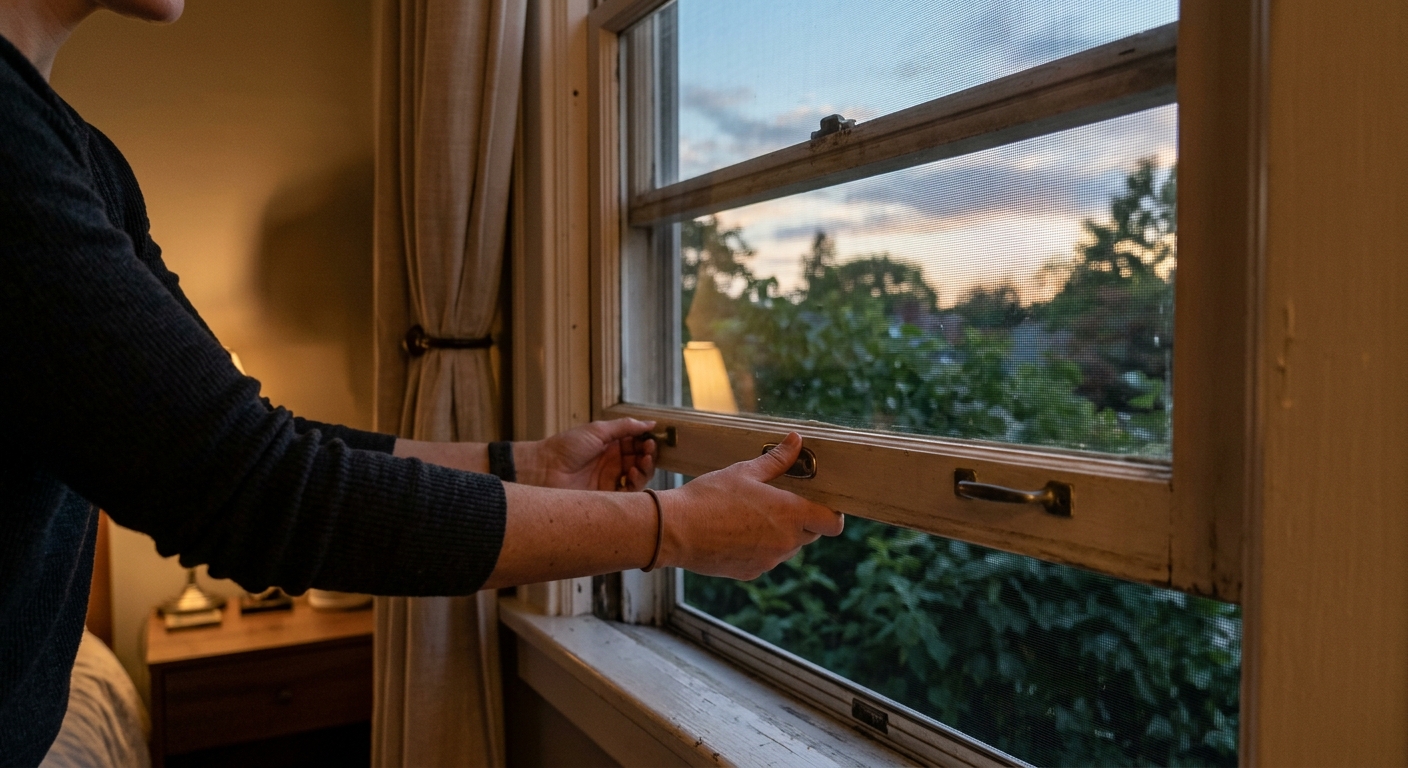
Running your AC all night drives up energy bills, but most homes can shed heat naturally once the sun goes down. A smart window-opening strategy combined with simple airflow techniques can drop indoor temps by 10 to 15 degrees overnight without touching your thermostat.
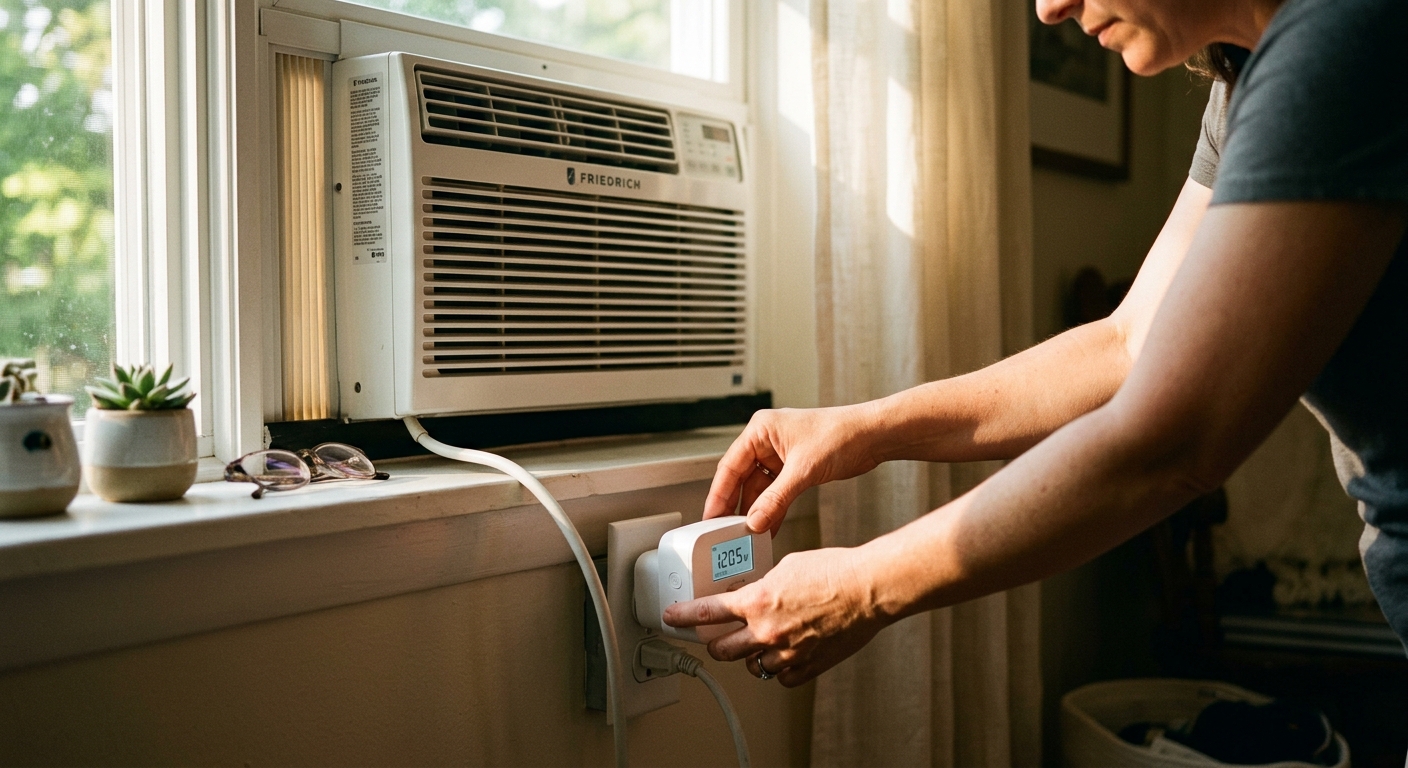
Most homeowners guess wildly when it comes to window AC operating costs, often underestimating by hundreds of dollars. This post breaks down the real math, explains what drives your bill, and shows you exactly how to cut summer cooling costs by 30% or more.
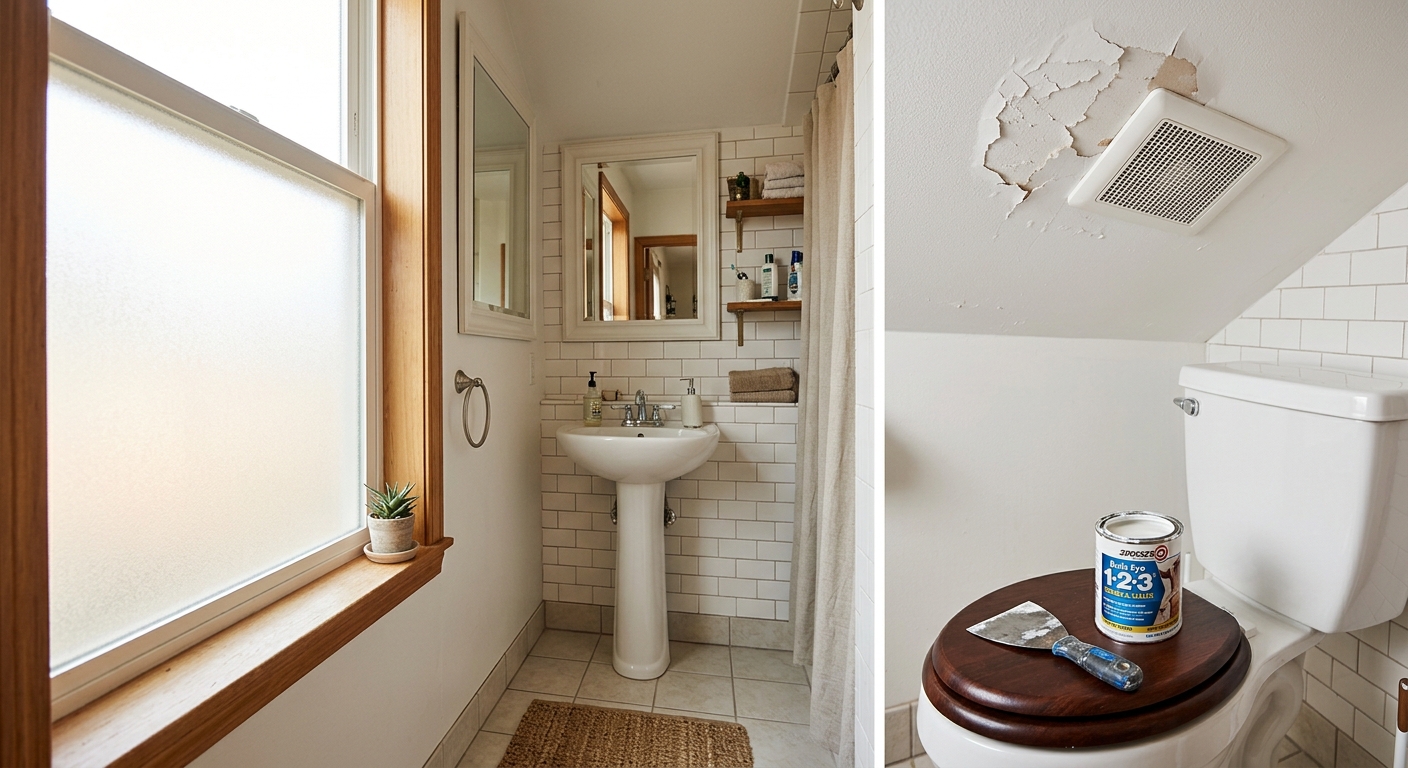
Peeling bathroom paint is rarely just a cosmetic issue – it signals excess moisture that can lead to mold, rot, and costly structural repairs. Catching it early and fixing the root cause can save homeowners hundreds to thousands of dollars in remediation costs.
Your electronics are quietly draining electricity 24 hours a day, even when you think they’re off. A few simple changes to how your devices are plugged in can cut $100 or more from your annual electric bill with almost zero ongoing effort.
Most homeowners treat winter energy savings as a single problem, but heat loss happens in layers, room by room, and the fixes are different for each space. This guide walks you through every major area of your home with specific, numbered actions that can cut your heating bill by 20 to 40% this season.
When temperatures plunge below zero, standard insulation often falls short, leaving you with sky-high heating bills and cold spots that no thermostat adjustment can fix. This guide breaks down the top insulation types for extreme cold climates, compares their real-world R-values and costs, and shows you exactly how to upgrade your home for maximum warmth and savings.
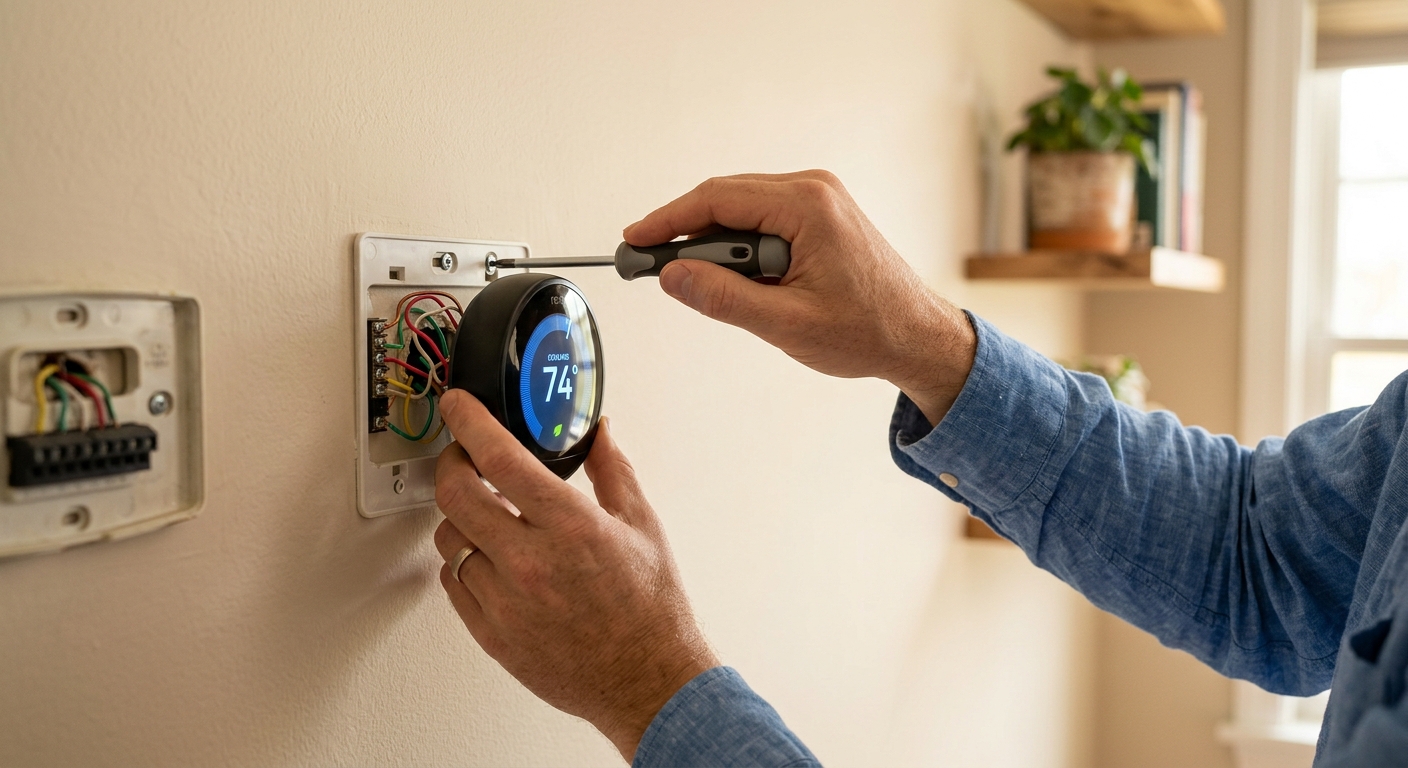
Most homeowners set their thermostat once and forget it, cooling an empty house all day and wasting hundreds of dollars. A smart thermostat fixes that automatically, and the math on payback is surprisingly fast.