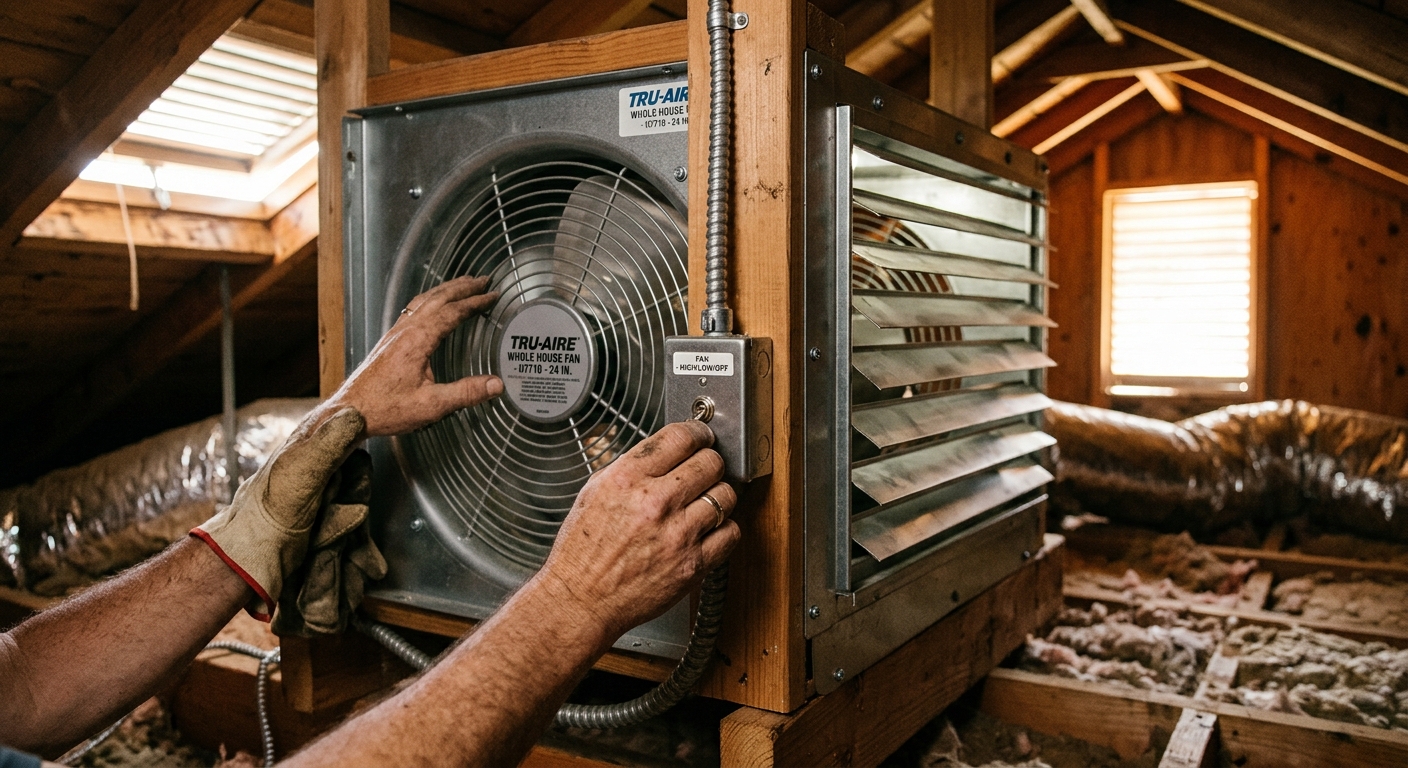
Running central air conditioning around the clock is one of the biggest drains on a home energy budget, but in many climates it is simply unnecessary for a large portion of the year. A properly sized whole-house fan can flush hot air out of your home in minutes and keep you comfortable on mild evenings without ever touching the thermostat.
Most homeowners only think about energy efficiency when their bill spikes, which is already too late to prevent the damage. A simple 10-minute monthly walkthrough catches small problems before they compound into expensive ones, keeping your bills steady and predictable year-round.
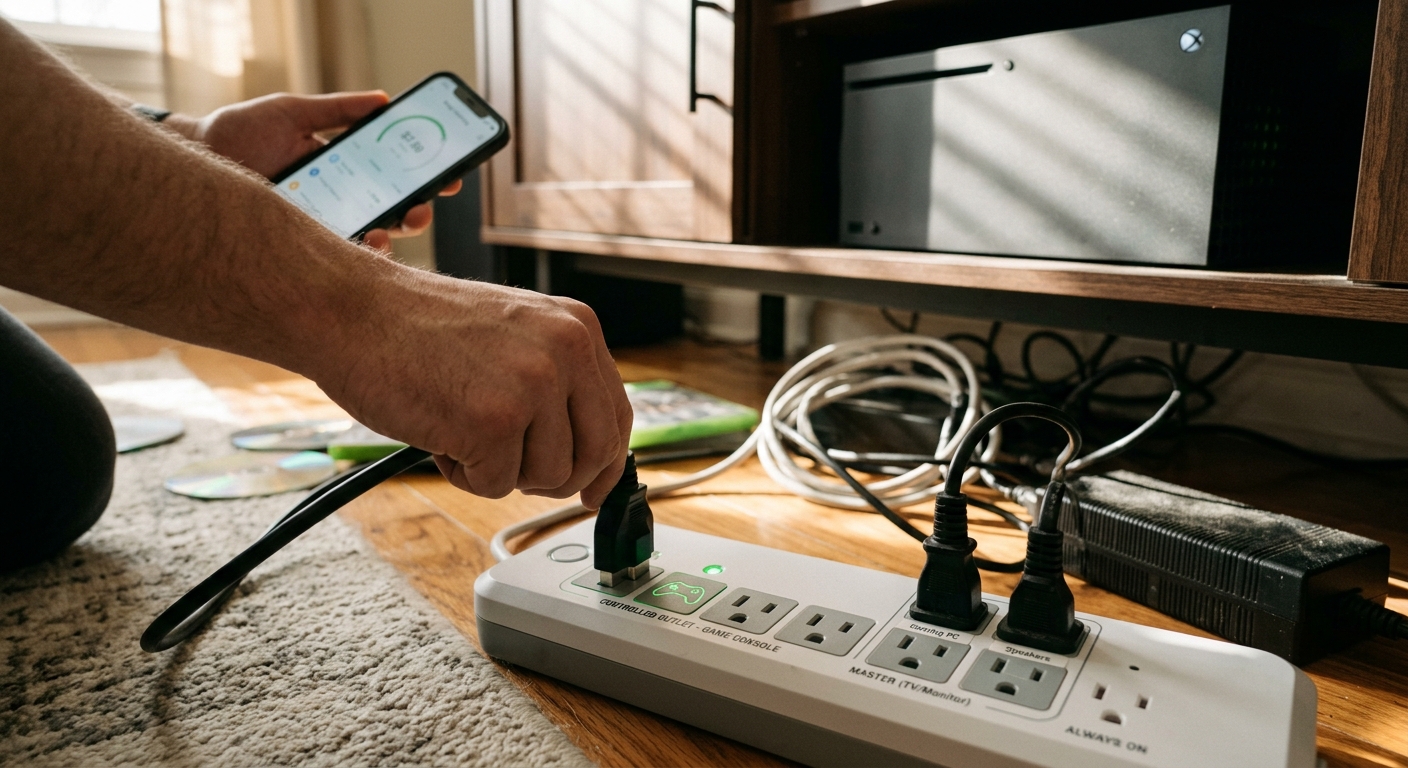
Gaming consoles and their companion devices silently drain power around the clock, even when you think they are off. A smart power strip setup can eliminate that phantom load and cut your gaming station energy costs by up to 60%, often paying for itself in under six months.
South-facing windows can slash your heating bills in winter or send your cooling costs through the roof in summer, depending on how well you manage them. Learn the simple strategies that turn passive solar gain into free heat without the summer penalty.
Winter energy rates can spike 20 to 40% in peak-demand months, catching unprepared homeowners with brutal heating bills. A few hours of prep work in September or October can lock in hundreds of dollars in savings before the cold season arrives.
Most homeowners have no idea how much energy they waste simply because they never track it. A 12-month energy budget gives you a clear target, surfaces costly patterns early, and can cut your annual utility spending by 15 to 30 percent without a single home improvement project.
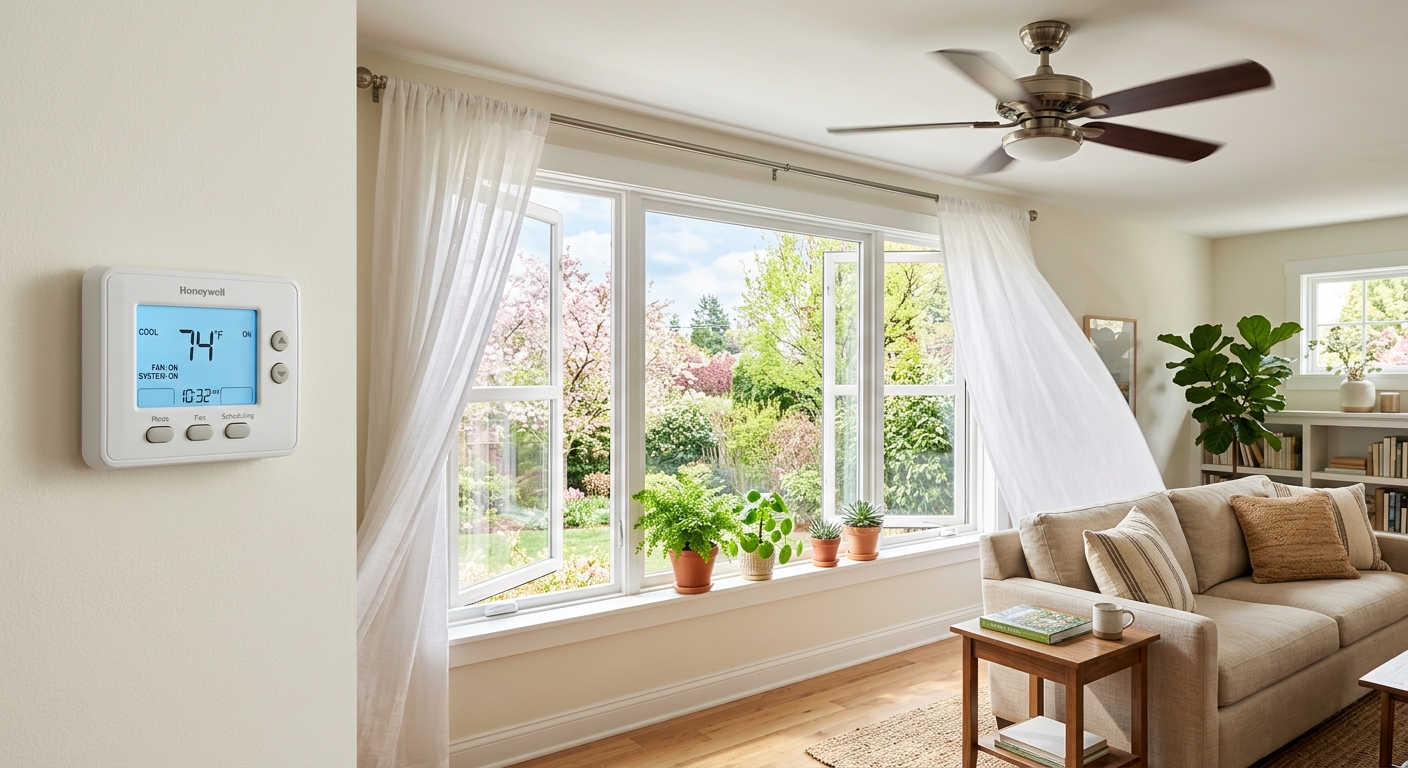
Spring is the one season when your home naturally needs the least mechanical heating or cooling, yet most homeowners still run their systems out of habit. With a few intentional tweaks, you can slash your energy bill to its annual low point and build habits that pay off all summer.
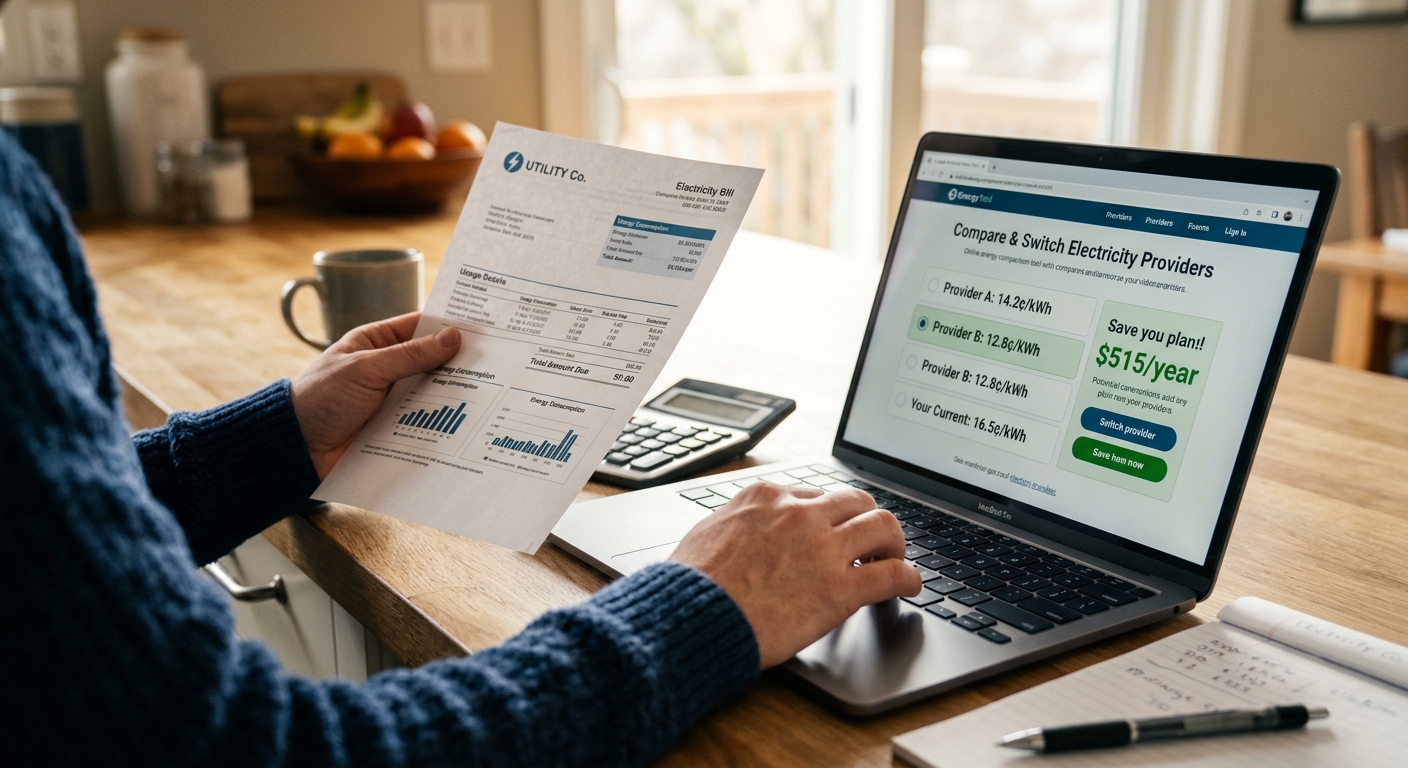
Most homeowners overpay for electricity simply because they have never compared rates or explored alternative providers in deregulated markets. Switching to a lower-rate plan or provider takes less than an hour and can realistically save $300 to $600 in year one alone.
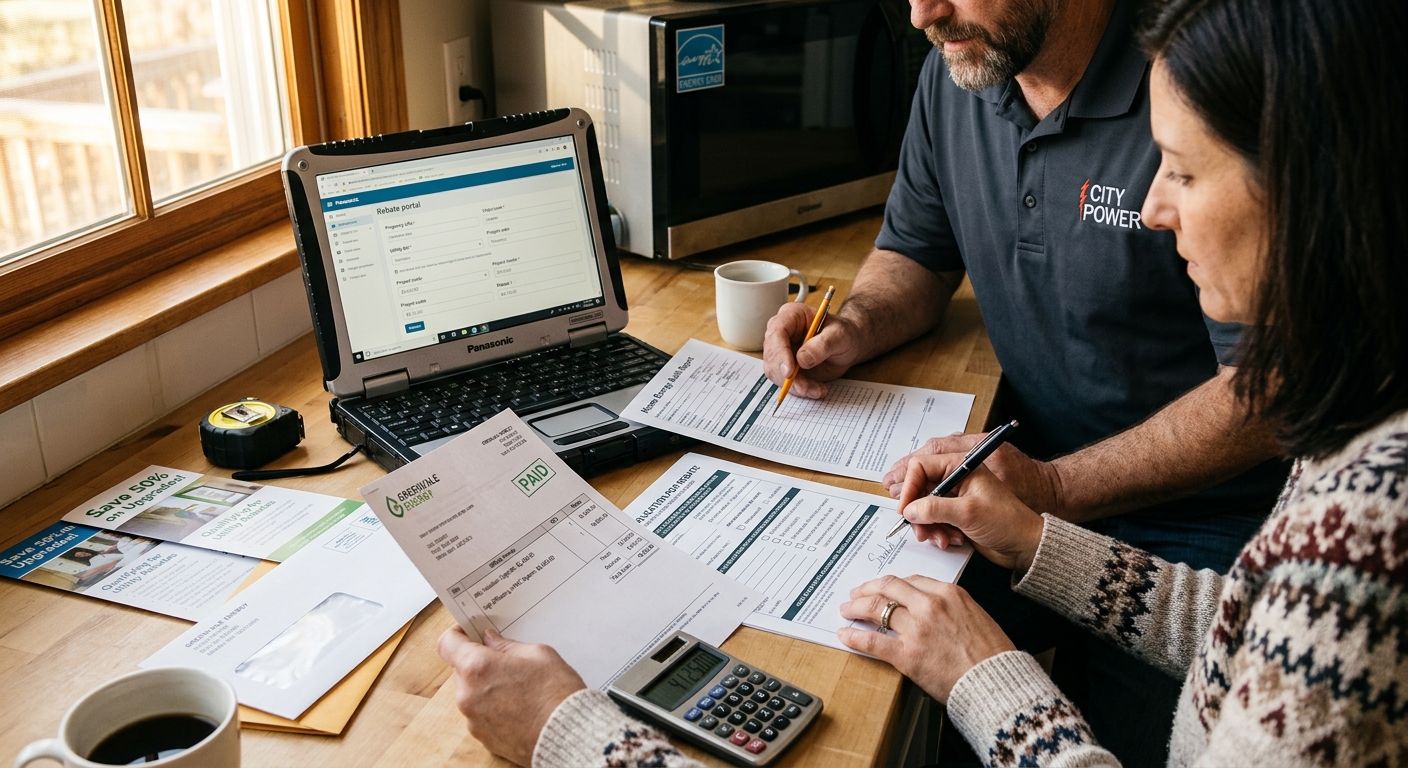
Most homeowners leave hundreds or even thousands of dollars in utility rebates unclaimed every year simply because they do not know where to look or how to apply. With the right approach, rebates and tax credits can cover 30 to 50% of the cost of heat pumps, insulation, water heaters, and more.
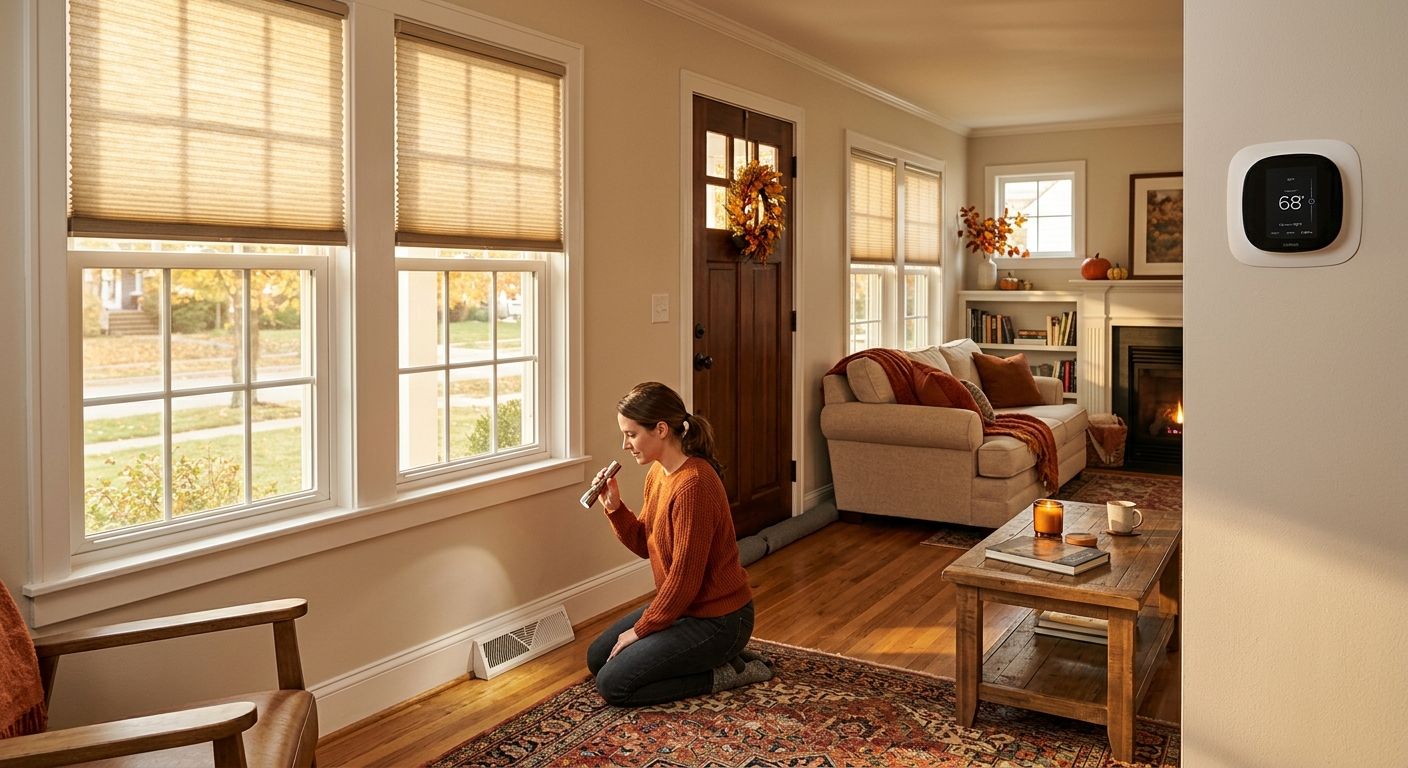
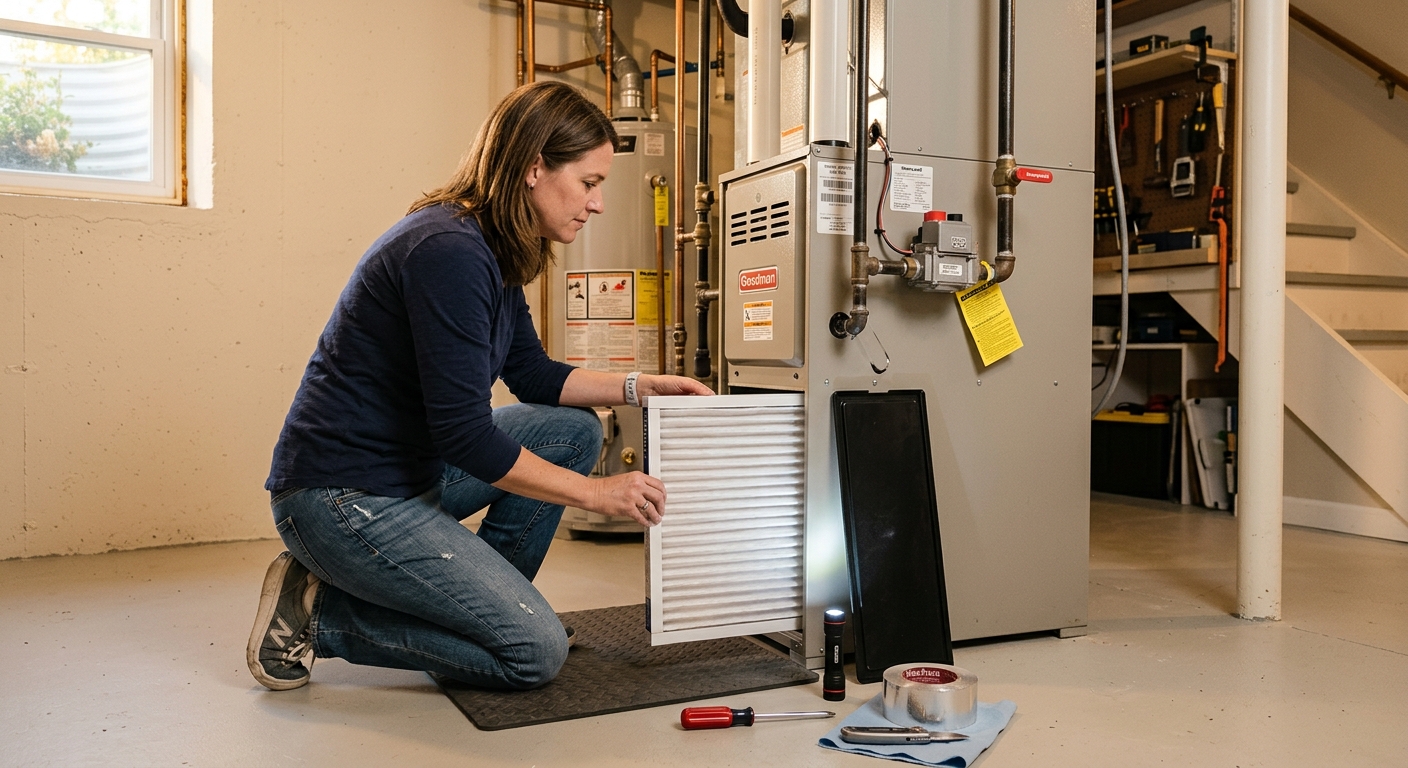
Most homeowners flip on the furnace the first cold morning without a second thought, then wonder why their heating bills spike. Tackling four simple checks before that first ignition can cut your heating costs by 20 to 35% and prevent breakdowns on the coldest nights of the year.