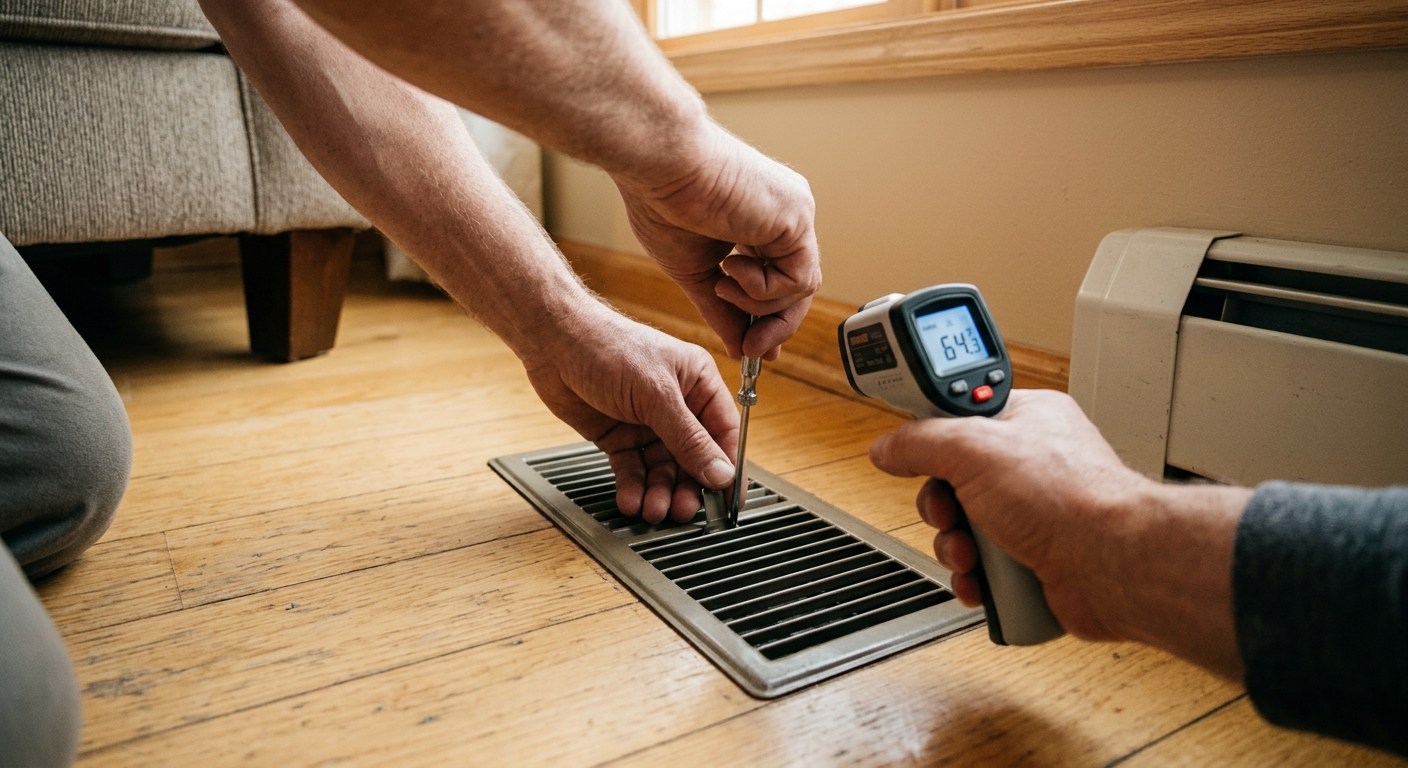
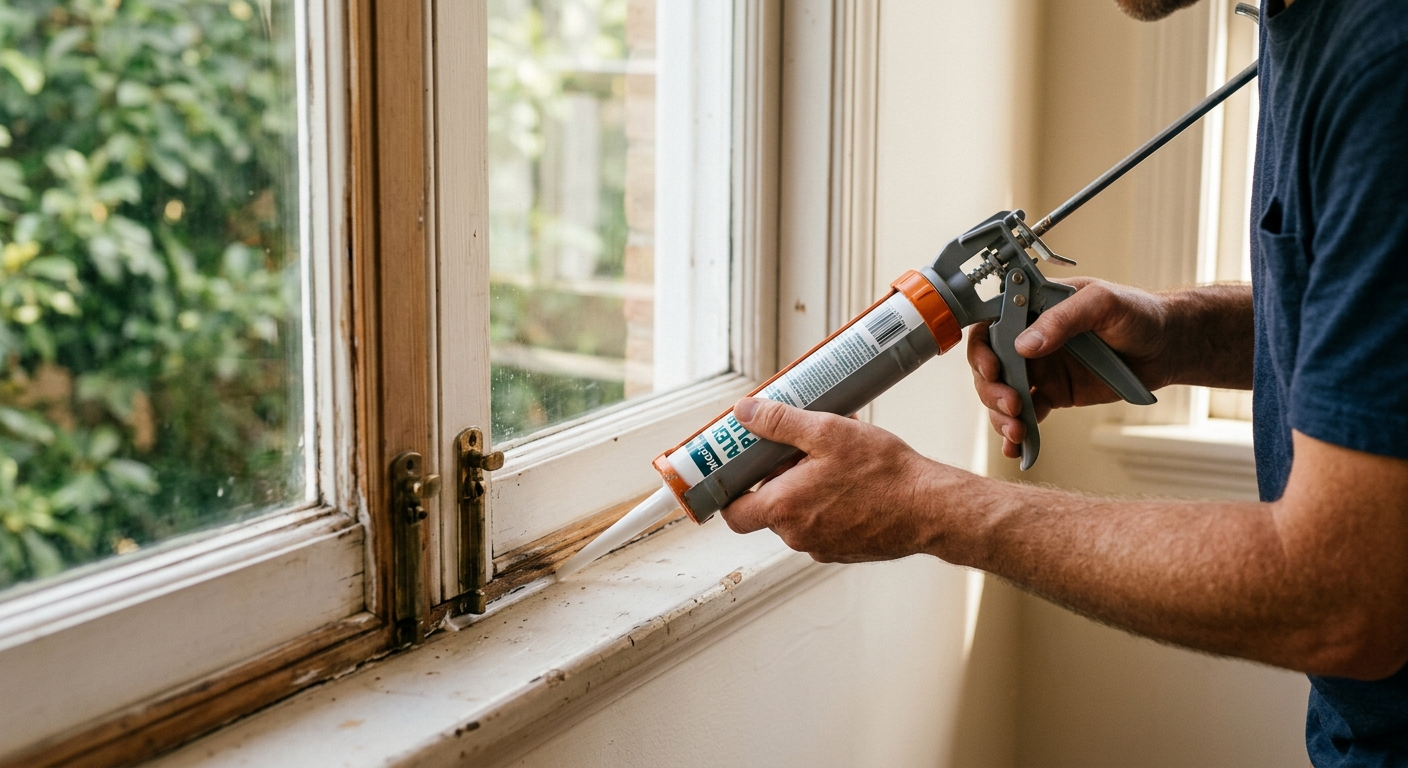
Some rooms in your home are toasty warm while others feel like a walk-in freezer, even with the heat cranked up. The culprit is almost always one of six fixable problems, and most homeowners can tackle at least three of them this weekend.
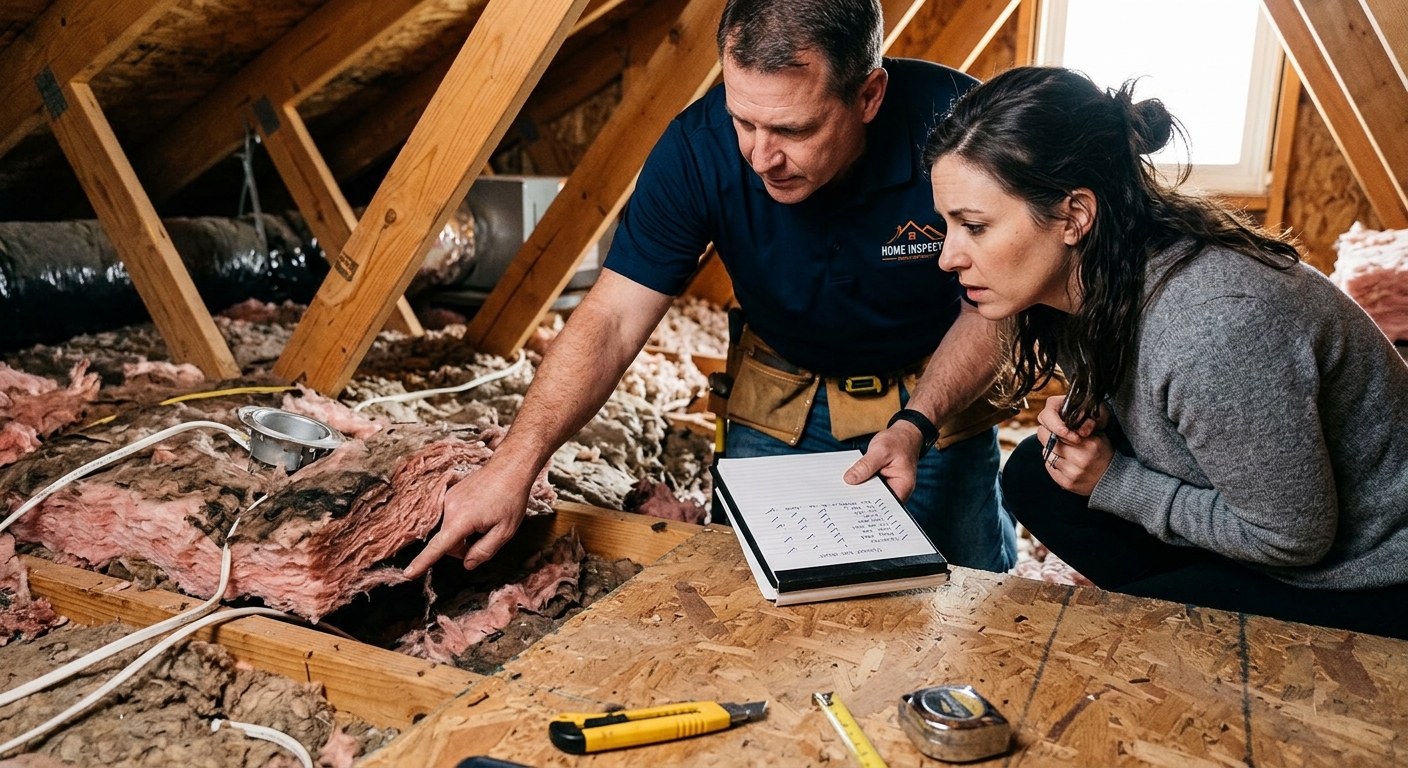
Home inspection reports are dense documents full of jargon, and insulation problems are easy to overlook or misunderstand. This guide shows you exactly how to decode common inspection language, find the issues yourself, and decide what to fix first.
Standby power quietly drains 5 to 10% of your home’s electricity budget every single month, even when devices appear to be off. Smart power strips can eliminate most of that waste automatically, but only if you pick the right type and set them up correctly.
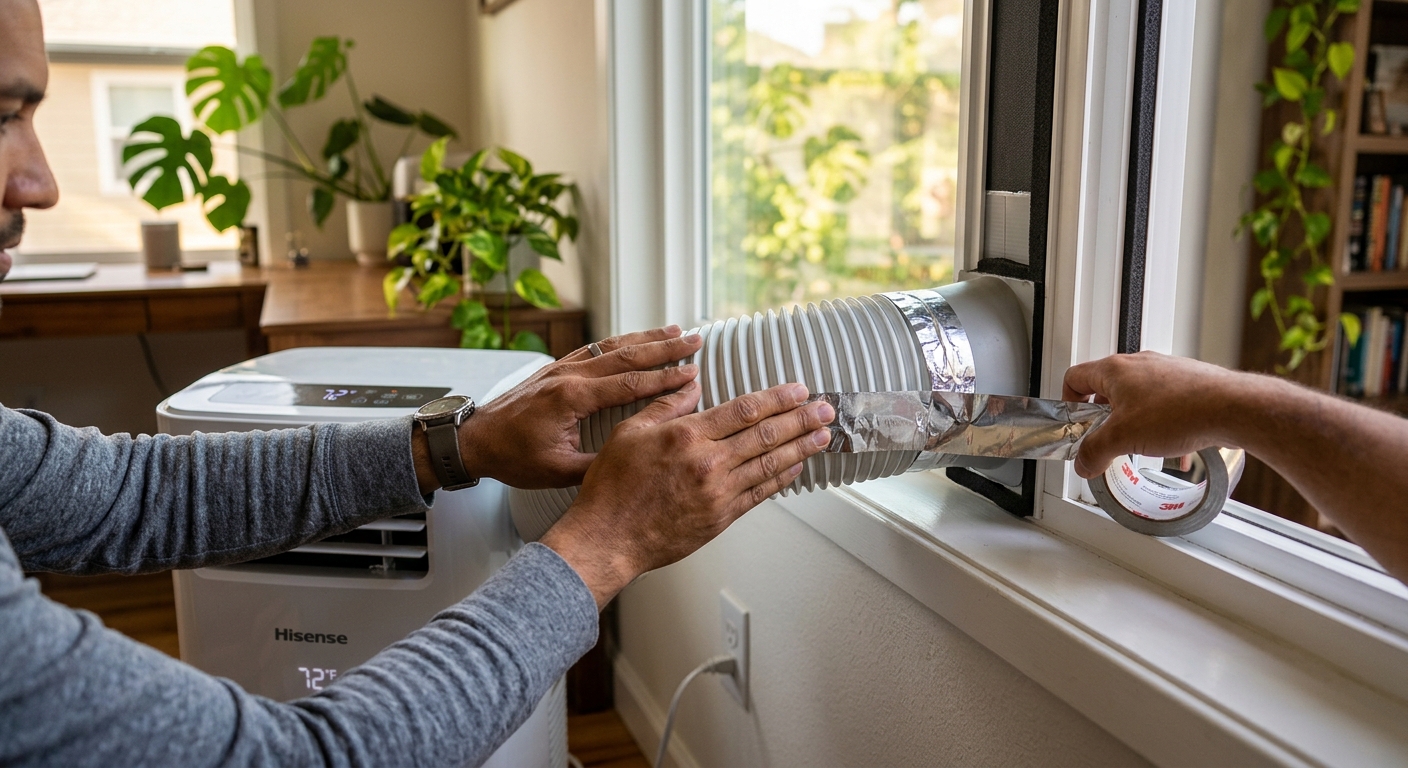
Most portable air conditioners are set up incorrectly, and a single venting mistake can cut their cooling output nearly in half. Fix the exhaust hose setup and seal the window kit properly, and you can recover most of that lost efficiency without spending a dime.
Working from home full-time adds an average of $200 to $500 per year to your energy bill, mostly from heating, cooling, and electronics running during hours your home used to be empty. The good news is that smart scheduling, targeted upgrades, and a few behavioral changes can cut that added cost by 40 to 60 percent.
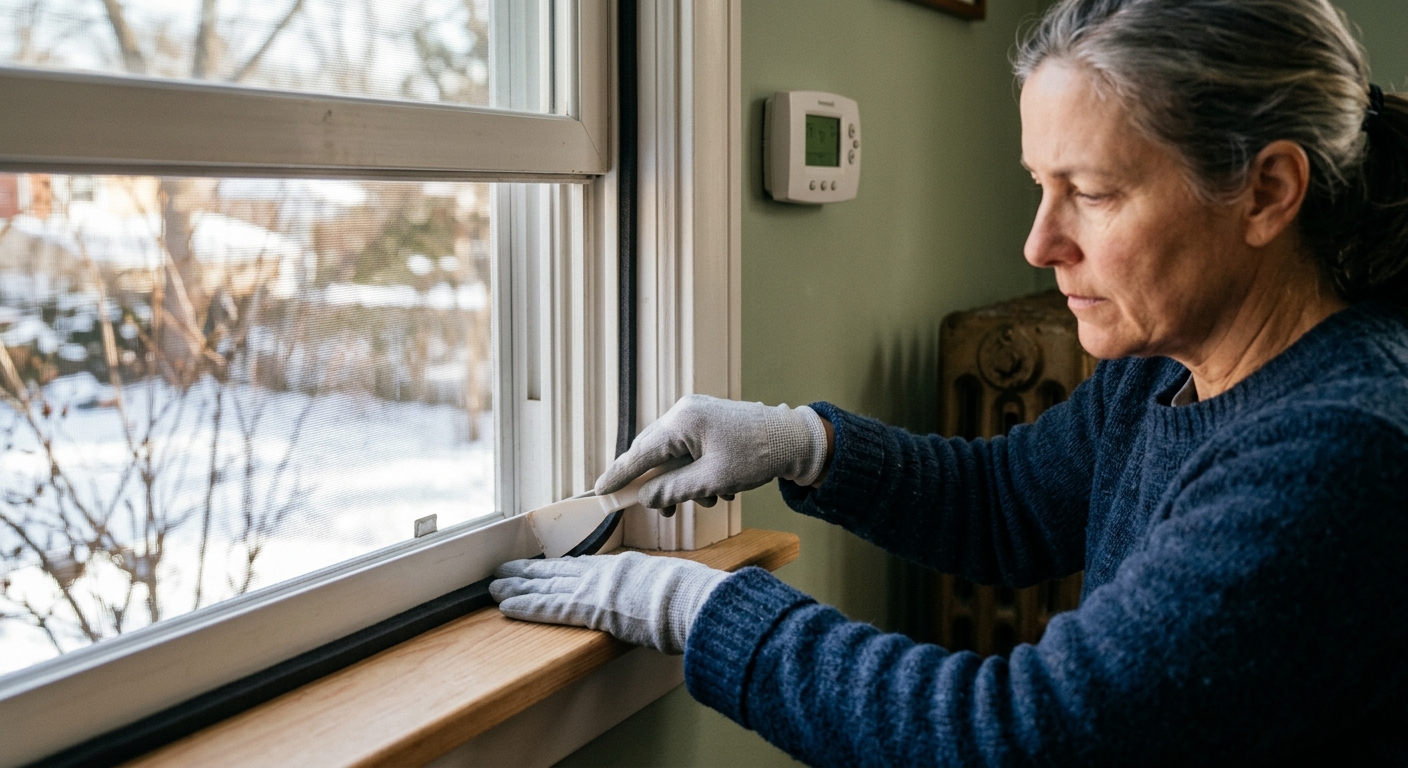
Homes built before 1980 often lose 30 to 50% more conditioned air than modern construction due to poor insulation, single-pane windows, and decades of accumulated air leaks. Targeted upgrades to sealing, insulation, and airflow can cut cooling bills by 25 to 40% without a full renovation.
A sudden jump in your January energy bill is not just about cold weather. It is a signal that your home’s thermal envelope, heating system, or daily habits have a hidden efficiency problem worth fixing.
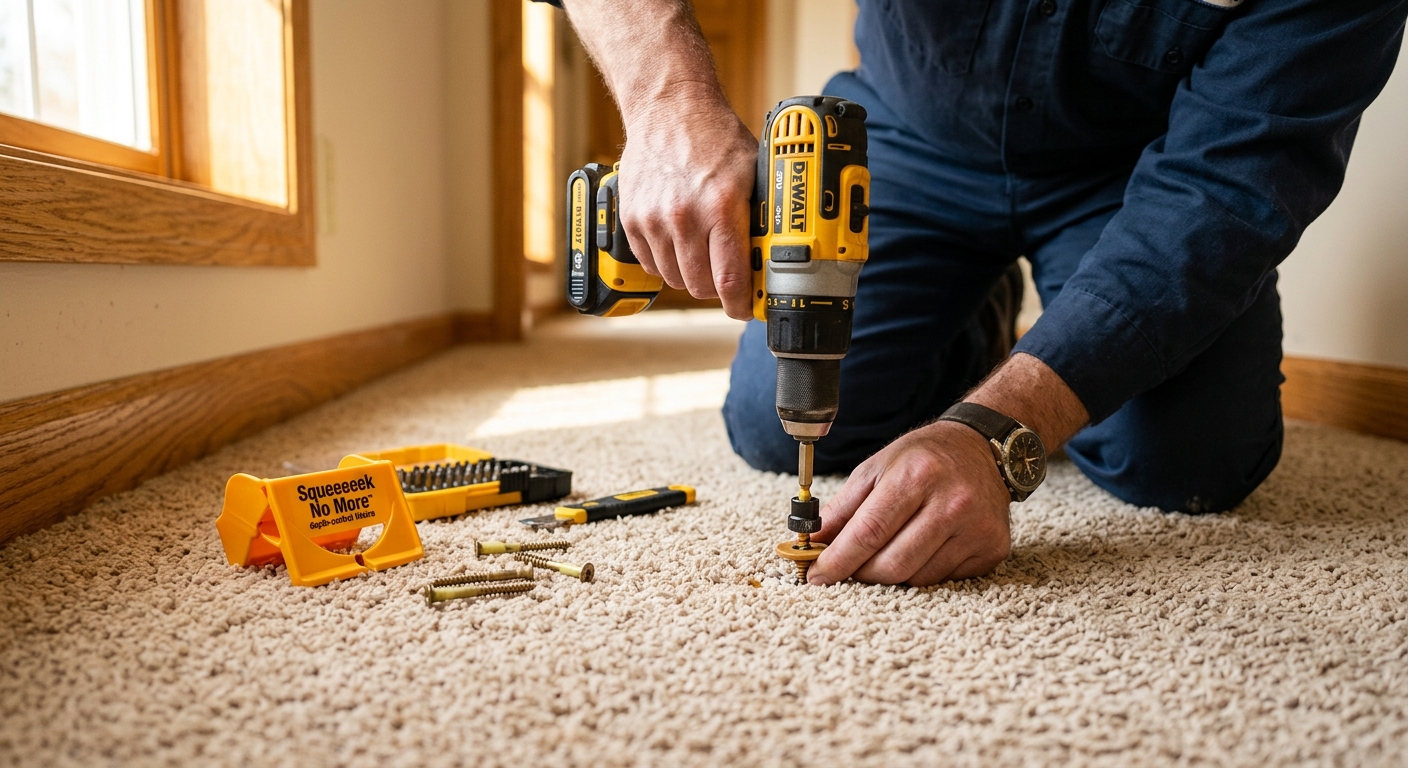
A squeaky floor is not just annoying – it signals loose subfloor panels rubbing against joists or fasteners, which can worsen over time. With a simple screw-based fix or powdered lubricant, most homeowners can silence the squeak in under 15 minutes without removing a single inch of carpet.
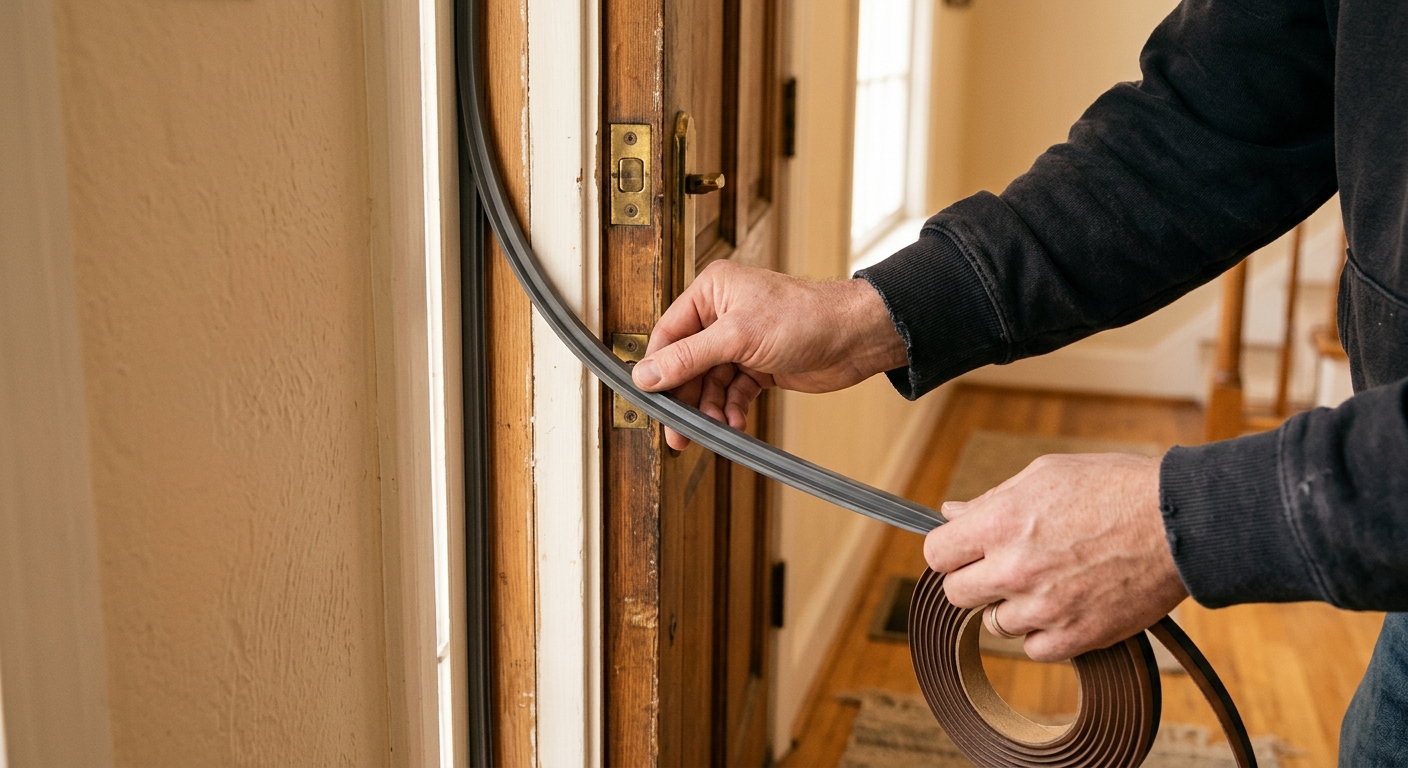
A drafty front door can account for up to 11% of your home’s total air leakage, quietly inflating your heating and cooling bills year-round. Replacing worn weatherstripping takes less than an hour, costs under $30, and delivers immediate, measurable comfort improvements.
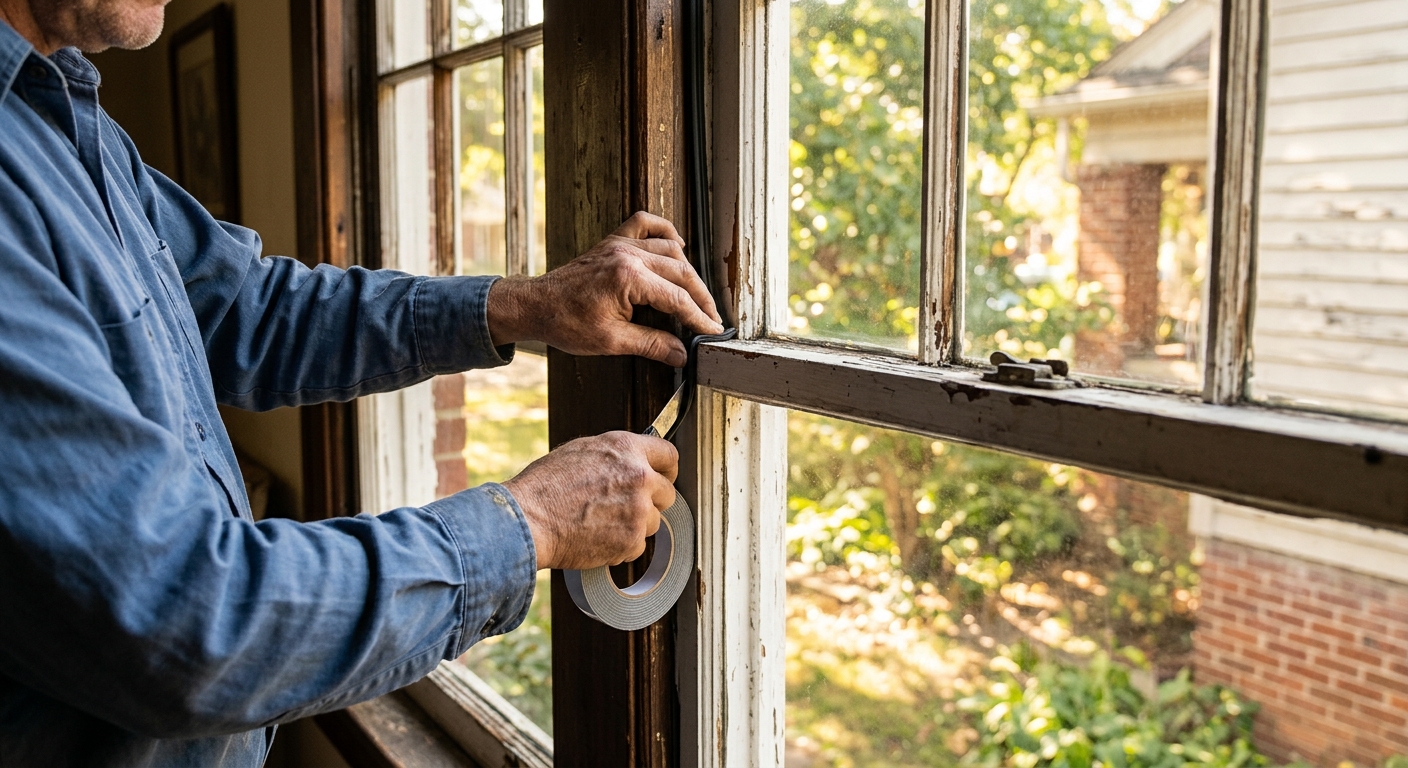
Hidden air leaks can account for 25 to 40% of your heating and cooling costs, yet most homeowners have no idea where they are. In a single afternoon, you can track down the worst offenders and seal them for dramatic, lasting savings.