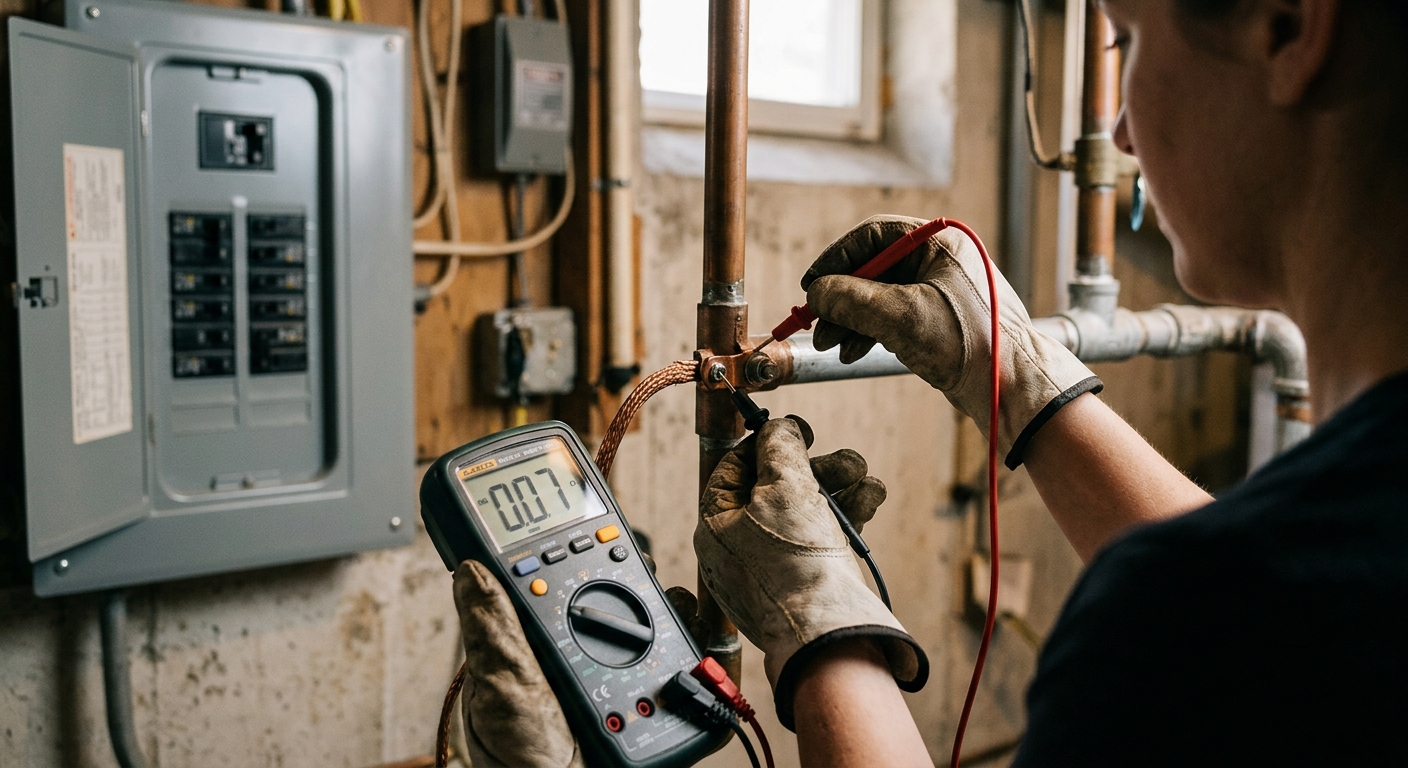
A faulty grounding system is one of the most overlooked electrical hazards in American homes, and most homeowners have no idea there’s a problem until something goes wrong. This guide walks you through exactly how to test, identify, and fix common grounding issues before they become dangerous or expensive.
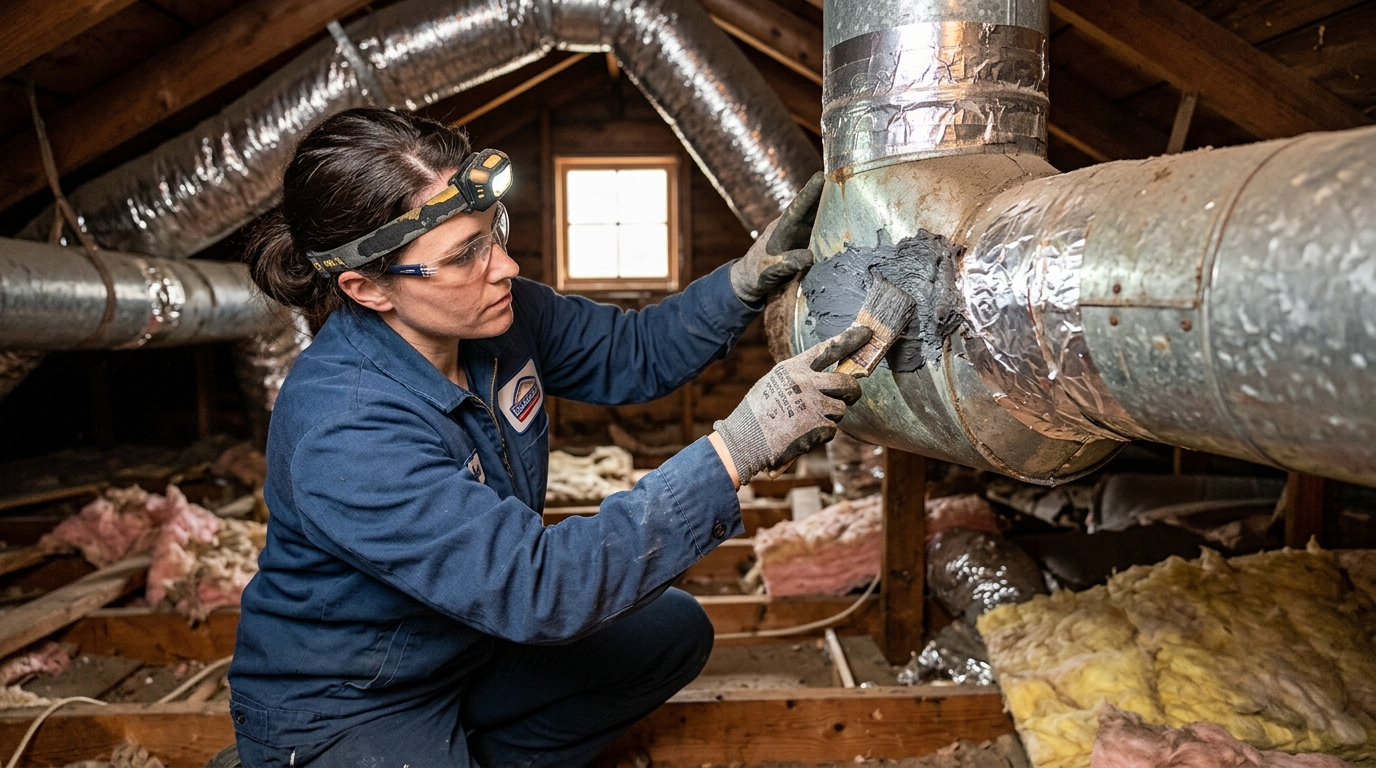
Most homeowners blame their HVAC system when rooms stay stuffy or bills spike, but the real culprit is often leaky ductwork silently dumping conditioned air into attics and crawlspaces. Sealing your ducts can cut energy waste by 20 to 30% and finally make every room in your home comfortable.
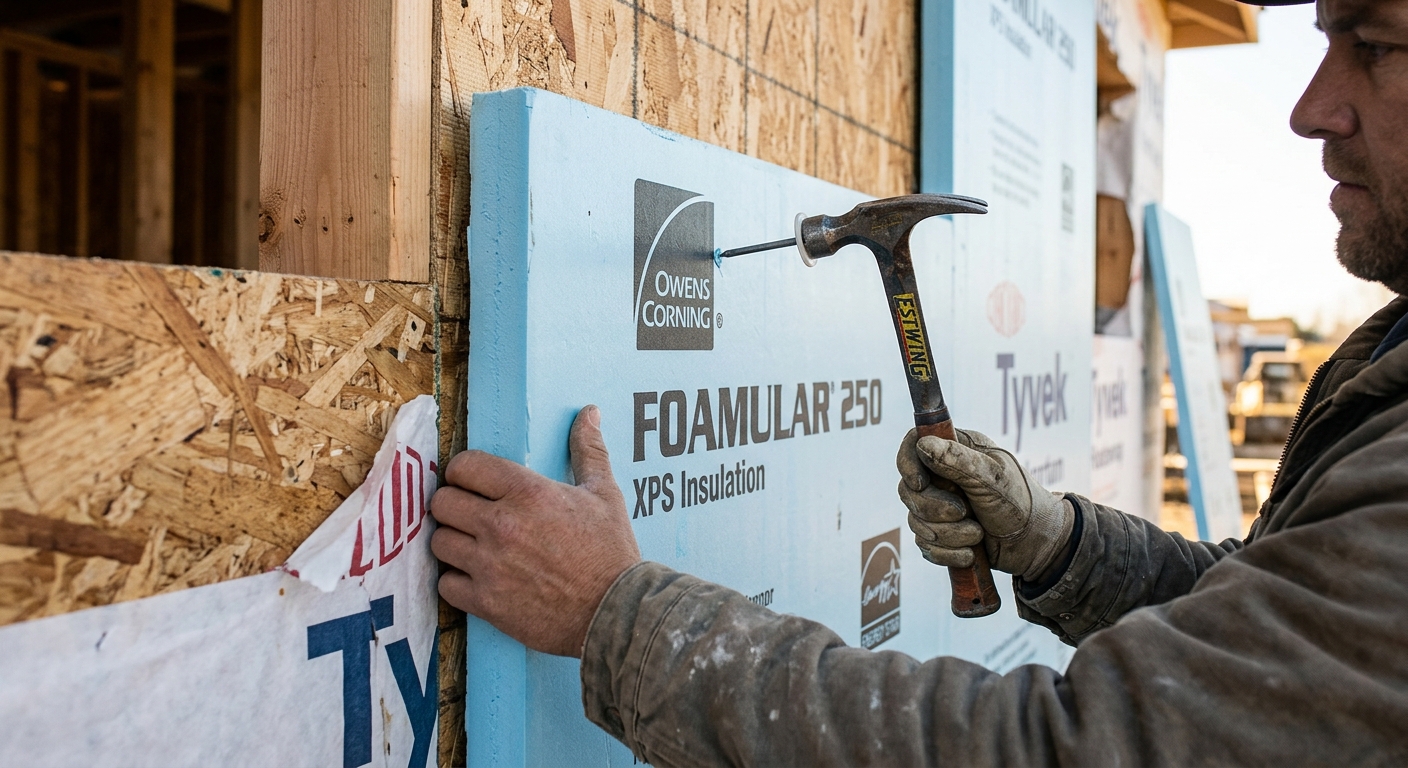
Most homeowners focus on attic insulation and miss the walls entirely, leaving a major source of heat loss and gain untreated. Exterior foam board insulation wraps your entire home in a continuous thermal barrier, cutting energy bills by 15 to 25% and eliminating the hidden comfort problems that interior insulation alone cannot fix.
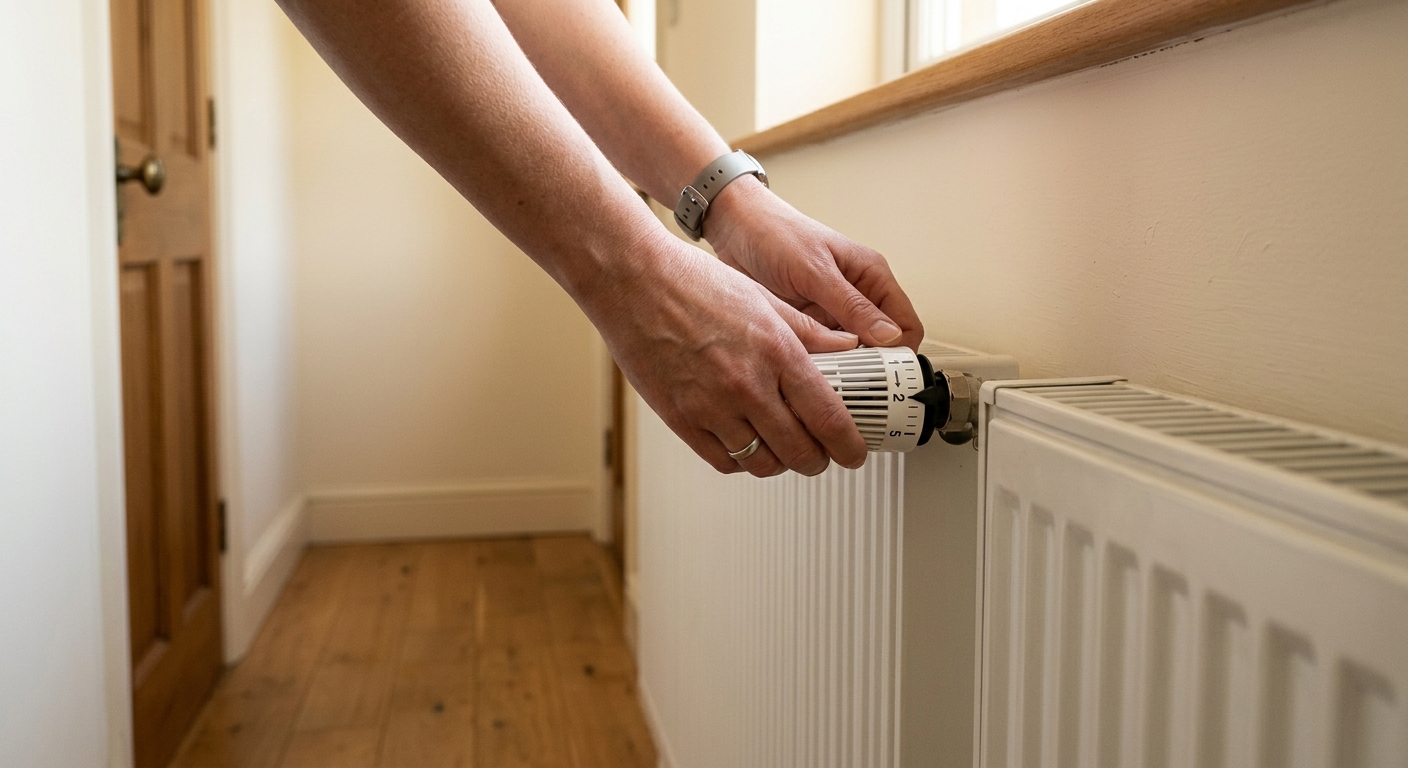
Heating unused bedrooms, guest rooms, and storage spaces wastes 15 to 30% of your heating budget every month. Zone-based heating strategies let you direct warmth where people actually live, cutting bills without sacrificing comfort.
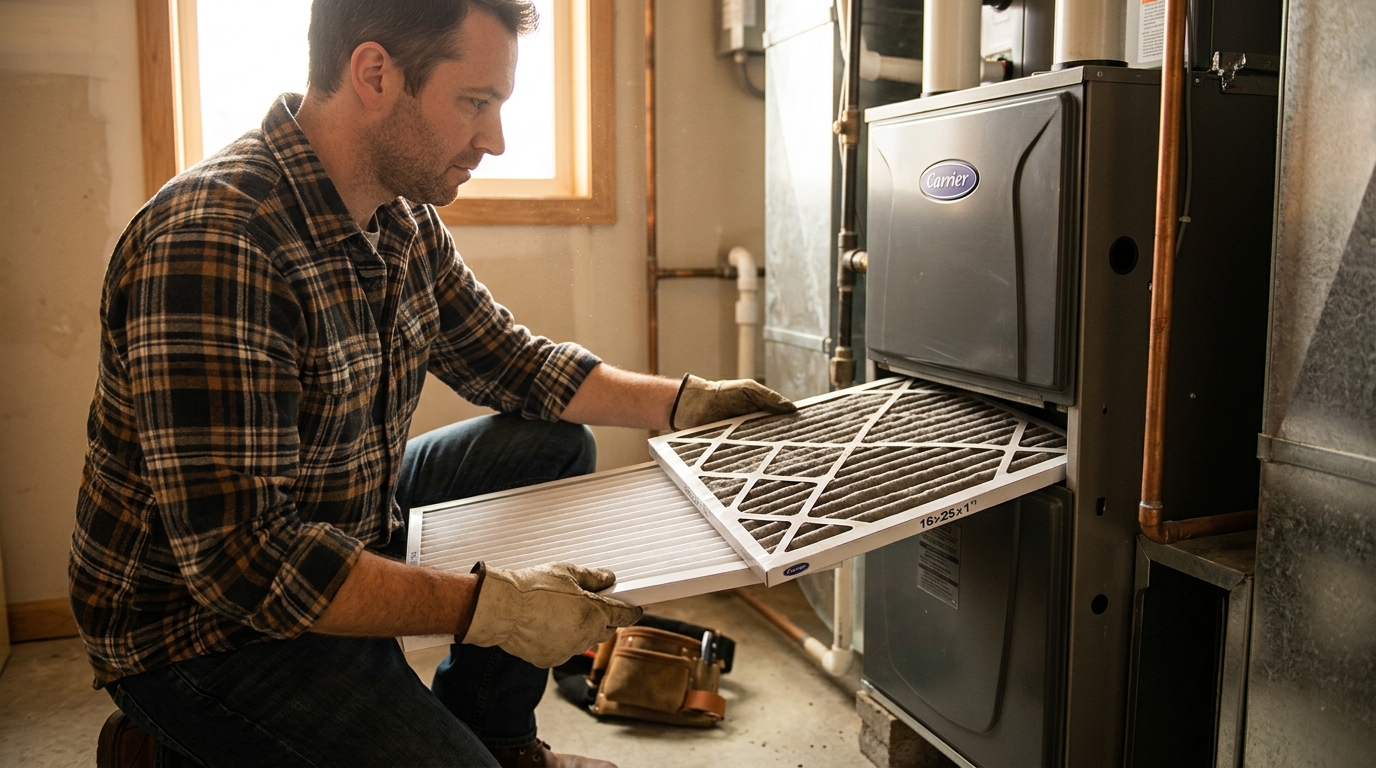
A clogged or wrong-sized HVAC filter forces your system to work harder, driving up energy bills by 15% or more. Learn how to check your filter, choose the right MERV rating, and fix the problem in under 15 minutes.
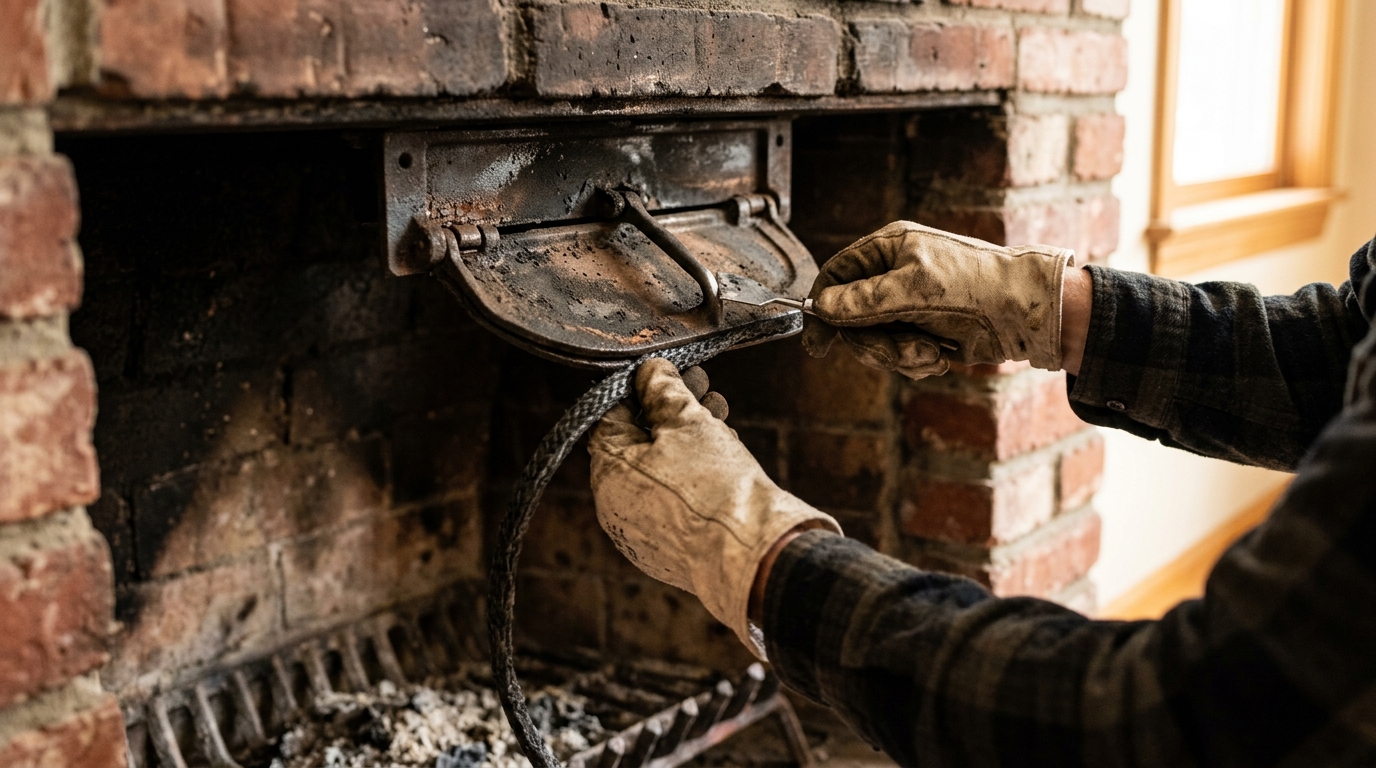
A leaky fireplace damper can silently drain hundreds of dollars in heating costs by letting cold outside air pour into your living space. Learn how to diagnose the problem and fix it yourself, from a simple draft stopper to a top-mounted damper upgrade that seals 90% better than standard throat dampers.
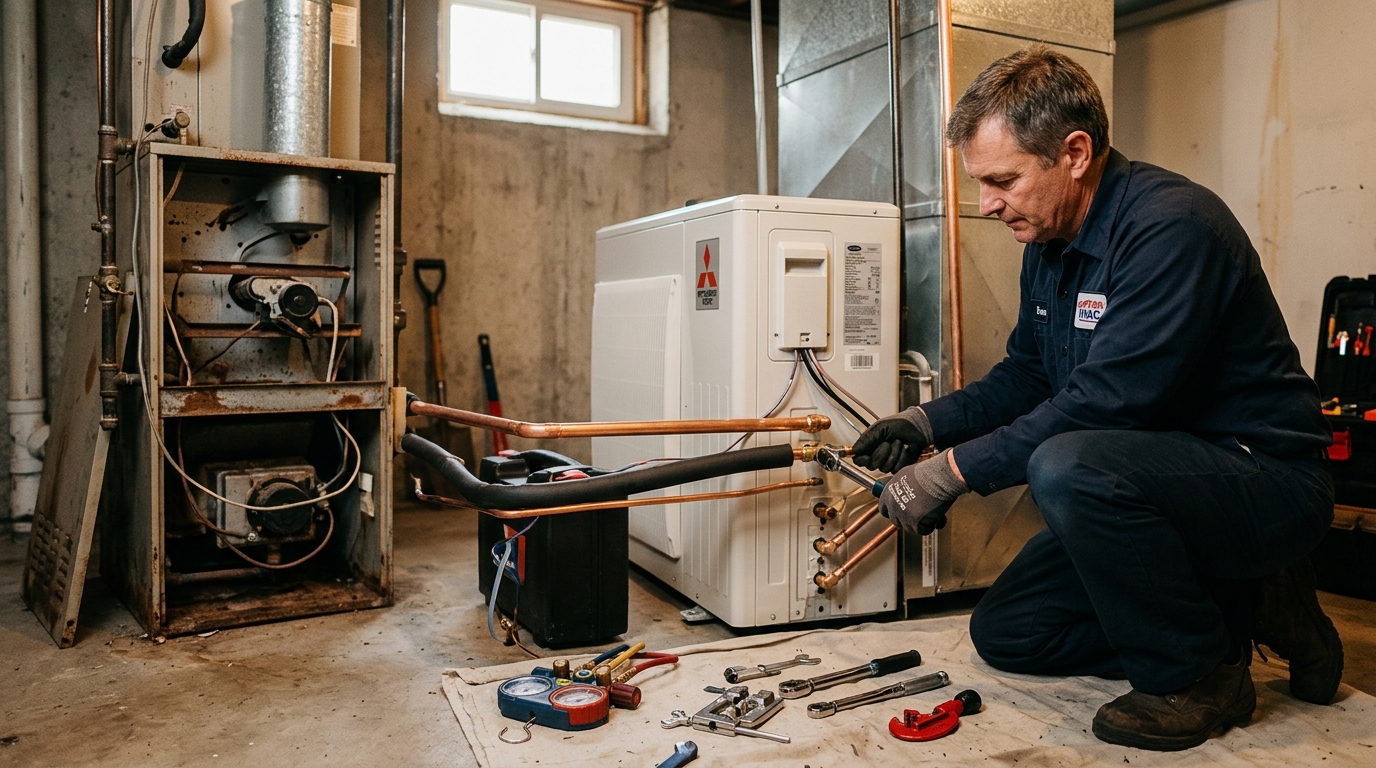
Running separate systems for heating and cooling wastes energy and money, especially as older equipment loses efficiency. A modern heat pump handles both jobs in one unit, cutting annual energy bills by 30 to 50% compared to a gas furnace and aging AC combo.
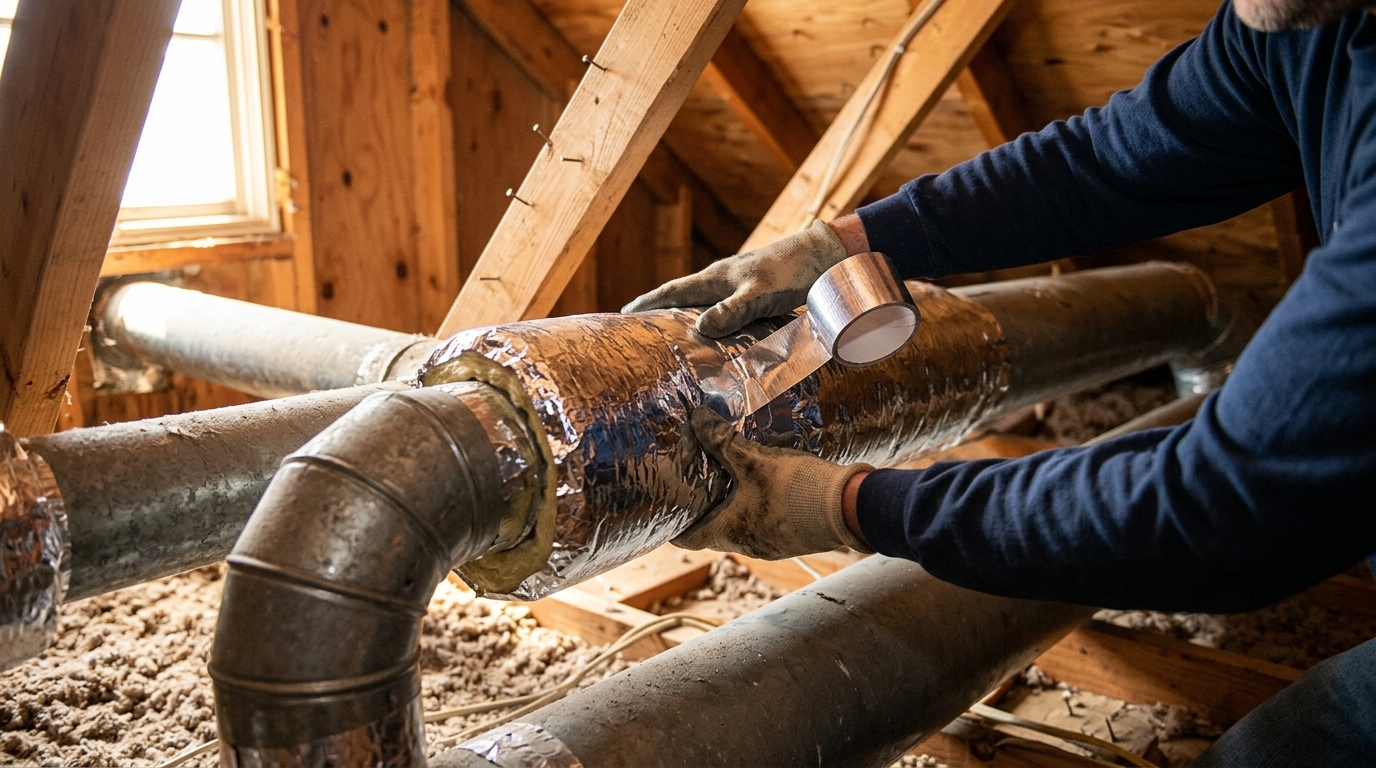
Uninsulated ducts running through hot attics or cold crawlspaces can waste 20 to 30% of your conditioned air before it ever reaches a room. Wrapping those ducts in proper insulation is one of the highest-return upgrades a homeowner can make, often paying back in 2 to 4 years.
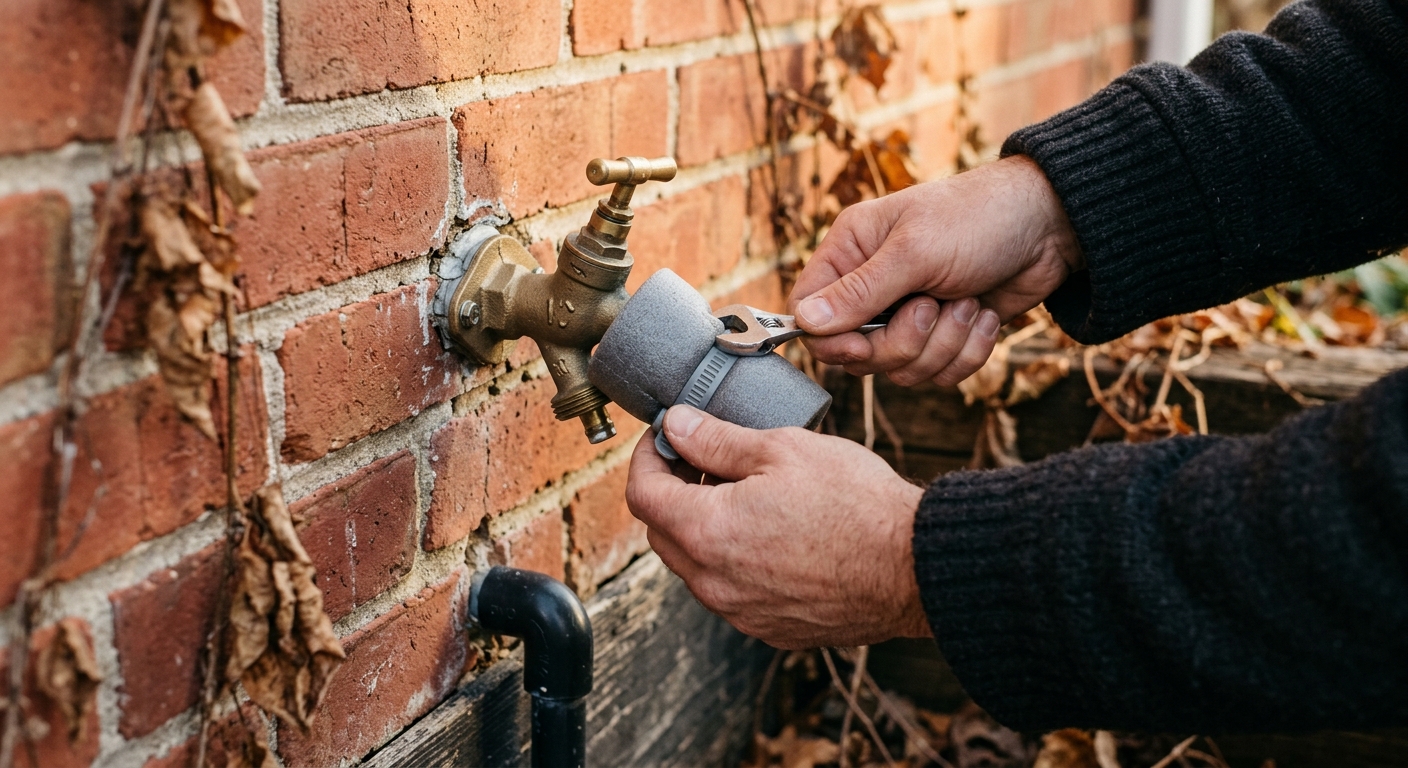
A frozen hose bib can burst and flood your home with thousands of gallons of water before you even notice the damage. Spending 30 minutes and under $30 this fall can prevent a repair bill that averages $5,000 to $15,000 in water damage costs.
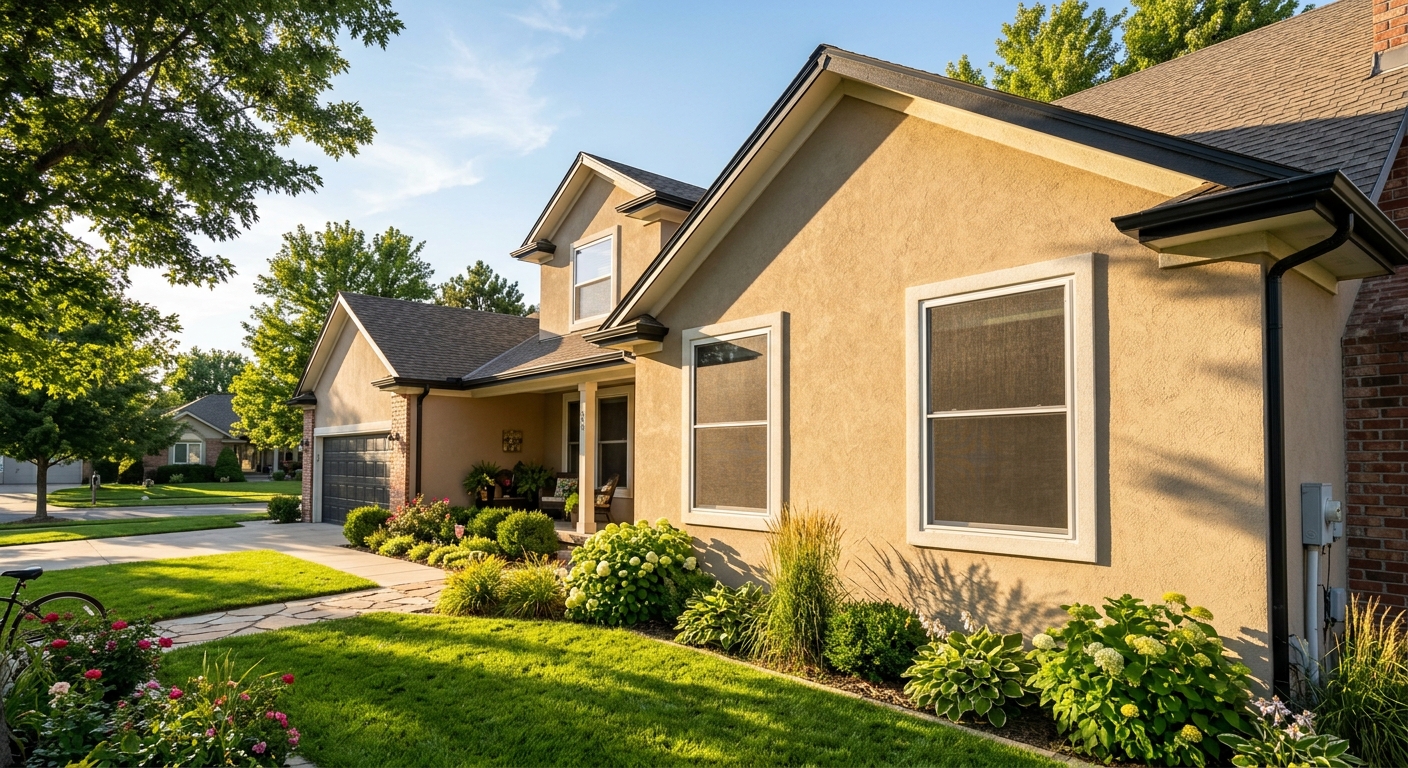
West-facing windows can account for up to 40% of afternoon heat gain in your home, turning your living room into an oven by 4 PM. Exterior shade screens block 65 to 90% of solar heat before it ever enters the glass, cutting cooling bills and restoring comfort without sacrificing daylight.