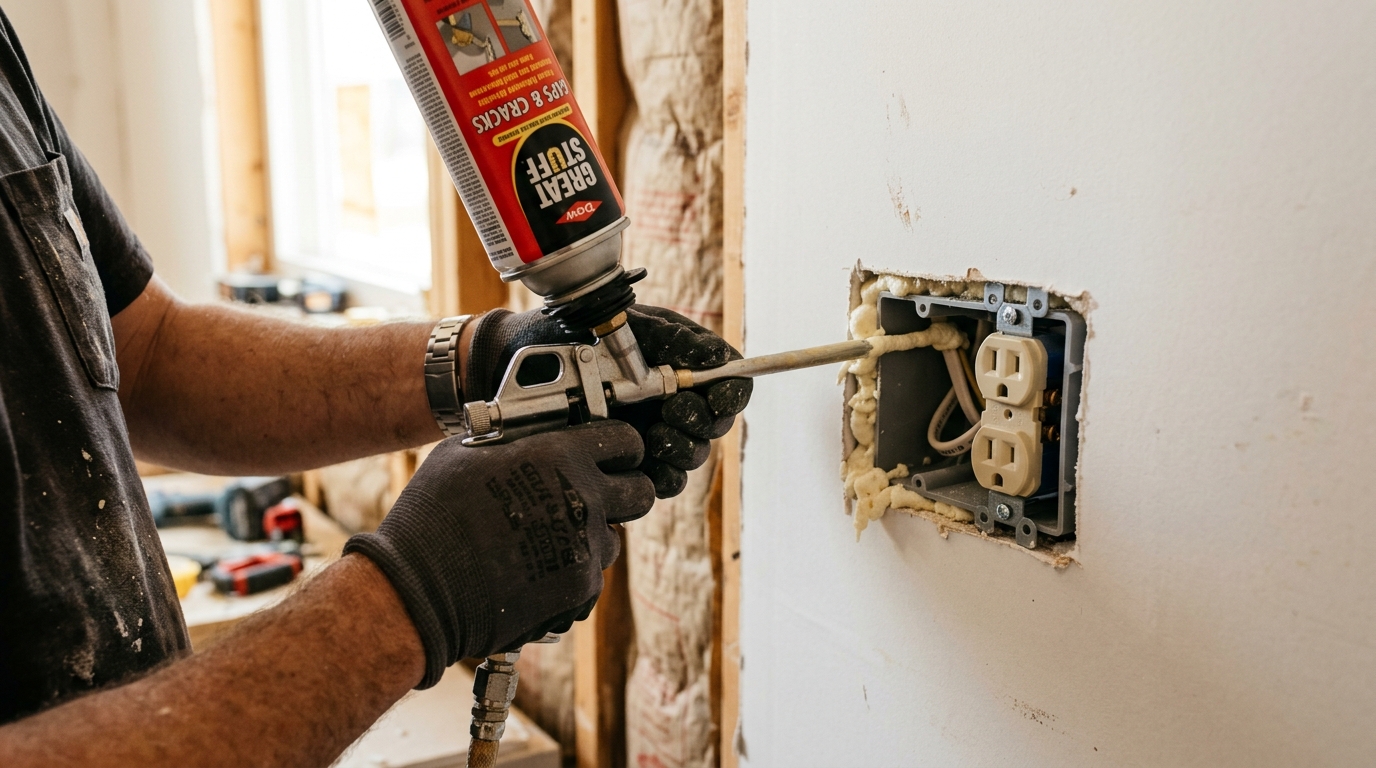
Electrical outlets on exterior walls are among the most overlooked air leaks in a home, quietly draining your heating and cooling budget year-round. A few dollars of foam and gaskets can seal these gaps and cut your energy bills by up to 20% with no tools required.
Most homeowners blame the cold weather for their January energy bill shock, but the real culprit is hidden air leakage and under-insulated attics working against your heating system. Address these two root causes and you can realistically cut heating costs by 20 to 30 percent without replacing your furnace.
Older homes are full of charm but often plagued by drafts, hot and cold spots, and energy bills that make new-build owners look smug. With targeted air sealing, insulation upgrades, and a few smart system tweaks, you can close the comfort gap without a full renovation.
Most homeowners overpay on heating every winter because small, fixable problems quietly drain warmth and money from their homes. With a few targeted upgrades done before the first cold snap, you can realistically cut your gas bill by 20 to 30% without replacing your furnace.
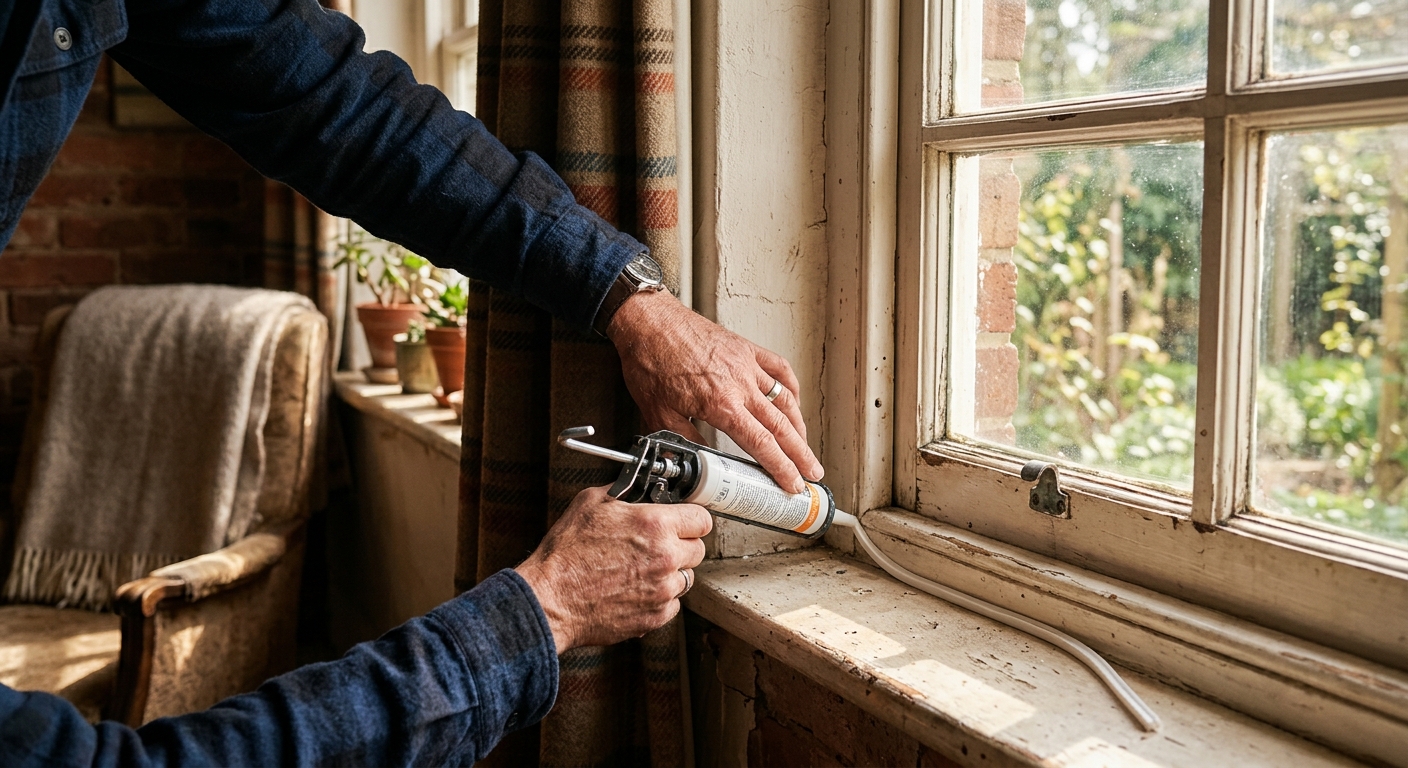
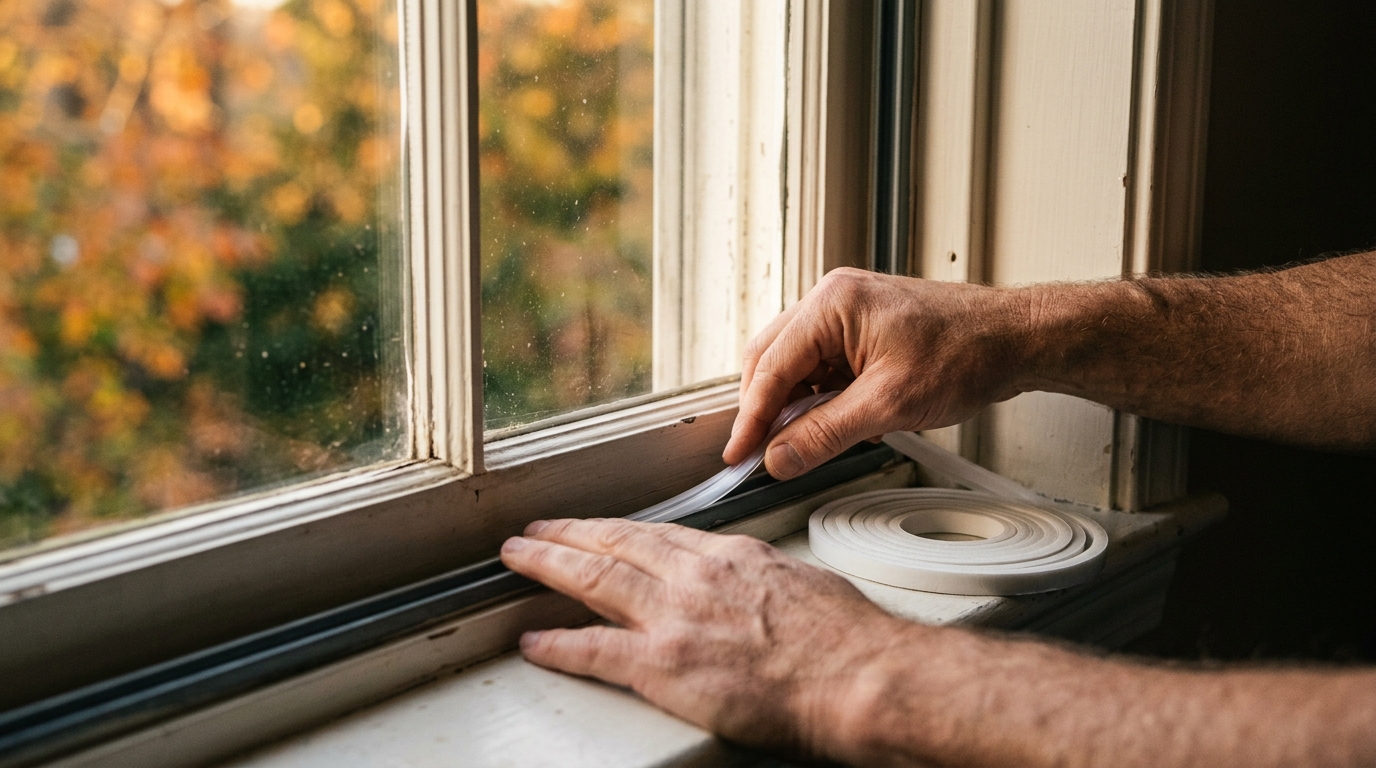
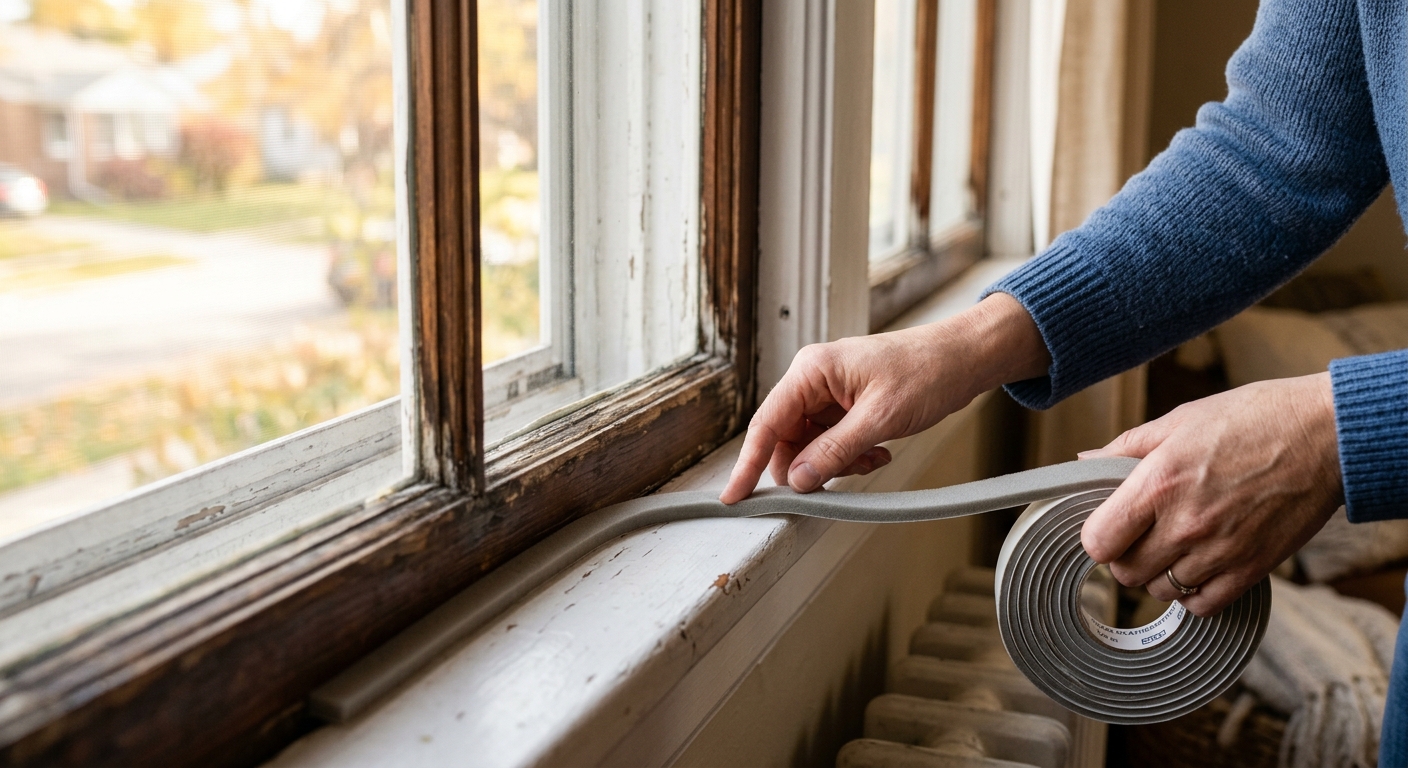
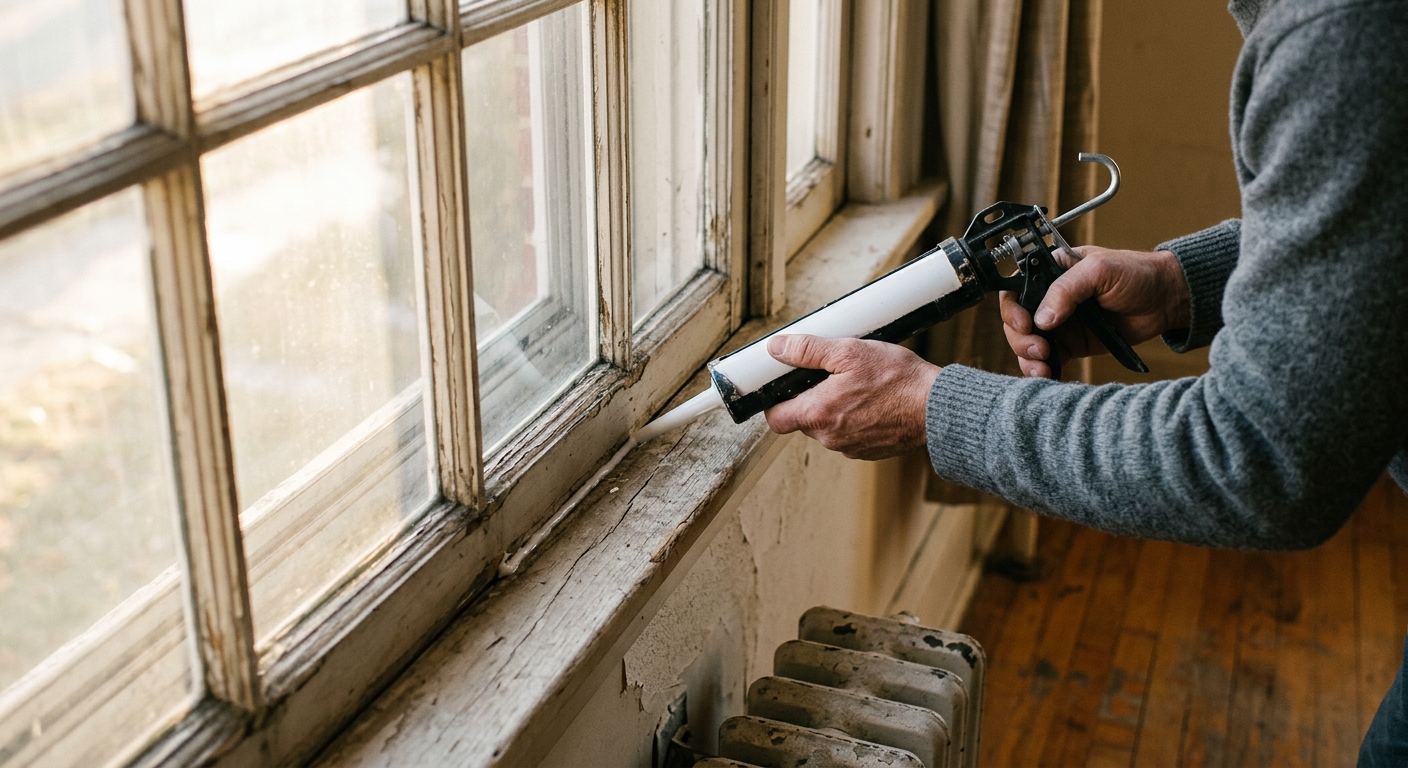
Leaky windows can account for 25 to 30% of your home’s heating and cooling loss, driving up energy bills season after season. The good news is you can fix most drafts yourself in an afternoon for under $50, no replacement windows required.
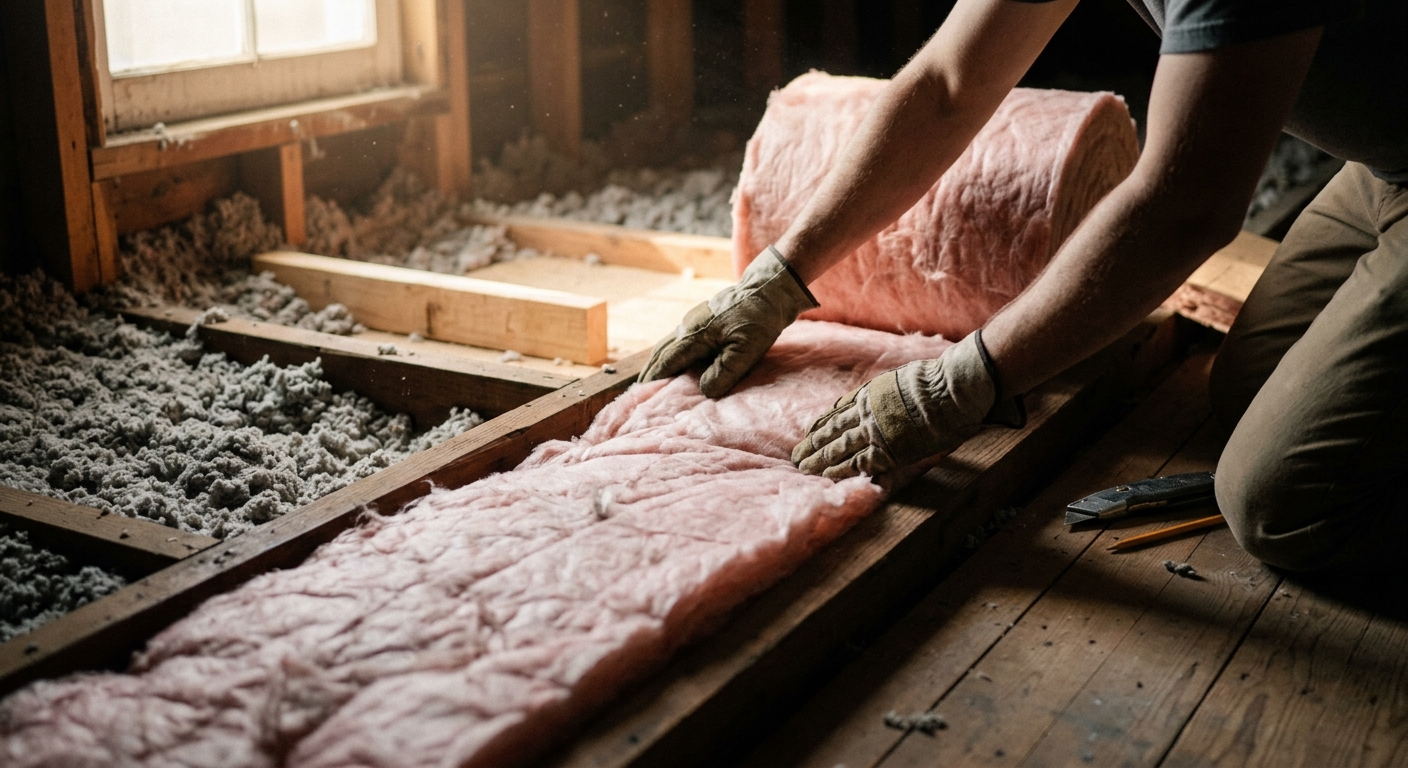
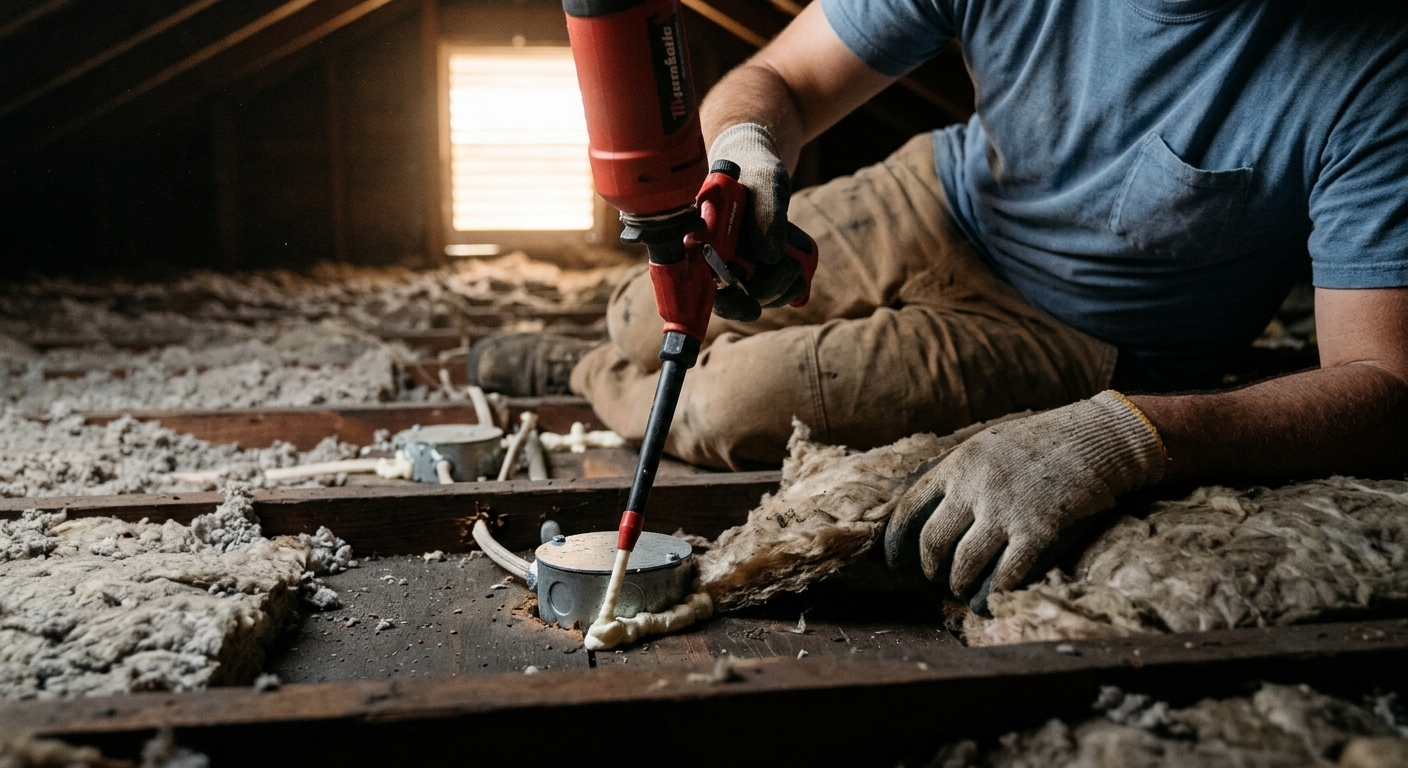
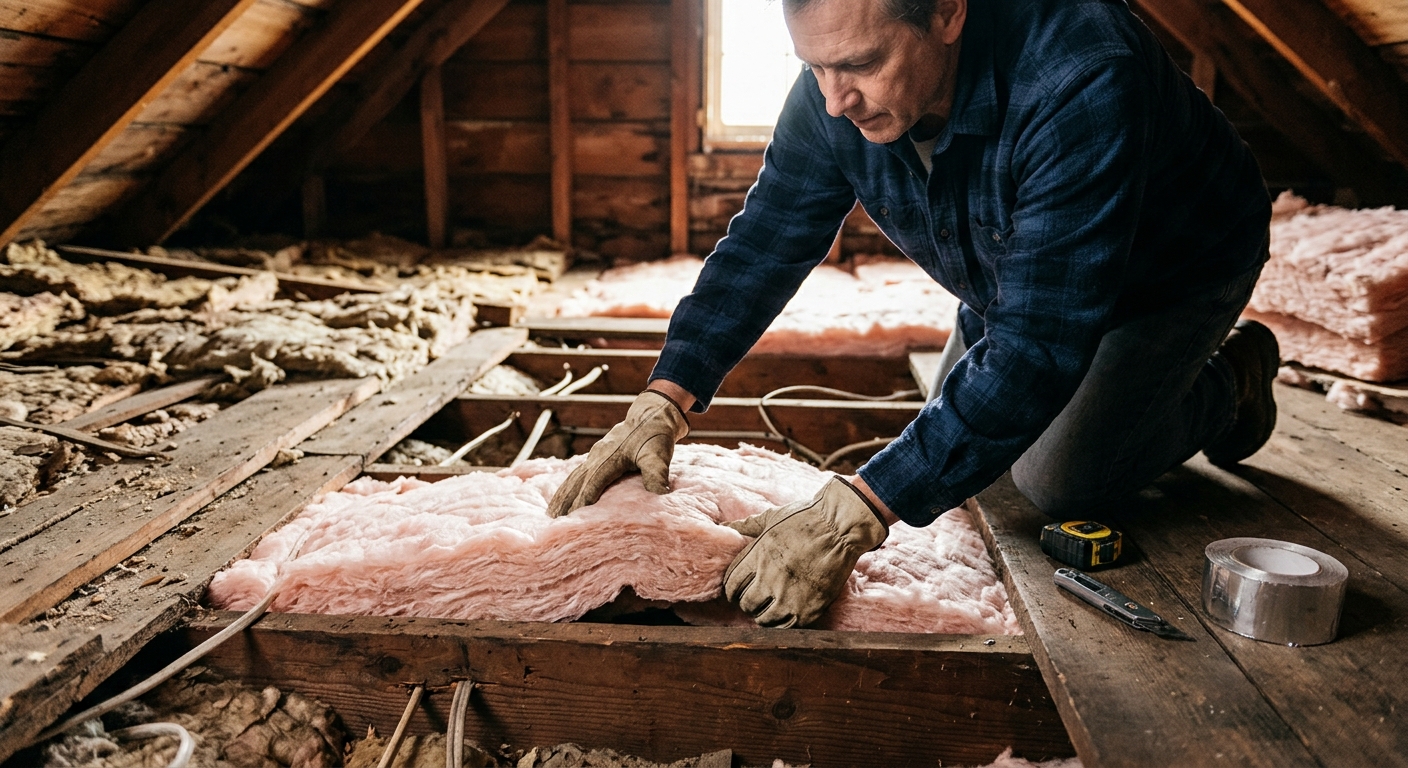
Most homeowners skip the most important step before adding attic insulation: sealing the air leaks that make insulation far less effective. Doing both together can cut heating and cooling costs by 20 to 30% and pays back within 2 to 4 years.
Older homes charm us with character, but they often hide decades of energy inefficiency in their walls, attics, and mechanical systems. Learn how to find the biggest money drains in an aging home and fix them in order of payback.
Homes built before 1980 were constructed with little to no insulation standards, leaving walls, attics, and basements as open conduits for heat loss. The good news is that targeted upgrades can cut heating bills by 20 to 40% and make your home noticeably more comfortable within a single season.