Heat waves push home cooling costs through the roof, and simply turning down the thermostat is often the most expensive solution. A combination of smart heat-blocking strategies, airflow management, and targeted cooling can keep your home comfortable while cutting energy bills by 20 to 40%.
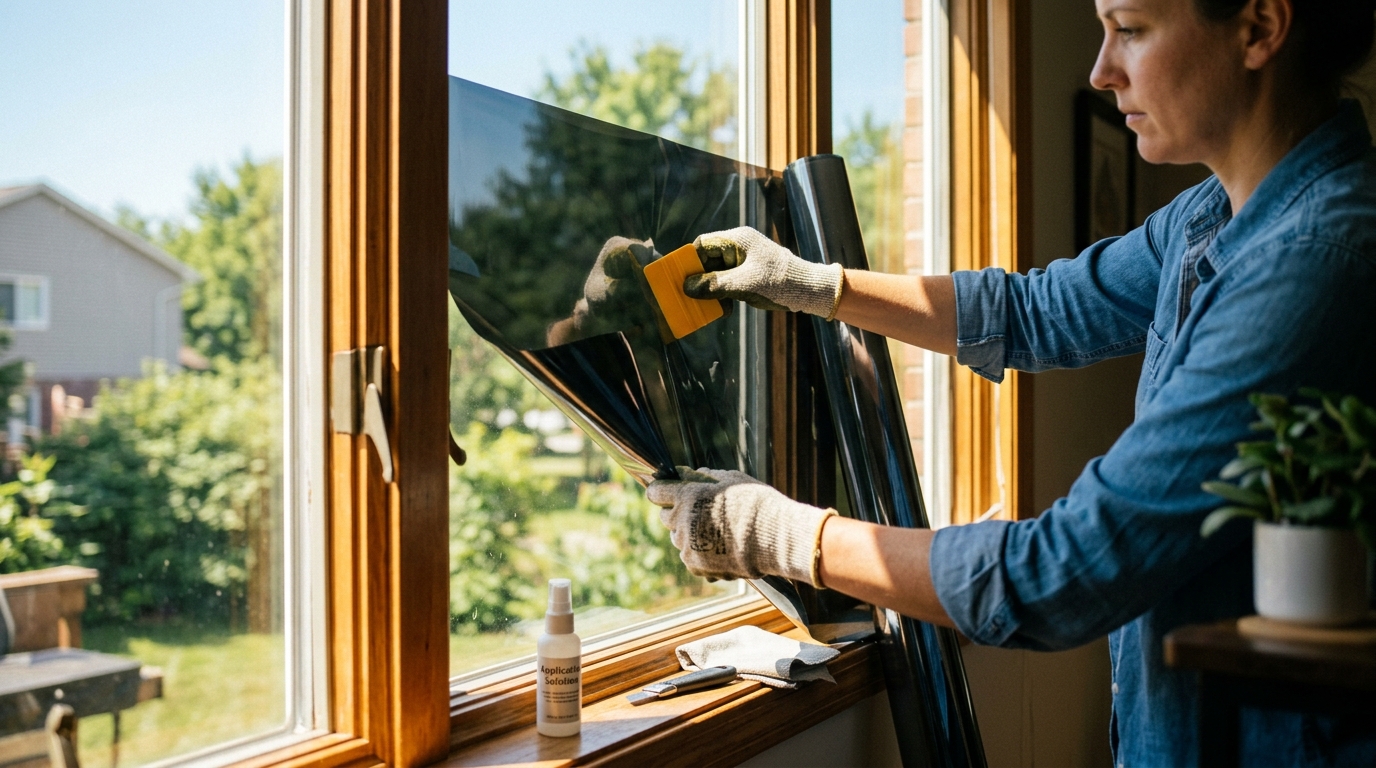
Solar heat gain through windows and roofs is responsible for up to 40% of unwanted heat in a typical home during summer. The right combination of shading, window treatments, and attic upgrades can cut your cooling bills by 20 to 40% without replacing your AC.
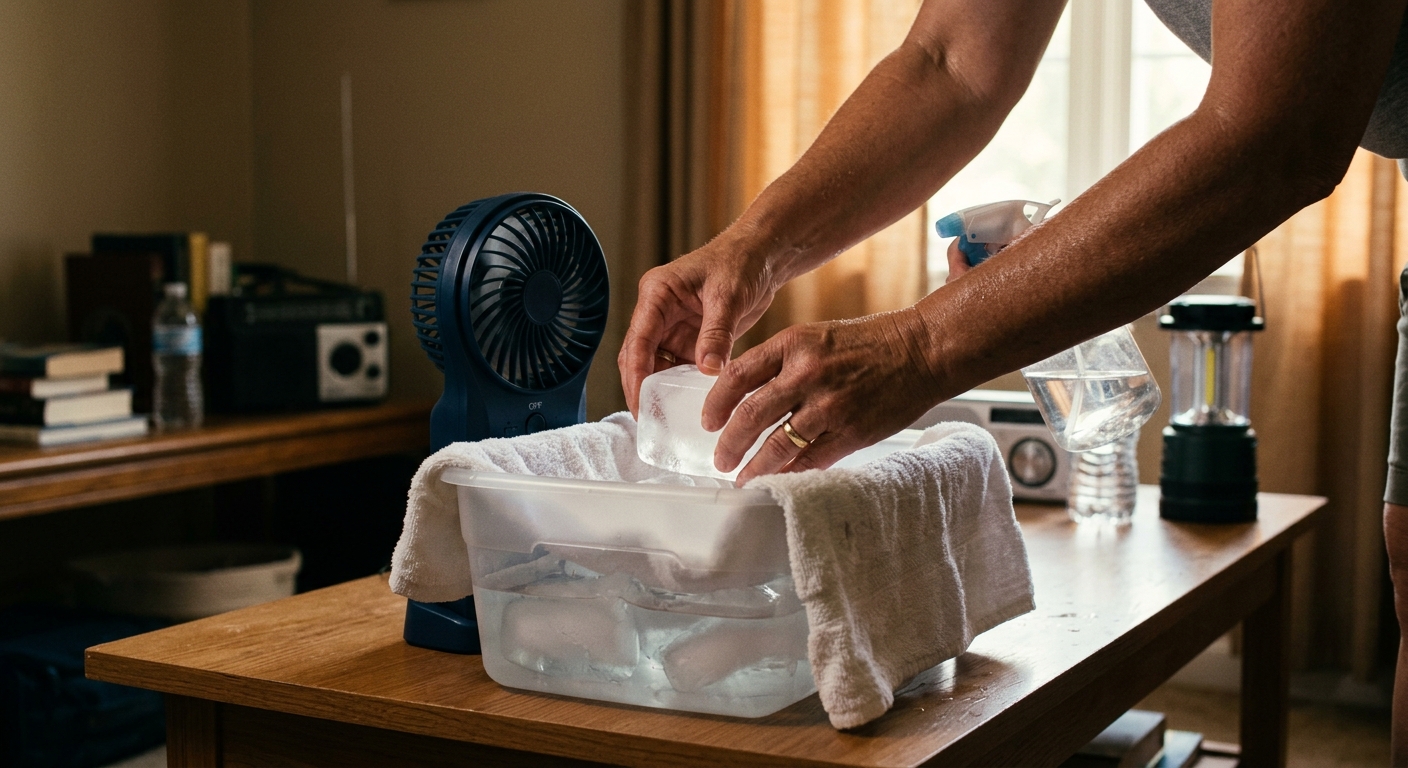
When the grid goes down in peak summer heat, indoor temperatures can climb to dangerous levels within hours. This guide gives you a prioritized, room-by-room plan to stay safe, cool, and comfortable without fleeing to a hotel.
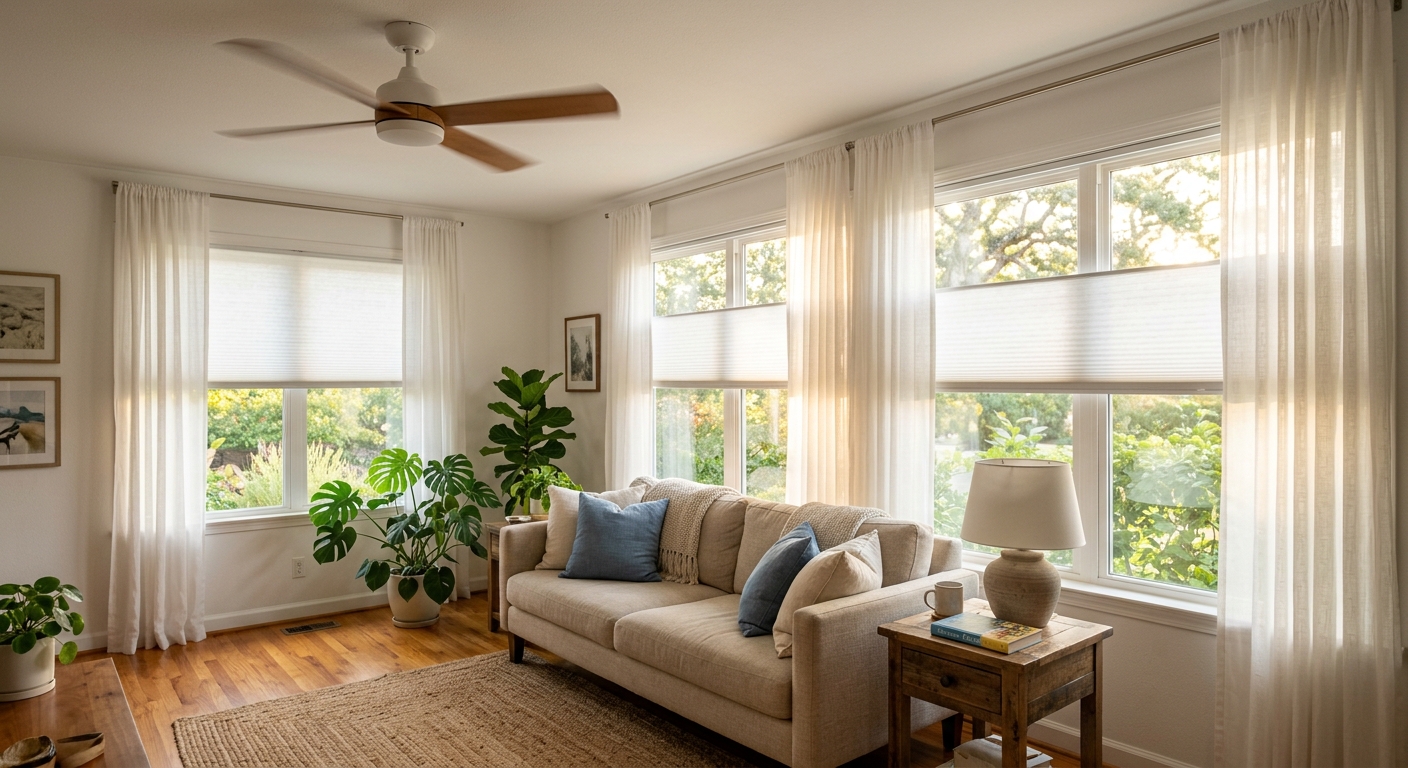
A stuffy, overheated room is one of the most common comfort complaints homeowners have, and cranking the AC is rarely the best solution. By targeting heat sources, airflow, and solar gain directly, you can drop a room’s felt temperature by 8 to 12 degrees without spending a dime on extra cooling.
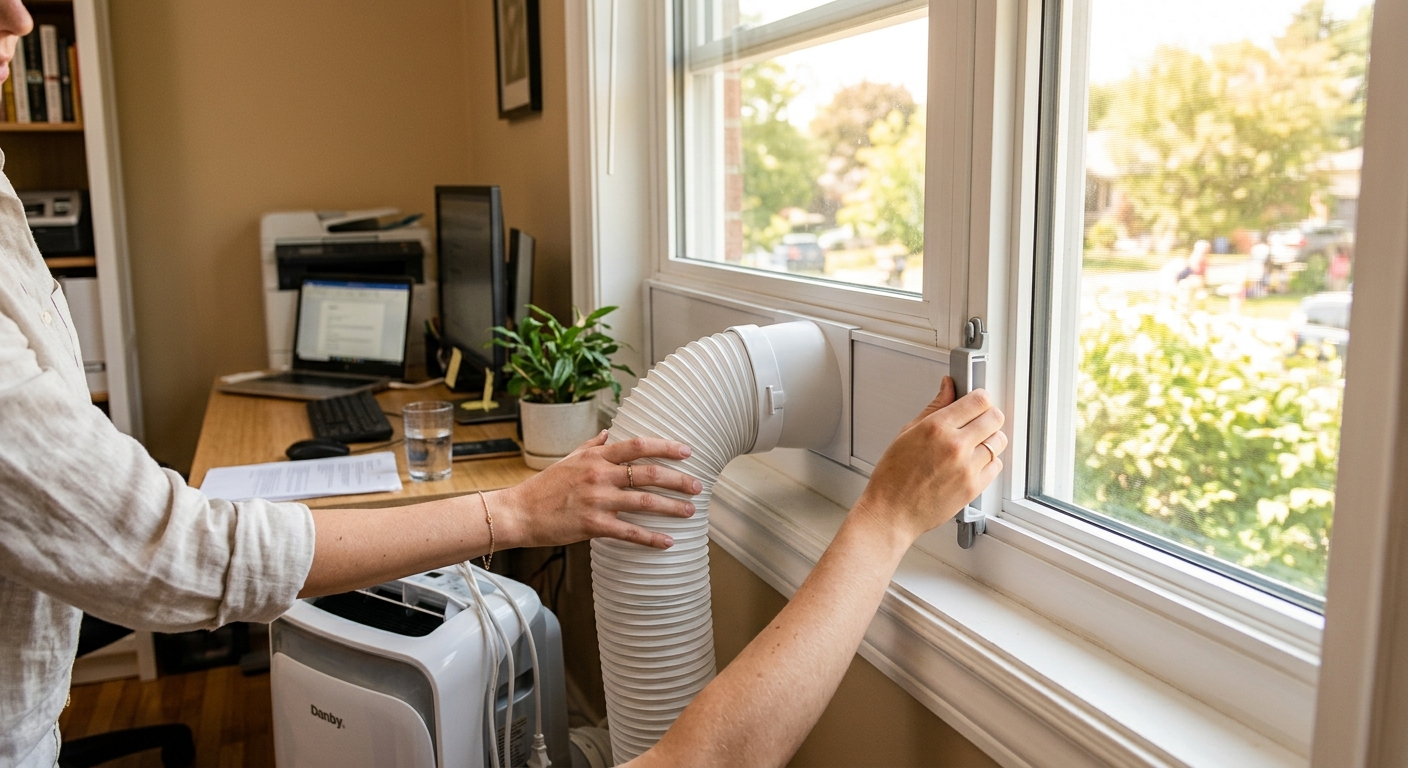
A home office during a heat wave can turn into a productivity-killing sauna, especially if it sits at the end of a duct run or faces west. These targeted cooling strategies will bring your workspace down to a comfortable 72 to 76 degrees without running your central AC into the ground.
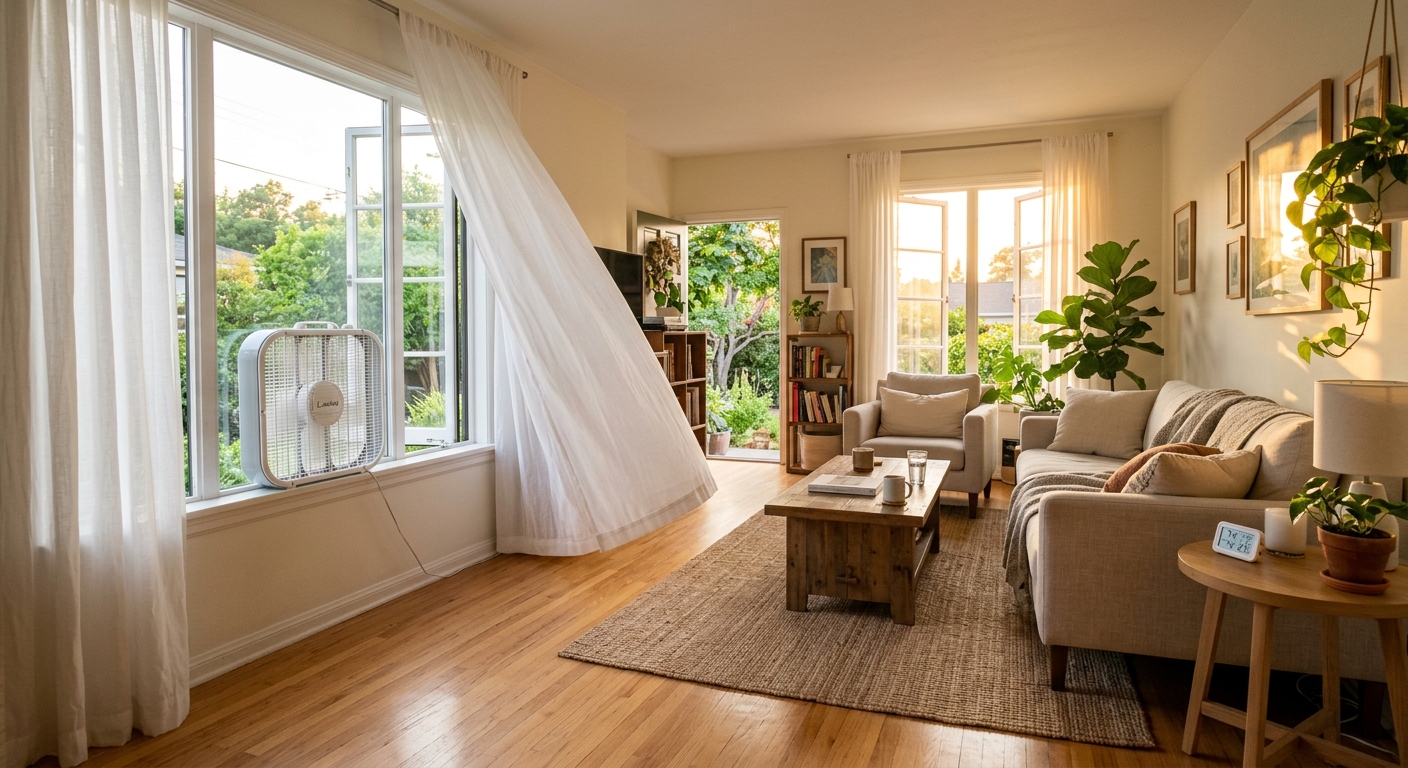
Running an air conditioner all summer can add hundreds of dollars to your energy bill, but strategic box fan placement can cool your home almost as effectively on mild days. By understanding how air moves through a house, you can create powerful cross-ventilation that flushes out heat and brings in cool outdoor air for just pennies a day.
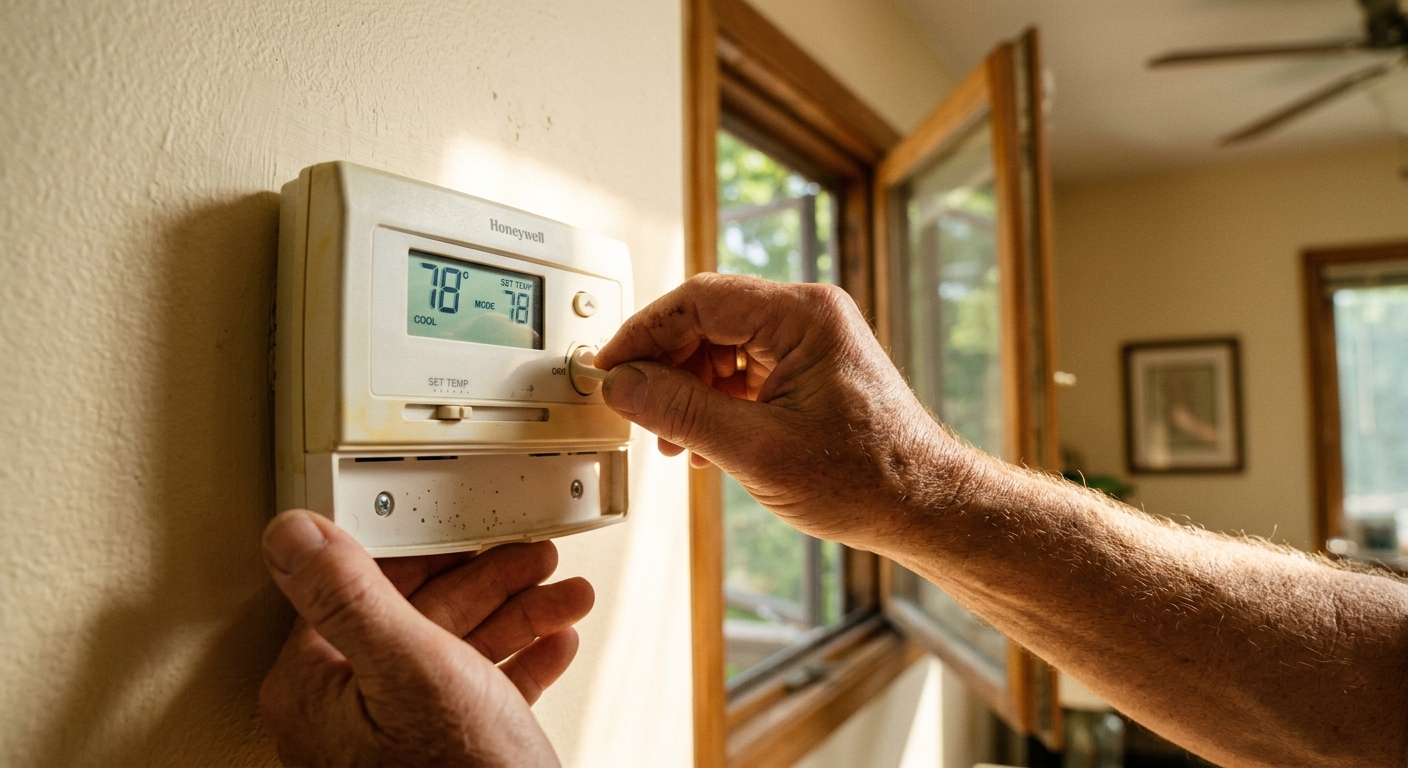
Most homeowners set their thermostat once and forget it, letting their AC run at full blast whether anyone is home or not. Programming a schedule that mirrors your actual daily routine can shave 10 to 15% off your summer cooling bill with zero additional hardware.
Most homeowners crank the AC below 72 degrees and watch their energy bills climb, not realizing that smart home prep can make 78 degrees feel just as comfortable. By managing heat gain, airflow, and humidity together, you can stay cool at a higher thermostat setting and cut cooling bills by 20 to 30 percent.
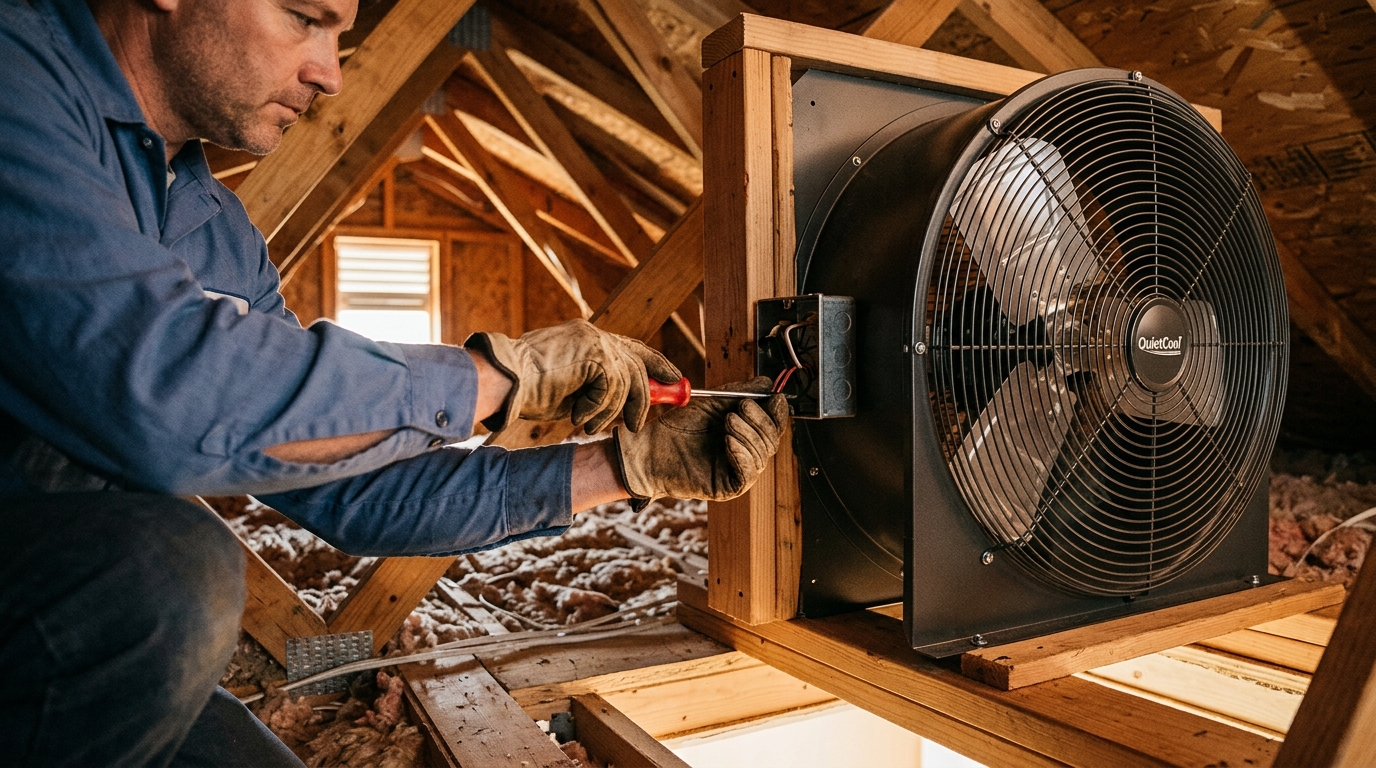
Running your AC all night burns money and leaves bedrooms stuffy and stale. A whole-house fan can flush your home with cool night air in minutes, slashing cooling costs by 50 to 90% on mild evenings.
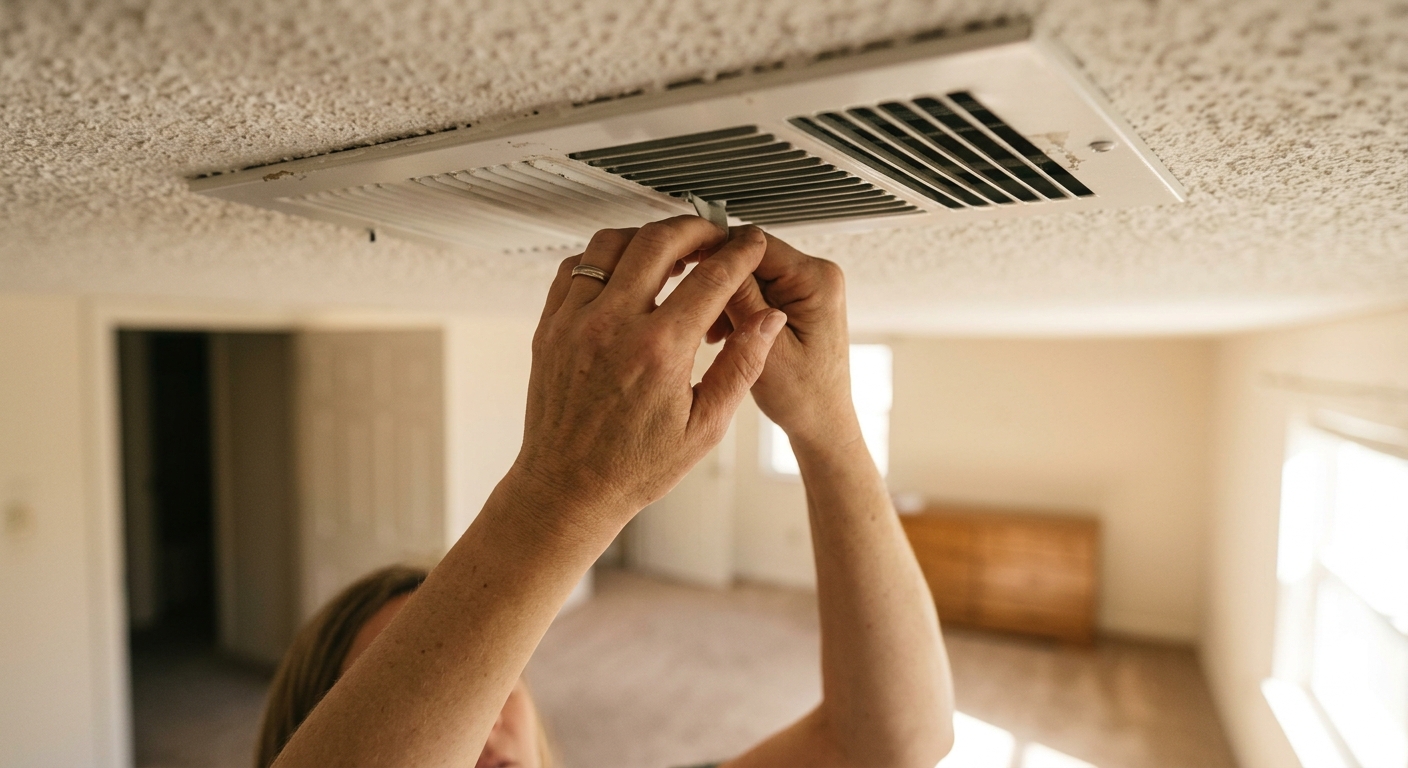
Closing vents in spare bedrooms seems like a smart way to save energy, but it actually increases pressure in your duct system and forces your AC to work harder. Here is what building science says you should do instead to actually lower your cooling bills.