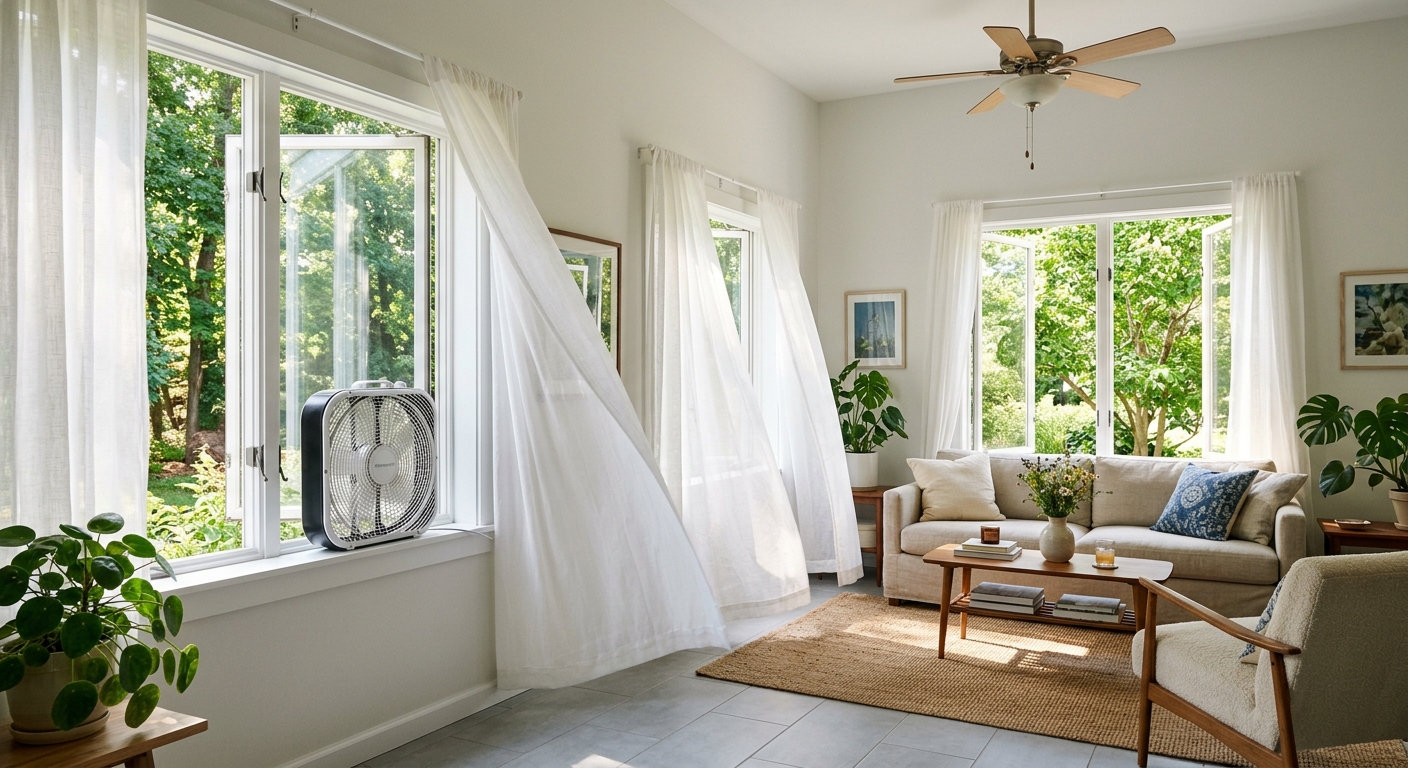
Most homeowners fight summer heat with their AC running constantly, never realizing their windows could be doing the heavy lifting for free. By understanding how air moves through your home and timing your window use strategically, you can cut cooling costs by 10 to 30% without touching your thermostat.
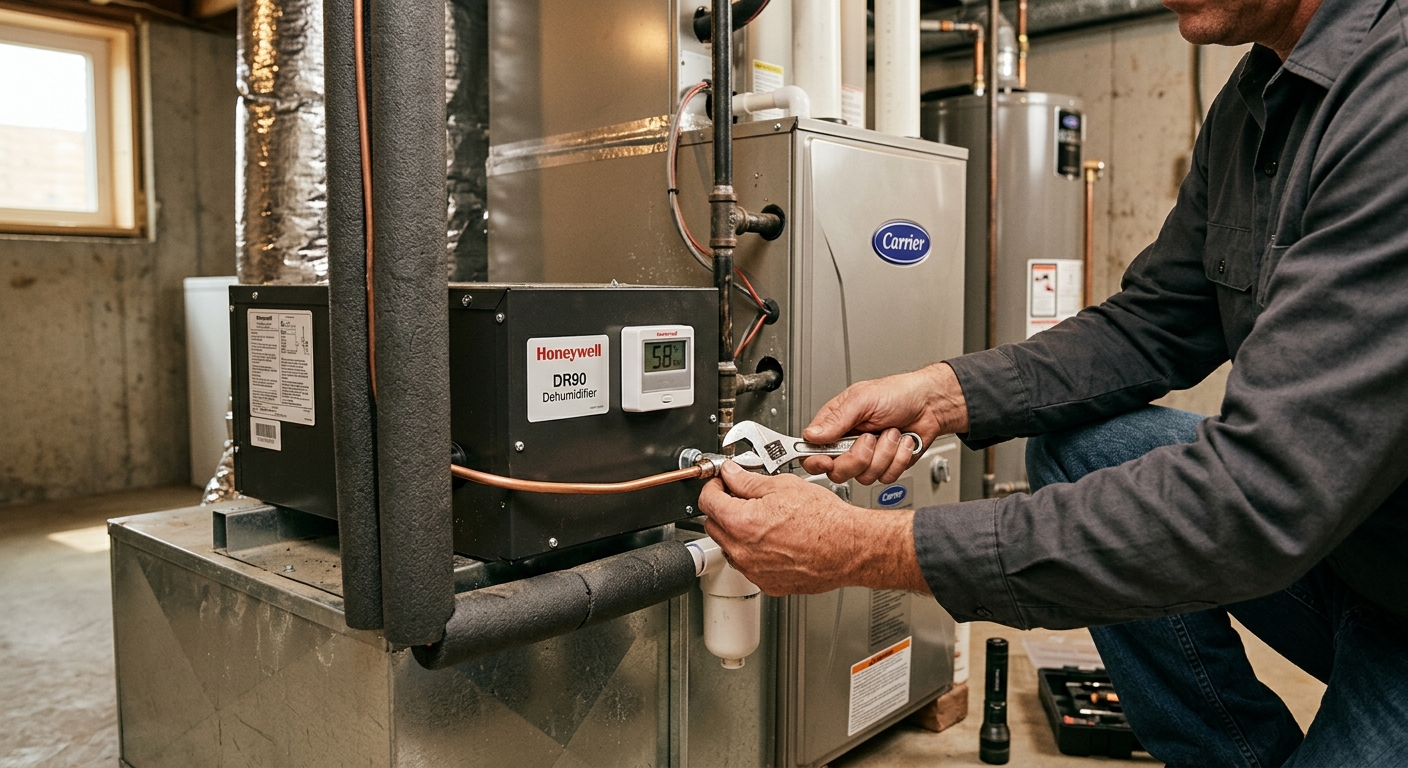
When indoor humidity climbs above 60%, your home can feel 10 degrees hotter than the thermostat reads, driving up energy bills as your AC struggles to keep up. Understanding and controlling moisture is the missing piece most homeowners never address.
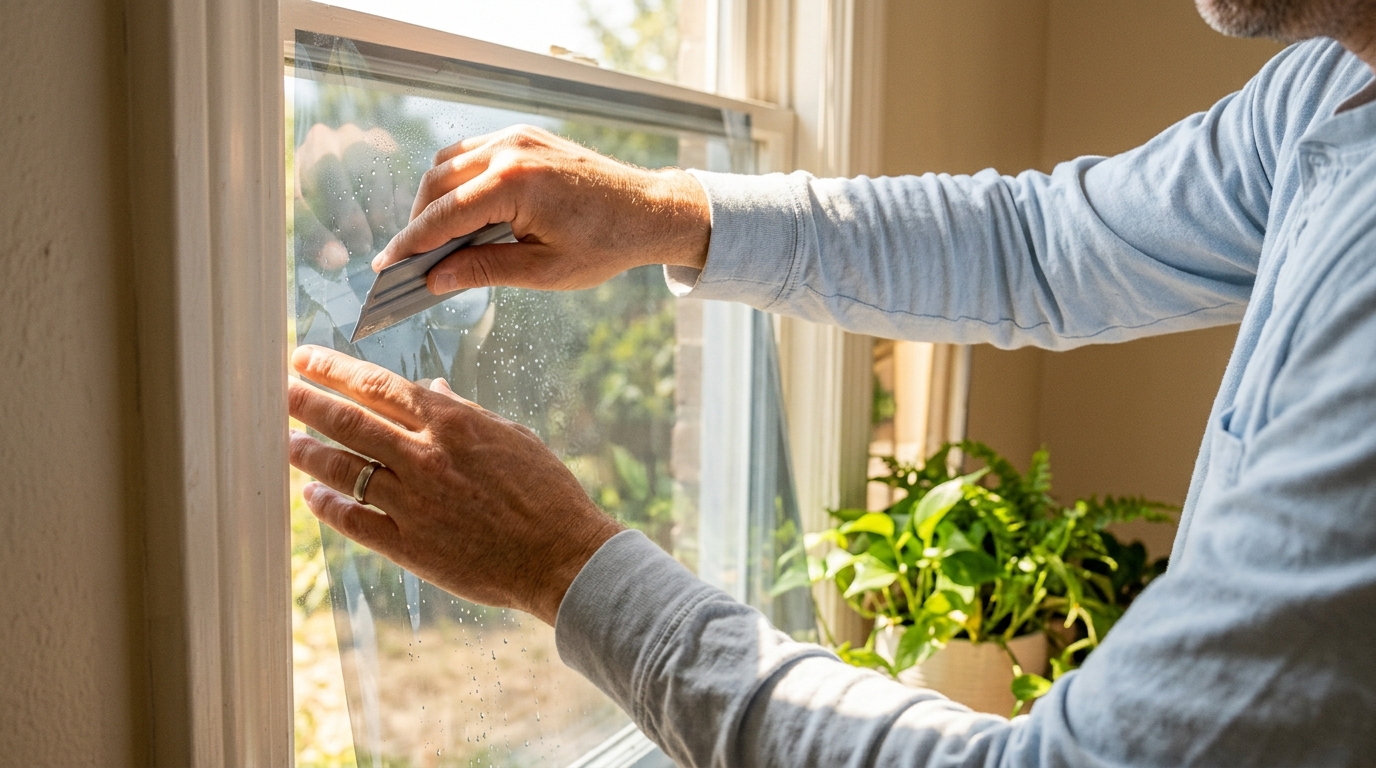
South and west-facing rooms can heat up 10 to 15 degrees more than the rest of your home, turning a bright space into an unusable oven by afternoon. The good news is you can cut solar heat gain by up to 70% using smart shading and glazing strategies that still let natural light flood in.
If your AC runs for hours while your neighbor’s house reaches a comfortable temperature in half the time, your home has a heat gain problem, not just an equipment problem. This post breaks down the six most common reasons a house holds heat too long and gives you a clear plan to fix them.
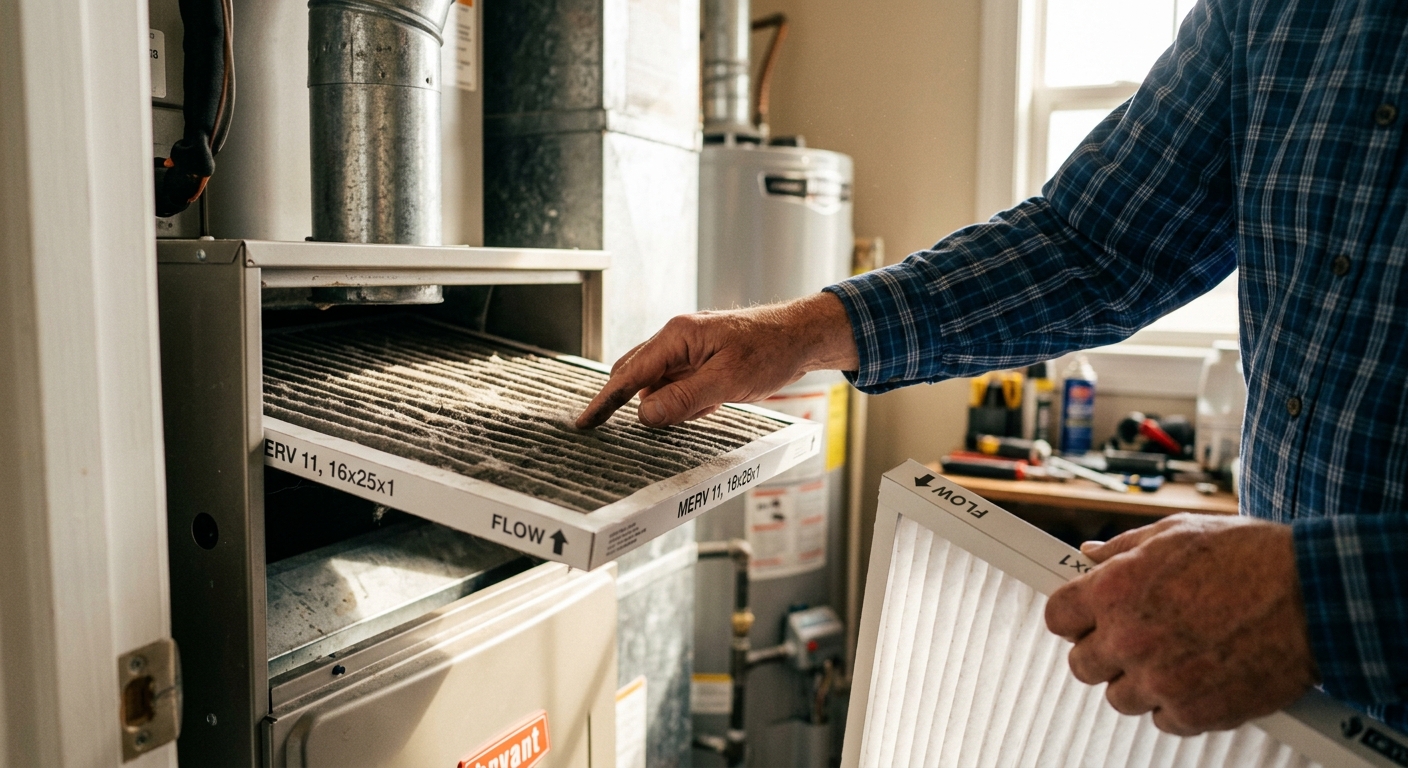
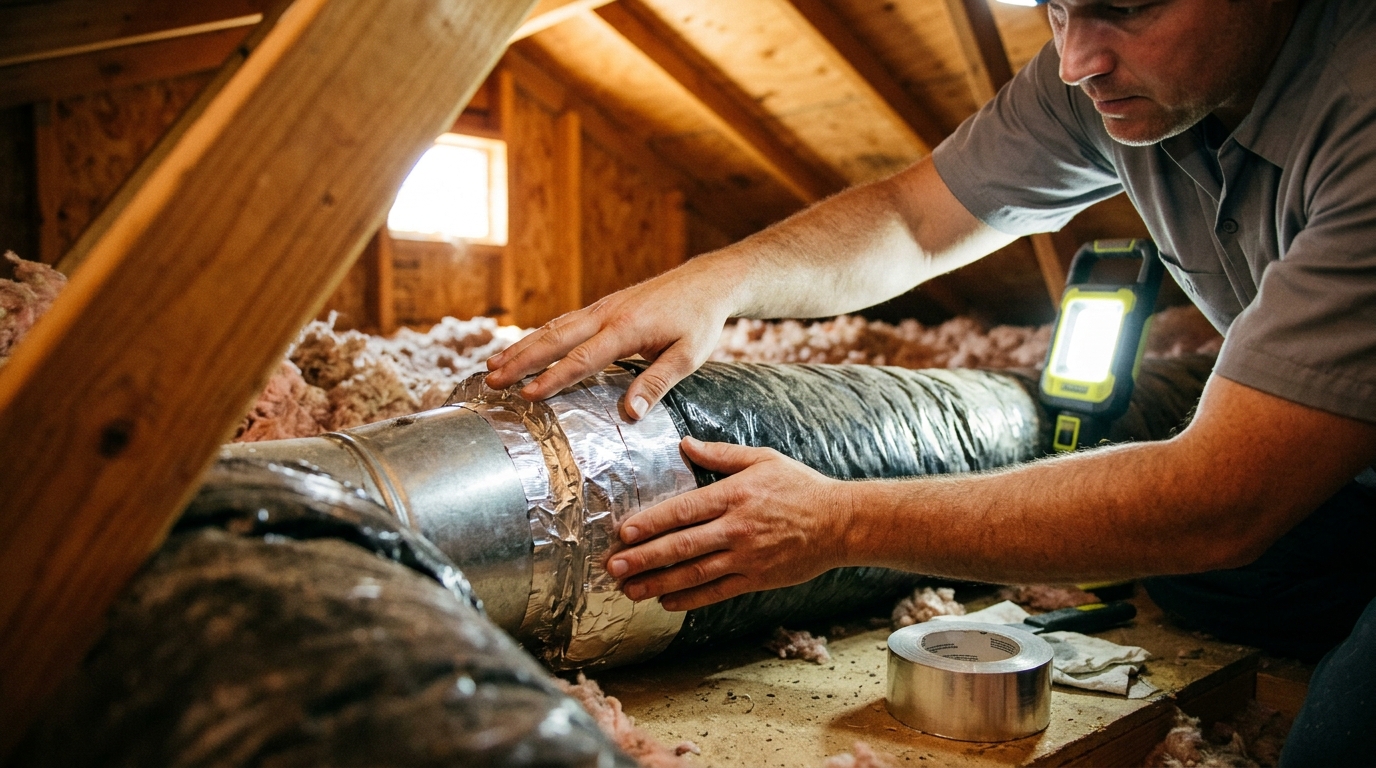
Most homeowners blame their HVAC system when the upstairs stays stuffy and hot, but the real culprit is usually a combination of attic heat, poor airflow, and duct problems. Fix the right things in the right order and you can close that temperature gap by 3 to 5 degrees without replacing your AC.
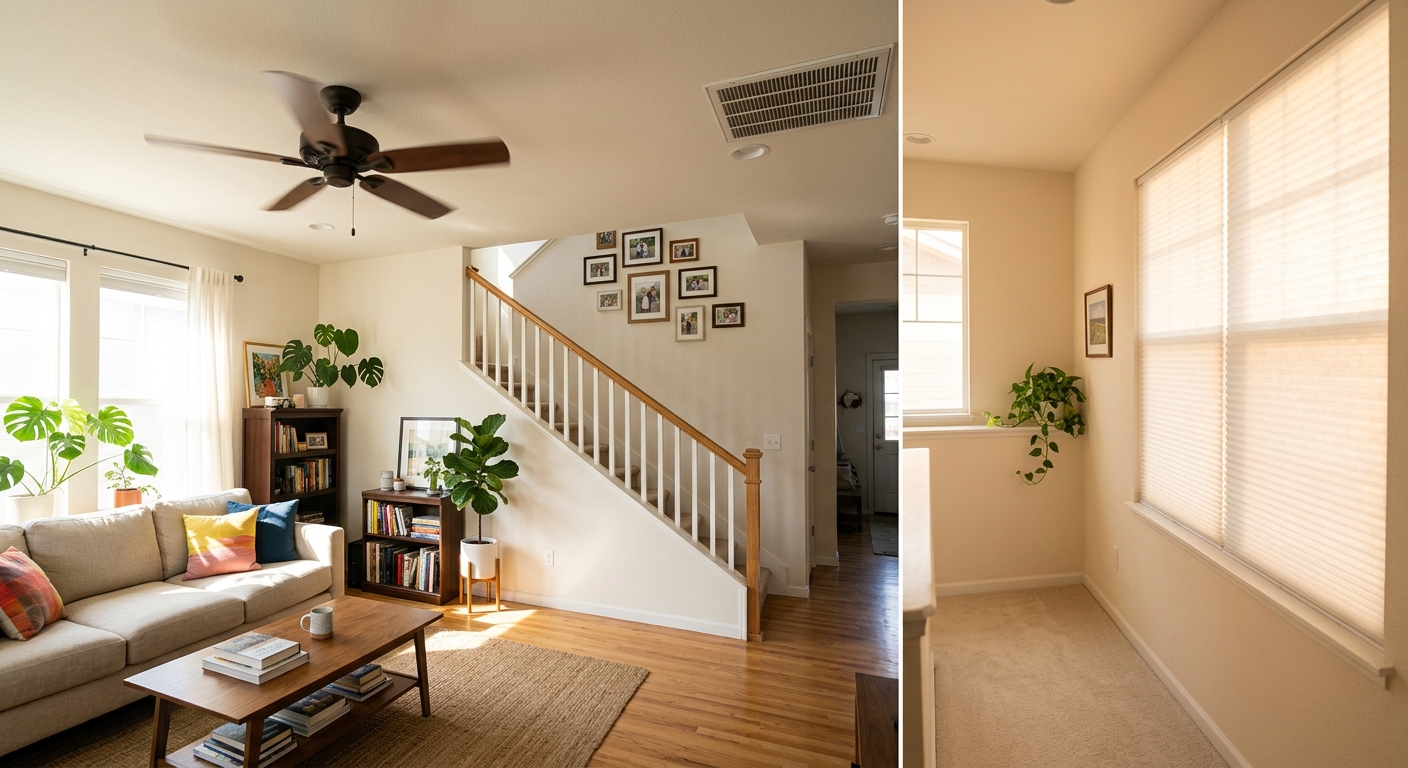
Two-story homes are notorious for wild temperature swings between floors, leaving the upstairs sweltering while the first floor turns into a freezer. With the right combination of airflow adjustments, thermostat strategy, and targeted upgrades, you can balance temperatures within 2 to 4 degrees across both floors without cranking up the AC.
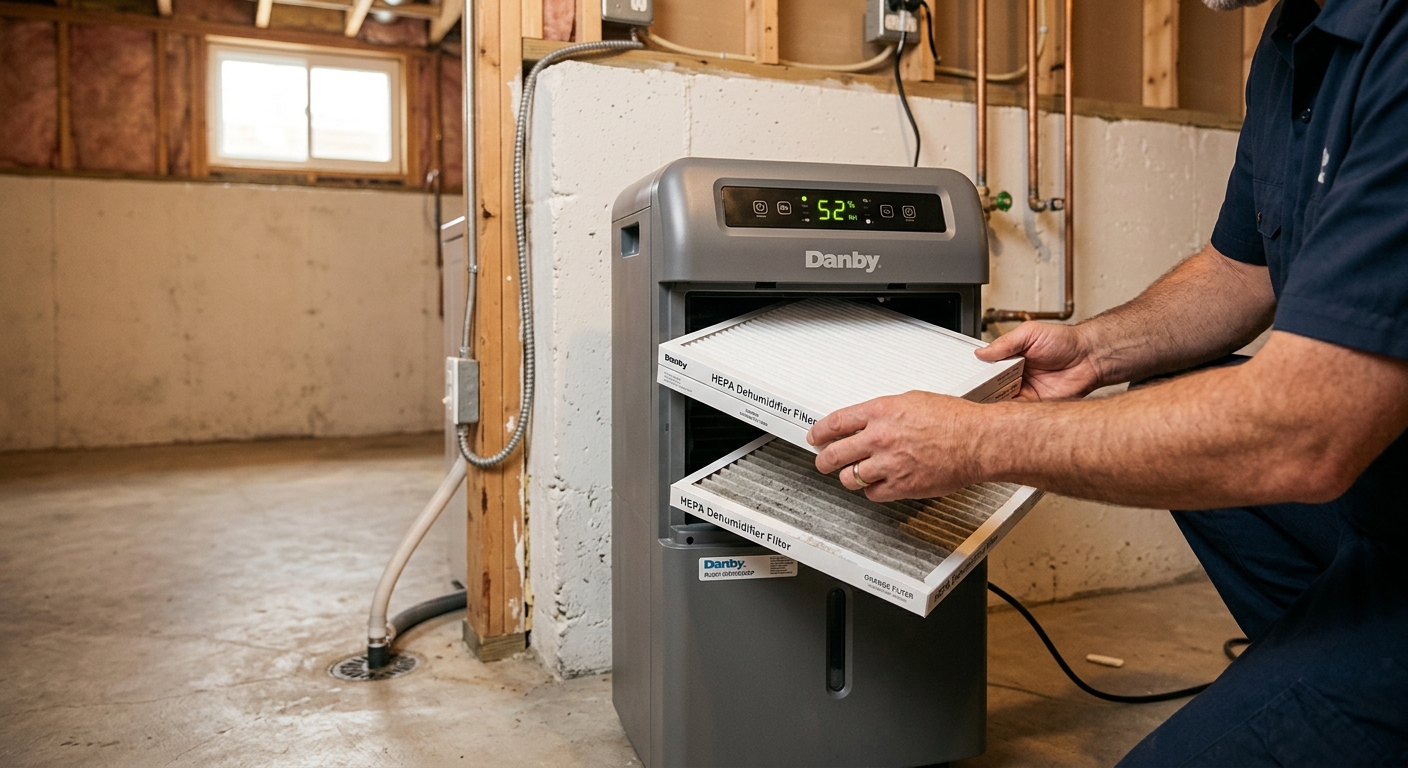
Summer humidity turns basements into clammy, musty spaces that can damage belongings and grow mold within 48 hours. Understanding why moisture enters and which fixes actually work can save you hundreds in repairs and slash cooling costs by up to 15%.
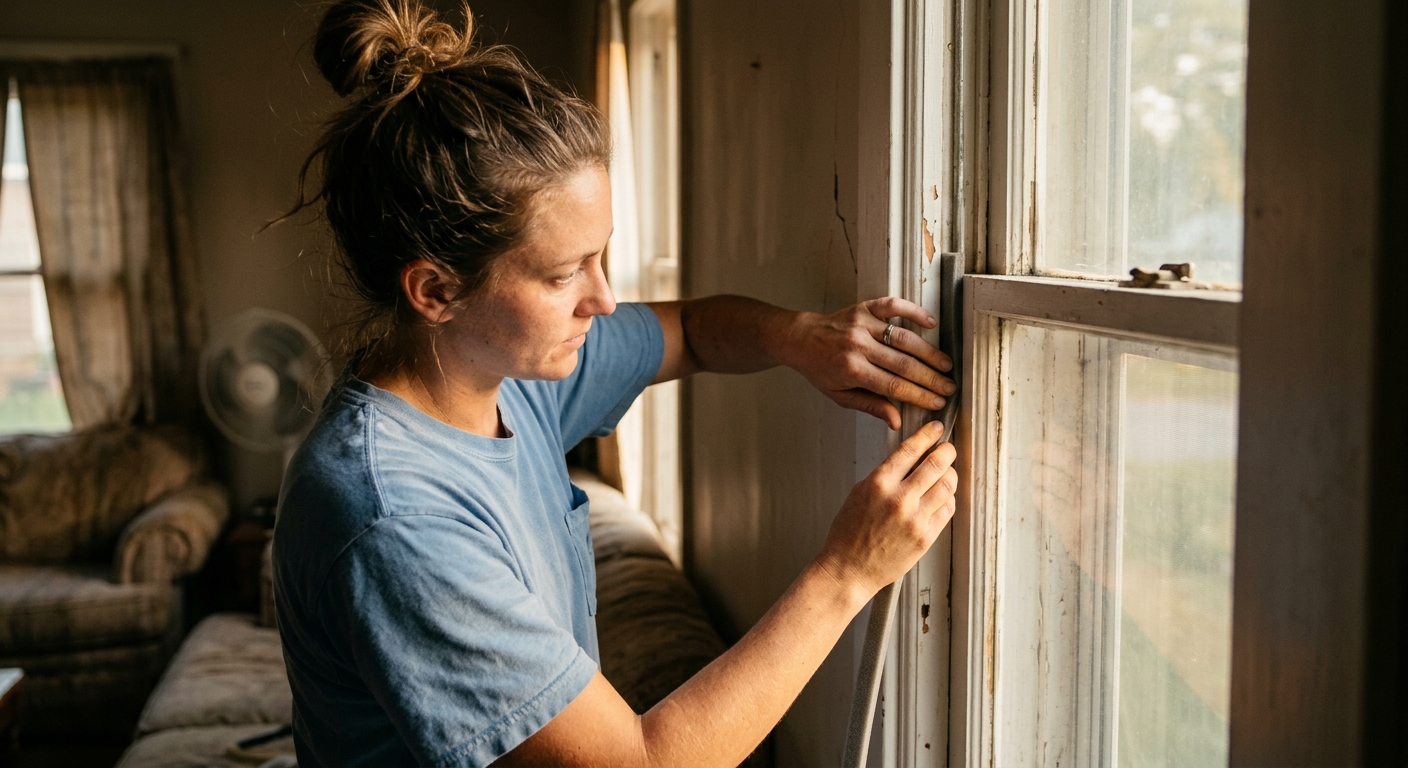
Living in a poorly insulated home turns summer into a constant battle against heat and high electric bills. These practical, low-cost strategies let you stay comfortable now while you build toward the permanent fix.
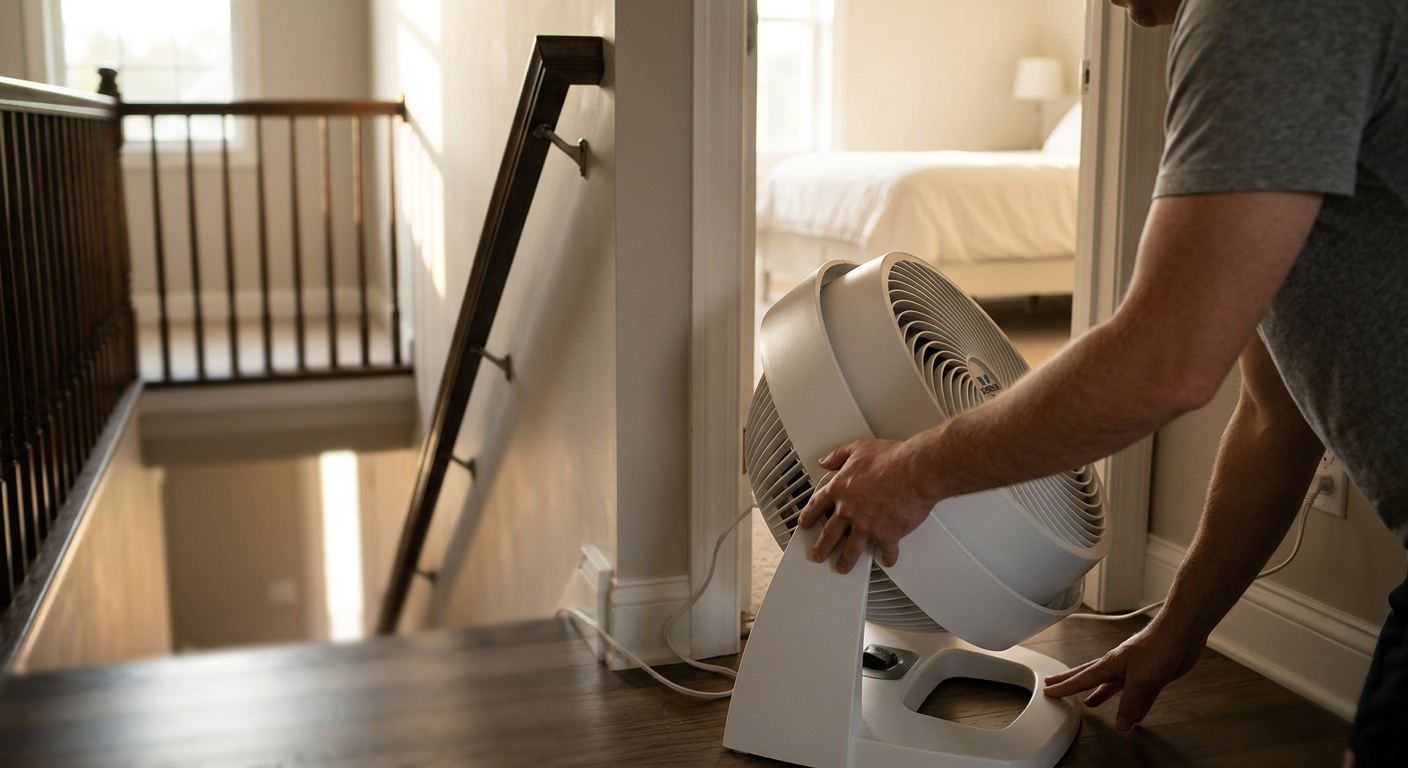
Two-story homes trap heat upstairs because warm air naturally rises, making upper floors 8 to 12 degrees hotter than the ground level. Strategic portable fan placement can neutralize that temperature gap and cut cooling costs by 15 to 30% without any permanent installation.
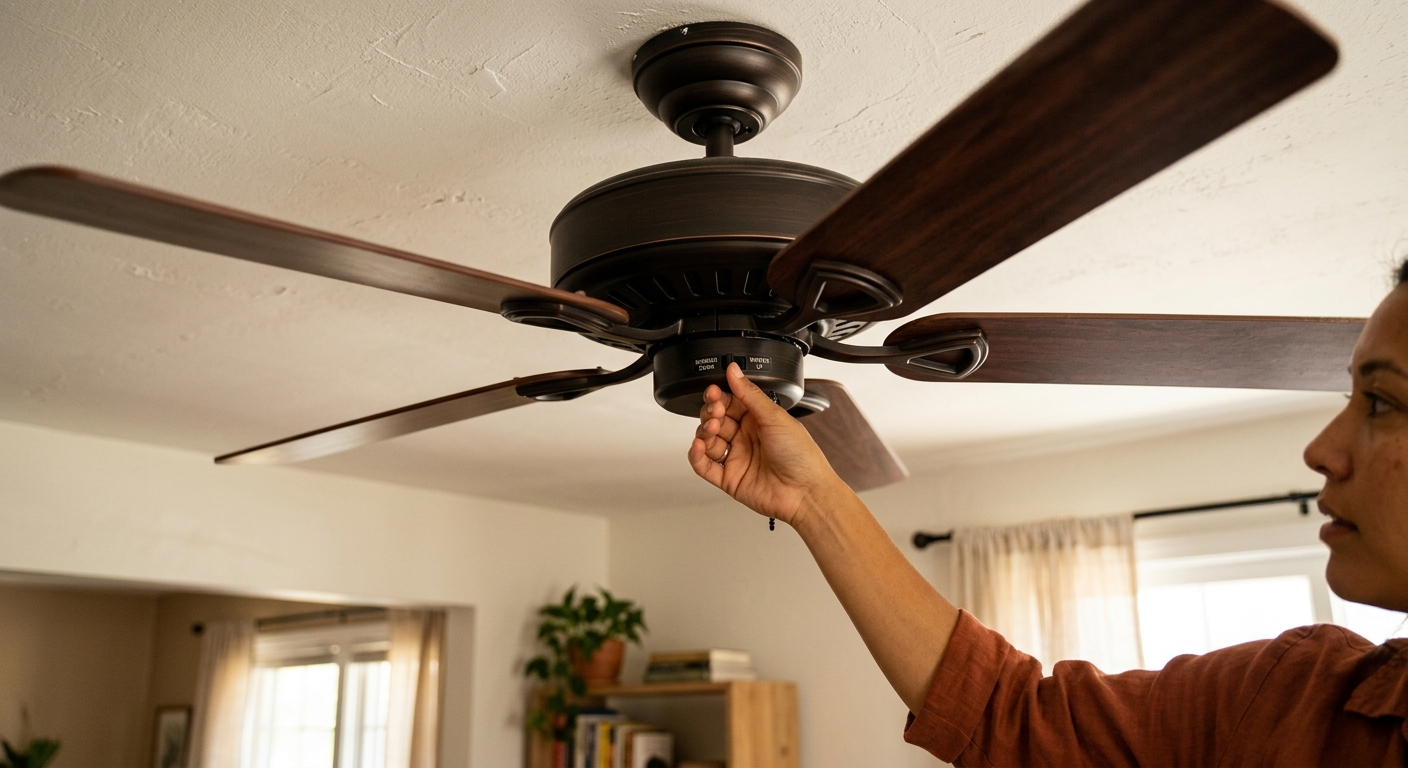
Most homeowners leave ceiling fans running all day in empty rooms, wasting electricity without saving a dime. Used correctly, ceiling fans can make a room feel 4 degrees cooler and cut your AC runtime by up to 15%.