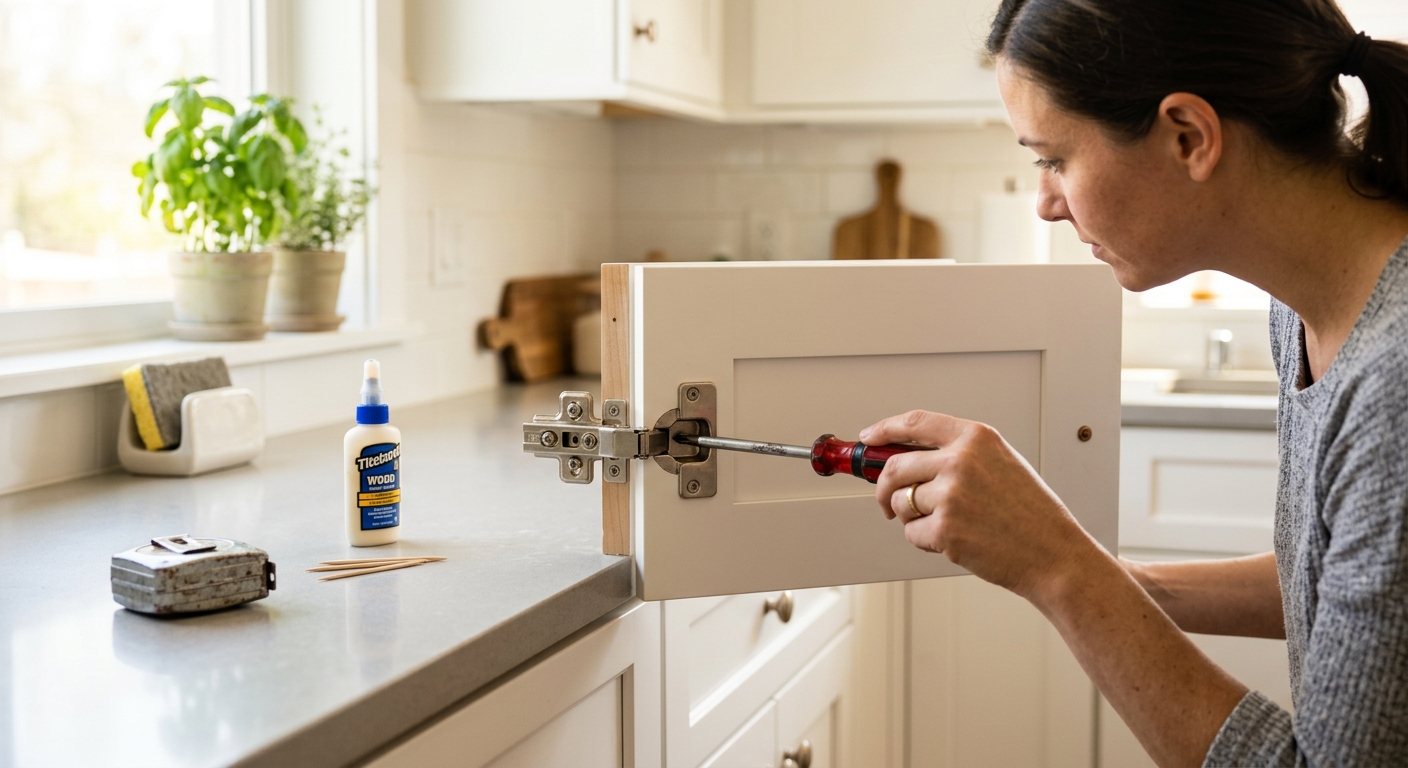
Loose, sagging, or bouncing cabinet doors are one of the most common kitchen annoyances homeowners deal with, and most people just live with them. The good news is that 90% of cases can be fixed in under 30 minutes with basic tools and a few dollars in hardware.
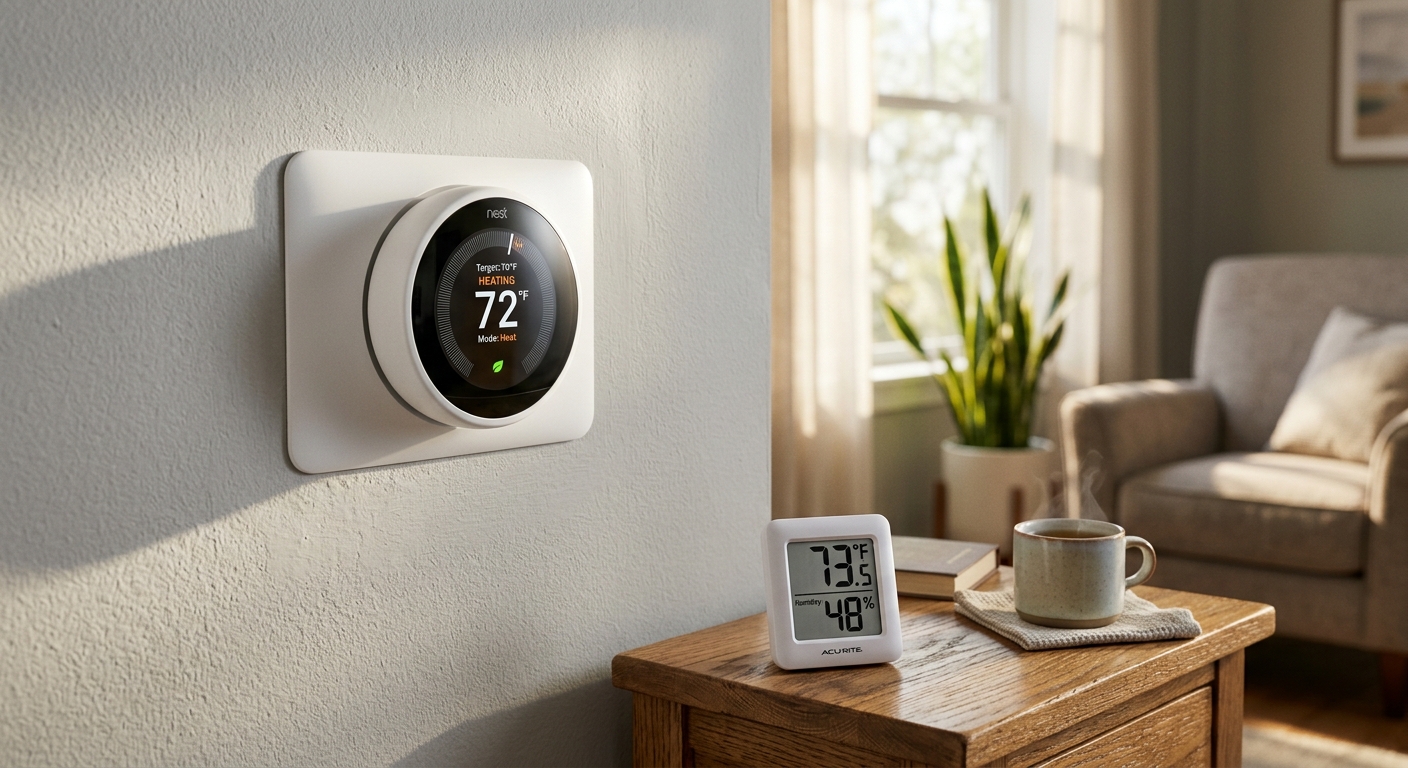
A thermostat placed near a drafty window, sunny wall, or kitchen can lie to your HVAC system and leave half your home too hot or too cold. Learning to diagnose these placement errors is the fastest way to restore even comfort and stop your system from short-cycling or running nonstop.
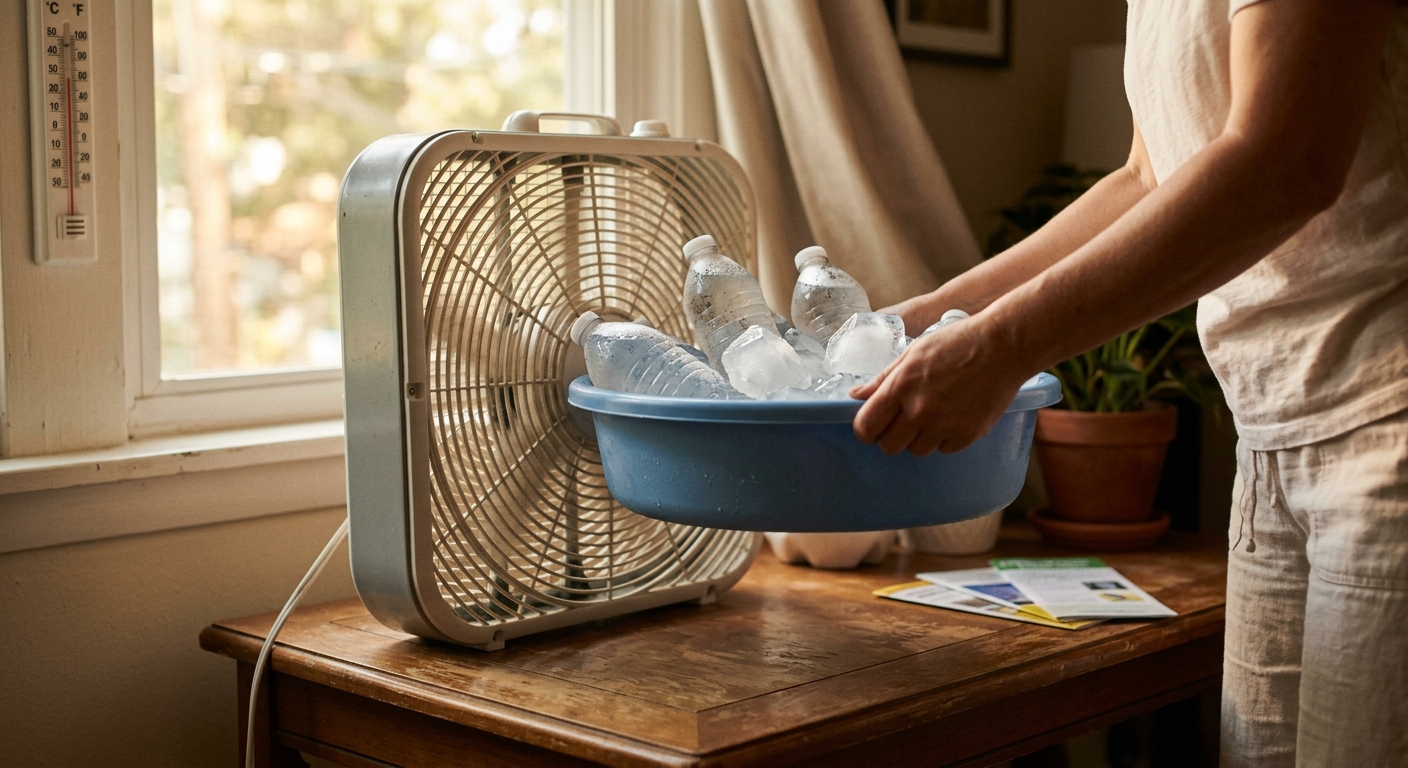
Without AC, a single room can climb 10 to 15 degrees above outdoor temps on a hot afternoon, making sleep and productivity miserable. The right combination of airflow, shading, and low-cost tools can drop the felt temperature by 8 to 12 degrees without touching a thermostat.
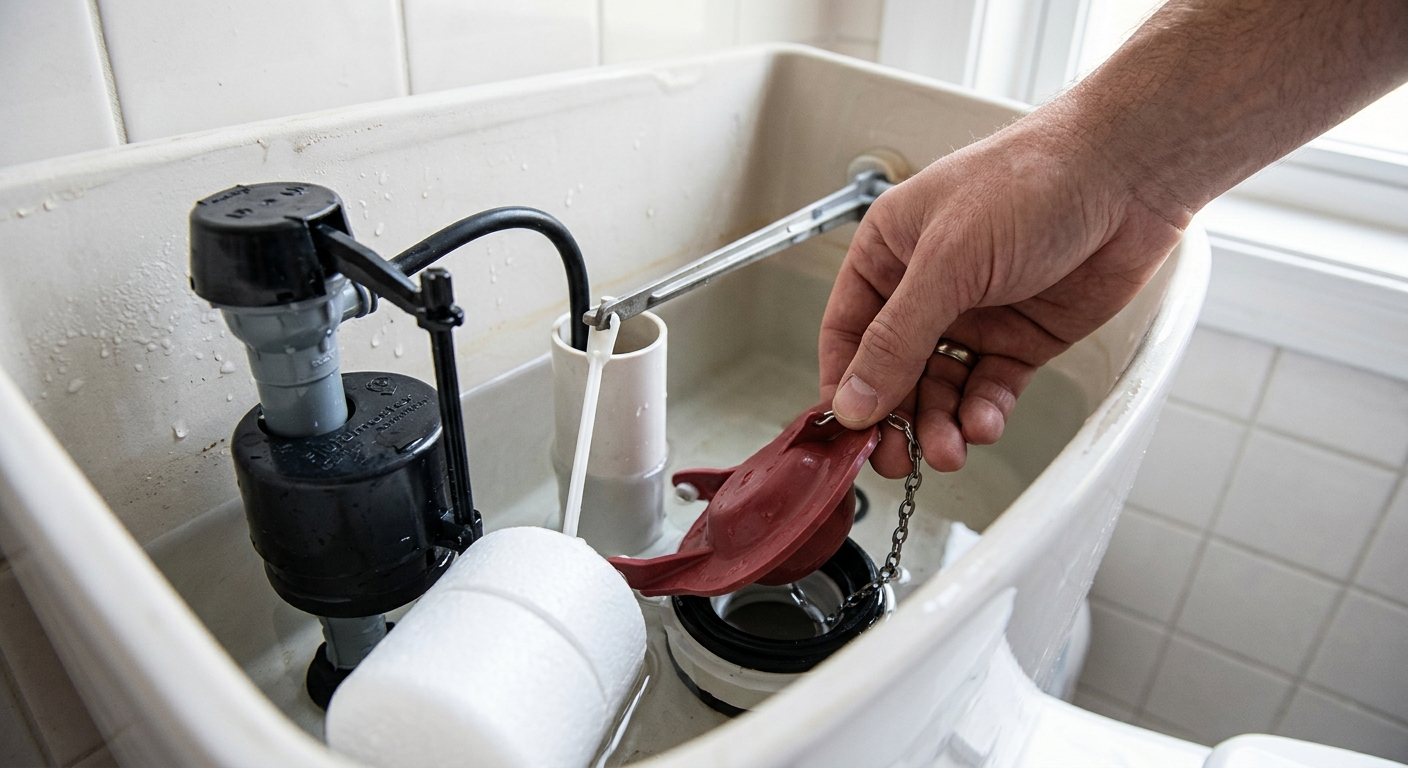
A running toilet can waste up to 200 gallons of water per day, silently inflating your water bill by $70 or more each month. With a few simple checks and a $5 to $15 flapper replacement, most homeowners can fix it in under 10 minutes without any special tools.
A sump pump failure during a heavy storm can mean thousands of dollars in basement flood damage in just a few hours. This guide walks you through the exact maintenance steps, backup systems, and warning signs that keep your pump running reliably when rain is pouring and the stakes are highest.
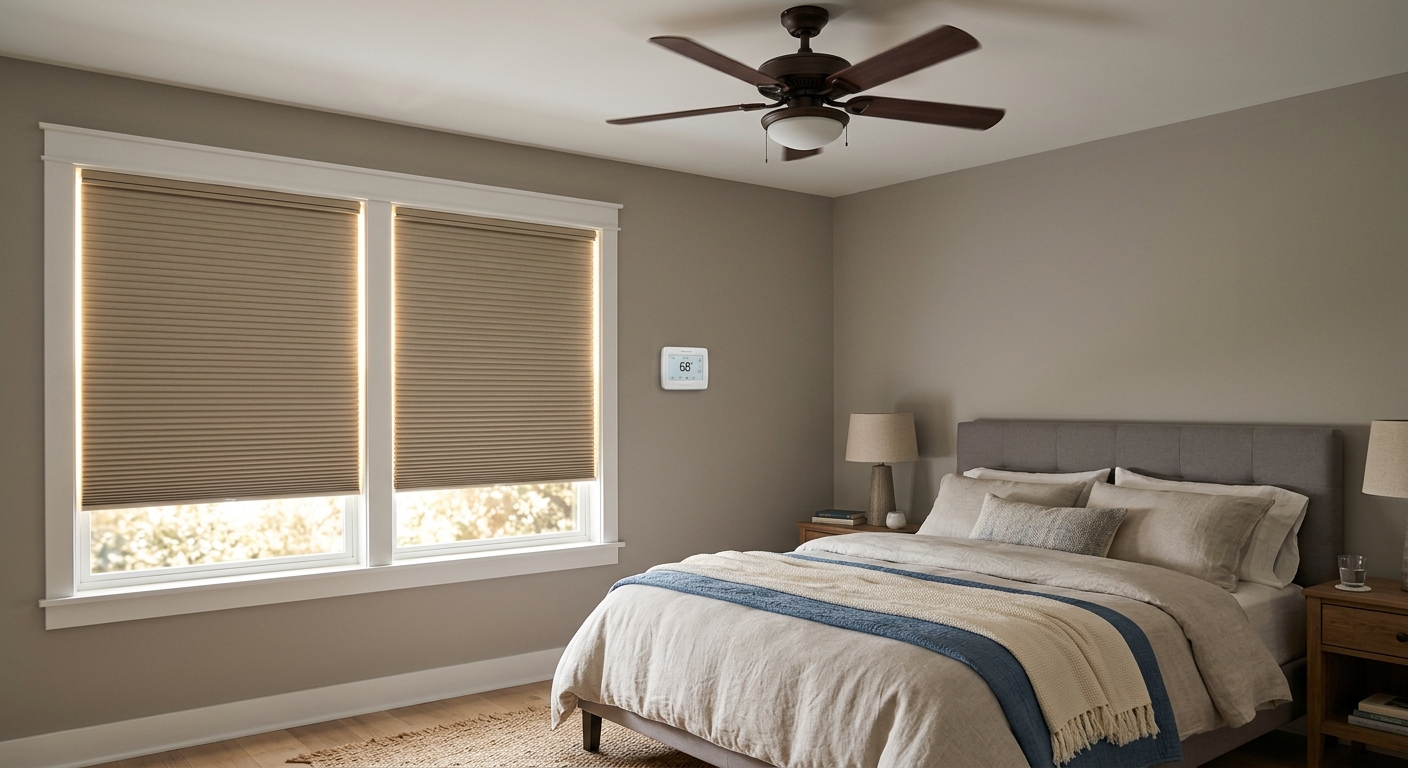
Sleeping during the day means your AC fights peak heat and peak electricity rates at the same time. The right combination of scheduling, shading, and airflow strategies can cut your cooling costs by 20 to 35% while keeping your bedroom genuinely comfortable for daytime sleep.
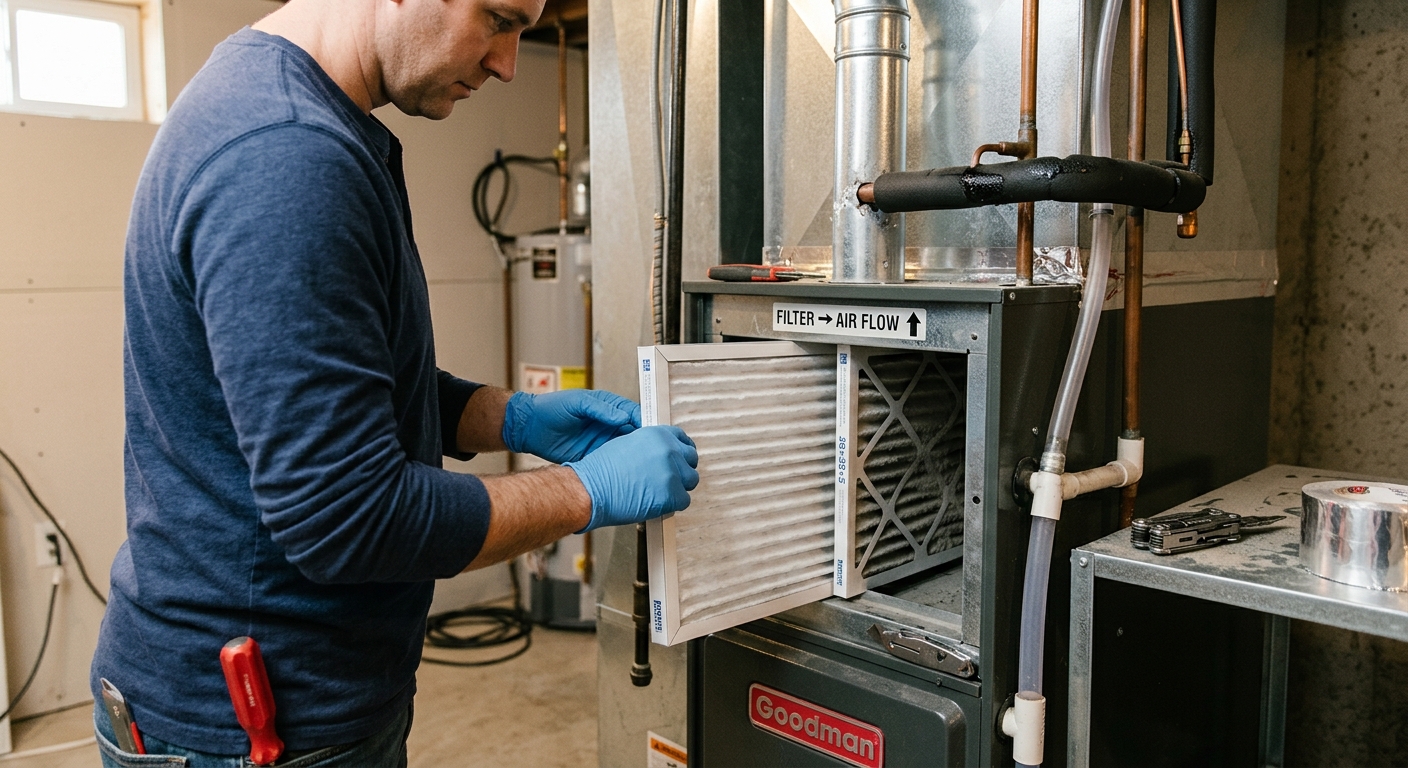
Most homeowners turn on their AC for the first time in June and hope for the best, but a quick pre-season check can prevent breakdowns, cut cooling bills by up to 25%, and extend the life of a system that costs $5,000 to $12,000 to replace. This guide walks you through a simple inspection any homeowner can complete in about 10 minutes, plus optional deeper checks for those who want to go further.
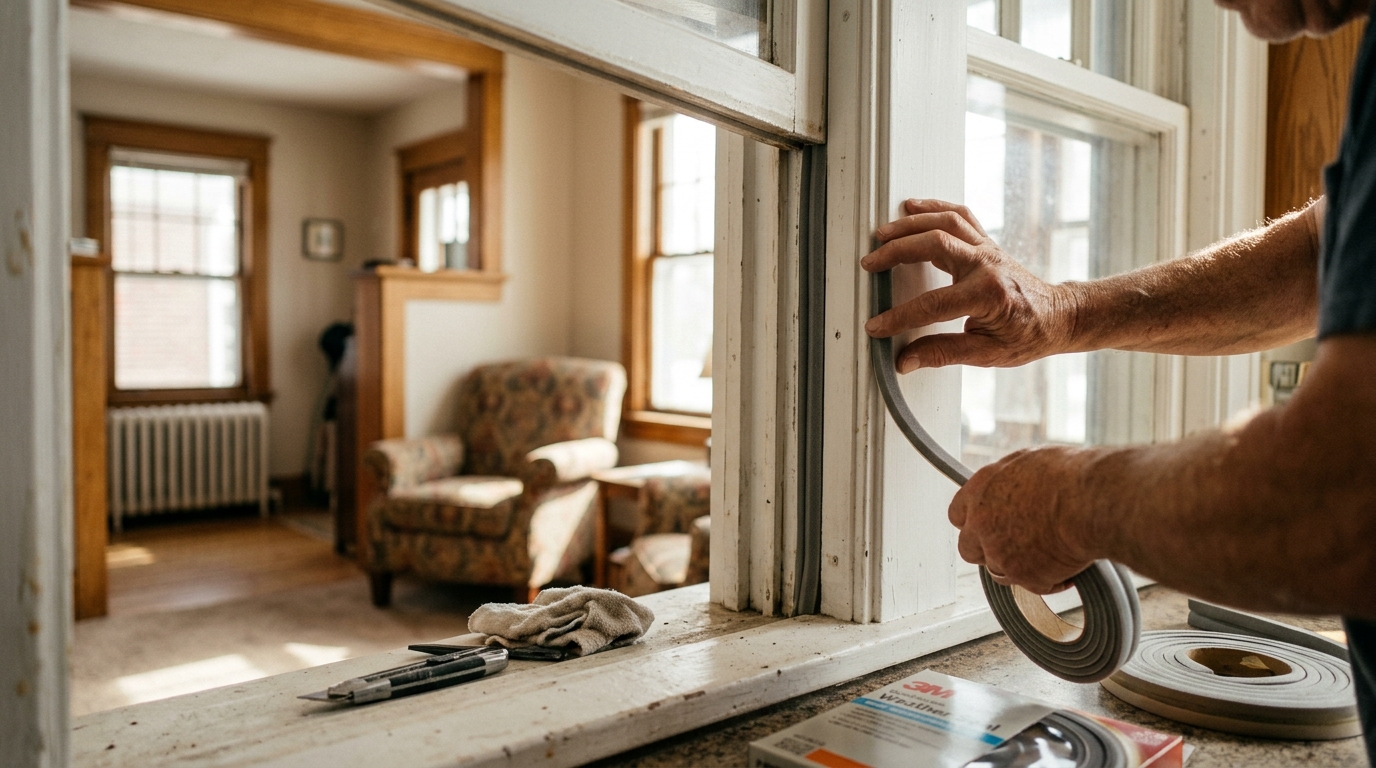
Older homes often feel drafty in winter and stuffy in summer, even when the furnace or AC runs constantly. With targeted air sealing, insulation upgrades, and smart system tweaks, you can dramatically improve comfort and cut energy bills without a full HVAC replacement.
Running the AC all night is one of the biggest drivers of summer energy bills, but most homeowners don’t realize how much of that cooling is simply lost to poor nighttime habits and easy-to-fix heat sources. With a few targeted changes, you can sleep comfortably at 75 to 78°F instead of blasting your system to 68°F, cutting overnight cooling costs by 20 to 40%.
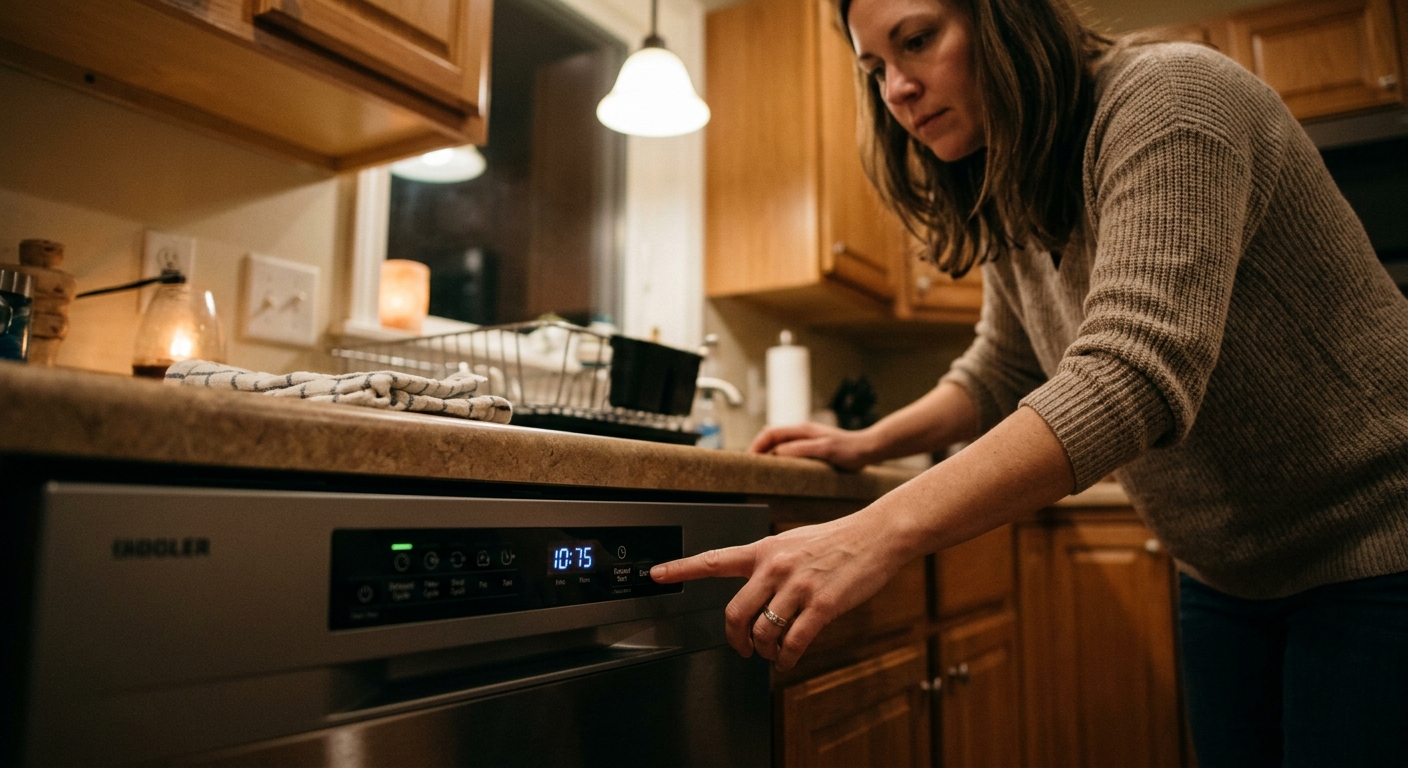
Most homeowners overpay for electricity simply because they run appliances at the wrong time of day. Switching to a time-of-use rate plan and shifting just a few daily habits can cut your electric bill by 15 to 25% with almost no lifestyle sacrifice.