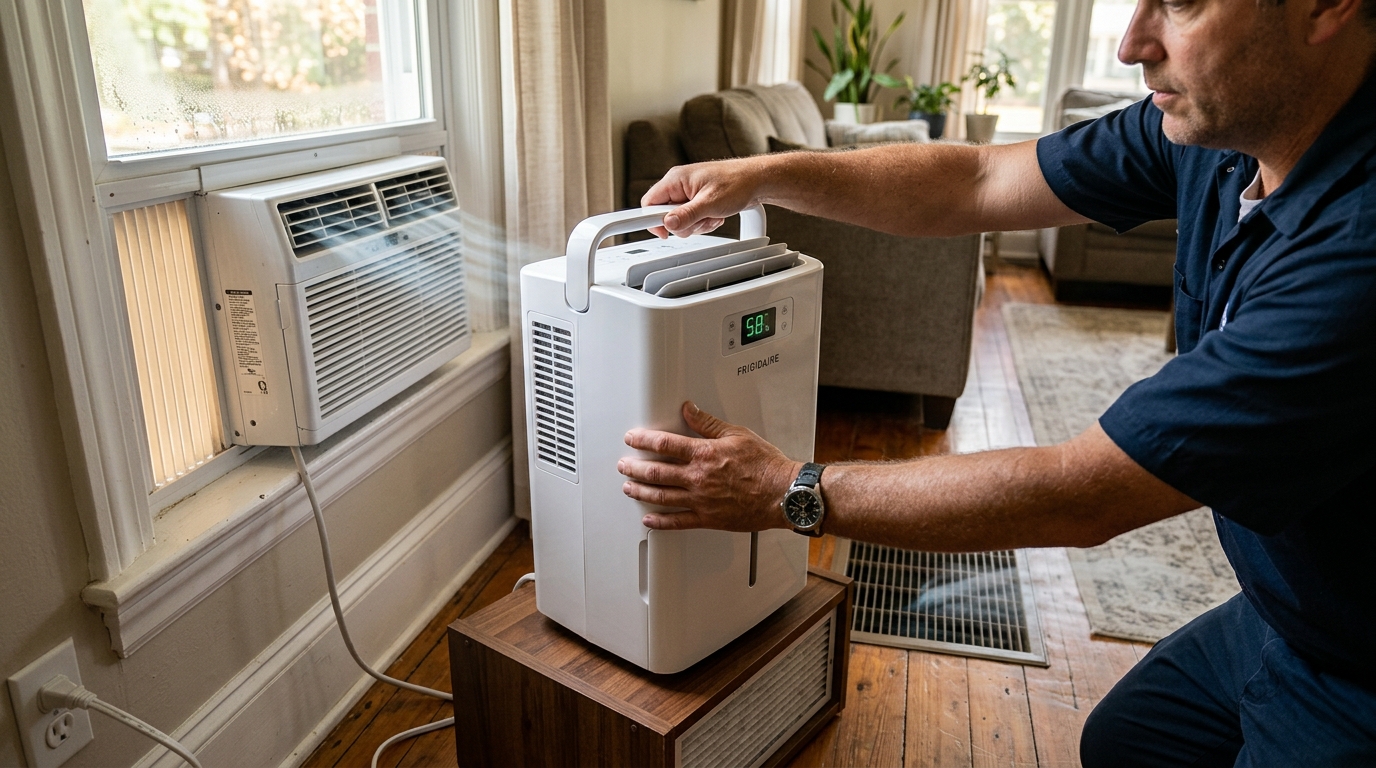
High indoor humidity forces your air conditioner to work overtime, raising bills and leaving rooms feeling sticky even at cool temperatures. Placing a dehumidifier strategically can cut your AC runtime by 10 to 20% and make 76°F feel as comfortable as 72°F.
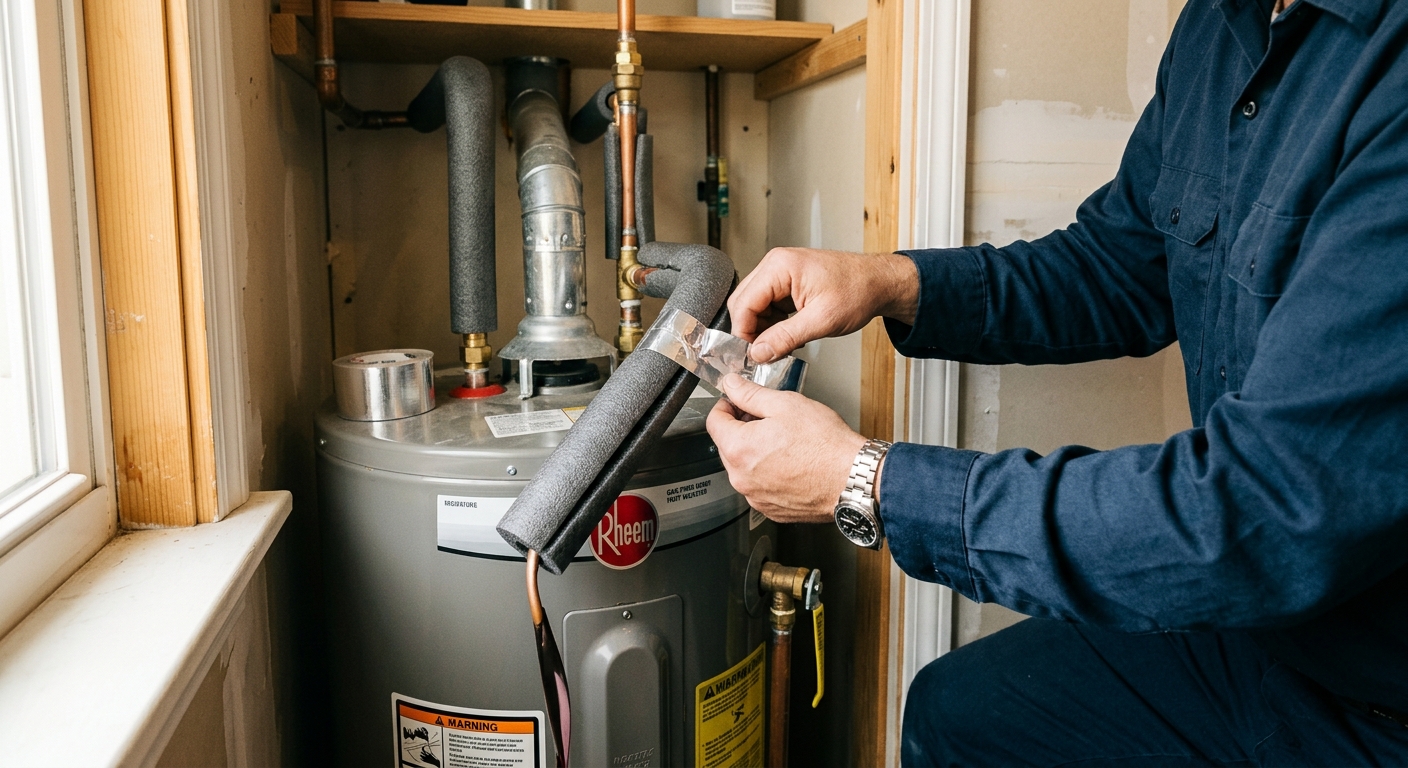
Your water heater loses heat constantly through the walls of its closet, forcing it to reheat water more often and driving up your energy bill. Insulating the closet walls, door, and pipes can reduce standby heat loss by 25 to 45% and pay for itself in under a year.
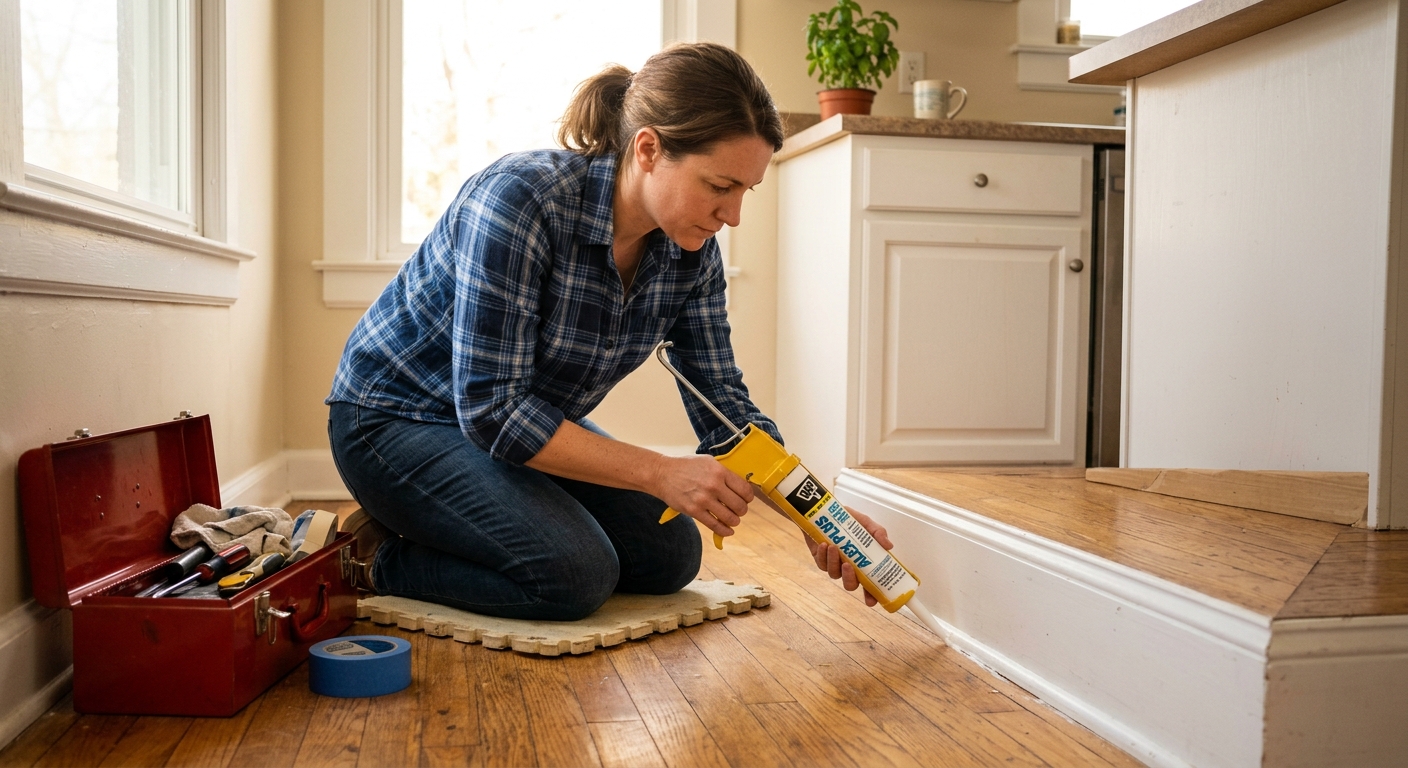
Ants don’t materialize inside your home – they follow tiny gaps and cracks that also leak conditioned air year-round. One afternoon of targeted caulking seals out pests and cuts your energy bills at the same time.
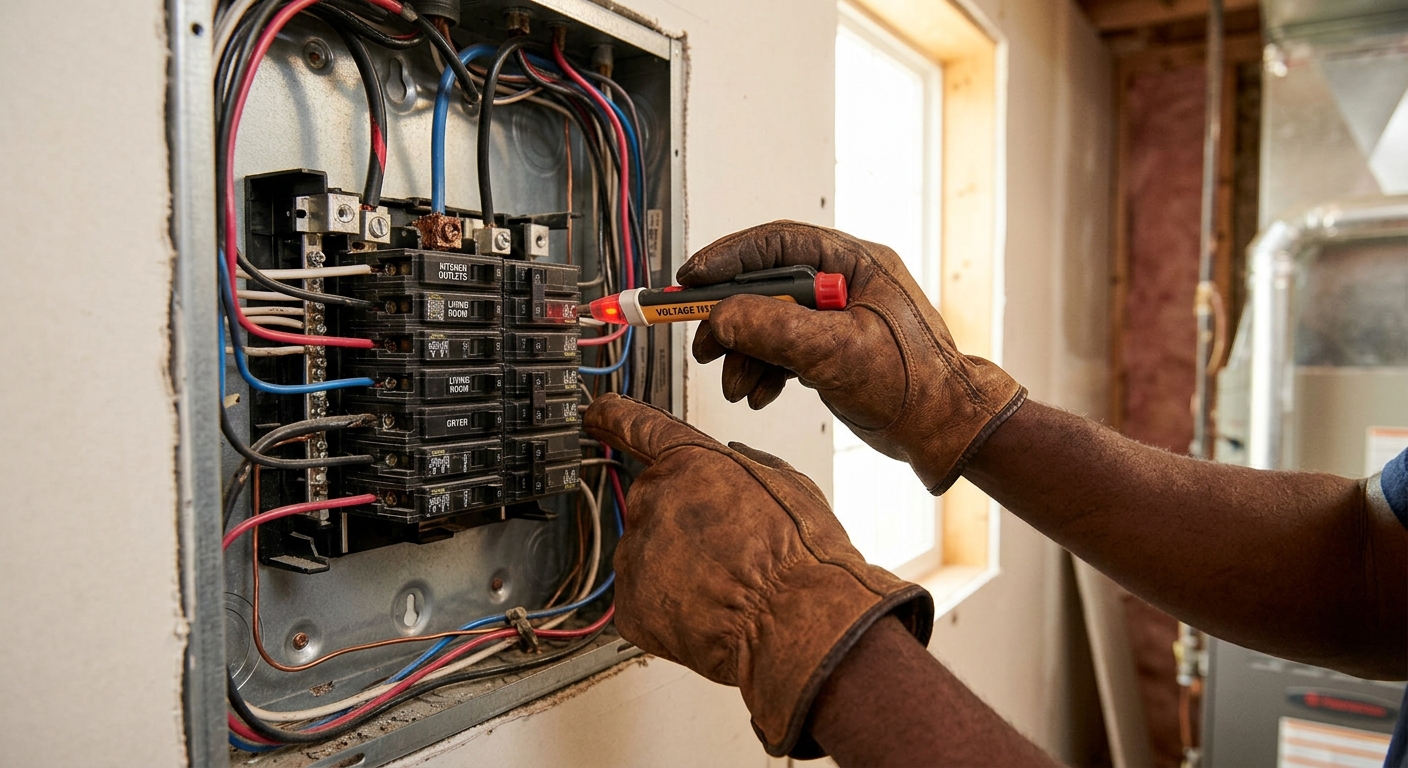
Faulty wiring is the leading cause of house fires in the US, responsible for over 51,000 fires and $1.3 billion in property damage annually. Learning to spot the early warning signs can protect your home, your family, and your wallet before a minor electrical issue turns catastrophic.
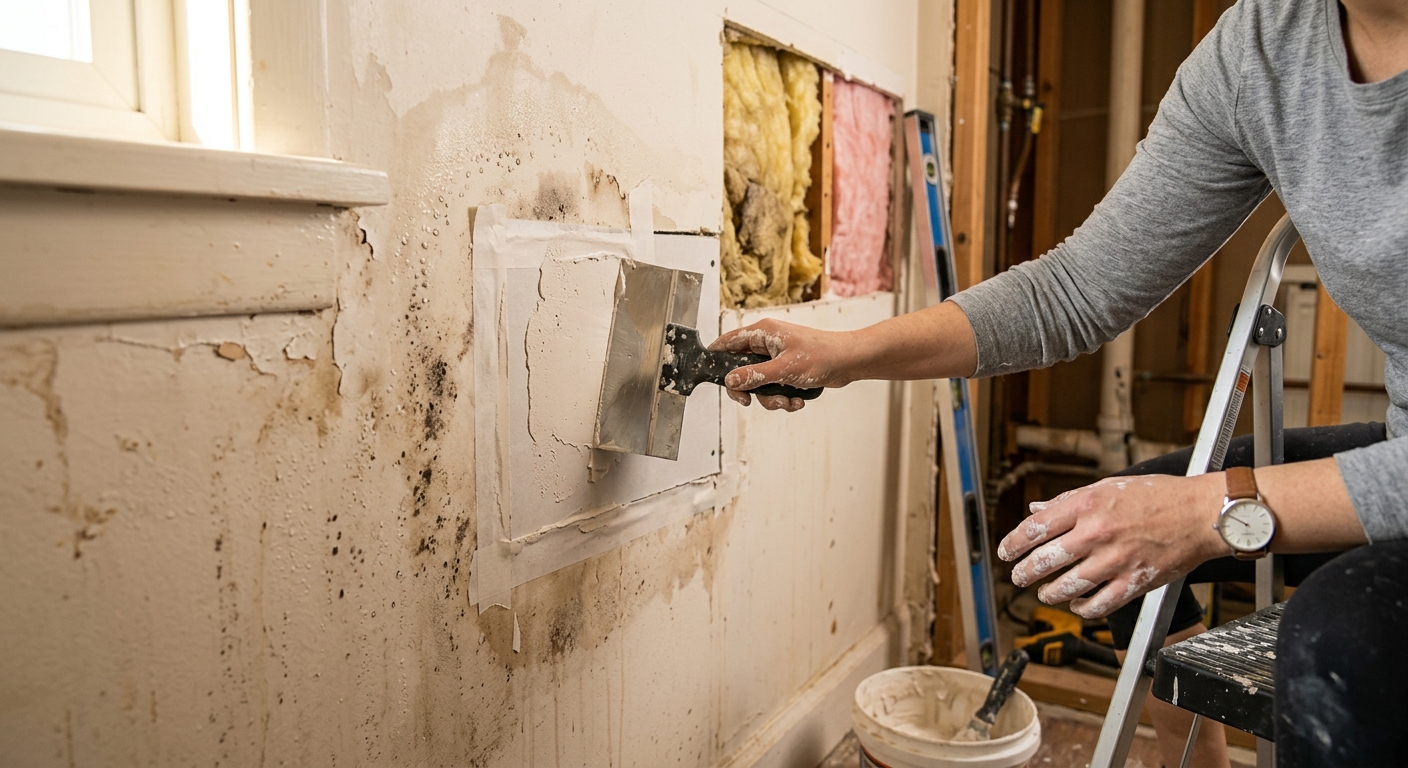
Condensation on interior walls is not just an eyesore – it signals a serious insulation or vapor control failure that can lead to mold, rot, and structural damage. Understanding the building science behind wall condensation helps you pinpoint the real cause and fix it before it becomes a costly repair.
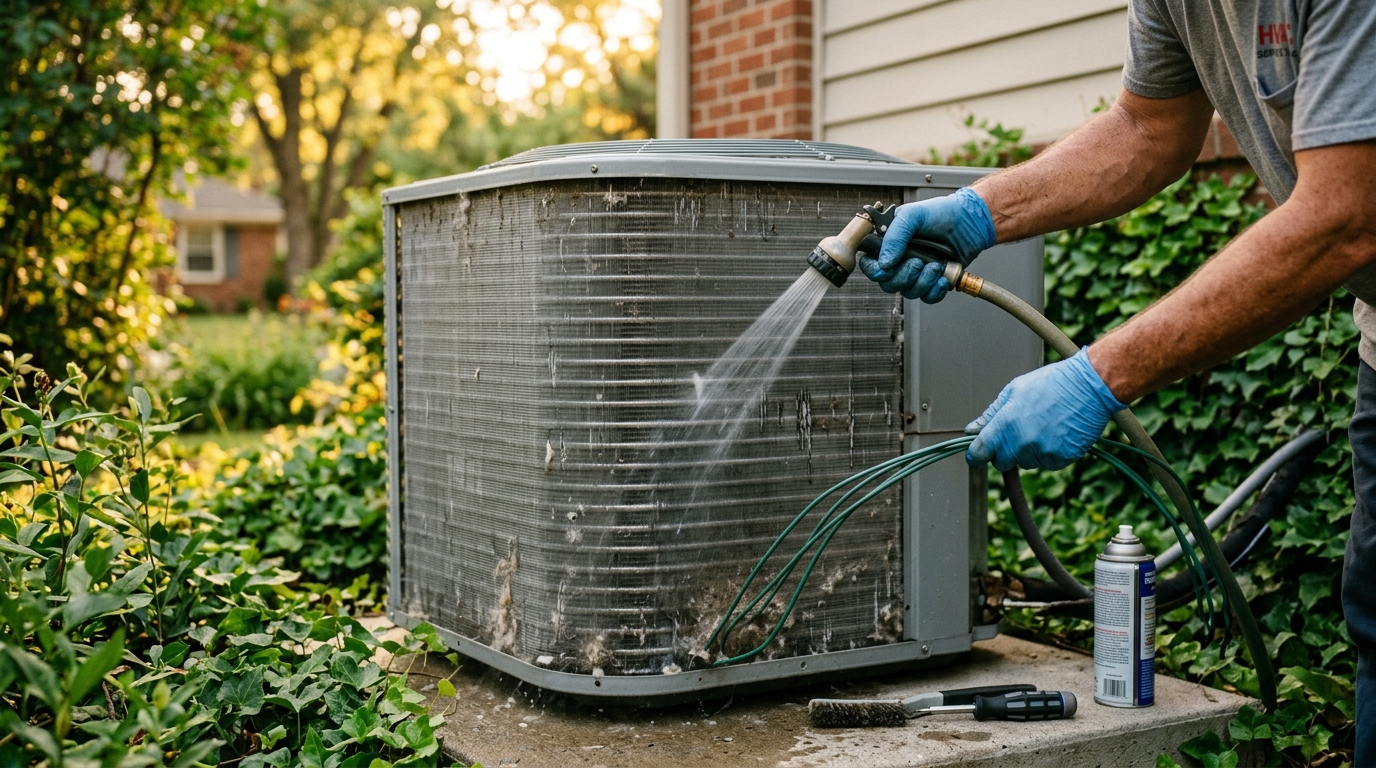
Moving into a new home before summer means inheriting an HVAC system with unknown maintenance history, which can lead to sky-high cooling bills and uncomfortable surprises. A targeted pre-summer checklist lets you optimize efficiency from day one and avoid costly breakdowns during peak heat.
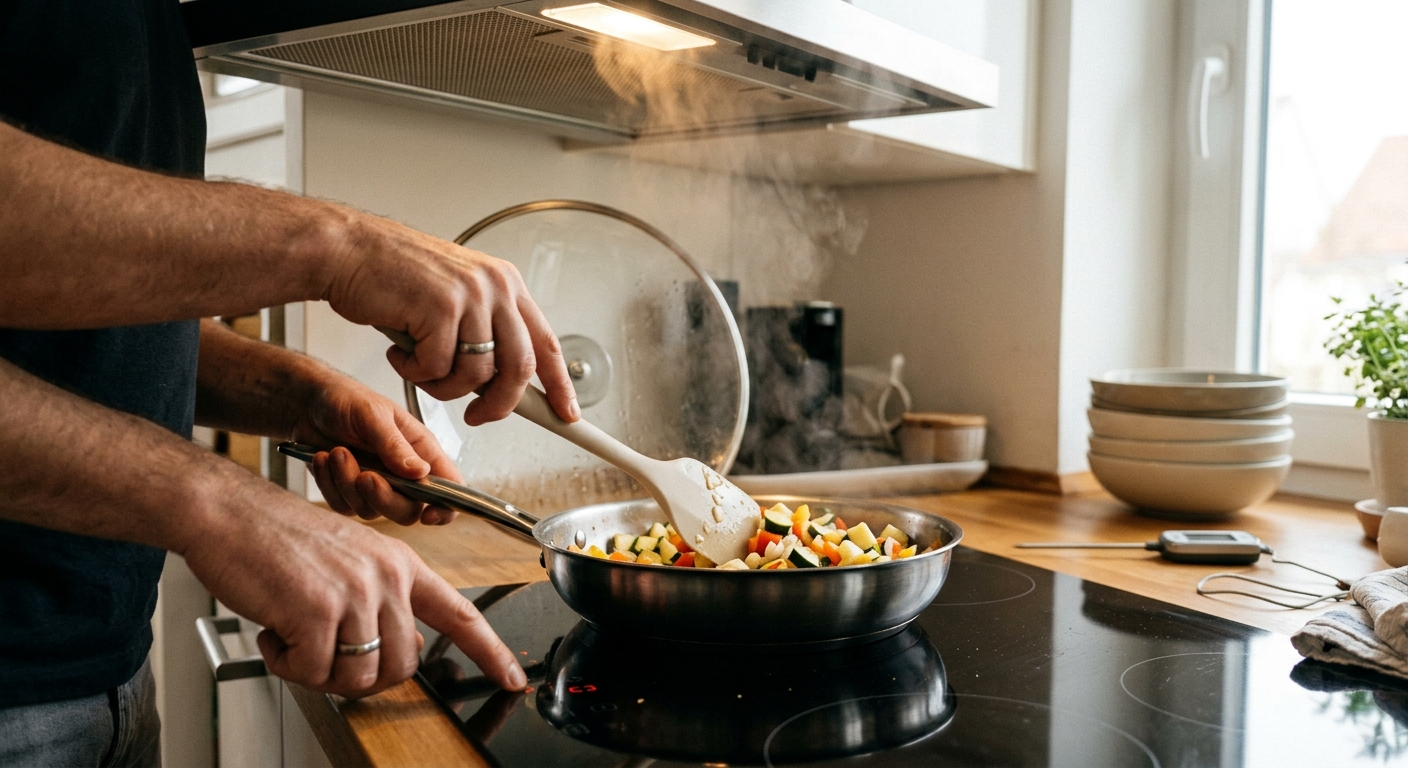
Cooking can raise your kitchen temperature by 10 to 15 degrees Fahrenheit in under an hour, forcing your AC to work overtime. With a few simple changes to your habits, ventilation, and appliances, you can dramatically cut cooking-related heat gain and lower your cooling bills this summer.
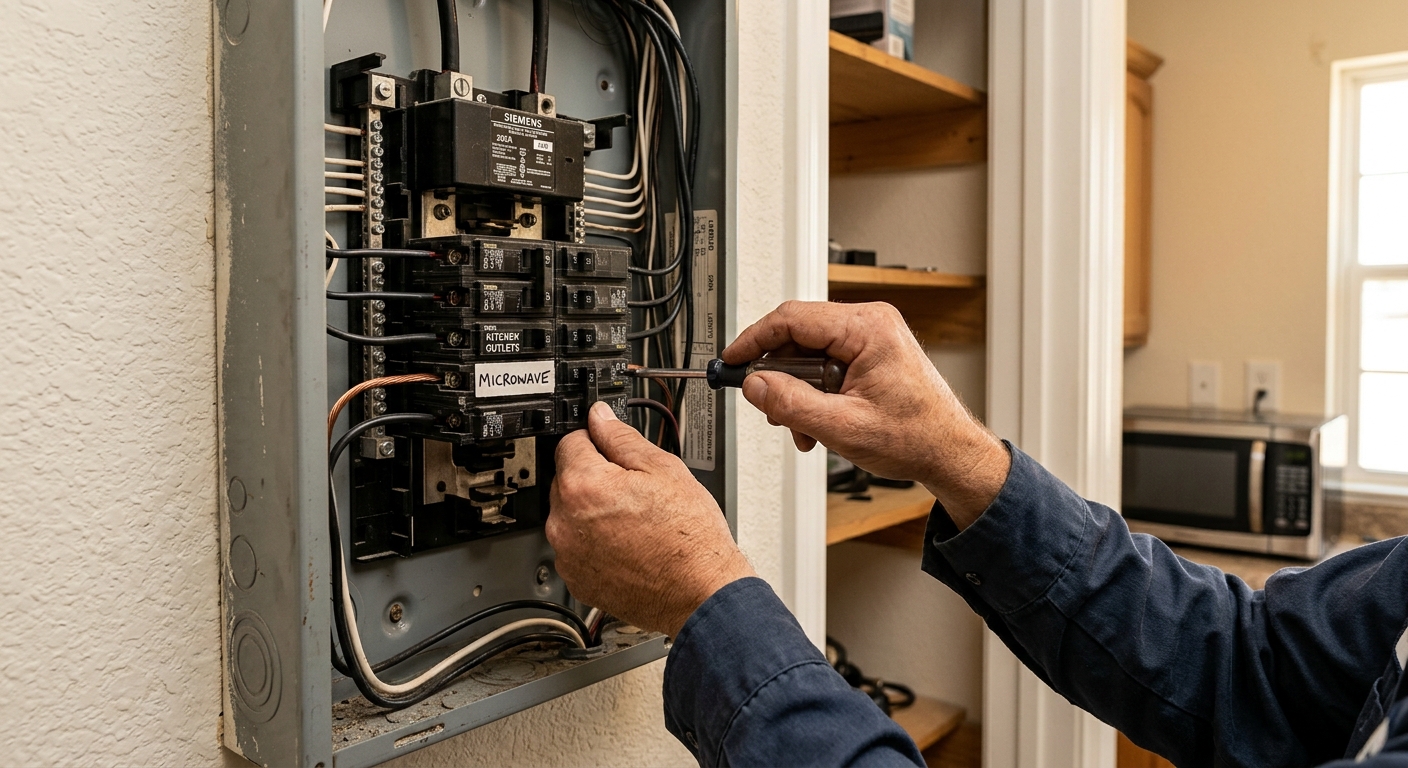
A microwave that trips the breaker is one of the most frustrating kitchen problems, and it usually points to one of just a few fixable causes. This guide walks you through a quick diagnosis and the steps to get your kitchen back to normal safely.
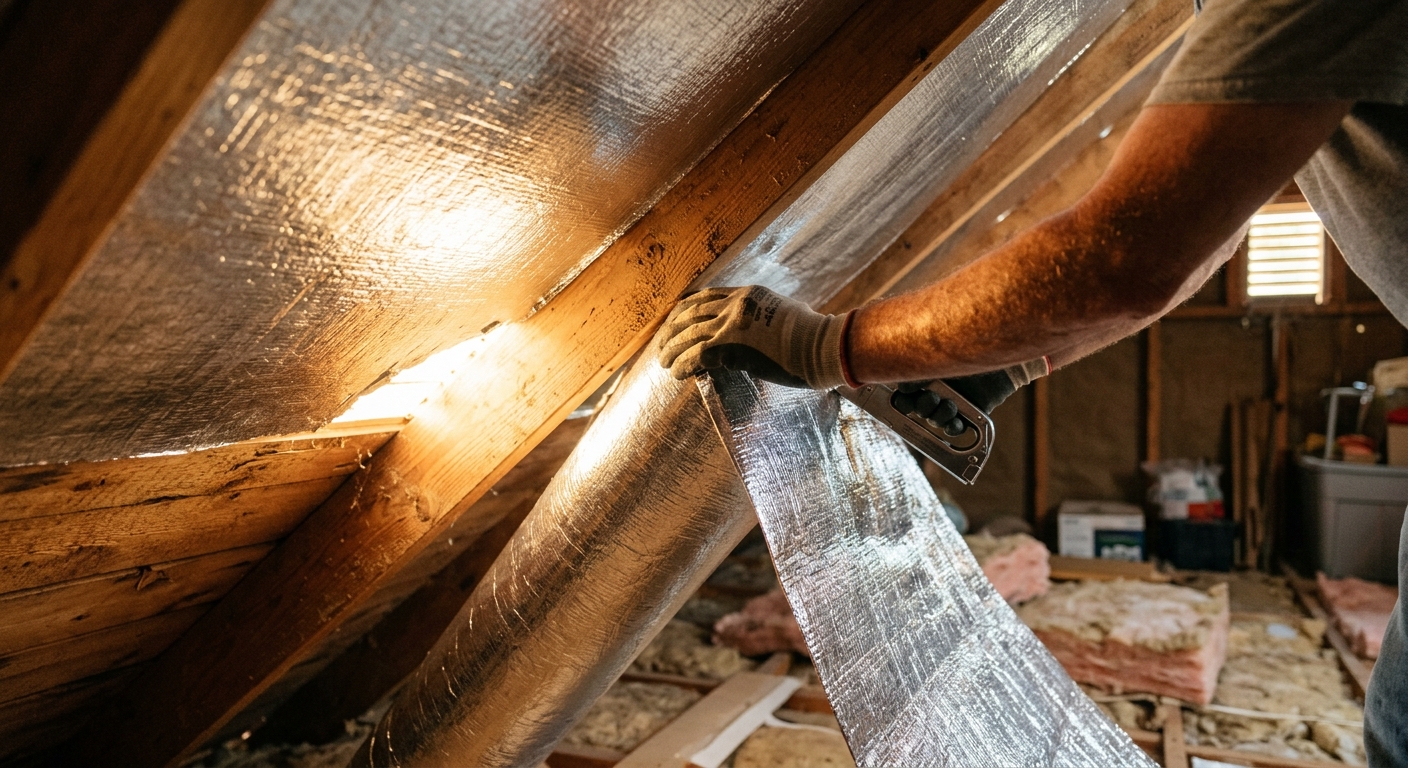
In hot climates, attic temperatures can soar past 150°F and push massive heat loads into your living space, forcing your AC to work overtime. A radiant barrier installed in your attic can reflect up to 97% of that radiant heat, cutting cooling costs by 5 to 15% with a payback period as short as 2 to 3 years.
Cold floors are not just a comfort complaint, they are a sign that heat is escaping through your home’s lowest surfaces, driving up your heating bills. A targeted combination of rugs, insulation, and air sealing under $50 can dramatically warm your floors and reduce heat loss by up to 20%.