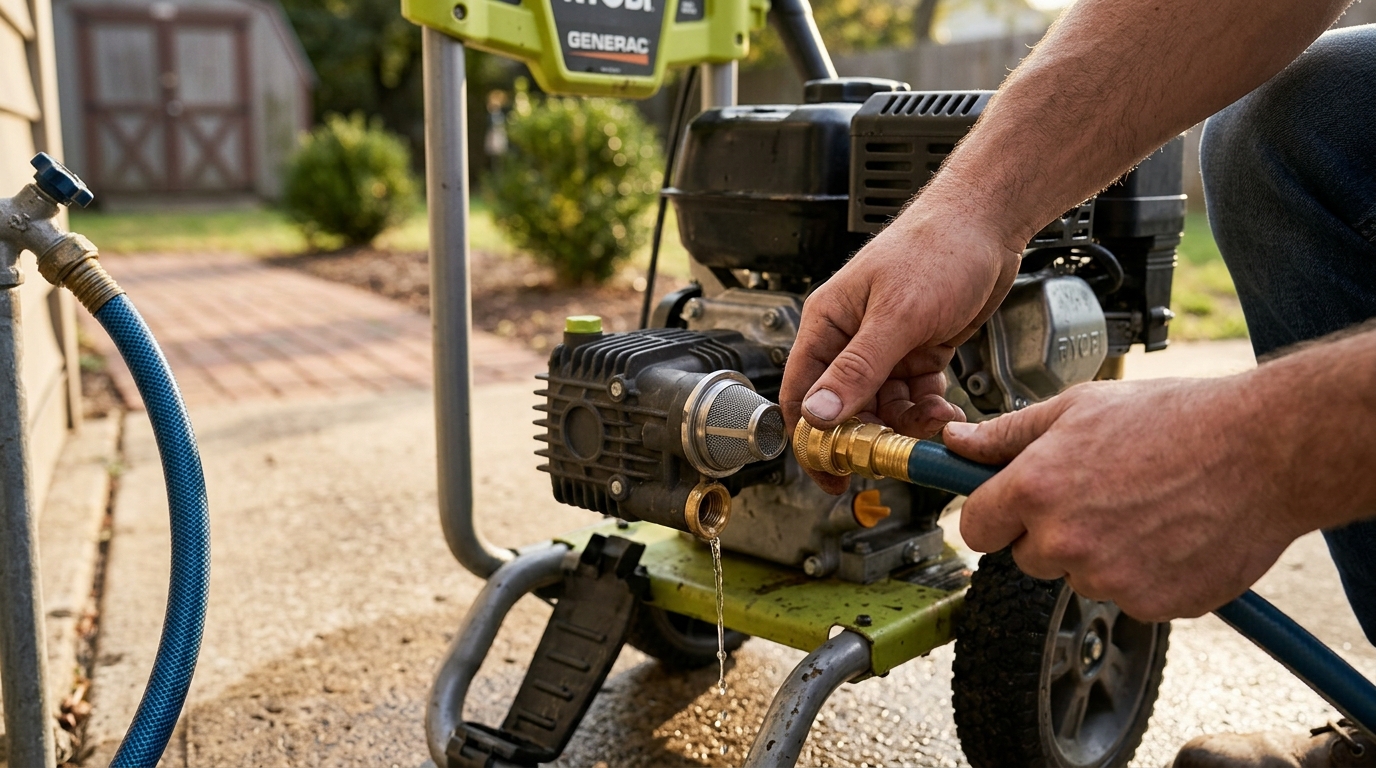
Most homeowners skip the setup phase and end up spending twice as long fighting streaks, weak pressure, and stubborn stains. A quick 10-minute prep routine before you pull the trigger can cut your total cleaning time in half and protect your equipment from damage.
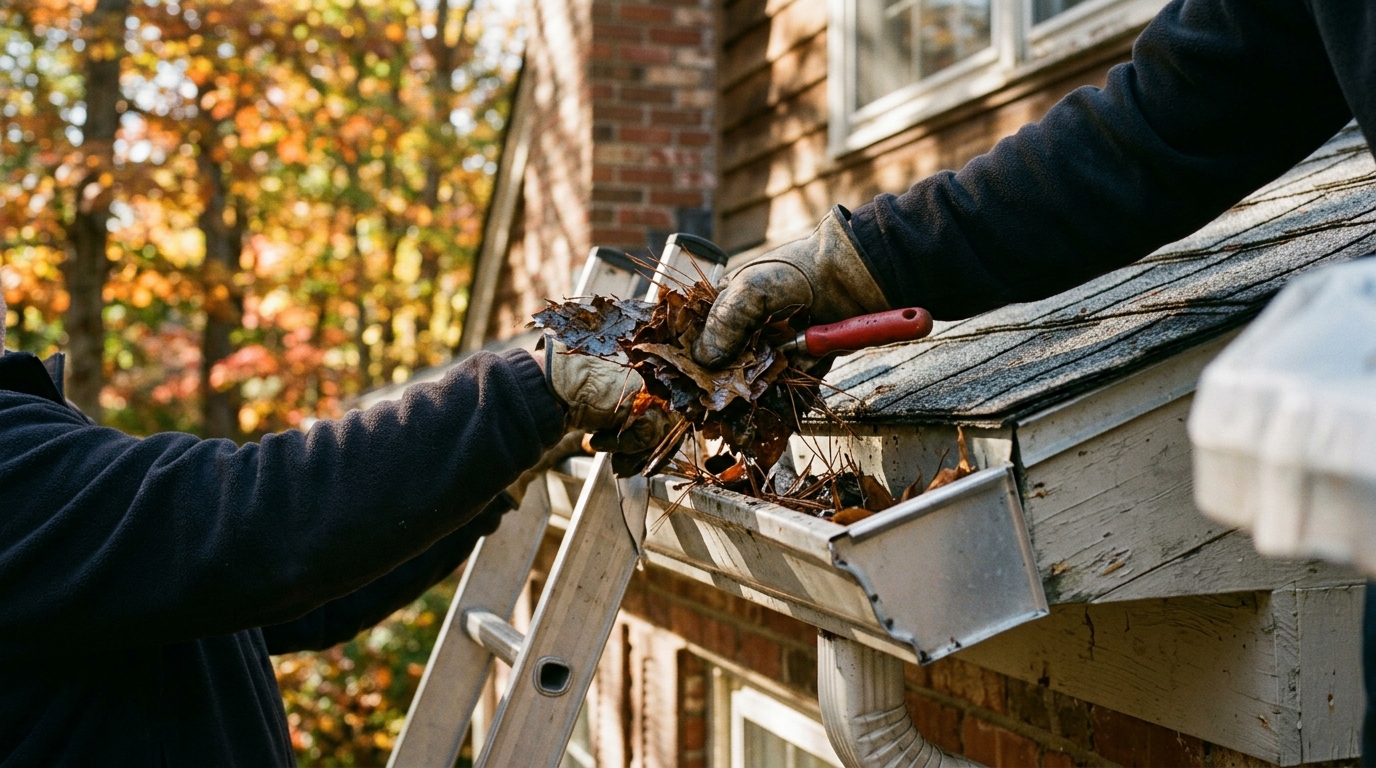
Clogged gutters are one of the most common causes of winter ice dams, roof damage, and water intrusion – and most homeowners don’t realize it until they’re filing an insurance claim. A simple fall cleaning routine done before the first freeze can protect your home from thousands of dollars in damage.
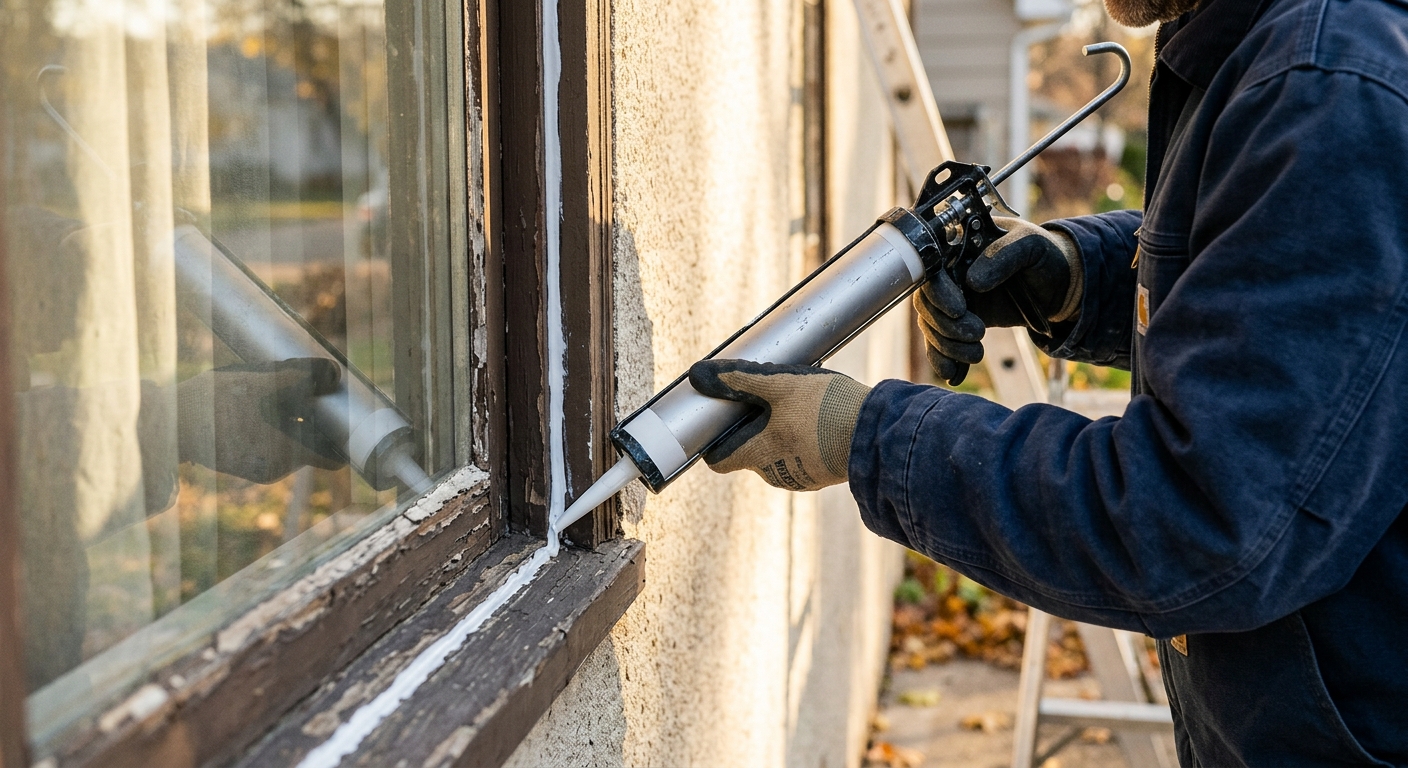
Air leaks and drafts are silently inflating your energy bill every month, often accounting for 25 to 40% of heating and cooling losses. A single weekend of focused weatherproofing work can seal those leaks for under $75 and start saving money before your next utility bill arrives.
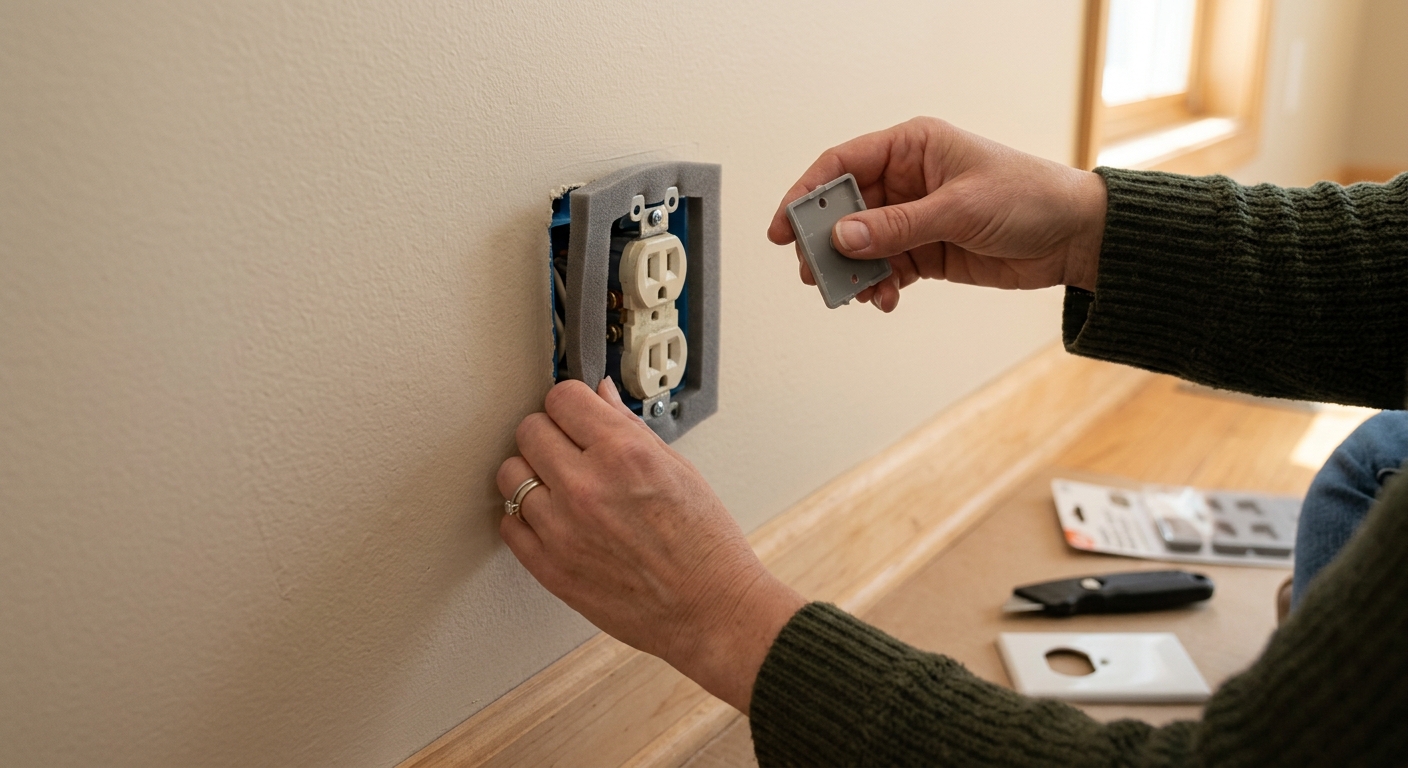
Electrical outlets on exterior walls are surprisingly significant sources of cold drafts and heat loss, yet most homeowners never think to seal them. A $1 foam gasket and five minutes of your time can stop the infiltration and contribute to measurable savings on your energy bill.
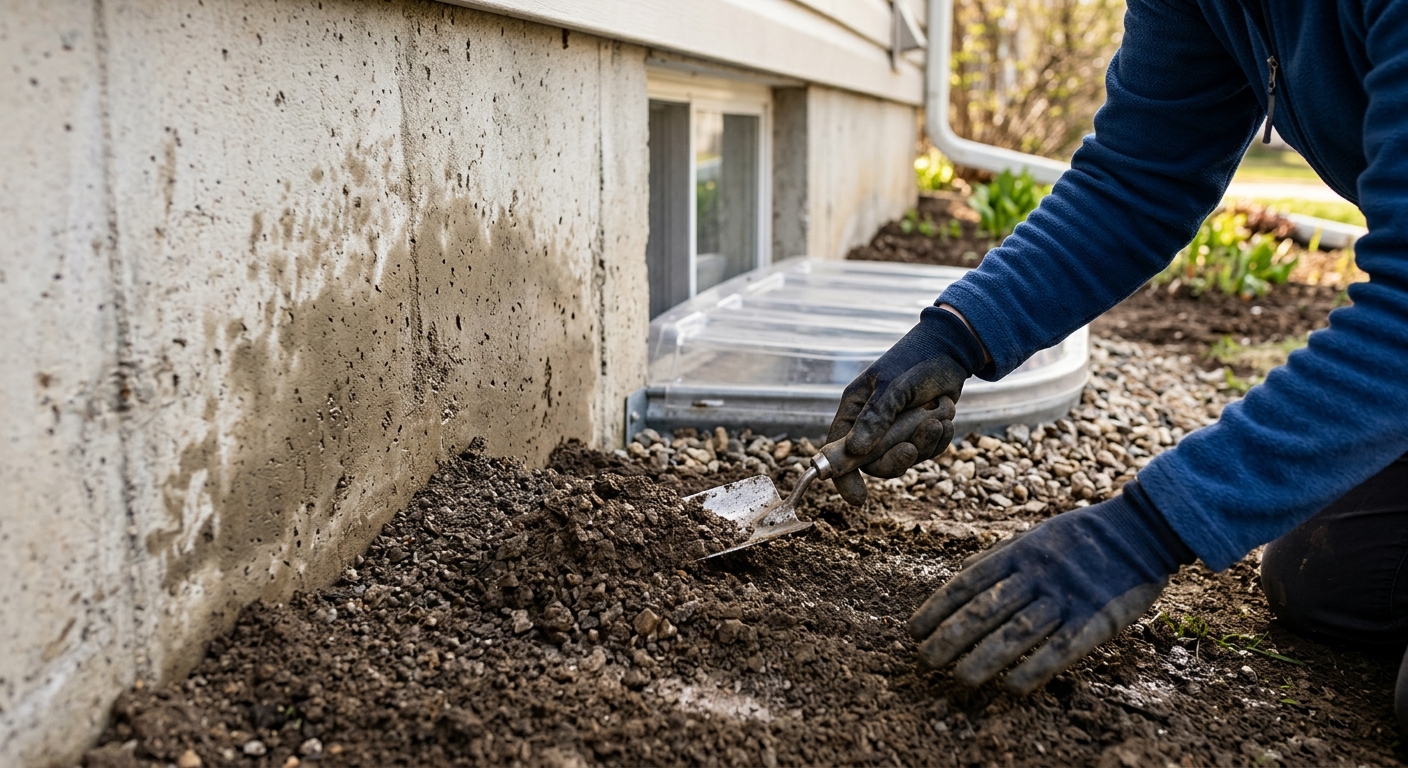
Wet basement walls in spring are almost always caused by water pooling against your foundation after snowmelt and rain. Fixing the slope of the soil around your home, called grading, is the single most effective low-cost step you can take to redirect that water before it ever reaches your walls.
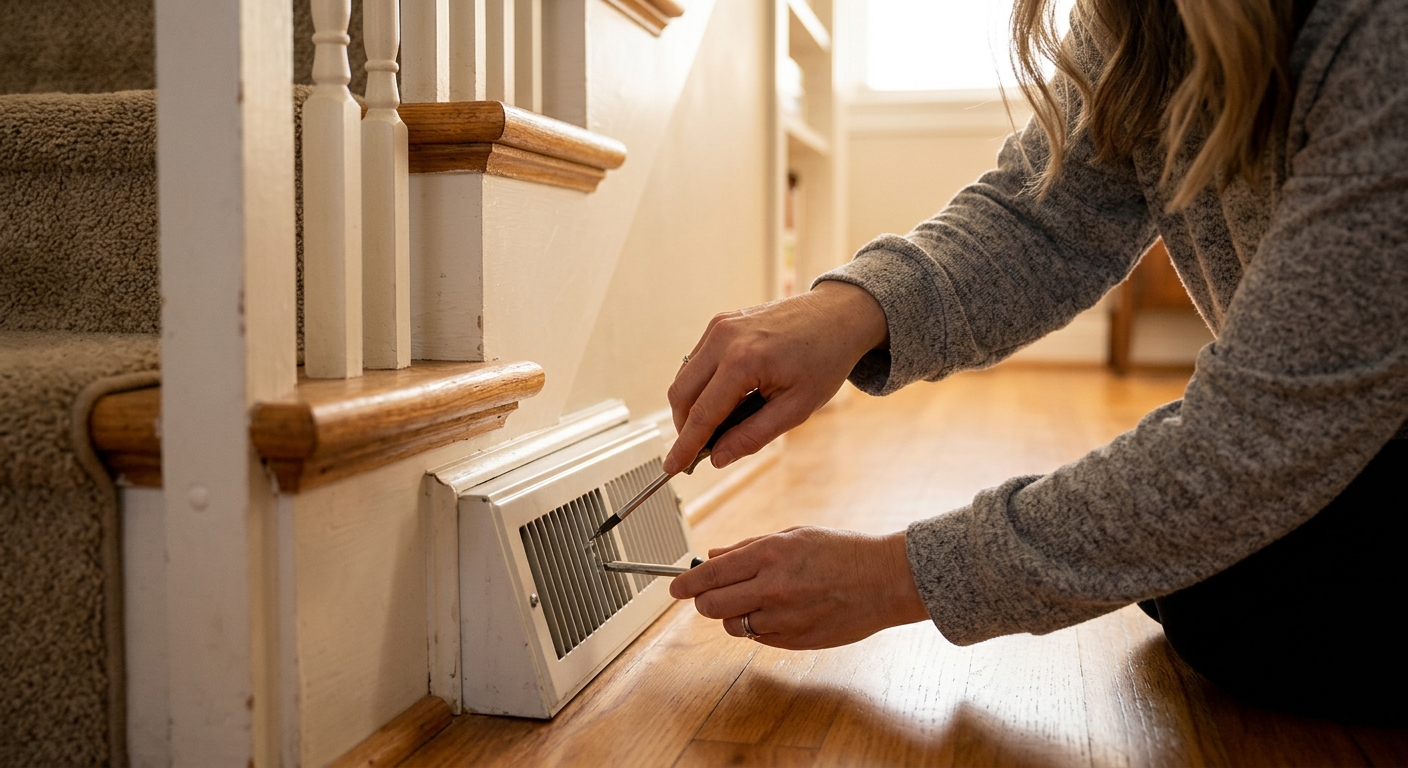
If your upstairs roasts while your downstairs freezes, your HVAC system is working harder than it needs to and still failing you. A few targeted vent adjustments and airflow tweaks can balance temperatures between floors and cut your heating bills by 10 to 20%.
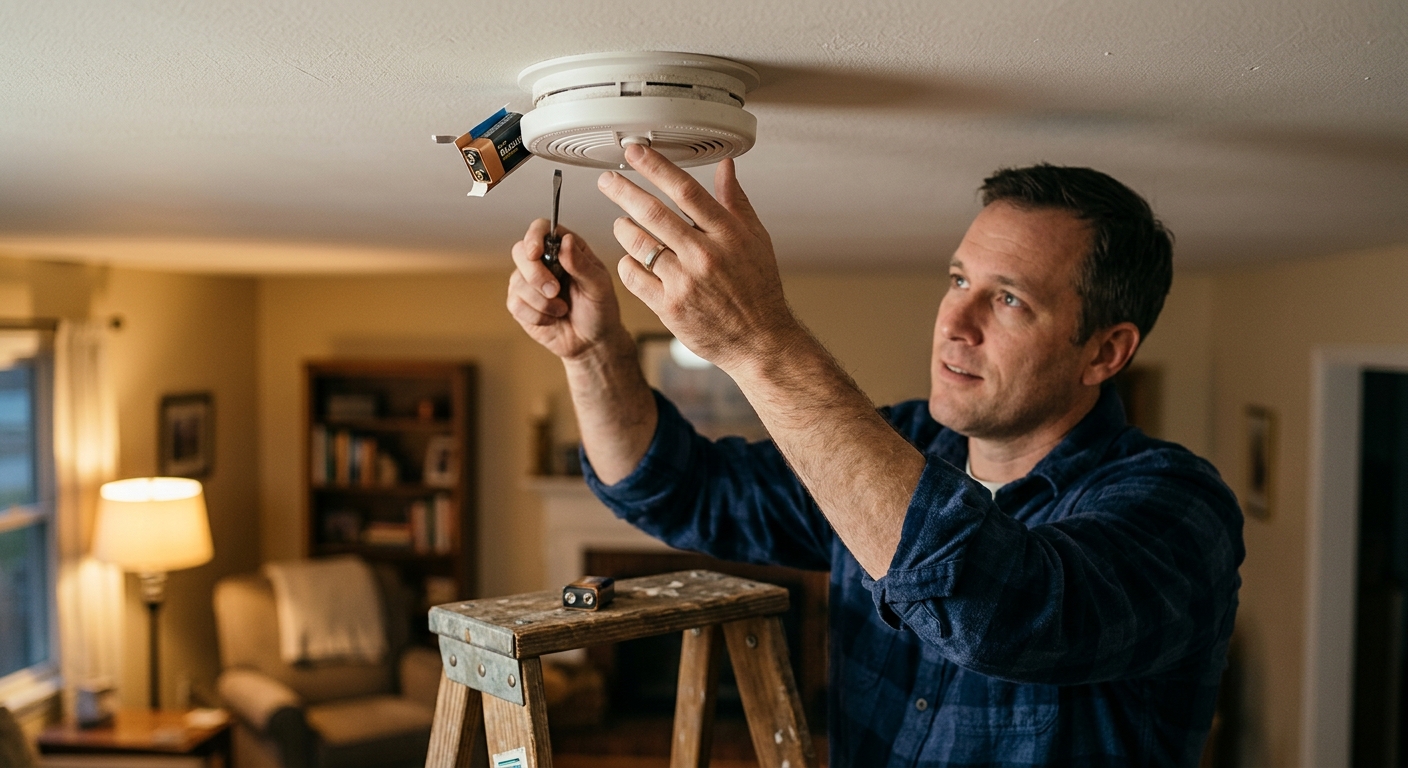
That maddening chirp in the middle of the night is almost always a low battery or end-of-life sensor, not a real emergency. Learn exactly why it happens, how to silence it fast, and what to do so it never wakes you up again.
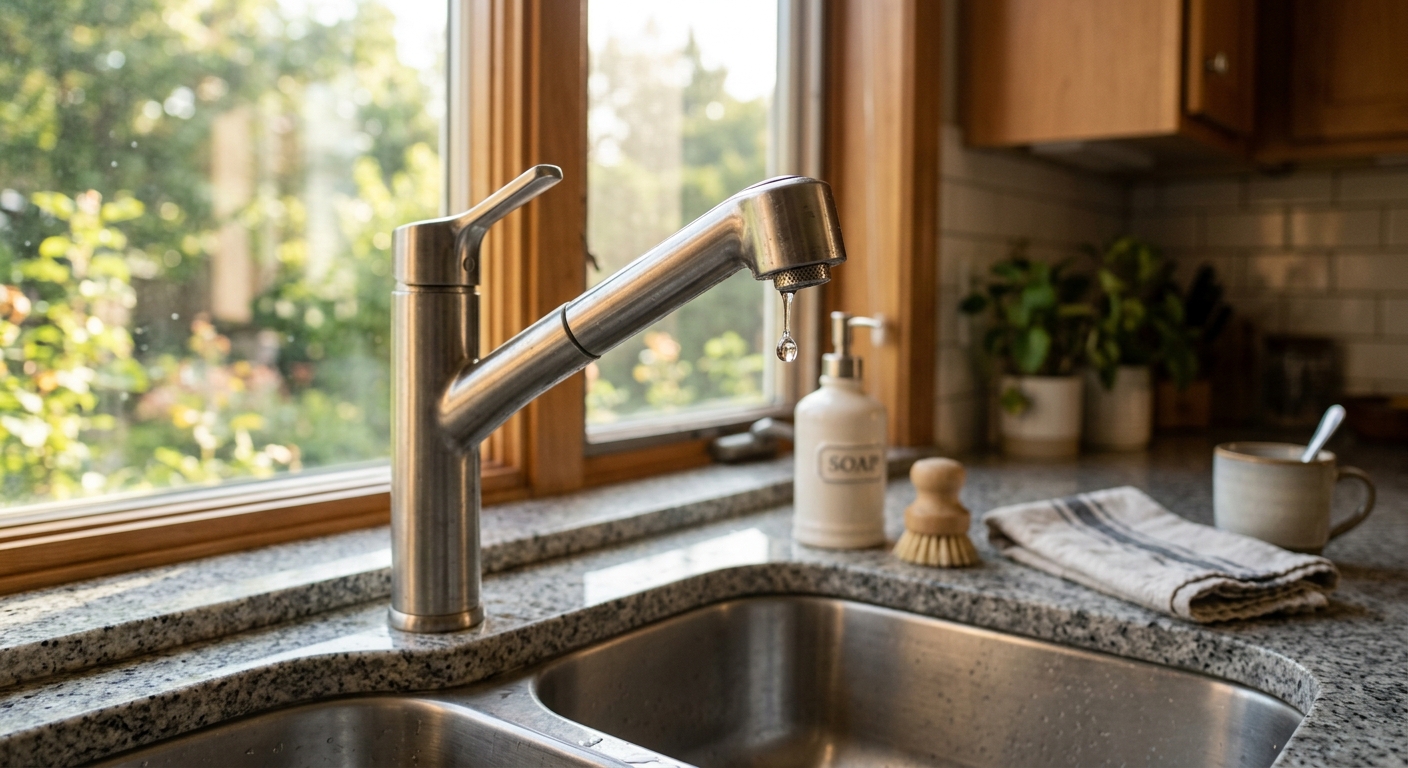
A single dripping faucet can waste over 3,000 gallons of water annually, adding $20 to $35 to your utility bills without a single drop of benefit. The good news is that most faucet leaks are a straightforward DIY fix that costs under $15 and takes less than an hour.
Most homeowners set their thermostat once and forget it, paying to heat an empty house or a sleeping household at full temperature all night. A properly programmed thermostat schedule can trim your annual heating bill by 10% or more with zero hardware upgrades.
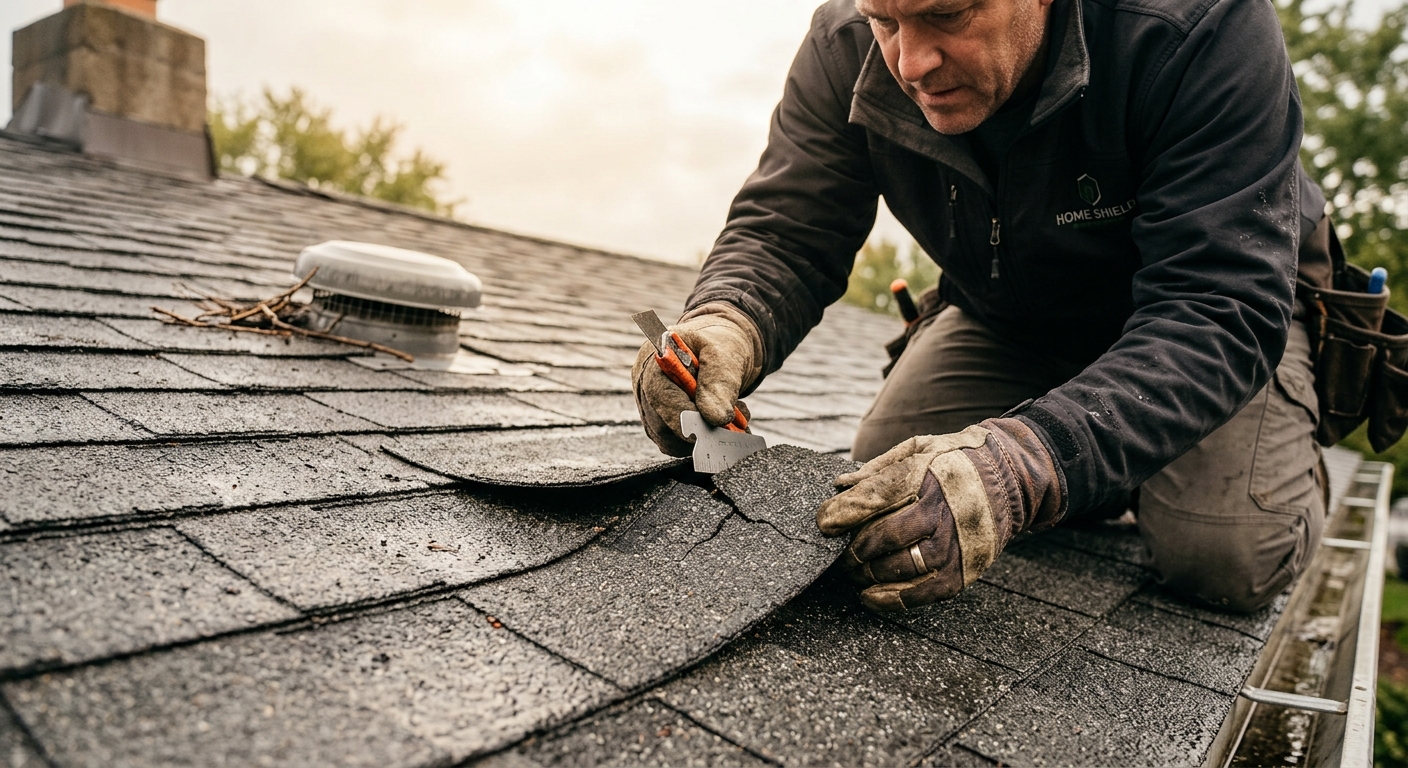
After a major storm, hidden roof damage can silently drive up energy bills and lead to costly structural repairs if left unchecked. A methodical 30-minute inspection, done safely from the ground and inside your attic, can catch problems early and potentially save you thousands in repair costs.