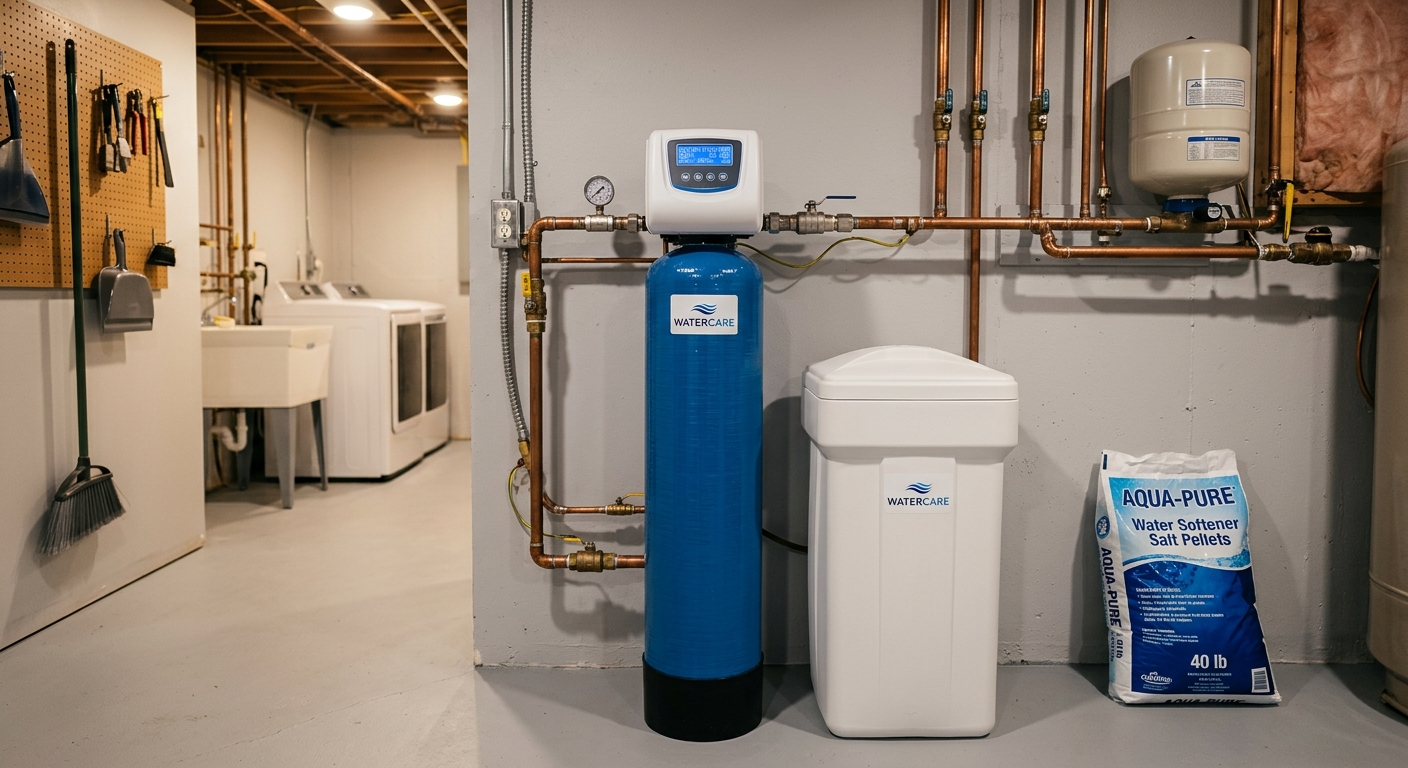
An undersized water softener regenerates too often and wastes salt and water, while an oversized one lets hardness slip through and shortens appliance life. This guide gives you the exact formula to size your softener correctly and shows you how much you can actually save.
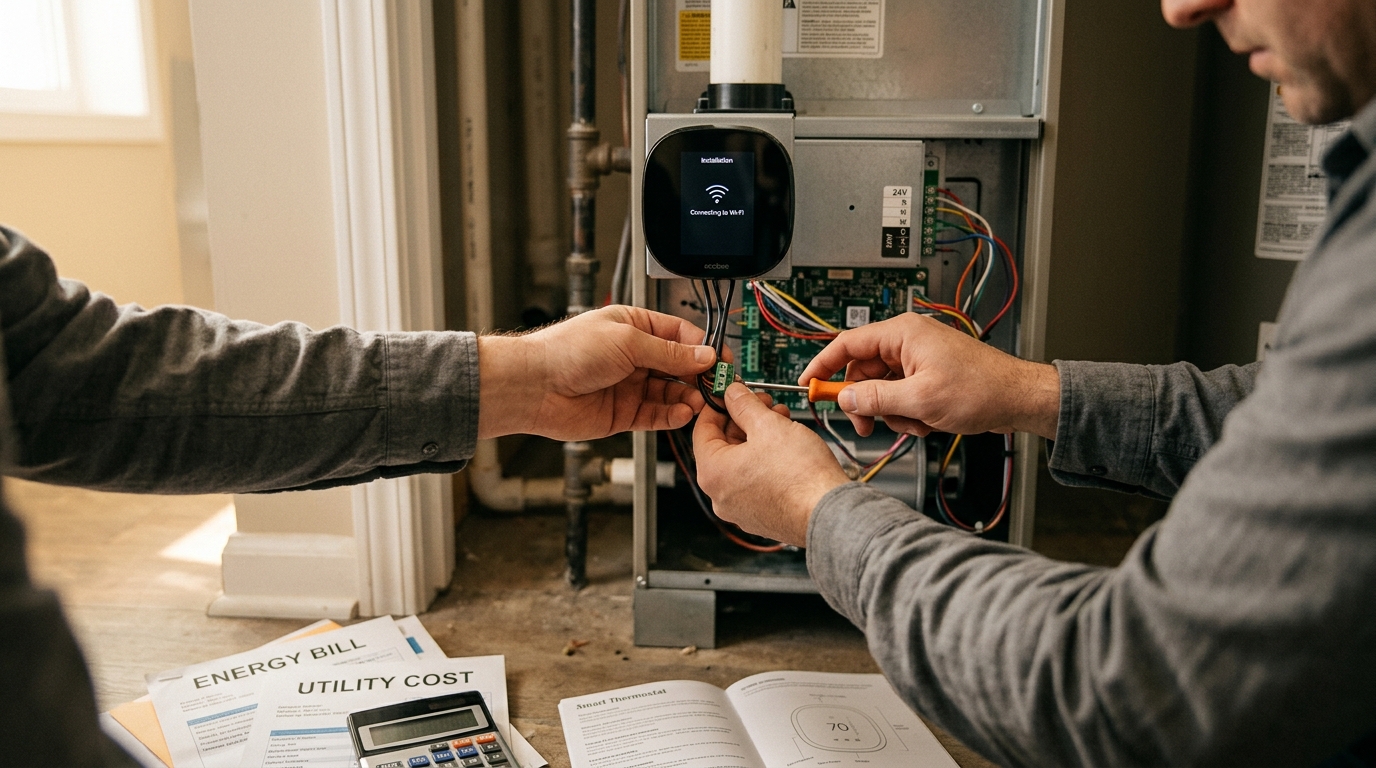
Most ‘smart home’ gadgets are novelties that add convenience without saving money, but a handful of targeted upgrades genuinely cut energy bills by 15 to 30% annually. This post breaks down exactly which five upgrades deliver real payback, what they cost, and how to install them yourself.
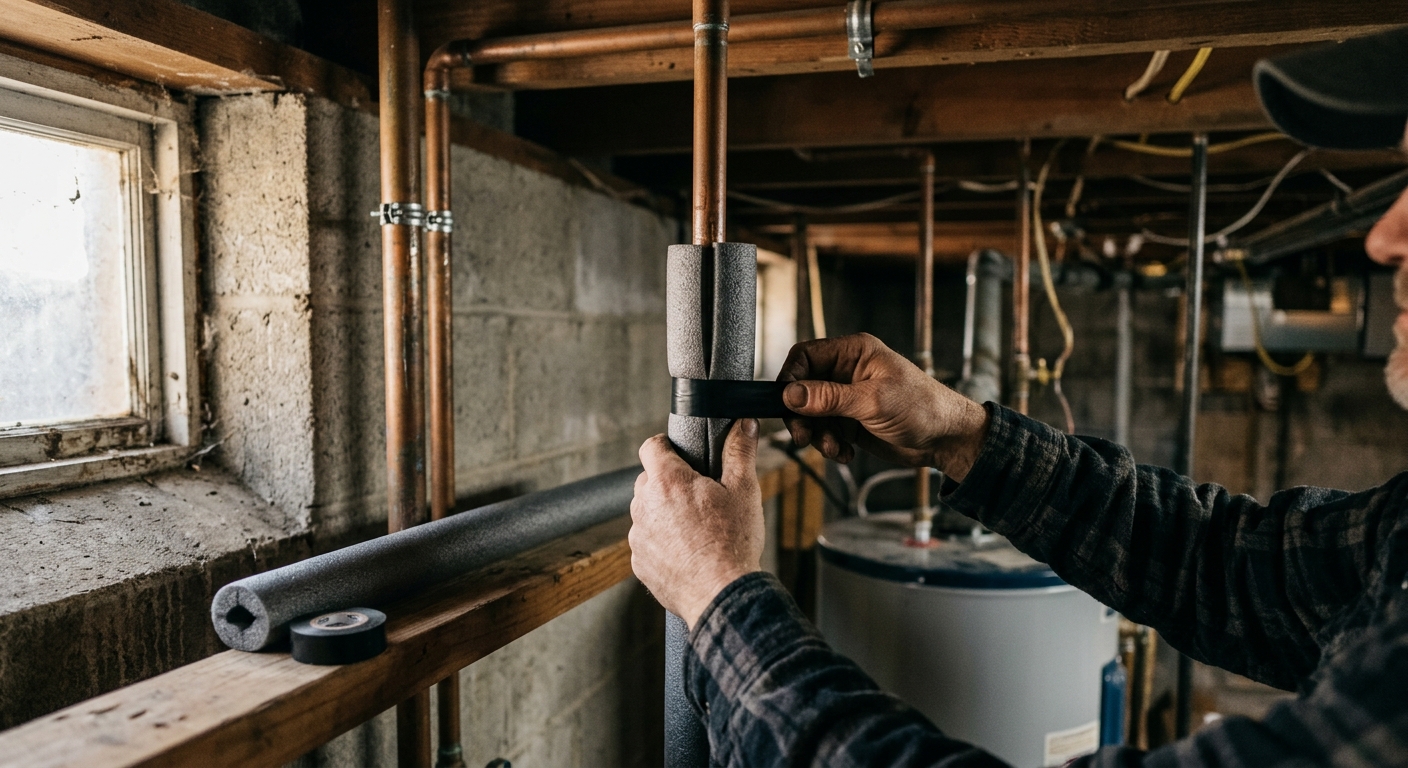
Frozen pipes are one of the most expensive and preventable home disasters, with burst pipes averaging $5,000 to $70,000 in water damage repairs. A combination of targeted insulation, heat tape, and smart thermostat habits can protect your plumbing even in a drafty, under-insulated home.
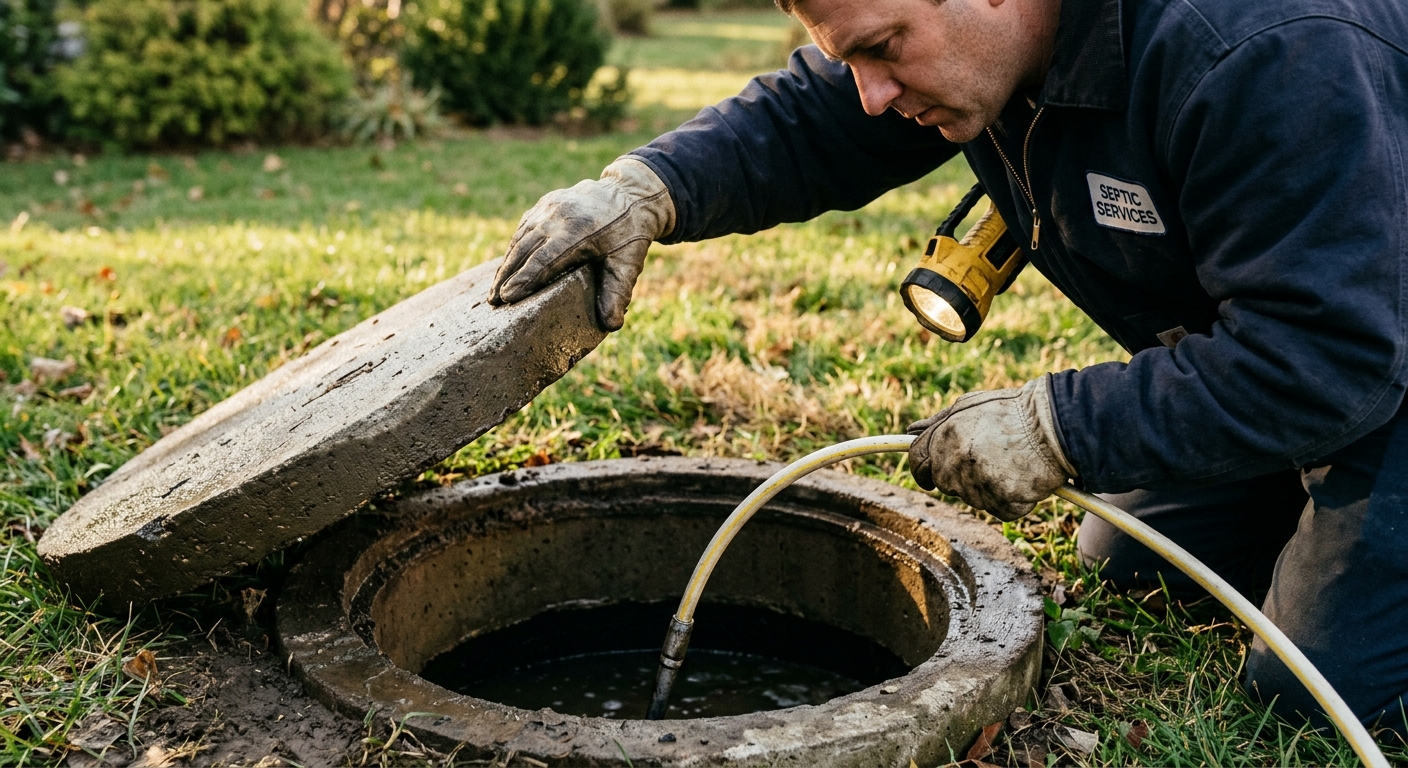
A failing septic system can cost $10,000 to $30,000 to replace, and most failures are entirely preventable. This guide gives homeowners a clear, science-backed maintenance plan to protect their system and avoid the biggest mistakes that lead to costly repairs.
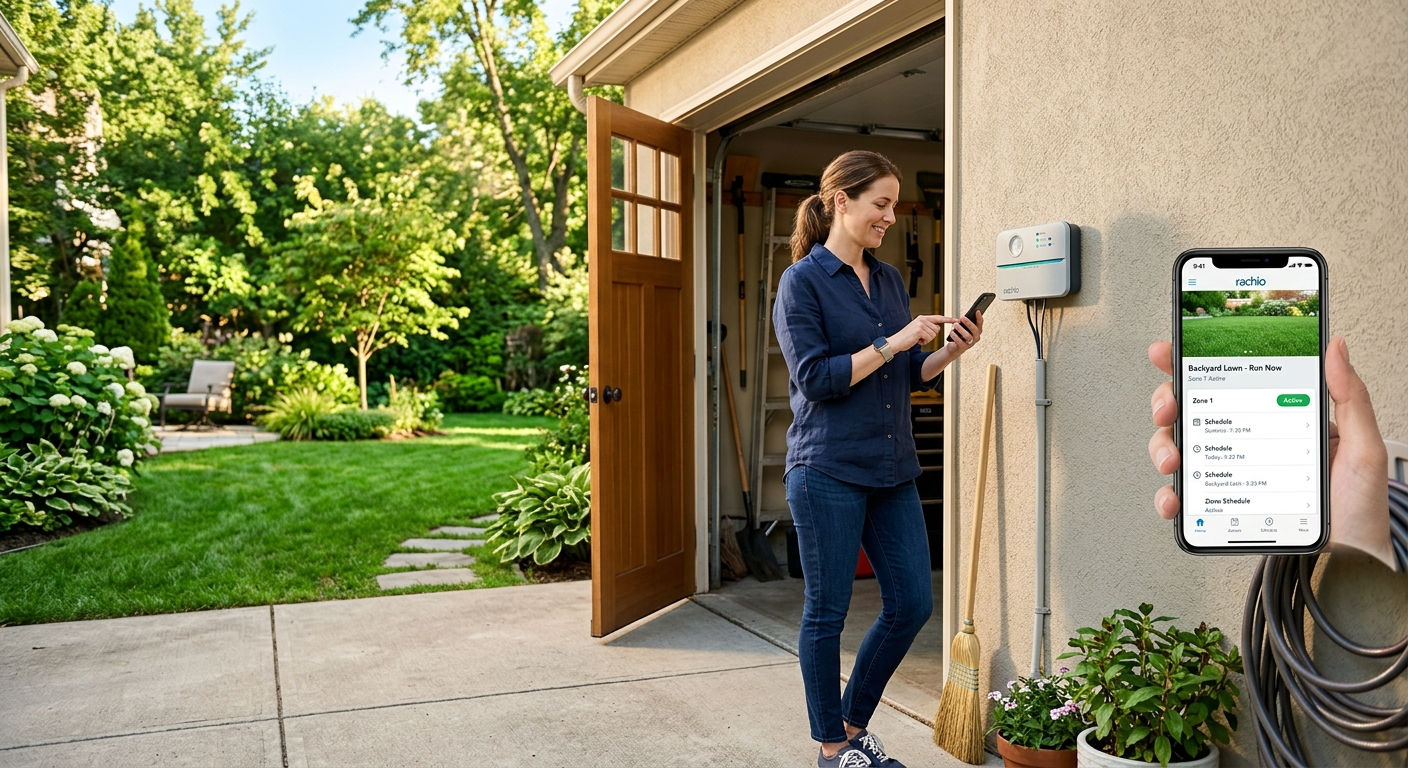
Traditional sprinkler timers water on a fixed schedule regardless of rain, soil moisture, or plant needs, wasting thousands of gallons and inflating water bills every season. Upgrading to a smart irrigation controller can cut outdoor water use by 30 to 50 percent, with most units paying for themselves within a single summer.
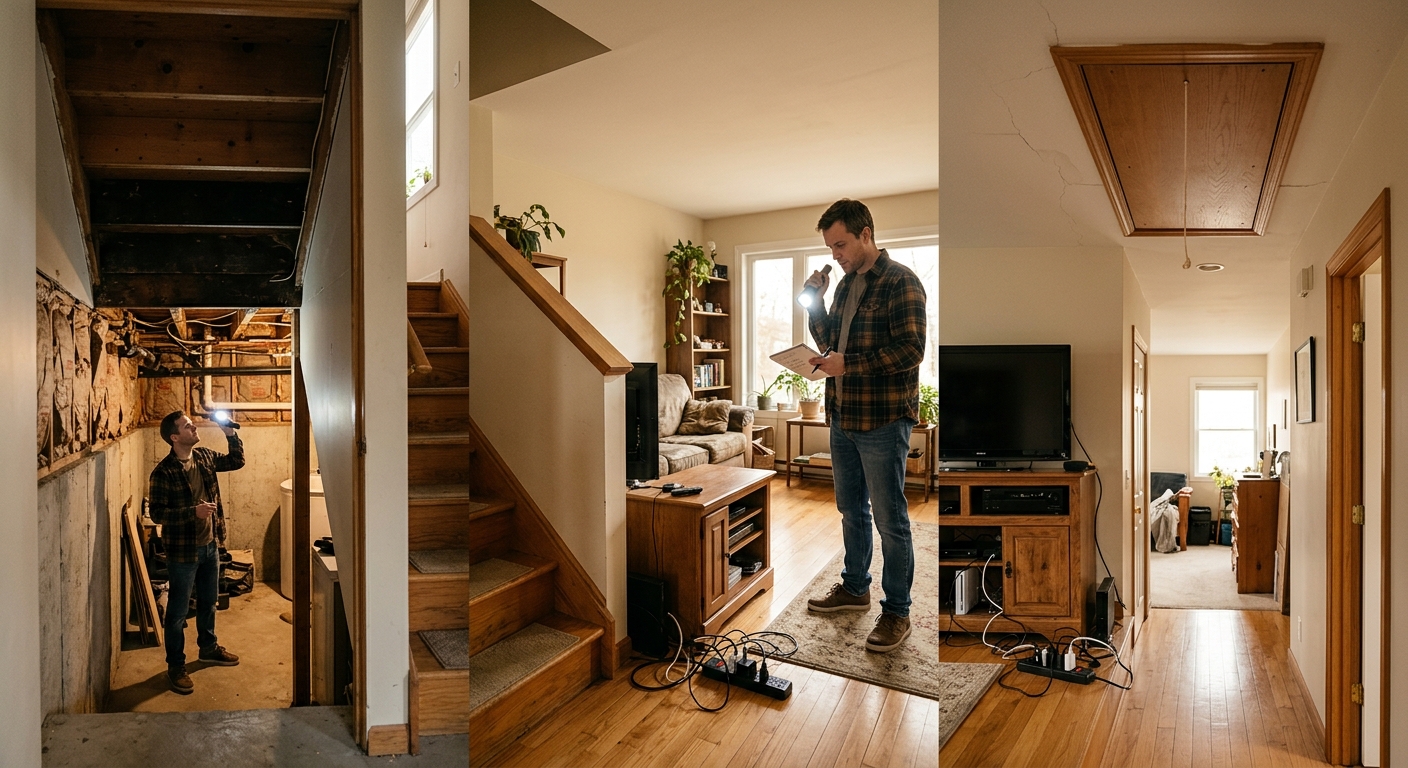
Most homeowners pay 20 to 30% more on energy bills than they should, but the culprits are hiding in plain sight across every room. This guide walks you through a systematic home audit you can do yourself in an afternoon, with specific fixes ranked by payback speed.
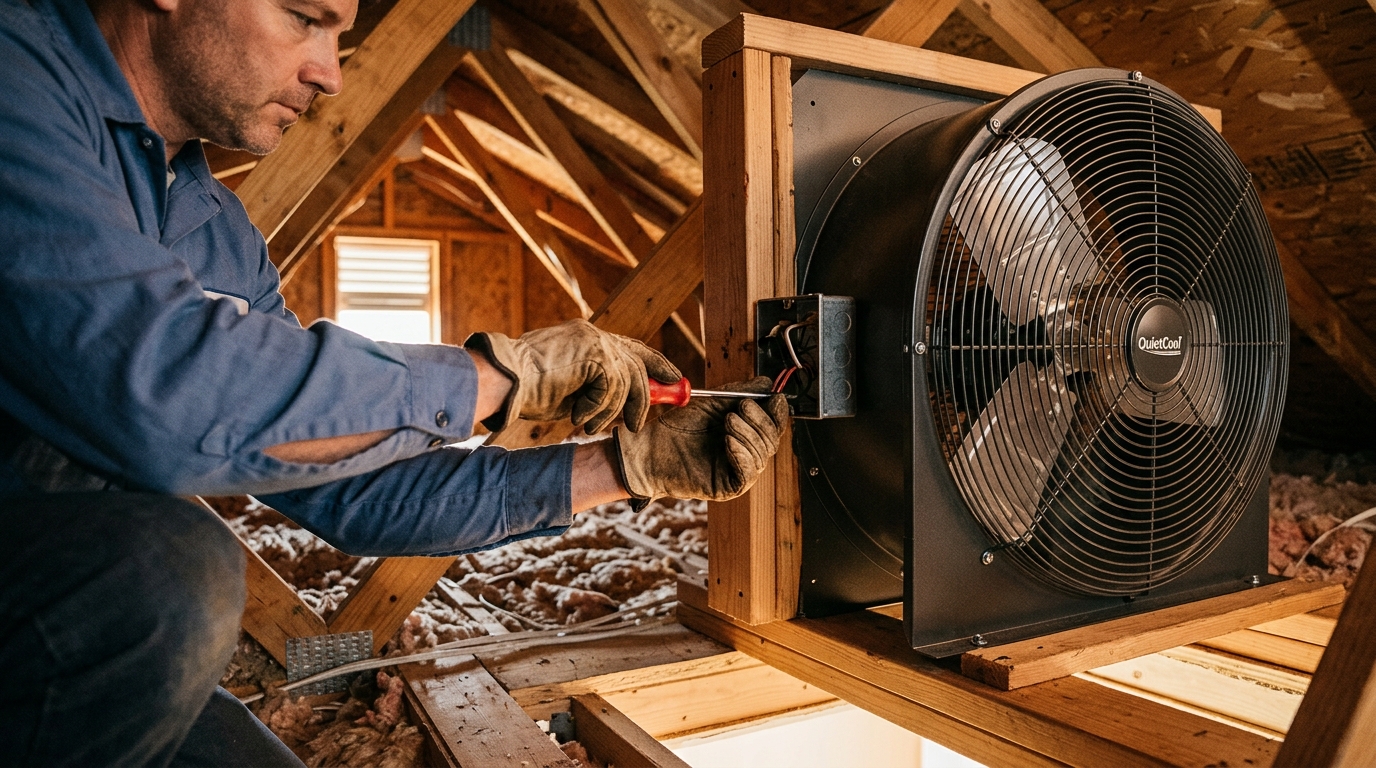
Running your AC all night burns money and leaves bedrooms stuffy and stale. A whole-house fan can flush your home with cool night air in minutes, slashing cooling costs by 50 to 90% on mild evenings.
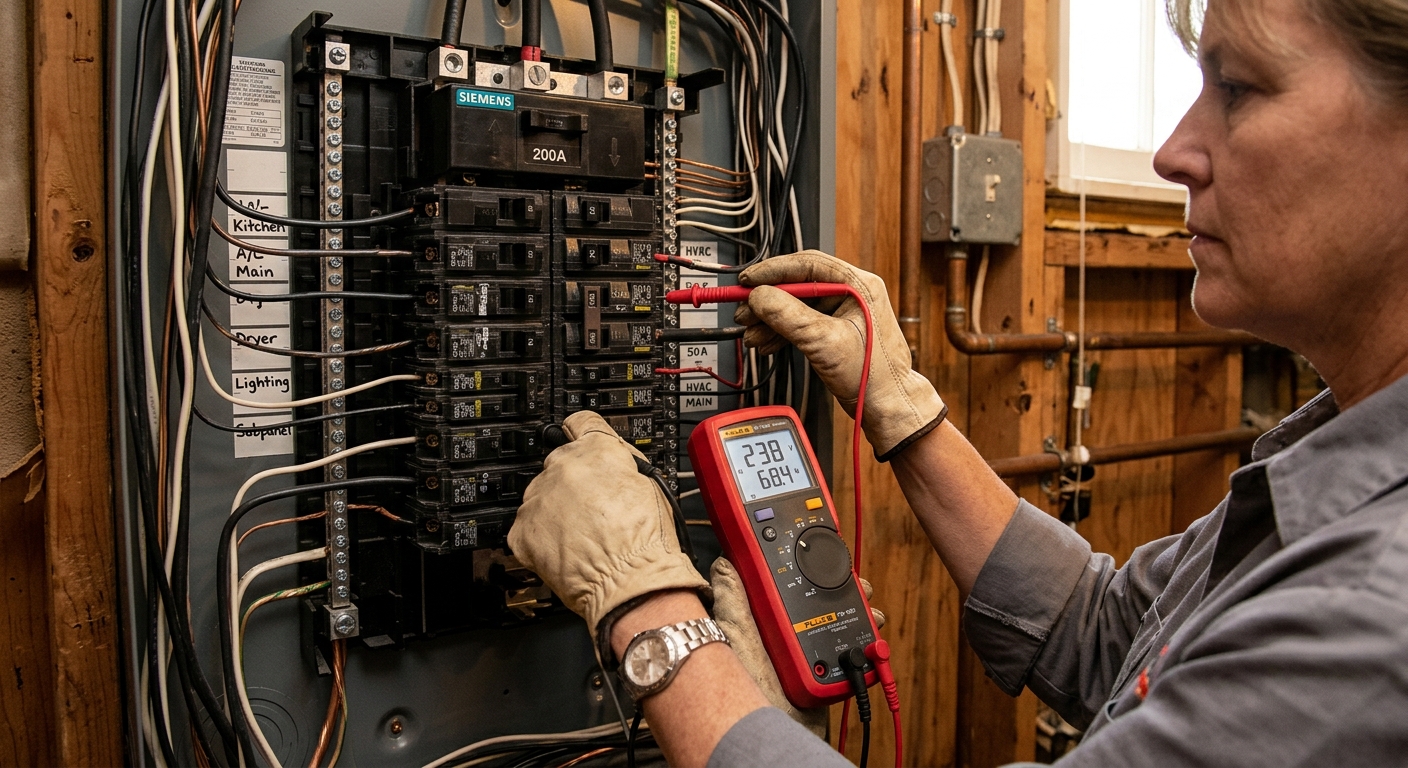
An undersized electrical panel can silently limit your home’s safety, comfort, and ability to support modern appliances. Learn how to calculate your actual electrical load and know when your panel is holding you back.
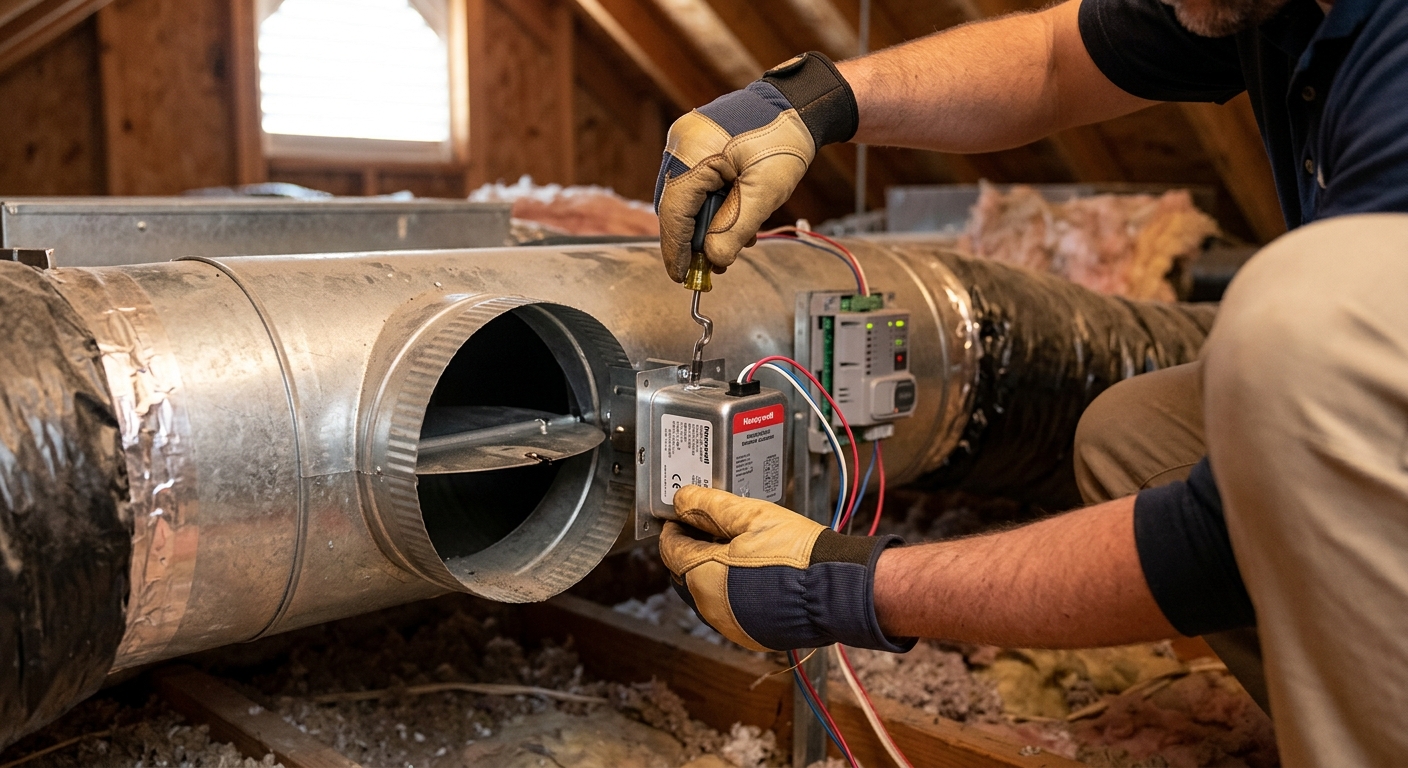
A zoned HVAC system promises personalized comfort and lower energy bills, but most homeowners never get the full benefit because of a handful of common, fixable problems. From miscalibrated thermostats to leaky bypass dampers, this guide walks you through exactly what goes wrong and how to get your system working the way it was designed to.
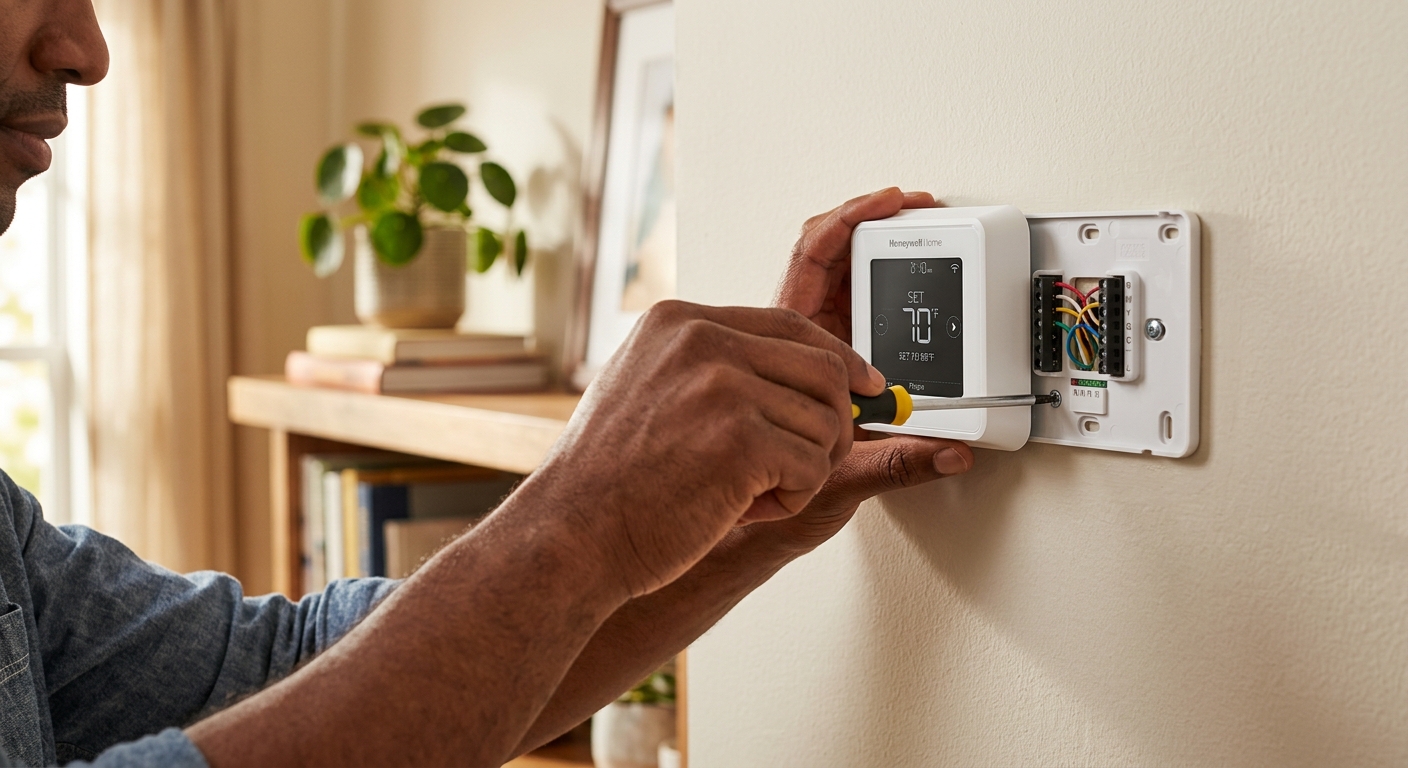
Most homeowners overpay on heating and cooling simply because their thermostat isn’t working for their schedule. Choosing the right programmable thermostat for your specific system can cut annual energy bills by 10 to 15% with a payback period of under two years.