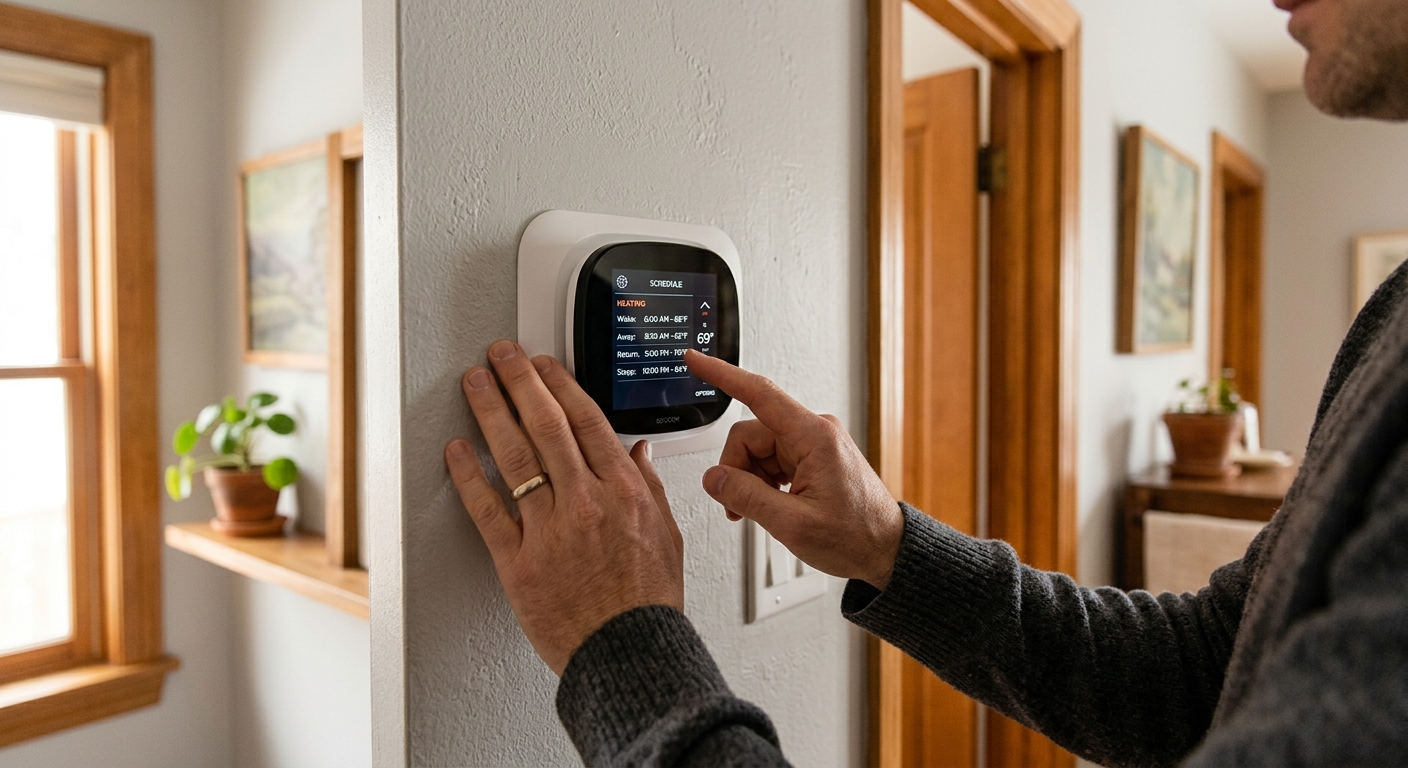
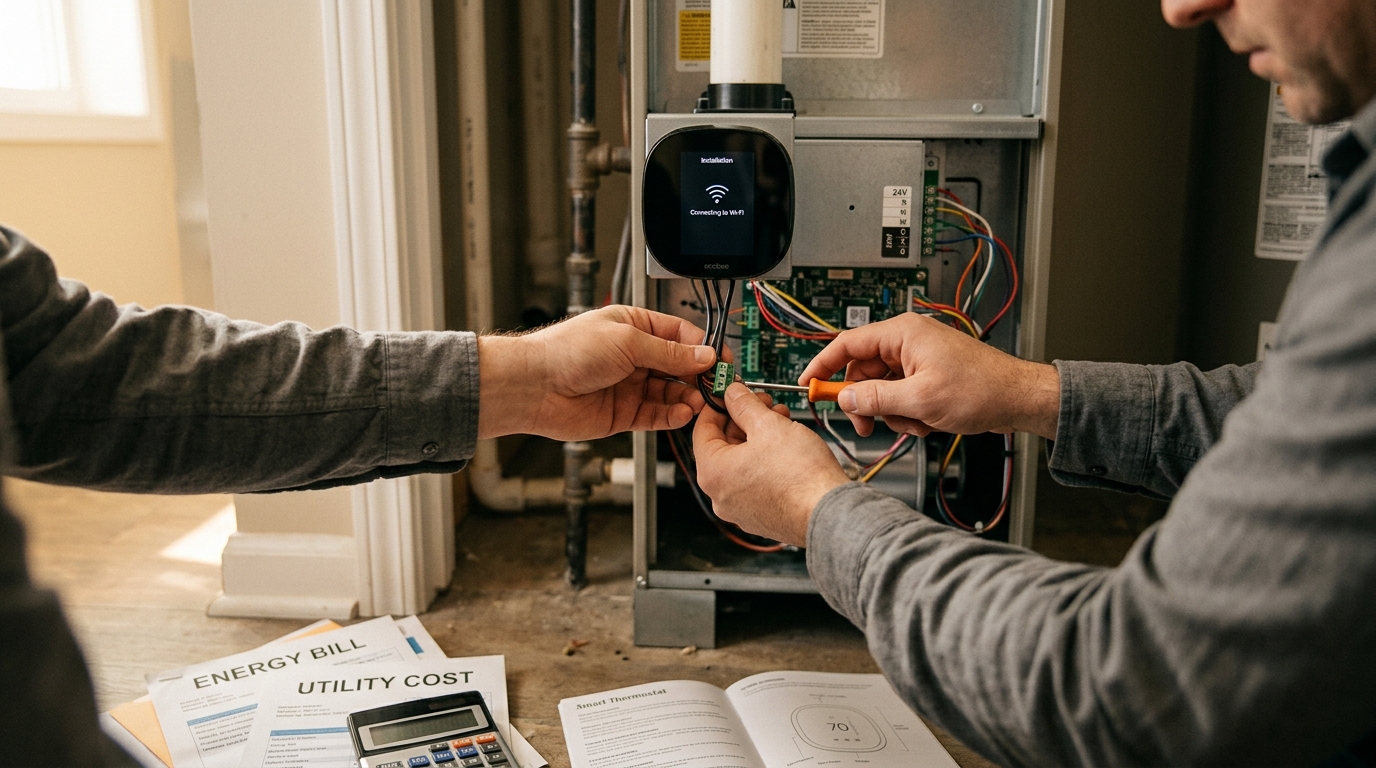
Most homeowners install a smart thermostat and never move past the default settings, leaving hundreds of dollars in savings on the table. Programming your thermostat with the right schedules and setbacks can cut heating and cooling costs by 10 to 23% annually.
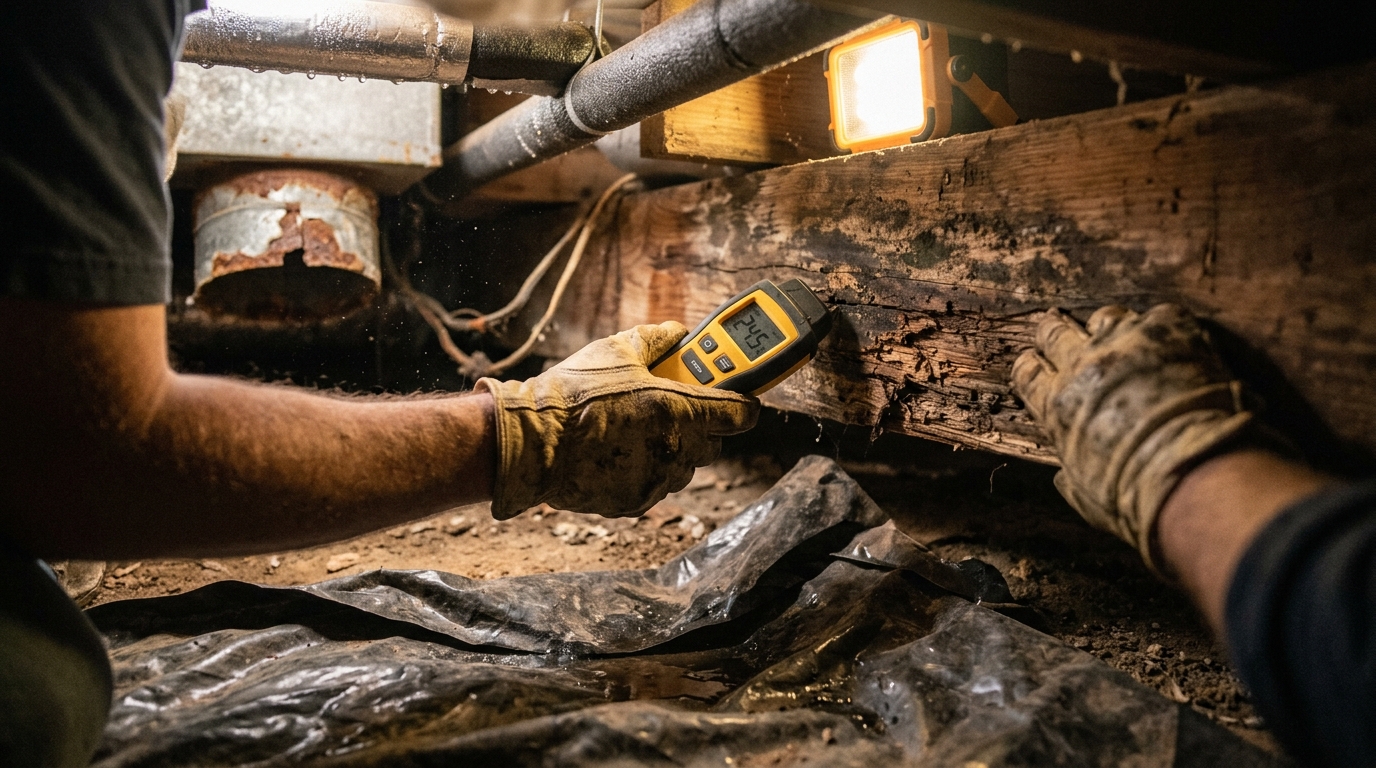
A damp crawl space silently rots floor joists, corrodes HVAC equipment, and spikes your energy bills before you ever notice a problem. Controlling moisture at the source with vapor barriers and ventilation fixes can cut heating and cooling costs by 15 to 25% while protecting tens of thousands in structural and mechanical assets.
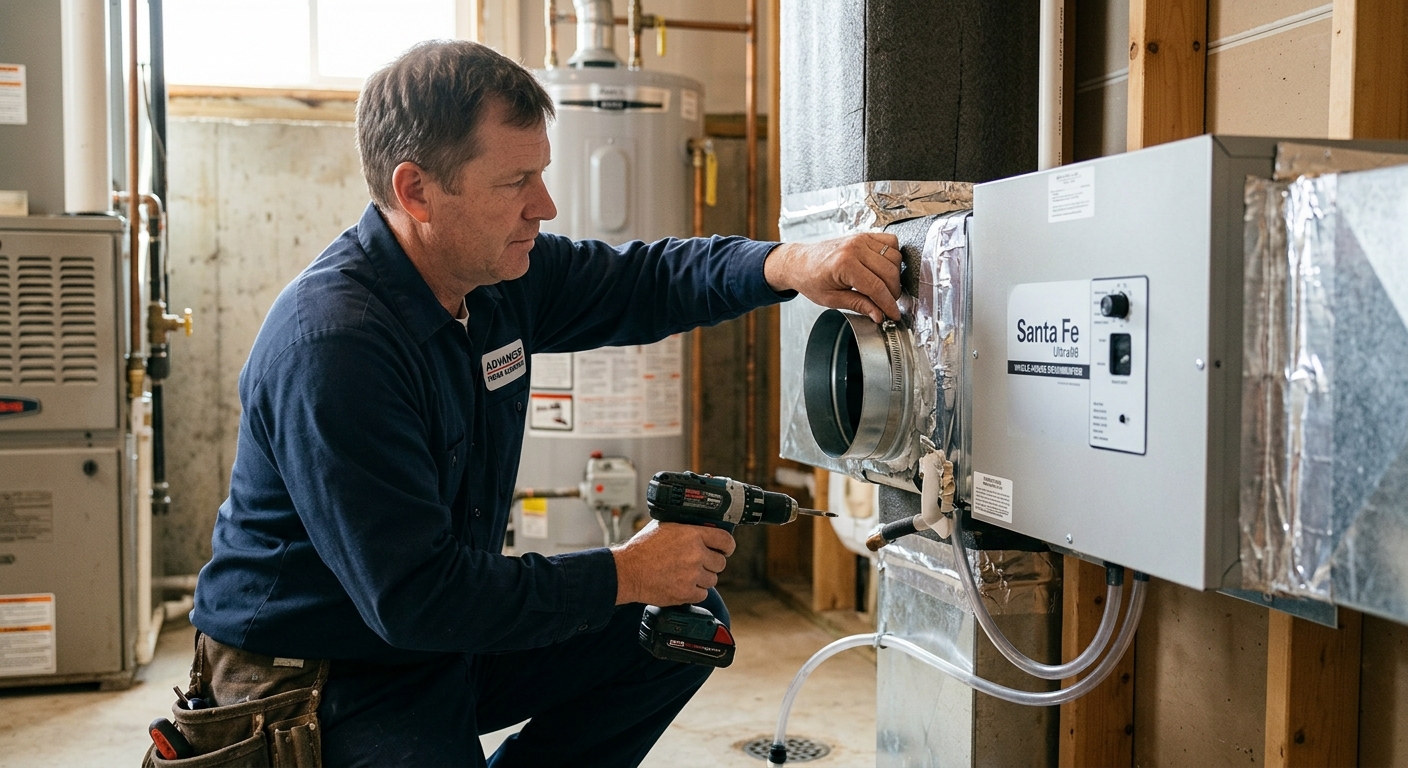
High indoor humidity quietly drives up energy bills, damages your home, and makes your AC work harder than it should. A whole-house dehumidifier solves all three problems, and the math shows most homeowners break even in 2 to 3 years.
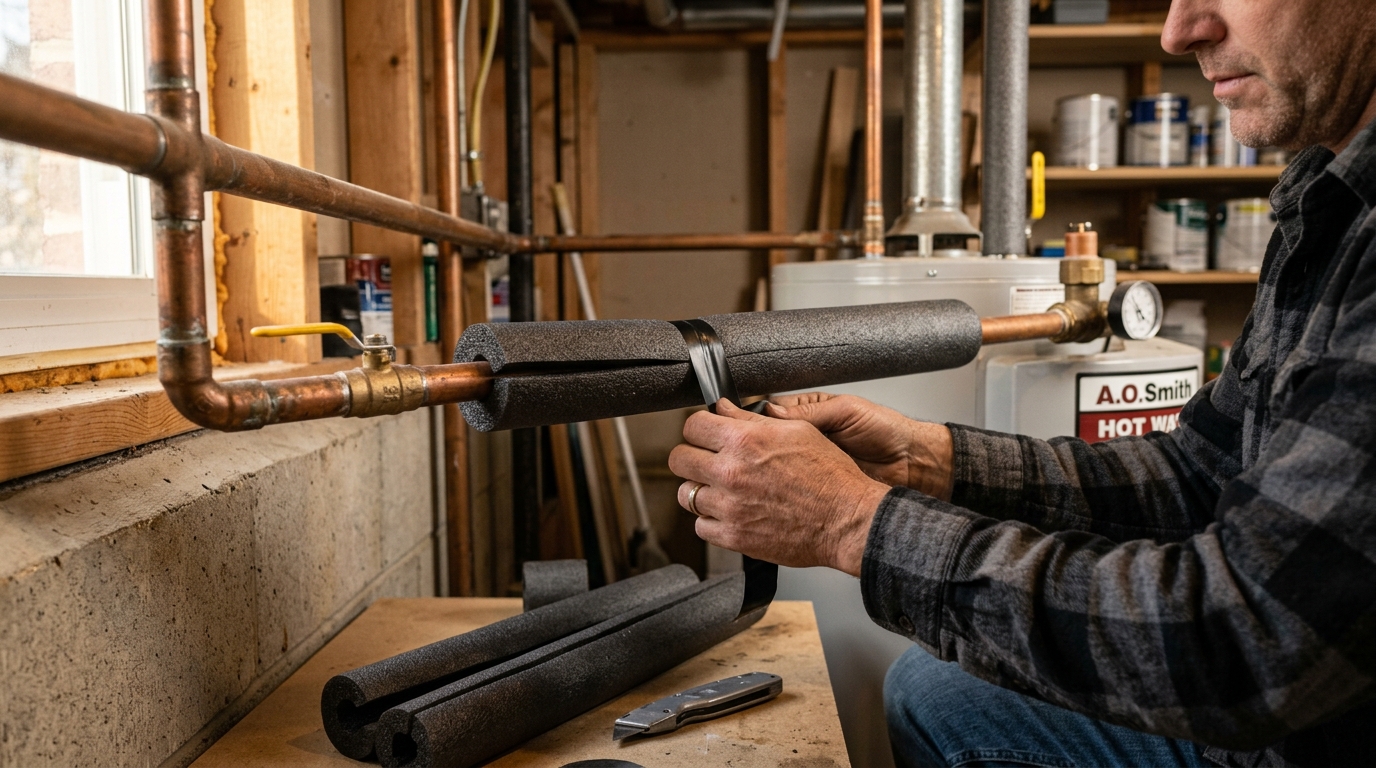
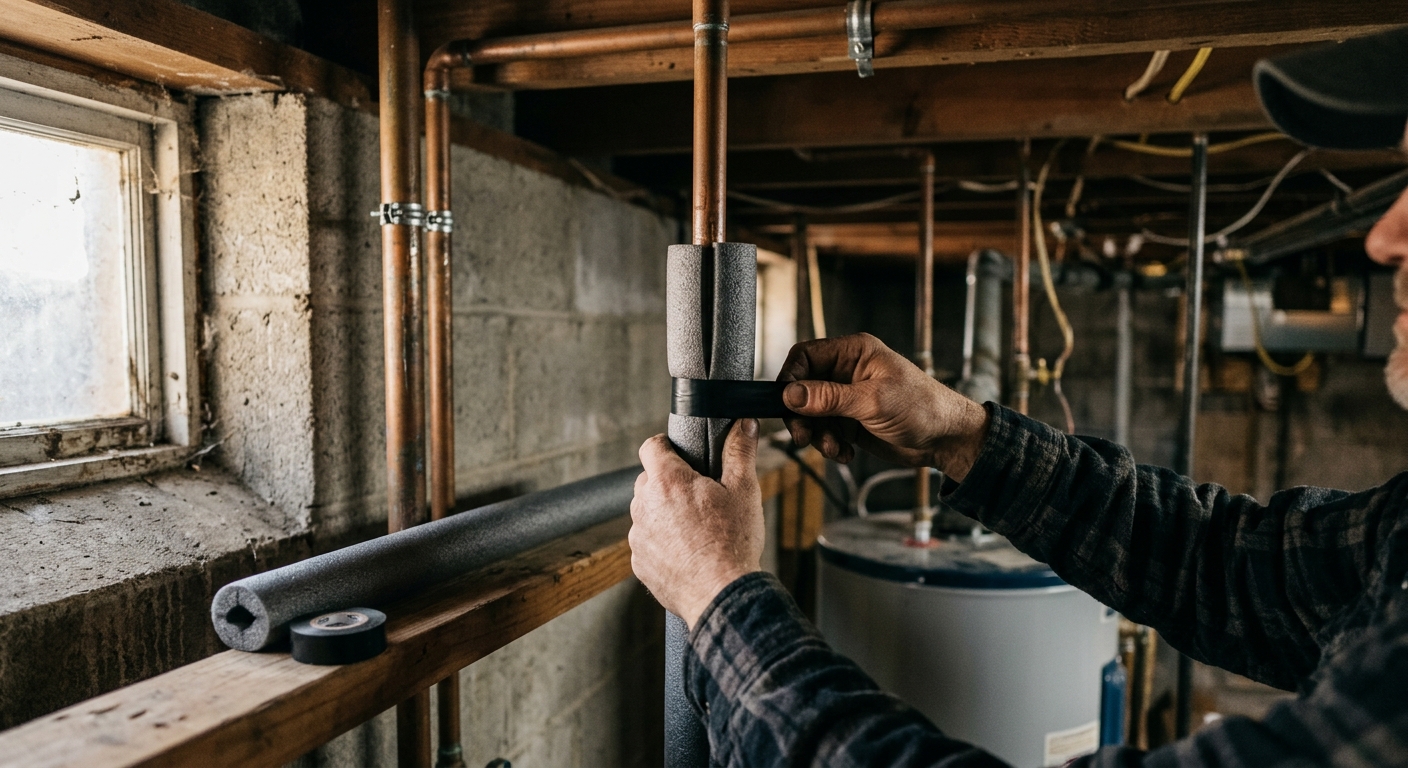
A burst pipe in January can cost $5,000 or more in water damage – and most of it is preventable with $30 worth of foam. This guide walks you through insulating your pipes the right way, from quick garage fixes to whole-house protection.
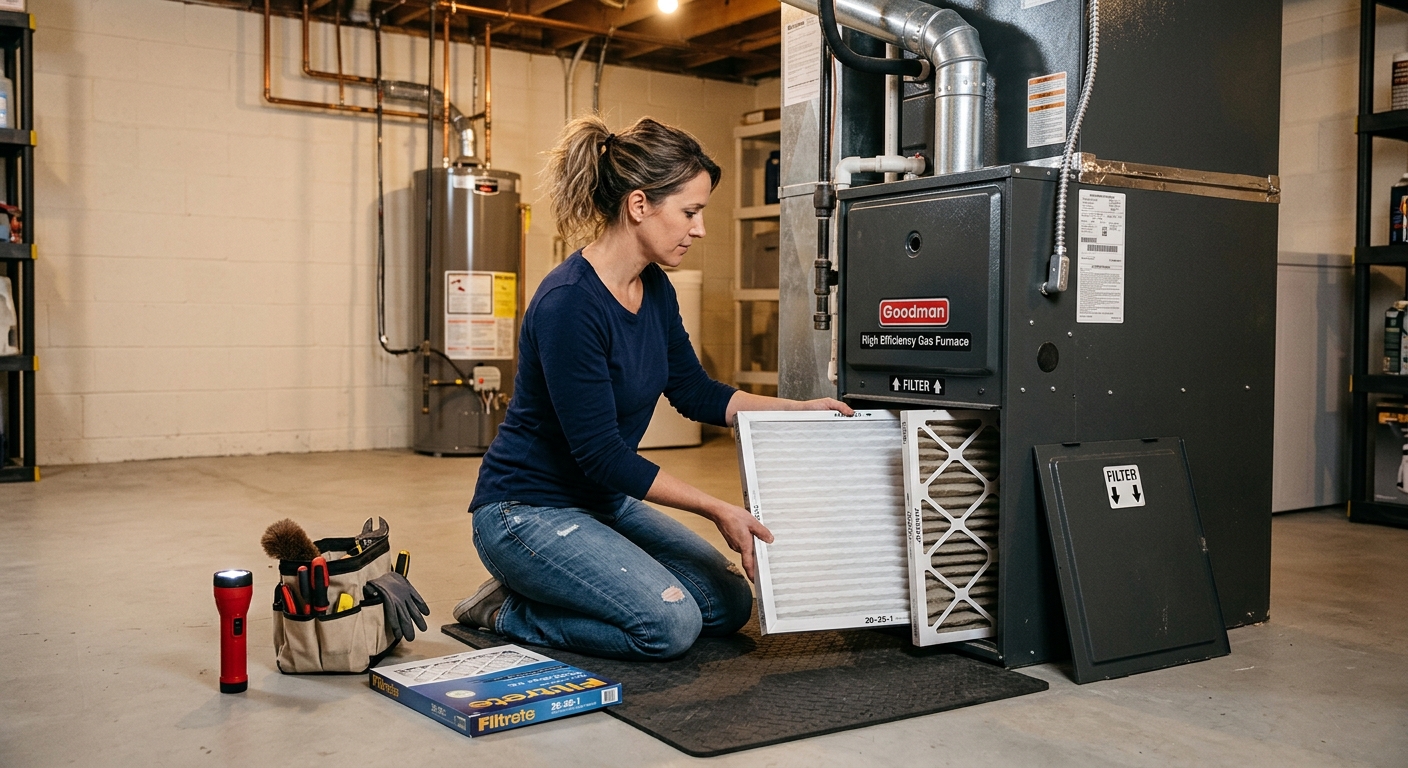
A neglected gas furnace works harder, costs more to run, and can fail when you need it most. Following a seasonal maintenance checklist takes less than two hours and can cut heating bills by 15 to 30% while extending your furnace’s lifespan by years.
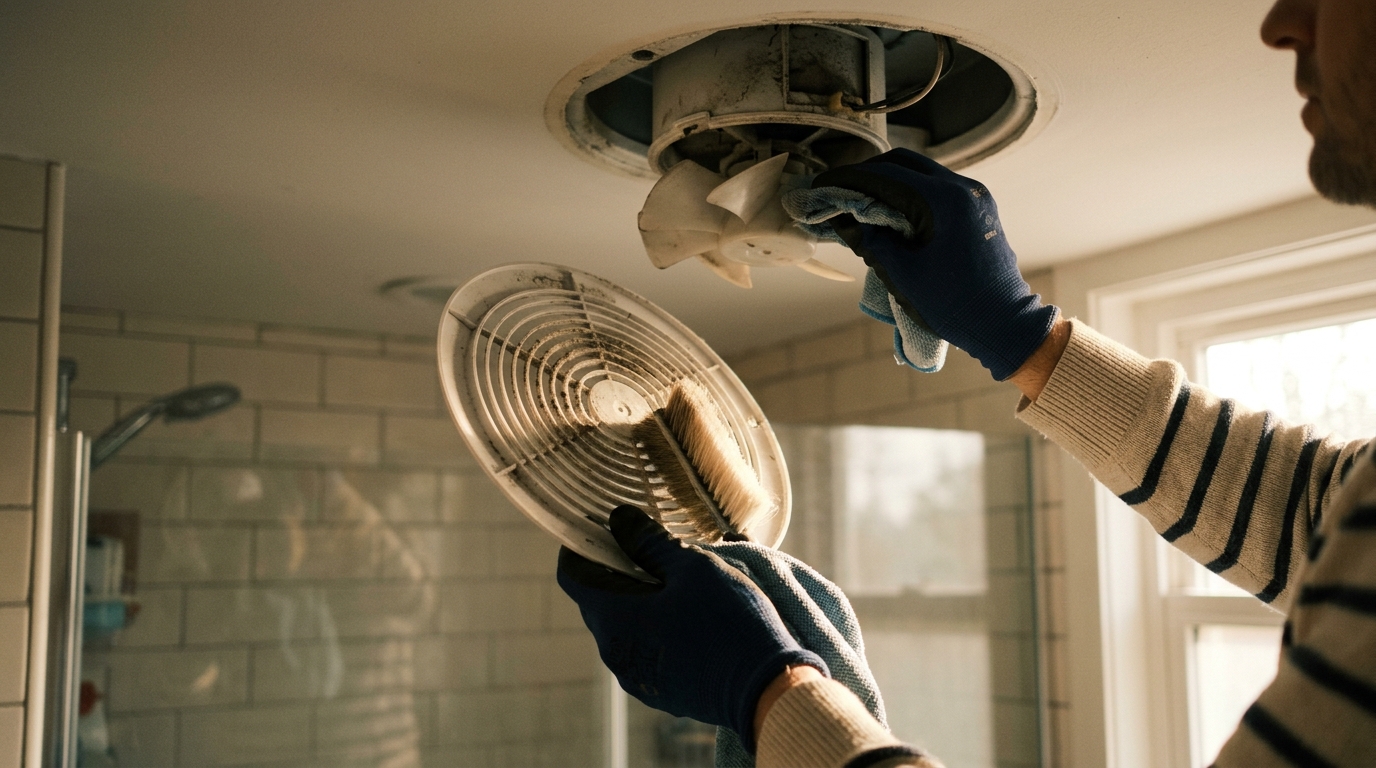
Most homeowners assume clean air requires an expensive purifier, but your home already has systems capable of doing the job. With a few smart upgrades and habit changes, you can dramatically reduce indoor pollutants for under $50 and no new appliances.
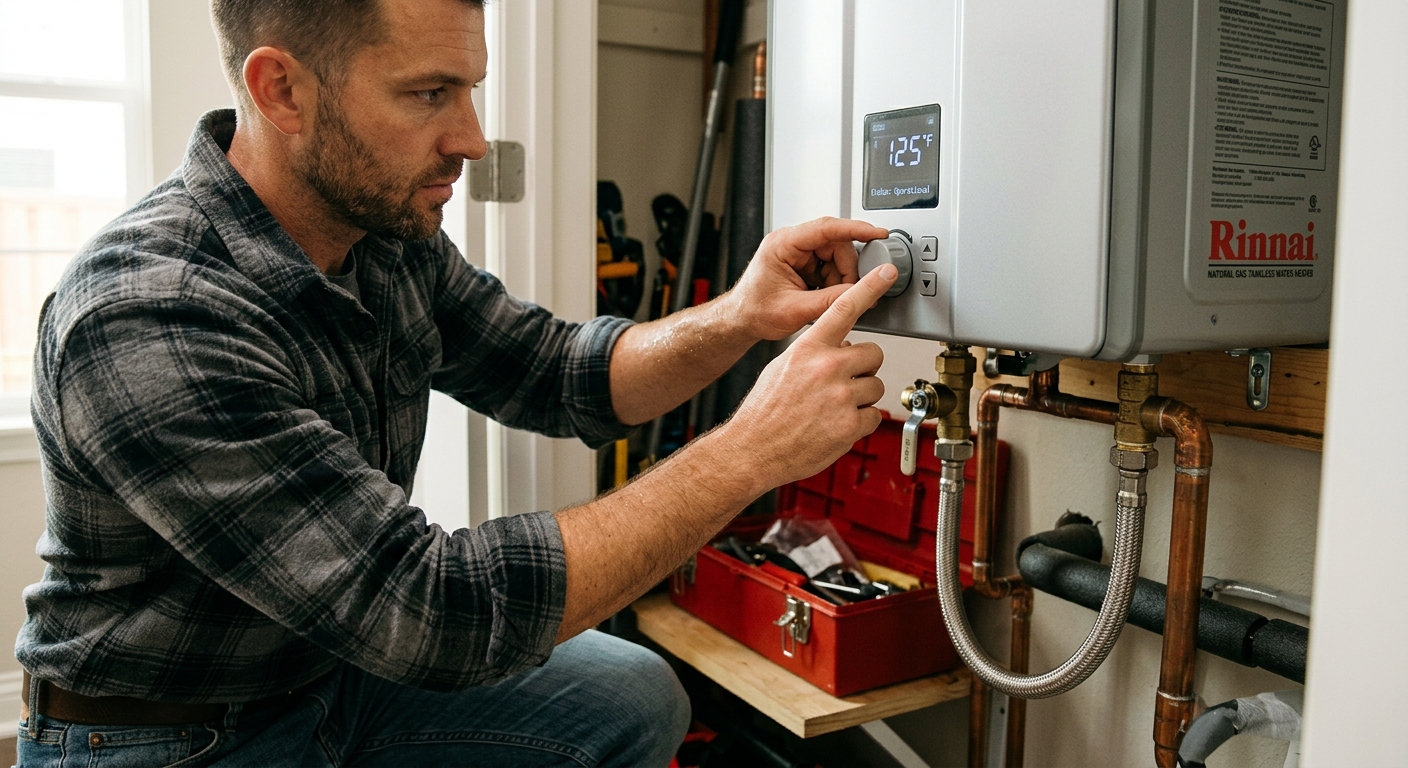
Running out of hot water during the morning rush is frustrating, but it is almost always fixable without replacing your water heater. The right combination of thermostat adjustments, sediment flushing, and scheduling habits can restore full capacity in under an hour.
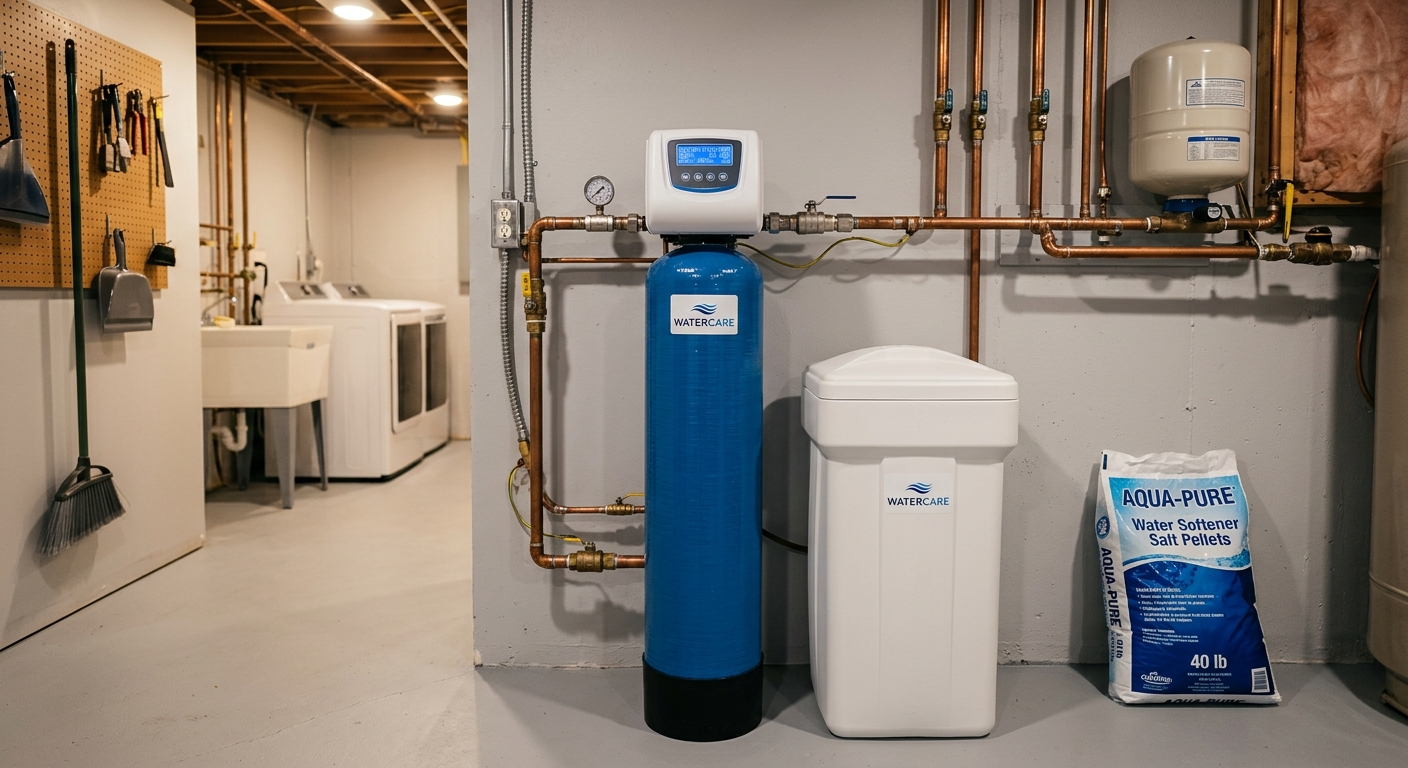
An undersized water softener regenerates too often and wastes salt and water, while an oversized one lets hardness slip through and shortens appliance life. This guide gives you the exact formula to size your softener correctly and shows you how much you can actually save.
Most ‘smart home’ gadgets are novelties that add convenience without saving money, but a handful of targeted upgrades genuinely cut energy bills by 15 to 30% annually. This post breaks down exactly which five upgrades deliver real payback, what they cost, and how to install them yourself.
Frozen pipes are one of the most expensive and preventable home disasters, with burst pipes averaging $5,000 to $70,000 in water damage repairs. A combination of targeted insulation, heat tape, and smart thermostat habits can protect your plumbing even in a drafty, under-insulated home.